






ERP for wholesale and distribution is software that connects purchasing, inventory, sales, logistics, and finance in one system. It gives distributors one shared record of stock, orders, and suppliers.
Integrating these processes reduces manual entry, stock errors, and delayed orders, which are common problems in Singapore distribution. It also gives managers accurate data for purchasing and pricing decisions.
Key Takeaways
Wholesale and distribution businesses face challenges in budgets, vendor sourcing, inventory, orders, and supply chain coordination.
ERP unifies inventory, sales, finance, and vendor data, and automates order and distribution processes.
Key ERP features include a vendor portal, e-procurement, order management, cost tracking, supply chain tools, and purchase analysis.
ERP benefits include real-time visibility, automation, better inventory control, financial insight, and scalable growth.
Common Challenges in the Wholesale and Distribution Industry

Running a wholesale and distribution business in Singapore involves many moving parts. Weak control of inventory, orders, or suppliers can quickly reduce efficiency and profitability.
The challenges below affect daily operations, from controlling costs and choosing vendors to managing stock, orders, and the wider supply chain.
1. Budget Control
Maintaining control over budgets is a pervasive challenge. Businesses must minimise costs while maximising efficiency and output.
Without comprehensive financial oversight, they risk overspending or underinvesting in crucial areas.
2. Finding the Right Vendor
A significant hurdle is sourcing reliable vendors that meet quality, cost, and delivery expectations. Global supply chains and strict evaluation processes add to this challenge.
Choosing a wholesale vendor that keeps quality consistent needs clear selection criteria.
3. Inventory Management
Tracking and managing inventory is one of the biggest challenges in wholesale and distribution. Without an effective system, businesses face stockouts, overstocking, inaccurate counts, and inefficient replenishment.
Poor visibility into inventory levels can lead to missed sales opportunities and customer dissatisfaction.
3. Order Management
Order management also poses challenges, from processing orders accurately to managing fulfilment. Every step of the order process must be streamlined.
Without proper systems, businesses face delayed order processing, incorrect shipments, and poor customer service.
4. Supply Chain Management
Wholesale and distribution supply chains are hard to coordinate when supplier visibility, delivery schedules, and logistics are disconnected.
Understanding recurring wholesale business challenges helps teams prioritise the controls that need improvement. Without proper practices, costs rise and customer satisfaction drops.
The Essential Role of ERP in Wholesale & Distribution
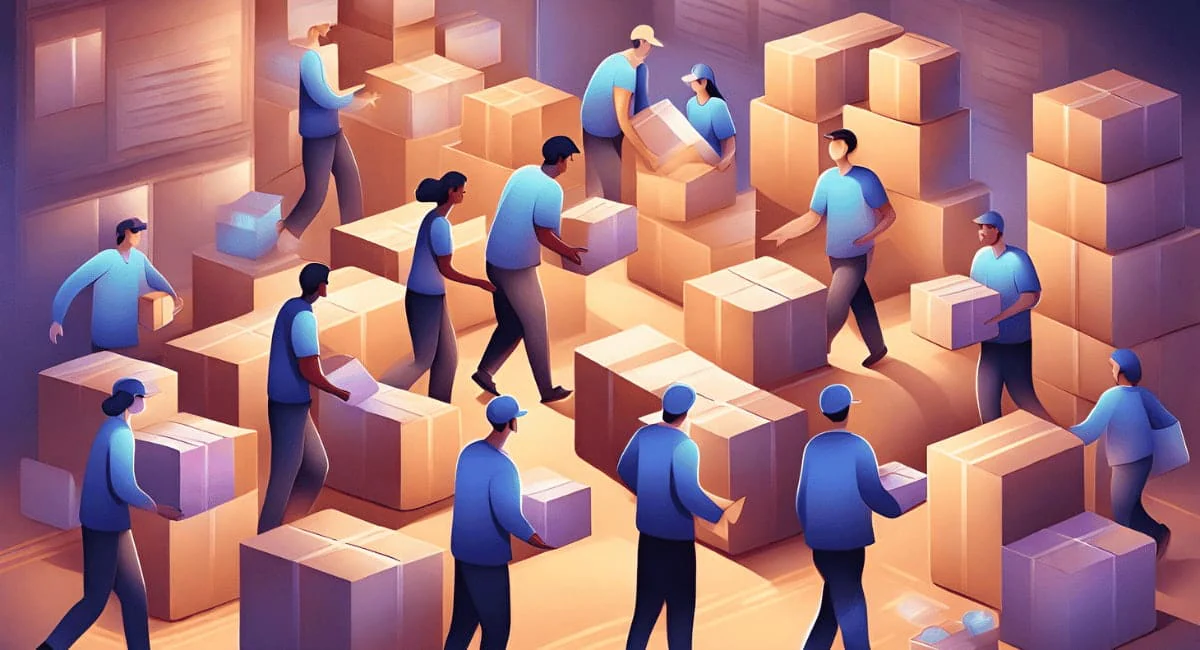
ERP software plays a vital role in managing wholesale and distribution businesses. By automating key processes and integrating data across departments, it improves operations and supports growth.
The sections below explain how ERP streamlines management, automates distribution, and integrates data across the business.
Streamline Wholesale Business Management
An ERP solution brings inventory levels, sales orders, customer interactions, and financials into one unified system.
This consolidation improves visibility across the enterprise and supports informed decision-making.
Automate the Distribution Process
ERP systems automate the distribution process, from order processing and fulfilment to shipping, which minimises manual intervention and the risk of errors.
Automation also covers vendor management, so businesses can evaluate and select vendors by price, quality, reliability, and delivery performance.
Integrate Data for Better Decision-Making
ERP systems integrate data across sales, inventory, procurement, and finance. This gives a comprehensive business view for strategic decisions based on accurate, real-time information.
For businesses with budget and vendor concerns, this data supports purchasing decisions. It keeps spending strategic and vendors aligned with quality standards and budget limits.
Must-Have Key Features of ERP Software for Wholesale & Distribution
Wholesale and distribution businesses need ERP software that covers vendors, procurement, orders, costs, logistics, and purchasing data.
Each feature below is described by what it does and how it helps distributors specifically.
Online Portal for Vendor and Vendor Rating
A vendor portal lets suppliers submit invoices, track purchase orders, and update delivery schedules directly in the system. This removes email follow-ups on every purchase order.
Vendor ratings score suppliers on delivery time, product quality, and response to inquiries. Distributors can then reorder from reliable suppliers and renegotiate with weak performers.
E-Procurement for Online Tenders and RFQ/ITQ
E-procurement manages online tenders, requests for quotation (RFQ), and invitations to quote (ITQ) in one workflow. Buyers can collect bids from several suppliers and compare them side by side.
For distributors that buy large volumes, structured bidding supports fair pricing and a clear audit trail for every award.
Order Management
Order management in wholesale distribution software covers order entry, processing, tracking, and delivery scheduling in one flow. Sales teams can confirm stock and delivery dates while the customer is still on the line.
Distributors that issue many invoices should also check whether the GST InvoiceNow Requirement applies, since it can affect how invoice data leaves the system.
Cost Savings Tracking and Reporting
Cost reports track procurement savings, inventory carrying costs, and delivery expenses against budget. Finance teams can see where purchasing and handling costs rise.
Comparing these figures by supplier, product line, or branch shows which cost-cutting efforts work and where margins need attention.
Supply Chain Management
This feature manages inventory levels across warehouses, coordinates suppliers and distributors, and plans logistics. Teams see inbound stock, outbound shipments, and delivery schedules together.
A shared view of these flows helps distributors spot late shipments early, re-route stock between sites, and keep delivery promises to customers.
In-Depth Purchase Analysis
Purchase analysis shows frequently bought products, preferred vendors, and the average price paid per product. Buyers can then see which items drive spending.
These patterns support better supplier terms and more accurate stock levels and pricing decisions for fast-moving and slow-moving items.

Evaluating ERP Solutions
Choosing the right ERP solution affects efficiency and growth, so businesses should assess options against their own requirements before committing.
Here are key aspects to assess when comparing wholesale ERP options and planning a distribution ERP system:
- Functionality: identify the features and modules critical for wholesale and distribution operations, such as inventory management, order processing, and supply chain automation.
- Scalability: check whether the ERP can handle growth in products, warehouses, and users without major rework.
- Integration: confirm the software connects with existing systems, such as accounting software or CRM, so data flows between departments.
- Customisation: consider whether the ERP can be tailored to your processes and workflows for an efficient, personalised system.
- Adaptability: assess how easily the ERP adapts to industry requirements, compliance regulations, and emerging technologies.
Benefits of ERP for Wholesale and Distribution
The benefits of ERP fall into four groups: operational efficiency, inventory and supply chain, finance and customers, and strategy.
To recognise the strategic value of this technology, here are the key benefits of implementing ERP for wholesale and distribution:
Operational Efficiency
- Real-time visibility: Access a unified view of inventory, orders, and finances, enabling faster and more informed decision-making.
- Process automation: Automate routine tasks such as order processing, invoicing, and inventory management, freeing staff to focus on strategic priorities.
- Order fulfilment optimisation: Streamline the complete order cycle from placement to delivery, reducing lead times and ensuring timely shipments.
Inventory & Supply Chain
- Improved inventory control: Monitor stock levels in real time, prevent overstocking or shortages, and optimise warehouse operations.
- Enhanced supply chain oversight: Gain better visibility over the entire supply chain, improving supplier coordination and minimising waste.
- Data-driven demand forecasting: Use analytics to predict demand accurately, ensuring the right products are available at the right time.
Financial & Customer Benefits
- Effective financial management: Manage financial data efficiently, improve cash flow, and gain insights into revenue and expenses.
- Superior customer service: Provide accurate order tracking, faster service, and easy access to product information.
- Regulatory compliance: Maintain compliance by managing risks and generating centralised, accurate reports.
Strategic Advantages
- Increased productivity: Boost team efficiency by eliminating manual, repetitive tasks and leveraging data-driven tools.
- Scalable growth: Easily expand operations as the business grows by adding new modules, features, and users.
- Cost reduction: Lower operational costs through improved efficiency, optimised inventory, and better resource utilisation.
Conclusion
ERP for wholesale and distribution brings inventory, orders, vendors, finance, and logistics into one system. This reduces manual work and gives teams reliable data for daily decisions.
The right system depends on the scale, product range, and integration needs of the business. Comparing options against these requirements leads to a more reliable choice.
A free demo lets teams test these capabilities against their own workflows before deciding.
Frequently Asked Questions
It is software that connects purchasing, inventory, sales, logistics, and finance for wholesalers and distributors. It keeps stock, orders, and supplier data in one shared system.
ERP gives real-time visibility, automates routine tasks, improves inventory control, and supports financial insight. It also scales as the business adds products, sites, and users.
Look for a vendor portal, e-procurement, order management, cost tracking, supply chain tools, and purchase analysis. Inventory control and reporting should also cover every warehouse.
ERP shows stock levels across warehouses in real time and flags low or excess stock. This helps distributors avoid stockouts and overstocking while keeping replenishment accurate.
List the features, integrations, and growth plans the business needs, then compare vendors against them. Test the shortlisted systems with real orders, stock, and supplier workflows.