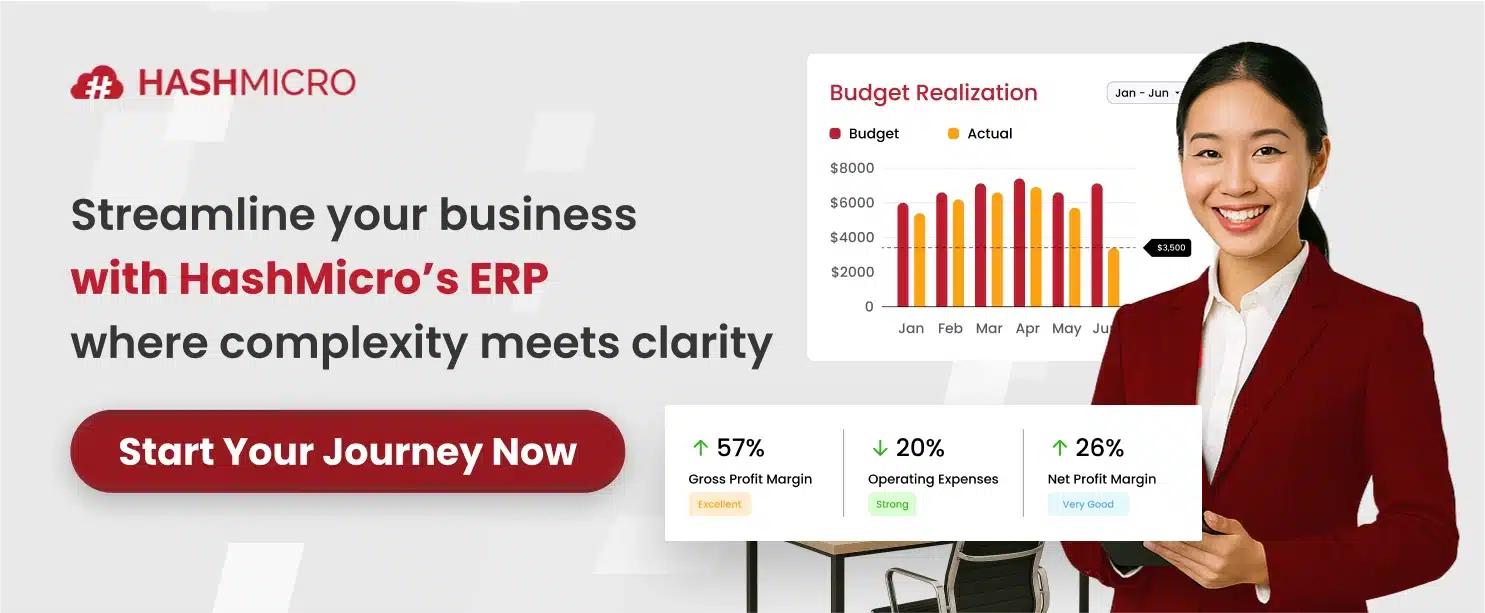





Business efficiency is no longer limited to finance, inventory, or payroll. Many companies now need a connected system that also supports faster marketing execution, especially when campaigns must follow real-time stock availability, customer demand, and sales trends.
This is where ERP software becomes more valuable. Modern ERP systems do more than manage back-office operations. They centralize data from inventory, CRM, sales, and POS, which gives teams a stronger foundation for planning campaigns, launching promotions, and maintaining brand consistency across channels.
When supported by creative automation tools, ERP data can help marketing teams produce visual assets faster and with better accuracy. As a result, businesses can respond more quickly to market changes while keeping campaign messaging aligned with operational conditions.
Why ERP Data Matters for Marketing Content Production
Many businesses struggle to keep marketing content aligned with actual operations. A promotion may go live while stock is low, a featured product may already be unavailable, or campaign messaging may not match current customer demand. These gaps often happen because marketing, sales, and operations work with separate data.
ERP software helps solve this problem by connecting key business functions in one system. Inventory and warehouse modules show stock status, CRM captures customer behavior, and POS or sales modules reflect current purchasing trends. With this visibility, marketing teams can create content that is more relevant and easier to execute.
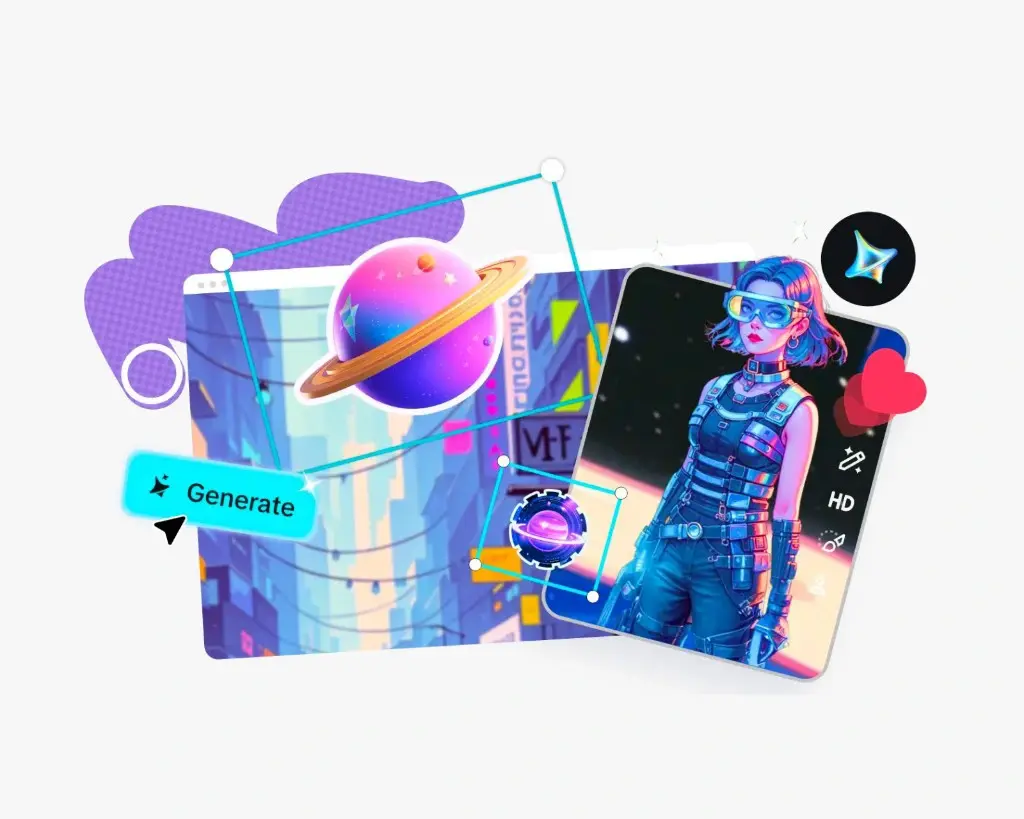
This workflow becomes even more effective when businesses use creative tools alongside ERP. Instead of creating visuals manually for every campaign, teams can use an AI image generator to speed up production for product banners, promotional visuals, and social media content while still following data from the ERP system. Similarly, an AI video generator can streamline the creation of video content for ads or social media campaigns, ensuring that visuals are timely and aligned with the latest business data.
Using CRM Insights to Create More Targeted Visual Campaigns
CRM data is one of the most useful assets in an ERP ecosystem because it shows who customers are, what they buy, and how often they engage. However, data alone does not improve conversion. Teams still need clear and relevant visuals to turn insight into action.
When CRM insights are combined with creative automation, businesses can produce more personalized marketing assets for specific customer segments. For example, if the CRM identifies inactive repeat buyers, the marketing team can prepare a reactivation campaign with tailored offers and visuals that match their purchase history or preferred product category.
This approach helps businesses avoid generic campaigns. It also improves campaign timing because visuals can be prepared faster and launched while the opportunity is still relevant. In practice, ERP data + creative tools creates a more controlled and measurable marketing process.
How Retail and POS Businesses Improve Campaign Execution Speed
For retail and POS-driven businesses, speed matters. Promotions often change quickly due to stock movement, seasonal demand, or branch-level performance. In these situations, marketing teams need a fast way to prepare and update promotional visuals without delaying campaign launches.
ERP software supports this process by providing real-time product, pricing, and sales data. Marketing teams do not need to wait for manual updates from multiple departments before launching a visual campaign. They can coordinate faster using the same source of truth used by operations and sales teams.
This is especially useful for businesses with multiple locations. When data is centralized, teams can produce consistent promotional materials and even generate posters for branch campaigns more efficiently, while still adjusting messaging based on local inventory or customer trends. As a result, visual communication becomes faster, more accurate, and more aligned with business goals.
Conclusion
ERP software is no longer limited to back-office administration. It now plays an important role in helping businesses run faster and more connected marketing workflows by linking operational data with campaign execution.
When companies combine ERP data with creative automation tools, they can improve speed, accuracy, and relevance across promotional activities. This combination helps teams work more efficiently while keeping marketing decisions aligned with sales, inventory, and customer data.