












Companies often talk about growth like it lives only in sales dashboards and quarterly reports. It doesn’t. Growth also lives in school pickup schedules, parental leave policies, flexible hours, and the daily stress levels of employees trying to keep life together. Ignore that reality, and stability starts to crack.
A lot of leaders learn this too late. They focus on hiring fast, then wonder why great people quietly leave six months later. The pattern is common and expensive. Replacing skilled staff drains time, money, and momentum. It also bruises morale.
Modern workplace benefits only create long-term stability when companies can manage, measure, and improve them through integrated HR, finance, and operational systems.
Key Takeaways
|
Stability Starts With Retention
When employees feel supported at home, they’re far more likely to stay committed at work. That sounds obvious, yet many organizations still treat family-friendly benefits like extras instead of core infrastructure.
Flexible schedules matter. Reliable leave policies matter. Childcare support matters even more than many executives assume. Parents who know their employer understands real life tend to bring more focus and consistency to their roles. They’re not spending every morning solving a crisis before the workday even begins.
One operations director once admitted after a rough hiring year that turnover wasn’t caused by pay alone. It was exhausting. Talented people were burning out while juggling impossible routines. Once schedules became more flexible, resignations slowed within a quarter.
That kind of result isn’t luck. It’s design.
Better Culture, Fewer Fire Drills
Unstable workplaces usually have the same symptoms. Constant vacancies. Managers stretched thin. Last-minute coverage requests. Teams working in reactive mode all week.
Family-friendly policies reduce that chaos. When people can plan their lives, teams can plan their work. Predictability becomes a real advantage. Meetings start on time. Deadlines become more realistic. Managers stop patching holes every afternoon.
Culture improves too. Employees notice when leadership backs up values with action. A company can hang ten posters about caring for people, but one practical benefit does more than all ten combined.
And yes, employees talk. They tell peers where they feel respected. They also tell peers where they feel trapped. Reputation spreads faster than any recruiting campaign.
Leadership Pipelines Need Real Support
Future leaders do not appear out of thin air. They develop over years through experience, coaching, and trust. If mid-career talent leaves because the workplace is rigid, the leadership bench weakens quietly.
This is where family-friendly strategy becomes more than an HR topic. It becomes a continuity topic. Organizations that retain experienced professionals preserve institutional knowledge and create smoother transitions when leadership changes occur.
That directly supports business succession planning, especially in growing firms where senior roles may shift quickly. A stable internal pipeline is stronger than a rushed external search every time. External hires can work, sure. But they also come with risk, delay, and the occasional spectacular mismatch.
Data Helps Policies Work
Good intentions are not enough. Benefits need structure, measurement, and follow-through. This is where integrated business systems make a measurable difference.
HR platforms can track turnover by department, leave utilization, absentee trends, hiring costs, and retention after policy changes. Finance teams can compare the cost of benefits against the cost of churn. Operations teams can forecast staffing needs with more confidence.
Without data, leaders guess. Guessing is expensive.
HashMicro-style integrated systems help unify those views so decision-makers stop operating in silos. HR sees people trends. Finance sees cost impact. Executives see long-term patterns instead of monthly noise.
That shared visibility changes conversations. Suddenly, flexible work isn’t a vague perk. It becomes a measurable business lever.
How HR Automation Turns Employee Benefits Into Business Stability
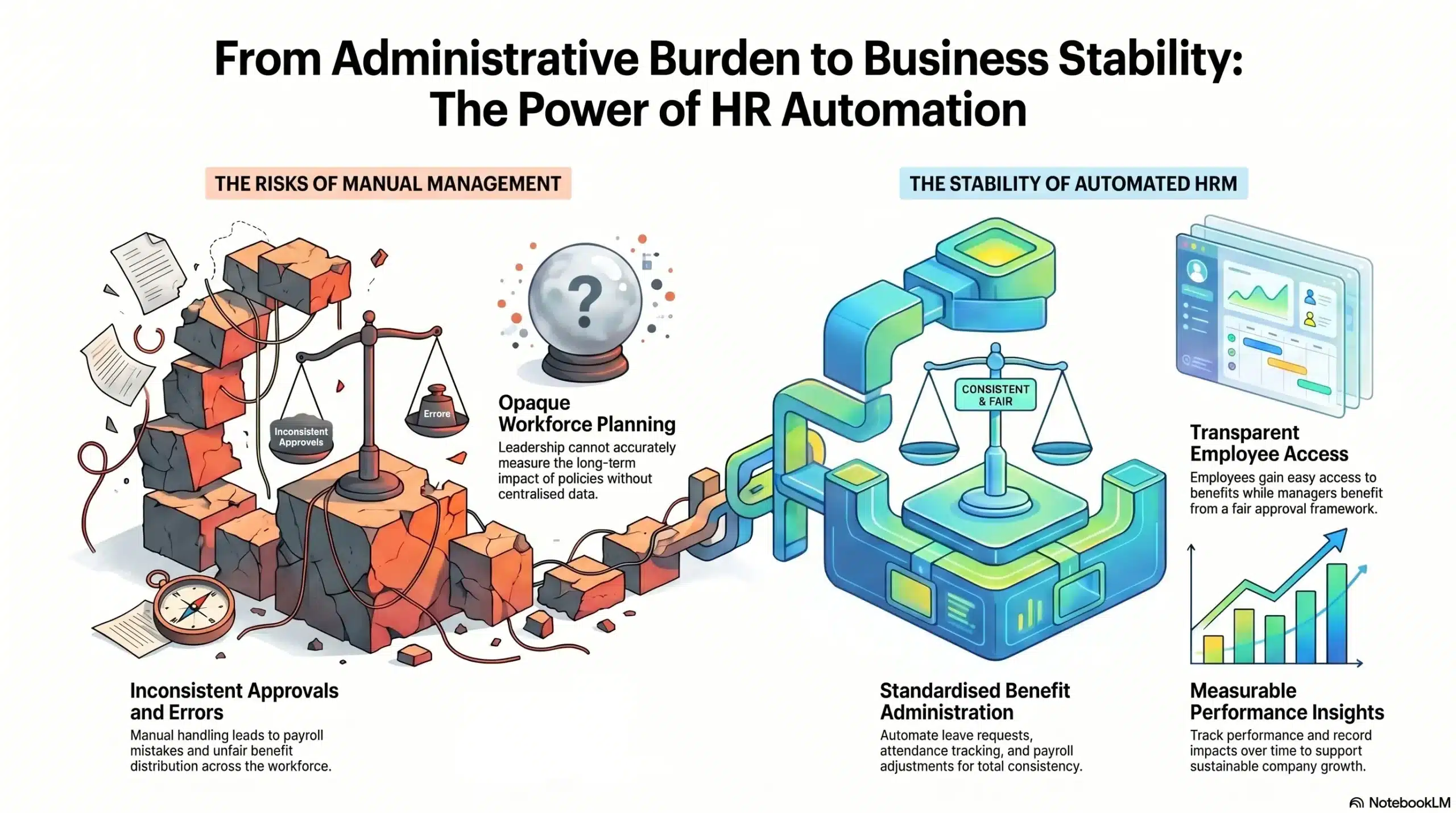
Managing family-friendly policies manually can create inconsistent approvals, payroll errors, and unclear workforce planning. HR automation helps companies standardize benefit administration while keeping the process transparent for employees and managers.
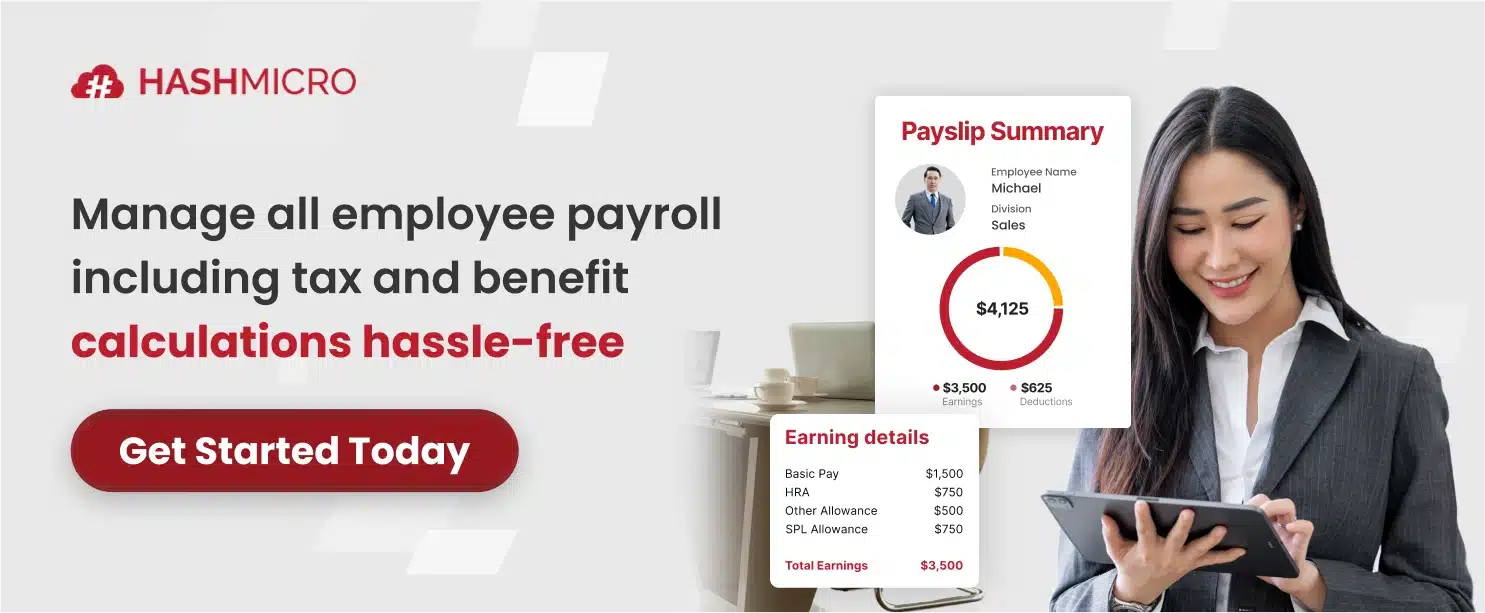
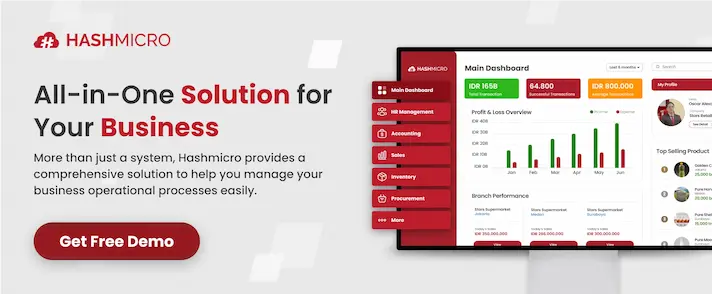
Through HashMicro’s HRM software, businesses can automate leave requests, attendance tracking, payroll adjustments, employee records, and performance insights. This makes it easier to support employees without creating extra administrative burden for HR teams.
For growing companies, this structure matters. A benefit policy may sound good on paper, but it only works when employees can access it easily, managers can approve it fairly, and leadership can measure its impact over time.
Childcare Support Is No Longer Optional
Some companies still hesitate around childcare initiatives because they assume they are too niche or too costly. That view is outdated.
Modern workforces include dual-income households, single parents, caregivers, and employees managing layered responsibilities. Support in this area can unlock productivity that was previously lost to stress and scheduling friction.
Many organizations now partner with corporate child care consultants to assess practical options such as subsidy models, referral networks, backup care programs, or on-site feasibility studies. Smart companies do not copy trends blindly. They choose what fits workforce needs and operating reality.
However, these initiatives still need proper internal tracking. HR teams need visibility into employee needs, utilization rates, absenteeism, and retention impact to understand whether the policy is working.
Integrated HR software can help companies monitor those patterns and adjust policies based on actual workforce data.
Trust Creates Resilience
Every company faces pressure eventually. Market dips happen. Leadership changes happen. Sudden expansion happens too. During those moments, trust becomes priceless.
Teams that already feel supported are more likely to stay steady during uncertain periods. They give leadership the benefit of the doubt. They collaborate faster. They are less likely to scan job boards the minute conditions get messy.
That resilience cannot be built overnight. It forms through repeated signals that the company values people as humans, not just output machines.
A small example says a lot. If an employee needs to attend a school emergency and the process is smooth, they remember it. If they’re forced through layers of friction and guilt, they remember that too.
Memory shapes culture.
The Competitive Edge Many Companies Miss
Some executives chase flashy perks because they look good on social media. Game rooms. Snack walls. Branded hoodies nobody asked for. Fine. Have fun.
But practical family-friendly benefits often deliver stronger long-term returns because they solve real problems. Employees don’t need a neon sign in the lounge nearly as much as they need a workplace that respects time, responsibility, and family life.
That’s the difference between decoration and strategy.
Organizations that understand this tend to build steadier teams, stronger leadership pipelines, and healthier operating rhythms over time. They don’t just grow faster. They wobble less while growing.
And in business, that kind of balance is rare.
Conclusion
Modern workplace benefits are no longer just about improving employee satisfaction. They shape how stable, resilient, and scalable a business can become over time. Flexible schedules, parental support, and practical policies help reduce turnover, strengthen culture, and protect leadership pipelines (but only when they are backed by structure and consistency).
For companies that want to build a more stable workforce, technology should support the policy, not complicate it. HashMicro’s HRM software helps businesses manage employee records, leave, payroll, attendance, and workforce reports in one integrated platform.
If you’re wondering what’s the right HRM software for your business, you can take the advantage of our free consultation service with our professional team.