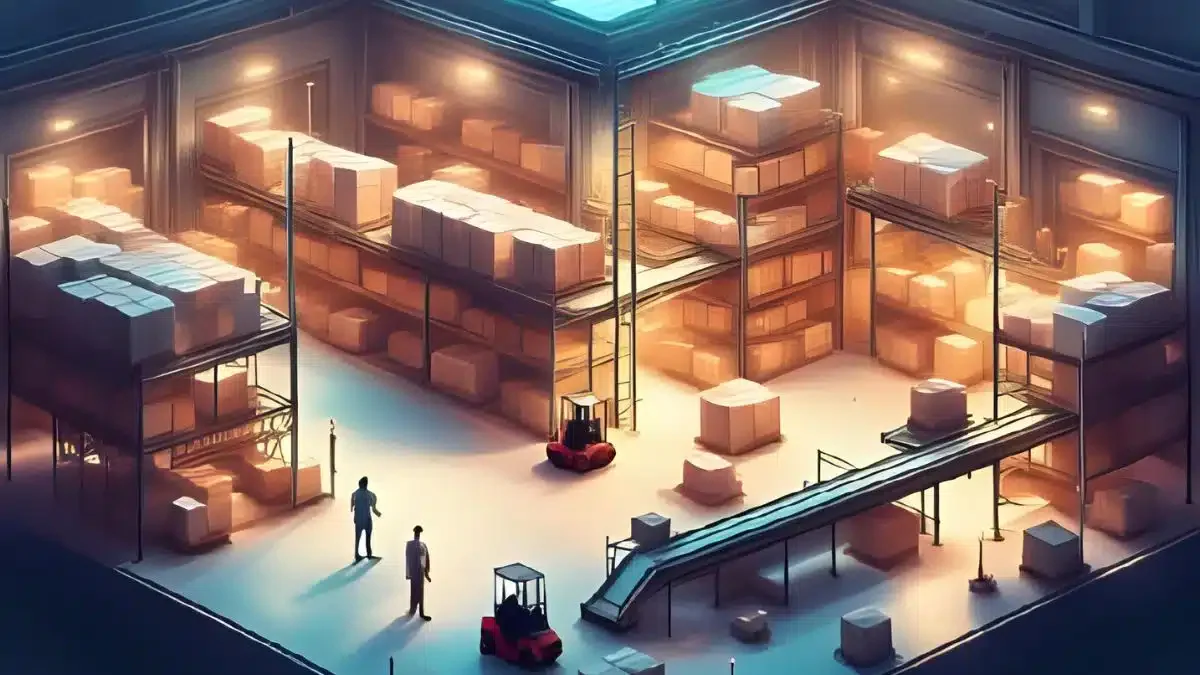







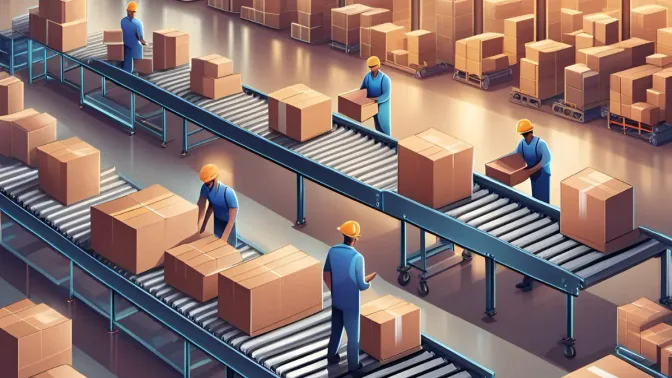
A bonded warehouse in Singapore is a secure facility where imported goods are stored under customs control, often allowing duties and taxes to be deferred until the goods are released for export. It’s a practical option when you need more flexibility in storage and cash flow timing.
Demand for warehouse space in Singapore is showing signs of softening, while new supply continues to rise. A report citing S&P Global Ratings and JTC Corp notes that the 2027 supply is projected to stay elevated at around 5 million square feet, which puts more attention on how warehouses are run day to day.
Are you considering a bonded warehouse to improve handling and timing for imported stock? This guide explains how bonded warehousing works in Singapore and what to prepare so operations stay smooth.
Key Takeaways
Bonded warehouses involve strict customs rules and high-value stock, so clear processes help keep compliance and costs in check.
Implementing a software solution like a Warehouse Management System (WMS) can streamline bonded warehouse operations, ensuring compliance and reducing costs.
A warehouse stock management system can help businesses in Singapore streamline warehouse operations with practical, advanced features.
What is a Bonded Warehouse?
Bonded warehouses are private or government-run facilities where imported goods can be stored without paying duties right away. Businesses only settle duties and taxes when the goods are released for local use, which helps with cash flow.
They’re especially useful for dutiable items like alcohol or luxury goods, and some goods can be processed under customs supervision while still in storage. If goods are re-exported, duties may not apply, making bonded warehousing a practical option for international trade.
How does a Bonded Warehouse Work?
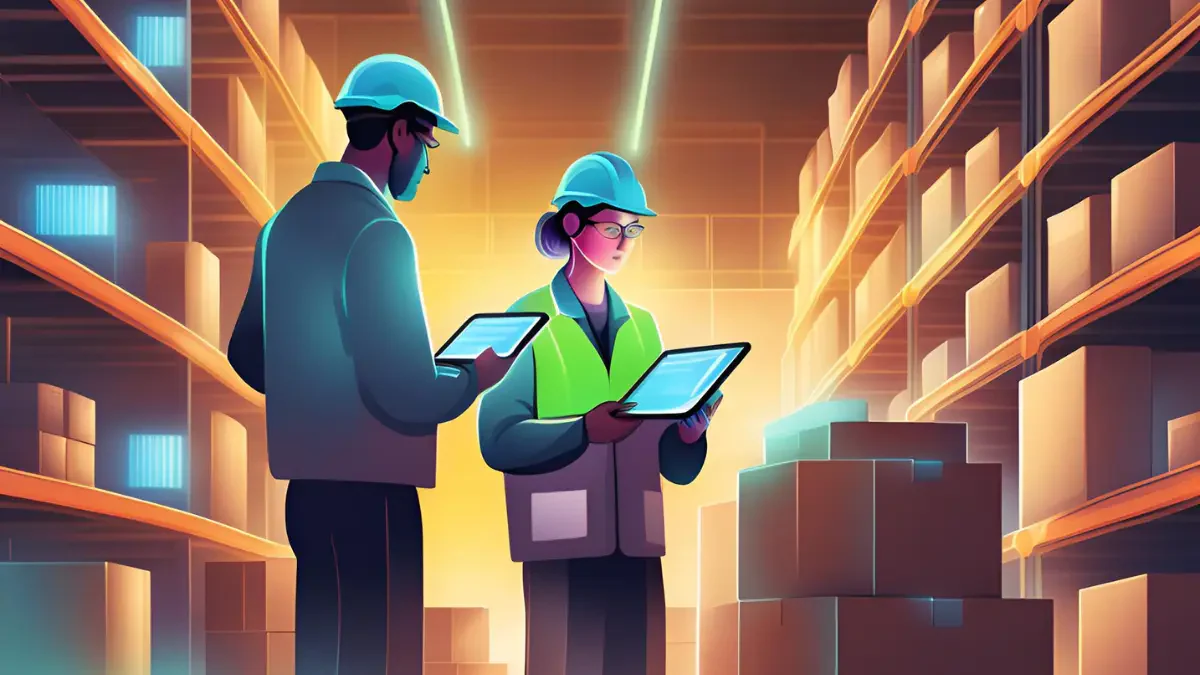
Understanding how a bonded warehouse works matters for importers, since it lets you store goods under customs control without paying duties right away and supports smart warehouse planning for smoother storage and release.
- Apply for and acquire the bond: Submit an application to customs with details like warehouse location, intended use, access controls, and the types of goods to be stored. Approval is required before operations begin.
- Import goods: Once approved, you can bring imported goods into the bonded area. Arrival timing depends on shipping schedules and clearance.
- Store and control goods: Goods must be stored and recorded properly based on category and handling needs. Some items may be processed under customs supervision before distribution.
- Fulfill and ship orders: If used for fulfillment, your team can pick, pack, and ship orders while goods remain under customs control until release conditions are met.
- Pay import duties and taxes: Duties and taxes are paid before goods leave the bonded warehouse, typically by the importer or the warehouse operator depending on the arrangement.
Benefits of a Customs Bonded Warehouse

A customs-bonded warehouse lets businesses store imported goods under customs control while delaying duty payments, improving cash flow, and giving more flexibility in when inventory is released.
1. Simplified international shipping
Bonded warehousing makes international shipping easier because you can store imported goods under customs control without paying duties immediately. It also helps you consolidate shipments and release goods when the timing makes the most sense for your operations.
2. Extended storage solutions
A bonded warehouse in Singapore lets you store goods for longer periods without paying duties and taxes upfront. This gives you the flexibility to wait for stronger demand, better pricing conditions, or the right export schedule before releasing inventory.
3. 24/7 access to stored goods
Many bonded warehouses offer 24/7 access, so you can retrieve goods whenever urgent orders come in or schedules shift. With a warehouse management system in Singapore, it also becomes easier to track what’s available in real time and respond faster.
4. Cost-saving opportunities
Because duties and taxes are only paid when goods leave the warehouse, you can protect cash flow while keeping inventory ready. A WMS Singapore setup can also support better organization, so stock stays accessible without creating unnecessary handling costs.
5. Enhanced payment flexibility
Bonded warehousing gives you more control over when duty payments happen, since charges only apply at the point of release. This makes it easier to spread out large payments by releasing goods in stages, rather than paying everything at once.
6. Seamless in-house fulfillment
If the facility supports fulfillment, you can handle storage, packing, and shipping in one location. That reduces handoffs, speeds up processing, and gives you better control over order accuracy.
7. Adaptable handling of restricted goods
Bonded warehouses are designed to handle restricted or tightly regulated goods under customs supervision. This is useful when items require special storage conditions or when goods are likely to be re-exported without triggering unnecessary duties.
8. Improved security measures
Bonded warehouses usually have strong security, such as surveillance, controlled access, and alarm systems. Since goods are also handled under customs rules, it adds another layer of oversight that helps protect high-value inventory.

The Difference between Bonded vs. Non-bonded Warehouses
| Aspect | Non-bonded Warehouse (Regular) | Bonded Warehouse |
|---|---|---|
| Customs status | Goods are typically customs-cleared. | Goods stay under customs control. |
| Duties and taxes | Usually paid upfront after import clearance. | Paid only when goods are released locally. |
| Best for | General storage and local distribution. | Holding goods, re-export, and staged releases. |
| Cash flow impact | Higher immediate cash outlay. | Defers duty/tax payments to improve cash flow. |
| Security and oversight | Standard facility controls. | Tighter security with customs oversight. |
| Operations support | Typical handling and dispatch processes. | May support labeling or fulfillment for a digital warehouse workflow. |
The Main Purposes of a Bonded Warehouse in Singapore
Bonded warehouses support Singapore’s import-export trade by letting businesses store goods without paying duties immediately, improving cash flow and compliance. Next, we’ll cover their main purposes and how they support different business needs.
- Deferred payment of duties and taxes: You only pay duties and taxes when goods are released for local use, which helps keep cash flow flexible while stock stays in the bonded facility.
- Temporary storage: Goods can be stored safely while waiting for clearance or the next distribution step, reducing pressure to move everything quickly through the port.
- Allowing re-export: If goods are meant for export, they can stay in the bonded area without local duty payments, keeping trade movements simpler and more cost-efficient.
- Repackaging and labeling: You can relabel or repackage goods to meet market requirements before release, without triggering immediate duty payments.
- Quality control: Controlled storage conditions help protect product quality, supported by clear tracking and monitoring before distribution.
- Enhanced storage and security: Bonded warehouses typically offer stronger security and access control, which is useful for high-value goods held for longer periods.
What are the Two Types of Bonded Warehouses?

In Singapore, bonded warehousing is generally grouped into two main options, depending on whether your goods are dutiable and when to charge 0% GST (Zero-rate) for exports or qualifying supplies. The right choice comes down to the product type and whether goods are released locally or re-exported.
Licensed Warehouse (LW)
Used for dutiable goods such as liquor, tobacco, and motor vehicles. Duty and GST are suspended while goods remain in the warehouse, and the facility follows stricter customs controls with different security tiers based on risk and goods value.
Zero-GST Warehouse (ZGS)
Used for non-dutiable goods like electronics, apparel, and machinery. The key benefit is GST suspension until goods leave the warehouse, which supports re-export and value-added handling like warehouse labeling services.
What are the Examples of Bonded Warehouses in Singapore?
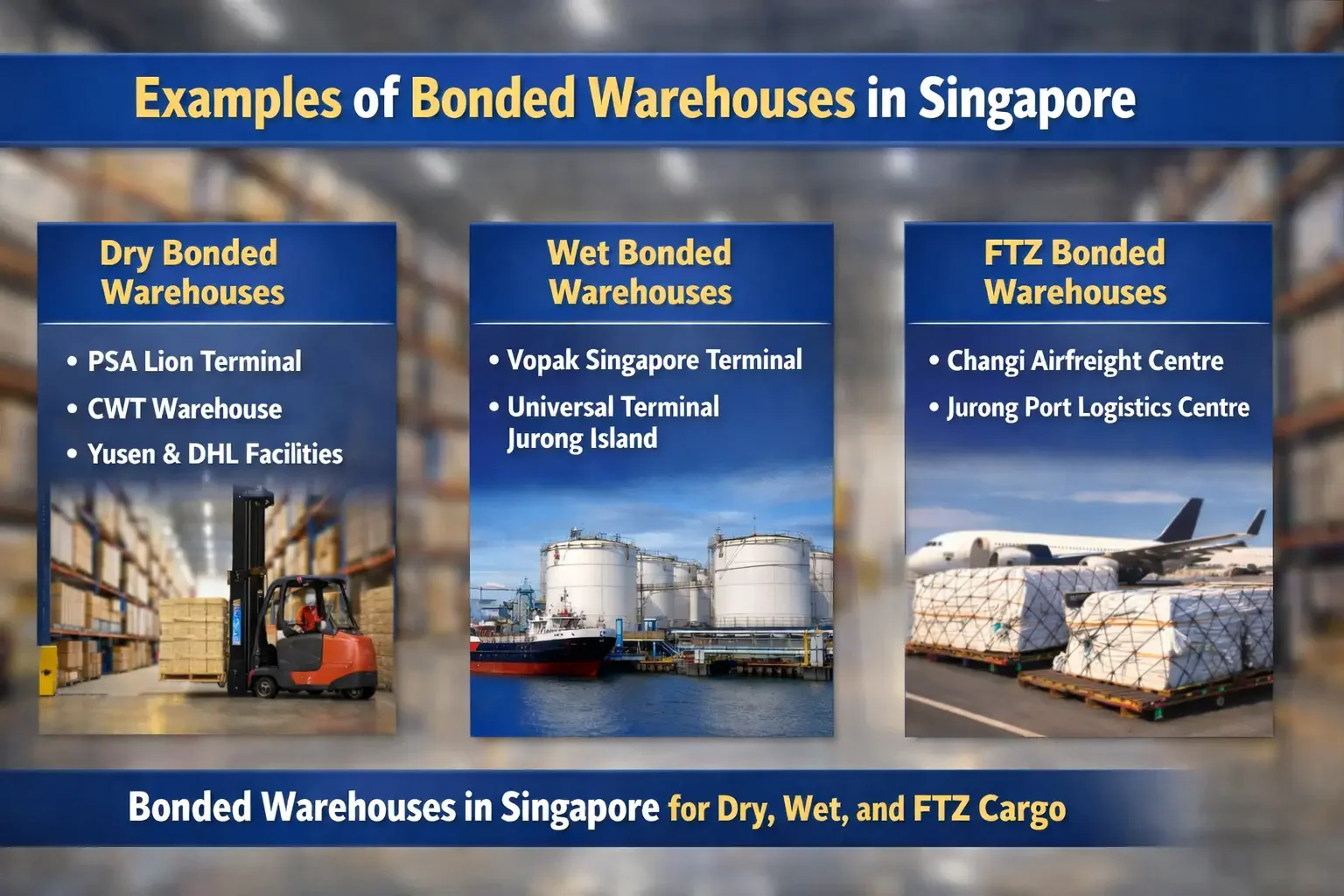
Singapore offers a range of bonded warehouses to fit different industries and cargo types, from dry goods and liquids to temperature-sensitive products, while supporting smooth operations under customs rules.
- Dry Bonded Warehouses: PSA Lion Terminal at Pasir Panjang Terminal FTZ handles containerized cargo and value-added services. CWT Warehouse near Changi Airport supports bonded storage for general cargo, while Yusen Logistics and DHL Global Forwarding provide flexible bonded options.
- Wet Bonded Warehouses: Vopak Singapore Terminal on Jurong Island stores bulk liquid chemicals and petroleum. Universal Terminal, also on Jurong Island, specializes in LNG and other bulk gases.
- FTZ Bonded Warehouses: Changi Airfreight Centre within Changi Airport FTZ supports air cargo and bonded storage. Jurong Port Logistics Centre provides multimodal handling within the Jurong Island FTZ.
The best bonded warehouse depends on what you store and how you ship it, since each option has different strengths, like port or airport access and specialized storage.
How WMS Supports Bonded Warehouse Operations
Bonded warehouses run on tight controls, and manual tracking can make it hard to stay consistent across stock movement, documentation, and release timing. A WMS helps by providing a clear view of inventory status and activity, making daily operations easier to manage.
With a WMS, teams can track goods by location and status, reduce data entry errors, and keep records ready for checks. Without one, updates often depend on spreadsheets and handoffs, which slow down work and make reconciliation harder.
For example, a Singapore importer using a WMS software solution from HashMicro can track bonded stock movements in real time, align picking and release workflows with documentation, and reduce time spent reconciling inventory at month-end.
Conclusion
A bonded warehouse in Singapore stores imported goods under customs control, often allowing you to defer duties and taxes until the goods are released or exported.
This guide explained how it works, the main benefits, the difference from non-bonded warehouses, the two common types in Singapore, and real examples you can reference.
If you want to confirm the best setup for your goods and release process, you can request a short consultation to review your use case.
FAQ About Bonded Warehouse
A bonded warehouse, or bond, is a building or other secured area in which imported but dutiable goods may be stored, manipulated, or undergo manufacturing operations without payment of duty. They may then be again exported without payment of duty. It may be managed by the state or by private enterprise.
Goods stored in bonded warehouses are not subject to customs duties, excise taxes, etc. because the import process has not been completed, and you do not need to pay customs duties until the goods are released from the warehouse.
The goods stored in customs bonded warehouses are imported goods that require the importer to pay a duty. However, the goods can be stored in the customs bonded warehouse for up to five years without duty, taxes, or other fees. Either a government or private enterprise can run custom bonded warehouses.
Most bonded warehouses are located near major ports. This allows companies to store goods at the port of entry until they are ready to be distributed. Utilising these bonded warehouses can create savings across the entire supply chain by reducing lead time, transport cost, and potential damage.