








Struggling to manage the constant flood of product returns? Reverse logistics is not just about dealing with returns; it’s your chance to turn those challenges into profitable opportunities. In the fast-growing Philippine e-commerce landscape, failing to optimize this process can cost your business valuable time and money.
But what if you could convert those returns into something beneficial? With the right systems, reverse logistics can reduce costs, improve sustainability, and boost customer satisfaction. Keep reading to discover how leveraging this can transform your business and give you a competitive edge.
Key Takeaways
Managing product returns through reverse logistics reduces waste and cuts operational costs. It enhances resource efficiency by repairing, recycling, or reselling returned goods.
Efficient reverse logistics requires processes like sorting, repairs, and recycling to improve profitability. Streamlining these steps boosts overall operational efficiency and minimizes delays.
HashMicro’s distribution software integrates reverse logistics processes, offering real-time tracking and automated reporting. This enhances efficiency, reduces costs, and simplifies overall returns management.
What is Reverse Logistics?
Reverse logistics refers to the organized management of product returns and reusability in a business system. It involves supporting the return of products to manufacturers or retailers for repair and recycling. As e-commerce rapidly grows in the Philippines, logistics management significantly enhances supply chain efficiency.
Beyond handling returns, reverse logistics recovers value through repair, refurbishment, and effective product waste reduction. This process helps businesses minimize costs, boost customer loyalty, and meet sustainability targets. Mastering this technique can strengthen Filipino companies’ competitiveness in an increasingly circular economy environment.
Why Reverse Logistics is Crucial for Filipino Businesses
It efficiently handles returns, cutting costs, recovering lost revenue, and boosting customer satisfaction. It enables companies to repair, refurbish, and recycle goods, extending their value and ensuring a smoother product lifecycle.
According to Gartner, with 70% of global businesses investing in the circular economy, reverse logistics have played a central role in this shift. It reduces waste, optimizes operations, and strengthens the supply chain, making it a vital strategy in today’s evolving marketplace.
When to Use Reverse Logistics
This becomes essential when products are returned, whether due to defects, excess inventory, or customer dissatisfaction. This is particularly significant in the fast-growing e-commerce industry, where product returns are becoming more common.
Here are some instances when it is most useful:
- Defective Products: Customers return broken or malfunctioning items for repair or replacement.
- Surplus Inventory: Businesses return or redirect overstocked products to new sales channels to manage excess supply.
- Customer Dissatisfaction: Businesses refurbish or resell unwanted or misfit products returned by customers to recoup losses.
- Product Recalls: Companies recall entire product lines for safety or quality issues, ensuring proper collection and management.
- End-of-life Disposal: Businesses send products that reach the end of their life back for recycling, reducing waste and supporting sustainability.
By implementing reverse logistics, companies can recover value from returned items through repair, refurbishment, or resale. Efficient logistics systems also help Filipino businesses reduce waste, enhance sustainability, and improve operational efficiency.
Type of Reverse Logistic
Reverse logistics encompasses various processes, each designed to handle specific scenarios and optimize the return, recovery, and recycling of products. Here’s a breakdown of the most common types and their uses:
| Type | Usage/Example |
|---|---|
| Repairs & Maintenance | Refurbishing returned products for resale |
| Packaging Management | Reusing and recycling packaging materials to reduce waste |
| Delivery Failure | Handling returns due to delivery issues (e.g., wrong address) |
| End-of-Life (EOL) | Recycling or disposing of obsolete products |
| Returns Management | Efficiently managing customer returns |
| Rentals & Leasing | Handling returned rental equipment for resale or reuse |
| Unsold Goods | Returning unsold products due to poor sales or obsolescence |
| Remanufacturing | Refurbishing returned items for reuse or resale |
| Return Policy & Procedure (RPP) | Managing consistent return policies |
Repairs and maintenance
In certain cases, companies offer maintenance services or repair damaged products that have been returned. After repairs, these products can be resold, extending their lifecycle and minimizing waste.
Packaging management
Reverse logistics includes managing packaging to reduce waste through reuse or recycling, minimizing environmental impact and supporting sustainability. Advanced WMS and SCM systems help streamline this by tracking inventory and packaging efficiently.
Delivery failure
Occasionally, deliveries fail due to incorrect addresses, damaged goods, or other factors. In such instances, products are returned to sorting centers, where staff can resolve issues and ensure a successful redelivery.
End-of-Life (EOL) management
Products reaching their End-of-Life (EOL) are no longer useful or marketable. These products may be recycled or disposed of, helping companies stay compliant with environmental regulations and reduce the burden on landfills.
Returns management
Effective returns management ensures that products returned by customers are handled swiftly and efficiently. By establishing clear and efficient processes, companies can maintain customer satisfaction and minimize losses.
Rentals and leasing
For businesses involved in leasing or renting equipment, reverse logistics helps manage the return, refurbishment, or redistribution of leased items once the contract ends. This reduces costs associated with unused or obsolete equipment.
Unsold goods
Unsold products often return to manufacturers from retailers due to poor sales or inventory obsolescence. Efficient management of these returns helps recover value and minimize loss, contributing to sustainability.
Remanufacturing or refurbishment
Reverse logistics also involves processes like remanufacturing, refurbishing, and reconditioning returned products. This can recover reusable parts or materials, ultimately reducing waste and improving profitability.
Return Policy and Procedure (RPP)
The Return Policy and Procedure (RPP) outlines how companies handle returned products. It’s essential that these policies are clear and consistent to manage customer expectations and ensure fair handling of returns.
Benefits of Reverse Logistics
This provides numerous advantages that can greatly enhance business performance. Effectively managing product return and reuse leads to operational improvements and better customer relationships.
Here are some of the primary benefits:
- Increased Customer Satisfaction: A seamless return process enhances customer confidence and fosters loyalty, leading to more repeat business.
- Cost Reduction: Refurbishing and reusing products lowers operational costs by minimizing waste and reducing the need for new materials.
- Risk Mitigation: Properly handling defective products and returns reduces legal risks, helping protect the company’s reputation.
- Sustainability: Reusing and recycling products reduce environmental impact and support global sustainability initiatives.
By taking full advantage of these benefits, businesses can improve their bottom line and public image, creating a more sustainable, cost-efficient, and customer-friendly operation that thrives in today’s competitive landscape.
Challenges in Reverse Logistics
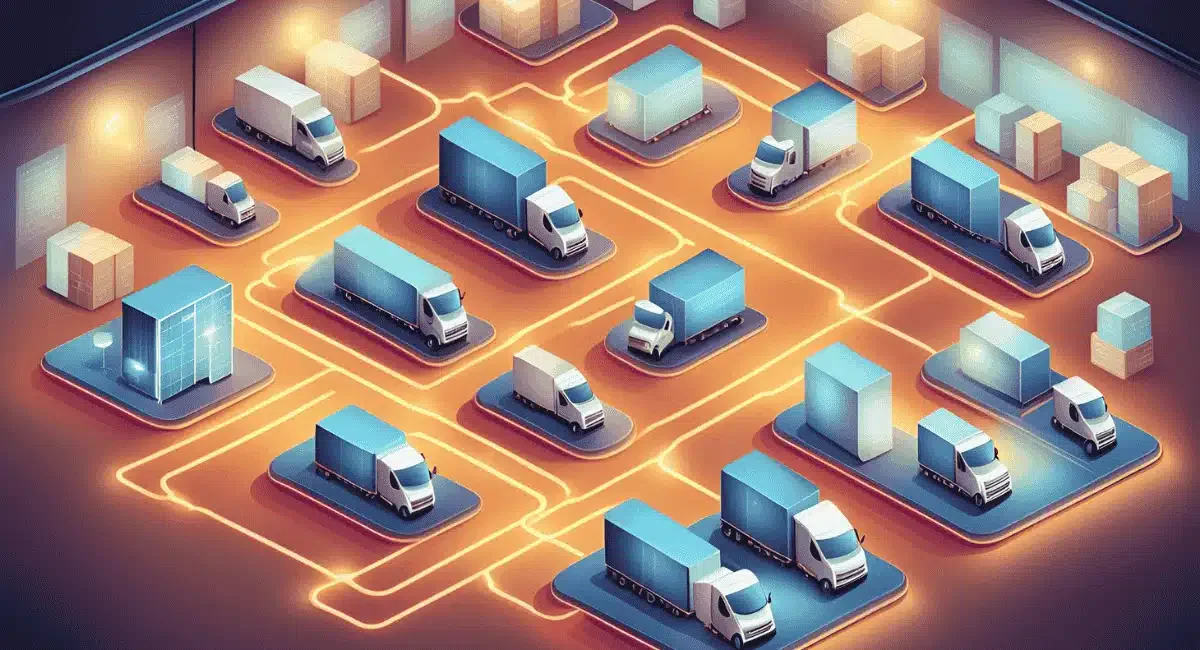
Despite its many benefits, reverse logistics poses several challenges, especially in developing regions like the Philippines, where infrastructure and logistics services are still evolving.
Effective return handling also depends on coordination between warehouse operations and the wider supply chain, as returned products must be tracked from collection through inspection and final disposition.
These obstacles can hinder businesses from fully optimizing their logistics processes. They are:
- Complexity of Returns: Managing returns is tricky without proper sorting, repair, or recycling systems.
- High Costs: Transportation and logistics expenses in the Philippines can drive up reverse logistics costs.
- Lack of Visibility: Without integrated systems, tracking returns efficiently becomes difficult, leading to delays and inefficiencies.
These challenges highlight the need for businesses to invest in better infrastructure, technology, and processes to fully unlock reverse logistics’ potential. By overcoming these hurdles, Filipino businesses can streamline their operations and maximize the value of returned goods.
How Reverse Logistics Differs from Traditional Logistics
In traditional distribution, the product flow from warehouses to customers moves in one direction, while reverse logistics brings returned goods back for inspection, repair, resale, or recycling. For Filipino businesses, this can be the key for handling returns, repairs, and recycling, ensuring products re-enter the supply chain.
Unlike traditional logistics, reverse logistics focuses on recapturing value from returned goods. Well-managed systems can refurbish or recycle products, reducing waste and lowering costs. This minimises environmental impact and maximizes resource efficiency, making it a crucial strategy in modern supply chains.
Key Steps to Effective Reverse Logistics
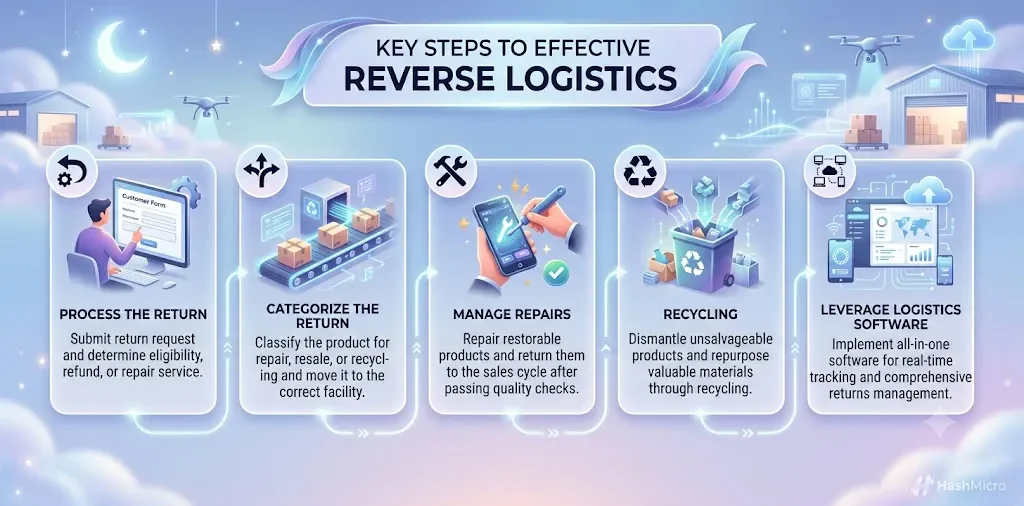
Reverse logistics covers customer returns, surplus inventory, reusable materials, leased products, and items sent for refurbishment. Although the workflow varies across industries, its purpose remains the same.
Implementing effective reverse logistics requires a streamlined approach to managing returned products efficiently. By following these steps, businesses can maximize the value of returns while minimizing waste.
Here are the key steps in managing reverse logistics:
- Process the Return: The reverse logistics process begins when a customer or business partner submits a return request. The responsible team must verify return eligibility, authorize the request, arrange transportation, and determine whether the customer receives a refund, replacement, or repair service.
- Categorize the Return: Classify the product to decide whether it should be repaired, resold, recycled, or scrapped. For Returned goods must move quickly to the appropriate warehouse, repair department, resale channel, or recycling facility.
- Manage Repairs: Repairable products should be restored and returned to inventory or the sales cycle after passing a quality inspection.
- Recycling: Products that cannot be repaired or resold should be dismantled for recycling, ensuring valuable materials are repurposed.
- Leverage Comprehensive Logistics Software: To streamline the reverse logistics process, businesses should implement an all-in-one logistics management software. This software integrates return management, repairs, and inventory, providing real-time tracking and improving overall efficiency.
A structured reverse logistics process transforms returned goods from an uncontrolled operating cost into recoverable inventory, reusable materials, or responsibly managed waste. Clear procedures and integrated data also help businesses process returns faster, protect product value, and maintain consistent customer service.
Reverse Logistics Examples
Proper handling of returns, exchanges, and recycling is essential for meeting customer expectations and enhancing business performance.
1. Simplifying online returns
Lazada Philippines has made online returns more convenient by allowing customers to schedule product pick-ups or drop off items at designated partner locations. These returns are processed at dedicated facilities, where products are either restocked or responsibly recycled.
2. Enhancing sustainability
H&M supports a circular economy by collecting used clothing in its stores. Customers can bring in old garments, which are then recycled or repurposed into new products, helping to reduce textile waste and promote sustainability.
3. Reducing waste through recycling
Unilever Philippines partners with local organizations to surpass plastic waste diversion targets and comply with the Extended Producer Responsibility (EPR) law. Their initiatives focus on collecting and recycling post-consumer plastic, contributing to a more circular approach to packaging.
4. Embracing recommerce
Globe Telecom’s device trade-in program lets customers exchange old mobile phones for discounts or bill credits. These devices are then refurbished, resold, or recycled, extending product lifecycles and supporting environmental responsibility.
Through reverse logistics, these companies are turning returns and recycling into opportunities for growth, improved sustainability, and stronger customer loyalty.
The 5R approach in reverse logistics
This is a strategic framework for optimizing logistics, helping businesses manage product returns more effectively. By following this method, companies can maximize the value of returned goods while minimizing waste.
Here’s a breakdown of the 5Rs:
- Return: Ensures products are efficiently returned to the supplier or designated facility.
- Repair: Focuses on fixing defective items so they can be resold or reused.
- Refurbish: Involves restoring products to near-original condition, often enhancing their resale value.
- Reuse: Encourages the reuse of products or components to reduce production costs.
- Recycle: This components can become reusable materials for future production, reducing unnecessary disposal and supporting more controlled resource planning.
This approach in reverse logistic can lowers costs and supports sustainability efforts, enhancing overall business efficiency.
Optimize Reverse Logistics Using HashMicro’s Distribution Software
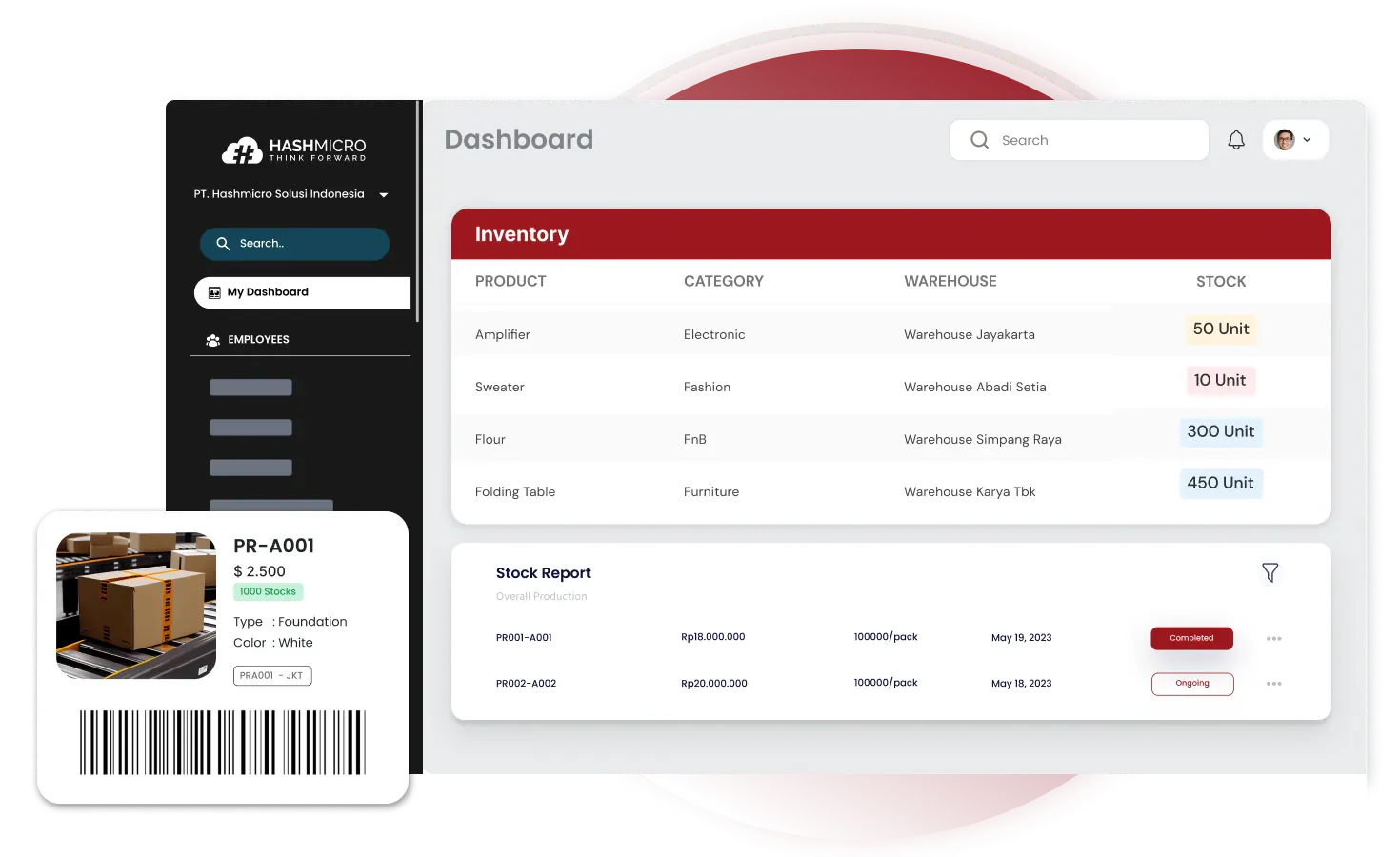
Reverse logistics is a complex process, but with the right tools, businesses can simplify it and improve efficiency. HashMicro’s distribution software offers a comprehensive solution that integrates all aspects of returns management and enhances business operations.
Features of HashMicro’s software include:
- Cash Flow Optimization: Easily create and send invoices for returned products, ensuring seamless financial management in reverse logistics.
- Thorough Inventory Control: Monitor and track returned products in real-time, preventing stock issues and optimizing the return process.
- Digitalization of Procurement Activities: Streamline the procurement process to ensure smooth handling of returned goods, enhancing overall efficiency.
- Easy Report Generation: Automatically generate detailed reports on returns, repairs, and inventory to make data-driven decisions and improve operations.
With many distribution software options, HashMicro is one of the most comprehensive solutions. By using HashMicro’s software, businesses can streamline reverse logistics, reduce costs, and enhance customer satisfaction through its efficient and integrated management system.
Conclusion
Reverse logistics is no longer an optional process for Filipino businesses, it’s necessary. As e-commerce grows, managing product returns, repairs, and recycling becomes critical to maintaining operational efficiency and customer satisfaction. Businesses can turn logistical setbacks into cost savings and sustainability opportunities by implementing the right strategies.
HashMicro’s distribution software offers a comprehensive solution to help businesses streamline their reverse logistics operations, making managing returns and optimising resources easier than ever. Try our free consultation today to see how it can optimize your operations and boost profitability.
FAQ Around Reverse Logistics
This refers to the process of managing product returns, repairs, recycling, and reusability. It helps businesses recapture value and reduce waste.
It can occur when products are returned due to defects, overstock, or customer dissatisfaction. It involves processes like repair, refurbishment, or recycling.
Is reverse logistics good or bad? It is beneficial as it reduces waste, cuts costs, and increases customer satisfaction. However, it can be complex and costly without the right systems.
Reverse logistics companies manage returned, damaged, surplus, or end-of-life products for other businesses. Their services often include collection, transportation, inspection, sorting, warehousing, repair coordination, refurbishment, resale, recycling, and disposal. Businesses use these providers when return volumes or handling requirements exceed their internal operational capacity.
The five Rs of reverse logistics are return, repair, refurbish, reuse, and recycle. This framework helps businesses determine the most valuable and responsible outcome for returned products. Applying the five Rs reduces unnecessary disposal, recovers usable materials, and returns suitable products to inventory or sales channels.