












Fixed assets are easy to lose track of once they move, need maintenance, and require accurate depreciation. A structured approach keeps records tidy and operations smooth.
In Singapore, 35% of companies use AI tools to improve productivity, and 54% have adopted automation, so raising your asset management game is now essential.
Which fixed asset management software is worth considering for 2026? This guide reviews 8 top options in Singapore and what to look for when choosing.
Key Takeaways
|
Shortlisted Fixed Asset Management Software
Based on my research and industry insights, several asset monitoring platforms for fixed assets stand out for businesses in Singapore. They offer automated depreciation, real-time tracking, and full asset lifecycle management to improve efficiency and support compliance.



Best Because
Flexible mobile-first platform that simplifies asset tracking and auditing


Best Because
Focused on compliance and safety through inspections and audits
Best Because
Seamlessly integrates asset management with ERP for real-time visibility
Best Because
Optimizes asset utilization with IoT-driven insights and predictive maintenance

What is Fixed Asset Management Software?
Fixed asset management is a process that involves tracking physical items such as computers, vehicles, or other assets in your business. This process works by monitoring financial accounting (asset value), preventive maintenance (maintenance costs), and potential theft.
The software also helps make wise choices in buying and retiring assets. Knowing the value of assets helps businesses plan for the future. This also ensures the company reduces inventory loss, equipment malfunctions, and downtime, thereby enhancing the overall value and lifespan of the assets.
Top 8 Fixed Asset Management Software for Singapore Companies
Efficient asset management is essential for Singapore companies aiming to streamline operations and maintain accurate financial records. Fixed asset management software helps in tracking assets, budgeting, forecasting, and ensuring compliance.
1. Asset Panda
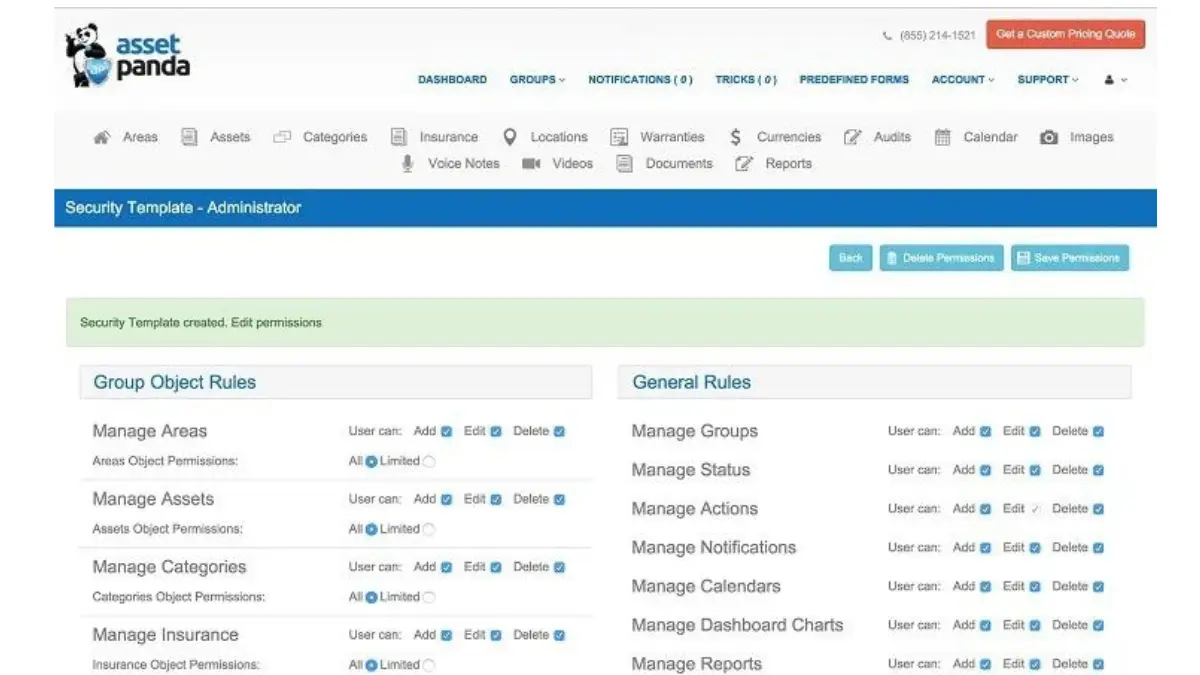
Asset Panda is a cloud-based asset management platform that offers flexibility and ease of use. It provides asset tracking, auditing, and maintenance through mobile applications, enabling companies to better manage their assets.
Asset Panda’s fixed asset lifecycle management has the following features:
- Asset Register
- Asset TrackingRelationships
- Asset TrackingCosts
- Asset Tracking
| Pros | Cons |
|
|
2. Sage Fixed Assets Management Software
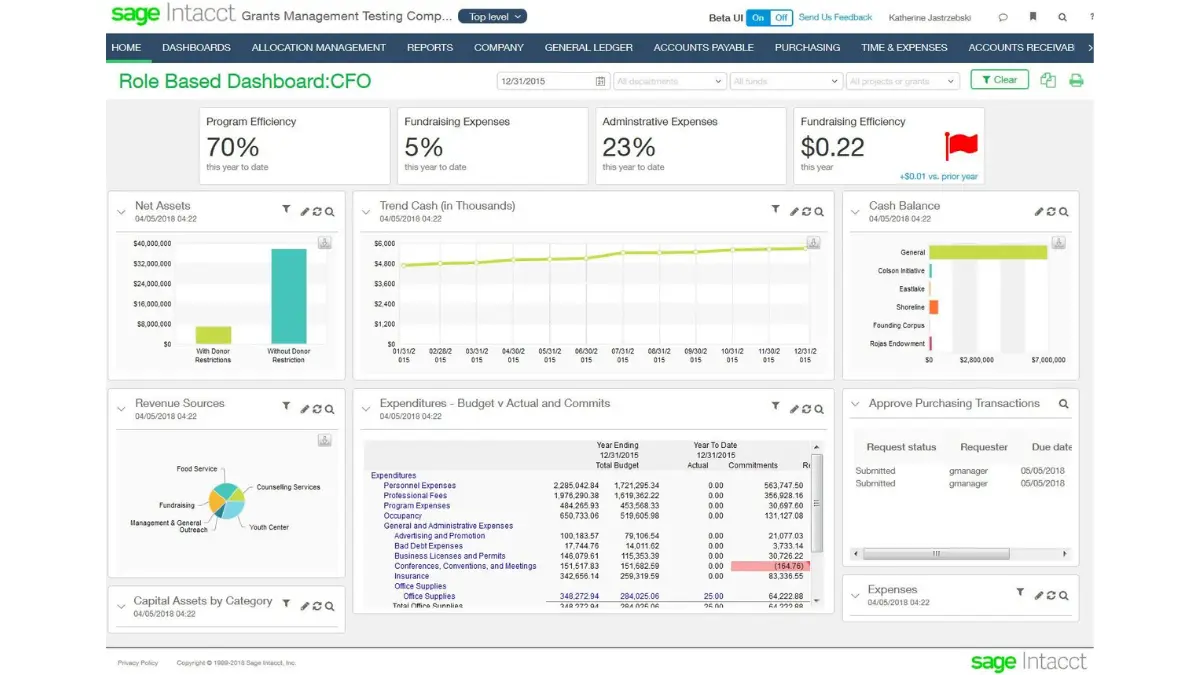
Sage Fixed Assets Management Software offers an asset management solution designed to simplify the management and tracking of fixed assets. It automates depreciation calculations and asset tracking, allowing companies to manage their assets more efficiently and accurately.
The following are some of the features of Sage fixed asset inventory management software:
- Barcoding/RFID
- Billing & Invoicing
- Check-in/Check-out
| Pros | Cons |
|
|
3. SafetyCulture Fixed Asset Management Software
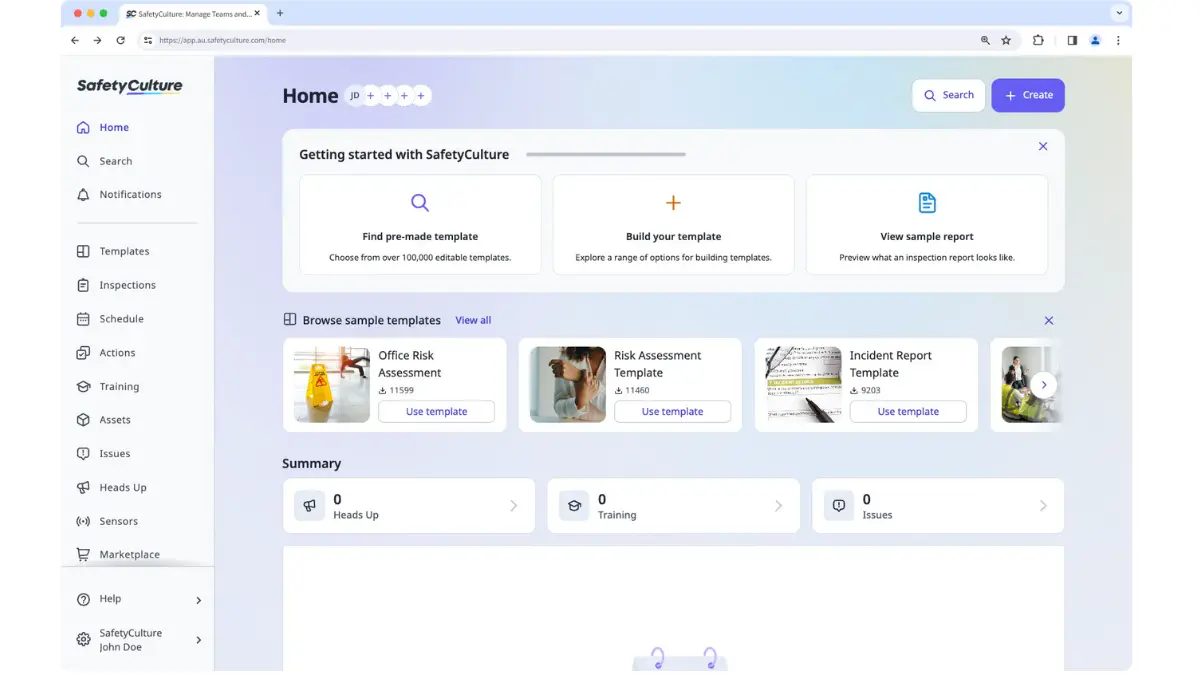
SafetyCulture offers an asset management platform that can help companies ensure that their assets are always in the best condition. With SafetyCulture, companies can conduct asset inspections and audits to ensure compliance with applicable safety standards.
SafetyCulture’s fixed asset inventory management has the following features:
- Track Assets Individually
- Scan QR Codes
- Schedule Maintenance
- Alerts and Notifications
| Pros | Cons |
|
|
4. Oracle NetSuite

Oracle NetSuite offers asset management solutions that integrate with their ERP platform, helping companies manage assets more efficiently and effectively. With NetSuite, companies can provide real-time asset tracking and integration with other ERP modules, improving overall business performance.
Fixed asset lifecycle management by Oracle NetSuite has the following features:
- Asset Tracking
- Depreciation
- Lease Accounting
- Reporting
| Pros | Cons |
|
|
5. Infor EAM Fixed Asset Inventory Management Software

Infor EAM is an enterprise asset management solution that helps companies optimize asset utilization and improve operational efficiency. It delivers complete asset lifecycle management and integrates with IoT devices for condition monitoring and predictive insights. With these capabilities, organizations keep equipment running at peak performance.
Below are some of the features of fixed asset inventory management from Infor EAM:
- Vendor Demonstration Management
- Programs for consultants
- RFP/RFQ Services
| Pros | Cons |
|
|
6. Fixed Asset Management Software HashMicro

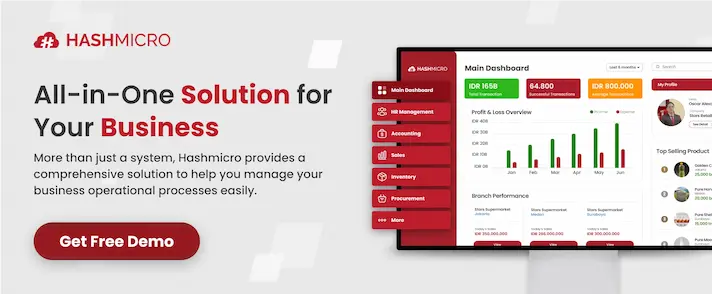
HashMicro is an ERP provider in Southeast Asia that offers cloud-based tools to manage end-to-end business operations in one system. Its platform is built for strong integration and flexible customization, so companies can adapt workflows across different industries without rebuilding processes from scratch.
For fixed asset management, the system tracks asset location and status, improves depreciation accuracy, and keeps maintenance schedules on track. With asset tracking integrated with an inventory management system for real-time visibility, it also links procurement, accounting, and CRM sales, so data stays consistent.
Features:
- Preventive Maintenance Scheduling
- Asset GPS Tracking
- Repair Order Management Integrated with Inventory Management
- Fully Integrated with Accounting to Track Depreciation
| Pros | Cons |
|
|
7. NewgenONE Fixed Asset Lifecycle Management
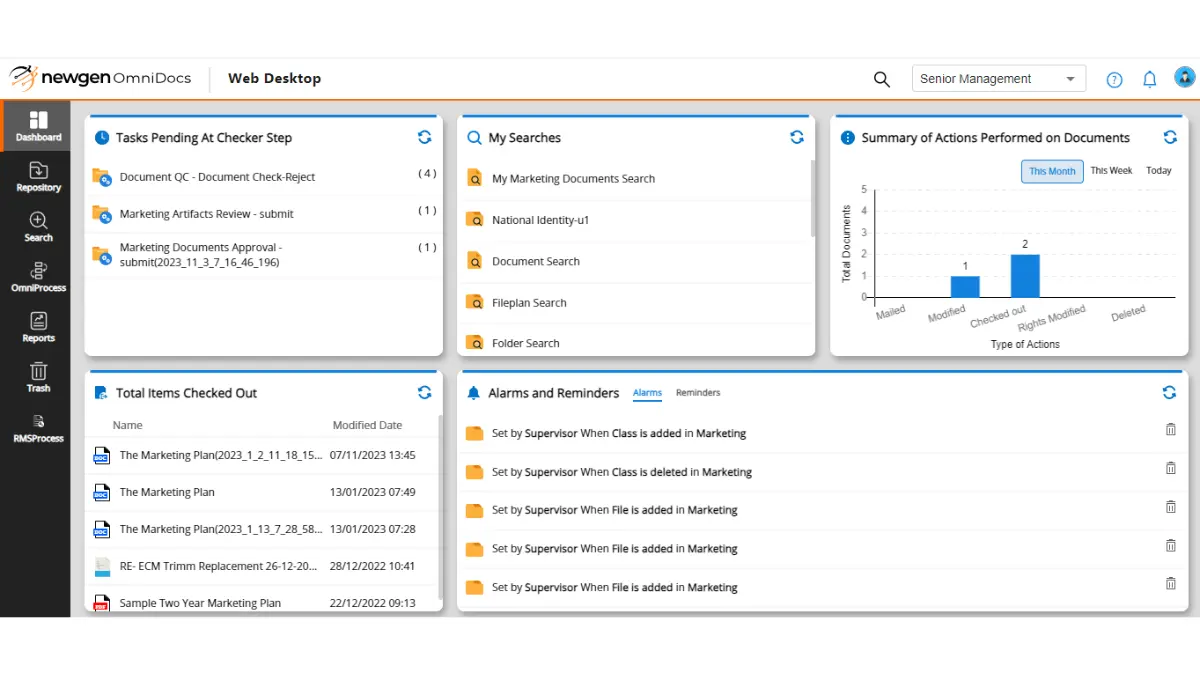 NewgenONE offers asset management solutions that help companies manage assets efficiently and transparently. It provides real-time asset tracking and full lifecycle management, supported by a barcode inventory tool for asset tagging to keep records consistent and easy to audit.
The following are some of the features of NeogenONE’s fixed asset lifecycle management:
- Integrations Management
- Drag and drop Builder
- Application Templates
- Access Control
| Pros | Cons |
|
|
8. UpKeep Fixed Asset Inventory Management Software

UpKeep is a mobile maintenance management platform that streamlines asset and work order management. It supports both preventive and reactive maintenance while simplifying job tracking. As a result, teams keep equipment reliable and assets in optimal condition.
Below are some of the features of UpKeep fixed asset inventory management software:
- Maintenance management
- Work order management
- Asset tracking
- Reporting
| Pros | Cons |
|
|
What are the Benefits of Fixed Asset Management Software?
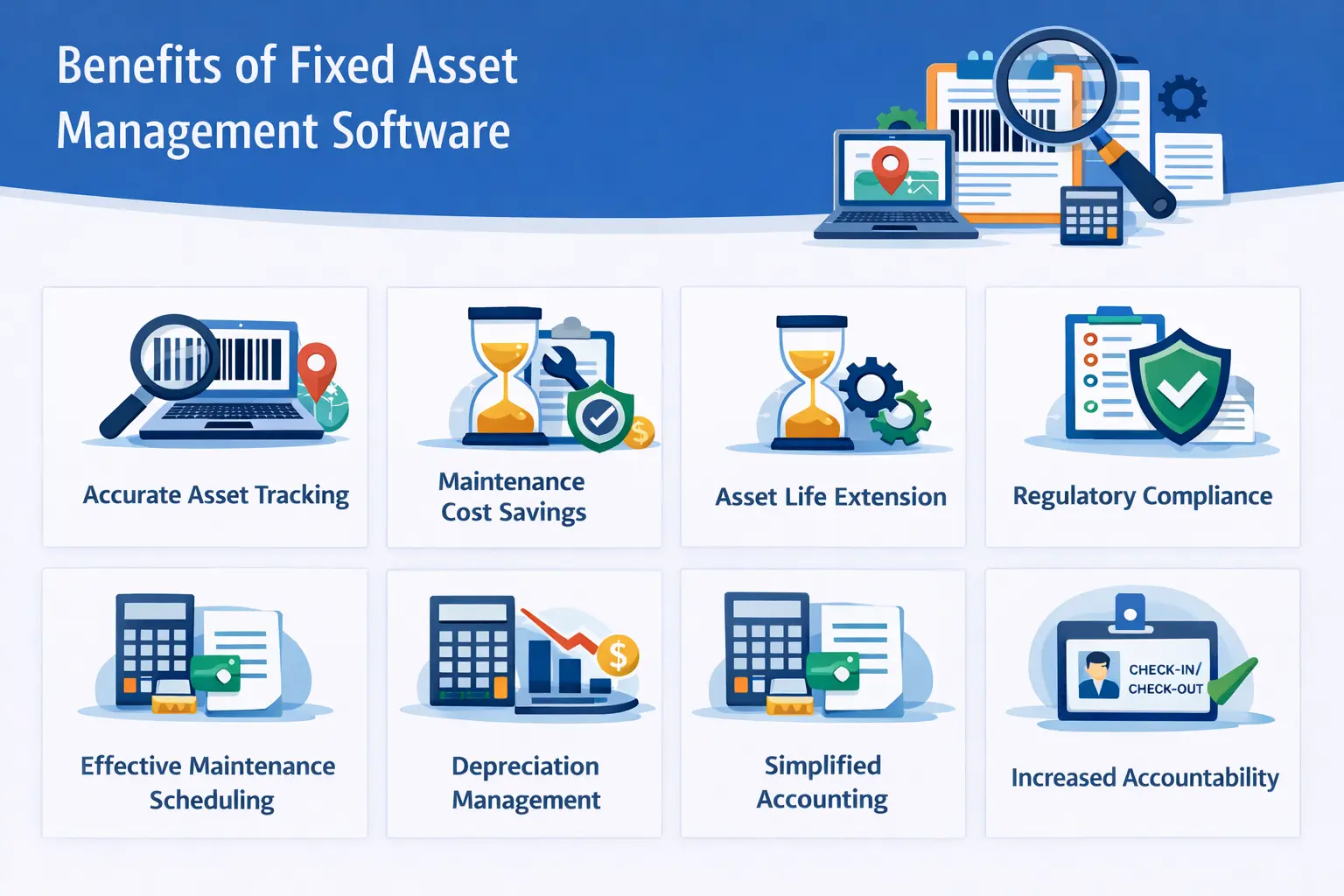
Using the right asset management system allows companies to keep a detailed list of their assets, where they are located, and how they wear out over time.
Here are some of the benefits of using fixed asset management software in your Singapore business:
- Accurate asset tracking: With effective asset management, businesses can ensure that assets are utilized efficiently. This reduces downtime and increases overall productivity by optimizing how assets are used.
- Maintenance cost savings: Regular maintenance and timely inspections help save money by keeping assets in good condition and preventing costly repairs.
- Asset life extension: Proper care of assets extends their lifespan, helping companies avoid significant repair expenses.
- Regulatory compliance: Effective asset management minimizes risks during financial audits by maintaining accurate and comprehensive records. It also assists your accounting team with critical information needed for regulatory compliance.
- Effective maintenance scheduling: Properly scheduling maintenance activities helps extend the life of assets and prevents unexpected downtimes, ensuring smooth operations.
- Depreciation management: Accurate management of asset depreciation provides precise financial data, which is crucial for optimizing tax benefits and overall financial planning.
- Simplified accounting: Asset management software helps track the value and cost of assets throughout their lifecycle, making asset accounting more straightforward.
- Increased accountability: Features such as check-in/check-out increase accountability by ensuring that assets are properly used and returned.
- Location tracking features: Location tracking features increase workplace productivity and reduce the chances of assets being lost or stolen without notice with an efficient tracking system.
Basic Features to Expect in Fixed Assets Software

When choosing fixed asset management software, it is very important to understand the basic features that will drive efficiency and accuracy in managing your assets. These basic features form the backbone of a robust asset management system, ensuring that your assets are tracked, maintained, and utilised effectively.
By utilising these core functions, businesses can streamline operations, increase accountability, and make informed financial decisions. Let’s learn about the essential features you should expect in any fixed-asset software.
Here’s a quick table that shows what features you’ll find in fixed asset software and what they do:
| Basic Features | Benefit |
|---|---|
| Asset management | Ensures efficient utilization and tracking of assets |
| Location tracking | Enhances productivity by quickly locating assets |
| Check-in/check-out | Increases accountability for asset usage |
| Asset’s complete maintenance log | Keeps detailed records of all maintenance activities |
| Depreciation methods | Provides accurate financial data for asset depreciation |
| Standard reports | Delivers essential insights and summaries |
| Purchase order management | Streamlines the procurement process |
| Work orders | Manages and tracks maintenance tasks efficiently |
| Barcodes and RFID tracking | Simplifies asset identification and tracking using active vs passive RFID |
| Complete audit trail | Maintains comprehensive records of all asset transactions |
| Contracts management | Manages asset-related contracts effectively |
| Management of asset disposals | Oversees the disposal process of assets |
In short, the main features of fixed asset software, like tracking, managing depreciation, and keeping up with maintenance, are crucial. They help businesses in Singapore manage their assets well. These tools make sure they follow the rules and improve how their assets work.
Who is Fixed Asset Management Software For?
As businesses grow and their asset portfolios expand, the need for efficient management becomes increasingly important. The software offers significant benefits across a wide range of industries, from healthcare and construction to retail and manufacturing.
Here are some types of businesses or industries that find fixed asset management software indispensable:
- Manufacturing companies: To track and maintain machinery, equipment, and tools, ensuring minimal downtime and maximum productivity.
- Healthcare facilities: For managing medical equipment, ensuring compliance with regulations, and scheduling regular maintenance.
- Educational institutions: To manage and track assets such as computers, lab equipment, and furniture across multiple campuses.
- Government agencies: For maintaining and overseeing public assets, including vehicles, infrastructure, and office equipment.
- Retail businesses: To track inventory, store fixtures, and equipment across various locations, enhancing operational efficiency.
- Construction firms: For managing heavy machinery, tools, and vehicles, ensuring timely maintenance and optimal utilization.
- Hospitality industry: To keep track of assets like kitchen equipment, furniture, and technology systems in hotels and restaurants.
However, asset management is not limited only to those industries. Even small companies with few assets can still manually track using Microsoft Excel or Google Sheets. However, they will eventually need a more robust solution as they grow.
As teams grow and the volume of their assets increases, they often find that the manual tracking and management of these assets becomes inefficient, requiring specialised technology.
Conclusion
Fixed asset management software helps keep asset location, depreciation, and maintenance records accurate, so teams can manage assets more consistently day to day.
This guide explained the basics, key features, and benefits, and reviewed eight options in Singapore to support your selection.
If you want a quick second opinion on requirements and vendor fit, you can request a short consultation to refine your shortlist.

FAQ about Fixed Asset Management Software
-
What are the 3 types of fixed assets?
Fixed assets, commonly known as property, plant, and equipment (PPE), are vital components of a business’s infrastructure. For instance, a company that manufactures frozen cookie dough may count a corporate office (property), a cookie dough production facility (plant), and the machinery used to produce the dough (equipment) among its fixed assets.
-
What is the difference between fixed assets and asset management?
For instance, tracking fixed assets provides information on the location, quantity, and condition of a company’s physical property. Asset management then builds on this data by conducting analyses, making predictions, and evaluating the assets for financial accounting purposes.
-
How to calculate fixed assets?
Net Fixed Assets Formula (Total Fixed Asset Purchase Price + capital improvements) – (Accumulated Depreciation + Fixed Asset Liabilities).
-
What is the objective of fixed asset management?
The primary goals of fixed asset management include monitoring fixed assets and maintaining accurate records for financial accounting, which is crucial for updating balance sheets. This practice is essential for budgeting, forecasting, and calculating asset depreciation.