









 Limited to 100 registrants


Choosing the right ERP software for an engineering business can be challenging, especially when each project involves different requirements, resources, and workflows. While some systems offer strong project management capabilities, others focus on inventory control, cost tracking, or engineering-specific processes. Finding a solution that aligns with your business needs without adding unnecessary complexity requires careful evaluation.
If your current system falls short in connecting departments or providing clear project visibility, exploring other ERP options may help you identify a better fit. This guide reviews 10 ERP software for the engineering industry, comparing their key features, capabilities, and suitability to help you make a more informed decision.
Key Takeaways
ERP software for the engineering industry enables efficient planning and execution of projects. It is tailored to the unique needs of engineering projects.
Key features to consider when selecting ERP software for the engineering industry include task management, resource allocation, collaboration tools, and reporting capabilities.
HashMicro is an ERP software designed for the engineering industry, offering an innovative system that streamlines and optimizes project management tasks.
What is ERP Software for the Engineering Industry?
ERP software for the engineering industry refers to specialized tools designed to help engineers plan, organize, and execute projects efficiently. These software solutions offer features tailored to the unique needs of engineering projects, such as resource allocation and task management.
By utilizing ERP software for the engineering industry, engineers can streamline their workflows, enhance communication, and ensure seamless project execution.
Engineering Challenges ERP Helps Solve
Engineering firms face several recurring challenges that ERP software for the engineering industry can help address.
1. Lack of skills and qualified staff
Engineers and technicians are consistently among the most in-demand jobs globally, and the engineering sector struggles with a widespread shortage of skilled workers. With such high demand, finding engineers whose skills fit the company's requirements takes considerable time and effort.
2. Project management
Engineering projects revolve around schedule, budget, and quality, so they are carefully managed and leave little room for flexibility. Non-technical variables often end up affecting the project.
A project will not succeed without an experienced project manager leading the engineering effort, and ERP software helps them manage it more effectively.
3. Technology advancement
Technology keeps advancing rapidly, and engineers must keep up with it. Cost-effective technology has the potential to revitalize the engineering industry.
The engineering sector can use the latest advancements to overcome challenges and keep moving forward. For example, automating day-to-day business processes with ERP systems can improve efficiency.
What Should You Look For in ERP Software for the Engineering Industry?
When it comes to selecting ERP software for the engineering industry, it’s crucial to consider the key features and functionalities that align with the specific needs of engineers for ERP solutions in Singapore.
To ensure you choose the best ERP software for your engineering projects, here are some factors to look for:
- Task Management Capabilities: Look for software that allows you to create and assign tasks, set deadlines, track progress, and monitor task dependencies.
- Gantt Charts for Visual Project Planning: Gantt charts provide a visual representation of project timelines, allowing you to plan and schedule tasks efficiently.
- Resource Allocation and Tracking: The software should provide features that enable you to allocate resources effectively, track resource utilization, and manage dependencies.
- Collaboration Tools: Look for software that fosters collaboration among team members, such as real-time communication, file sharing, and commenting functionalities.
- Integrations with Other Software or Tools: Consider whether the software integrates with other applications you frequently use, such as document management systems or accounting software.
- Reporting and Analytics Features: The software should provide robust reporting capabilities to track project progress, generate insights, and identify areas for improvement.
- Mobile Accessibility: Ensure the software is accessible via mobile devices, so you can manage projects on the go.
- Scalability: Consider whether the software can accommodate your future growth and handle larger and more complex projects.
- User-Friendliness: Look for software with an intuitive interface that is easy to navigate and use, even for those who may not be technologically savvy.
- Customer Support: Check the level of customer support provided by the software vendor to ensure you have access to assistance when needed.
- Automatic Scheduling: Look for a system that monitors machine availability, automates scheduling based on sales, tracks all production activities and work in progress, and eliminates time-consuming, error-prone manual scheduling.
- Quality Control: Choose software that can bring operational quality to a whole new level by using big data to find better ways to design products and improve business processes.
ETO manufacturers and engineering-to-order workflows
Start by assessing your company's critical processes, such as project management, inventory, and on-site operations. Choosing an ERP that aligns with these needs ensures a smoother implementation and delivers real value in the long run.
This matters even more for ETO (engineer-to-order) manufacturers, which always develop and produce distinctive, customized products. Many manufacturing ERPs connect accounting, purchasing, scheduling, and inventory but leave the engineering department out of the loop, forcing engineers to re-enter data from spreadsheets, CAD software, and other systems. Look for an ERP with built-in modules that bring engineering into the same workflow, so time is not lost to duplicate entry and human error.
What Do Engineers Need Out of Their ERP System?
Creating a bill of materials (BOM) is one of the engineering department's most complex and time-consuming processes. Many manufacturing ERPs require engineers to take a CAD drawing, list every required item, build the BOM, and then re-key it into the system.
ERP systems that integrate directly with CAD software can automatically extract designs and drawings and convert them into a BOM. This saves engineers time, reduces errors, and links BOMs to inventory management, so it is easier to know which parts are needed and what to order to get a job built and out the door.
Customization and configurability
The engineering department's responsibilities have evolved. Many clients now design their own products, pushing manufacturers to design, assemble, and manufacture parts more efficiently and to follow Design for Manufacturing (DFM) principles.
Once the design is complete, the next step is defining routing stages. Many manufacturers now handle routing stages and instructions directly from 3D CAD software, and a connected ERP and CAD solution helps automate this process and reduce mistakes on the production floor.
A customized ERP can also solve problems that off-the-shelf software can't, because it can include elements specific to your company and its operations.
Key ERP Modules for Engineering Firms
ERP software for the engineering industry is designed to help engineers improve project efficiency, maintain product quality, reduce operational costs, and fulfill customers' expectations. It consists of various modules that can be customized to meet the unique needs of every engineering business.
1. Inventory management
Inventory management records, tracks, and monitors a business's inventory, helping you plan purchases, sales, and manufacturing. It forecasts inventory needs to avoid overstocking and understocking, provides real-time inventory data, and supports an efficient picking and delivery process.
2. Project management
Project management covers every aspect of a project, from inception through completion, as well as any maintenance and support required afterward. Automating it makes collaboration between departments easier and smoother and supports better decisions for future planning.
3. Financial management
This module manages and tracks every financial transaction, including revenue from different channels. It tracks profit and loss to show which areas need improvement, produces detailed financial reports in real time, and speeds up bank reconciliation.
4. Customer management
Customer management gives you a better way to communicate and interact with customers through a centralized database of all relevant information. It helps consolidate customer data, improve segmentation, anticipate future inquiries, manage the sales pipeline in a Kanban view, and track business performance metrics.
5. Staff management
Employees are a company's most valuable asset. ERP automates staff management, from managing shift schedules and calculating commissions to monitoring employee performance on engineering projects.
6. Manufacturing system
The manufacturing module helps you manage production planning and work centers, calculate bills of materials, track work in progress, and optimize Overall Equipment Effectiveness (OEE).
7. Procurement
The procurement module simplifies tasks such as purchase orders, request management, and tender management.
8. Fleet management
With a fleet management database, you can complete fleet-related activities quickly, supported by GPS tracker integration, vehicle service alerts, depreciation calculation, and fuel usage tracking.
9. Supply chain management
Supply chain management streamlines procurement, inventory, and logistics by providing real-time visibility into materials and supplier activities.
The 10 Best ERP Software for the Singapore Engineering Industry in 2026
When it comes to engineering management, having the right software can make all the difference. In 2026, engineers in Singapore have a variety of options to choose from. Here are the 10 best ERP software for the engineering industry that is leading the pack:
1. HashMicro
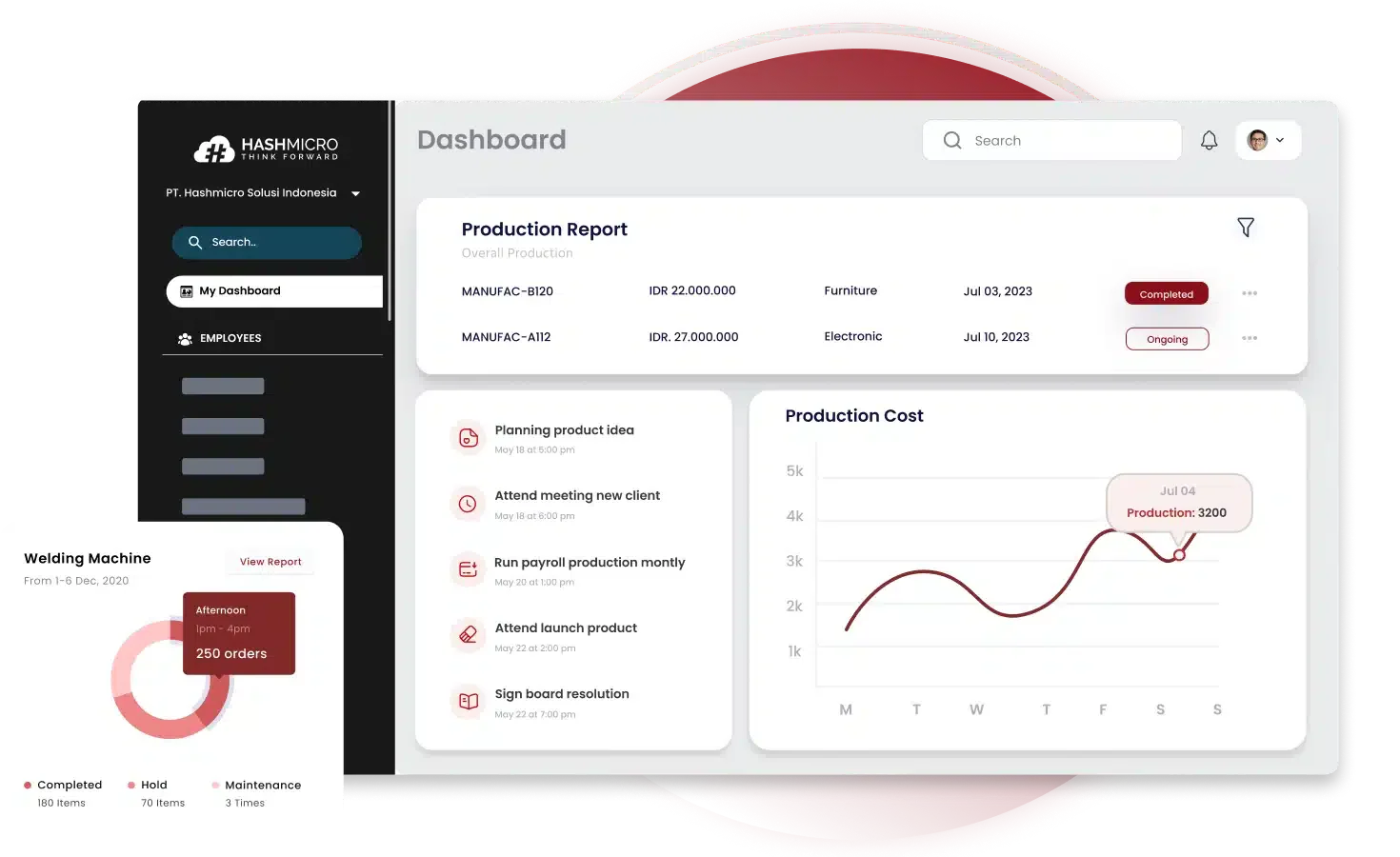
HashMicro is a software provider company based in Singapore. One of their notable software is ERP software for the engineering industry, which is an innovative system designed to streamline and optimize project management tasks in the engineering sector.
This software offers a comprehensive suite of features, each tailored to meet the specific needs of engineering projects.
Features of HashMicro ERP Engineering Software
- Project Monitoring Dashboard: The project monitoring dashboard allows project managers to quickly view project statuses, track milestones, and monitor overall project health. It’s designed to provide a comprehensive overview of all ongoing projects.
- Cost and Budgeting Management: This feature allows meticulous tracking of project costs and budgeting. It helps in planning and allocating resources efficiently, ensuring that projects stay within budget.
- Task and Deadline Management: Task and deadline management is integral to keeping projects on track. This feature enables project managers to assign tasks, set deadlines, and track progress, which promotes accountability among team members. Historical data from past projects can also be used to estimate how long similar tasks will take.
- Project Reporting in Gantt Chart & S-Curve: Visualization tools like Gantt Charts and S-Curves are essential for planning and tracking project timelines. HashMicro’s software provides these tools, allowing project managers to create detailed project schedules, identify potential delays, and reallocate resources as needed.
- Customizable Project Reports Template: The ability to generate custom reports is a powerful feature of HashMicro’s software. It allows project managers to create tailored reports that meet the specific needs of their stakeholders, whether for internal reviews or client presentations.
| Pros | Cons |
|
|
In addition to these robust features, HashMicro offers a significant financial advantage for eligible companies. With up to a 70% discount available through the CTC Grant, HashMicro makes its Engineering Project Management Software more accessible and affordable.
This discount can be a game-changer for businesses looking to invest in top-tier project management solutions without overstretching their budget. For more information about the overall software dashboard and pricing, you can download the price scheme below.

2. Accelo

Accelo ERP software for engineering provides a solution for businesses that manage client-focused services, particularly in sectors such as infrastructure and building design. This cloud-based platform is used by thousands of firms worldwide.
A standout feature of Accelo is its ability to integrate various aspects of a business into one centralized system. This integration encompasses clients, staff, projects, and billing, ensuring that the entire team has up-to-date and consistent information.
Key features of Aceelo Engineering System:
- Client management
- Project management
- Resource management
- Financial management
3. ClickUp
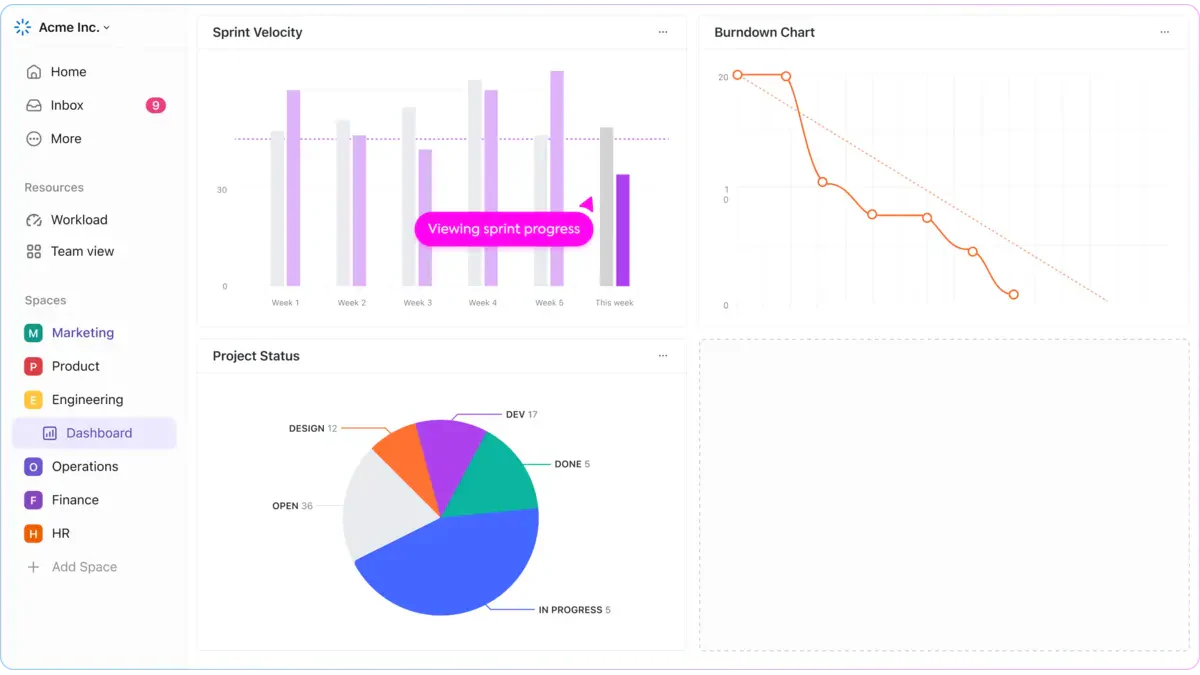
ClickUp ERP software for engineering is an end-to-end solution for product development, emphasizing efficiency and minimizing busy work. This platform is uniquely positioned to cater to the dynamic needs of fast-moving teams.
One of its core strengths is the provision of flexible agile workflows, which are crucial for teams that need to adapt quickly to changing requirements and project scopes. This feature is particularly valuable for large-scale engineering projects.
Key features of Clickup Engineering Software:
- Project planning and task management
- Communication management
- Resource management
- Custom dashboard and reporting
4. Jira
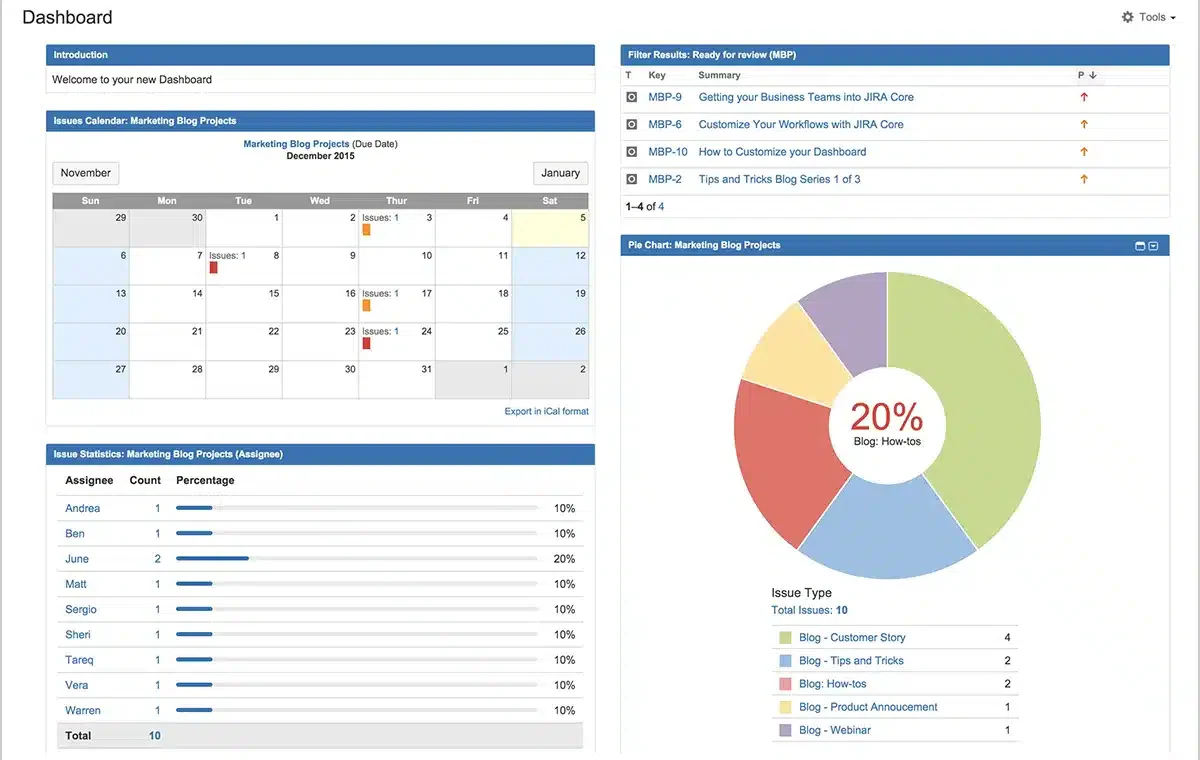
Jira ERP software for engineering offers a robust and flexible solution for managing complex engineering projects. At its core, Jira excels in breaking down large, ambitious ideas into manageable segments that can be tackled effectively across teams.
This is achieved through the use of user stories, issues, and tasks, which help in organizing and prioritizing the workload. This methodical approach is particularly beneficial for engineering projects, where numerous intricate details and interdependent tasks require careful handling.
Key features of Clickup Engineering Software:
- Agile project management
- Issue and bug tracking
- Integration and automation
- Reporting and analytics
5. Asana
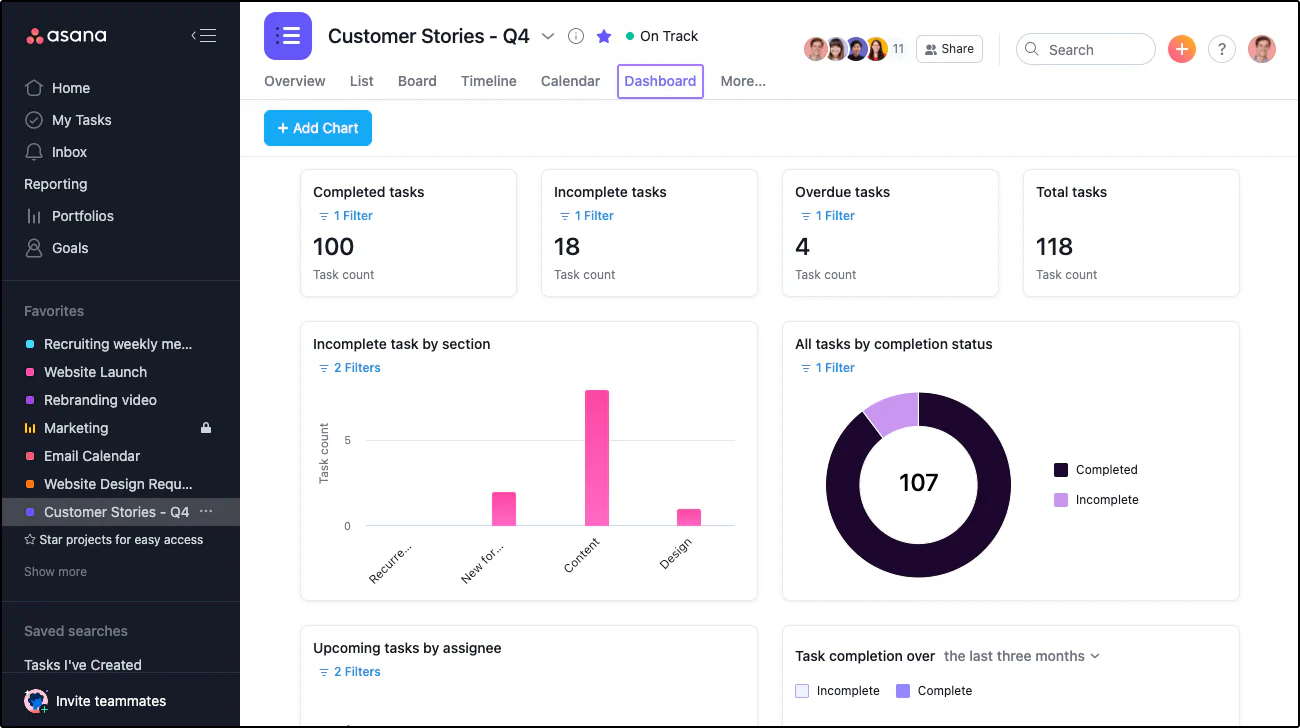
Asana ERP software for engineering stands out for its flexibility and customization, catering to the diverse organizational preferences of engineering teams. The platform allows users to customize their project sections and choose from various layout options such as Gantt.
Whether it’s a detailed timeline needed for intricate engineering projects or a board layout for high-level overviews, Asana’s versatility ensures that every team can find a layout that resonates with their working style.
Key features of Asana Engineering ERP Software:
- Workflow automations and integrations
- Issues and bug tracking
- Dashboards, reporting, and visibility
- Agile project planning and sprints
6. Zoho Project
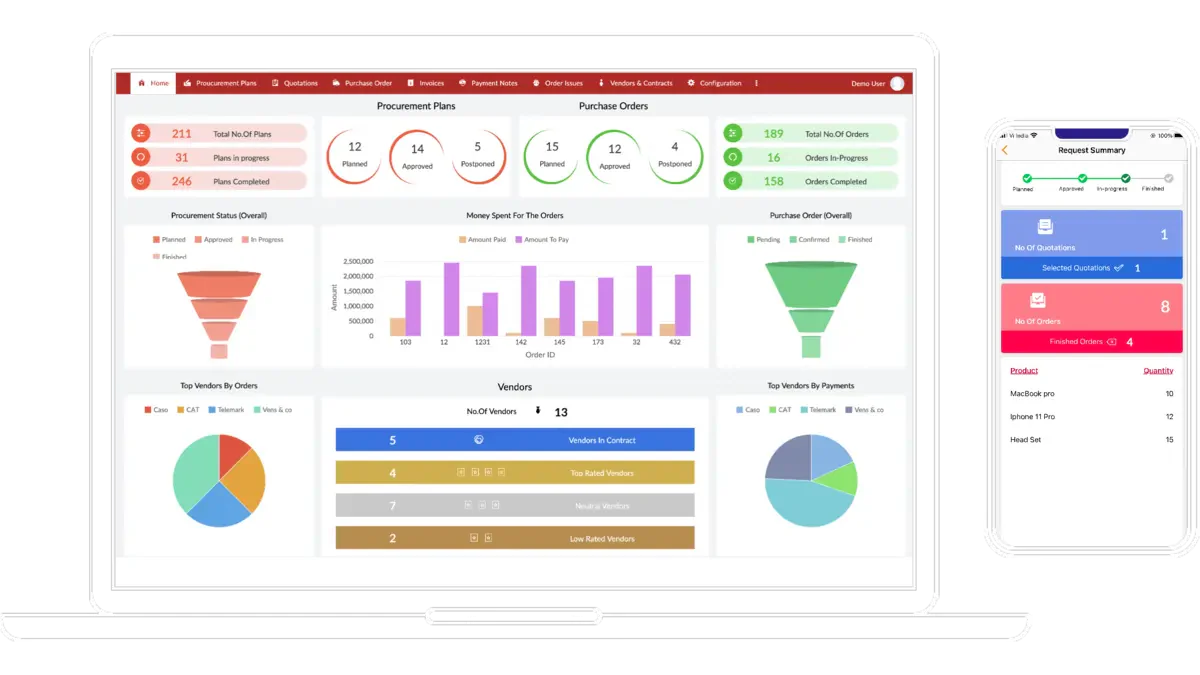
Zoho ERP software for engineering is a cloud-based solution that caters to the diverse needs of businesses in project management. This software is adept at helping teams plan their projects meticulously and track work efficiently.
The flexibility of Zoho Projects makes it an ideal tool for teams across different geographical locations, facilitating seamless collaboration and communication. This aspect is particularly crucial in engineering projects where coordination among various teams and stakeholders is key.
Key features of Zoho Project ERP Software for Engineering:
- Task management and dependencies
- Gantt charts and visual planning
- Time tracking, budgeting, and resource visibility
- Automation and integration
7. SmartSheet
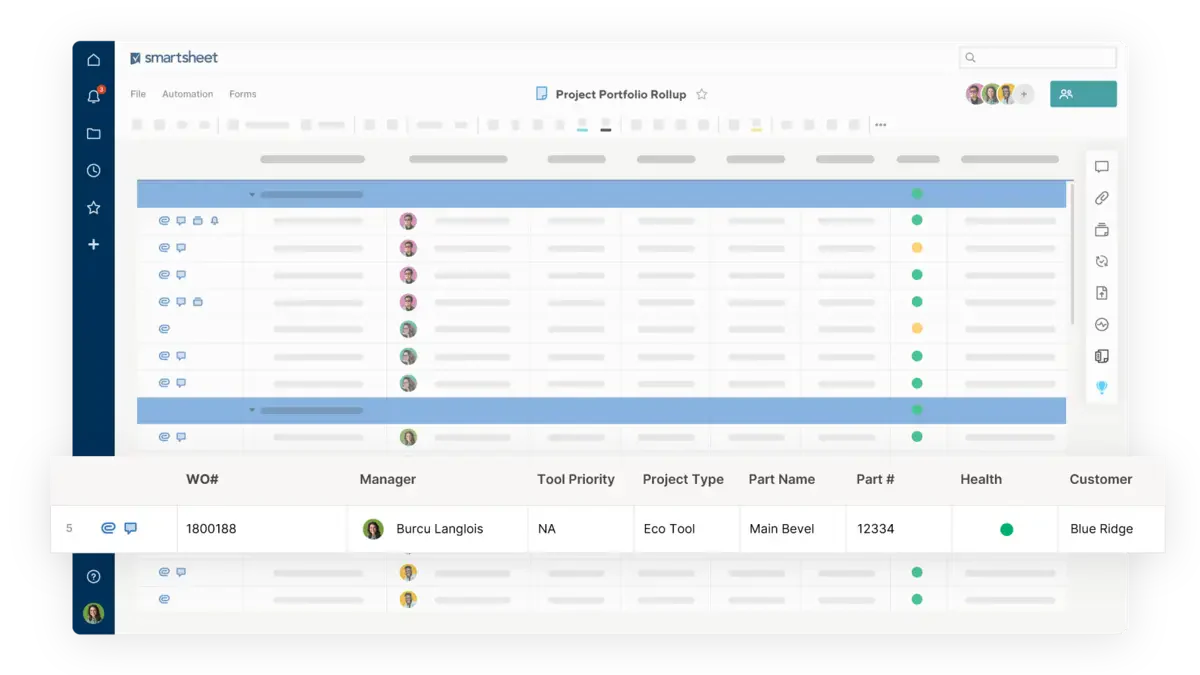
SmartSheet is engineered to enhance efficiency and scalability in project management. It provides a comprehensive solution for capturing and tracking plans, resources, and schedules, making it ideal for a wide range of projects from individual tasks to complex ones.
Smartsheet stands out with its rich assortment of views, workflows, reports, and dashboards, each designed to adapt to the varying needs of different projects. This flexibility is key in engineering projects.
Key features of SmartSheet for Engineering:
- Automation and workflow rules
- Multiple views and dynamic scheduling
- Real-time dashboards and reporting
- Resource and portfolio management
8. LiquidPlanner
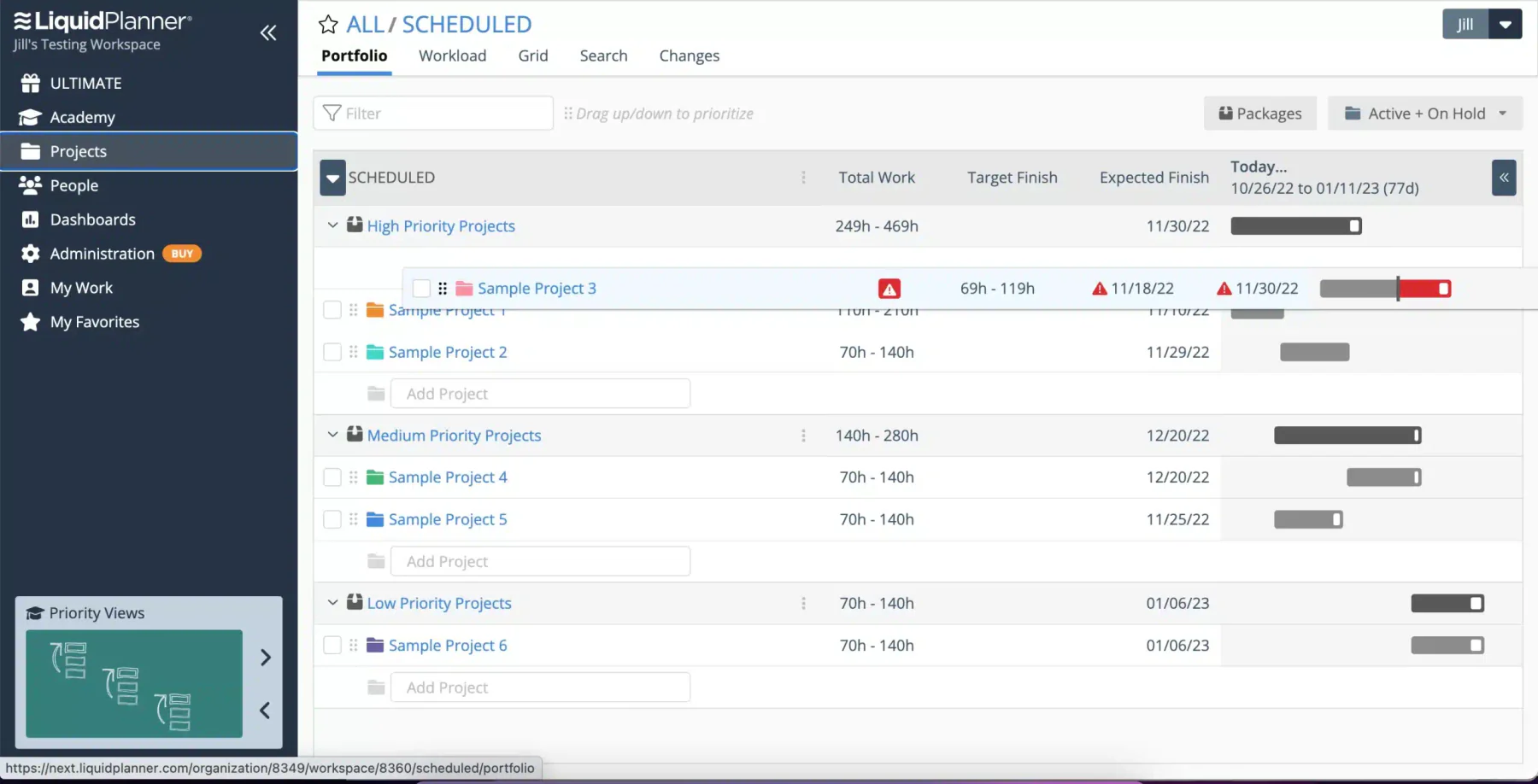 LiquidPlanner engineering software is designed with a unique approach to handling the inherent uncertainties and risks in project management, particularly in the engineering sector.
With each change or update to the project plan, the software runs these simulations, providing project managers with a continuously updated, probabilistic view of future project states.
Key features of LiquidPlanner Engineering Software:
- Target finish-driven alerts
- Smart schedule bars
- Data-driven by the priorities and dates set
- Early warnings of potential issues or delays
9. Linear
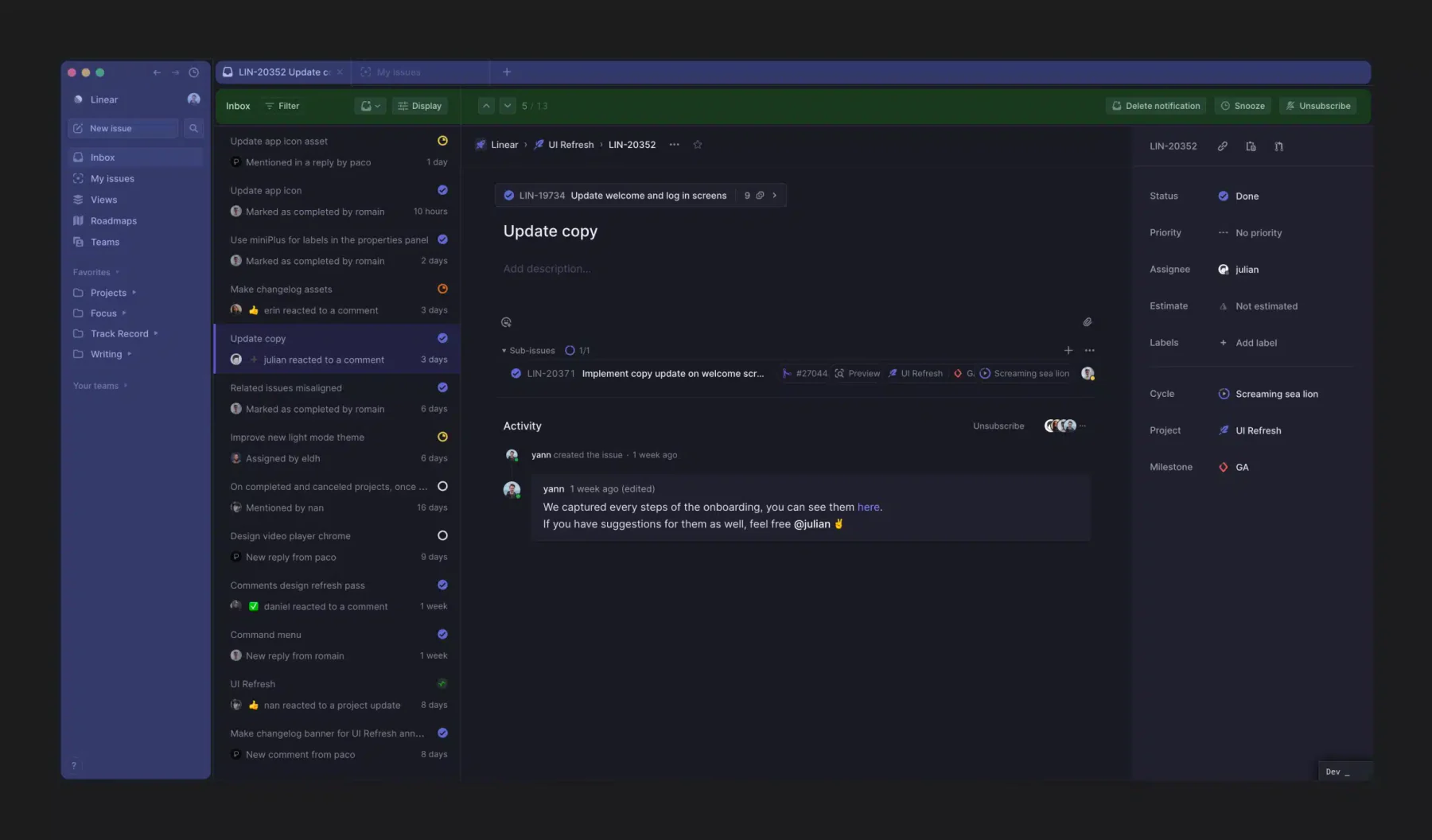 Linear engineering software introduces a modern, streamlined approach to product development. It’s setting a new standard in software engineering project management.
This platform specifically enhances the efficiency of managing various aspects of software development. Also includes issue tracking, sprint planning, and product roadmap creation.
The emphasis on streamlining these processes makes it an ideal tool for software development teams who need to maintain a clear and consistent overview of their projects while handling the dynamic and often complex nature of software development.
Key features of Linear Engineering Software:
- Issues tracking
- Sprint planning
- Product roadmap creation
- AI-assisted development
10. ProofHub
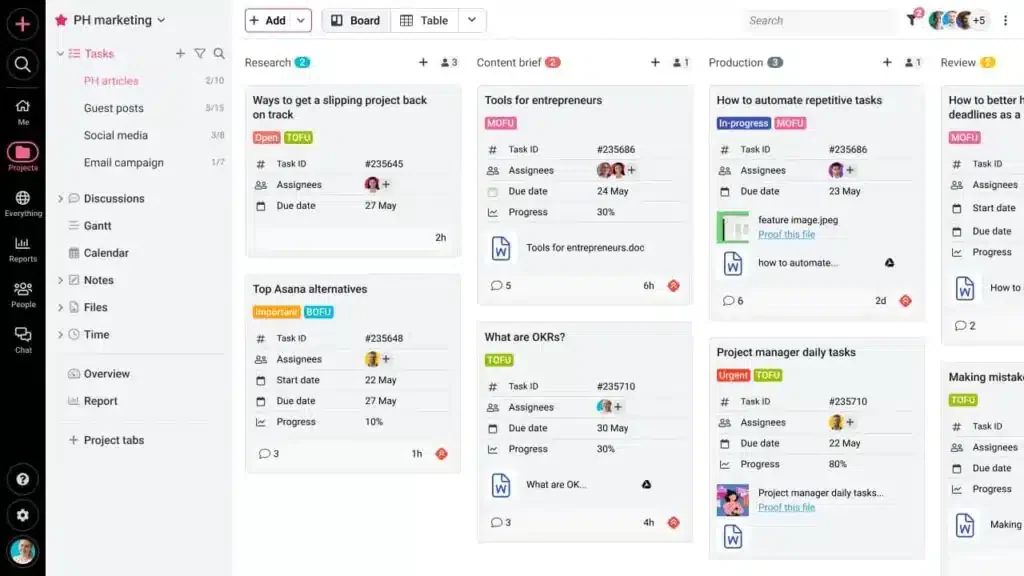 ProofHub ERP software for engineering provides a multifaceted platform that centralizes and streamlines project management. The software features tools such as ‘Forms,’ which allow project managers to stay on top of every request.
The software also supports a multilingual interface, breaking down language barriers within diverse teams and allowing work in several languages including English, French, Spanish, Polish, and Portuguese, among others.
Key features of ProofHub Engineering Software:
- Custom workflows and task management
- Gantt charts and scheduling
- Time tracking and reports
- Collaboration and file tools
How Can Engineers Benefit from ERP Software?
ERP software for the engineering industry offers numerous benefits for engineers. By utilizing project management software, engineers can optimize their productivity, reduce errors, enhance collaboration, and ultimately achieve successful project outcomes.
Here are some key ways in which engineers can benefit from using ERP software:
- Streamline project workflows: ERP software allows engineers to seamlessly plan, track, and execute their projects. It ensures smooth workflows and efficient task management.
- Improve collaboration and communication: ERP software provides engineers with tools for effective collaboration and communication. Also enabling team members to work together efficiently, share updates, and delegate tasks easily.
- Track project progress: With ERP software, engineers can monitor project progress in real-time. It keeps everyone informed about the status of tasks, milestones, and deadlines.
- Allocate resources effectively: ERP software helps engineers optimize resource allocation by providing visibility into resource availability and workload, ensuring that resources are utilized efficiently.
- Manage budgets and timelines: Engineers can use ERP software to track project budgets, monitor expenses, and control costs. Additionally, the software enables engineers to set realistic timelines and deadlines, ensuring timely project delivery.
- Ensure project delivery within deadlines: By utilizing ERP software, engineers can stay organized. Also, to prioritize tasks and manage their time effectively, ensuring that projects are completed within the allocated timeframes.
- Engineering business process automation: ERP helps you move time-consuming, resource-intensive manual engineering processes to automated business management.
- Quick and easy access to the data: Because the modules are integrated and simple to use, employee information, sales and inventory data, expenses, and income are easy to access wherever you are.
- Tailored to the specific requirements of the business: Cloud ERP systems can be modified to accommodate each business's unique and industry-specific requirements.
- Ensure that your choices are accurate: When all relevant data is consolidated in one system and kept correct and up to date, you can make better decisions for your company's growth.
- Financial control: ERP automates invoicing and related financial processes, helping improve cash flow.
- Task allocation and workload visibility: Automated task distribution keeps work at a steady pace, helping managers balance productivity and prevent engineer burnout.
- Focus on core competencies: Software can handle tasks such as analysis and simulation, so engineers can focus on their core engineering work.
- Work flexibility: ERP features can be modified to match an organization's specific needs, so the system keeps adapting as business requirements evolve.
- Ensure business transparency: A centralized system shows inventory levels, incoming shipments, and goods on delivery, making working capital easier to track and helping divisions collaborate faster.
- Precise planning: ERP helps engineers build complete project plans that fit time and budget limits, so no aspects are missed.
By leveraging the best ERP software, engineers can streamline their project management processes, improve collaboration, and achieve successful project outcomes within the given deadlines.
Here is a table summary of benefits of ERP software for engineering industry:
| Benefits of ERP Software for the Engineering Industry | Description |
| Streamline project workflows | ERP software helps engineers plan, track, and execute projects efficiently, ensuring smooth workflows and organized task management. |
| Improve collaboration and communication | Enhance teamwork with tools that enable real-time updates, file sharing, and easy task delegation across departments. |
| Track project progress | Monitor tasks, milestones, and deadlines in real time to keep everyone aligned and projects on schedule. |
| Allocate resources effectively | Gain visibility into resource availability and workload to ensure optimal use of manpower and materials. |
| Manage budgets and timelines | Track expenses, control project costs, and set realistic deadlines to maintain budget accuracy and timely delivery. |
| Ensure project delivery within deadlines: | Stay organized, prioritize tasks, and manage time efficiently to complete projects within the planned timeframe. |
| Engineering business process automation | Replace manual, resource-intensive engineering processes with automated business management. |
| Quick and easy access to the data | Access employee, sales, inventory, expense, and income data from integrated modules anywhere. |
| Tailored to the specific requirements of the business | Configure the ERP to fit each business's unique and industry-specific needs. |
| Ensure that your choices are accurate | Base decisions on consolidated, correct, and up-to-date data. |
| Financial control | Automate invoicing and related processes to improve cash flow. |
| Task allocation and workload visibility | Distribute tasks automatically to keep a steady pace and prevent burnout. |
| Focus on core competencies | Let software handle analysis and simulation so engineers can focus on core work. |
| Work flexibility | Adapt ERP features to changing business needs without extra effort. |
| Ensure business transparency | See inventory, shipments, and working capital clearly so divisions can collaborate faster. |
| Precise planning | Build complete project plans within time and budget limits. |
Conclusion
ERP software for engineering plays a vital role in empowering engineers to effectively manage their projects. By utilizing these software solutions, engineers in Singapore can enhance collaboration, and achieve successful project outcomes in 2026 and beyond.
Investing in the right ERP software enables you to unlock the potential to excel in your projects. With the top 10 software options listed in this article, you can select the most suitable tool that aligns with your specific project needs and requirements.
One of the best software solutions is HashMicro. It offers comprehensive features that can help optimize your project management. Also, HashMicro provides a free demo service to get to know the whole benefits and a user-friendly dashboard. Try it now!
Frequently Asked Questions
ERP software enables engineering companies to integrate key processes, such as project management, procurement, inventory, finance, and HR, into a single system. This ensures better coordination, cost control, and timely project delivery.
Important features include project planning, resource allocation, material management, costing and budgeting, document control, and real-time reporting. These help streamline workflows and improve efficiency across departments.
With ERP, engineers can track project progress, monitor resource usage, and identify potential delays early. It enhances collaboration between teams and provides data-driven insights for smarter decision-making.
Yes, ERP systems are highly flexible and can be customized to meet the needs of various engineering fields, from civil and mechanical to electrical and industrial engineering.
An ERP engineer configures, customizes, and maintains ERP systems to match business processes. They ensure smooth integration between modules and help teams use the software effectively. Their role often bridges technical knowledge and business requirements.
The four main types of ERP are on-premise ERP, cloud ERP, hybrid ERP, and open-source ERP. Each type offers different levels of flexibility, scalability, and cost, depending on the size and requirements of the business.
HashMicro ERP helps businesses streamline operations, automate workflows, and improve decision-making with real-time data. For the engineering sector, it offers specialized modules for project monitoring, budgeting, and reporting that support efficiency and growth.
In mechanical engineering, ERP supports tasks such as managing bills of materials, production planning, and resource allocation. It helps engineers track projects, control costs, and ensure timely delivery while maintaining quality standards.