














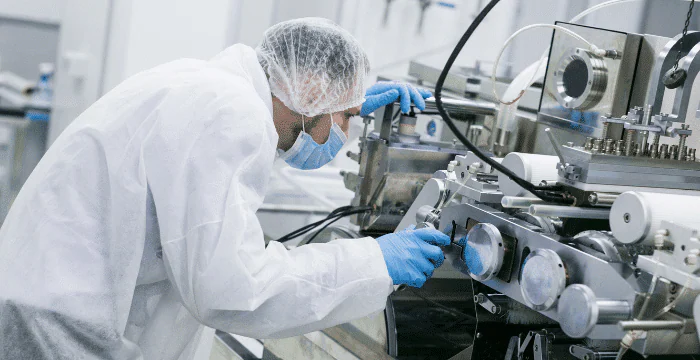
Running a chemical manufacturing business comes with high-stakes challenges such as tight regulations, complex formulations, and ever-changing supply chain demands. These hurdles can slow growth if not managed with the right tools.
That’s where ERP software makes a difference. Choosing the right system tailored for chemical manufacturing can help streamline production, ensure compliance, and improve visibility across operations. To simplify your search, here’s a selection of the 8 best ERP software for the industry.
Looking for a powerful, scalable, and easy-to-use ERP solution? To help you make an informed decision, I’ve compiled eight of the best ERP software tailored for chemical manufacturing. Explore the full list to find the system that best fits your workflow and business goals.
Key Takeaways
|
What is Chemical Manufacturing Software?
Chemical manufacturing software is a specialized software solution designed to streamline and optimize various aspects of the chemical manufacturing process for businesses in the industry. This software is tailored specifically to meet the unique requirements and challenges faced by chemical manufacturers, addressing their complex production, quality control, inventory management, and safety needs.
Key Features of ERP Software for Chemical Manufacturing
With a wide range of industry-specific capabilities, ERP software plays a critical role in helping chemical manufacturers run safe, compliant, and efficient operations. From managing hazardous materials to ensuring regulatory adherence and formula accuracy, the right ERP system empowers companies to handle the complexity of chemical production with confidence and precision.
1. Batch & lot traceability
Chemical production is typically batch-driven and highly regulated. ERP systems enable end-to-end batch and lot tracking—from raw material intake to finished goods distribution. This ensures full traceability for audits, recalls, and compliance with regulations such as REACH, GHS, and local chemical safety standards.
2. Formula & recipe management
Chemical manufacturers rely on exact formulations with strict tolerances. ERP software supports detailed recipe management, allowing teams to define, control, and version formulas accurately. It also manages ingredient substitutions, scaling, and cost impact analysis while ensuring compliance with safety and quality standards.
3. Quality & compliance control
Maintaining consistent quality and meeting regulatory requirements is non-negotiable in the chemical industry. ERP systems provide integrated quality management tools for inspections, lab testing, non-conformance handling, and corrective/preventive actions (CAPA). This allows manufacturers to detect deviations early and maintain audit-ready documentation.
4. Hazardous inventory & shelf-life management
ERP software gives real-time visibility into chemical inventories, including lot numbers, expiration dates, storage conditions, and hazard classifications. It helps ensure proper handling, reduces waste from expired materials, and prevents stockouts of critical raw materials while maintaining safety and compliance.
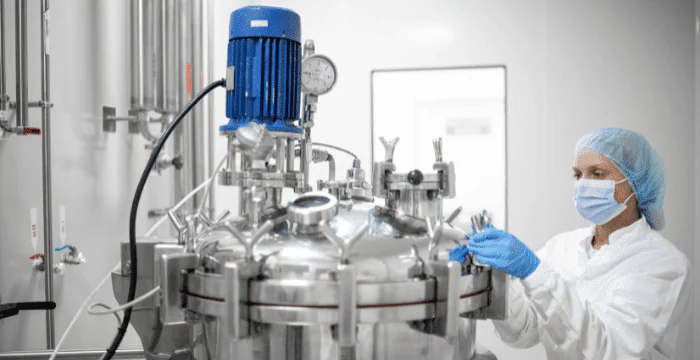
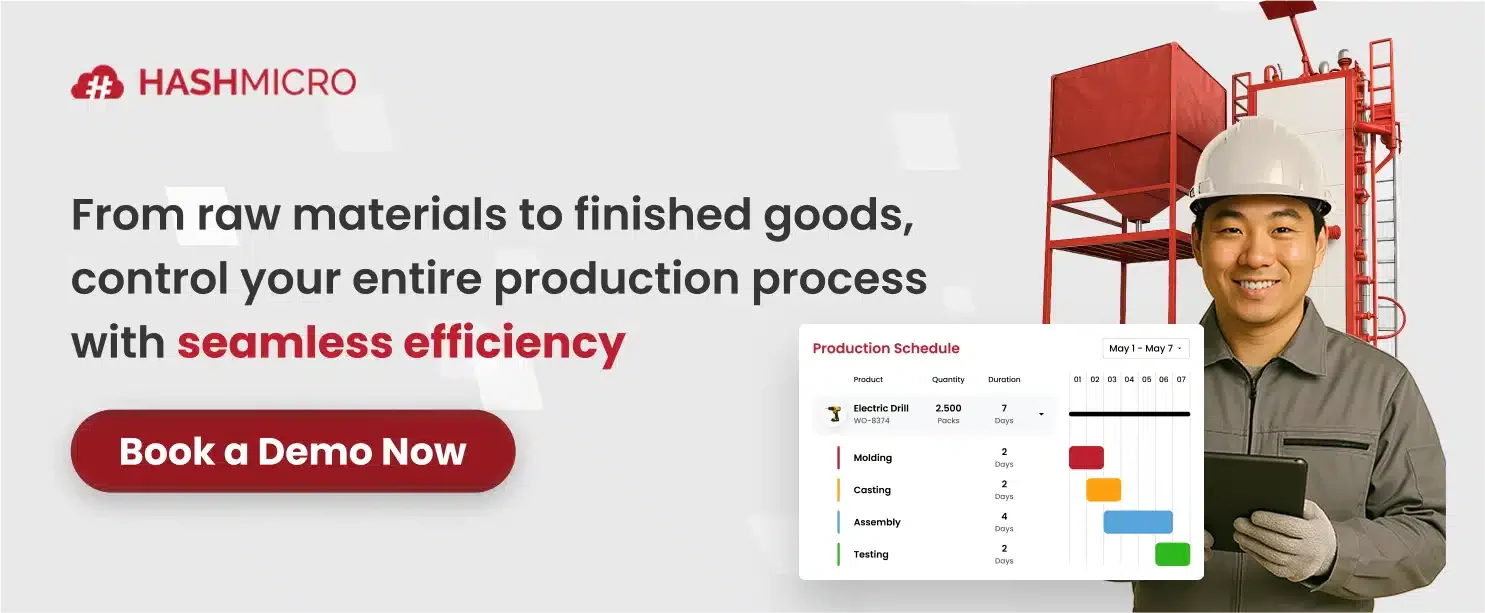
ERP systems provide a fully integrated platform that helps chemical manufacturers manage highly regulated, formula based, and safety critical operations. In this section, we explore the key benefits of implementing ERP software specifically for the chemical manufacturing industry. In chemical manufacturing, production is driven by batch processes, formulation accuracy, and strict sequencing. ERP software supports precise batch planning and scheduling by consolidating data from sales, inventory, formulations, and production into one system. This gives manufacturers real time visibility into raw material availability, equipment capacity, and demand forecasts. With ERP, chemical companies can plan batch runs more accurately, reduce changeover time, and minimize downtime caused by material shortages or equipment conflicts. The system also supports capacity planning for reactors, mixers, and packaging lines, helping manufacturers identify bottlenecks and optimize resource usage across plants and shifts. Quality and compliance are mission critical in the chemical industry due to stringent safety and environmental regulations. ERP systems provide built in quality management tools to enforce standard operating procedures, control specifications, and manage lab testing and inspections. Chemical manufacturers can track and trace raw materials, intermediates, and finished products by batch and lot number. ERP also maintains full audit trails, documentation, and safety data records to support compliance with regulations such as GHS, REACH, ISO, and local chemical standards. This enables early detection of deviations, faster corrective actions, and reduced risk of recalls, penalties, or environmental incidents. Managing chemical inventory involves more than just quantities. It includes hazard classifications, storage conditions, and expiration control. ERP software provides real time visibility into raw materials, work in process, and finished goods, including batch numbers, expiry dates, and safety categories. With ERP, chemical manufacturers can prevent the use of expired or non compliant materials, reduce waste, and ensure proper stock rotation. The system also supports automated replenishment based on consumption rates and lead times, helping companies avoid production delays while keeping working capital under control. This results in a safer, leaner, and more reliable supply chain. When it comes to choosing the right ERP software for chemical manufacturing, businesses must carefully consider several key factors. Firstly, it is crucial to assess the software’s ability to handle the unique requirements of the chemical industry, such as batch tracking, compliance with regulatory standards, and formula management. The following criteria is scalability. The software must be capable of accommodating future growth and evolving business needs. Integration capabilities with existing systems, such as supply chain software, should also be evaluated to ensure smooth data flow and streamlined processes. Additionally, robust security features are vital, given the sensitive nature of chemical manufacturing data. The software should offer advanced data protection measures and access controls to safeguard critical information. Finally, comprehensive training and ongoing support from the ERP vendor are needed to facilitate successful implementation. By carefully considering these factors, businesses can make an informed decision and select an ERP software solution that optimizes their chemical manufacturing operations. Here are the highlights of the 8 best ERP software for chemical manufacturing companies after review and further comparison. ERP software plays a vital role in the chemical manufacturing industry by streamlining and integrating various business processes. Below, we present a comprehensive list of the 8 best ERP software specifically designed to address the challenges and requirements of the chemical manufacturing industry. Why I Picked HashMicro: It’s a complete, customizable ERP built to handle every challenge in chemical manufacturing. HashMicro’s cloud-based ERP software provides a single, centralized, and customizable platform for managing all aspects of the manufacturing process. It consists of features that make up a robust ERP system to aid chemical manufacturing businesses of all-sizes in creating production schedules and planning. One of which is warehouse inventory management which allows you to track raw materials, as well as automate stock movement monitoring. Chemical manufacturing businesses must adhere to various regulatory frameworks and compliance standards and carry inherent risks due to the nature of the materials. HashMicro ensures these by providing a quality control module that allows manufacturers to track quality parameters and perform inspections. Furthermore, the software is capable of integrating with other systems like Accounting, providing you with a comprehensive view of your entire operations and benefiting your business further. Key features: Why I Picked Infor: It offers strong compliance and quality controls that chemical manufacturers can rely on. Infor CloudSuite Chemicals is a software that assists chemical manufacturers in forecasting and planning. The software is available on-premises and in the cloud. The features offered include batch processing, formula management, and quality control. Not only that, it also has some other optional capabilities, such as product lifecycle management and warehouse mobility. However, to gain access to those features, you need to pay for additional subscription fees. Key features: Why I Picked SYSPRO: It strikes the right balance between inventory precision and shop floor control. Syspro’s Chemical Inventory Software is specifically designed for industries, providing support for quality and safety systems. It offers a traceability and inspection system, namely Work in Progress that has the necessary tools to document and record the inspection details of manufactured items. This feature allows you to track and monitor the quality and progress of items throughout the manufacturing process. Typically, the system’s pricing begins at $199 per user on a monthly basis. Key features: Why I Picked Acumatica: It’s built for growing businesses that need flexibility without complexity. Acumatica is a cloud-based ERP that offers functionalities for chemical manufacturers. Some of the features offered by the system include Bill of Material and Routing, Engineering Change Control, and Manufacturing estimates. Its pricing model is based on resource consumption. However, some users may find the learning curve steep, requiring time and effort to master the software. Key features: Why I Picked Sage: It integrates every aspect of manufacturing—from the floor to finance. Sage X3 ERP is a manufacturing ERP software that integrates with Sales, CRM, Purchasing, Inventory, and Accounting. It offers flexibility in production management methods, allowing users to choose between job-based, order-based, or inventory-based approaches. This adaptability enables manufacturers to optimize their production processes based on their operational preferences. Key features: Why I Picked SAP: It brings deep production insights for manufacturers with complex operations. SAP S/4HANA is an ERP solution designed specifically for manufacturing. It offers comprehensive features such as recipe management, compliance tracking, and supply chain optimization. The software provides real-time insights into production processes, enabling businesses to make data-driven decisions. However, it can be a complex system to implement and may require extensive customization. Pricing for SAP S/4HANA varies based on the specific needs and scale of the organization. Key features: Why I Picked Microsoft Dynamics: It blends AI, IoT, and ERP into one intelligent platform. Microsoft Dynamics is an ERP software suite that has core strengths in manufacturing, in addition to services. The software combines modules for supply chain, production, and quality management. Its key advantages include easy integration with other Microsoft products, offering a familiar user experience. On the other hand, customization options might be limited compared to other solutions. Pricing for Microsoft Dynamics 365 is based on a subscription model, with various plans available. Key features: Why I Picked Epicor: It offers modular flexibility with robust manufacturing features. Epicor’s Chemical Manufacturing ERP system is equipped with offering features like supply chain management, product lifecycle management, and quality assurance. The software enables process automation, data integration, as well as business intelligence for improved decision-making. The system’s flexible pricing model allows scalability as the business grows, but some users find the user interface less intuitive. Key features: In conclusion, leveraging the power of ERP software enables chemical manufacturers to optimize their processes and gain a competitive edge in an increasingly complex and regulated industry. When it comes to finding the best ERP software for chemical manufacturing, it is crucial to consider the specific needs and requirements of the industry. With its comprehensive features and industry-specific modules, HashMicro’s Manufacturing ERP Software is the ideal choice for chemical manufacturing companies of all sizes. Furthermore, HashMicro’s user-friendly interface ensures a smooth user experience, facilitating easy implementation and adoption. Schedule a free consultation now to experience the transformative impact it can have on your operations. Legacy chemical systems often lack compatibility with modern ERP software, creating data silos and integration issues. Without API support or standardized formats, syncing real-time data becomes difficult. Choosing an ERP with flexible integration tools can reduce delays. Yes, ERP systems tailored for chemical manufacturing can generate automated reports for regulatory compliance. This helps track hazardous materials and ensure proper waste handling. Real-time monitoring also supports audits and minimizes environmental risks. ERP implementation for chemical companies usually spans 3 to 9 months, depending on complexity and customization. The process includes data migration, system setup, and staff training. Partnering with vendors offering industry-specific modules can accelerate timelines. Cloud ERP is ideal for chemical companies due to scalability and remote access. It reduces IT maintenance costs while ensuring real-time data availability across departments. Cloud systems also support updates automatically, helping meet changing compliance needs.

Reasons Why You Should Implement Chemical Manufacturing ERP

Enhance production planning and batch scheduling
Strengthen quality control and regulatory compliance
Optimize hazardous inventory and shelf life management
Factors to Consider when Choosing ERP Software for Chemical Manufacturing
Best ERP Software for Chemical Manufacturing Shortlist
Best ERP Software for Chemical Manufacturing Companies
1. HashMicro

Pros
Cons
2. Infor
Pros
Cons
3. Syspro
Pros
Cons
4. Acumatica
Pros
Cons
5. Sage
Pros
Cons
6. SAP
Pros
Cons
7. Microsoft Dynamics
Pros
Cons
8. Epicor
Pros
Cons
Conclusion
FAQ About ERP Software for Chemical Manufacturing
What are the challenges of integrating ERP with legacy chemical manufacturing systems?
Can ERP software help with chemical waste and compliance reporting?
How long does ERP implementation typically take in the chemical manufacturing industry?
Is cloud-based ERP suitable for chemical manufacturing?