






What if you could predict exactly where, when, and how much stock you need across every tier of your supply chain? Too often, managers find themselves overwhelmed by the chaos of uncoordinated warehouses, unpredictable demand, and sluggish replenishment.
Without cohesive MEIO, companies battle stockouts at one echelon while others are bogged down by excess inventory, leading to frustrated customers, wasted investment, and logistical gridlock. The inability to share real-time data and align forecasts across nodes only compounds these issues.
Eager to uncover how MEIO can turn complexity into clarity? Dive deeper into this article to discover best practices and technology tools that can streamline your operations and boost your bottom line.
Key Takeaways
MEIO optimizes stock placement across all supply chain tiers by accounting for interdependencies between each distribution point.
The five pillars of MEIO are: a well-defined supplier network, precise demand forecasting, optimized inventory levels, simplified order processes, and data-driven analytics.
MEIO delivers five core benefits: enhanced cost-efficiency, elevated customer service, better handling of supply/demand volatility, improved lead time management, and stronger ROI.
The three main implementation challenges of MEIO are data management across fragmented tiers, supplier coordination across diverse vendor networks, and legacy system integration.
What is Multi-Echelon Inventory Optimization (MEIO)?

Multi-Echelon Inventory Optimization (MEIO) is a strategic approach to inventory management that optimizes stock placement across all levels of the supply chain. Unlike traditional methods, MEIO considers the interdependencies between each distribution point to ensure cost efficiency and product availability.
While single-inventory or single-echelon optimization focuses on individual locations, it often results in inefficiencies in larger, more complex networks. MEIO overcomes this by aligning inventory decisions across multiple echelons, balancing supply and demand more accurately.
A notable thesis from De La Salle University presented a multi-echelon model that tackles inventory allocation and site selection in the Philippines, proving that lean, integrated systems can significantly reduce overall supply chain costs.
Key Pillars of Multi-Echelon Inventory Optimizations

Implementing a successful multi-echelon inventory optimization (MEIO) strategy depends on several core pillars that work together to enhance supply chain efficiency. Here are the foundational pillars of MEIO that every business should understand and implement:
1. Well-defined supplier network
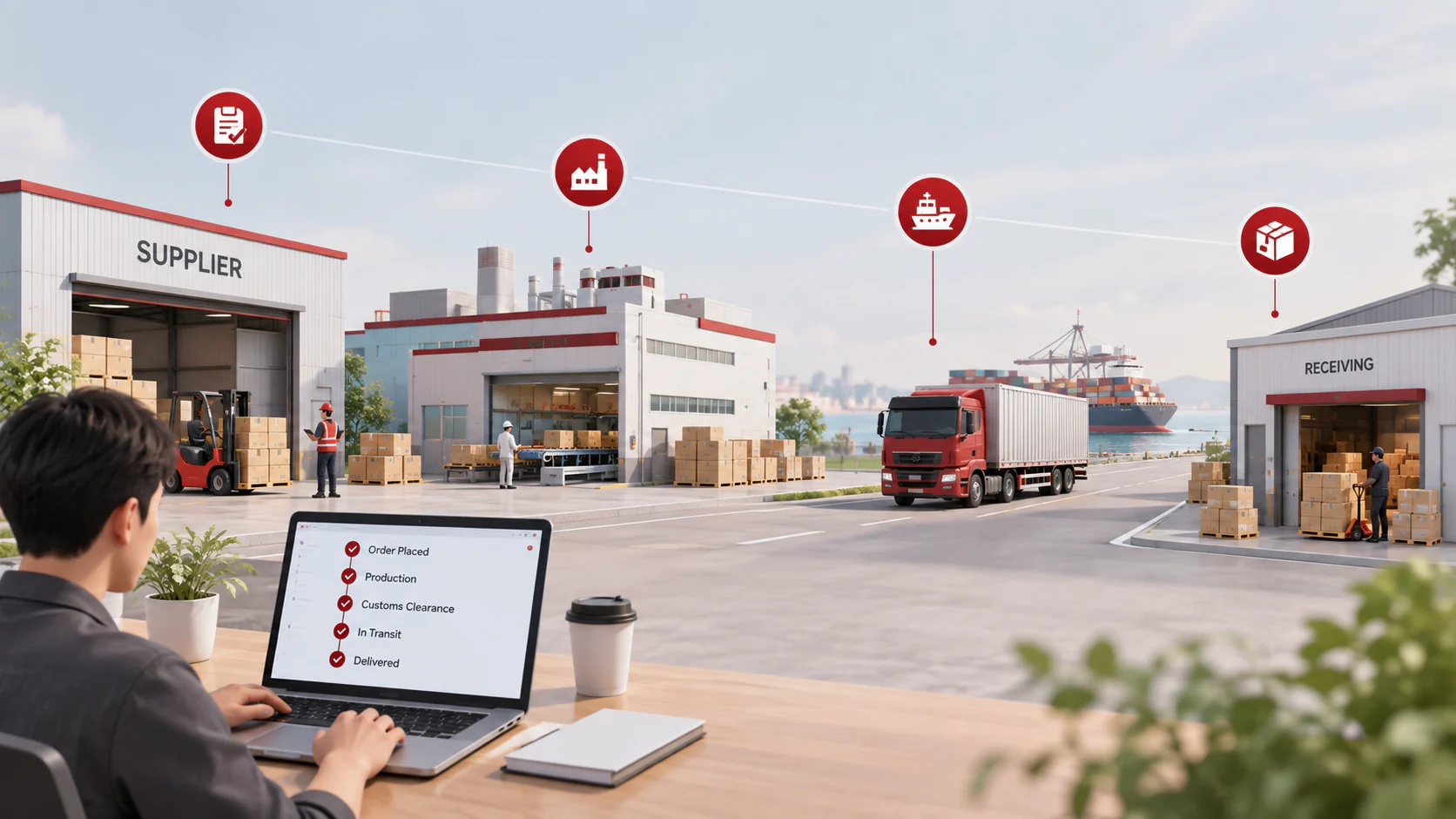
A robust MEIO strategy begins with a structured and collaborative supplier network. This network outlines the quantity and physical locations of suppliers, warehouses, and retail points across all phases of the supply chain.
Businesses must also account for critical variables such as lead times, transportation costs, and shipment methods. By mapping out the movement of materials and associated costs, companies can build a more resilient and cost-efficient multi-tier inventory management platform.
2. Precise demand forecasting
Accurate demand forecasting plays a vital role in any multi-echelon inventory optimization effort. It enables companies to anticipate customer demand at every level of the supply chain, thereby minimizing uncertainty and overstocking.
With reliable forecasting, stakeholders can make informed inventory decisions, ensuring timely replenishment across multiple locations. This proactive approach supports better service levels and keeps supply chains agile in the face of shifting market needs.
3. Optimized inventory levels
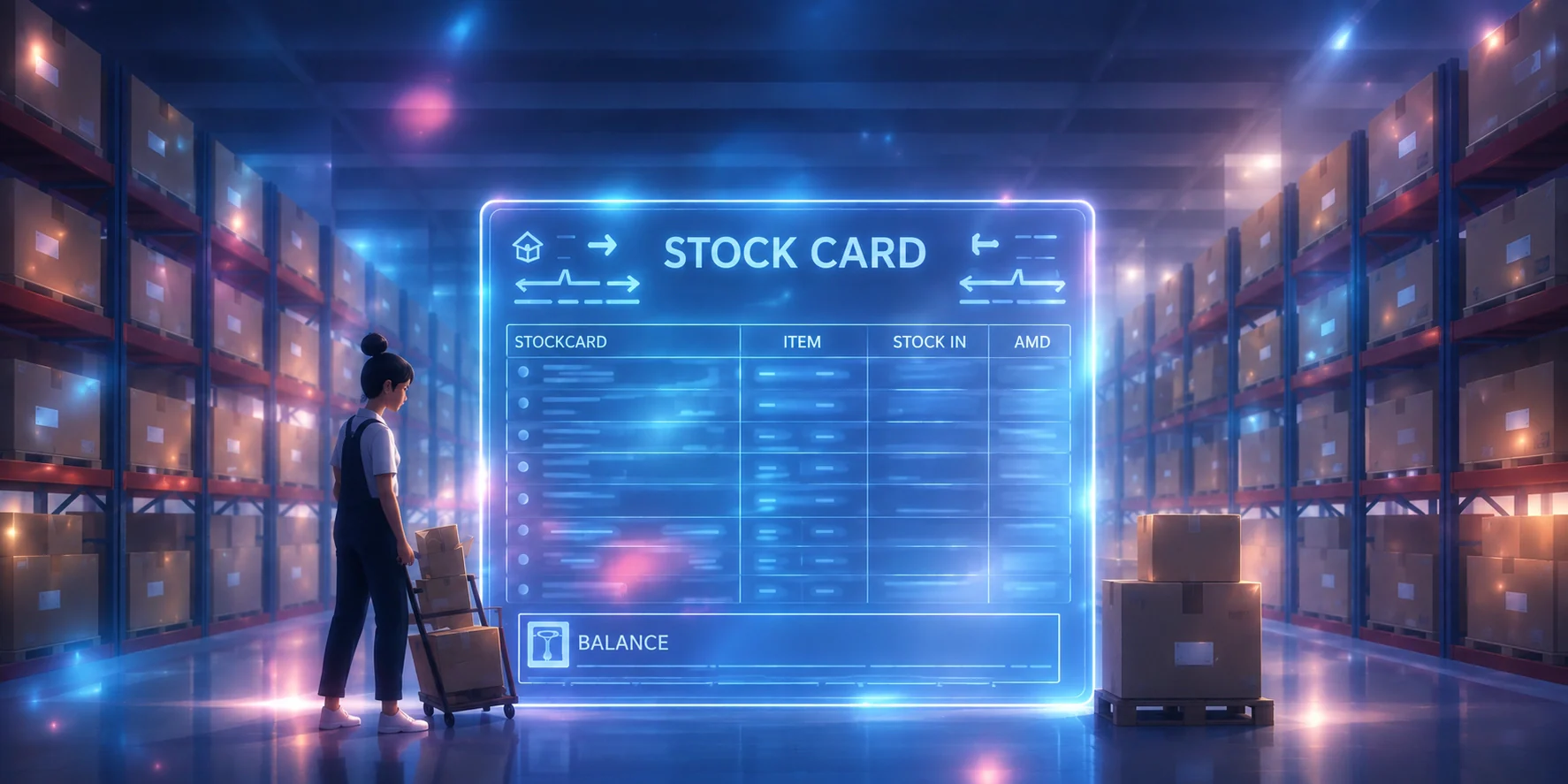
To fully benefit from MEIO, companies must maintain optimal inventory levels tailored to each echelon of their supply chain. This involves understanding how much stock to hold, where it should be stored, and when to replenish it.
Leveraging inventory management software enables businesses to track inventory usage, identify trends, and prevent shortages or excesses. An echelon-based stock optimization approach ensures smoother operations and improves supply chain responsiveness.
4. Simplified order processes
Once inventory needs are identified, companies must apply standard formulas, such as the Economic Order Quantity (EOQ), safety stock, and reorder points. These calculations ensure inventory levels align with supplier capabilities and customer expectations.
For complex multi-tier networks, ABC classification helps prioritize key products by value and turnover rate. A streamlined order process not only reduces waste but also strengthens the financial health of the entire supply chain, exemplified by an ideal multi-echelon inventory system in action.
5. Focus on data and analytics
Data is the backbone of any effective multi-echelon inventory optimization MEIO strategy. Access to real-time analytics enables businesses to track supplier performance, identify demand fluctuations, and monitor inventory status across all locations.
With actionable insights, teams can make faster, data-driven decisions that enhance inventory control and boost efficiency. As a result, MEIO becomes more than just a logistics model, it becomes a dynamic, insight-powered framework for continuous improvement.
Types of MEIO

Multi-Echelon Inventory Optimization can be structured in several ways depending on how a supply chain is designed. The two simpler models are Serial, where each node has exactly one upstream supplier and one downstream client, typical in linear production flows and Assembly, where multiple upstream suppliers feed into a single downstream node, reflecting how most manufactured products are built from various sourced components.
For more complex networks, the Distribution model flips the assembly logic: one central node, such as a main warehouse, supplies multiple downstream points like retail stores or regional hubs. The General model takes this further, allowing each node to have multiple connections in both directions, making it the most flexible and the most demanding to manage, as it mirrors the real-world complexity of multi-tier supply chains.
What are The Benefits of MEIO?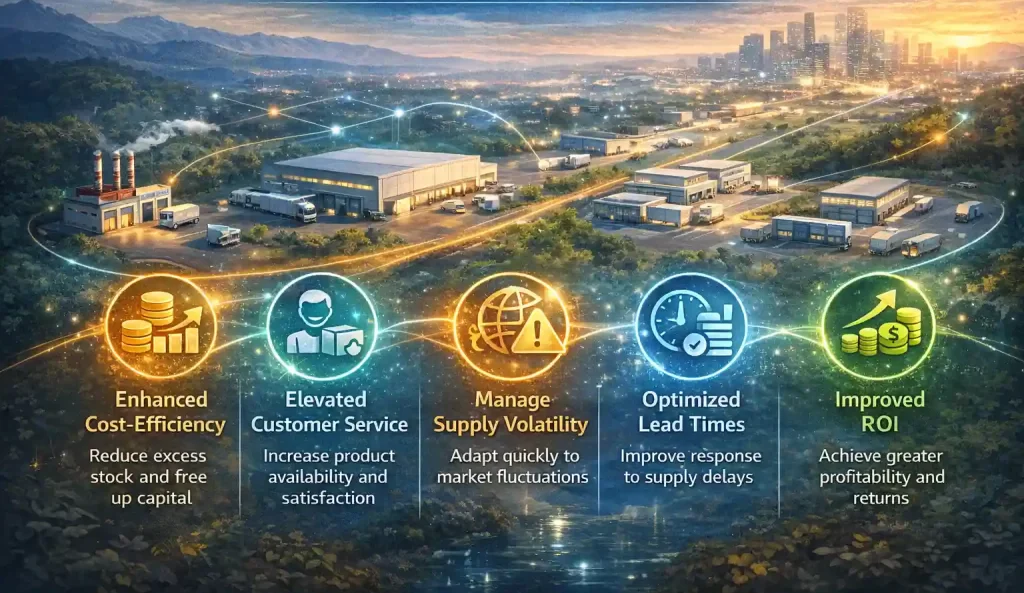
Adopting Multi-Echelon Inventory Optimization (MEIO) can transform the way companies manage inventory across their supply chains. MEIO offers a connected, data-driven framework for efficiently and profitably maintaining stock. Below are the key benefits of implementing MEIO that support both operational agility and financial growth:
1) Enhanced cost-efficiency
Without an optimized inventory strategy, companies often hold excess stock at multiple distribution points to prevent stockouts, which leads to waste and capital being tied up in underperforming inventory can reduces overall profitability
Multi-echelon inventory optimization MEIO helps businesses allocate capital more wisely by identifying the most efficient stock levels needed across all tiers. As a result, companies avoid overstocking while ensuring smooth inventory flow throughout the supply chain.
2) Elevated customer service
Inaccurate demand forecasts and poorly distributed inventory can lead to product shortages, ultimately disappointing customers. These service failures can harm a brand’s reputation and reduce customer loyalty.
With multi-echelon inventory optimization, businesses can forecast and position the right inventory at the right place and at the right time. This enables better service levels, ensuring product availability and higher customer satisfaction across all locations in a multi-tier inventory management setup.
3) Improved management of supply or market volatility
Volatility in supply or demand can catch businesses off guard if inventory levels are not optimized. Traditional models often fail to respond quickly to changes in market conditions or disruptions in the supply chain.
MEIO enables companies to maintain flexible and responsive inventory strategies by forecasting needs across the entire distribution network. This agility enhances the company’s ability to respond strategically to volatility, making it a key benefit in any multi-echelon inventory system.
4) Enhanced management of lead times
Unpredictable supplier lead times can disrupt replenishment schedules, resulting in stockouts or excessive inventory. Companies without strategic inventory optimization often struggle to adapt to these fluctuations effectively.
Echelon-based stock optimization using MEIO provides visibility and control over stock levels relative to varying lead times. This empowers organizations to stay ahead of delays or early arrivals, ensuring consistent inventory availability throughout the chain.
5) Improved return on investment
Excessive investment in slow-moving inventory results in poor ROI and limits available working capital. MEIO enables companies to achieve a better balance, holding just enough inventory to meet demand without overstocking.
This not only reduces waste and storage costs but also frees up capital for other revenue-generating activities. Ultimately, multi-echelon inventory optimization MEIO helps businesses improve profitability and achieve stronger, more sustainable returns.
Conclusion
Multi-Echelon Inventory Optimization (MEIO) is a robust supply chain strategy that enables businesses to manage inventory across multiple levels using a unified and data-driven approach.
Multi-Echelon Inventory Optimization offers a more coherent way to manage stock across complex supply chains, one that accounts for the relationships between tiers rather than optimizing each in isolation. When implemented with the right data infrastructure and clear replenishment logic, MEIO reduces both excess inventory and costly stockouts across the entire distribution network.
For businesses evaluating where to start, reviewing the best inventory management software available today can help identify which platforms are built to support multi-tier inventory strategies at scale.
FAQ Around (MEIO) Multi Echelon Inventory Optimization
Single-echelon optimization manages each inventory location independently, which often leads to imbalances across the network. MEIO considers how all tiers interact, allowing for more accurate stock placement and replenishment decisions across the entire supply chain.
MEIO is most valuable in industries with complex, multi-tier distribution networks such as retail, manufacturing, FMCG, pharmaceuticals, and e-commerce where coordinating stock across multiple warehouses, regional hubs, and retail points is critical to service levels.
By aligning stock levels with actual demand patterns across all tiers, MEIO prevents over-investment in slow-moving inventory and reduces the need for expensive emergency replenishment. This frees up working capital and lowers storage costs without sacrificing product availability.
The four main types are: Serial (one upstream, one downstream), Assembly (multiple upstream, one downstream), Distribution (one upstream, multiple downstream), and General (multiple upstream and downstream connections), each suited to different supply chain structures.