














As business owners in the Philippines, we know how challenging it can be to maintain product freshness, especially for perishable goods. No matter how closely we monitored inventory, it felt like there was always something slipping through the cracks.
This is where the FEFO (First Expired, First Out) method can make a real difference. By not addressing the core issues of wasted inventory and mismanaged stock, businesses risk losing their competitive edge in a market where freshness and efficiency are key. Read on to discover how FEFO can change your inventory management!
Key Takeaways
|
Table of Contents
What is FEFO?

FEFO, or First Expired, First Out, is a smart way of managing products that can spoil or expire. Imagine you have a fridge full of food, like milk and vegetables, and each item has a different date when it will go bad. With the FEFO method, you always use the food that will expire the soonest, before it goes bad.
This method is especially helpful for businesses like supermarkets, restaurants, pharmacy or factories that handle food. By using FEFO, they make sure that they are always giving customers fresh products and not letting food expire on the shelves.
This also prevents businesses from wasting food and losing money. FEFO keeps everything organized and ensures that products are always fresh and safe for people to buy and eat.
Benefits of Using the FEFO Method
Effective inventory control is crucial for the success of businesses, especially with perishable goods. The FEFO method ensures products are used in the correct order, minimizing waste and boosting operational efficiency.
Some of the benefits are:
- Increase Buyer Trust: This method ensures you display fresh products, boosting customer trust and increasing sales.
- Reduce Expired Waste: The FEFO method helps by ensuring you use the oldest items first, reducing wastage and preventing dead stock.
- Optimize Warehouse Layout: The FEFO method allows for better warehouse organization by placing products nearing expiration at the front.
- Streamline Item Flow: Staff who track expiration dates can select and process items in the correct order.
Adopting the FEFO method can transform the way food businesses manage their inventory. It not only boosts customer trust and reduces waste but also ensures a well organized warehouse and smooth item flow. Leveraging this system can make a significant difference in maintaining freshness and operational excellence.
FEFO vs. FIFO
Both FEFO and FIFO are widely used inventory rotation methods, but they solve different problems. The table below breaks down the key differences to help clarify which approach suits your operation best.
| Aspect | FIFO (First In, First Out) | FEFO (First Expired, First Out) |
|---|---|---|
| Definition | Uses the oldest stock first based on when items were received. | Uses products with the nearest expiration date first. |
| Main Focus | Order of stock arrival. | Product expiration dates. |
| Best For | Non-perishable goods where freshness is not a priority. | Perishable goods such as food and pharmaceuticals. |
| Key Benefit | Ensures older stock is used first and helps maintain organized stock rotation. | Reduces waste by ensuring products nearing expiration are used first. |
| Limitation | Older arrival doesn’t always mean earlier expiration, so FIFO may miss products that expire sooner. | More complex to manage manually because it requires constant monitoring of expiration dates across all SKUs. |
Read also: Pharmacy Inventory Management System
How to Set Up the FEFO Method
Implementing the FEFO method requires careful attention to detail and a systematic approach to organizing your inventory. Following these key steps ensures that products are properly managed, reducing waste and enhancing operational efficiency.
Here’s how you can set up an effective FEFO system for your business:
- Organize: Begin by classifying and organizing your products into groups, like vegetables, meats, and canned goods. A Food Production System can streamline this process by automatically categorizing items based on their type and expiration date.
- Label: For raw materials in containers, label them with expiration dates, especially for items like sugar or spices. Fresh products, like fruits and vegetables, should have a “use by” date to effectively manage their shelf life.
- Arrange: Place items nearing expiration at the front of the warehouse to ensure you use the freshest products first, minimizing spoilage and optimizing product usage.
- Repeat: Repeat the FEFO process whenever new materials arrive by checking expiration dates and placing products in the correct order. This practice ensures proper product flow.
Consistently applying these steps ensures smooth FEFO method implementation. By organizing and routinely updating the process, businesses can maintain a well structured system that minimizes waste and maximizes freshness. These practices also improve consignment inventory management, ensuring timely sales based on product freshness.
Read More: Top Construction Inventory Management Software
Easy FEFO Method With Inventory Software
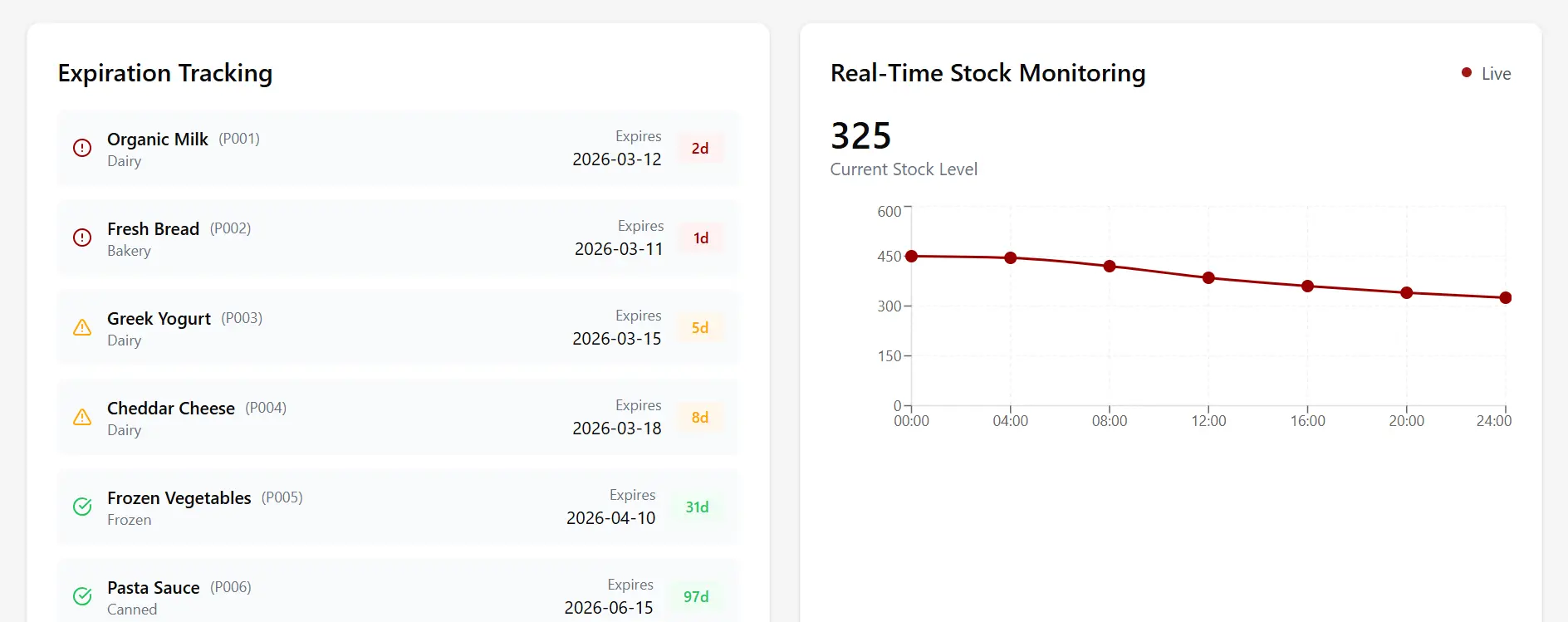
Manual FEFO management becomes increasingly difficult as SKU counts and warehouse size grow. Inventory software that supports batch and lot tracking can automate expiration monitoring and generate pick lists in FEFO order without staff needing to sort through stock manually.
- Automated Expiration Tracking: Flags products nearing their expiry window so those items are always prioritized before fresher stock arrives at the picking stage.
- Real Time Inventory Monitoring: Gives teams live visibility into stock levels and expiration status, reducing the chances of expired goods going unnoticed across locations.
- Smart Stock Arrangement: Surfaces near expiry items at the front of the pick queue automatically, so staff follow the correct FEFO sequence without manual shelf audits every shift.
- Batch and Lot Management: Lets businesses track inventory by production batch or supplier lot, making it straightforward to trace expiration windows across varied stock pools.
- Comprehensive Reporting: Generates expiration trend data over time, helping managers fine-tune replenishment cycles and reduce recurring waste.
Conclusion
FEFO gives businesses a reliable framework for managing perishable stock by prioritizing expiration dates over arrival order, which reduces waste, protects product quality, and lowers the risk of customers receiving goods past their shelf life. When paired with the right tracking tools, it becomes a consistent and scalable process across industries where expiration dates directly affect both safety and revenue.
For teams looking to strengthen their stock management further, choosing the right software makes a significant difference in how accurately FEFO gets applied at scale. This list of top inventory management software covers the leading tools businesses in the Philippines commonly use.
Frequently Asked Questions
-
-
What is the FEFO method in pharmacy?
This method in pharmacy ensures that medications nearing expiration are dispensed first. This helps maintain product quality and reduce waste by preventing expired medicines from staying in stock.
-
What does the FEFO stand for?
It stands for “First Expired, First Out.” It is an inventory management method that prioritizes using products based on their expiration dates.
-
What are the disadvantages of FEFO?
This method can be more complex to manage manually, requiring constant monitoring of expiration dates. Implementing this method without the right tools can increase the chance of human error and inefficiency.
-