











Running a clinic today involves far more than managing appointments and medical records. Clinics are expected to deliver efficient care while meeting strict data protection and operational standards.
According to Black Book Research (2024), digital health is rapidly growing across Southeast Asia, especially in Singapore, Malaysia, Thailand, Indonesia, and Vietnam. The Asia-Pacific market, valued at USD 60 billion, is expected to reach USD 150 billion by 2030 with a 14% CAGR.
As healthcare operations become more digital, clinics need systems that support compliance, accuracy, and day-to-day efficiency. This shift explains why clinic software is widely used in healthcare today.
Key Takeaways
|
What Is Clinic Software?
Clinic software is a digital solution that helps clinics manage administrative and clinical tasks in one system. It streamlines patient records, scheduling, and reporting processes to improve efficiency and service quality.
Clinic software is a digital platform designed to help clinics manage their daily operations more efficiently, from patient registration to internal workflows. It serves as a centralized system that replaces manual tasks and fragmented tools.
A clinic management system helps reduce errors, save time, and support better decision-making by automating routine processes and organizing data in real time. This allows healthcare providers to focus more on delivering quality patient care.
Key Features of Clinic Management Systems
A reliable clinic management system offers a comprehensive set of tools to streamline every aspect of clinic operations. Below are the key features that make these systems essential for modern healthcare providers:
- Patient Records Management: This department stores and organizes patient data securely, ensuring easy access to medical history and treatment notes.
- Appointment Scheduling: Simplifies the booking process for staff and patients, reducing scheduling conflicts and missed appointments.
- Billing and Invoicing: Automates billing, payment tracking, and insurance claims to improve financial accuracy and reduce manual errors.
- Inventory Management: Monitors medical supplies and medication stock levels to prevent shortages or overstocking.
- Reporting and Analytics: Provides real-time insights into clinic performance, finances, and healthcare industry trends for better decision-making.
- User Access Control: Restricts access based on user roles, enhancing data security and compliance with privacy regulations.
- Regulatory Compliance Support: This service helps clinics meet healthcare data standards, especially in highly regulated markets such as Singapore.
What Your Software Must Support Regarding Singapore Healthcare Compliance
Running a clinic in Singapore means navigating a layered regulatory environment that governs everything from patient data handling to insurance claims processing. Your clinic is your first line of defense against compliance violations that can result in hefty fines or license revocation.
Here’s what your clinic management system needs to support:
1. Personal Data Protection Act (PDPA) Compliance
The PDPA sets baseline standards for how clinics collect, use, and disclose patient data. Under the Advisory Guidelines for the Healthcare Sector (revised September 2023), your software must enable:
- Consent management: Recording patient consent for data collection and allowing withdrawal requests
- Access controls: Restricting patient data access to authorized personnel only
- Data breach notification: Alerting management within 3 calendar days of confirming a notifiable breach
- Retention and disposal: Managing medical record retention periods as per MOH guidelines (typically 6 years for adult records)
2. Healthcare Services Act (HCSA) Requirements
Since 2020, the HCSA requirements have replaced the older Private Hospitals and Medical Clinics Act (PHMCA) with a more flexible, services-based framework. Clinics offering any of the 16 regulated healthcare services must hold appropriate licenses. Your software should support:
- Patient health record maintenance: Accurate, complete, and up-to-date records as mandated under HCSA regulations
- Confidentiality provisions: Safeguarding patient information in accordance with HCSA confidentiality rules
- Audit trails: Tracking who accessed or modified patient records and when
3. Health Information Bill (HIB) Readiness
The Health Information Bill, introduced in Parliament on November 5, 2025, marks a significant shift for Singapore clinics. Once enacted (expected early 2027), it will:
- Mandate NEHR contribution: All licensed healthcare providers must contribute patient data to the National Electronic Health Record
- Require cybersecurity safeguards: Clinics must implement organizational and technical measures for data protection
- Impose breach reporting: Confirmed cybersecurity incidents must be reported to MOH within 2 hours
- Restrict employment/insurance use: Patient data cannot be used for employment screening or insurance eligibility assessments
4. Cyber & Data Security Guidelines
MOH’s December 2023 guidelines (Circular No. 85/2025) outline specific cybersecurity requirements that will eventually become enforceable under the HIB:
- Promptly install software updates
- Use anti-malware and antivirus protection
- Implement access control measures
- Use secure configurations for hardware and software
- Back up essential data offline
- Train staff on cyber-hygiene practices
10 Clinic Software in Singapore
With many options available, finding the right clinic software can be challenging. To help you decide, here are 10 of the best clinic software solutions in Singapore, each offering unique strengths to support your clinic’s growth.
1. Athenahealth
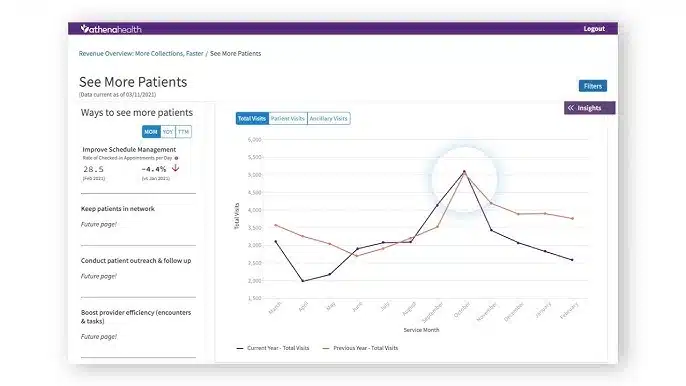
Athenahealth offers a cloud-based clinic assistant software that helps improve administrative efficiency. Its platform is known for smooth workflows in appointment handling, billing, and clinical documentation, making it suitable for busy clinics aiming to digitize operations.
Key Features:
- Appointment Scheduling
- EHR (Electronic Health Records)
- Billing and Revenue Cycle Management
- Patient Portal
| Pros | Cons |
|
|
2. Cerner Corporation (Oracle Cerner)
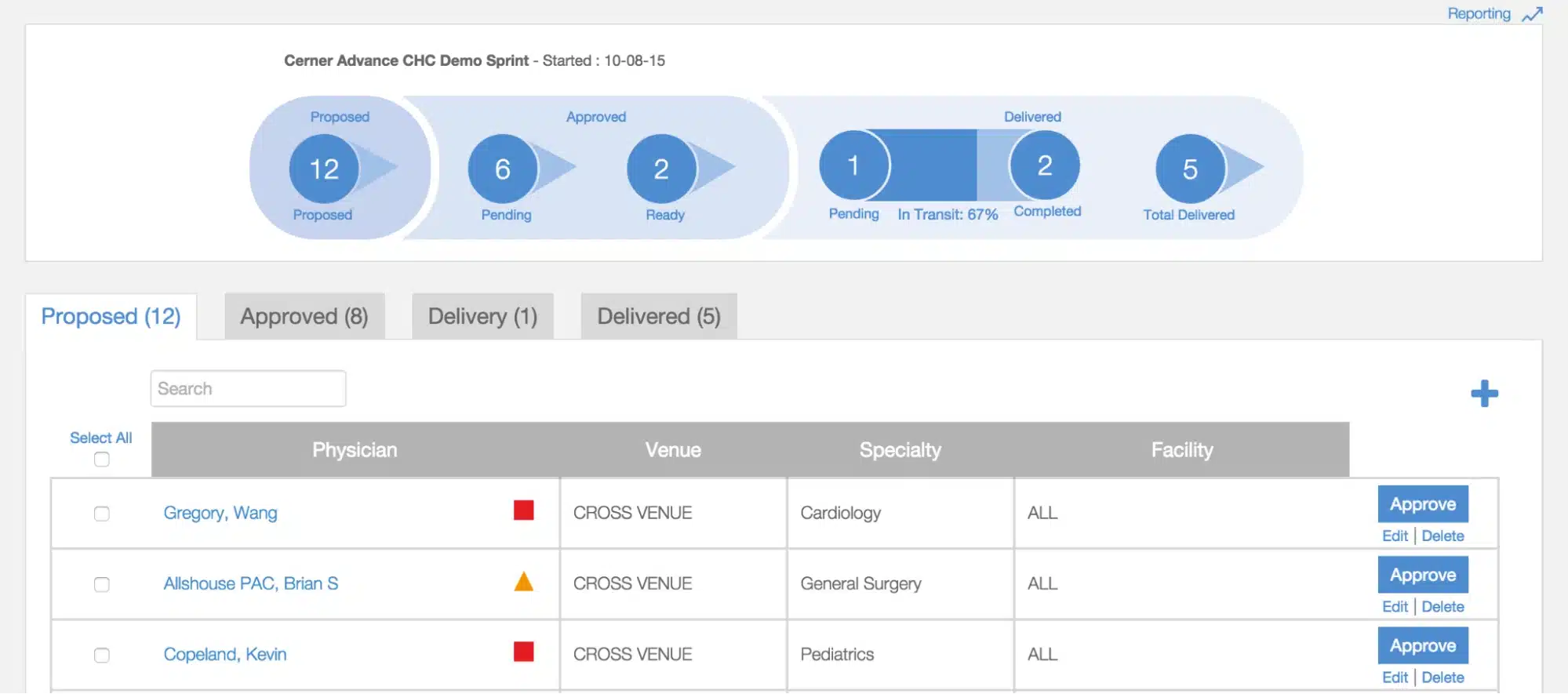
Cerner provides an advanced clinic and hospital management platform that supports long-term digital transformation. It is often used by larger clinics that require deep data analytics, robust EHR, and integrated workflows across departments to improve care quality and operational control.
Key Features:
- Electronic Health Records
- Clinical Decision Support
- Appointment Scheduling
- Health Analytics
| Pros | Cons |
|
|
3. HashMicro Clinic Management Software
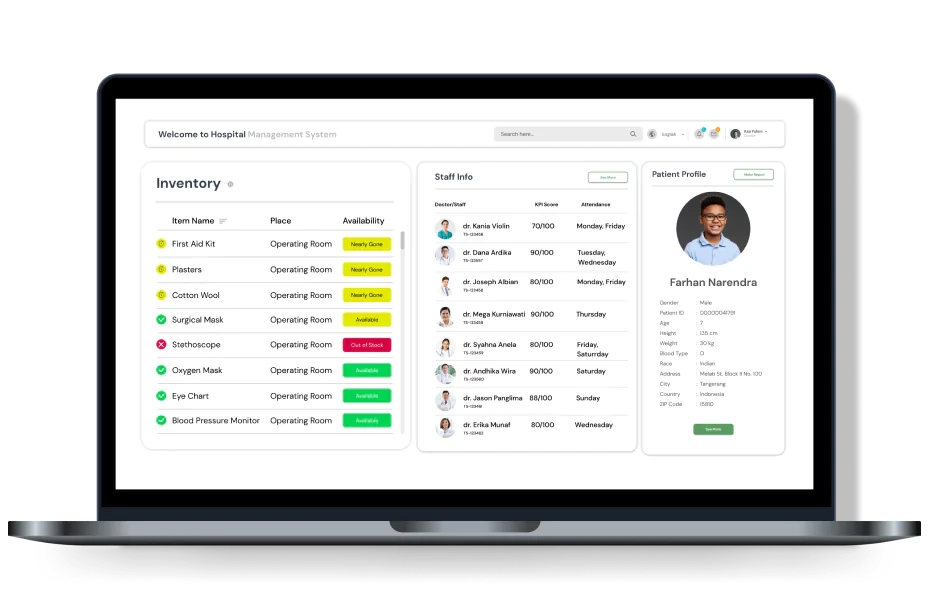
HashMicro Hospital & Clinic Management helps clinics digitize and centralize key operational processes. It covers appointment scheduling, medical records, billing, and inventory management, making staff workflows more efficient and patient services faster.
Key Features:
- Instant Data Access & Updates: Update and retrieve patient or operational data anytime through a cloud-based platform.
- Encrypted Cloud Storage: Securely store clinic data with multi-layer encryption and controlled user access.
- Unified Patient Records: Keep all patient details, such as profiles, diagnoses, and treatments, in one centralized system.
- Automated Inventory Tracking: Track medical supplies in real time and get alerts for low stock levels.
- Doctor Scheduling & Queue Control: Manage doctor availability and patient queues efficiently via integrated scheduling tools.
- Auto-Reporting Functionality: Reduce manual effort with automatically generated operational and clinical reports.
| Pros | Cons |
|
|
4. GPConnect
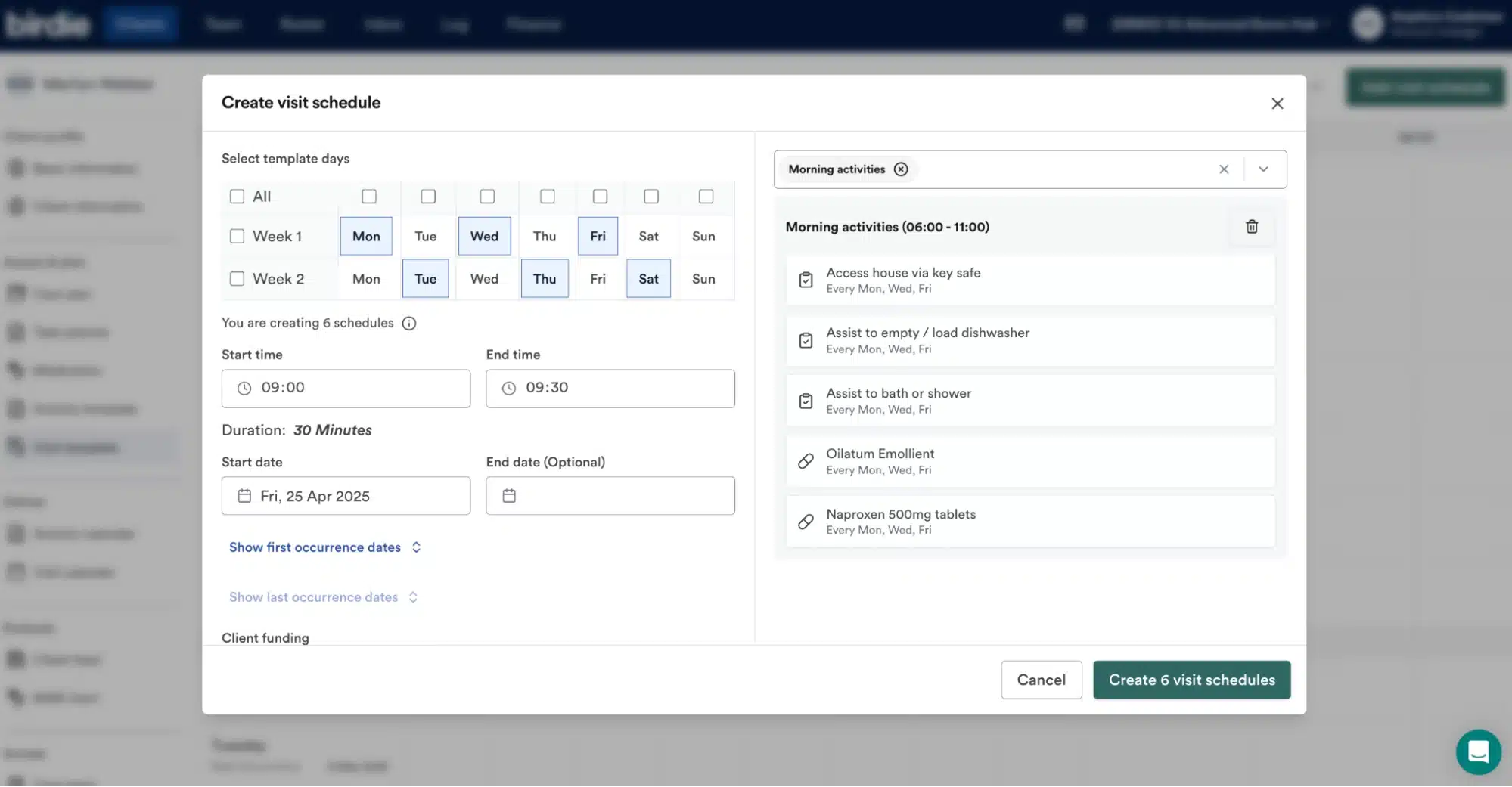
GPConnect is designed to meet the everyday needs of general practitioners. It offers practical tools that streamline clinic operations and ensure compliance with local healthcare policies. Its simple interface and relevant features make it ideal for small—to mid-sized clinics.
Key Features:
- Patient Management
- CHAS and Medisave Claims
- Appointment Scheduling
- Medical Records
| Pros | Cons |
|
|
5. SGiMED
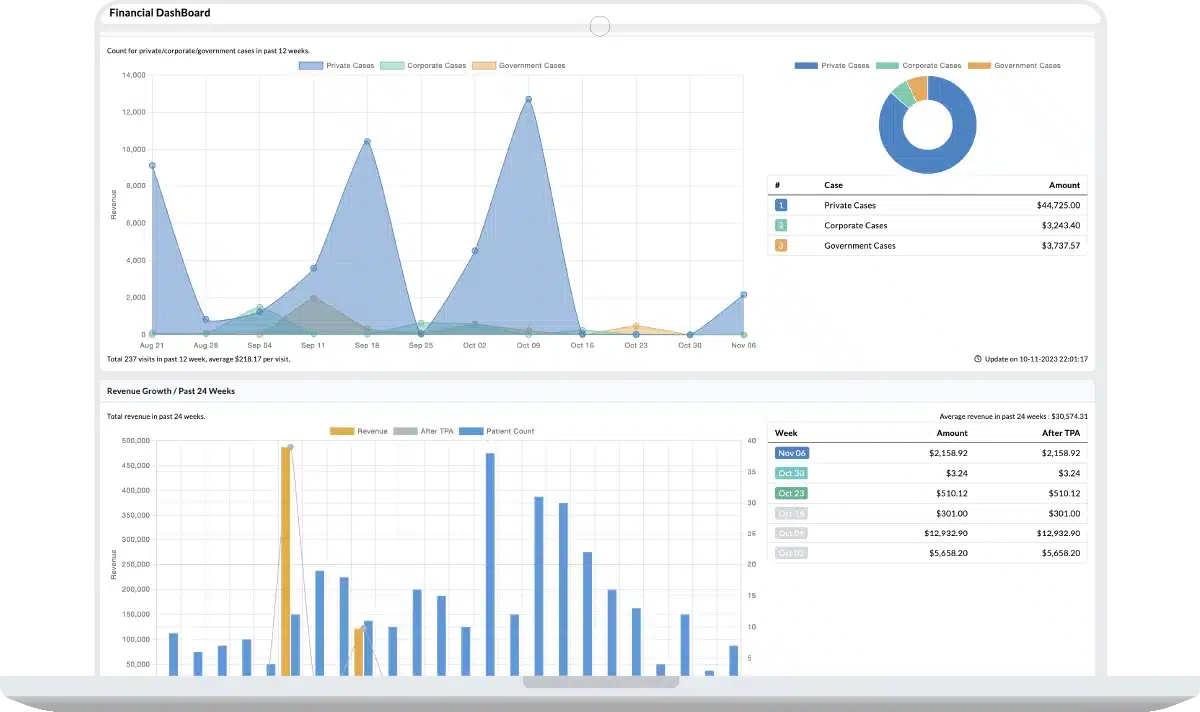
SGiMED offers a flexible and modular clinic software system that caters to a wide range of healthcare providers. Its customizable modules allow clinics to choose features that suit their specific workflow, making it a reliable option for general and specialist practices in Singapore.
Key Features:
- Electronic Medical Records (EMR)
- Appointment Scheduling
- Billing and invoicing in healthcare
- Clinical Documentation
| Pros | Cons |
|
|
6. MediSmart
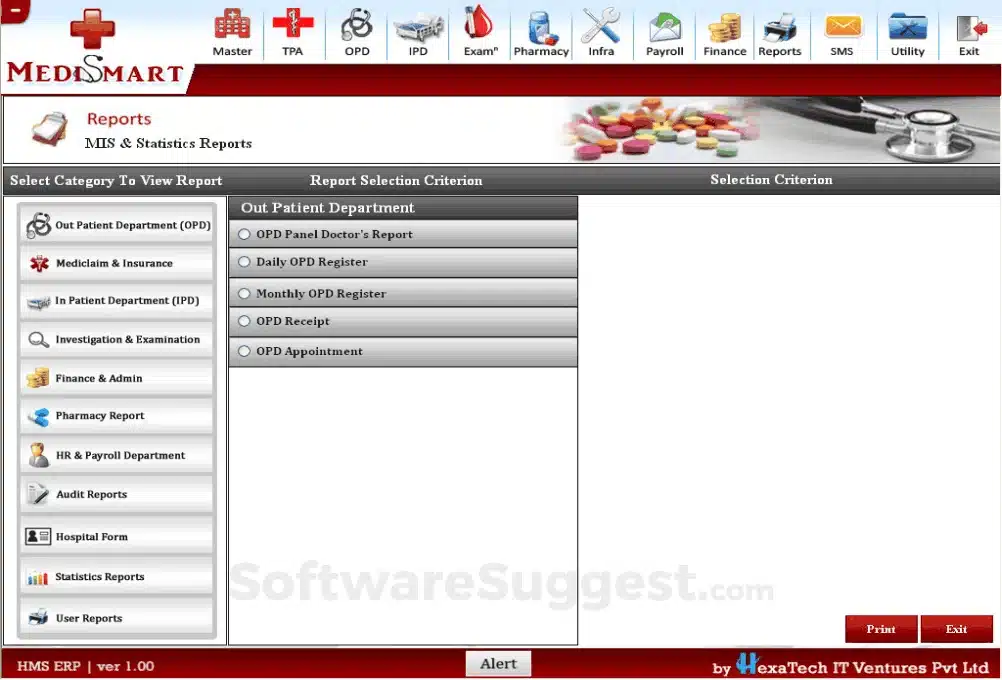 MediSmart is a widely used solution among clinics that need a dependable system for efficiently managing daily operations. It supports national claim processes and provides essential scheduling, recordkeeping, and reporting tools.
Key Features:
- Patient Records
- Medisave and CHAS Claim Integration
- Appointment Scheduling
- Billing and Receipts
| Pros | Cons |
|
|
7. HospiLogix
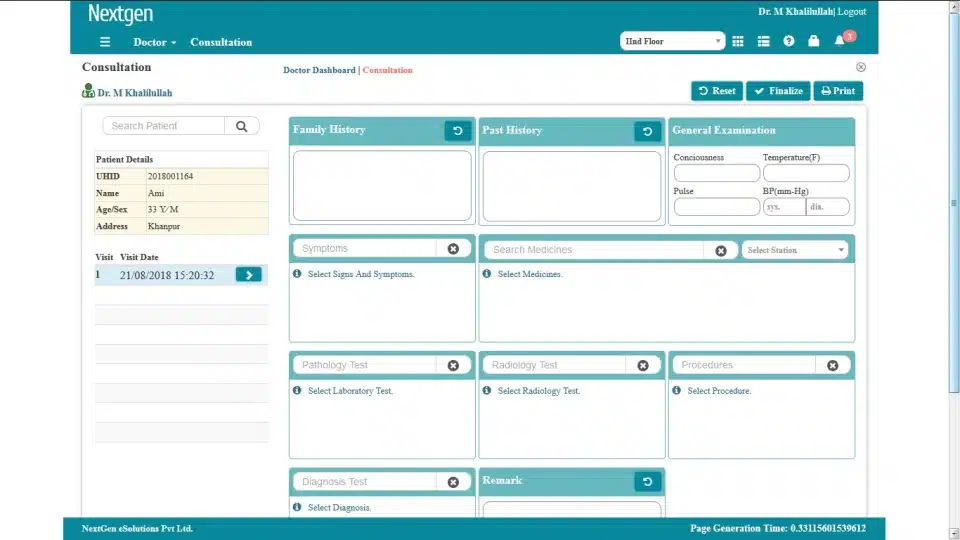
HospiLogix is a clinical management solution that provides integrated tools for patient care, clinic administration, and inventory management. Its design supports outpatient and specialty clinics, helping them improve coordination, track medical supplies, and manage records efficiently.
Key Features:
- Patient Management
- Appointment Scheduling
- Electronic Medical Records (EMR)
- Billing and Invoicing
| Pros | Cons |
|
|
8. ClinicSys
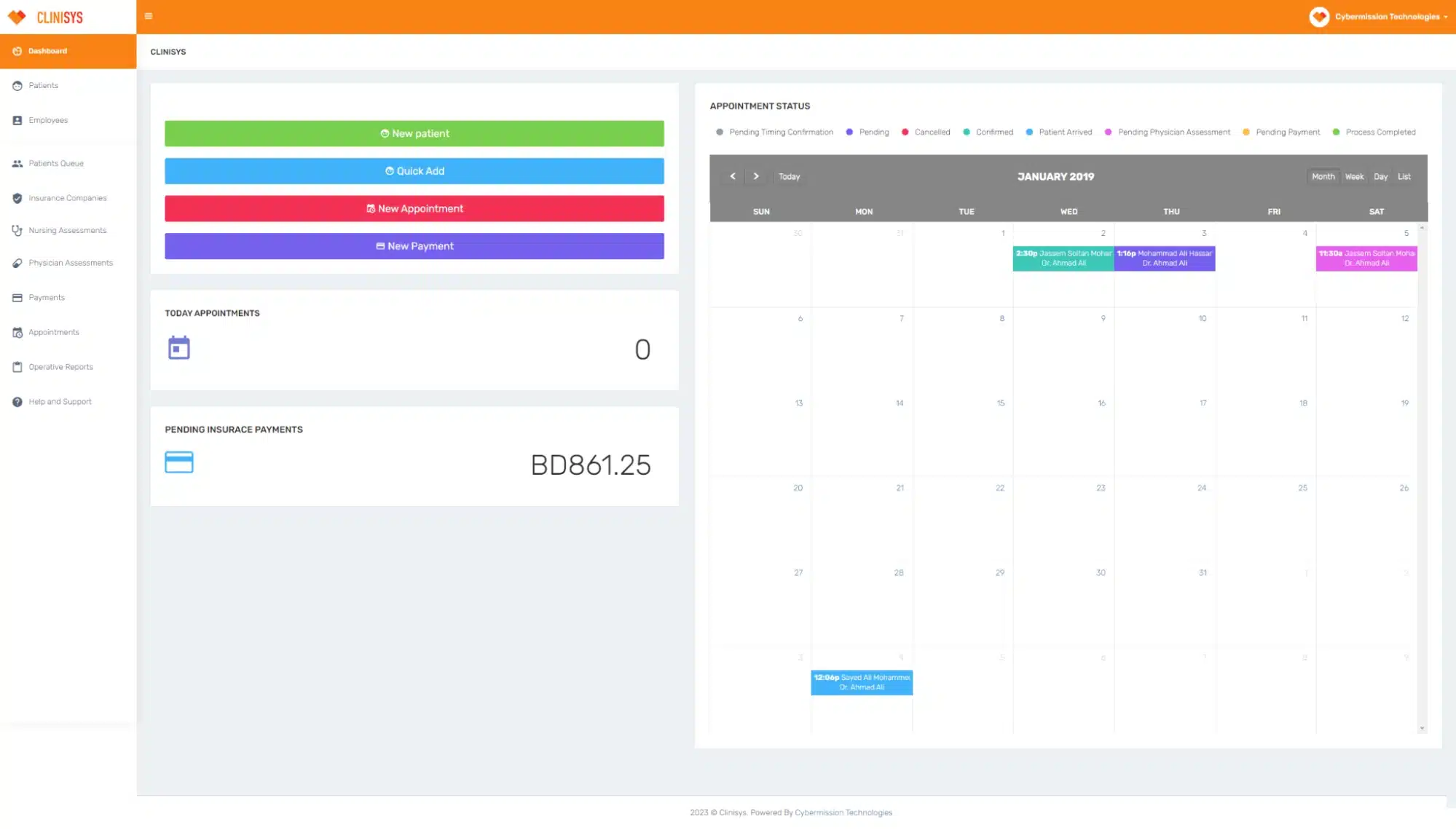
ClinicSys is a straightforward software solution that simplifies front-desk operations and clinical workflows. It’s best suited for clinics that want to digitize patient records, streamline appointments, and automate routine tasks without adopting a complex system.
Key Features:
- Appointment Scheduling
- Patient Records
- Billing and Receipts
- Reporting
| Pros | Cons |
|
|
9. CureMD
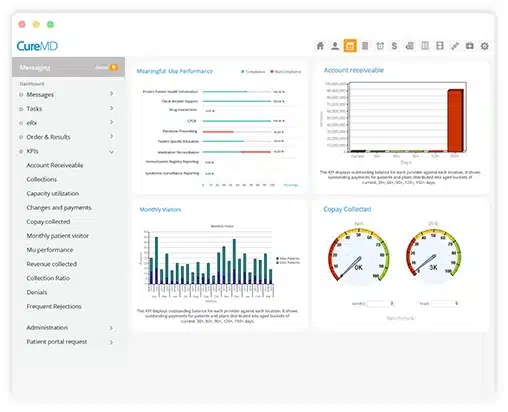
CureMD provides a cloud-based platform for clinics seeking high-performance tools in electronic health records, scheduling, and practice management. It’s especially beneficial for clinics that leverage automation and compliance tracking while maintaining secure access across devices.
Key Features:
- Electronic Health Records
- Appointment Management
- Billing and Claims
- e-Prescribing
| Pros | Cons |
|
|
10. Medesk
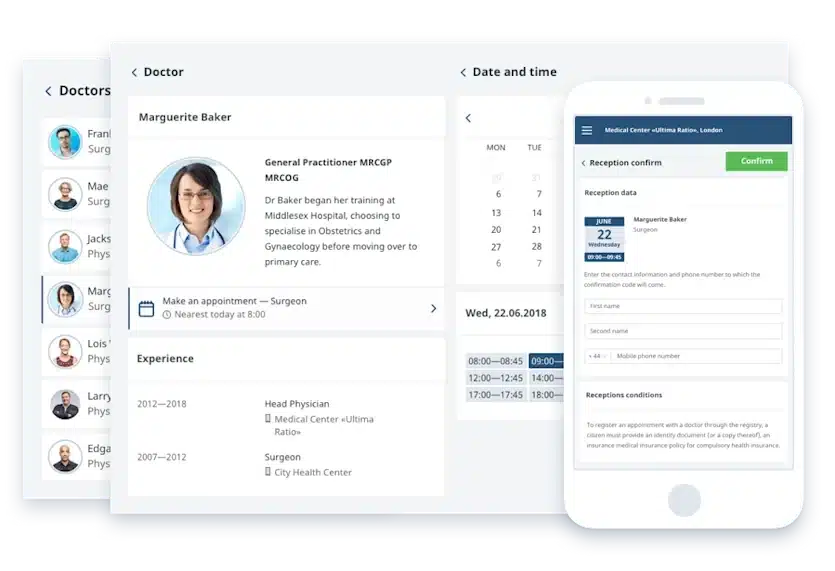
Medesk is a flexible clinic management platform built to support private clinics, therapists, and specialists. It helps streamline patient communications and generate meaningful insights through built-in analytics tools, making it especially useful for clinics focused on growth and patient satisfaction.
Key Features:
- Online Appointment Booking
- EHR & Patient Records
- Billing and Invoicing
- Analytics and Dashboards
| Pros | Cons |
|
|
How to Choose the Right Clinic Software for Your Business
Choosing the right medical software is a critical step that can significantly impact your clinic’s efficiency and patient experience. To make an informed choice, consider several vital factors tailored to your clinic’s unique requirements.
- Assess Your Clinic’s Specific Needs: Understand the size of your practice, types of services offered, and the number of users who will access the system. This helps prioritize must-have features versus nice-to-have ones.
- User-Friendliness: A software with an intuitive interface minimizes training time and reduces errors, ensuring your staff can quickly adapt.
- Customization and Scalability: Choose a system that can be customized to fit your workflows and can grow with your clinic as you expand or add new services.
- Compliance with Local Regulations: To avoid compliance issues, ensure the software adheres to healthcare standards and legal requirements in your region.
- Integration with Other Systems: Check if the software can easily connect with accounting, telemedicine, and other essential tools to create a seamless workflow.
- Reliable Support and Training: Opt for providers who offer thorough onboarding, user training, and accessible customer support to help resolve issues promptly.
Conclusions
Clinic software plays a vital role in modern healthcare by streamlining administrative tasks and improving patient care. Choosing the right software tailored to your clinic’s needs ensures smoother operations, better data management, and enhanced efficiency.
Interested in adopting an integrated system for your clinic? To see how this software can transform your clinic’s workflow, consult with our expert to see firsthand the benefits of a truly integrated clinic management system.

FAQ About Clinic Software
-
What type of software is used in a medical office?
Electronic Health Record (EHR) Software
EHR software ranks among the most widely used—if not the most widely adopted—types of systems in hospitals and clinics. It functions much like a CRM but is specifically tailored to meet the needs of the healthcare sector. -
What is ERP healthcare?
Healthcare ERP (Enterprise Resource Planning) solutions are specialized software systems designed to streamline and manage various internal operations and resources within a healthcare organization. They can be utilized for tasks such as inventory tracking, billing management, staff scheduling, appointment coordination, supply ordering, and other administrative functions.
-
What is the difference between CRM and practice management software?
Practice management software serves as your internal command hub. Unlike a CRM that centers on managing prospects and nurturing leads, this tool is dedicated to handling the day-to-day operational tasks and ensuring the work gets done efficiently.