














Inventory record errors can trigger overstocking or understocking, which then disrupt operations and increase costs. Physical inventory counts help prevent this by showing the actual stock on hand, improving accuracy and stock control.
A physical inventory count gives you a clear picture of your stock and can reduce storage costs, which may reach 30-60% of inventory value itself (Source: ResearchGate). By tracking each item carefully, you can avoid costly mistakes. But what is physical inventory, and is it still important for businesses in the Philippines today?
Key Takeaways
|
Table of Contents
What is Physical Inventory?
Physical inventory is the process of manually counting all items in a store or warehouse to verify the accuracy of stock records. This crucial audit helps identify discrepancies between recorded data and actual stock, preventing losses and ensuring effective inventory management.
The physical count process starts by counting all items from the sales floor to the backroom and comparing these counts with your POS system records to correct discrepancies. It includes all product types, ensuring your actual stock matches the recorded figures accurately.
Benefits of Physical Inventory Count
Regular physical inventory counts are vital for maintaining control over your stock. This process can give you countless benefits, but to start, let’s take a look at some of its down below.
| Benefit | Explanation |
|---|---|
| Inventory accuracy | Keeps stock records accurate. |
| Demand forecasting | Improves demand planning. |
| Prevention of stockouts | Helps avoid stock shortages. |
| Management of slow moving items | Makes slow stock easier to identify. |
| Reduction in inventory shrinkage | Helps detect inventory loss early. |
| Optimal stock levels | Supports balanced stock levels. |
Types of Physical Inventory
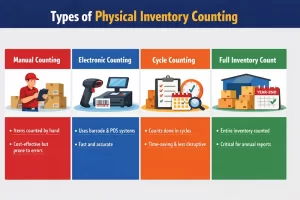 As an ideal entrepreneur, of course, you don’t want to ruin your business by choosing the wrong type of physical inventory. Therefore, there are 4 types of physical count of inventory you should know about in the Philippines, such as:
1. Manual counting
Employees count items by hand, a cost-effective method but prone to human error.
2. Electronic counting
Utilizes barcode scanners and POS systems for faster and more accurate counting.
3. Cycle counting
This involves counting a portion of the inventory at regular intervals instead of a full inventory count, which can save time and reduce disruptions.
4. Full inventory count
Usually conducted annually, this inventory count procedures approach involves counting all inventory items, crucial for accurate year-end financial reporting.
When to Conduct a Physical Inventory Count
 The right time to conduct a physical inventory count depends on several factors, such as the number of SKUs you manage, your daily sales volume, and whether your business uses tools like POS systems or barcode scanners. Businesses with more products and faster stock movement often need to count inventory more often to keep records accurate.
Regular physical counts help maintain reliable financial records and reduce the risk of stockouts. While many businesses do a full count at least once a year, others may need more frequent checks depending on their operations and how quickly inventory levels change.
How to Conduct a Physical Inventory Count
 Efficiently counting your physical inventory involves several crucial steps that ensure accuracy and reliability throughout the process:
1. Planning
Assign specific tasks and areas to count, ensuring that each team member understands their responsibilities. This phase may include creating a detailed timetable and a checklist of areas and items to be counted.
2. Organizing
Break down the inventory count procedures into manageable sections and ensure that all items are accessible. This step can involve cleaning and organizing the warehouse or store areas to make the counting process smoother and faster.
3. Counting
Choose the most suitable counting method, manual or using inventory software. Stick to it to ensure consistency of business processes.
4. Reconciling
Investigate any discrepancies you find using inventory reconciliation to understand their causes whether they are due to errors in counting, problems in data entry, or issues of theft and loss.
5. Updating records
Finally, update your inventory management system with the accurate counts from your physical count of inventory. This ensures that your records are up-to-date and reflect the true state of your stock.
Common Challenges in Physical Inventory Counting
 While physical inventory counts are crucial, they can present several challenges for companies. Here are some common issues that businesses may encounter during the process:
1. Time and Resource Constraints
One of the biggest challenges companies face with physical inventories is the required time and resources. Many businesses find it necessary to shut down parts or even all operations to conduct a thorough inventory. This disruption can lead to poor customer service, as operations are paused during the count.
2. Limited Staff Availability
Not all companies have enough staff to complete a full physical inventory. Smaller businesses, in particular, may struggle with the manpower needed to accurately count all inventory items, making the process even more challenging.
3. Common Discrepancies in Physical Counts
Discrepancies during physical inventory counts often arise due to inaccurate recording by internal or temporary staff. Common issues include:
- Incorrect recording: Some inventory items may be inaccurately documented or incorrectly classified, leading to mismatches in inventory records.
- New Item errors: New inventory items might be recorded improperly, further complicating the count’s accuracy.
4. Items to exclude from physical inventory
Regardless of how accurate the inventory count procedures is, certain items should be excluded from the count:
- Supplier receipts: Any supplier receipts that arrived after the predetermined cut-off date should not be included in the count.
- Known thefts: Items that have been identified as stolen should not be counted in the inventory.
- Uninvoiced shipments: Any shipments that have departed but do not have accompanying invoices should also be excluded from the physical inventory.
That being said, inventory counts should be done carefully, so that the whole inventory control processes can go as smoothly as possible. Implementing other software, like manufacturing inventory software, while construction management software can support better material tracking across project sites.
Tips and Best Practices for Physical Inventory Count
 Conducting a physical inventory count is essential for maintaining accurate stock records. Here are five key tips and best practices to ensure your inventory counts are effective and efficient:
- Prepare thoroughly: Clean and organize your storage areas before the count to ensure all items are easily accessible. This preparation reduces time spent searching and sorting during the count.
- Equip and train: Provide your team with the necessary tools such as scanners and cloud inventory software. Additionally, train all participants on the counting procedures and the importance of accuracy to minimize errors.
- Schedule strategically: Conduct the inventory during low-activity periods, such as after business hours or during slower seasons, to minimize disruptions and maintain focus on accuracy.
- Divide and conquer: Break down the inventory into manageable sections and assign teams to different areas based on their knowledge and experience with the products. This targeted approach helps in conducting thorough and efficient counts.
- Review and analyze: After completing the count, review the results for discrepancies and investigate the causes. Use these insights to improve your inventory management practices and procedures for future counts.
The Role of Inventory Dashboards in Physical Inventory Management
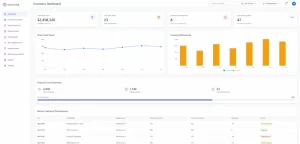 Inventory dashboards help businesses monitor stock more clearly before, during, and after a physical inventory count. Instead of checking scattered records manually, teams can view key data in one place, such as stock levels, item movement, discrepancies, and slow-moving products.
This visibility helps businesses spot unusual patterns faster and compare physical counts with recorded inventory more easily. As a result, companies can improve stock accuracy, make better replenishment decisions, and keep warehouse control more organized.
Conclusion
Physical inventory counting remains an important process for businesses that want to keep stock records accurate and operations running smoothly. By verifying actual stock levels, companies can reduce errors, prevent losses, and make better decisions for purchasing, storage, and daily inventory control.
With the right preparation, clear procedures, and support from tools like inventory dashboards or software, businesses in the Philippines can maintain better stock visibility and improve overall inventory management.
FAQ About Physical Inventory
-
What is a physical inventory usually taken?
Companies usually take physical inventory when stock movement is low or when the fiscal year ends.
-
What are the characteristics of physical inventory?
Physical inventory counts typically include raw materials, works-in-process (WIP), finished goods, as well as packing materials, maintenance, repair, and operations (MRO) supplies.
-
What involves physical inventory?
Physical inventory involves tracking the sellable goods currently in stock, measured by weight, volume, or units. By managing items at the SKU level, businesses can ensure consistency between physical counts and inventory records.