













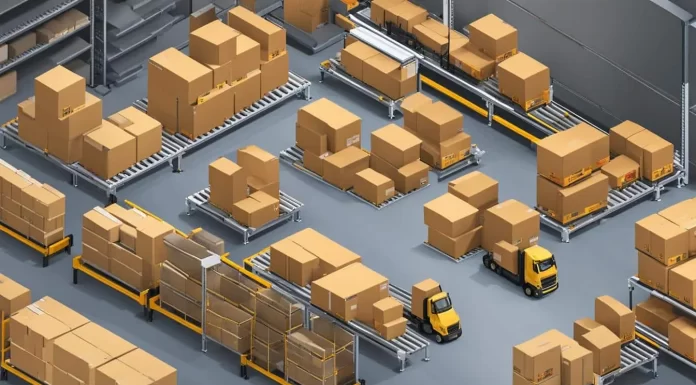
The compressed four-day workweek in the Philippines has put more pressure on logistics teams, requiring them to manage the same order volumes across fewer operational days. According to the DOLE (Department of Labor and Employment), the shift towards flexible work arrangements, including compressed workweeks, is part of the government’s strategy to improve productivity and reduce energy consumption. DOLE noted that such adjustments could impact various sectors, including logistics, where operational efficiency is key.
To make this shift successful, businesses must ensure their fulfillment warehouses are running as efficiently as possible. This involves optimizing inventory management, picking, packing, and dispatch systems. With reduced operational days, warehouse efficiency becomes a baseline requirement, not just a competitive edge.
Key Takeaways
|
Table of Contents

The Critical Role of a Fulfillment Warehouse in Ecommerce Success
A well-optimized order fulfillment warehouse is key to ecommerce success. It ensures accurate inventory management, quick order processing, and timely deliveries notes, all of which lead to higher customer satisfaction and repeat business. By streamlining operations and using technology like barcode scanning, businesses can reduce errors, cut costs, and improve efficiency. This results in faster, more accurate order fulfillment and better customer experiences, ultimately driving growth and profitability.
When to Consider Upgrading to a Professional Fulfillment Warehouse
Upgrading to a professional fulfillment warehouse can streamline your logistics as your business grows. Consider this move if:
- Increased Order Volumes: If your order volume is rising, a professional warehouse can manage higher demand with efficiency and accuracy.
- Expanding Market Reach: For businesses expanding to new regions, a strategically located fulfillment warehouse or distribution ERP centers can reduce shipping costs and delivery times.
- Specialized Services: If you need custom packaging, kitting, or product customization, a professional warehouse has the expertise and equipment to meet these needs.
Upgrading to a professional fulfillment warehouse ensures your logistics grow with your business, but it’s crucial to align it with your broader supply chain strategy to maximize efficiency.
Optimizing Warehouse Layout for Streamlined Order Processing
Warehouse layout optimization is a critical factor in achieving streamlined order processing and efficient inventory management. By strategically organizing your warehouse, you can maximize operational efficiency, reduce errors, and improve overall order processing speed. To illustrate the significance of warehouse layout optimization, consider the image below:
| Aspect | Optimization Strategy | Benefits |
| Inventory Management | Organize and categorize inventory with clear labeling for easy access. | Minimize time spent searching for products, reduce picking errors, and ensure faster order fulfillment. |
| Flow Pathways | Design a layout that minimizes unnecessary movement and optimizes goods flow. | Improves picking, packing, and shipping efficiency, reducing handling time and boosting productivity. |
| Technology Integration | Implement barcode scanning, automated conveyor belts, and robotic picking systems. | Enhances accuracy, reduces manual labor, and accelerates fulfillment processes. |
| Timely Delivery | Use optimized layout and processes to improve order accuracy and shipping speed. | Ensures fast, reliable delivery to customers, boosting satisfaction and loyalty. |
Understanding the Impact of On-Demand Warehousing
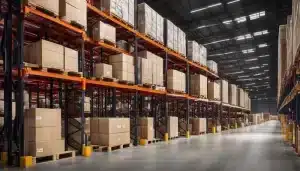
On-demand warehousing is revolutionizing the logistics industry by offering flexible storage solutions for businesses. This innovative approach allows companies to adapt their inventory management according to fluctuating demand and dynamic market conditions. With on-demand warehousing, you have the ability to scale your storage capacity as needed, reducing the risk of overstocking or understocking. Key Benefits of On-Demand Warehousing:
- Cost Savings: Only pay for storage when needed, reducing overhead costs and improving resource allocation.
- Scalability: Scale your storage capacity as your business grows, without long-term commitments.
- Flexible Inventory Management: Real-time visibility helps avoid overstocking and stockouts, ensuring efficient order fulfillment.
- Improved Customer Satisfaction: Meet customer demand efficiently with optimized inventory levels.
On-demand warehousing gives you the flexibility to adapt your storage and inventory management to changing market conditions, helping your business grow without unnecessary costs.
Leveraging Technology for Enhanced Warehouse Productivity
Technology has revolutionized the way warehouses operate, offering businesses various solutions to optimize their warehouse productivity.
- Automation Systems: Streamline labor-intensive tasks like inventory management, order processing, and packing, minimizing errors and reducing costs.
- Robotics: Improve picking and packing speed, accuracy, and reduce manual labor by using robots to navigate the warehouse and retrieve items.
- AI-Powered Inventory Management: Use AI to predict demand patterns, optimize stock levels, and improve replenishment processes, reducing stockouts and overstocking.
- Real-Time Tracking: Track inventory in real time to improve the picking, packing, and shipping process, ensuring faster and more accurate order fulfillment.
By adopting these technologies, businesses can enhance efficiency, reduce operational costs, and improve overall warehouse performance.
Integrating Eco-Friendly Practices into Warehouse Operations
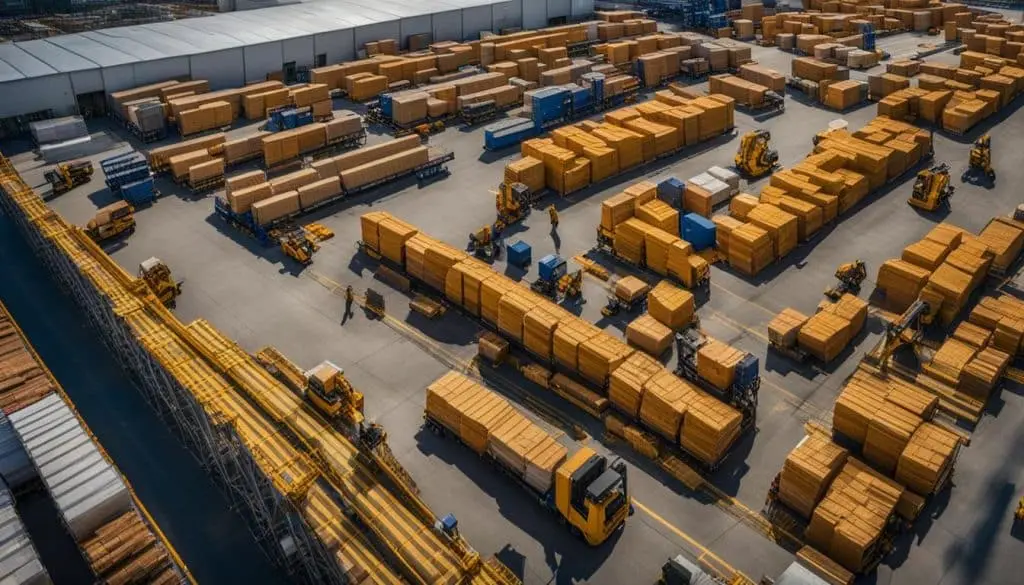
As the demand for sustainable logistics and green supply chains continues to grow, it is crucial for businesses to prioritize eco-friendly practices in their warehouse operations. By integrating these practices, businesses not only contribute to a healthier environment but also reap benefits such as improved brand reputation and attracting environmentally-conscious customers.
- Energy-Efficient Lighting: Switch to LED lighting to reduce energy consumption, lower operating costs, and cut carbon emissions.
- Waste Reduction: Implement recycling and composting programs to minimize landfill waste and promote sustainability.
- Sustainable Packaging: Use biodegradable, recyclable, or renewable packaging materials to reduce waste and meet eco-conscious consumer expectations.
- Long-Term Savings: Eco-friendly practices not only help the environment but also improve operational efficiency, leading to cost savings over time.
Adopting these sustainable practices helps businesses build a green supply chain, improve brand reputation, and attract environmentally-conscious customers.
Choosing a Warehouse Management System for Your Fulfillment Warehouse
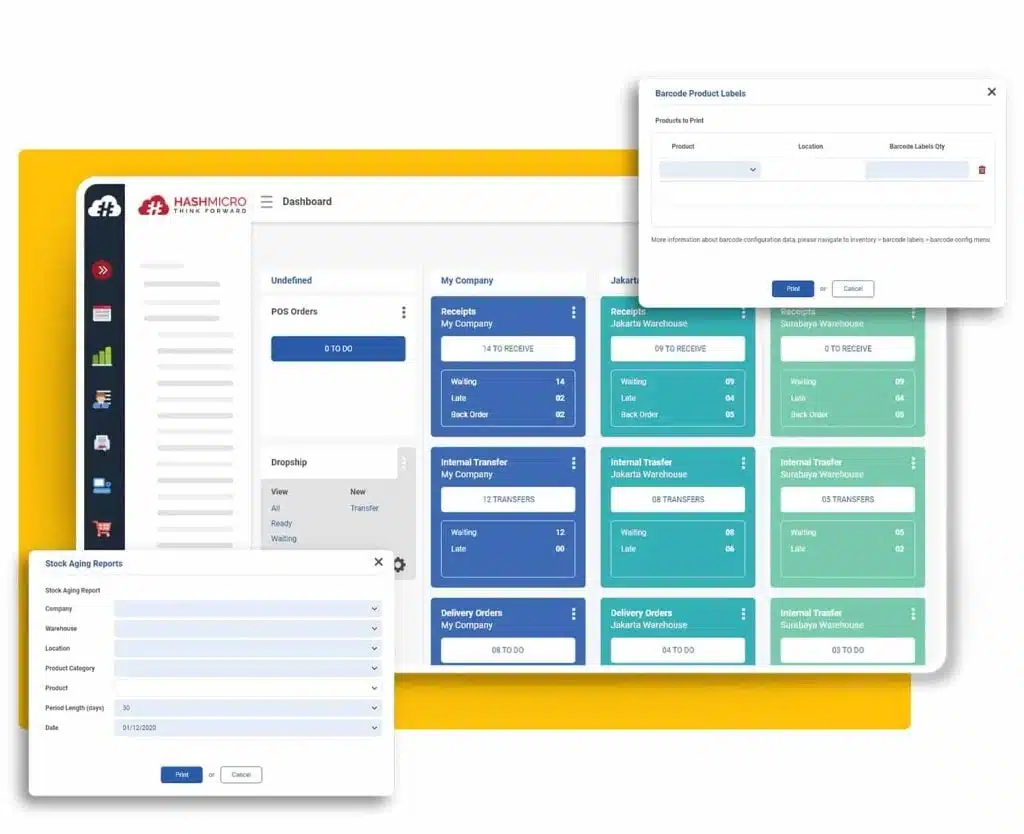
When it comes to maximizing the efficiency of your fulfillment warehouse, choosing the Leading warehouse platforms (WMS) is crucial. A WMS is a software solution that helps businesses automate and streamline their warehouse operations, resulting in improved inventory visibility and enhanced overall logistics performance.
When selecting a WMS for your fulfillment warehouse, there are several key considerations to keep in mind:
- Functionality: Make sure the WMS has the necessary features to meet your specific warehousing needs. It should be capable of managing inventory, tracking orders, optimizing storage space, and facilitating efficient order fulfillment software.
- Scalability: Your business may grow, and so should your WMS. Choose a system that can accommodate your future expansion and handle increased order volumes without compromising performance.
- Integration capabilities: Ensure that the WMS can seamlessly integrate with your existing technology stack, such as your e-commerce platform, ERP system, and transportation management system. This integration will enable data synchronization and streamline your end-to-end logistics operations.
- User-friendliness: A user-friendly interface and intuitive navigation are essential for effective WMS adoption. Look for a system that is easy to learn and operate, minimizing training time for your warehouse staff.
By carefully considering these factors, you can choose a WMS that aligns with your fulfillment warehouse requirements and supports your logistics technology infrastructure. To maximize the benefits, consider the total cost of ownership and get a clear picture of your costs to discover the value our WMS can bring.
Conclusion
In today’s competitive ecommerce and logistics landscape, warehouse efficiency is no longer optional. A well‑optimized fulfillment warehouse improves inventory accuracy, accelerates order processing, and ensures timely delivery, all of which boost customer satisfaction and drive business growth. By embracing flexible storage options, leveraging modern technologies, and integrating eco‑friendly practices, businesses can build a fulfillment operation that’s both resilient and scalable.
To truly elevate your warehouse performance and automate key processes like inventory tracking, order fulfillment, and real‑time visibility across your supply chain, consider investing in a robust professional solution like HashMicro’s Warehouse Management System designed for Filipino businesses. A modern system can help you streamline operations, reduce errors, and gain full control over your warehouse workflows.
FAQ About Fulfillment Warehouse
-
What is a fulfillment warehouse?
A fulfillment warehouse is a facility where products are stored, processed, and shipped to customers after an order is placed. It is a critical part of the supply chain that handles inventory management, order picking, packing, and shipping.
-
What does a fulfillment warehouse associate do?
A fulfillment warehouse associate is responsible for tasks like picking, packing, labeling, and shipping orders in a fulfillment center. They also help with inventory management and ensure that orders are fulfilled accurately and on time.
-
What is an Amazon fulfillment warehouse?
An Amazon fulfillment warehouse is a large, automated facility where Amazon stores products and processes customer orders. These warehouses use advanced technology to handle inventory, pick and pack items, and ensure fast, reliable delivery to Amazon customers.
-
What is a warehouse fulfillment center?
A warehouse fulfillment center is a specialized type of warehouse dedicated to receiving, storing, and shipping orders. It is equipped with systems to manage inventory, process orders efficiently, and ensure that products are delivered to customers in a timely manner.