














Stock management is one of those things that looks straightforward until it isn’t. Too much inventory ties up capital too little means missed sales and frustrated customers. That tension is why more businesses in the Philippines are turning to inventory forecasting tools software that uses historical sales data, demand patterns, and market trends to predict what stock you’ll need, and when.
Getting this right removes the guesswork from purchasing decisions, cuts down on storage costs, and helps businesses meet customer demand consistently without overpromising on stock they don’t have. This article covers the 15 best inventory forecasting software options available in the Philippines, with a breakdown of their features to help you find the right fit for your operation.
Key Takeaways
|
Table of Contents
Inventory Forecasting Software: How It Works
Inventory forecasting software is the tool that businesses employ to calculate how much inventory will be needed to meet future demand. Inventory planning and forecasting software can optimize stock, lower storage costs, and boost corporate operating efficiency by reducing excess or shortage inventory.
The genuine procedure of inventory forecasting includes lead times, business cycles, seasonal variables, and historical sales data. To maximize stock availability and lower the danger of running out or having too many items, businesses combine these factors to decide when and how many items to order.
Why is Inventory Forecasting Software Important?
Managing stock with gut feel or spreadsheets gets risky fast, especially when demand keeps shifting. Inventory forecasting software uses real-time data, past sales, and seasonality to help you order the right items at the right time. It’s especially useful if you handle multiple warehouses or sell across several channels because it gives you a clearer view of what’s happening end to end.
It also saves time. Instead of chasing numbers manually, you get cleaner insights, fewer errors, and faster decisions when demand changes. The payoff is simple: less money stuck in slow-moving stock and fewer costly last-minute reorders.
15 Best Inventory Forecasting Software Solutions
Inventory forecasting is quite tricky. Accurate forecasting results depend on the effective management of several variables. Even if inventory forecasting is challenging, it is still possible. Here are the top 15 best inventory forecasting software in the Philippines:
1. HashMicro Inventory Forecasting Software
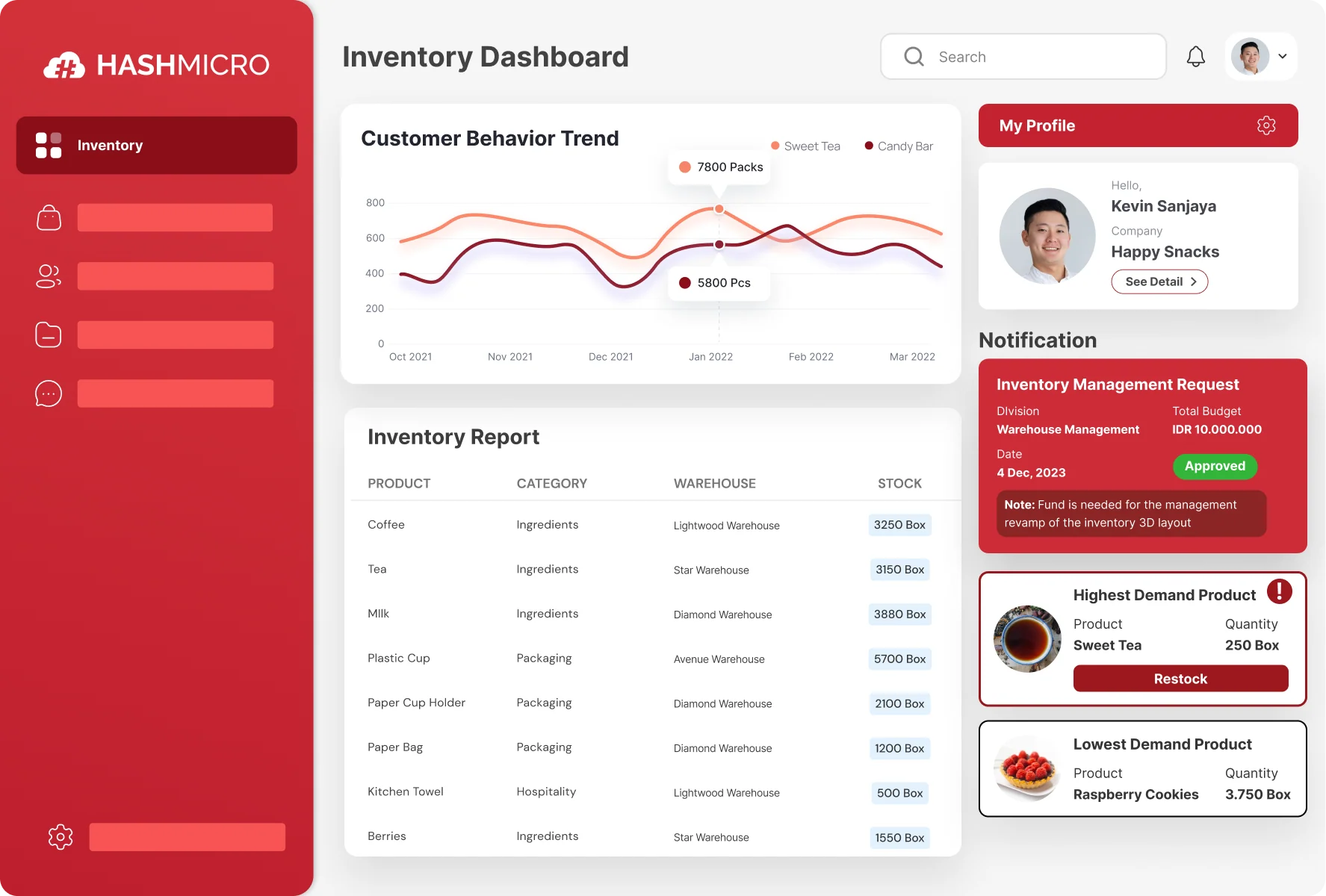
An inventory system, such as Hashmicro’s Inventory Software, is an excellent integration method. Inventory forecasting is one of the many requirements this system is specifically made to accommodate. It also features a wide range of scalability, an intuitive interface, and the ability to be customised to meet specific business requirements.
HashMicro offers compliance, dependable customer service, and a dedicated local team for companies seeking reliable inventory forecasting software.
Here are the key features of HashMicro’s Inventory Forecasting Software :
Key features:
- Fast-moving and slow-moving stocks analysis: Facilitates inventory forecasting and strategic planning by assisting in identifying warehouse products with high and low rotation rates.
- Stock Forecasting: This function forecasts future commodity demand by examining past sales data, seasonal patterns, and additional variables.
- Run rate reordering rules: Based on the current stock demand, the system generates run rate information, which is the average daily release of items. You may obtain historical ordering data by implementing this function, which is helpful for inventory forecasting.
- Purchase budget module: Determine the budget and limit for each purchase. The HM system can provide restrictions if the purchase exceeds the budget/limit.
- Barcode and RFID integration: Simplifies inventory tracking and checkout with precise barcode and RFID scanning.
| Pros | Cons |
|---|---|
|
|
2. Bucey AI
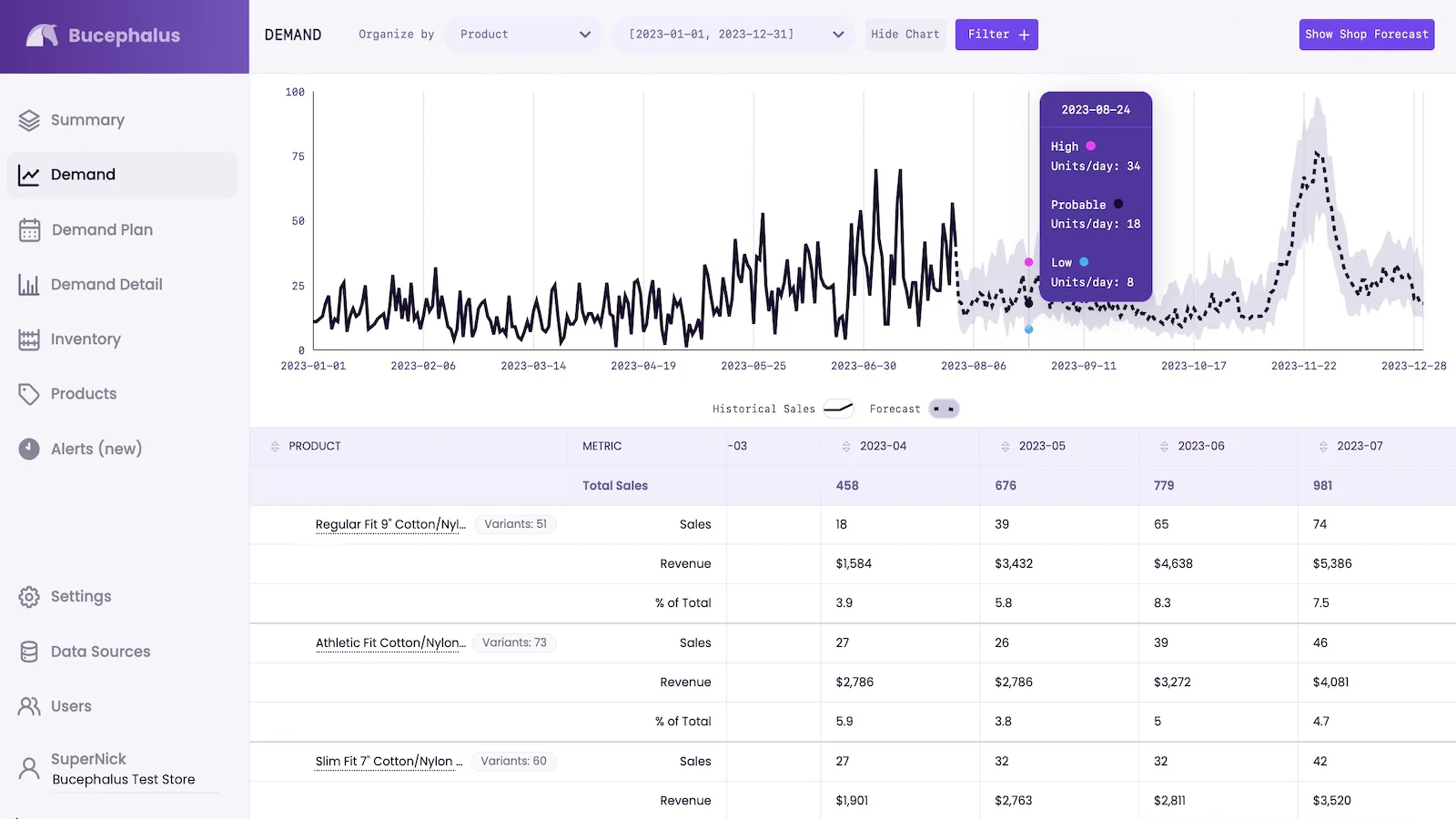
An AI-powered inventory management application named Bucey AI Inventory Forecast was created to assist companies in forecasting demand, optimising stock levels, and enhancing the overall effectiveness of their supply chains. Merchants and omnichannel companies looking to improve cash flow and reduce overstock and stockouts will especially benefit from it.
Here are the key features of the Bucey AI inventory forecast software:
Key features:
- Use data-driven sales and forecasts to make more educated stocking decisions
- Utilise capital optimisation to optimise safety stock and slow-moving items to free up capital
- Recognise and capitalise on new market trends before competitors do
| Pros | Cons |
|---|---|
|
|
3. Sensible
Sensible’s software was created to extract structured information from unstructured documents, such as PDFS. Inventory workflows can include automated data extraction from purchase orders, invoices, and other necessary paperwork. However, it is not a conventional inventory management system.
Here are the key features of the Sensible inventory forecast software:
Key features:
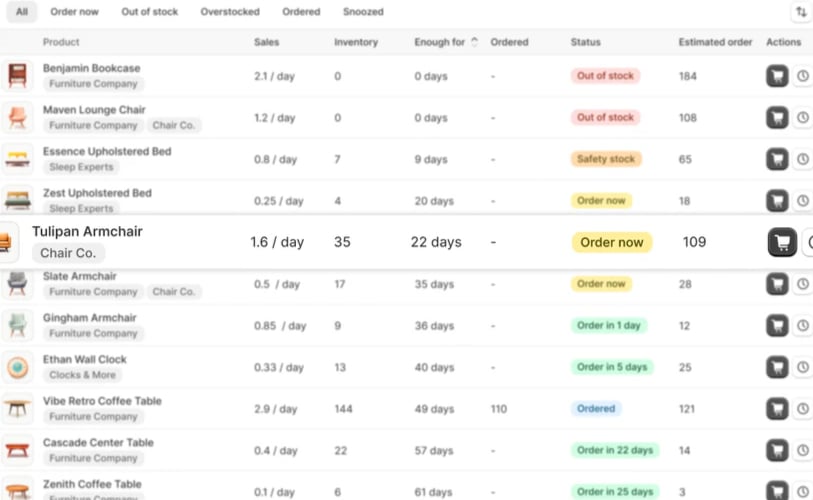
- Product shortages are prevented via accurate forecasting
- Quantity recommendations based on historical sales information
- Add more than one supplier for a single product
| Pros | Cons |
|---|---|
|
|
4. Bee low
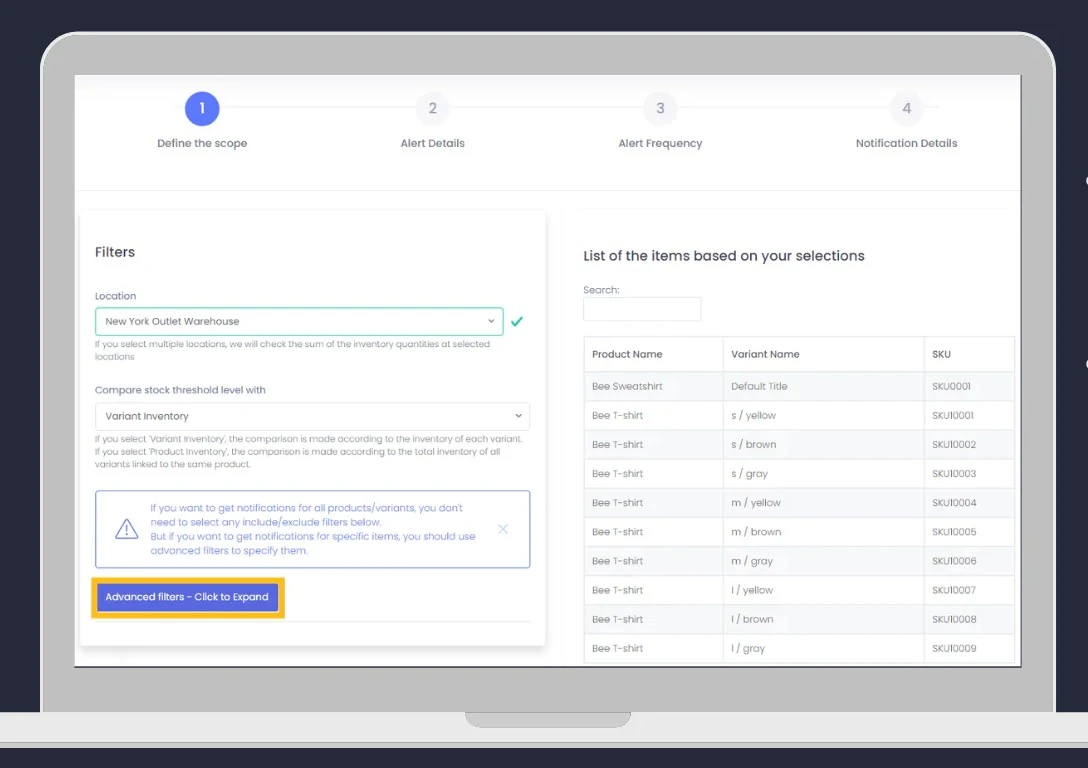
Bee Low Stock Alert & Forecast was created to enhance demand forecasting by utilising sales velocity data and automating low stock alerts. The user-friendly interface provides exportable inventory data, dynamic restock recommendations, and customised email alerts.
Here are the key features of the Bee low inventory forecast software:
Key features:
- Set up automated alerts when your inventory forecast drops below a certain level
- Generate forecast reports for sales and inventories with export capabilities
- Consider the product’s sales velocity
| Pros | Cons |
|---|---|
|
|
5. Inventory Forecast Hero
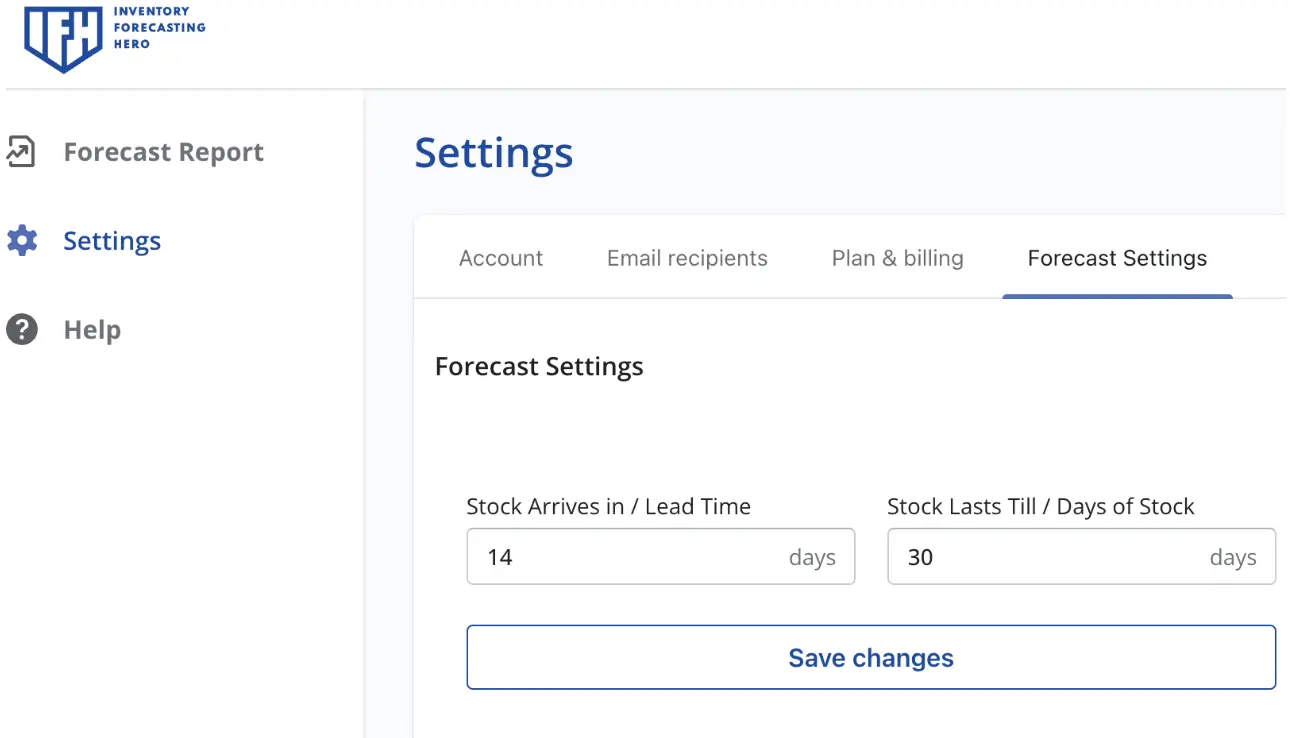
Inventory Forecasting Hero is a tool that helps small and mid-sized eCommerce businesses reduce overstock and stockouts while streamlining inventory management by automating demand forecasting and reorder planning.
Here are the key features of the Inventory Forecast Hero software:
Key features:
- Simplify the forecasting process to save time and money
- Increase profits and reduce waste by consistently having accurate forecasts
- Obtain reorder quantities and deadlines for every product
| Pros | Cons |
|---|---|
|
|
6. Logistified
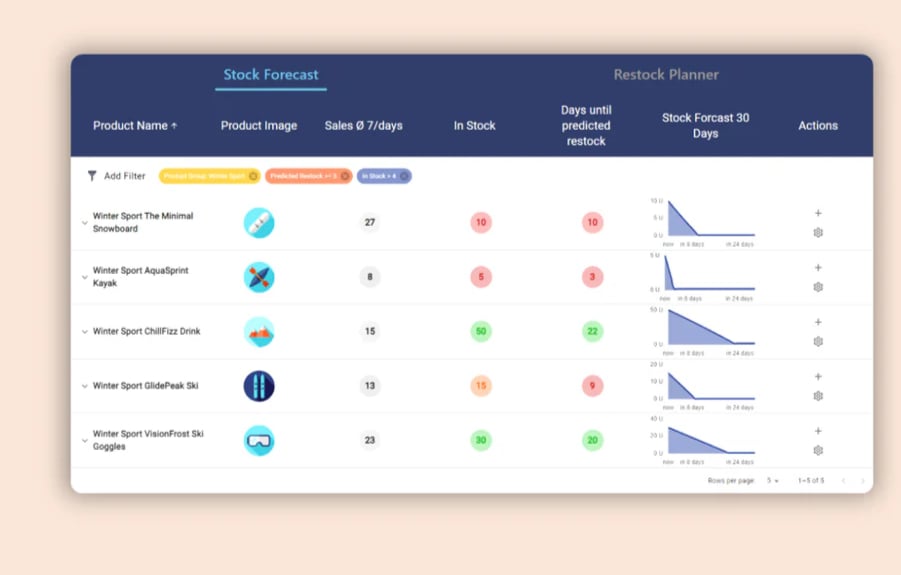
Logistified is an AI inventory management tool for logistics and supply chain managers that automates and streamlines inventory and supply chain processes. It eliminates the need for system overhauls by integrating seamlessly with current ERP, IMS, or WMS systems.
Here are the key features of the Logistified inventory forecast software:
Key features:
- Never miss a sale because of stock limitations, forecast when your inventory will run out
- Use forecast models to determine the exact amounts required for restocking
- For accurate forecasts, seamlessly track your software in real time
| Pros | Cons |
|---|---|
|
|
7. Sumtracker
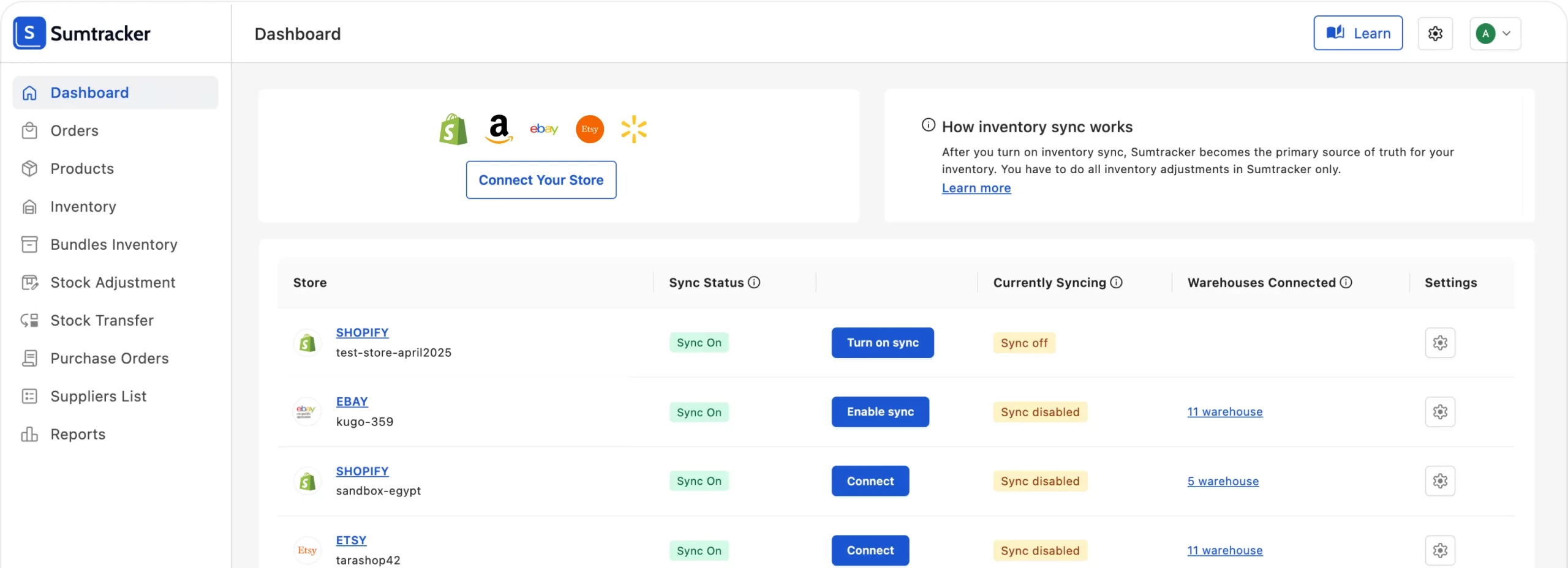
Sumtracker is a multichannel inventory management system designed specifically for eCommerce companies, especially those using BigCommerce, WooCommerce, Etsy, eBay, Amazon, and Shopify. From real-time synchronisation to demand forecasting, it provides a range of capabilities to optimise perishable inventory management.
Here are the key features of the Sumtracker inventory forecast software:
Key features:
- Sync inventory across platforms such as Shopify, Amazon, Walmart, eBay, and Etsy
- Inventory of bundles is automatically updated based on each part
- Manage incoming stock, automate buy orders, and partially receive stock
| Pros | Cons |
|---|---|
|
|
8. Prediko
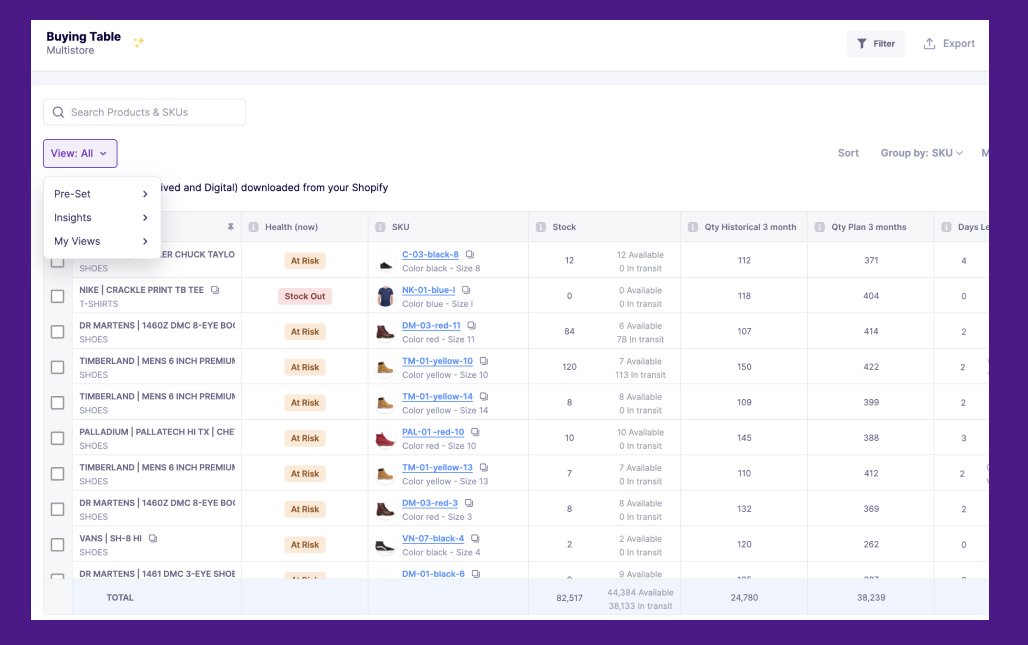
Prediko is an AI-powered inventory management and forecasting tool created especially for direct-to-consumer (DTC) companies that use Shopify. Using intelligent automation and real-time information, it seeks to improve demand planning, reduce stockouts, and streamline inventory management.
Here are the key features of the Prediko inventory forecast software:
Key features:
- An artificial intelligence (AI) program that uses past data and patterns to forecast future demand for your products
- Get your demand plan and prediction reports
- Easy plan setup, data evaluation, and intuitive design with built-in
| Pros | Cons |
|---|---|
|
|
Read more: Top Construction Inventory Management Software
9. Stockbot
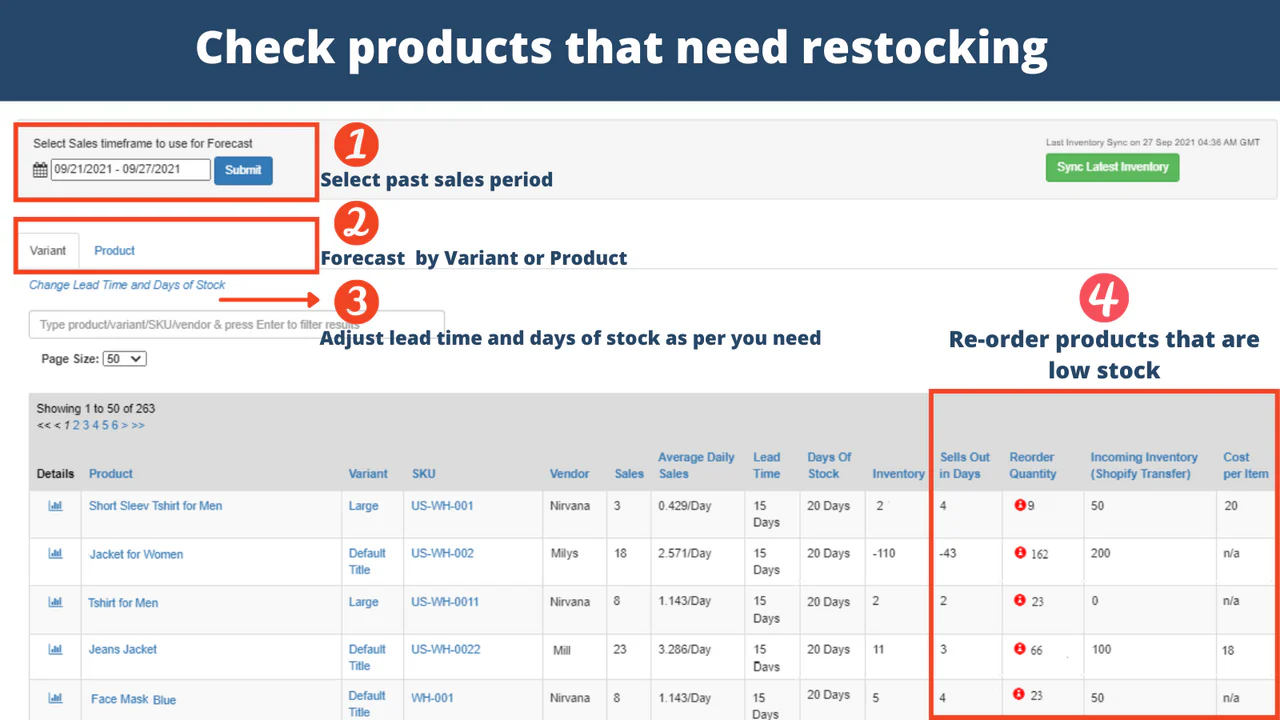
Stockbot is designed to assist merchants in managing inventory through demand forecasting and low stock alerts. It offers features that help prevent stockouts and overstocking, ensuring efficient inventory management.
Here are the key features of the Stockbot inventory forecast software:
Key features:
- Determine which products are slow-moving so you can decide whether to keep stocking them or change your inventory plan
- Predict replenishment quantities precisely to avoid dead stock and capital commitments in overstocking
- Steer clear of the headache of doing calculations by hand
| Pros | Cons |
|---|---|
|
|
10. Cogsy
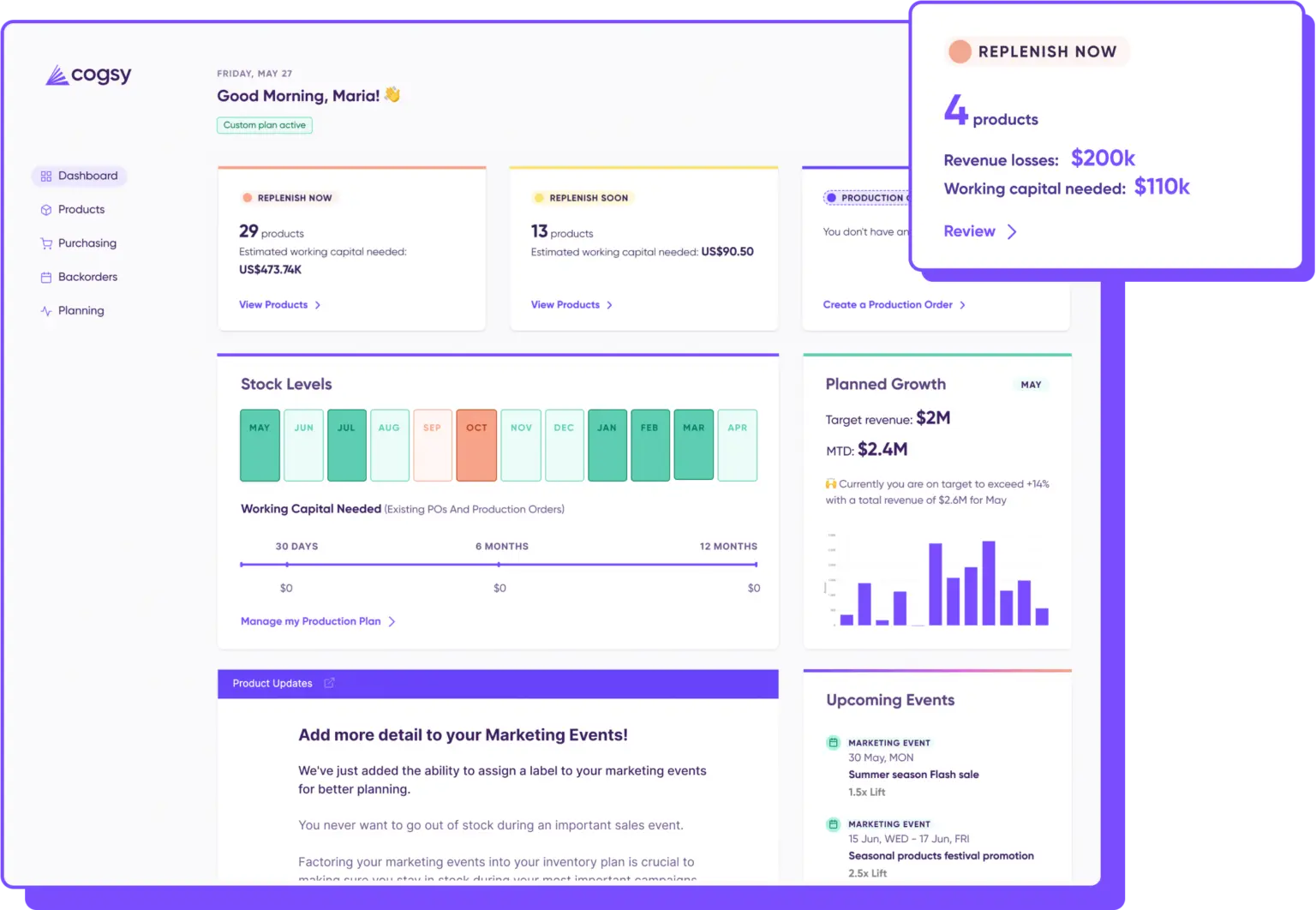
Cogsy is an AI-powered inventory management platform tailored for direct-to-consumer (DTC) brands. It seeks to optimise buy order procedures, improve demand forecasting, and streamline inventory operations to minimise stockouts and boost efficiency.
Here are the key features of the Cogsy inventory forecast software:
Key features:
- The software works with the operational tools you currently use
- This software assists companies and brands in making inventory projections and operations more transparent
- You can increase your brand’s agility, alignment, and control using Cogsy’s inventory forecasting
| Pros | Cons |
|---|---|
|
|
11. Oracle
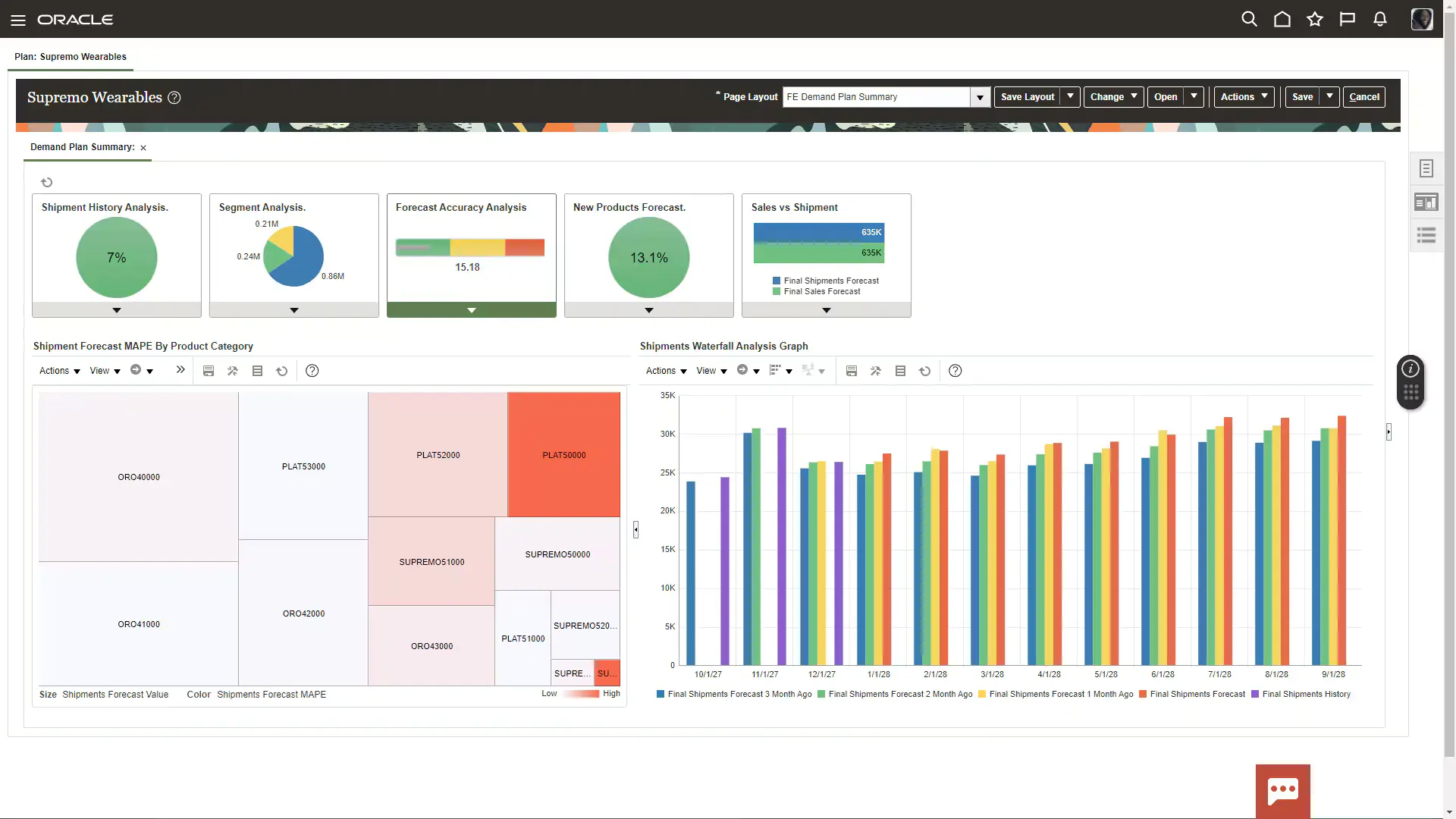
Oracle is a robust, cloud-based solution that provides end-to-end visibility and control over inventory operations across global supply chains. Oracle offers various inventory management solutions to meet corporate needs, including Oracle Fusion Cloud Inventory Management and Oracle NetSuite ERP.
Here are the key features of the Oracle inventory forecast software:
Key features:
- Excellent capacity for demand forecasting
- Inventory control capabilities
- Data-driven decision-making
| Pros | Cons |
|---|---|
|
|
12. Infor
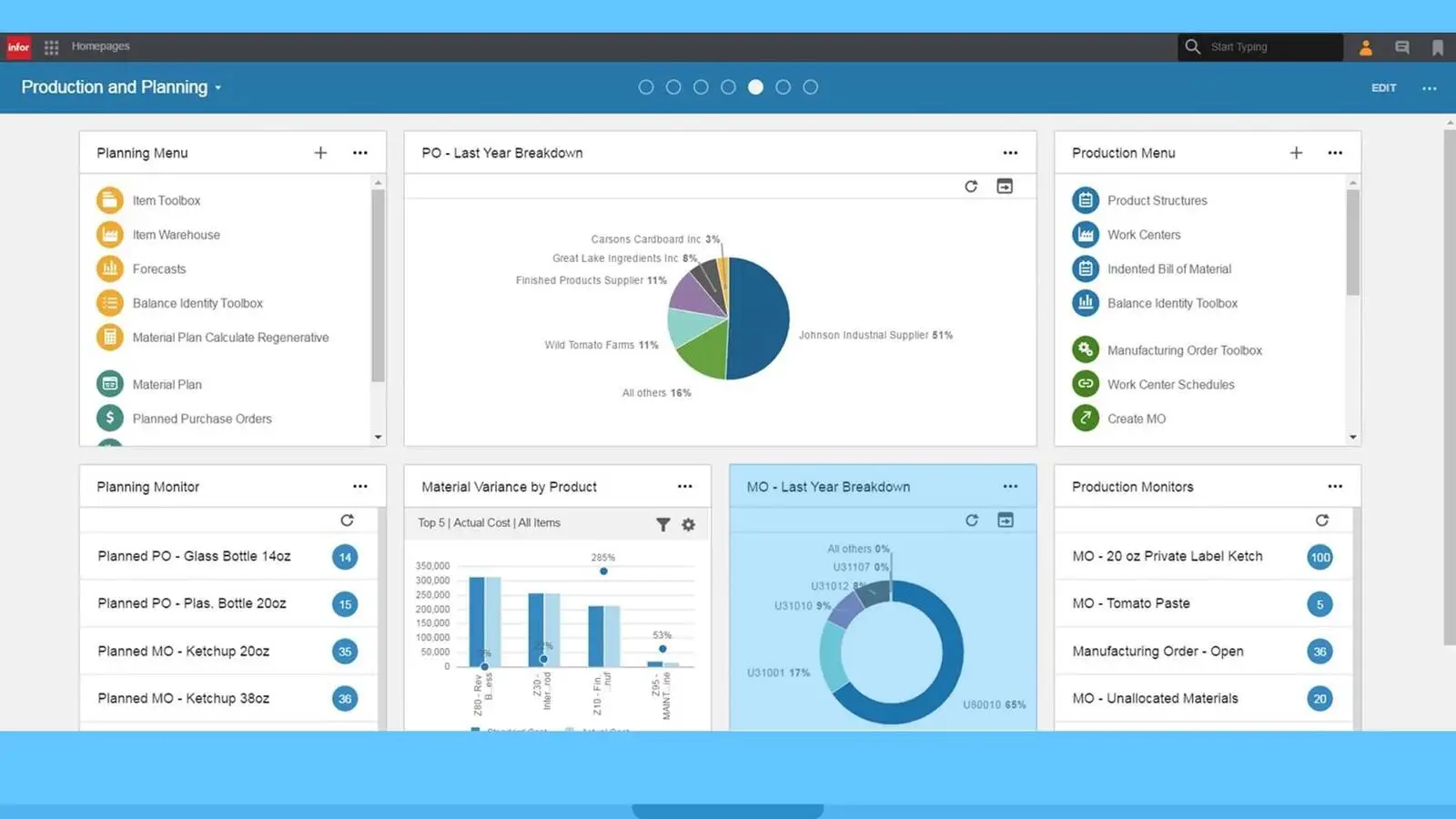
Infor’s inventory management systems are intended to improve operational accuracy, scalability, and efficiency. Even though they have many advantages, the price and complexity of implementation should be assessed according to your company’s particular requirements.
Here are the key features of the Infor inventory forecast software:
Key features:
- Provides real-time visibility into inventory levels across multiple locations
- Supports integration with various warehouse automation systems
- Labour management enhances labour productivity
| Pros | Cons |
|---|---|
|
|
13. Netstock
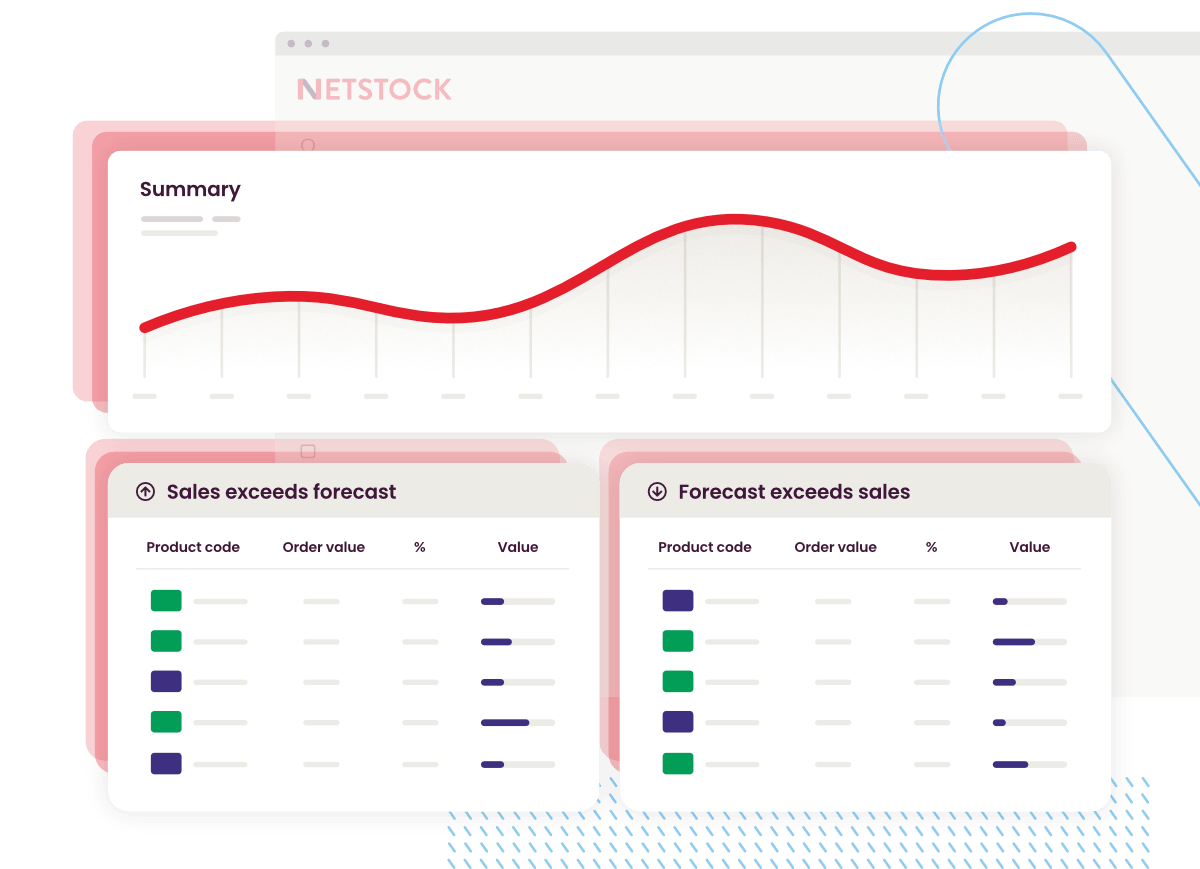
Netstock is a cloud-based demand planning and inventory optimisation tool for small and medium-sized enterprises looking to improve the effectiveness of their supply chains. It offers real-time insights into inventory levels, demand projections, and supplier performance through seamless integration with over 60 ERP systems.
Here are the key features of the Netstock inventory forecast software:
Key features:
- Seamlessly integrates with various ERP systems
- Customisable dashboards & reporting
- Monitors supplier reliability and lead times, enabling better procurement decisions
| Pros | Cons |
|---|---|
|
|
14. Inventory planner by Sage
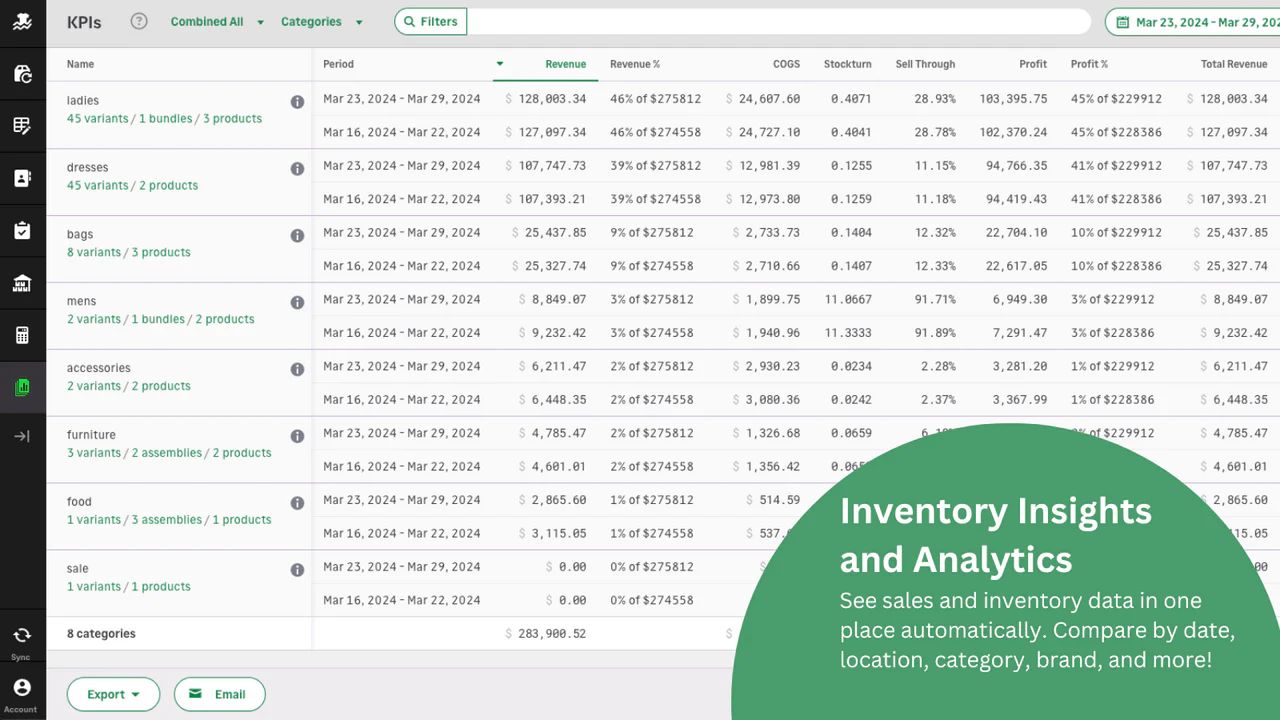
For e-commerce and multichannel retailers, Sage’s Inventory Planner is a cloud-based inventory forecasting and planning software. Through data-driven insights, it helps organisations improve purchase decisions, minimise stockouts and overstocking, and optimise stock levels.
Here are the key features of the Sage inventory forecast software:
Key features:
- Utilises historical sales data, seasonality, and supplier lead times to predict future demand accurately
- Seamless integrations with other platforms
- Automated purchasing recommendations
| Pros | Cons |
|---|---|
|
|
15. Eazystock
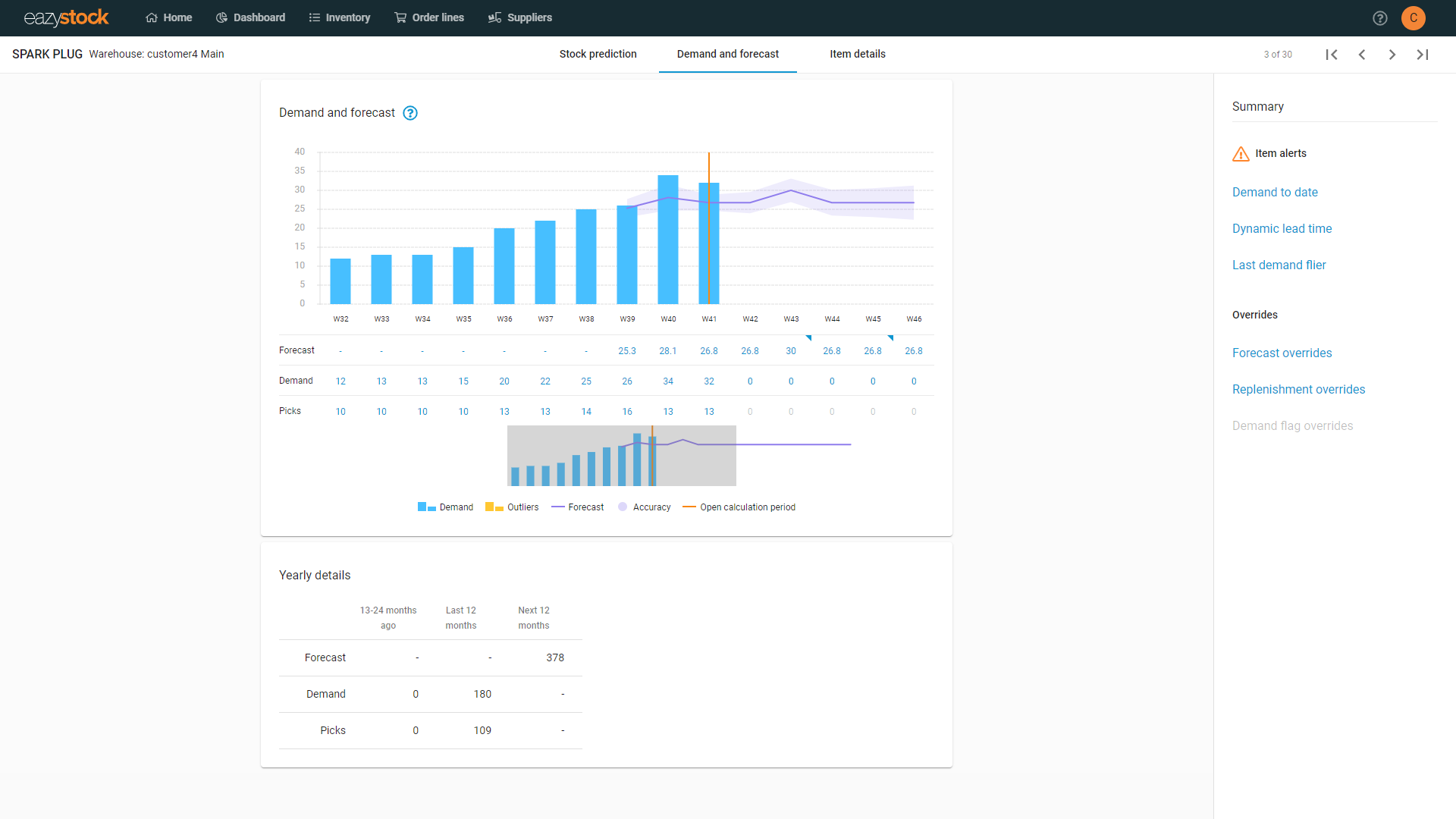
A cloud-based inventory optimisation program called EazyStock was created to help SMBS improve their processes for handling inventory. Through seamless integration with many ERP systems, EazyStock seeks to improve service levels and reduce excess inventory by automating demand forecasting, optimising stock levels, and streamlining purchasing decisions.
Here are the key features of the Eazystock inventory forecast software:
Key features:
- AI-powered demand forecasting
- Multi-location management
- Automated replenishment
| Pros | Cons |
|---|---|
|
|
Read More: Top Manufacturing Inventory Software
Common Challenges in Inventory Forecasting Software
 Although inventory forecasting software has many advantages, that doesn’t mean companies won’t frequently encounter several common challenges when putting forecasting and inventory management software into practice and using it efficiently, especially for retail forecast inventory. Here are some of the most common challenges in inventory forecasting software:
-
Data quality and availability
Clear and thorough historical data is essential for accurate forecasting. Sales and inventory records that are inconsistent, out-of-date, or incomplete affect many companies, which might result in forecasts that are not entirely accurate. Integrating data from several sources, including e-commerce platforms, warehouses, and point-of-sale systems, can be difficult and error-prone.
-
Rapidly changing demand
Even highly advanced forecasting models can be inaccurate due to unpredictable changes in consumer behaviour, market trends, or outside events such as supply chain interruptions or economic shifts. Businesses risk being unprepared for unexpected increases or decreases in demand if they do not have adaptable and flexible processes.
-
Over-reliance on automation
Automation has many benefits, but depending too much on software without human supervision might backfire. Unusual sales trends may be misinterpreted by forecasting tools, resulting in poor replenishment choices. Predictions still require human judgment to be contextualised and adjusted.
How to Choose the Best Inventory Forecasting Software

When selecting the best inventory forecasting software, you must consider the features of the program as well as the unique requirements of your company. This recommended technique will assist you in making the best choice:
1. Define your requirements
Choose the required features, such as ERP integration, automated purchasing, demand forecasting, multi-location tracking, or insights driven by artificial intelligence. When you know your priorities, selecting tools that fit your operations is easier.
2. Evaluate software features and flexibility
Look for real-time analytics, forecasting accuracy, adaptable forecasting models, and integration possibilities with your current systems. Ensure the program manages supplier lead times, promotions, and seasonality.
3. Compare usability, support, and cost
Adoption problems and training time are decreased with a user-friendly interface. Consider the provider’s training resources, onboarding assistance, and customer service excellence. Finally, consider the pricing structure; some platforms charge based on the volume of orders, features, or users. Make sure you can afford it without compromising on necessary features.
Conclusion
Inventory forecasting helps businesses predict how much stock they will need by analyzing sales history, lead times, and seasonal demand. With better forecasts, companies can avoid overstocking, reduce stockouts, and maintain smoother warehouse operations.
Choosing the right inventory forecasting software gives businesses clearer demand insights and better control over purchasing decisions. This helps improve inventory efficiency, reduce unnecessary costs, and keep supply chains running reliably.
FAQ About Inventory Forecast Software
-
What is the formula for forecasting inventory?
The ROP should be variable based on forecasted sales trends and should be adjusted during every sales season. ROP = (average daily sales x lead time) + safety stock. The ROP is calculated by multiplying your average daily sales by lead time and adding the result to safety stock.
-
What are the models of inventory forecasting?
The most common formulaic methods for successful inventory forecasting are trend, graphical, qualitative and quantitative. Choose the best method based on known stocking issues, personal insights, feedback from sales, customer input, mathematical analysis, and market research.
-
How can I keep track of my inventory?
You can track inventory supplies using inventory management software or systems. These systems will help you monitor stock levels in real time, set up automatic reordering points, and provide alerts when supplies are low.