










Table of Contents
Key Takeaways
|
What Are Distribution Centers?
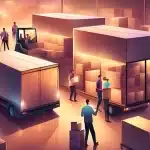
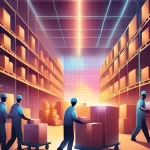
A distribution center is a facility that receives, stores, sorts, and dispatches goods before they reach stores or customers. It connects manufacturers or importers with retailers or end users, helping ensure products move accurately and on time.
These centers play an important role in the country’s logistics ecosystem, especially given the Philippines’ archipelagic layout. As part of a broader distribution strategy, they support smoother nationwide distribution, reduce stockouts, improve lead times, and strengthen fulfillment through tools such as warehouse management systems (WMS), barcode scanning, and automated handling systems.
Why Do Companies Use Distribution Centers?
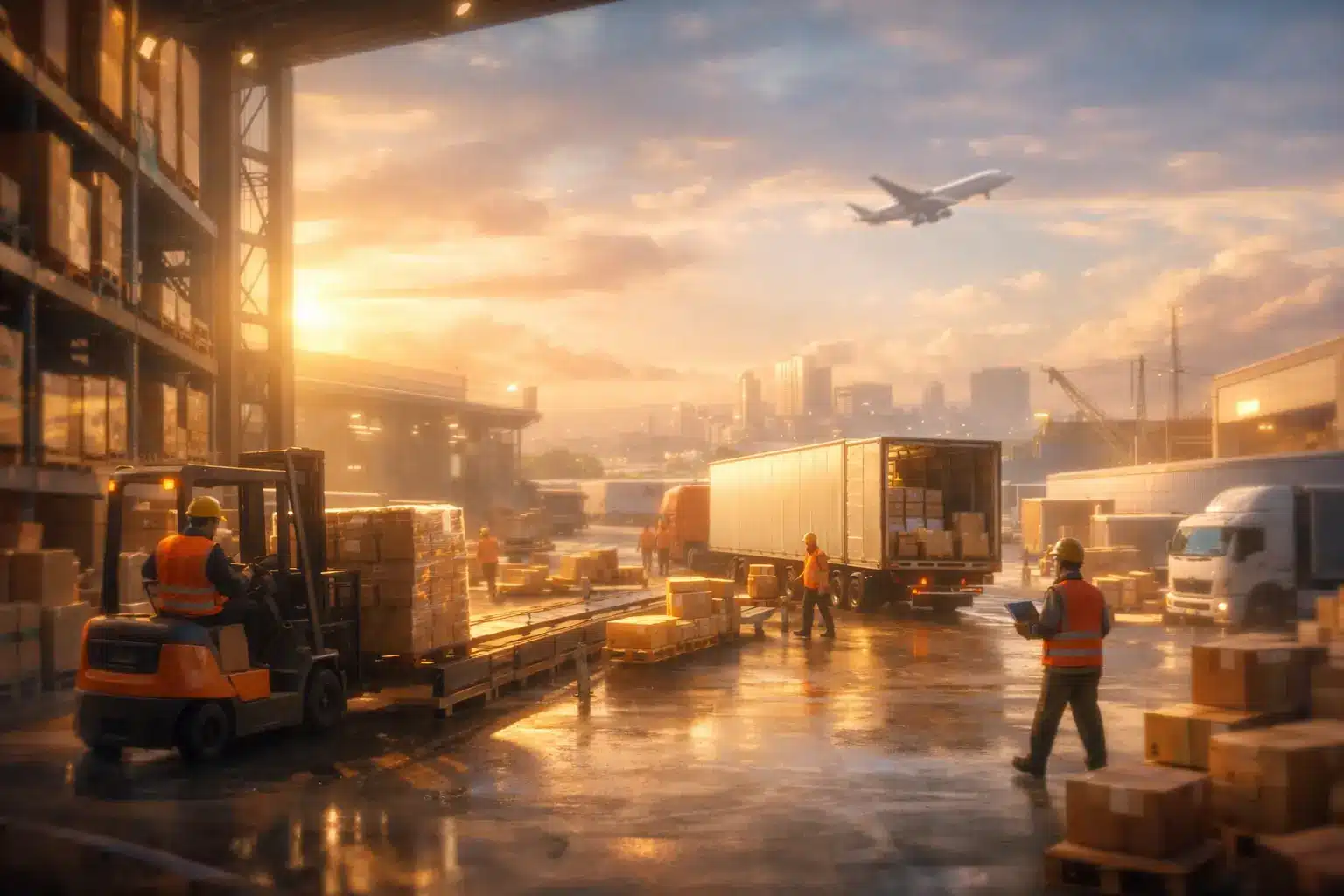
As businesses grow and serve more customers, their initial storage setup often stops being enough. This can make it harder to manage inventory, meet demand, and keep orders moving smoothly. To support growth, many companies use distribution centers or work with third-party logistics providers (3PL) to store, organize, and dispatch goods more efficiently.
A strategically located distribution center also helps businesses place inventory closer to key markets. This can lower transportation costs, shorten delivery times, reduce stockouts, improve inventory control, and help companies deliver better service while staying competitive.
How Distribution Centers Work?
What are the Benefits and Drawbacks of Using a Distribution Center?
Benefits of Using a Distribution Center:
- Cost Efficiency: Reduces inventory carrying costs by storing goods for shorter periods compared to traditional warehouses.
- Faster Delivery: Strategically located centers enable quicker shipping, cutting delivery time and costs.
- Centralized Order Fulfillment: Speeds up the process by consolidating orders, enabling faster processing of larger orders with many SKUs.
- Improved Customer Satisfaction: Faster shipping and accurate deliveries boost customer satisfaction and loyalty.
Drawbacks of Using a Distribution Center:
- Operational Complexity: Efficient management is essential; small errors can lead to significant disruptions and delays.
- Fulfillment Issues: Miscommunications in picking and packing can result in incorrect or delayed orders.
- Inventory Management Challenges: Disorganized stock and poor layout can slow down operations and hinder worker efficiency.
- External Disruptions: Natural disasters, strikes, or market fluctuations can negatively impact operations and cause delays.
Types of Distribution Centers
Types of distribution centers vary based on operational needs, inventory flow, and customer demand. Choosing the right model can help businesses improve service levels, control costs, and align distribution activities with their broader logistics strategy.
| Type of Distribution Center | Main Function | Why It Matters |
| Consolidation Center | Combines goods from multiple suppliers into larger shipments. | Helps reduce transportation costs and improve delivery efficiency. |
| Break-Bulk Center | Receives large shipments and divides them into smaller deliveries. | Makes distribution to multiple destinations more organized and manageable. |
| Cross-Docking Center | Moves goods directly from inbound shipments to outbound transport with minimal storage. | Speeds up delivery and helps reduce inventory holding costs. |
| Fulfillment Center | Handles order processing, packing, and shipping directly to customers. | Supports fast and accurate delivery, especially for e-commerce operations. |
| Return Center (Reverse Logistics) | Processes returned items through inspection, restocking, repair, or disposal. | Helps businesses manage returns more efficiently and maintain better inventory control. |
Strategic Location Planning for Distribution Centers
Choosing the right location is one of the most important decisions in distribution center planning. In the Philippines, Metro Manila is often considered a strategic option because it offers easier access to major transport routes and business hubs.
Why Metro Manila is a strategic location for distribution centers:
- Centralized access: Metro Manila connects businesses to major commercial areas and helps support wider product distribution across the country.
- Strong transport network: The region has access to key highways, ports, and airports, which helps speed up goods movement.
- Faster delivery times: A well-connected location can reduce transit time and help businesses meet tighter delivery schedules.
- Lower transportation pressure: Better route access can help reduce shipping inefficiencies and support cost control.
- Better support for import and export: Proximity to ports and airports makes inbound and outbound logistics easier to manage.
- Improved inventory flow: Faster movement of goods can help businesses maintain more efficient stock turnover and replenishment.
However, businesses should not choose a site based on accessibility alone. They also need to consider local regulations, labor availability, and property costs before making a final decision.
Key Components of Effective Distribution Centers
Effective distribution centers in the Philippines require well-designed infrastructure, advanced technology, and skilled manpower. The use of distribution ERP is also key to success. Key components must be in place to ensure smooth and efficient processes within the distribution center.
| Category | Key Elements | Why It Matters |
| Infrastructure | Adequate storage space, material handling systems, and security measures | Supports smooth product movement, protects inventory, and improves warehouse efficiency |
| Technology | WMS, inventory tracking software, and automation tools | Improves stock visibility, order processing, and operational accuracy |
| ERP Integration | Centralized distribution ERP system | Connects warehousing, inventory, and logistics functions for better coordination |
| Management | Experienced warehouse and logistics leaders | Helps ensure better planning, decision-making, and process control |
| Staffing | Supervisors, forklift operators, pickers, packers, and coordinators | Keeps daily operations efficient and supports consistent workflow execution |
Distribution Center Processes:
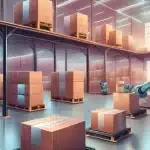
- Receiving Goods: Goods are received from suppliers and manufacturers, unloaded at the dock, and scanned for quality and accuracy. Equipment like forklifts and scanners helps speed up the process, ensuring correct items before stored.
- Storage: After inspection, goods are stored using stock management strategies like FIFO or LIFO. Some items may be cross-docked, moved directly to outbound shipments to save time.
- Order Fulfillment: Once an order is placed, items are picked, packed, and shipped. Warehouse management systems (WMS) guide efficient picking methods, such as batch or zone picking.
- Returns Management: Returns are processed in-house, with items checked and restocked or refurbished based on condition.
By optimizing these processes, distribution centers ensure efficient operations and timely delivery, improving customer satisfaction.
Guidelines for Agent and Distributor Relationships
Challenges Facing Distribution Centers
Distribution centers in the Philippines face several challenges that can affect the speed, cost, and reliability of logistics operations. These issues usually come from operational limits, sustainability demands, and the need to meet regulatory requirements.
- Logistical issues: Congestion, transportation limitations, and complex inventory management can slow down the movement of goods and disrupt daily operations.
- Environmental pressure: Businesses are under growing pressure to reduce waste, improve energy efficiency, and adopt more sustainable supply chain practices.
- Regulatory compliance: Customs rules, labor laws, and safety standards add complexity, so companies need stronger controls to avoid compliance risks.
To address these challenges, businesses need better coordination, stronger process control, and improved visibility across distribution activities. Reviewing warehouse management software can be a practical step for companies that want to improve inventory accuracy, shipment tracking, and overall operational efficiency.

Conclusion
Distribution centers play an important role in helping businesses in the Philippines manage inventory, improve delivery flow, and support more reliable order fulfillment. With the right location, processes, and operational structure, they can help businesses respond faster to demand and keep logistics activities more organized.
As distribution challenges become more complex, many companies start looking for better ways to improve warehouse visibility, inventory control, and overall coordination. For businesses exploring that next step, reviewing warehouse management software can be a practical way to support smoother and more efficient operations.
FAQ
-
How do distribution centers improve customer service?
Distribution centers help businesses deliver products faster and more accurately, which directly enhances customer satisfaction. By optimizing inventory management and order fulfillment processes, they ensure timely deliveries, reducing stockouts and delays.
-
What types of goods are best suited for distribution centers?
Distribution centers are ideal for high volume, time sensitive goods that need to be delivered quickly and accurately. They work well for industries like e-commerce, retail, and manufacturing, where fast inventory turnover and order fulfillment are crucial.
-
How can businesses choose the right distribution center?
When choosing a distribution center, businesses should consider factors like location, infrastructure, technology, and the specific needs of their supply chain. A strategically located center can lower transport costs, improve delivery times, and optimize inventory management.