










 Limited to 100 registrants

As your business grows, optimizing your warehouse layout becomes more challenging. Narrow aisles, disorganized storage, and inefficient workflows can lead to wasted time, higher labor costs, and delivery delays, all of which impact your bottom line.
This is why a well planned warehouse layout is essential. By optimizing space, reducing unnecessary handling, and improving operational flow, you can increase productivity and lower costs.
Focusing on key areas such as storage, picking, and dispatch ensures smooth operations and faster order fulfillment. In this article, we’ll explore the key elements of an effective warehouse layout and how it can improve efficiency and profitability.
Key Takeaways
A warehouse layout defines how space, workers, and equipment are arranged, and a well-planned design reduces bottlenecks and improves operational efficiency.
Key warehouse components include receiving, storage, packing, shipping, and service areas, each ensuring goods move smoothly from intake to delivery.
Optimizing warehouse operations requires accurate inventory management, the right storage solutions, and tools like WMS and automation to reduce errors and improve throughput.
What is A Warehouse Layout?

A warehouse layout defines how space is arranged in a facility, shaping how materials, workers, and equipment move. When designing it, consider key areas such as storage, picking, shipping, and offices, along with the size of items and any physical obstacles. A well-planned layout ensures efficient use of space and supports smooth operations.
An effective layout improves how goods are stored, moved, and retrieved, reducing travel time and minimizing bottlenecks. It also streamlines workflows, making it easier to organize inventory and maintain productivity. Grouping similar items together further optimizes storage and reduces unnecessary movement.
Additionally, implementing a warehouse management system enhances layout efficiency. It automates inventory processes, optimizes picking routes, and provides real-time visibility, leading to greater accuracy, faster operations, and cost savings.
How Important is Warehouse Layout?

The layout of a warehouse is essential for optimizing efficiency and productivity in daily operations. A thoughtfully designed space offers a variety of benefits that can enhance both everyday functions and long-term success. Here’s why having a smart warehouse layout matters:
-
Enhances Efficiency and Productivity
A well-planned warehouse layout significantly impacts how effectively a facility operates. When the design is streamlined, employees can store, retrieve, and move goods quickly and efficiently. This helps reduce wasted time and effort, allowing team members to concentrate on more important tasks.
For example, an organized layout decreases the time spent searching for misplaced items or fixing errors. As a result, order fulfillment becomes faster, lead times shorten, and overall productivity and customer satisfaction increase.
-
Promotes Safety
Safety is a top priority in any warehouse. A smart layout uses ergonomic principles and establishes clear pathways for both pedestrians and vehicles. By placing frequently used items within easy reach and designating specific areas for hazardous materials, businesses can minimize the risk of accidents and injuries.
Additionally, in sensitive industries like food storage, preventing cross-contamination is vital. Proper space allocation helps avoid pest-related issues and maintains product quality, ensuring safety for both employees and customers.
-
Reduces Costs
An efficient warehouse layout can lead to significant cost savings. By minimizing the distances employees travel for picking, packing, and shipping, companies can enhance labor efficiency and increase throughput.
Furthermore, a well-optimized layout maximizes space utilization, allowing for effective inventory storage without unnecessary expansion. This reduction in holding costs, along with improved labor efficiency, ultimately boosts the overall profitability of the business.
What Are the Components Of A Warehouse?
Understanding the key components of a warehouse is essential for creating an efficient and well-organized operation. Each area plays a specific role in ensuring that goods move smoothly from receiving to storage and ultimately to shipping.
| Component | Description | Key Function |
| Receiving Area | The first stop for incoming shipments where goods are unloaded, checked for accuracy, and sorted. Ideally located near a receiving bay for easy truck access and smoother unloading. | Ensures accurate intake of goods, reduces bottlenecks, and speeds up movement into storage. |
| Storage Area | The main space for holding inventory, typically using pallet racks and shelving. Designed to accommodate different product types and allow easy access. | Maximizes space utilization, improves picking accuracy, and enhances inventory control. |
| Packing Area | Area where picked items are packed for shipping. Positioned between storage and shipping for smooth and efficient workflow. | Enables fast and accurate packaging while maintaining efficiency and worker safety. |
| Shipping Area | Handles outgoing orders and is located near packing and shipping bays. Includes space for pallet wrapping, staging, and equipment use. | Organizes outbound goods and ensures timely and efficient deliveries. |
| Service Areas | Includes restrooms, break rooms, and offices. Positioned to support communication and employee convenience. | Supports daily operations, improves comfort, and enhances workforce productivity. |
| Additional Specialized Areas | Optional zones such as staging areas, quality control sections, or special handling spaces for specific operational needs. | Enhances flexibility and supports unique processes like inspections, sorting, or pre-storage preparation. |
Each of these components plays a crucial role in maintaining a smooth workflow within the warehouse. When properly planned and integrated, they help improve efficiency, reduce errors, and support overall productivity in daily operations.
What are the Different Types of Warehouse Layouts?
Each warehouse layout offers different advantages depending on operational needs. The table below highlights the key differences
| Aspect | U-Shaped | L-Shaped | I-Shaped |
| Receiving & Shipping Position | Close together | Separate areas | Opposite ends |
| Traffic Flow | Circular, minimizes travel distance | Linear, clear directional path | Straight, direct route |
| Best For | Businesses needing organized inbound and outbound traffic | Operations requiring fast cross-docking | High-volume operations with direct product flow |
| Key Advantage | Reduces congestion, easy access to all sections | Efficient transitions from receiving to storage to shipping | Reduces travel time, speeds up product movement |
What are The Tips on Critical Aspects of Logistics and Warehouse Functions?
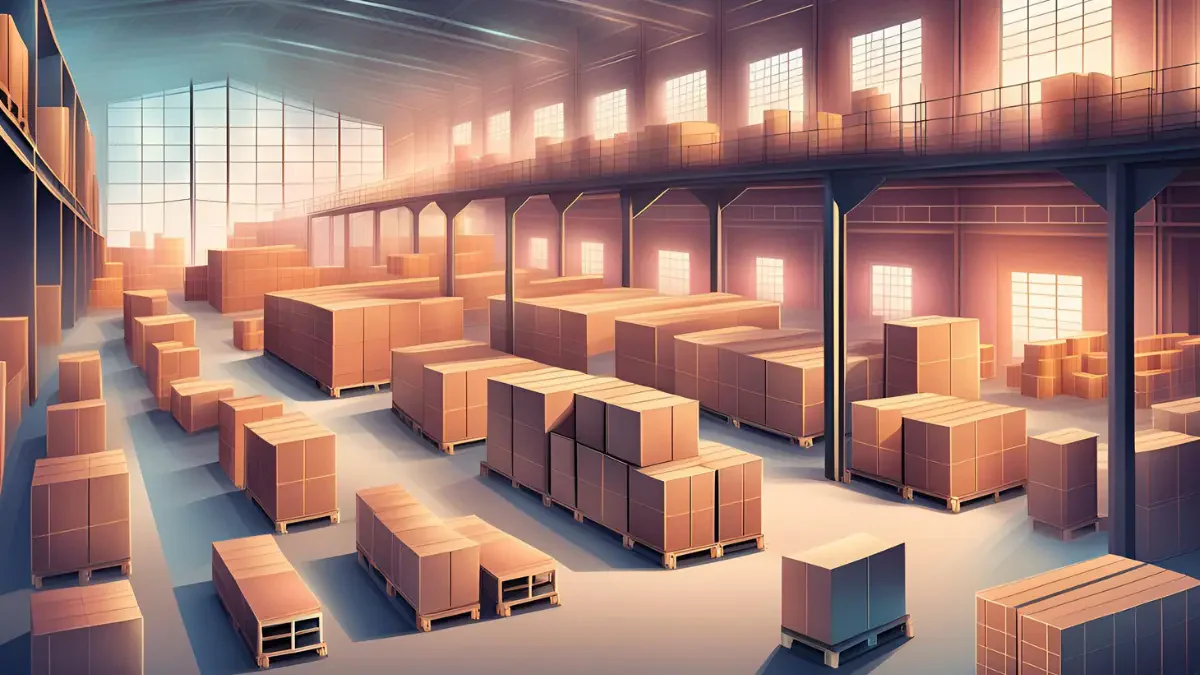
Optimizing logistics and warehouse operations is essential for any business aiming to boost efficiency and create a smooth supply chain experience. Here are some friendly yet professional tips to help you enhance these important functions:
-
Accurate Inventory Management
Keeping an eye on your inventory in real-time is a game changer! It helps you avoid stockouts and excess inventory. By utilizing inventory management software, you can easily track your products, set reorder points, and automate restocking. This ensures you meet customer needs while keeping costs in check.
-
Evaluate Throughput
Regularly taking a closer look at your warehouse’s throughput can reveal valuable insights. By analyzing how materials flow, you can spot any bottlenecks or inefficiencies. This understanding empowers you to implement effective strategies that streamline the movement of goods, making your operations smoother and more efficient.
-
Choose the Right Warehouse Layout Design
A well-organized warehouse layout can work wonders! Whether you prefer a U-shaped, L-shaped, or I-shaped design, pick a layout that fits your needs. Be sure to place frequently accessed items within easy reach to save time and enhance productivity.
-
Invest in Effective Storage Layout Solutions
Selecting the right storage systems can make all the difference. Whether you choose selective pallet racking or automated solutions, the right choice will help you make the most of your space while ensuring efficient material handling.
-
Leverage Technology and Automation For Warehouse Layout
Embracing technology is key to modern operations. Incorporate tools like barcode scanning and warehouse management systems (WMS) to streamline your processes. Automation speeds up picking, packing, and shipping, reducing errors and boosting overall efficiency.
-
Focus on Employee Training
Your team is your greatest asset, so invest in their growth! Regular training on new technologies and best practices not only empowers employees but also fosters a positive work environment. When your team is well-equipped, productivity naturally flourishes.
-
Prioritize Safety and Compliance
Safety should always be at the forefront. Conduct regular safety audits and ensure your team has the necessary training and equipment. A safe workspace not only protects your employees but also enhances overall efficiency by reducing accidents and downtime.
-
Monitor Key Performance Metrics
Keeping track of key performance indicators like order accuracy and inventory turnover is essential. By analyzing these metrics, you can pinpoint areas for improvement and make informed changes that boost efficiency.
-
Foster Strong Supplier Relationships
Building solid relationships with your suppliers leads to better communication and reliability. Collaborating with them can result in improved pricing, faster response times, and valuable market insights that benefit your operations.
-
Adapt to Market Changes
Flexibility is key in today’s fast-paced market. Regularly assess your operations and be open to new technologies or practices that can help you stay competitive and responsive to customer demands.
-
Consider Demand Forecasting
Understanding future demand patterns is crucial for effective warehouse optimization. By analyzing historical data and market trends, you can anticipate customer needs and adjust your resources, accordingly, ensuring you’re always prepared.
-
Engage with Experts to Understand More on Warehouse Layout
Don’t hesitate to collaborate with industry experts! Their insights can provide valuable recommendations for optimizing your logistics and warehouse functions. Their experience can help you make informed decisions and implement best practices that keep you ahead of the competition.
How Cloud-First and AI-Powered Warehouse Management Systems Help Optimize Warehouse Layout?
Cloud-first and AI-powered warehouse management systems are transforming how businesses optimize layouts and improve efficiency. By leveraging advanced data analysis, these systems provide valuable insights that support smarter operational decisions.
One key benefit is improved stock rotation. With real-time data, WMS can identify slow-moving inventory, optimize storage space, and reduce waste. They also streamline material movement by optimizing picking routes and minimizing unnecessary handling.
As a result, businesses can lower operational costs and increase productivity. These systems also help manage expenses more effectively by identifying inefficiencies and enabling improvements in labor and energy usage.
Conclusion
A well-planned warehouse layout is one of the most practical investments a business can make to improve daily operations. When storage, picking, and dispatch areas are organized effectively, teams move faster, errors decrease, and order fulfillment becomes more reliable. Combined with the right technology and consistent process improvements, a strong layout supports long-term scalability and cost efficiency.
For businesses looking to strengthen their warehouse operations further, reviewing the top warehouse management systems available can help identify which platforms best support layout optimization, inventory accuracy, and operational control.
FAQ
Warehouse layout refers to how space and zones are arranged within an existing facility, while warehouse design covers the broader planning of the physical structure, including building dimensions, dock placement, and infrastructure. Layout is typically adjusted more frequently than design.
A well-organized layout reduces the distance staff travel between picking, packing, and shipping zones. Shorter travel times mean faster order processing, fewer errors, and quicker delivery to customers.
Yes. Even small warehouses gain from thoughtful layout planning. Grouping fast-moving items near packing areas, using vertical storage, and keeping pathways clear can significantly improve efficiency without requiring additional space.