









 Limited to 100 registrants
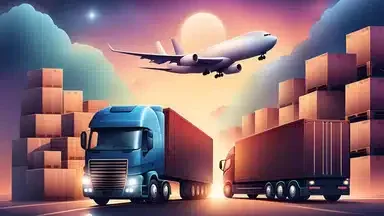
Inbound logistics is receiving, storing, and managing incoming materials, while outbound logistics focuses on processing orders, packaging, and delivering finished products. Logistics is key to business success as it ensures products are smoothly transported from suppliers to customers.
Understanding inbound and outbound logistics improves supply chain management. This guide covers inbound and outbound processes and how inventory management systems help. Mahalaga ang maayos na paghawak ng logistics para sa tagumpay ng negosyo.
Key Takeaways
Inbound logistics efficiently receives, stores, and handles supplies, ensuring the timely delivery of raw materials from suppliers to warehouses until needed for production.
Outbound logistics ensures the timely delivery of finished products to customers by efficiently managing orders, packaging, shipping, delivery, and returns.
Managing inbound and outbound logistics presents challenges such as supply chain disruptions, inventory management, supplier coordination, order accuracy, and shipping delays.
HashMicro’s Inventory Management Software is designed to streamline both inbound and outbound logistics through real-time updates and automation.
Inbound and Outbound Logistics Definition
The first step in managing a supply chain well is to understand what inbound and outbound logistics mean. These two parts have different but connected roles in making sure products are delivered smoothly.
Once we understand these ideas, we can see how their main tasks differ and how they help make logistics work better overall.

What is Inbound Logistics?
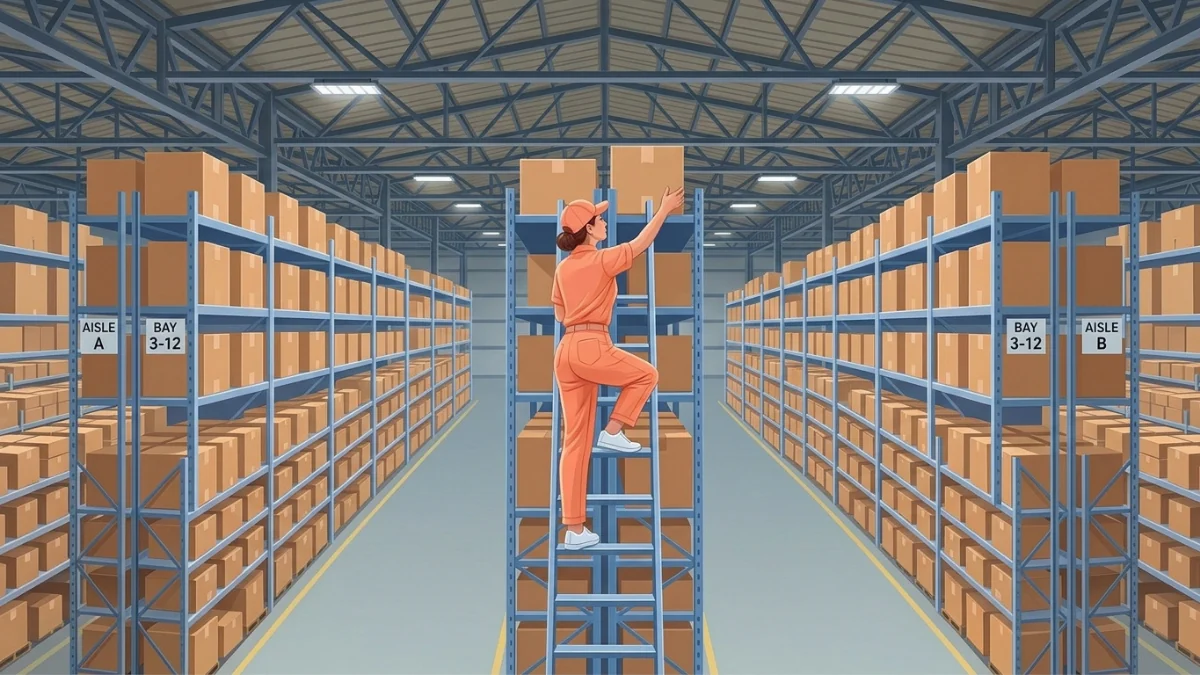
Inbound logistics is about receiving, storing, and handling supplies. This includes bringing raw materials from suppliers to warehouses and keeping them until they are needed.
Good inbound logistics make sure products are ready for production or sale without delays. It also helps manage stock levels to ensure having enough or too little, which can mess up schedules and raise costs.
In the Philippines, inventory management systems are crucial for improving inbound logistics. These systems automatically track supplies, manage stock levels, and predict needs based on past data and market trends. Read this article to learn how to maximize the benefits of an inventory management system.
By using such a system, businesses can make better use of warehouse space, reduce mistakes, and keep materials flowing smoothly for more efficient operations.
A manufacturing company sourcing raw materials from multiple suppliers provides an example of inbound logistics. For instance, a car manufacturer receives steel, rubber, and electronic parts from different locations.
What is Outbound Logistics?
Outbound logistics refers to the process of moving finished products from the warehouse to the customer. This includes handling orders, packaging, shipping, and delivery.
Efficient outbound logistics is important for meeting customer needs and ensuring deliveries are on time. It involves working with shipping companies, planning delivery routes, and managing returns if needed.
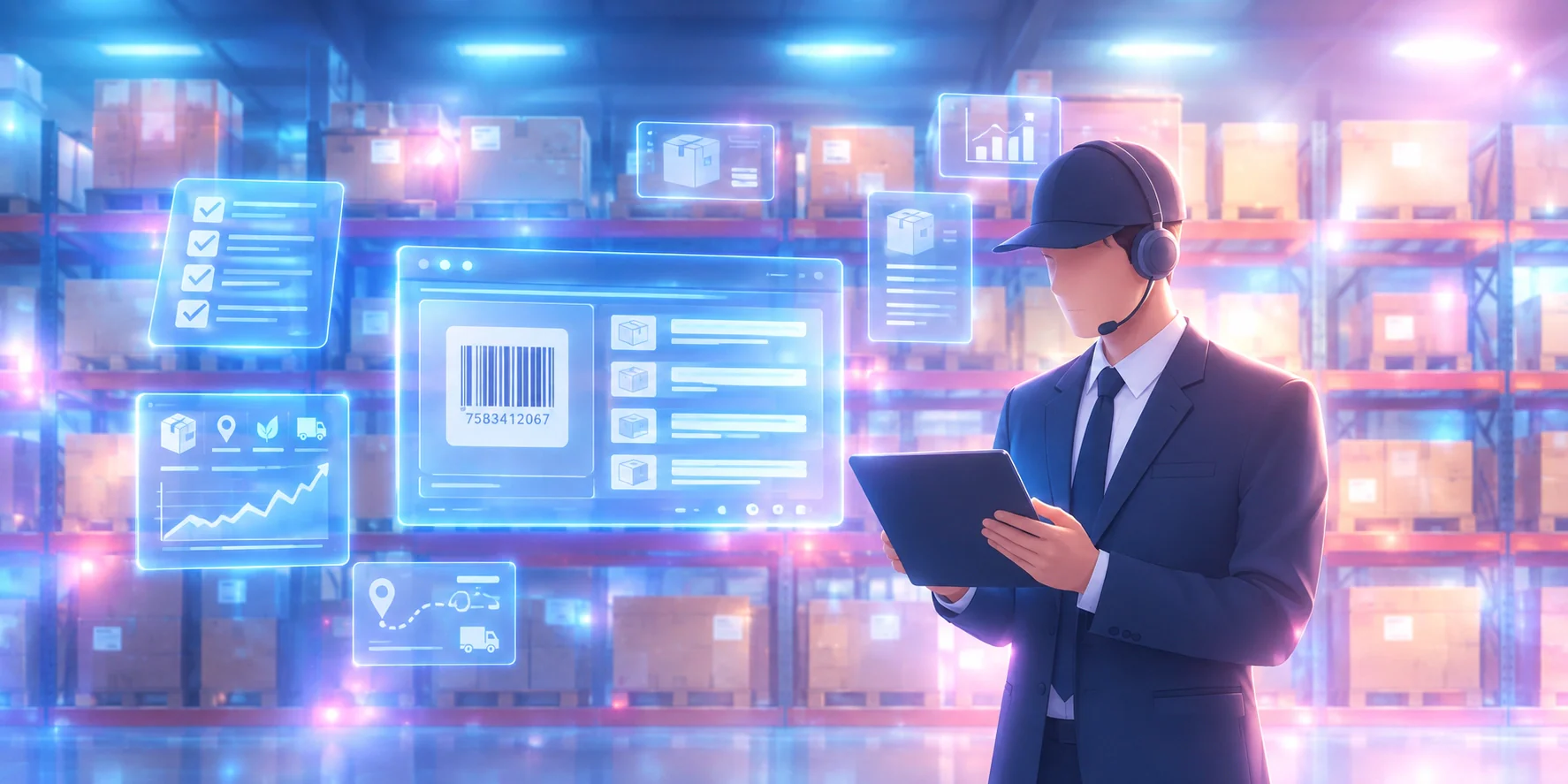
Inventory management software like ERP for the packaging industry or manufacturing automates the order process, tracks stock levels in real-time, and ensures accurate product delivery to the correct locations. This reduces mistakes and speeds up deliveries, making customers happier.
An outbound logistics example can be seen in a retail company that ships products directly to customers. After receiving an order, the company processes it, packages the items, and arranges transportation for delivery.
How Inbound and Outbound Logistics Are Different
After explaining the basic ideas, it’s important to explore the differences between inbound and outbound logistics. Understanding these differences helps clarify their specific jobs and goals in the supply chain. By looking at their unique roles, we can see how they improve efficiency and affect each other.
Basic Functions and Aims
Inbound logistics is about managing the movement of materials coming into a company. This involves tasks like receiving shipments, checking the quality of goods, storing them in warehouses, and working with suppliers to ensure timely availability and avoid production delays.
Outbound logistics focuses on getting finished products to customers. It includes processing customer orders, preparing goods for shipping, managing deliveries, and handling returns. The main aim is to deliver products on time and accurately, keeping customers happy and satisfied.
Main Comparisons
Inbound logistics involves tasks like receiving and storing supplies to make sure materials are ready for production or sale without delay. Outbound logistics is about delivering finished products to customers, including managing shipping routes and working with carriers to ensure timely deliveries.
Inventory management systems improve both areas. For inbound logistics, they track incoming supplies, organize storage, and monitor stock levels. For outbound logistics, they simplify order processing, track shipments, and manage inventory in real time.
This integration enables businesses to run their entire supply chain smoothly, from receiving supplies to delivering products, ensuring efficient operations and meeting customer demands on time.
The Importance of Managing Logistics
The management of logistics is the backbone of any business. Good logistics management keeps materials moving, supports daily operations, and improves coordination from purchasing to delivery. When businesses control both inbound and outbound logistics well, they reduce delays, improve stock availability, and build a more reliable supply chain that supports consistent business performance.
With inbound logistics, you can reduce production delays and lower storage costs by keeping materials available at the right time. On the other hand, outbound logistics improves stock visibility and performance tracking. You can also quickly finish fullfillments, improve reverse logistics, and other organizational elements by using CPM reporting. Inventory management systems can help businesses track stock, forecast demand, and avoid shortages or excess inventory.
Efficient logistics also means happy customers. Reliable inbound processes keep production on schedule, so businesses can meet demand without disruption. Strong outbound logistics ensure accurate orders and on-time deliveries, while inventory software helps monitor orders, schedule shipments, and maintain stock accuracy. As a result, businesses improve service quality and build stronger customer relationships.
How Inbound and Outbound Logistics Operate
Understanding how inbound and outbound logistics work is important for managing logistics effectively. By looking at the steps involved, you can learn how these operations happen daily and find ways to make them better.
This article can help you use best practices to make both inbound and outbound logistics more efficient.
How Inbound Logistics Work
Inbound logistics includes a few important steps:
- Receiving: Materials are brought in from suppliers and checked for quality and quantity.
- Storage: Goods are kept in warehouses until they are needed.
- Inventory Management: Inventory is tracked to make sure there is enough stock.
An inventory management system automates tracking, manages stock levels, and improves the inbound logistics value chain by ensuring materials are available and reducing errors.
How Outbound Logistics Works
Outbound logistics includes the following steps:
- Order Processing: Orders are received, handled, and made ready for shipment.
- Packaging: Products are packed to keep them safe during delivery.
- Shipping: Goods are sent to customers, with careful planning of routes and carriers to ensure on-time delivery.
Inventory management software helps with outbound logistics by giving real-time updates on stock, managing shipping times, and automating the order process. This technology allows businesses to improve shipping and keep customers happy.
Struggles in Overseeing Inbound and Outbound Logistics
Even if you know how inbound and outbound logistics work, it’s crucial to handle the common difficulties in managing them. Finding these problems helps businesses create plans to fix them and improve efficiency.
We’ll talk about typical issues in both logistics areas and explore ways to solve them.
Usual Challenges Faced in Inbound Logistics
Managing inbound logistics can be difficult for several reasons:
- Supply chain problems: Unexpected issues can slow down the delivery of materials.
- Inventory management: Keeping the right amount of stock is hard, especially when demand changes.
- Supplier coordination: Working with many suppliers can make it tough to manage delivery times.
Inventory management systems can solve these problems by giving real-time updates on stock levels, predicting demand, and improving communication with suppliers. This helps businesses avoid delays and keep materials moving smoothly.
Usual Challenges Faced in Outbound Logistics
Outbound logistics faces some difficulties, including:
- Order accuracy: Ensuring the right products reach the correct customers can be challenging.
- Shipping delays: Late shipments can lower customer satisfaction and hurt the company’s reputation.
- Returns management: Handling product returns quickly is important for keeping customers happy and managing stock.
Inventory management software can solve these problems by automating orders, tracking shipments, and managing returns. This technology makes outbound logistics more efficient and helps improve the customer experience.
How the 2026 Philippines Fuel Crisis Is Disrupting Inbound & Outbound Logistics
Giving full attention to logistics has never been more important than now. With the Strait of Hormuz being blockaded, fuel prices have grown exponentially. This fuel crisis is not just a downward bump, but a potential existential energy crisis that can destroy the vulnerable logistics system.
Below, we will explore how it affects inbound logistics and outbound logistics.
Fuel Crisis Challenges for Inbound Logistics
The fuel crisis is creating significant challenges for inbound logistics, including:
- Supply chain disruptions: Rising fuel costs have increased transportation expenses and slowed the delivery of raw materials and goods.
- Inventory management complexities: With fluctuating fuel prices, maintaining accurate stock levels becomes difficult, leading to uncertainty in replenishment schedules.
- Supplier coordination difficulties: Increased transportation costs and delays make it harder to coordinate with suppliers, which impacts timely material arrivals.
These challenges are compounded by the rising pressure on logistics companies to manage transportation costs while maintaining a smooth flow of incoming materials.
Fuel Crisis Challengers for Outbound Logistics
Outbound logistics faces similar obstacles, exacerbated by the fuel crisis:
- Order accuracy issues: As transportation costs rise, there is more pressure to meet deadlines, increasing the risk of shipping errors and inaccurate orders.
- Shipping delays: The surge in fuel prices is causing delays in deliveries, which negatively affect customer satisfaction and reliability.
- Returns management challenges: Handling returns becomes increasingly difficult as delays in shipping and resource constraints impact the ability to process returns efficiently.
These complications threaten the overall efficiency of outbound logistics, increasing operational costs and diminishing service quality.
How to manage logistics costs when fuel prices spike
With the risk of low fuel supply and an increase in price, it would be prudent to understand efficient ways to manage logistics. Especially since fuel-related expenses from logistics can be a major portion of a company’s operating budget. Managing these costs effectively is crucial for businesses to remain competitive and profitable during periods of fuel price spikes.
Here are some practical ways businesses can manage their logistics costs during fuel price hikes:
- Optimize routes: Use route planning software to find the shortest and most efficient paths for deliveries.
- Consolidate shipments: Combine multiple orders into a single shipment to reduce the number of trips and overall fuel consumption.
- Negotiate fuel surcharges: Work with suppliers and carriers to negotiate fixed fuel surcharges or lock in lower fuel rates.
- Switch to fuel-efficient vehicles: Invest in vehicles that offer better fuel efficiency to lower overall fuel usage.
- Encourage alternative transport methods: Utilize rail or sea transport where feasible, as they are typically more fuel-efficient than road transport.
By taking these steps, businesses can reduce their dependence on rising fuel prices and keep logistics costs in check.
In summary, managing logistics costs during fuel price spikes requires a combination of strategic planning and operational adjustments. By optimizing routes, consolidating shipments, and negotiating better terms with carriers, businesses can mitigate the impact of rising fuel costs. Switching to a more fuel-efficient fleet and transportation method further helps reduce expenses, making logistics operations more sustainable and cost-effective.

Manage Inbound and Outbound Logistics with HashMicro
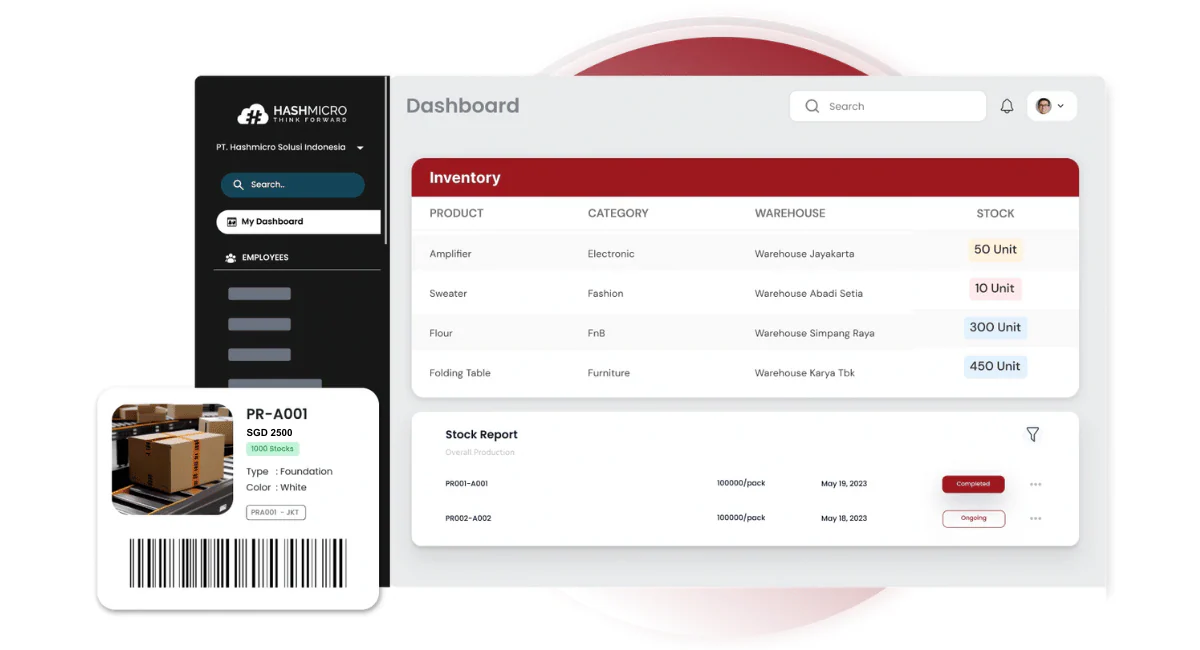
Inbound and outbound logistics are important parts of managing a supply chain well. By knowing the differences between these processes and using tools like inventory management systems, businesses can improve their logistics, work more efficiently, and make customers happier.
To improve your logistics, try HashMicro’s Inventory Management Software. It helps streamline both inbound and outbound logistics with real-time updates and automation, ensuring your operations run efficiently. You can manage inventory better, handle shipments smoothly, and boost your supply chain.
We are excited to offer you a free demo, allowing you to explore all the features and capabilities of our software. Subukan ang aming libreng demo and see how it can benefit your business.
Conclusion
Managing inbound and outbound logistics is essential for optimizing the supply chain. Inventory management systems help businesses overcome challenges, automate tracking, and improve efficiency. This leads to smoother operations and better stock control.
These systems ensure timely deliveries, reduce errors, and enhance order accuracy, ultimately boosting customer satisfaction. By improving both logistics processes, businesses can strengthen their supply chain and achieve long-term success.
To enhance your inventory system, try to find the right management system. Not only will they automate your tasks, but they will also help businesses streamline both inbound and outbound logistics. With improved tracking, stock management, and shipment handling, companies can operate more efficiently and reduce errors.
Frequently Asked Questions about Inbound and Outbound Logistics
Inbound logistics involves receiving goods from suppliers, while outbound logistics is focused on delivering goods to customers.>
Technology, like real-time tracking and automated inventory systems, enhances logistics by providing accurate data, reducing errors, and optimizing the entire supply chain.>
Fuel price increases directly impact logistics companies by raising transportation costs, which in turn affects both inbound and outbound logistics. Businesses must adjust by optimizing delivery routes, utilizing energy-efficient vehicles, and incorporating real-time tracking to minimize disruptions.>
Logistics management in the Philippines is impacted by factors such as traffic congestion, varying fuel prices, and natural disasters. Companies need to implement effective inventory management systems and route optimization software to navigate these challenges and ensure timely deliveries.>