














As the demand for faster, more accurate warehouse operations increases, automation becomes essential for businesses looking to grow sustainably. For businesses across the Philippines, warehouse automation makes it easier to manage growth, cut labor costs, and stay ahead in a competitive market. The country’s warehouse sector, valued at about USD 750 million in 2022, is expected to reach USD 1.2 billion by 2030, growing steadily at around 6.5% per year.
Warehouse automation refers to the use of technology to perform tasks traditionally done by humans. This technology enables businesses to reduce manual labor, minimize errors, and streamline processes, leading to increased operational efficiency.
This article covers the key aspects of warehouse automation, its types, benefits, and how Philippine businesses can successfully implement it.
Key Takeaways
|
Table of Contents

What is Warehouse Automation?
Warehouse automation involves the use of machinery and technology to perform key tasks like moving products, managing inventory, and fulfilling orders, all with greater speed and accuracy. By automating manual processes, businesses can reduce labor costs and improve productivity, allowing employees to focus on more critical tasks. Automation in warehouses typically includes robots for heavy lifting and smart software systems like Warehouse Management Systems (WMS) to track inventory, optimize storage, and fulfill orders more efficiently.
In the Philippines, many businesses still rely on manual processes, but the shift to automation offers significant advantages. While the initial investment may seem high, the long-term savings and improvements in operational efficiency, accuracy, and customer satisfaction make automation a worthwhile investment for businesses aiming to stay competitive and meet the growing demands of the market.
How Does Warehouse Automation Work?
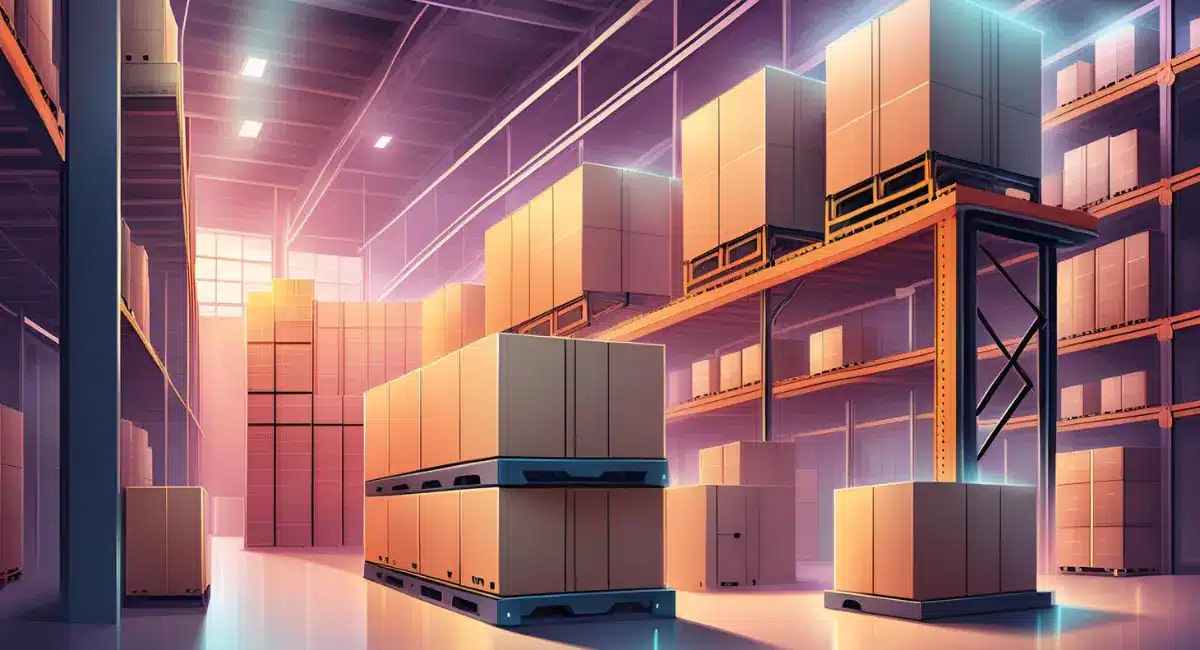
Warehouse automation involves using a combination of systems and equipment to carry out repetitive tasks efficiently. The key components of this technology include automated storage and retrieval systems (AS/RS), conveyor systems, robotic picking, and warehouse management systems (WMS). Here’s how it works in a friendly and engaging way:
1. Spotting Tasks to Automate
First, businesses take a good look at their operations to identify tasks that can be automated. This might include moving items, managing inventory, or picking orders. By pinpointing these repetitive tasks, companies can focus on automating areas that will save them time and reduce errors.
2. Embracing Technology
Automation technologies like conveyor systems help transport items quickly and smoothly throughout the warehouse.
3. Using a Warehouse Management System (WMS)
A Warehouse Management System keeps track of inventory levels in real-time, streamlines processes, and provides valuable data to help make better business decisions. With a WMS, all parts of the warehouse communicate seamlessly.
4. Making Picking Easier
Automation also improves how items are picked. For instance, robots can efficiently retrieve items from shelves, reducing the time spent on this task and minimizing human errors.
5. Simplifying Documentation
With barcode labels and scanning devices, warehouses can track items easily. This automation cuts down on errors and speeds up documentation processes.
6. Leveraging Automated Vehicles
These self-driving forklifts effortlessly transport goods from one area to another, eliminating the need for human operators.
By following specific paths, AGVs keep everything organized and running smoothly. This not only enhances safety by minimizing the risk of accidents but also allows your staff to focus on more important tasks that require a human touch.
7. Accessing Real-Time Data
Automation makes companies can keep an eye on their inventory levels in real time, helping them avoid stockouts and manage supplies effectively.
This means business owners can make quick decisions and respond to customer needs. By knowing exactly what’s in stock, they can fulfill orders promptly. With real-time data at their fingertips, businesses can not only streamline their operations but also stay competitive in today’s fast-paced market.</span>
8. Coordinating Operations Smoothly
A fully automated warehouse operates ensuring a seamless flow from receiving new inventory to shipping orders. This coordination is made possible through a network of sensors, robotics, and intelligent software that collaborate to maintain efficient operations.
By integrating these technologies, businesses can ensure that every process is executed flawlessly. This synchronized approach allowing companies to meet customer demands more effectively.
How Many Types of Warehouse Automation?
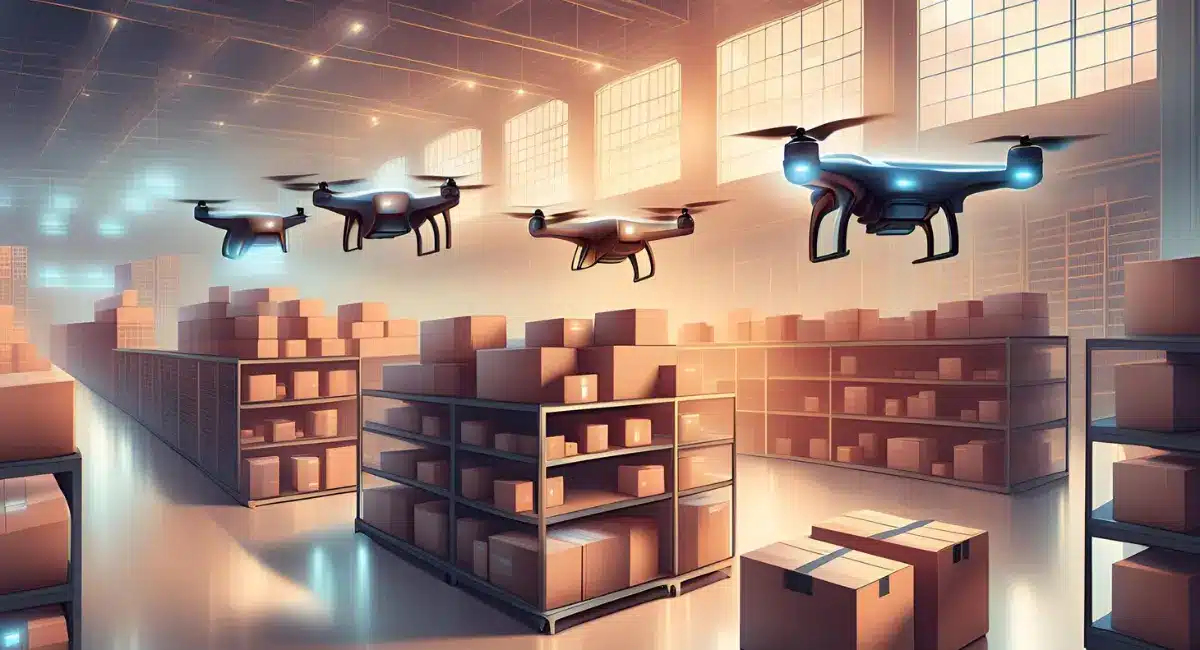
With various types of automation available, each designed to cater to specific needs, businesses in the Philippines can find solutions that fit their unique circumstances. Let’s take a friendly look at the main types of warehouse automation:
1) Basic Warehouse Automation
Basic warehouse automation is all about using simple tools like barcode scanners and conveyor belts. These tools are perfect for smaller warehouses that deal with fewer items. By implementing these technologies, businesses can speed up their operations and minimize human error, leading to smoother workflows.
2) Warehouse System Automation
Warehouse system automation is a step up, incorporating advanced tools like Warehouse Management Systems (WMS) and Automated Storage and Retrieval Systems (AS/RS). WMS helps businesses manage their inventory effectively, while AS/RS takes care of storing and retrieving items automatically. This combination is a game-changer for medium and large warehouses handling higher volumes of stock.
3) Mechanized Warehouse Automation
Mechanized warehouse automation introduces machines like Automated Guided Vehicles (AGVs) and palletizers. AGVs are self-driving vehicles that move goods around the warehouse, and palletizers automate the stacking process.
Larger warehouses benefit immensely from this automated warehouse setup, as robotic process automation allows them to handle high inventory levels with greater accuracy, speed, and operational efficiency.
4) Advanced Warehouse Automation
Advanced warehouse automation leverages cutting-edge technologies such as robotics, artificial intelligence (AI), and the Internet of Things (IoT). This level of automation is perfect for large, complex warehouses, enabling them to stay agile and responsive to changing demands.
5) Goods-to-Person (GTP) Technologies
Instead of having workers travel to find items, GTP systems bring the items directly to them. Using conveyors and vertical lifts, these technologies significantly boost picking speed and reduce physical strain on employees.
6) Automated Storage and Retrieval Systems (AS/RS)
Automated Storage and Retrieval Systems (AS/RS) take efficiency to new heights by automatically managing the storage and retrieval of goods. With machines like mini-loaders in place, warehouses can maximize their space and minimize retrieval times, making them ideal for areas with limited storage capacity.
7) Autonomous Mobile Robots (AMRs)
Using GPS, they navigate their surroundings and transport items to workers, making the picking process more straightforward. Their adaptability is a big plus in dynamic environments where layouts may change often.
8) Voice Picking and Tasking
It is a modern twist to warehouse operations by guiding workers using voice commands. This hands-free approach allows workers to concentrate on their tasks without being distracted by handheld devices.
9) Automated Sortation Systems
This quickly identify and sort items on conveyor belts using RFID and barcode scanners. By streamlining the flow of products from receiving to shipping, these systems help businesses fulfill orders faster and more accurately.
How to Activate Warehouse Automation?
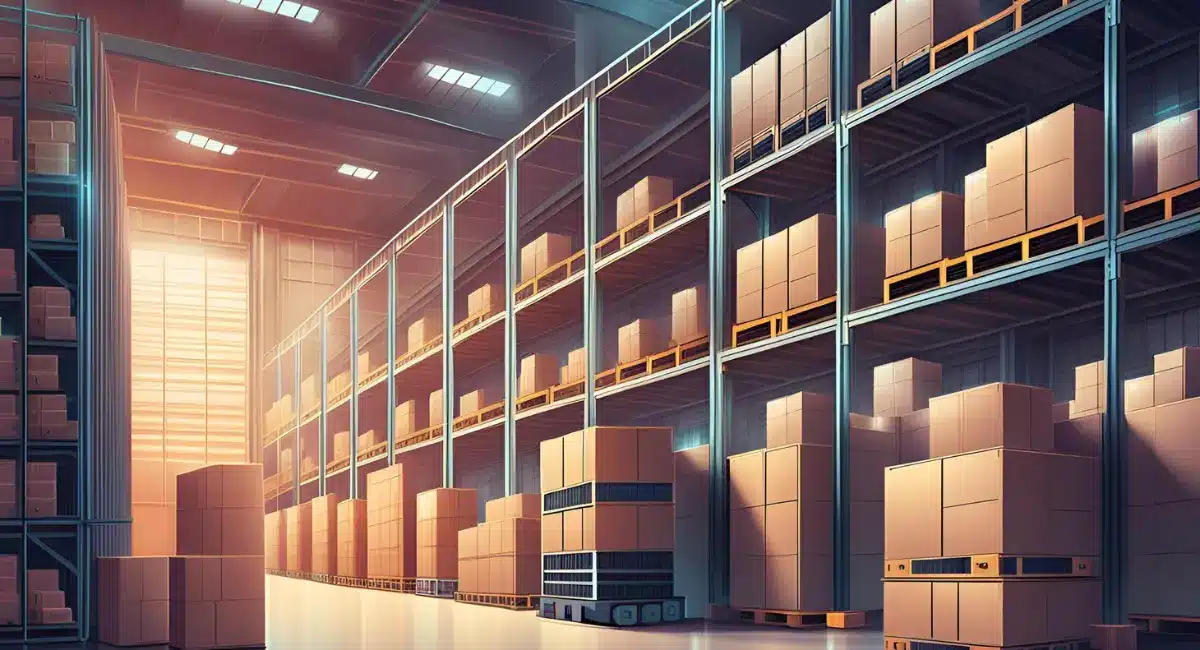
With a solid plan and the right tools, you can significantly improve your business operations. Let’s break it down into simple steps that will guide you through the process:
-
Assemble a Skilled Implementation Team
Begin by forming a dedicated implementation team responsible for leading the automation process. This team should consist of individuals with a diverse range of skills, including IT professionals, operations managers, and experienced warehouse staff.
Their varied expertise will ensure that all aspects of the project are effectively addressed and managed. Additionally, fostering collaboration among team members will generate innovative ideas and solutions throughout the implementation journey.
-
Collect Important Data
Next, look into details like your inventory levels, order volumes, and employee productivity. This information is crucial because it helps you pinpoint where automation can make the biggest impact. This also sets clear goals for what you want to achieve.
-
Evaluate Inventory Control
Once you have your data, look into your inventory control processes. Then ask yourself questions for example: Are my inventory counts accurate? Where does shrinkage happen? What are the optimal inventory levels for my business?
Evaluating these factors will help you understand how automation can enhance your current methods and streamline your operations.
Implement a Warehouse Management System (WMS) For Better Automation

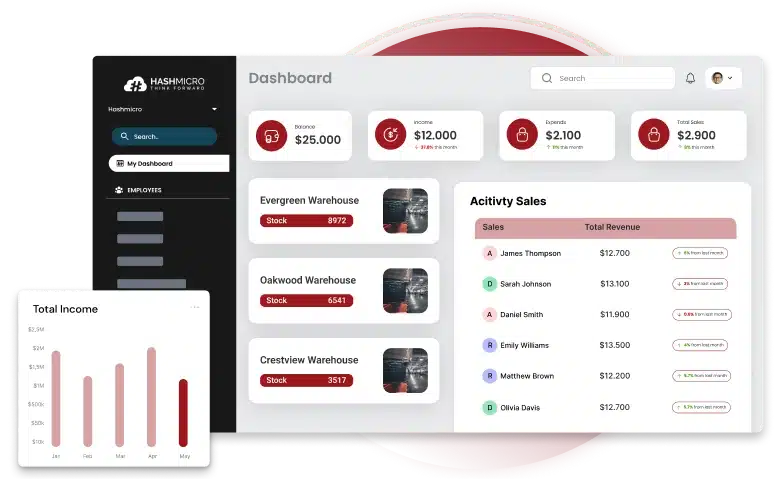
After assessing your inventory, it’s time to bring in a Warehouse Management System (WMS). A WMS can automate tasks like inventory management, order picking, and shipping.
For instance, HashMicro’s WMS can helps improve efficiency across multiple warehouses while speeding up product retrieval and reducing storage costs. With its user-friendly design and customizable features, it’s like having a reliable partner in your business!
-
Explore Warehouse Automation Technologies
With your WMS in place, it’s time to brainstorm the best automation technologies for your warehouse. You might consider options like Automated Storage and Retrieval Systems (AS/RS), Automated Guided Vehicles (AGVs), or robotics.
Take the time to evaluate each option based on cost, ease of use, and how it will fit into your existing operations.
-
Create a Project Plan for Warehouse Automation
To ensure a smooth implementation, develop a project plan that outlines your goals, timelines, and deliverables. Don’t forget to engage stakeholders from all levels of your organization, including upper management and warehouse supervisors.
Their input will be invaluable in identifying potential challenges early on and keeping everyone focused on the same objectives.
-
Start with a Pilot Program
To ease the transition, consider launching a pilot program. This allows you to test new automation systems on a smaller scale without disrupting your entire operation. It’s a great way for your team to learn, make adjustments, and build confidence before going all in.
Use the data from your WMS to track your progress and make informed decisions as you expand automation across your warehouse.
Conclusion
Warehouse automation is done by using technology to make processes smoother and faster, automation helps businesses tackle everyday challenges and grow successfully. As customers expect quicker and more accurate deliveries, automating your warehouse can make your operations more efficient and reliable. If you’re ready to elevate your warehouse management, consider trying out HashMicro’s Warehouse operations tools used locally.
This all-in-one solution has great features like RFID warehouse rack stock in-out automation, which boosts accuracy and provides real-time inventory visibility. It also provides a 3D warehouse model to optimize storage space and stock forecasting tools to reduce excess inventory and ensure you have the right items on hand.
With these tools, you can streamline your operations, minimize mistakes, and increase productivity. Why not see for yourself how it can benefit your business? Sign up for a free demo today and discover the difference automation can make in your warehouse!
FAQ Around Warehouse Management System
What is a Warehouse Management System (WMS)?
Warehouse automation reduces labor costs by automating tasks such as inventory tracking, order picking, and product movement. This minimizes human error and increases efficiency, allowing businesses to handle more with fewer resources. Automated systems like robots and Warehouse Management Systems (WMS) streamline processes, ultimately lowering overall operational expenses.What is the expected growth of the warehouse automation market in the Philippines?
The Philippine warehouse sector is expected to grow from USD 750 million in 2022 to USD 1.2 billion by 2030, with an annual growth rate of 6.5%. This rapid growth presents a significant opportunity for businesses to invest in automation technology, helping them stay competitive in an increasingly dynamic market.How do real-time technologies like WMS and AGVs improve warehouse operations?
Warehouse Management Systems (WMS) and Automated Guided Vehicles (AGVs) enable real-time inventory tracking, optimizing storage and improving order fulfillment speed. These technologies help businesses manage stock more efficiently, reduce human errors, and streamline processes, leading to faster and more reliable deliveries to customers.