











The FMCG industry in the Philippines is growing and evolving. With the shift to online shopping and changing consumer behaviours, it is crucial for businesses to adapt. The good news is the market is strong, with people spending on essentials like food, drinks, and personal care products. The industry is resilient, too, showing healthy growth of 2.8% in the first quarter of 2023.
For many years, manual management systems were the norm. Still, they can no longer keep pace with the recent shift to e-commerce and omnichannel retailing. To stay competitive, many businesses are now turning to dedicated retail management that can handle high transaction volumes. Managing these processes manually or with outdated systems can lead to errors and inefficiencies
.This is where specialized FMCG software becomes essential, and it is tough to choose one.
On one hand, having many options is a plus. On the other hand, it increases the risk of making a poor choice. With so many choices, it can be tough to pick the right one. If you don’t know what your business needs, you might choose software that doesn’t fully meet those needs.
This article will help you select the right FMCG software solutions for your business. We’ll provide insights and recommendations to help you navigate the options.
Key Takeaways
|
Why Do FMCG Companies Need Integrated FMCG Software?
Manual management of inventory and supply chains creates big problems in the FMCG industry. When planning is inaccurate, it leads to running out of stock or having too much stock, resulting in lost sales and wasted resources.
This inefficiency also causes delivery delays and lost sales, which is why many FMCG businesses invest in logistics management software to streamline their distribution. Moreover, it’s hard to keep track of products’ expiration dates, leading to waste and losses. Manual data entry is slow and prone to mistakes, decreasing productivity while increasing costs.
These problems greatly impact the company’s success and consumer safety, making it clear that better management systems are needed. For businesses with retail touchpoints, pairing FMCG software with a reliable POS system can further streamline sales and inventory tracking. Implementing these integrated solutions helps overcome operational challenges and brings numerous benefits.
Here are some benefits that FMCG companies can gain by implementing FMCG solutions:
- Improved forecasting and planning: FMCG software helps companies accurately predict demand and adjust their production and inventory accordingly.
- Reduced stockouts and overstocking: By optimizing inventory levels, FMCG software minimizes the risk of stockouts and overstocking, ensuring the right products are available at the right time.
- Increased sales and revenue: With accurate forecasting and planning, companies can increase sales and revenue by ensuring products are always available to meet customer demand.
- Reduced waste and storage costs: FMCG software helps companies reduce waste and storage costs by minimizing excess inventory and optimizing warehouse space.
- Real-time tracking of product expiration dates: FMCG software provides real-time tracking of product expiration dates, minimizing waste and losses due to expired or spoiled products.
- Faster delivery times and increased customer satisfaction: With improved supply chain visibility, companies can optimize their logistics and shipping operations, leading to faster delivery times and increased customer satisfaction.
5 Important Modules for FMCG Software

A comprehensive FMCG software typically consists of several modules designed to address specific business needs. Below are five important modules that FMCG software should have:
1. Procurement Module
This module automates the procurement process, enabling companies to manage their suppliers and negotiate better prices. Choosing the right procurement management software gives real-time visibility into procurement operations, helping companies reduce costs, improve efficiency, and increase transparency.
2. Sales Management Module
A dedicated sales management software module revolutionizes the sales process, providing a simplified and centralized approach to orders, invoicing, and performance tracking. With real-time insights, businesses can ensure efficient delivery and strong relationships with distributors and retailers through optimized route planning and enhanced communication.
3. Supply Chain Management Module
This module follows shipments and deliveries in real-time, allowing companies to manage their logistics more effectively. With the right supply chain management software, companies can get real-time updates on operations, speed up deliveries, lower transportation costs, and make customers happier.
4. Inventory Management Module
Companies can make accurate forecasts and plans by tracking inventory levels in real time. A capable inventory management software provides this real-time visibility, allowing companies to automate stock replenishment and reduce the chances of running out of stock or having too much stock on hand. As a result, companies can avoid costly mistakes and improve their overall efficiency.
5. Accounting Module
The Accounting Module is the financial backbone of FMCG software, expertly handling all monetary transactions, from accounts payable and receivable to billing and invoicing. Much like standalone accounting software in the Philippines, this module serves as the central hub for financial management, ensuring accurate bookkeeping, tracking cash flow, and guaranteeing that every transaction is accounted for.
Seamlessly integrated with inventory management and sales, this module provides a unified view of financial data, empowering businesses to make informed decisions, optimize costs, and drive profitability in the fast-paced FMCG industry.
By implementing FMCG software with these modules, companies can overcome the challenges of manual management and unlock efficiency, productivity, and profitability. With real-time visibility, automation, and data-driven decision-making, FMCG companies can stay ahead of the competition and thrive in today’s fast-paced market.
Top 10 FMCG Software for Philippine Businesses
Finding the right FMCG software for your business can be overwhelming. However, we are here to assist you. We’ve compiled a list of the best 10 FMCG software in the Philippines, considering factors like affordability and flexibility. Check out our recommendations and discover the perfect fit for your business.
1. HashMicro FMCG Software
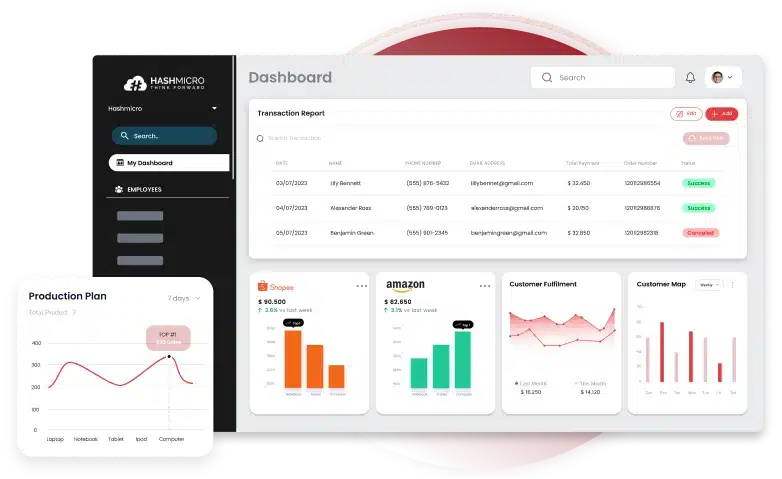
HashMicro is a cloud-based ERP system for FMCG businesses that was originally founded in Singapore but has now expanded globally to help enterprise companies in the fast-moving consumer goods (FMCG) industry.
For those seeking to understand the software better, this company offers a no-commitment free demo, allowing businesses to explore its features firsthand.
HashMicro FMCG software offers superior features that can help you beyond the standard FMCG management, such as automated inventory tracking, real-time stock updates, and optimized distribution planning. This software will be a huge advantage for simplifying tasks like supply chain management and demand forecasting.
Furthermore, HashMicro FMCG software excels in multi-warehouse and multi-distribution operations, real-time product tracking, and automated customer follow-up.
It also seamlessly integrates with other modules, such as CRM, accounting software, sales force automation, and logistics management. This gives you a clearer view of your operations and helps you make better decisions.
Below are some of HashMicro’s key features:
- Inventory Management: HashMicro helps you track inventory levels, reduce stockouts, and improve order fulfilment efficiency.
- Customer Management: The CRM module helps you manage customer interactions effectively, leading to increased customer satisfaction and loyalty.
- Sales Operations: This software helps manage sales processes and track your sales team’s performance to ensure they meet targets, which is important, especially in industries like FMCG, where sales are crucial.
- Automate Financial Transactions: HashMicro’s software can automate your company’s financial transactions for full transparency and accurate records.
- Maintain Stock Availability: The inventory module helps you maintain stock availability.
- Supply Chain Management: HashMicro provides real-time visibility into supply chain operations.
- Retail Billing Software: HashMicro FMCG billing software emphasizes inventory defects in advance, helping you identify and resolve issues before they become major problems.
| Pros | Cons |
|
|
Ready to transform your business with ERP solutions? Click here to calculate your custom pricing and see how amazing innovation can be.
2. Oracle FMCG Solution
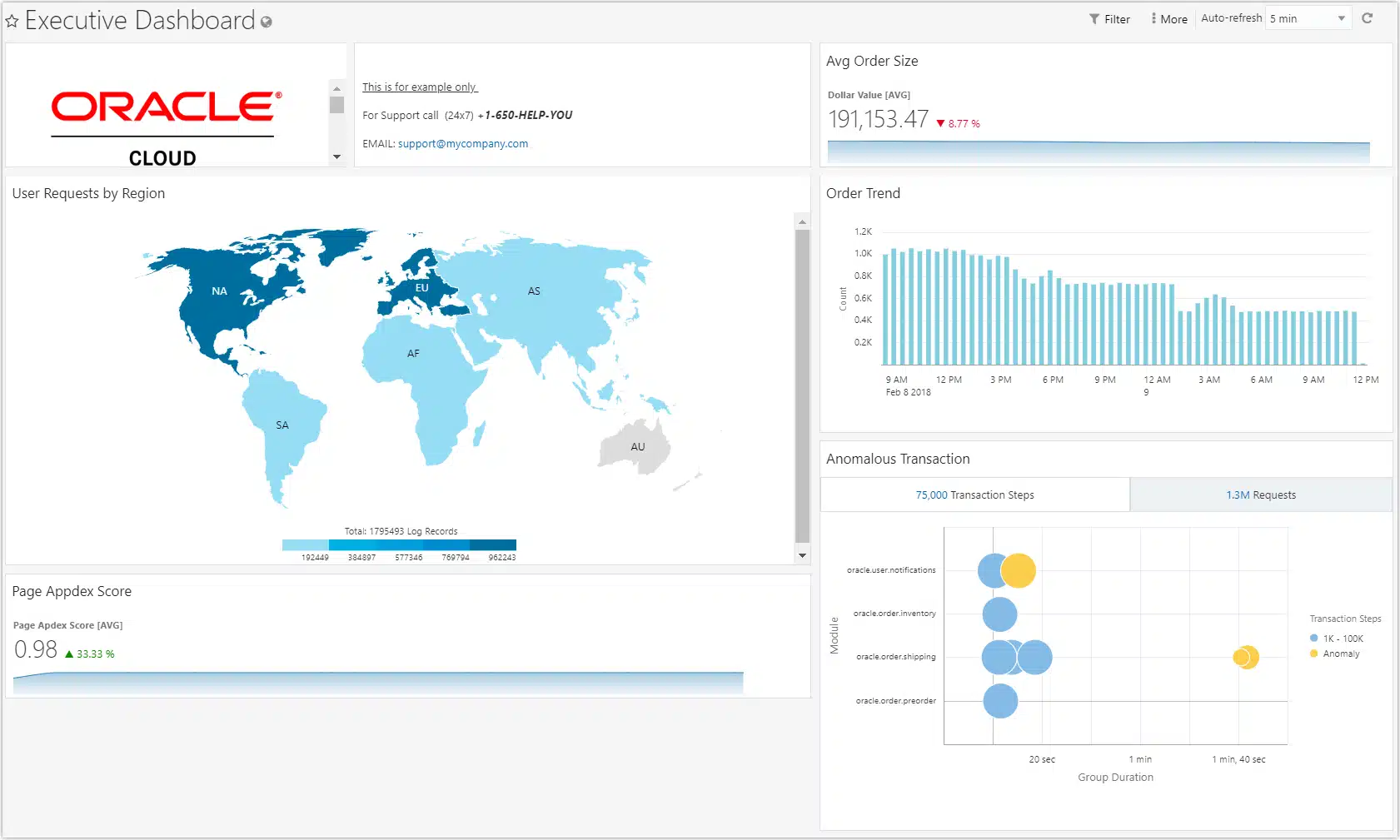
Oracle Retail Cloud Services provides a comprehensive cloud infrastructure platform for FMCG businesses to strengthen their merchandising core. With Oracle Retail Merchandising Cloud Service, retailers can manage and control crucial merchandising activities, including inventory management, replenishment, and financial tracking.
Features:
- Approval process workflows and tracking
- Revision management
- Data model
- Reporting and analytics
- Real-time data
| Pros | Cons |
|
|
3. SAP FMCG Software
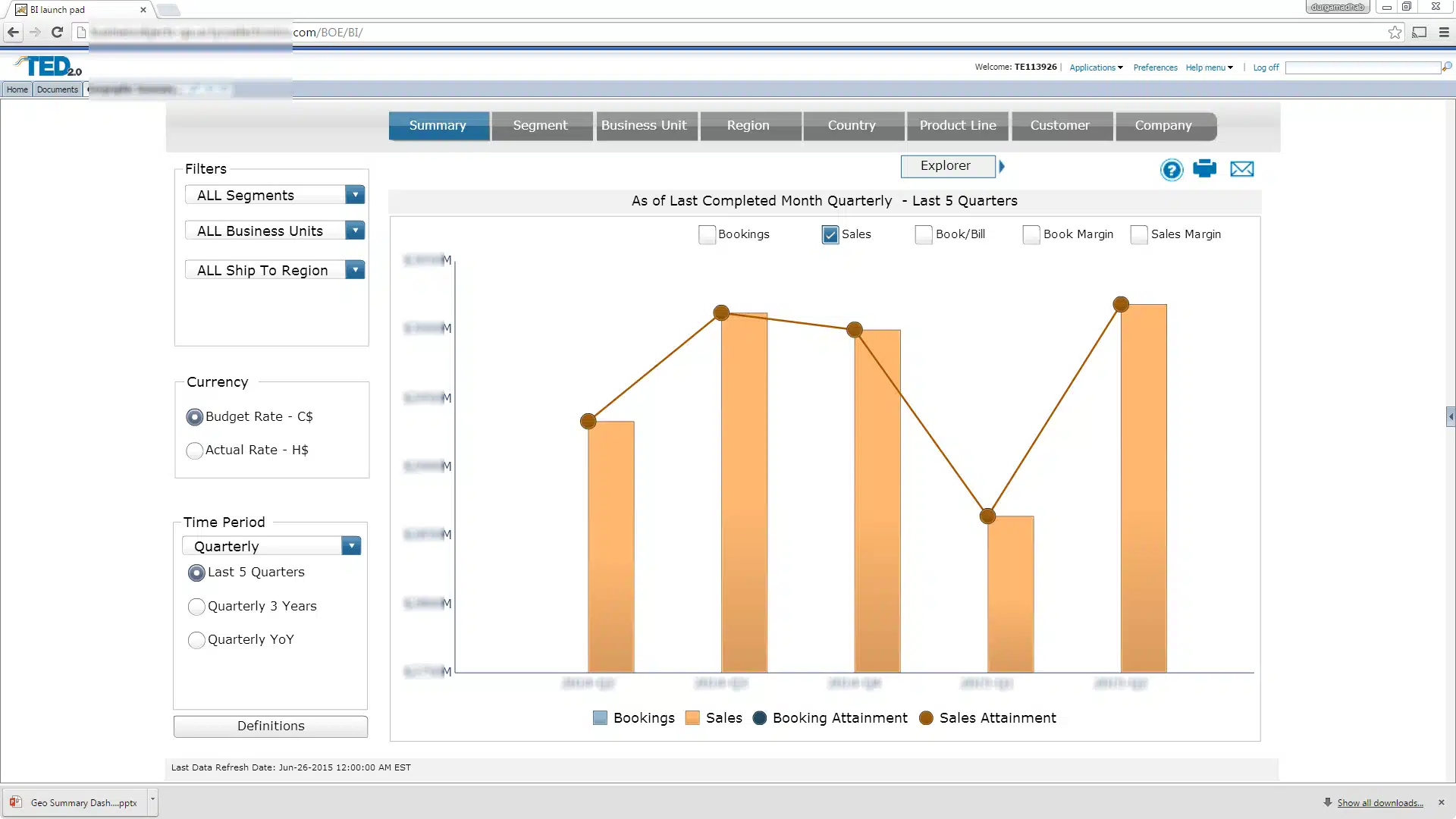
SAP is comprehensive FMCG software designed to help FMCG companies stay flexible and competitive. This software enables FMCG companies to optimize supply chain management, tailor marketing campaigns, and streamline product development.
Features:
- Production planning
- Warehouse optimization
- Inventory tracking
- Order processing
- Mobile apps
| Pros | Cons |
|
|
4. Trax Retail
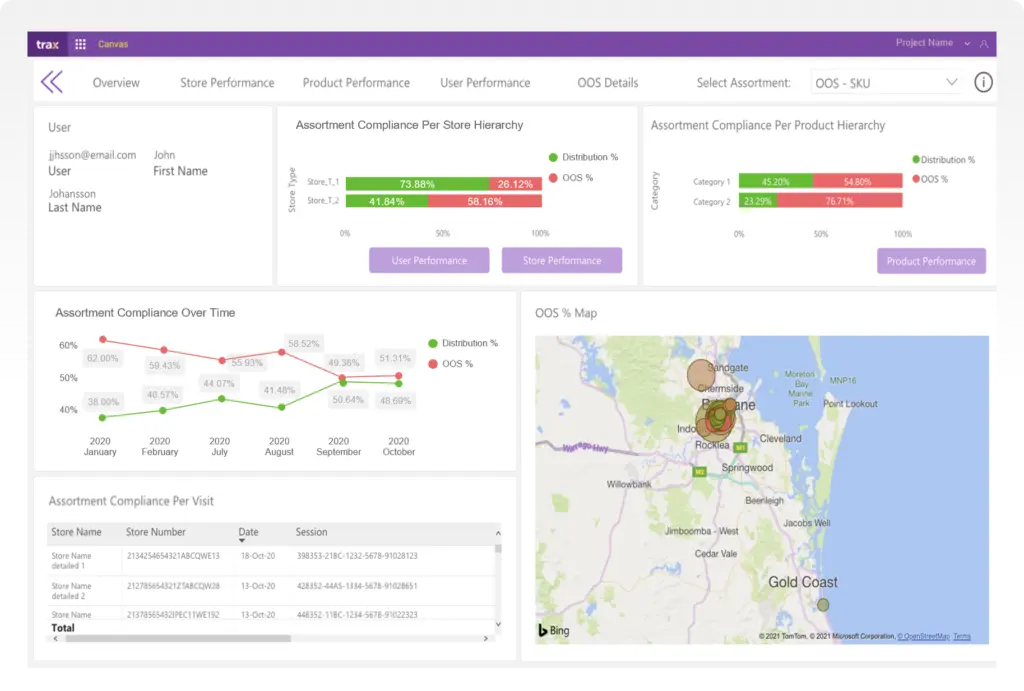
Trax Retail is a retail analytics and insights platform that helps retailers and consumer goods companies optimize their operations and improve customer satisfaction. It uses automated data collection and machine learning algorithms to provide real-time insights on-shelf availability, pricing, and promotions.
Features:
- Automated data collection
- Real-time insights
- Machine learning algorithms for predictive analytics
- Retail analytics and insights platform
| Pros | Cons |
|
|
5. Gofrugal FMCG Software
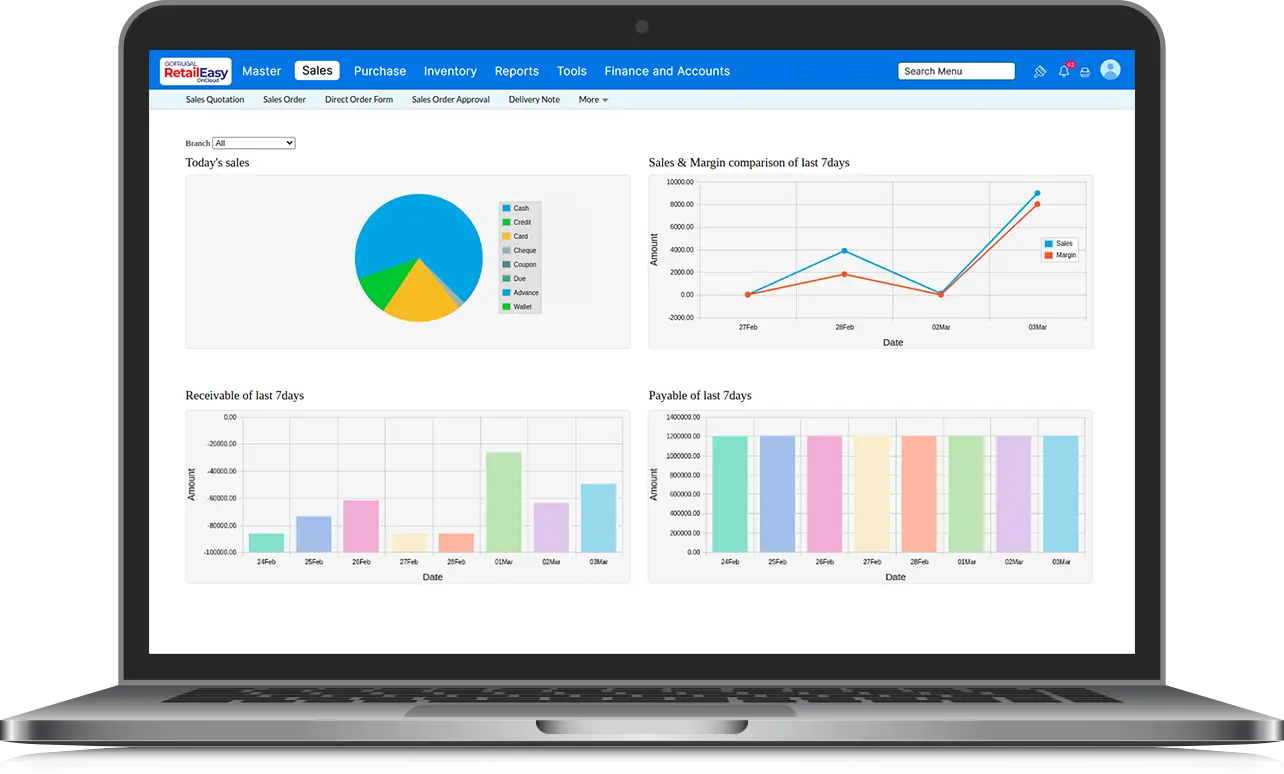
GoFrugal is cloud-based FMCG management billing software. It aims to streamline business operations, boost efficiency, and improve customer satisfaction. Key features include real-time business intelligence, mobile apps, and cloud-based solutions.
Features:
- Inventory management
- Customer relationship management
- Real-time data visibility
- Mobile apps
| Pros | Cons |
|
|
6. ERPNext
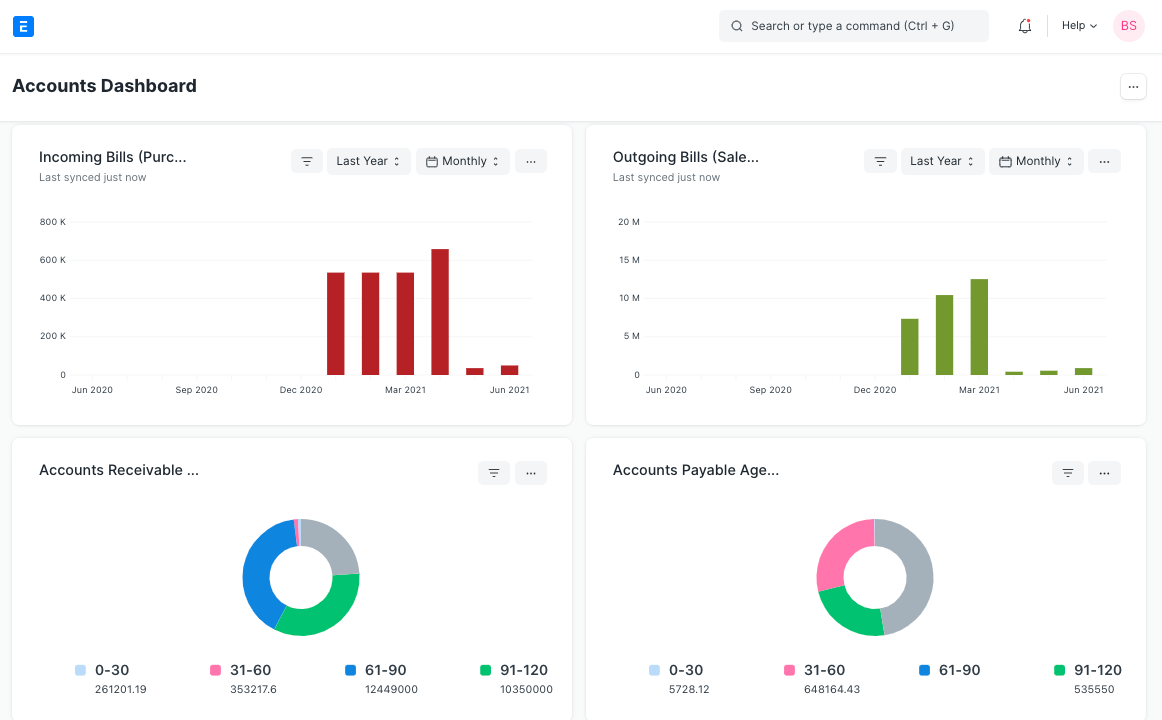
ERPNext is an open-source FMCG ERP software designed to assist businesses in managing various aspects of their operations, including FMCG management. It offers a range of features to streamline business processes, improve efficiency, and reduce costs.
Features:
- Manufacturing management
- Website management
- Production planning
- Inventory management
| Pros | Cons |
|
|
7. Focus Softnet FMCG ERP Software
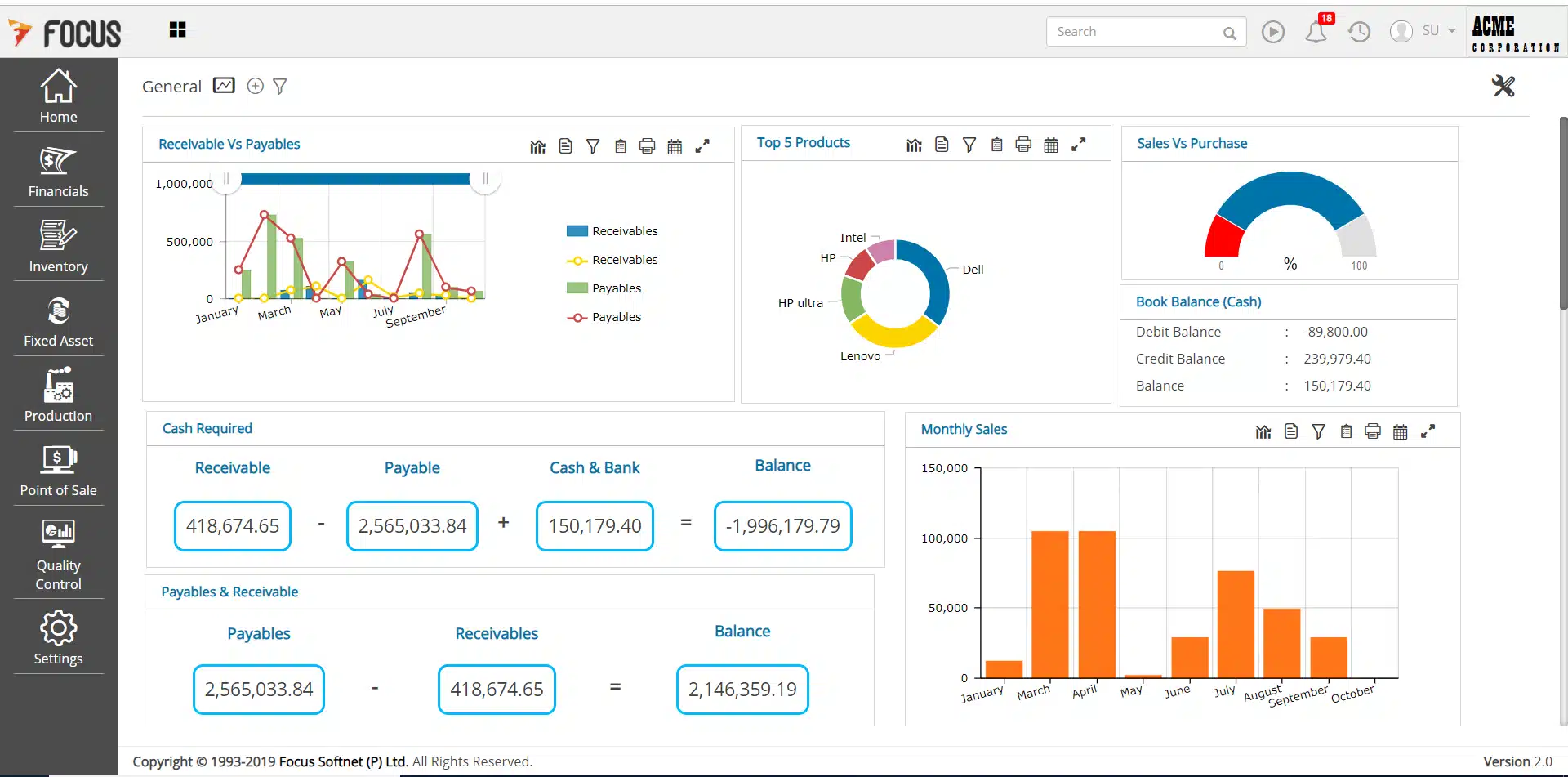
Focus Softnet is ERP software for FMCG company, which helps optimize their operations. Its ERP software, Focus 9, is designed to meet the specific needs of the FMCG industry, offering a range of features to manage various aspects of business operations.
Features:
- Inventory management
- Supply chain management
- Financial management
- Regulatory compliance reporting
| Pros | Cons |
|
|
8. IBM Sterling WMS
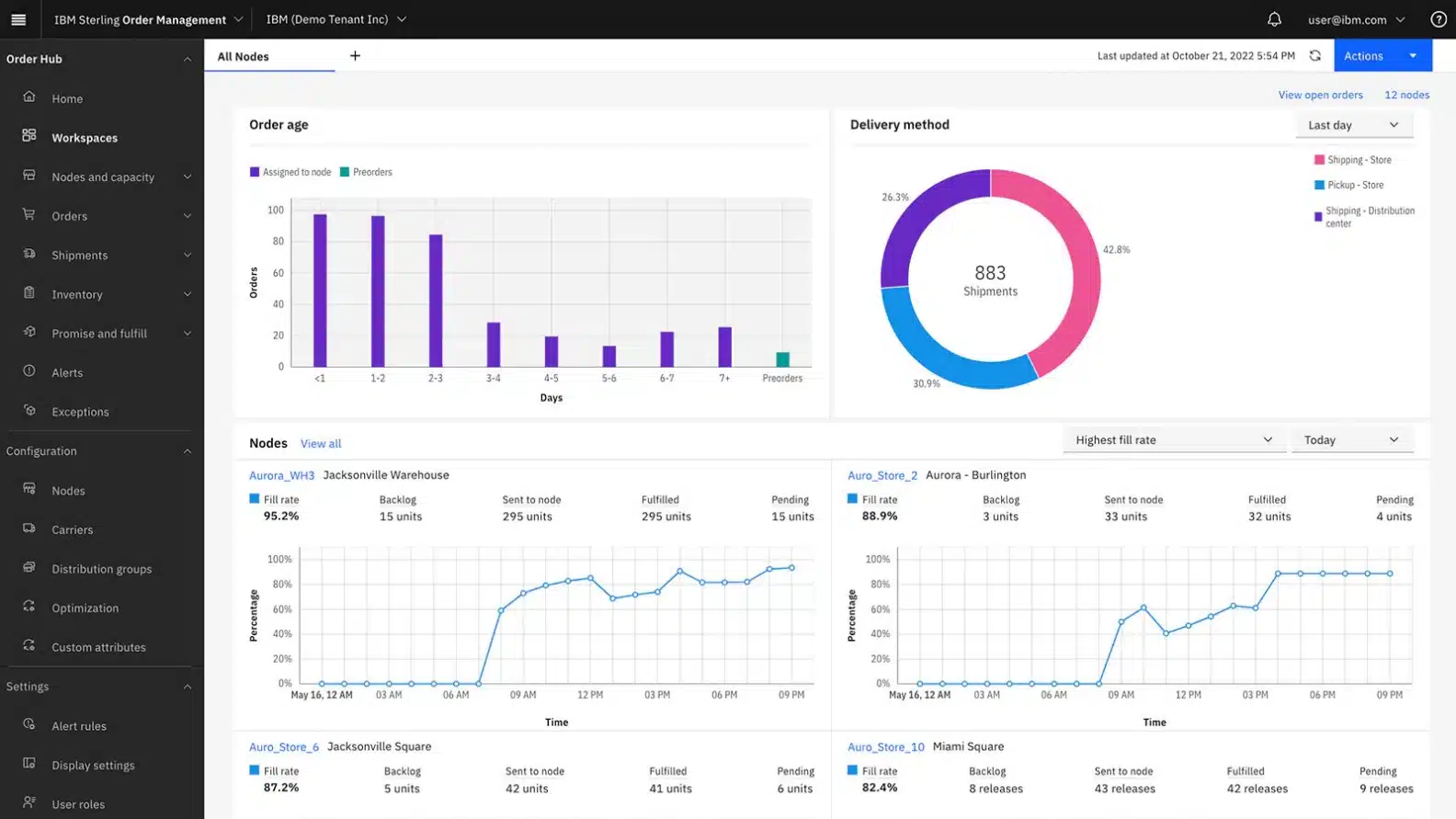
IBM Sterling WMS (Warehouse Management System) is FMCG wholesale billing software to help businesses optimize their warehouse operations and improve supply chain efficiency. It offers a range of features to manage inventory, orders, and shipments.
Features:
- Inventory management
- Order management
- Shipment management
- Supply chain optimization
| Pros | Cons |
|
|
9. Microsoft Power BI
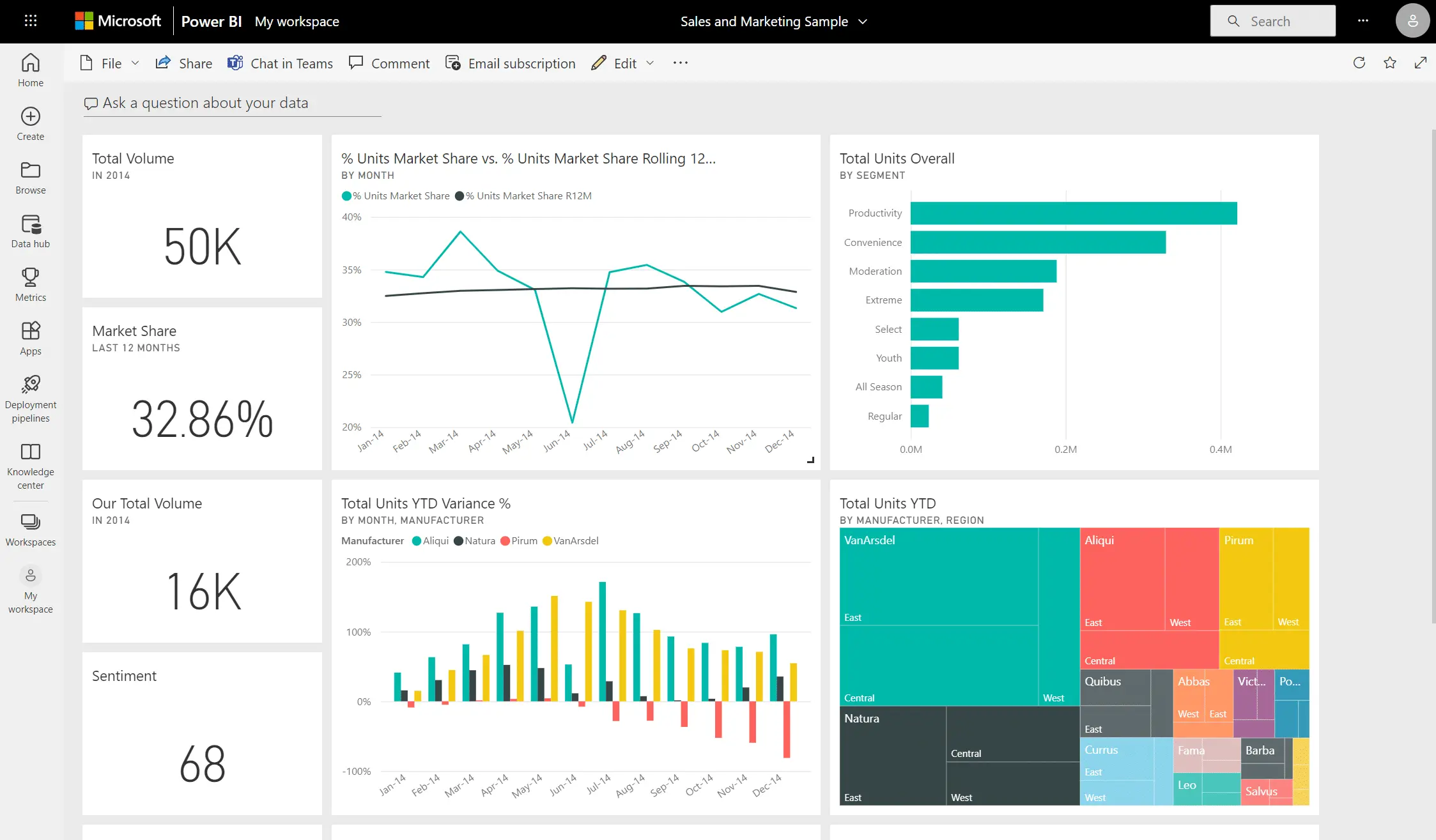
Microsoft Power BI is a business intelligence tool that helps FMCG (Fast-Moving Consumer Goods) businesses gain real-time insights for decision-making. It offers a range of features to streamline business operations and improve supply chain efficiency.
Features:
- Unified analytics
- Supply chain dashboard
- Campaign analysis dashboards
- Finance dashboards
- Data visualization
| Pros | Cons |
|
|
10. RetailGraph FMCG Solution
RetailGraph is a complete retail and distribution management system that helps FMCG businesses manage their retail operations efficiently. It offers a range of features, including a robust customer management system, analytics, and developer API, to streamline business operations and improve customer satisfaction.
Features:
- Catalog management
- Customer management
- Accounting management
- Email integration
- Billing & invoicing
| Pros | Cons |
|
|
Tips on Choosing the Best FMCG Software
Selecting the ideal FMCG software for your business in the Philippines can be daunting. Since many FMCG solutions are built on top of ERP software in the Philippines, understanding the broader ERP landscape can help you compare providers more effectively. Each provider offers a unique set of features, catering to specific business needs with various pricing plans that differ in user count, features, and so forth.
To simplify your search, consider these key factors when choosing the best FMCG production ERP software — or even a broader retail ERP software — for your business.
- Budget: When choosing FMCG software, consider your monthly budget and potential savings. Review pricing plans to ensure you get the necessary features without hidden fees.
- Features: Identify the core features you need, such as inventory management and supply chain tracking. Ensure the software meets your industry requirements and integrates with other tools.
- Scalability: Choose FMCG software that grows with your business, offering flexibility and customization. This will save you time and resources in the long run.
- Integration: Look for software that integrates seamlessly with other systems, reducing manual entry and errors. This enables more effective supply chain management.
- Security: When choosing FMCG software, prioritize data security. Look for providers with certifications like ISO to ensure the highest security standards.
Conclusion
Choosing the right FMCG software requires careful evaluation of your business’s unique needs, operational scale, and long-term growth plans. With numerous vendors in the Philippine market offering different capabilities, the key is to prioritize solutions that align with your core requirements — whether that’s inventory accuracy, supply chain visibility, financial management, or a combination of all three.
Ultimately, the best FMCG software is one that integrates seamlessly into your existing workflows, scales as your business grows, and delivers real-time insights that support faster, data-driven decisions. Taking advantage of free trials or demos from multiple providers can help you compare options and find the right fit before committing.
To further optimize your FMCG operations beyond software selection, explore how a well-structured distribution management system can strengthen your end-to-end supply chain and improve product delivery efficiency.
FAQ About FMCG Software
-
What is FMCG application?
Fast-Moving Consumer Goods (FMCG), also known as Consumer Packaged Goods (CPG), are products that are sold quickly and at a relatively low price. The FMCG sector is defined by high sales volume, rapid inventory turnover, and a wide range of products designed to meet consumer demands.
-
What is FMCG data?
FMCG Data encompasses information related to the Fast-Moving Consumer Goods industry. This includes data on products, sales, distribution, consumer behavior, market trends, and other elements that impact the FMCG sector.
-
What is ERP in FMCG?
ERP solutions are crucial for FMCG businesses, facilitating the smooth integration and automation of essential processes. These systems transform every aspect of FMCG operations, from demand forecasting and supply chain optimization to order management and customer relationship management.