












Running a supermarket in the Philippines is a never-ending battle. Keeping shelves stocked, ensuring fast checkouts, and dealing with customer demands. The industry is cutthroat, and one mistake, like a pricing error or stock-out, can send customers straight to your competitors.
Forward-thinking supermarket owners are already transforming their businesses with an Enterprise Resource Planning (ERP) system. This all-in-one solution automates operations, eliminates inefficiencies, and gives real-time insights into sales, inventory, and customer behavior.
Imagine never running out of bestsellers, streamlining your checkout process, and optimizing pricing. So, what is the right move? Keep reading to discover how ERP can change how you do business!
Key Takeaways
|
Table of Contents
What is ERP for Supermarket?
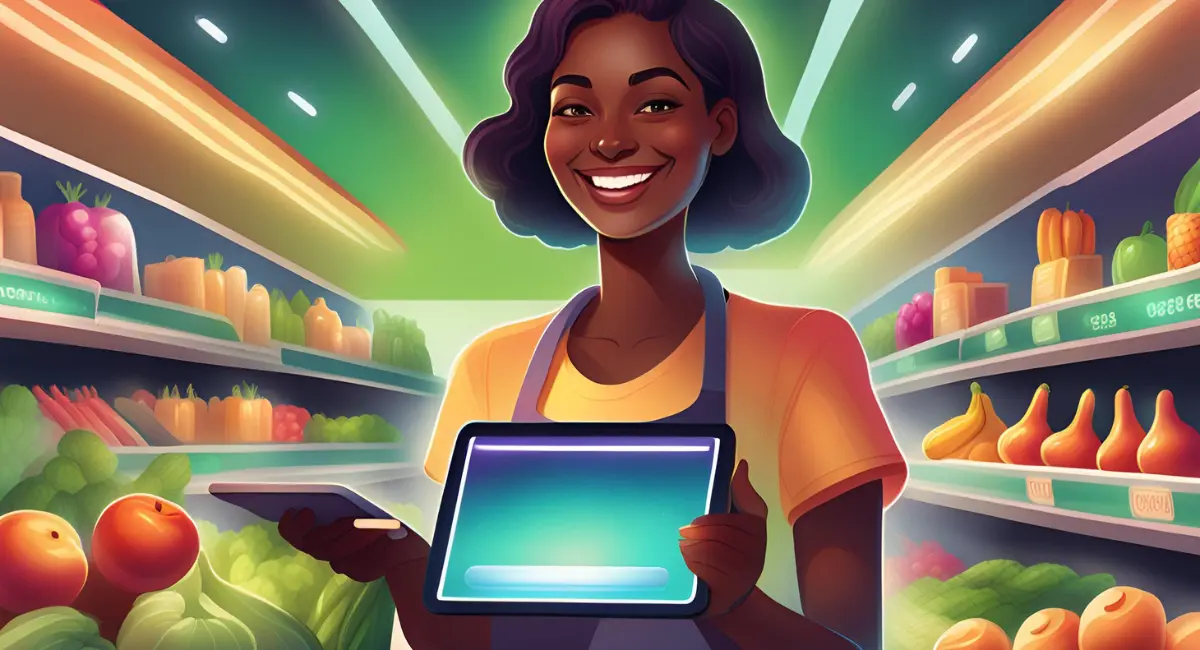
An Enterprise Resource Planning (ERP) system is business software that helps supermarkets manage and integrate different operations. It automates tasks, connects departments like sales, inventory, and finance, and ensures seamless workflows for better efficiency and decision-making.
In the supermarket industry, staying competitive means embracing digital solutions. Customers expect quick checkouts, accurate prices, and personalized offers, making manual processes outdated. ERP software helps supermarkets meet these demands, reducing errors and improving overall efficiency.
Benefits of Implementing ERP for Supermarket
Managing a supermarket involves juggling inventory, sales, and staff. Without the right tools, inefficiencies pile up, leading to lost revenue and customer frustration. Here’s how ERP transforms supermarket management:
- Smarter Inventory Control – Track stock in real time, prevent shortages, and automate restocking to optimize inventory levels.
- Faster Procurement & Supplier Management – Automate purchase orders, negotiate better deals with data insights, and ensure timely restocking.
- Seamless Sales & POS Integration – Sync sales data instantly, speed up checkouts, and access real-time reports to boost sales.
- Better Customer Engagement – Use centralized CRM to personalize promotions, improve loyalty programs, and increase repeat purchases.
- Hassle-Free Pricing & Promotions – Automate pricing updates, eliminate cashier errors, and track promotional success effortlessly.
- Stronger Financial & Accounting Management – Automate billing, invoicing, and reporting for accurate budgeting and reduced errors.
- Optimized HR & Workforce Management – Automate payroll, scheduling, and attendance tracking to improve efficiency and reduce labor costs.
With ERP, supermarkets operate smoothly, cut costly mistakes, and enhance customer experience. Investing in ERP is about upgrading software and securing long-term success in a competitive industry.
7 Reasons ERP for Supermarket is Crucial
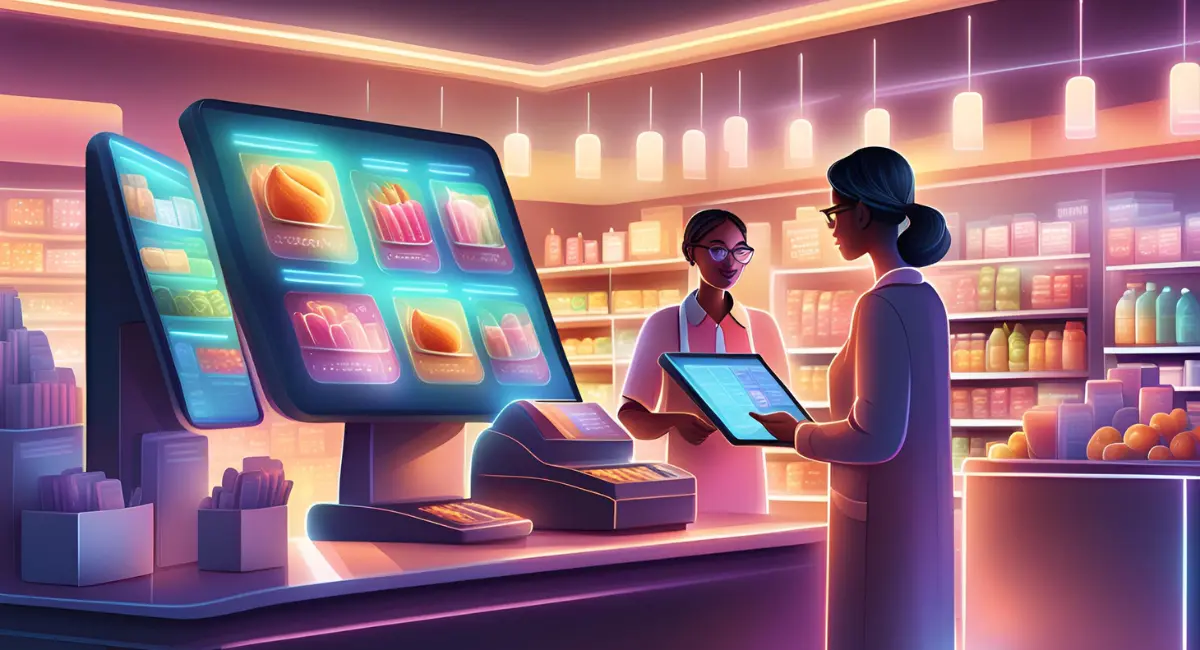
Now that we’ve discussed what is and have seen a glimpse of the benefits ERP software brings to supermarkets, here are 7 reasons why your supermarket might need an ERP system:
1. Reliable Business Information
Business data comes from various divisions, such as inventory, sales, procurement, and other operational processes. A supermarket’s management benefits from real-time, accurate, and relevant information, allowing for quicker and more informed business decisions.
An ERP system consists of multiple integrated applications. A centralized database helps supermarkets navigate competition, fluctuating demand, and other business challenges. ERP simplifies business planning, strengthens control, and increases profitability.
2. Improved Inventory Management
An ERP system provides detailed information about all products, including stock availability and when to restock. One of the most valuable tools for supermarkets and retailers is inventory forecasting.
With an ERP system, you can analyze past shopping trends and optimize stock levels to meet customer demand. This data-driven approach helps prevent overstocking or understocking, ensuring better inventory control.
3. Efficient Inventory Procurement
With an ERP system that integrates purchasing with inventory management, you can receive automatic notifications when stock levels are low.
Internal purchase requests also become more streamlined. Staff can input the required stock, and managers can approve purchases directly within the system. Once approved, purchase orders are automatically sent to vendors, saving time and simplifying procurement.
4. Faster Payment Processing
Most supermarkets already use POS (Point-of-Sale) systems, which automatically record sales transactions. This simplifies employee tasks and reduces human errors.
A POS system speeds up transactions, minimizes customer wait times, and provides real-time sales data. The system stores all transaction data in a centralized database, making it easier for management to monitor supermarket performance across multiple branches.
5. Centralized Customer Management
An ERP system allows you to manage customer relationships efficiently, helping supermarkets retain and attract new customers.
As mentioned earlier, ERP systems record customer purchase data. This data enables supermarkets to analyze trends and develop targeted promotions for a personalized shopping experience.
6. Easy Price and Discount Calculation
ERP systems automate product price tracking and discount management. This makes checkout processes faster and more accurate.
With features like automated multiple promotion management, supermarkets can apply multiple promotions in a single transaction. This eliminates confusion for cashiers when calculating discounts, ensuring a seamless checkout experience.
7. Seamless Integration with Other Business Modules
Supermarkets require multiple interconnected business channels to ensure smooth operations. An ERP system integrates all these functions into a unified platform, enabling seamless data sharing across departments.
No more manual memo exchanges between departments—updates are instantly accessible in the system. Employees can access data anytime, improving communication and operational efficiency.
ERP Deployment: Cloud, On-Premise & Hybrid

When implementing an ERP system for supermarket there are usually two ways it operates: either through a cloud provider or a local server, sometimes both. Both the new online and traditional on-site ERP system have their own benefits and drawbacks. Which system fits your store the best depends on the needs and infrastructure of your supermarket:
1. Cloud ERP
Cloud ERP is an ERP system hosted by a third-party vendor or cloud provider that runs its own remote infrastructure. Clients access the centralized ERP system via the internet. This mode of deployment is the best fit for supermarkets with multiple branches that are expanding rapidly. The cloud system enables supermarkets to easily and quickly roll out new changes and to acquire up-to-date data for all stores. Cloud ERP is also a great system for those with simpler maintenance.
Pros
- Lower need for maintenance
- Faster implementation and easier to scale new stores
- Automatic updates and regular security patches
- Centralized control on all supermarket branches
Cons
- Depends on internet reliability
- Less control over update timing
- Limited customization
- Data complication
2. On-Premise ERP
Before the invention of cloud ERP, supermarkets had to host their own server. Their IT teams had to handle the security, updates, backups, and infrastructure maintenance all by themselves. Though one might think this ERP deployment is obsolete there are still benefits from implementing this type of system.
Supermarkets that desire to operate with a strict internal IT security would appreciate the complete control of On-premise ERP. It also allows supermarkets to create heavy customization to the system, and deep integration with the older system would be less of a problem. It’s also a great alternative for supermarkets with frequent internet latency issues.
Pros
- Maximum control over data, infrastructure, and update timing
- Allows heavy customization and integrates better with older systems
- Can be designed to keep critical self-service terminal local
- No requirement for internet connection
Cons
- Higher upfront costs
- Slower upgrades
- Constant maintenance that falls on your IT team
- Scaling across branches requires more planning, work, time, and money
3. Hybrid ERP
Hybrid ERP combine both deployment types. It is common for business that is in the process of modernizing to have part of the system runs in the cloud while other components still stays in local servers. It could due to certain system that must kept internally either for operational or policy reason.
Often the cloud layer handles centralized data and reporting while local systems runs essential store operations. Supermarket that rely on POS legacy can still do daily transactions while in the process of modernizing. It it also useful for businesses that need some local control yet still getting the benefits of a cloud system.
Pros
- Legacy system can still operate even during a process of upgrading the system
- Flexible use of both cloud and local system
- Can reduce risk during rollout across stores and warehouse.
Cons
- More complex integration, data syncing requires more care
- More moving parts to monitor and support
- Risk of inconsistent data if master governance is weak
- Slower troubleshooting due to issues between system
Conclusion
An ERP system is software that integrates business processes to improve efficiency, decision-making, and customer experience. It centralizes inventory, sales, finance, and operations, helping supermarkets manage stock, track sales, and optimize workflows seamlessly.
An ERP system can be varied with different deployment types. There are supermarkets that use cloud base system while others keep their local servers, and there are even those who combined both. Each system has its pros and cons; for that reason, a supermarket must adopt the best ERP system.
FAQ Around ERP for Supermarket
-
Which software is best for a supermarket?
The best software for a supermarket is an ERP system that integrates inventory, sales, finance, and customer management. HashMicro’s ERP is an ideal choice as it automates workflows, provides real-time insights, and enhances operational efficiency.
-
What technology does a supermarket use?
Supermarkets use ERP, POS, and inventory management systems to automate operations, track stock, and optimize sales. Advanced features like automated purchase orders, loyalty programs, and financial reporting help improve efficiency and customer experience.
-
What system do supermarkets use?
Supermarkets use ERP systems to manage inventory, procurement, sales, and financial processes efficiently in a centralized platform. Many also rely on POS systems to speed up transactions and sync real-time sales data with inventory.