















Poor inventory management quietly drains profitability through overstocks, stockouts, and obsolete goods that rarely show up as a clear line item. For businesses in the Philippines managing tight margins, these inefficiencies compound quickly.
A survey by Coresight Research found that inventory misjudgments, such as overbuying or choosing the wrong products, contribute to approximately 53% of unplanned markdown costs in retail.
This article covers 13 practical tips for streamlining inventory management and reducing the operational risks that come with poor stock control.
Key Takeaways
Effective inventory management is important for maintaining operational efficiency and profitability.
Effective inventory management drives growth and helps prevent overstocking and stockouts. Explore these practical tips to improve efficiency and control.
Outdated systems can limit efficiency. If you’re experiencing stock discrepancies, lack of real-time visibility, or too many manual processes, it may be time to upgrade.
Why Inventory Management is Important for Business
Understanding inventory management is crucial for maintaining accuracy and keeping supply chain operations effective. This function ensures product sourcing decisions are well-informed and that inventory turnover rates stay optimal to sustain business operations.
Key aspects include tracking SKUs, monitoring quantities on hand, and maintaining detailed records of product costs and pricing. These elements form the backbone of strategic decision-making and directly impact operational efficiency and profitability.
| Component | Description | Impact on Business |
| Inventory Accuracy | Ensures stock levels match records | Reduces financial losses due to inventory discrepancies up to 25% |
| Product Sourcing | Selective procurement aligning with business goals | Improves the quality and cost-effectiveness of inventory by 15-30% |
| Inventory Turnover | Rate at which stock is used or sold | Optimizes storage and reduces holding costs by 20% |
| Supply Chain Integration | Real-time data sharing across platforms | Enhances operational responsiveness and agility up to 35% |
Read also: Pharmacy Inventory Management System
13 Tips on How to Streamline Inventory Management
Effective inventory management holds the key to scalable business growth, allowing firms to avoid common pitfalls such as overstocking or underordering. Here are several tips to maximize your inventory management efficiency.
1. Implement an Inventory Management Software
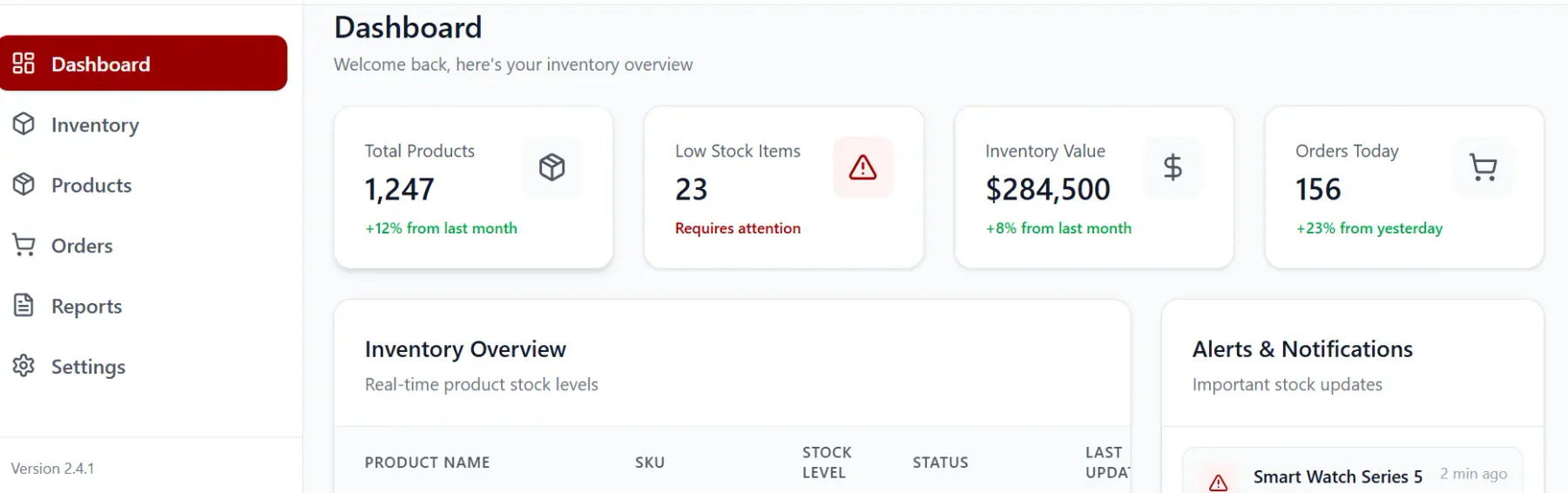
Automating inventory management reduces human errors and saves significant time. Automated tools track stock levels in real time, alerting teams when supplies need replenishing and eliminating the need for manual stock counts that are time-consuming and prone to mistakes.
By integrating inventory software with Point-of-Sale (POS) and purchasing systems, businesses can maintain a constant overview of stock levels and reorder automatically when quantities reach their minimum threshold. This ensures critical items are always available and reduces the risk of operational disruptions from unexpected stockouts.
For businesses looking to move beyond spreadsheets, exploring a dedicated cloud inventory management system is a practical next step toward more accurate and automated stock control.

2. Adopt Just-In-Time (JIT) inventory
Just-In-Time inventory aims to reduce the costs associated with holding stock by receiving goods only as they are needed in the production process. This approach minimizes the amount of inventory that must be stored and managed, reducing overhead costs and increasing efficiency. However, it requires precise coordination with suppliers and an accurate demand forecasting system to avoid stockouts that could halt production.
3. Regularly review stock levels
Conducting regular reviews of your stock helps identify slow-moving or obsolete items that can tie up capital and storage space. Regular analysis allows you to adjust purchasing decisions based on sales trends and customer demand, optimizing your inventory levels. This proactive approach ensures that your capital isn’t tied up in unnecessary stock and helps in maintaining a lean inventory.
4. Improve demand forecasting
Accurate demand forecasting is essential for effective inventory management in e-commerce. By analyzing sales trends, market conditions, and seasonality, businesses can better predict demand, reduce overstock and stockouts, and improve stock decisions. Advanced AI-powered tools further enhance accuracy and efficiency.
5. Use ABC analysis

Segment your inventory using ABC analysis to prioritize management efforts based on the impact on total inventory cost. ‘A’ items are high-value with a low frequency of sales, ‘B’ items are moderate value and moderate sales frequency, and ‘C’ items are low value but high frequency. This method helps focus your resources on managing the most impactful items, reducing the time and capital spent on less critical products.
6. Implement cycle counting
Instead of a full physical inventory count, implement cycle counting where a subset of inventory, in specific locations, is counted on a rotating schedule. This approach can identify and correct discrepancies more frequently and maintain accurate inventory reports without the disruption of a full inventory count. It’s a less disruptive way to ensure accuracy in stock levels throughout the year.
7. Enhance supplier relationships
Building strong relationships with your suppliers can lead to more reliable lead times, better prices, and preferential treatment in critical situations. Regular communication and joint efforts to improve processes can help in streamlining the supply chain, thereby enhancing inventory management. This collaborative approach can also open up opportunities for drop shipping, which reduces the need to hold large amounts of stock.
8. Optimize warehouse layout

Optimizing warehouse layout improves inventory efficiency. Place fast-moving items near packing areas and keep pathways clear to speed up picking and order fulfillment. Consider technologies like AS/RS to maximize space and retrieval efficiency.
9. Employ mobile technology
Using mobile devices equipped with barcode scanners and inventory management apps can increase the accuracy of tracking inventory. This technology allows real-time updates to your inventory system directly from the warehouse floor, enhancing data accuracy and employee productivity. Mobile technology also facilitates easier and faster stock takes and order processing.
10. Set par levels
Setting PAR levels, the minimum amount of product that must be on hand at all times, ensures stock never runs out while avoiding overordering. PAR levels should be reviewed regularly to adjust for changes in demand, seasonality, and other factors influencing inventory needs. This practice simplifies ordering and can be automated within most inventory systems.
11. Focus on quality control
Implementing rigorous quality control procedures can prevent defective goods from entering and remaining in your inventory. This reduces the costs associated with returns and lost sales due to poor quality. Regular audits and checks at different stages of the inventory process ensure that issues are caught early and addressed promptly, maintaining the integrity of your stock.
12. Utilize dropshipping
Dropshipping allows you to sell products directly from suppliers to your customers without holding them in your inventory. This model can significantly reduce inventory costs and risks associated with unsold stock. It’s ideal for expanding product offerings or testing new markets with minimal investment. However, you must ensure that your suppliers are reliable and can meet your standards for customer service and delivery times.
13. Train your staff
Well-trained staff are essential for effective inventory management. Ensuring all employees understand how to use inventory tools, systems, and procedures improves operational efficiency and accuracy. Regular training updates directly impact customer satisfaction and overall business performance.
Signs Your Current Inventory System Needs an Upgrade
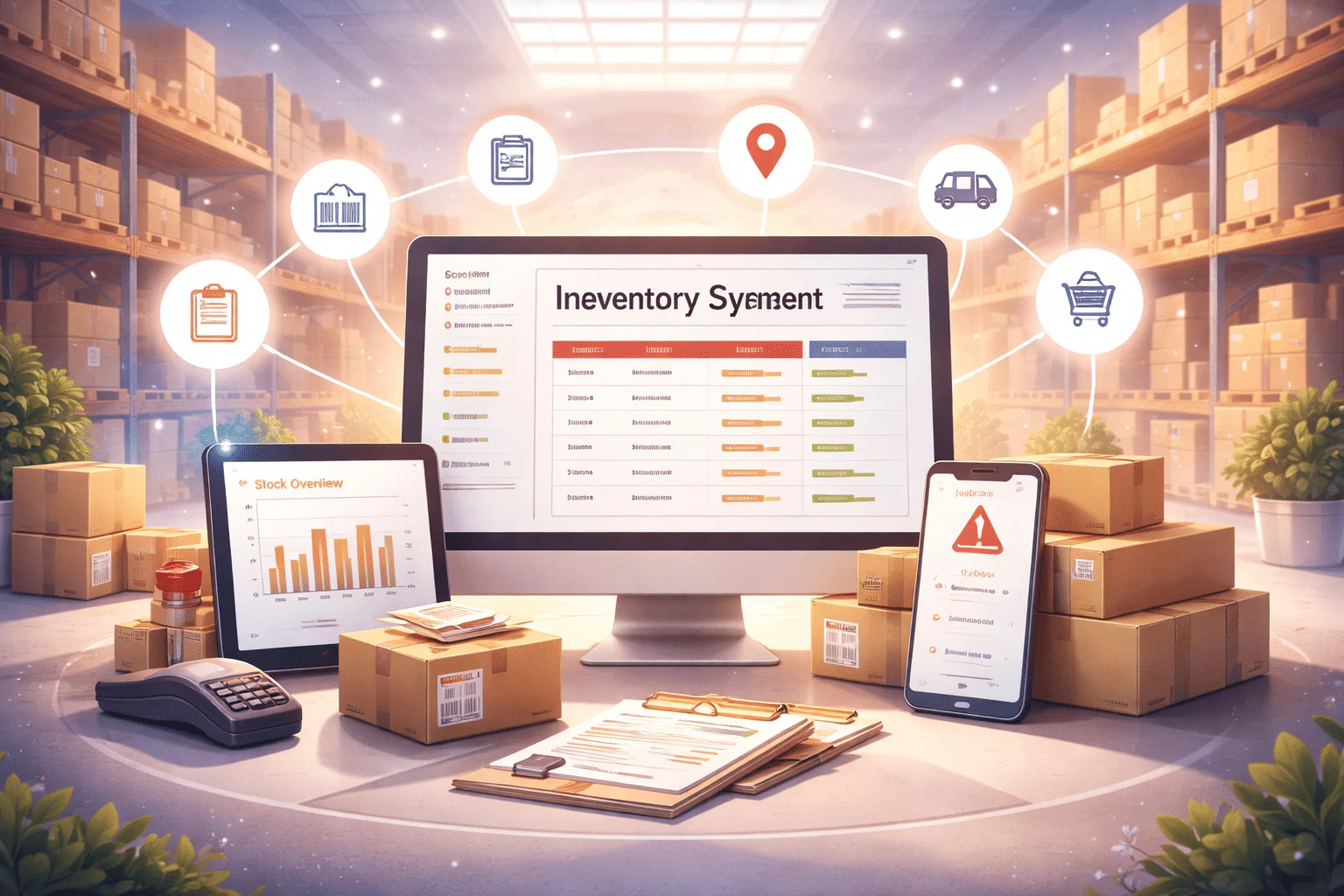
Even with good processes in place, the tools running underneath them can become a limiting factor. Recognizing the signs early helps businesses make the switch before inefficiencies start affecting operations.
Common indicators include frequent stock discrepancies that are difficult to trace, no real-time visibility across locations, manual workarounds for tasks the system should handle automatically, and month-end reconciliation that consistently takes longer than it should. If two or more of these apply, the current setup is likely holding operations back.
For businesses at that point, exploring a more capable inventory management system is a practical next step toward resolving these gaps systematically.
Conclusion
Streamlining inventory management requires a combination of the right processes, consistent monitoring, and tools that work together rather than in isolation. Applying these 13 tips helps businesses reduce waste, avoid costly stockouts, and maintain the kind of operational discipline that supports steady growth.
For businesses looking to take a more systematic approach, reviewing the best inventory management software options available in the Philippines can help identify which platforms best support the techniques covered in this article.
FAQ
Common mistakes include overstocking, understocking, relying on manual tracking, and poor demand forecasting. These issues can lead to increased costs, lost sales, and inefficient operations if not addressed properly.
Inventory should be reviewed regularly, depending on business size and sales volume. Fast-moving businesses may require weekly reviews, while others can perform monthly checks to maintain accurate stock levels and prevent excess inventory.
Tools such as inventory management software, barcode scanners, and real-time tracking systems help improve inventory visibility. These tools provide accurate data, reduce manual errors, and support better decision-making.