













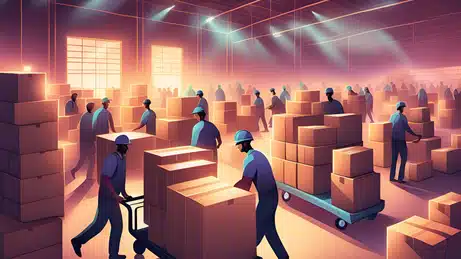
Slow moving inventory is one of the more persistent challenges Filipino businesses face, particularly in retail and distribution. When products stay on shelves longer than expected, they tie up working capital, consume storage space, and increase the risk of obsolescence. A local retailer stocking winter coats in a tropical climate is a fitting example, where unsold items take up space that faster moving products could fill.
The good news is that slow moving stock is not a dead end. With the right combination of marketing adjustments, sales tactics, display changes, and stock control practices, businesses can move excess inventory and prevent the problem from building up again.
This article covers five practical strategies Filipino businesses can apply to optimize slow moving inventory, along with the role that demand forecasting and systematic tracking play in keeping stock levels healthy over the long term.
Table of Contents
Key Takeaways
|
1. Maximize Your Marketing Strategy
 To maximize your marketing strategy, start by assessing your current efforts. Determine which strategies are working well and which aren’t. You might find that you’re not reaching your target audience effectively or that your product displays on your e-commerce site need improvement.
In addition, consider using cloud inventory management software to better align your marketing efforts with your stock levels. Review and update your product photos to make them more appealing. This can attract more potential buyers and improve your overall marketing effectiveness.
Once your product photos are updated, re-market them through social media, email campaigns, or the Google Display Network. Furthermore, utilize creative content to re-target users who previously viewed your products but didn’t purchase. This approach can help you reach interested buyers and boost sales.
2. Try to Use Multiple Sales Tactics
Moreover, incorporate a variety of sales tactics to enhance your marketing impact. Utilize different channels such as social media, email, and online ads to reach a wider audience. This multi channel approach ensures you capture potential buyers from various sources.
Additionally, leverage data to refine your sales tactics. Analyze customer behavior and engagement to tailor your messaging and offers more effectively. Understanding your audience’s preferences allows you to optimize your sales strategies for better results.
Continuously test and adjust your sales methods. Experiment with different promotional messages, visuals, and offers to see what resonates best with your audience. Regularly updating your tactics keeps your marketing fresh and relevant, driving improved outcomes over time.
3. Transform Store Displays
 To continue, changing your store displays can attract more customers. For instance, keep your displays fresh and updated to make shopping more interesting. Eye catching setups can grab attention and encourage people to look around.
Furthermore, show off key products and deal with clear displays. Use signs and arrange items to highlight your best products or special offers. Neat and appealing displays help customers find and buy what they want.
In addition, add interactive features to make shopping more engaging. Things like digital screens or product demos can draw in customers. These elements make the shopping experience more fun and help build a connection with your brand.
4. Bundle Products
Another effective strategy is to bundle slow moving products with popular items. Often, shoppers are often drawn to bundles because they offer better value than buying products individually.
Product bundles appeal to consumers as they usually cost less than buying items separately. By combining high margin products with lower margin ones can boost overall sales.
For instance, if you have many slow-moving items, consider packaging them together at a discounted price. This approach can make the bundle more attractive and help clear out excess inventory more quickly.
5. Optimize Inventory Management

Many Filipino businesses overlook warehouse management, which often leads to overstocking and wasted resources. By integrating it into your overall business strategy, you can better align inventory levels with actual customer demand and avoid holding slow-moving items longer than necessary.
Regularly tracking inventory with the support of HML analysis (High, Medium, Low value classification) helps prioritize control over high value stock. This practice also prevents unsold items from sitting too long, reducing the risk of damage or items becoming unsellable over time.
Periodic checks help identify slow moving items early and enable timely action before losses accumulate. An inventory report can further support your decisions by helping you analyze trends, adjust stock levels, and prevent unnecessary procurement that adds to the problem.
Read More: Top Construction Inventory Management Software
How to Identify Slow Moving Inventory

Identifying slow moving inventory starts with monitoring your stock turnover rate. Items that remain unsold beyond a set threshold, whether 60, 90, or 120 days depending on your industry, are generally considered slow moving. Comparing turnover rates across your product catalog helps pinpoint which items are underperforming relative to the rest of your stock.
Beyond turnover, reviewing your inventory report regularly gives a clearer picture of demand patterns and aging stock. Pairing this with HML analysis allows businesses to categorize items by value and prioritize which slow-moving stock requires the most urgent attention.
Conclusion
Addressing slow-moving inventory requires a consistent and structured approach. Filipino businesses that regularly audit their stock, apply targeted sales and display strategies, and align purchasing decisions with actual demand tend to reduce excess inventory more effectively and protect their margins over time.
For businesses looking to strengthen their overall stock management further, exploring the available inventory management software options for retailers can help identify which tools best support their day to day operations.
FAQ on Slow moving inventory
-
How does slow moving stock differ from deadstock?
Slow moving stock refers to inventory that sells more slowly than expected but still has potential to be sold with proper management. In contrast, deadstock consists of items that are no longer in demand or sellable, often due to obsolescence or outdated trends, and usually require clearance or write-offs.
-
What is the accounting treatment for slow moving inventory?
The accounting treatment for slow moving inventory includes adjusting its carrying value to its net realizable value (estimated selling price minus selling costs) to reflect potential losses. Companies also create an inventory reserve or allowance to anticipate future losses, which is recorded as an expense and impacts financial statements. Additionally, regular inventory reviews are conducted to identify slow-moving items, update records, and ensure that financial reports accurately reflect current values, risks, and potential losses.
-
What is a slow moving inventory reserve?
A slow moving inventory reserve is a financial provision set aside to cover potential losses from inventory that may not sell within the normal cycle, helping businesses account for depreciation or obsolescence and maintain accurate financial statements.