













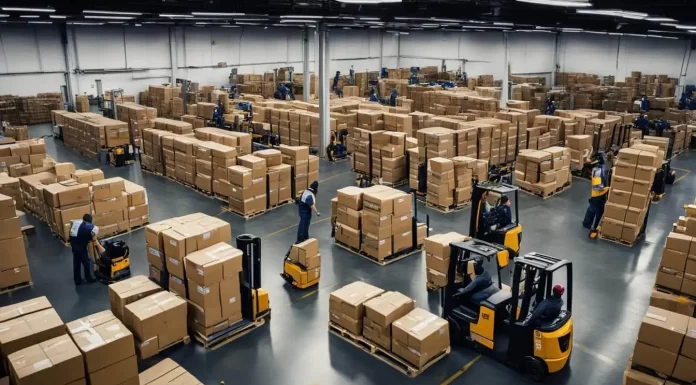
Retail warehouse optimization is a key driver for Philippine businesses to reduce costs, speed up fulfillment, and improve customer retention. However, many retailers still overlook it, leading to inefficiencies such as slow picking, poor inventory visibility, and wasted space that impact overall performance.
This article explores retail warehouse optimization in the Philippine context, covering warehouse models, operational strategies, technology integration, common challenges, and sustainable practices for long-term efficiency.
Table of Contents
Key Takeaways
|
Understanding the Retail Warehousing Landscape in the Philippines
The retail warehousing landscape in the Philippines has evolved rapidly, driven by economic growth, rising consumer demand, and technology adoption. Retailers now use automation, AI-powered inventory systems, and real-time tracking to improve efficiency, making effective warehouse inventory management essential to stay competitive.
However, the Philippines’ geography presents unique challenges. Distributing goods across more than 7,000 islands requires logistics strategies that consider infrastructure gaps, regional routes, and longer last-mile delivery times. Businesses that adapt their warehousing models to these conditions build more resilient and cost-effective supply chains.
Types and Benefits of Different Retail Warehouse Models
Businesses in the Philippines can choose from various retail warehouse models, each designed to support different operational needs and improve efficiency. Here are the main types and their benefits:
| Retail Warehouse Model | Description & Benefits |
|---|---|
| Centralized Warehouses |
|
| Decentralized Warehouses |
|
| Public Warehouses |
|
| Private Warehouses |
|
Key Strategies for Retail Warehouse Optimization
To maximize efficiency in retail warehouse operations, businesses need to implement effective optimization strategies. Adopting lean warehousing practices helps reduce waste, streamline processes, and improve overall performance.
Here are some key strategies to consider:
- Effective Inventory Management: Accurate inventory management is essential for efficient warehouse operations. Implementing inventory control systems, conducting regular audits, and utilizing real-time tracking can help you optimize your inventory levels and minimize stockouts.
- Optimized Layout and Storage: Analyze and optimize your warehouse layout to ensure that it promotes efficient movement of goods and minimizes unnecessary travel distances. Utilize vertical space and consider implementing automated storage and retrieval systems to maximize storage capacity.
- Streamlined Order Fulfillment Processes: Implement streamlined order picking and packing processes to minimize errors and reduce order processing times. Utilize technology such as barcode scanning and mobile devices to facilitate accurate and efficient order fulfillment.
- Data-Driven Decision Making: Use data analytics to identify improvement areas in warehouse operations. Monitoring KPIs like order cycle time, accuracy, and inventory turnover supports better optimization decisions.
- Continuous Improvement and Training: Encourage feedback and provide training to help employees identify and implement process improvements, while regularly updating standard operating procedures.
Implementing these strategies can improve warehouse efficiency, reduce costs, and enhance customer satisfaction, giving businesses a stronger competitive edge.
Technology Integration in Retail Warehousing
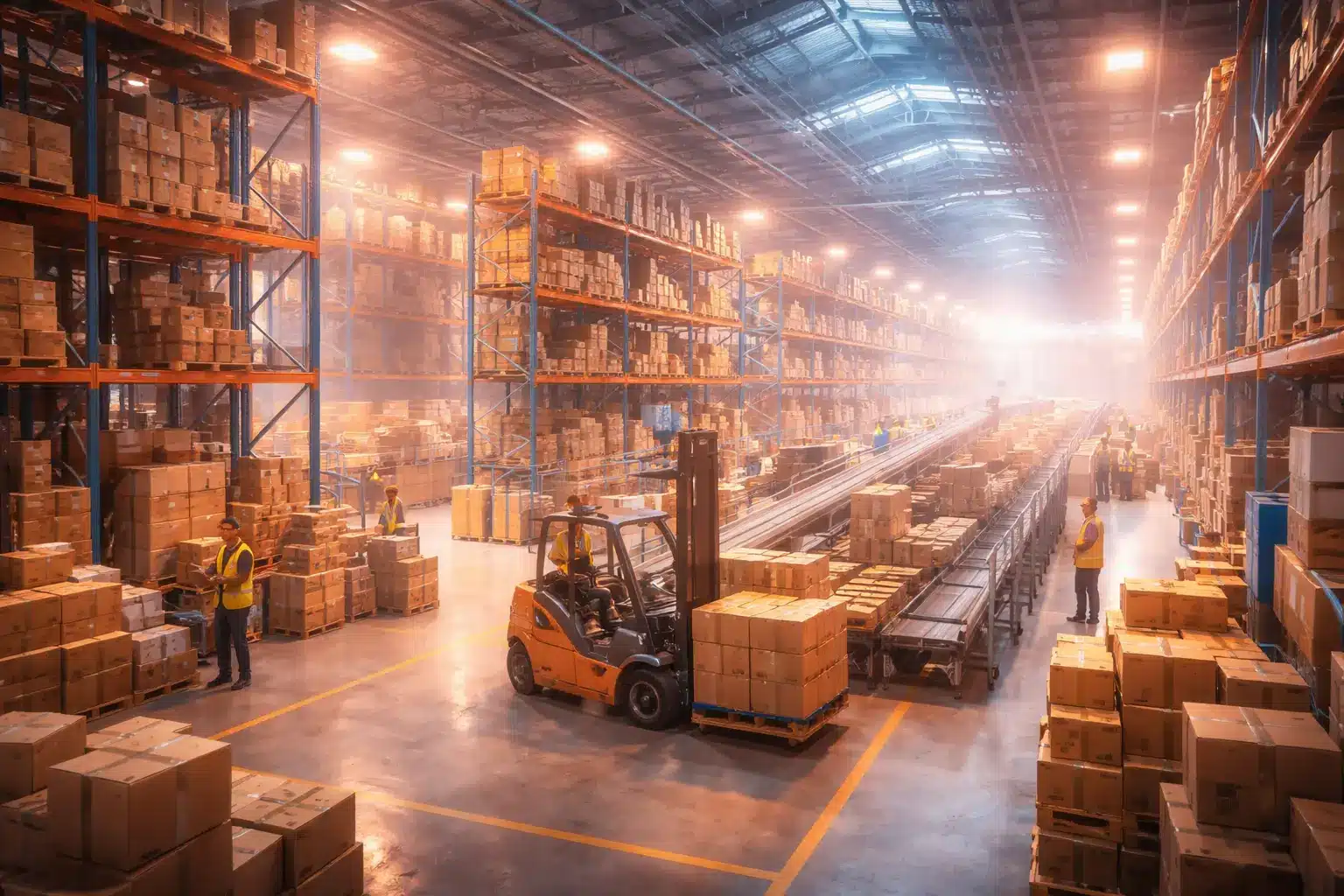
Technology has become inseparable from effective retail warehouse management in the Philippines. By integrating automation through a retail management system, businesses can handle repetitive tasks like inventory tracking, order fulfillment, and replenishment with greater speed and fewer errors than manual processes allow.
Data analytics adds another layer of value. By processing information from sales channels, supplier lead times, and historical movement patterns, retailers can forecast demand more accurately, plan inventory more efficiently, and spot bottlenecks before they become costly. For Philippine businesses managing multiple product lines or regional distribution points, this visibility translates directly into better decisions and lower operational costs.
Challenges in Retail Warehousing and Solutions
Philippine retailers regularly run into two warehousing challenges that erode efficiency and customer satisfaction: physical space limitations and multi-channel order complexity.
Space Constraints and Optimization Solutions
Vertical racking systems and automated picking solutions make better use of available height without expanding the facility footprint. Pairing these with a capable warehouse management system gives operators real-time visibility into stock location and space utilization, often the fastest way to uncover hidden capacity.
Navigating Multi-Channel Retailing Challenges
Managing orders across multiple channels creates coordination challenges that siloed systems cannot solve. An integrated inventory system prevents overselling and stockouts while keeping the customer experience consistent, supported by a flexible fulfillment mix that enables scalable operations.
As warehouse operations become more complex, having the right Warehouse system is essential to keep everything running efficiently. See how an integrated solution can help improve visibility, streamline processes, and maintain consistent service across channels.

Sustainability Practices in Retail Warehousing
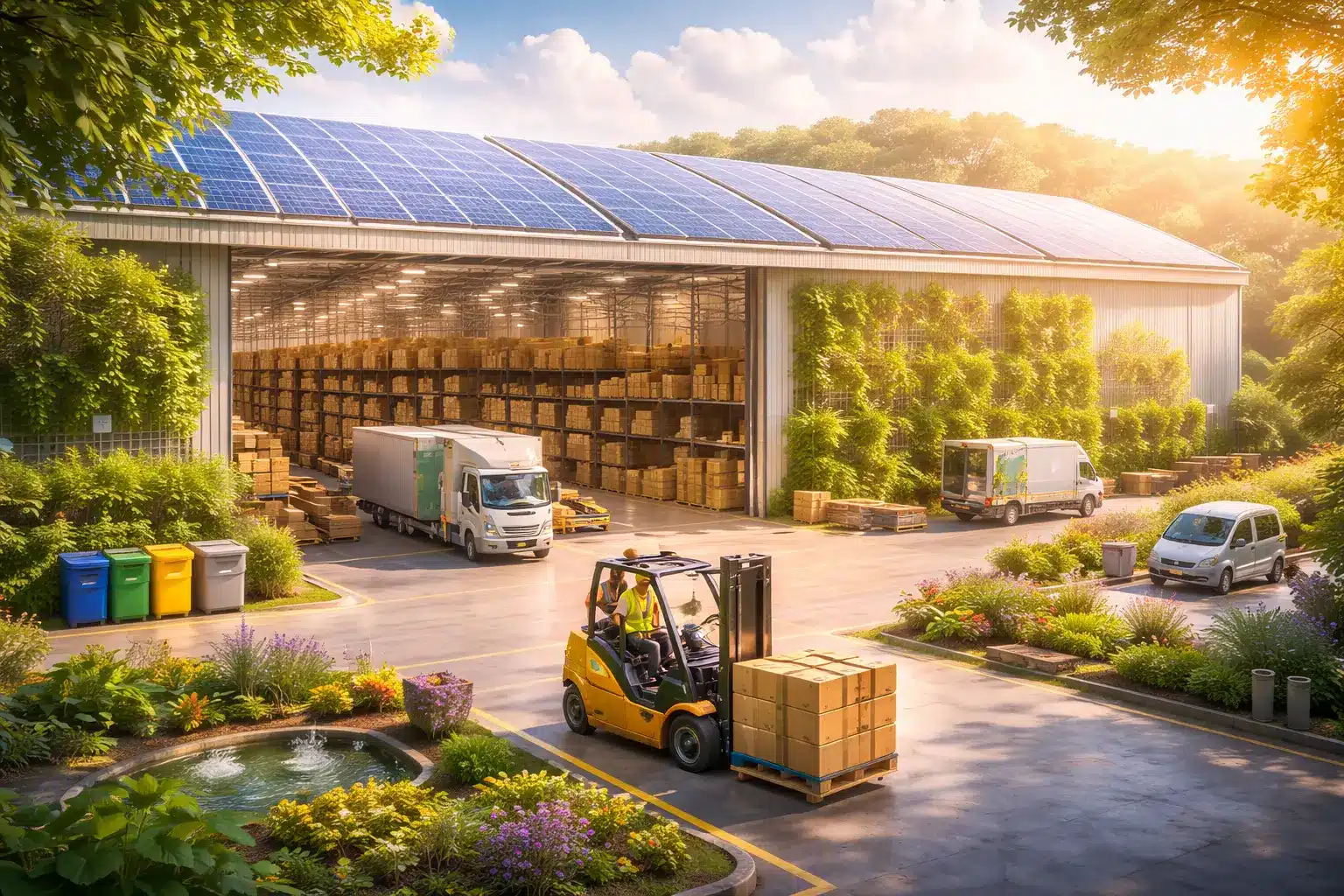
Sustainability has become a key priority for Philippine retailers, driven by environmental responsibility and long-term cost efficiency. Warehouses that adopt sustainable practices can reduce costs while building more resilient supply chains.
Eco-friendly storage solutions, such as biodegradable packaging and recyclable materials, help reduce waste, while optimized storage prevents overstocking and unnecessary movement. Energy-efficient practices like LED lighting, climate control, and renewable energy use further lower costs and carbon emissions.
Conclusion
Retail warehouse optimization is an ongoing process that affects every stage of operations, from inventory intake to order fulfillment. In the Philippines, it requires addressing challenges such as geographic complexity, rising e-commerce demand, and multi-channel management.
The strategies and practices outlined in this article provide a framework for building more efficient and resilient warehouse operations. To accelerate results, retailers can explore warehouse management software that aligns with their operational needs and long-term goals.
FAQ
-
What licenses or permits are needed to operate a warehouse in the Philippines?
Warehouse operators in the Philippines typically need a business permit from the local government unit, a Bureau of Internal Revenue registration, and depending on the goods stored, clearances from agencies such as the Bureau of Food and Drugs or the Bureau of Customs. Bonded warehouses handling imported goods require additional accreditation from the Bureau of Customs.
-
How do I choose the right warehouse model for my business?
The right warehouse model depends on your business size, distribution reach, and budget. Smaller businesses with regional focus often benefit from decentralized or public warehouses, while larger retailers with high volumes typically opt for centralized or private facilities that offer greater control and economies of scale.
-
How can I improve warehouse efficiency without expanding my space?
Focus on vertical storage solutions, optimize your warehouse layout to reduce unnecessary movement, and implement a warehouse management system to improve inventory visibility. These steps often reveal significant untapped capacity and process improvements before any physical expansion is needed.