Every business that relies on vendors faces an unavoidable truth: third-party risks can quietly disrupt operations, damage your reputation, or even trigger compliance issues. Without a clear Vendor Risk Management strategy, companies leave critical vulnerabilities unchecked.
A 2021 report by Gartner revealed that 60% of organizations work with over 1,000 external vendors, each one a potential risk point. Rather than relying on manual oversight, forward-thinking companies are using automated tools like HashMicro’s Procurement Software to streamline vendor screening, monitor compliance, and respond quickly to red flags.
With better visibility, automated approvals, and real-time tracking, HashMicro helps you stay in control of your vendor ecosystem. You can even try a free demo to see how it works in your own business. If you’re looking to minimize risk and maximize control, this guide will show you exactly how to build a secure, well-managed supply chain.
Key Takeaways
|
What Is Vendor Risk Management (VRM)?
Vendor Risk Management (VRM) is the structured process of identifying, assessing, and minimizing risks that arise from working with third-party vendors. It protects businesses from threats like service disruptions, financial loss, data breaches, and compliance violations.
While related to third-party risk management, Vendor Risk Management focuses specifically on suppliers of goods and services. It spans the full vendor lifecycle, from selection and onboarding to performance checks and offboarding, helping reduce exposure to potential risks.
Why Is Vendor Risk Management Crucial for Your Business?
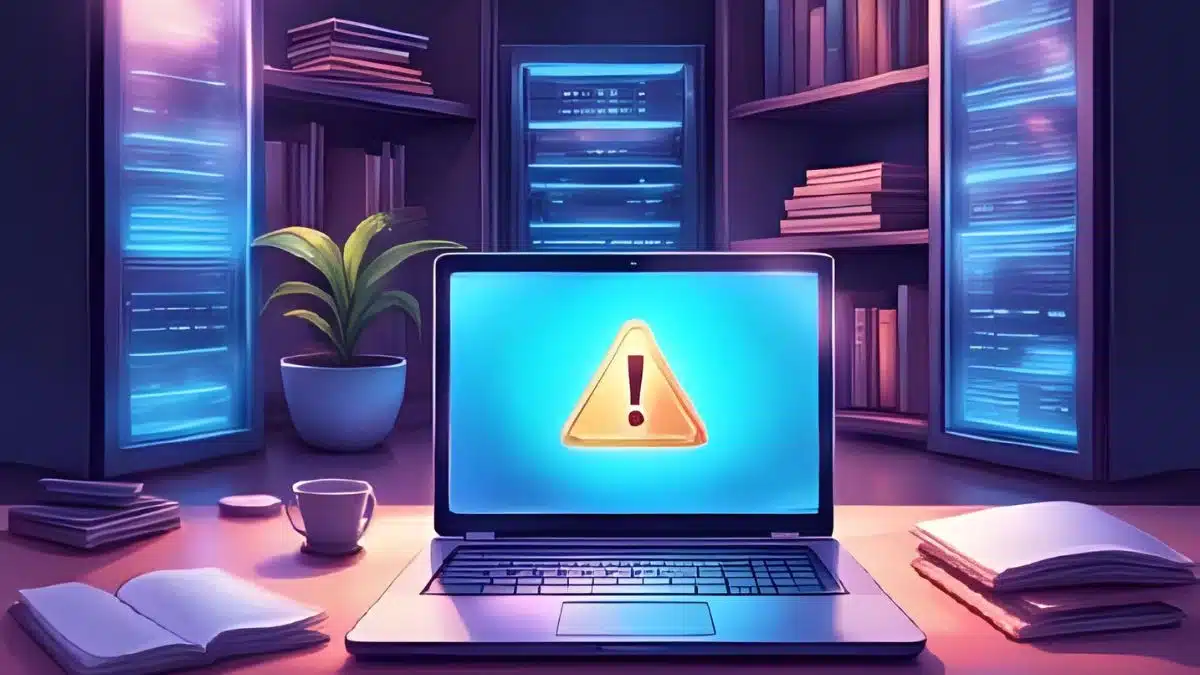
Vendor partnerships are vital for growth, but they also create exposure to risk. A single weak link can cause costly delays, regulatory issues, or reputational harm. That’s why Vendor Risk Management is essential for maintaining operational control and protecting your business.
A well-planned VRM strategy also creates opportunities to strengthen operations. It improves vendor accountability, ensures alignment with compliance standards, and enhances visibility across the supply chain. When done right, VRM becomes a key factor in building resilience and long-term value.
A. Protect from financial losses
Vendor failures like bankruptcy, poor quality, or service disruptions can cause significant financial losses, including replacement costs, penalties, and disaster recovery expenses. A strong vendor risk program assesses financial stability early, preventing costly failures and protecting resources.
B. Safeguard reputation and customer trust
A company’s reputation depends on its vendors’ actions and integrity. Data breaches, unethical labor practices, or scandals can quickly damage your brand. Effective VRM ensures partnerships with vendors who share your standards, protecting your hard-earned reputation.
C. Ensure strict regulatory compliance
Complex regulations like GDPR mandate third-party data security, driving TPRM adoption according to Deloitte. Non-compliance risks legal penalties and fines. A VRM program is crucial to ensure vendor standards are met, protecting the organization from liability.
D. Enhance data and information security
Cybersecurity risks threaten modern businesses, with vendors often being the weakest link. Third-party suppliers need access to sensitive data, making them targets for cybercriminals. VRM assesses a vendor’s security policies, controls, and incident plans to reduce breach risks.
E. Optimize performance and operational efficiency
VRM not only mitigates risks but also boosts vendor performance and efficiency by monitoring KPIs and enforcing SLAs. This proactive approach prevents disruptions, maintains quality, and spots underperformers early, fostering strong, collaborative partnerships for long-term success.
Consistent monitoring and clear performance metrics help ensure vendors deliver dependable results and support your operational goals. These practices improve service quality and reduce delays that affect productivity. If you want to enhance these efforts with stronger automation, you can explore the pricing options in the banner below.

Types of Vendor Risks to Watch Out For
Vendor risk is multi-dimensional. Focusing only on one area can leave your business vulnerable in others. A well-rounded approach helps you identify specific risks that can affect performance, data security, legal compliance, and brand reputation.
By categorizing vendor risks early, you can apply the right mitigation strategies for each type of threat. This allows your team to allocate resources more effectively and build a more resilient supply chain across all vendor relationships.
A. Cybersecurity Risk
This risk category includes threats to your company’s data handled by a vendor, such as data breaches, malware, ransomware, and weak security practices. Assessing this risk is vital for vendors managing sensitive information like customer data, financial records, or intellectual property.
B. Operational Risk
This risk involves disruption to your company’s processes if a vendor fails to deliver as agreed. It can cause delays, poor quality, or operational downtime. Mitigate by setting clear SLAs, KPIs, and contingency plans.
C. Compliance and Legal Risk
Regulatory violations by a vendor can affect your company, especially when dealing with sensitive data or international operations. Ensuring vendors comply with laws like the EU’s GDPR protects you from potential fines and legal complications.
D. Financial Risk
This risk concerns your vendors’ financial health and their ability to provide continuous service. Financial distress or insolvency can lead to failure to meet obligations, causing disruptions. A VRM program should analyze financial statements and credit ratings to mitigate this risk.
E. Reputational Risk
This is the risk to your company’s brand and public perception from negative actions or associations with vendors. If a vendor faces ethical scandals, poor labor practices, or negative publicity, your reputation can suffer. Careful vendor selection aligned with your values protects customer trust and market standing.
The Vendor Risk Management (VRM) Lifecycle

Vendor Risk Management is a continuous, cyclical process integrated into every stage of the vendor relationship. It involves evaluating and managing risks from initial search to termination. A lifecycle approach helps ensure ongoing risk assessment, maintaining a resilient supply chain.
Understanding each stage of the VRM lifecycle helps organizations build a structured, proactive process for vendors, enhancing risk management, transparency, and accountability. It provides a roadmap to ensure consistent, diligent vendor oversight through five key stages.
A. Stage 1: Vendor identification and selection
This initial stage involves identifying a business need, screening vendors based on capabilities, experience, reputation, and fit, and creating a shortlist. Preliminary verification ensures only qualified, reputable candidates move forward, laying a solid foundation for potential partnership.
B. Stage 2: Risk assessment and due diligence
This critical stage involves evaluating shortlisted vendors through detailed security questionnaires, financial analysis, compliance verification, and certification checks. The process determines approval, conditional approval, or rejection, serving as the main security gatekeeper.
C. Stage 3: Contracting and onboarding
Once approved, vendors negotiate and finalize contracts that specify responsibilities for data security, compliance, SLAs, audit rights, and security incident procedures. Post-signature, onboarding integrates vendors into workflows with secure system and data access, minimizing risk from the start.
D. Stage 4: Continuous monitoring
Vendor relationships extend beyond onboarding, requiring ongoing management. This includes continuous performance monitoring, security audits, threat detection, and annual risk reviews, ensuring vendors meet standards and risks stay controlled throughout the contract period.
E. Stage 5: Offboarding management
When a contract ends or is terminated, a secure offboarding process must be carried out to revoke all vendor access to systems, data, and premises. It includes returning assets, securely handling sensitive data, and reviewing the process to prevent future security risks.
Best Practices in Vendor Risk Management Implementation
Building an effective Vendor Risk Management (VRM) program demands a risk-aware culture, strong leadership, a clear framework, and suitable technology. Without these, VRM becomes reactive and ineffective, but adopting best practices makes it a strategic tool for business resilience.
Adopting industry best practices transforms a manual, fragmented VRM approach into an integrated, proactive, data-driven strategy that reduces risk, improves efficiency, and strengthens vendor relationships. These practices create a scalable, adaptable program for business needs.
A. Define the company’s risk appetite
To manage vendor risk effectively, define your organization’s risk appetite and identify what risks are acceptable to achieve strategic objectives. This guides risk thresholds and decision-making, ensuring consistency and alignment with company strategy.
B. Create a structured VRM framework
Develop a clear VRM framework documenting policies, roles, risk-based vendor classification, due diligence, and monitoring. Ensures consistency, simplifies audits, and serves as a single reference for stakeholders, establishing a definitive source for your VRM program.
C. Leverage technology for automation
Managing vendor risk manually with spreadsheets is inefficient, error-prone, and not scalable. HashMicro’s Procurement Software automates vendor onboarding, security questionnaires, risk monitoring, and contract management. Automation allows your team to focus on strategic risk analysis.
D. Conduct regular audits and evaluations
Don’t rely only on the initial onboarding risk assessment. Regularly audit and reassess vendors (annually for critical and biennially for medium risk) to ensure ongoing compliance and catch risk increases early.
E. Build strong communication with vendors
Treat vendors as strategic partners, not just suppliers. Open communication is essential for discussing risks, managing incidents, and finding improvement opportunities. Valued vendors are proactive and transparent, leading to better risk management and a secure, resilient business overall.
Common Challenges in Vendor Risk Management and How to Overcome Them
Implementing a Vendor Risk Management (VRM) program offers clear benefits but faces challenges such as limited resources, increasing vendor complexity, and lack of visibility into third-party risk. Recognizing these hurdles early is vital to develop effective strategies and ensure long-term success.
Overcoming challenges requires a proactive approach with clear processes, strong leadership support, and the right technology. Centralized platforms like HashMicro’s ERP connect vendor management with accounting and inventory, offering a complete risk view and enabling data-driven decisions.
Conclusion
Vendor Risk Management has become a strategic necessity that protects organizations from financial, operational, cybersecurity, and third-party risks. A structured VRM program strengthens supply chain security, vendor performance, and accountability across the entire supply chain.
Leveraging technology is key to improving the overall efficiency of the procurement process. Automation systems help manage vendors, speed up approvals, track contracts, and ensure regulatory compliance. Real-time insights support more informed decision-making, while cross-module integration creates a transparent and error-free process.
For businesses looking to strengthen vendor management and minimize risk more effectively, understanding the available digital solutions is an important step. To explore further, check out the guide on the best e-procurement software in the Philippines that can help automate your procurement process.
FAQ about Vendor Risk Management
-
What is the main difference between VRM and traditional supplier management?
Traditional supplier management focuses on price and performance, while VRM takes a holistic view of all potential risks, including cybersecurity, compliance, and reputation.
-
How often should a company conduct risk assessments on existing vendors?
The frequency depends on the vendor’s risk level. High-risk or critical vendors should be assessed annually, while lower-risk vendors can be reviewed every 18-24 months.
-
What is the first step for a small business to start a VRM program?
The first step is to create an inventory of all current vendors and categorize them based on their criticality to the business. This helps prioritize which vendors need immediate risk assessment.