
Have you ever had a truck arrive late and suddenly your entire loading dock workflow goes off track? Sa warehousing, kahit isang maliit na delay puwedeng magdulot ng malaking problema. It may look simple, pero dito nakasalalay ang bilis, safety, at accuracy ng operations mo.
When loading dock processes break down, the delays spread fast across receiving, storage, and dispatch. Isang maling timing lang sa scheduling or equipment use can slow the whole team. That’s why understanding how a loading dock works is essential if you want smoother, more efficient warehouse operations.
Key Takeaways
|
What Is a Loading Dock and Why Is It Critical for Business?
A loading dock is a dedicated area in a warehouse, factory, or distribution center where goods are loaded and unloaded from trucks. It serves as the main link between transport and internal facility workflows, ensuring goods move safely and efficiently across the supply chain.
Without a well-designed loading dock, the entire supply chain can suffer from delays, higher costs, and product damage. Its core purpose is to align truck height with the facility floor, creating a safe, level surface for forklifts, pallet jacks, and staff to move goods smoothly.
Though often overlooked, the loading dock is a strategic hub that directly affects delivery speed, inventory accuracy, and staff safety. Because it’s the first and last touchpoint for goods, optimizing its performance is essential for staying competitive in fast-moving markets.
Common Types of Loading Docks Used in Warehousing

Different loading dock designs support different warehouse needs, from space limitations to workflow safety. Choosing the right design for smoother movement of goods reduces operational risks, especially in busy facilities with frequent truck traffic.
Understanding the strengths of each loading dock type helps businesses improve efficiency and avoid delays. Some docks offer better weather protection, while others maximize space or simplify truck alignment. Below are the most common loading dock designs and when they work best.
A. Flush dock
A flush dock is the most common loading dock design, built so the building wall aligns directly with the truck. It offers simple, efficient loading but requires proper dock bumpers to absorb impact. This setup is ideal for facilities with frequent truck movements.
B. Enclosed dock
An enclosed loading dock provides full protection from weather, improving product safety and worker comfort. It creates a controlled environment for loading, though it requires higher construction costs. This option is suited for industries handling sensitive or high-value goods.
C. Sawtooth dock
A sawtooth loading dock is used when space outside the building is limited. Trucks park at an angle, reducing maneuvering space requirements. While it saves exterior space, angled parking can reduce internal storage efficiency, making planning essential.
D. Open dock
An open loading dock is an exposed platform commonly found in older or low-budget facilities. It allows fast access for trucks but offers little protection from weather. Because of safety and product risks, it’s less suitable for operations requiring high security or product integrity.
Essential Components and Equipment for a Loading Dock Area
A well-designed loading dock relies on several key components that ensure safe, smooth, and efficient material flow. These elements support both workers and equipment while preventing delays. Understanding each part helps businesses maintain a reliable setup.
Investing in quality loading dock equipment strengthens warehouse performance and reduces operational risks. From levelers to safety systems, every component plays a role in handling goods properly. Below are the essential items that support a functional and secure area.
A. Dock leveler
A dock leveler bridges the gap between the truck and the loading dock, creating a stable surface for forklifts and pallet jacks. It adjusts to different trailer heights, preventing accidents and delays. A durable leveler is essential for smooth and continuous warehouse operations.
B. Dock seal & dock shelter
Dock seals and shelters protect the loading dock from weather by sealing the space between the truck and the building. They help control temperature, reduce contamination, and improve worker comfort. This makes them ideal for warehouses handling food, pharma, or sensitive goods.
C. Vehicle restraint system
A vehicle restraint system keeps trailers securely in place during loading to prevent unexpected movement. It protects workers, equipment, and goods by meeting Occupational Safety and Health Administration (OSHA) guidelines. This safety measure is essential for any busy loading dock.
D. Dock bumper
Dock bumpers absorb impact when trucks back into the loading dock, protecting both the building and the vehicle. They reduce wear on the dock wall and equipment, preventing costly repairs. Bumpers are a basic yet crucial safety feature for daily warehouse operations.
E. Additional equipment (Forklift, pallet jack, conveyor)
Proper lighting and signaling systems guide truck drivers and warehouse staff during loading activities. They improve visibility, reduce errors, and enhance overall safety. Clear signals help coordinate movement, especially in fast-paced environments.
Safety Standards and Risk Management at the Loading Dock
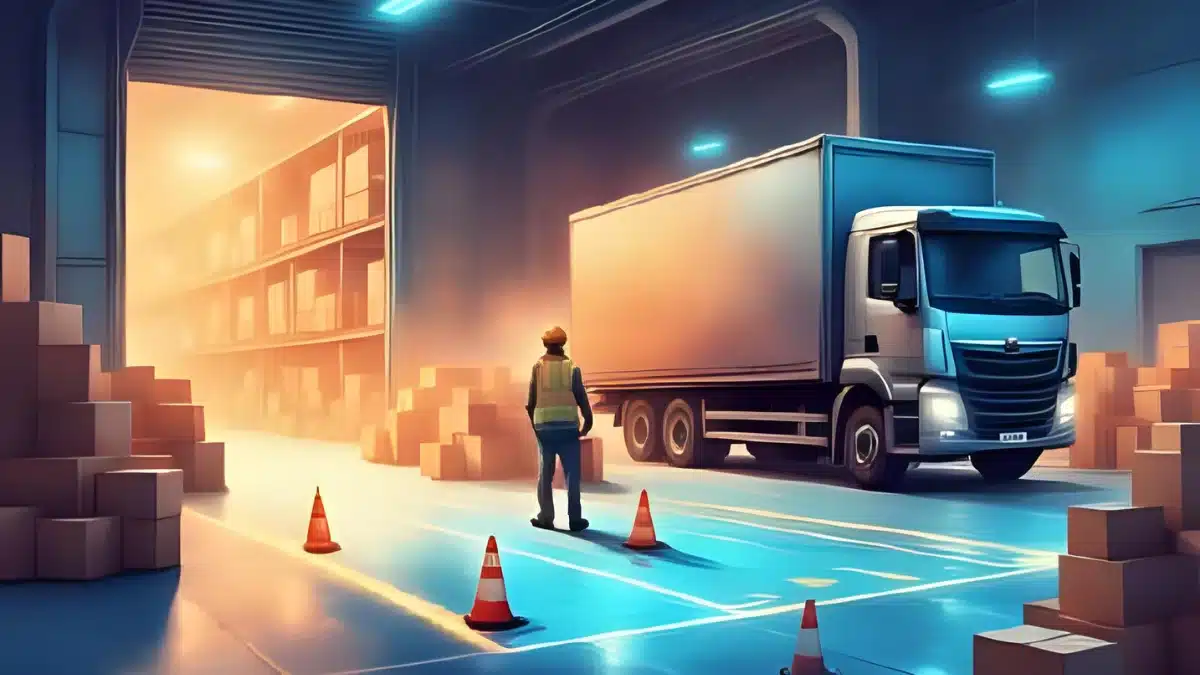
Safety is critical because the area involves constant truck activity, heavy equipment, and fast-paced workflows. Proper training, clear procedures, and compliance with health and safety regulations help minimize risks and protect warehouse teams.
Effective risk management requires regular inspections, reliable equipment, and a well-organized space. Improving lighting, signage, and communication reduces accidents and operational delays. A proactive safety strategy helps ensure smoother workflows and safer working conditions.
A. Employee training and certification
Proper training ensures staff understand how to operate equipment, handle materials, and follow safety rules. Certification programs reinforce these skills and reduce workplace errors. Well-trained workers help maintain smooth operations and prevent accidents before they happen.
B. Regular equipment maintenance
Essential safety equipment like protective gear, barriers, and warning lights helps reduce risks . These tools guide both workers and drivers, creating a safer environment. Investing in reliable equipment increases visibility and prevents unnecessary injuries or damage.
C. Standard operating procedures (SOPs)
Meeting industry regulations ensures the loading dock operates safely and legally. Following these standards protects employees, reduces liability, and supports consistent warehouse processes aligned with best practices.
D. Warning signs and area markings
Regular risk assessments help identify potential hazards across the loading dock, from equipment issues to poor traffic flow. By reviewing these risks early, businesses can implement corrective actions quickly. This proactive approach improves safety and keeps operations running efficiently.
Optimizing Loading Dock Efficiency with Technology
Relying on manual processes in a busy loading dock often leads to delays, high costs, and poor visibility. Truck congestion and long wait times become harder to manage without digital tools. Technology helps shift operations from reactive to proactive, improving speed and overall efficiency.
Modern tools like Warehouse Management Systems, automation, and IoT can transform the loading dock into a highly productive area. These systems provide real-time data, automate repetitive work, and improve coordination. With the right technology, loading dock operations become faster, safer, and more precise.
A. Implementation of a warehouse management system (WMS)
A WMS acts as the control center of your entire facility and enhances loading dock performance. It manages dock scheduling, assigns doors automatically, and provides digital receiving instructions. By syncing arrivals with inventory updates, it improves accuracy and reduces truck wait times.
B. Automation of loading and unloading processes
Automation speeds up loading dock tasks by reducing manual labor and improving safety. Telescopic conveyors move boxes directly from trailers, while AGVs or autonomous forklifts handle pallet transport. These tools increase throughput, operate continuously, and free workers for higher-value activities.
C. Use of sensors and IoT
Sensors and IoT devices give real-time updates on loading dock activity, from truck arrivals to equipment usage. They help trigger workflow steps automatically and monitor asset health. This live data supports smoother operations and plays a vital role in modern strategies for organizing and maximizing available space.
D. Data analytics for decision-making
Data from WMS and IoT systems becomes more valuable when analyzed for patterns and forecasts. Managers can predict busy periods, improve labor planning, and optimize equipment use. Analytics helps shift loading dock management from reactive choices to proactive, evidence-based decisions.
If you’re considering implementing these improvements in your warehouse, you can explore HashMicro’s pricing options through the banner below to understand the investment required for a fully optimized loading dock.

Common Challenges in Loading Dock Management and Their Solutions
The loading dock is a critical logistics gateway, yet it often becomes a bottleneck that disrupts the entire supply chain. Delays, product damage, and safety risks can escalate quickly when issues are not addressed. Understanding these challenges is the first step toward creating a more reliable and efficient dock.
Solving loading dock problems requires a mix of better processes, smarter technology, and improved communication. Identifying the root cause of each issue allows management to implement long-lasting improvements. Below are the most common challenges and practical strategies to overcome them.
A. Truck congestion and wait times
Long truck lines cause detention fees and strained carrier relationships. Using a dock scheduling system lets drivers book time slots online, eliminating the first-come-first-served chaos. This organized approach reduces wait times, evens out dock traffic, and helps staff prepare efficiently for each arrival.
B. Damage to goods during handling
Goods often get damaged from rough handling, poor equipment use, or unsafe gaps between the truck and the loading dock. Training staff, using proper tools like dock levelers and restraints, and keeping the area clear reduce risks. Inspecting pallets and packaging also helps prevent avoidable damage.
C. Poor communication between teams
Miscommunication between drivers, security, and staff leads to delays and confusion. A centralized communication platform within a WMS gives everyone real-time updates. Mobile devices further improve coordination, ensuring smooth handoffs and clear instructions for each incoming shipment.
D. Lack of visibility into inbound shipments
Without integrated systems, teams lack accurate details on truck arrivals and contents, making planning difficult. A WMS or TMS with advance shipping notices (ASNs) provides full visibility. Knowing what’s coming allows staff to prepare paperwork, labor, and staging areas, speeding up receiving.
Conclusion
Mastering loading dock operations is essential for achieving smooth warehouse flow, faster turnaround times, and safer handling of goods. By addressing common challenges such as truck congestion, product damage, and communication gaps, businesses can significantly reduce delays and maintain a more reliable supply chain.
Adopting modern technology — from warehouse management systems and IoT sensors to automated scheduling and data analytics — transforms the loading dock from a frequent bottleneck into a high-performing logistics hub. These tools provide real-time visibility, reduce manual errors, and support evidence-based decisions that keep operations running efficiently.
FAQ about Loading Dock
-
How do you determine the ideal loading dock height?
The ideal height for a loading dock in most regions is typically between 48 to 52 inches (120-130 cm) above the ground. However, this can vary depending on the types of trucks your facility services. It’s best to survey the bed heights of your most frequent carriers to determine the optimal height.
-
What is the main difference between a dock seal and a dock shelter?
A dock seal uses foam pads to create a tight, compression-based seal around the trailer, which is excellent for climate control. A dock shelter uses fabric curtains to create a canopy around the trailer, offering more flexibility for various truck sizes but providing a less airtight seal.
-
What are the leading causes of accidents in a loading dock area?
The primary causes of accidents include forklifts falling from the dock edge due to trailer creep, collisions between forklifts and pedestrians, and injuries from improper manual lifting or falling products. Implementing vehicle restraints and clear traffic management plans are key to prevention.