







Accurate inventory management keeps business operations running smoothly. Without regular stock counts, discrepancies can build up undetected and begin affecting workflows, profitability, and overall efficiency.
Research on supply chain practices at ESCO Philippines Inc. found that businesses relying on manual inventory systems experienced measurable inefficiencies and recurring errors, both of which affected overall operational performance.
This article will help you understand what an inventory count is, why it matters, and what steps and methods businesses use to do it well.
Key Takeaways
An inventory count is the process of physically verifying stock quantities against recorded data, and running it regularly helps businesses catch discrepancies from overstocking, understocking, or shrinkage before they affect operations.
There are four types of inventory counts to choose from: random sampling, perpetual counting, cycle counting, and full inventory counting, each suited to different business sizes and operational needs.
Following a structured 8 step process from planning and assigning roles to reconciliation and analysis makes each inventory count more accurate and easier to act on.
What is an Inventory Count?
An inventory count is the process of physically verifying stock quantities against recorded data, and it forms a core part of warehouse management. Also referred to as a physical inventory count, it helps ensure that what is recorded in the system reflects what is actually on hand.
In facility and manufacturing environments, keeping these counts accurate ensures that spare parts and critical supplies are available when needed, reducing the risk of unexpected downtime.
Regular counts also help businesses catch discrepancies early, whether from overstocking, understocking, or shrinkage, and use those findings to improve stock management over time.
Why Perform an Inventory Count?

Performing an inventory count is essential for maintaining accurate stock records and ensuring smooth operations. Here are key reasons why businesses should regularly conduct inventory counts:
- Better accuracy: An inventory count helps maintain precise stock records by identifying discrepancies between recorded data and actual stock. This prevents issues like overstocking or unexpected stockouts that can disrupt operations.
- Optimized maintenance operations: A physical inventory count ensures that maintenance teams have access to the necessary parts and tools when needed. This minimizes downtime by preventing delays in repairs or maintenance activities.
- Reduced costs: Accurate inventory count procedures allow businesses to avoid unnecessary purchases and identify obsolete or excess inventory. This leads to cost savings by reducing waste and optimizing resource allocation.
- Improved efficiency: Accurate inventory counting enhances operational efficiency by streamlining processes and providing quick access to inventory information. This reduces time spent searching for items and improves workflow.
- Compliance adherence: Maintaining accurate records through regular physical inventory counts helps businesses comply with industry regulations. This reduces the risk of penalties and ensures adherence to legal standards.
- Better planning and forecasting: Inventory counts provide valuable data for planning and forecasting future inventory needs. This supports informed decision making, especially for maintenance scheduling and resource management.
Regular inventory counting is not just a routine task, it’s a strategic practice that drives accuracy, cost efficiency, and operational excellence.
What are the 4 Types of Inventory Counts?

Organizations can choose from different types of inventory counts based on their operational needs, inventory volume, and available systems. Some prefer manual inventory count procedures, while others opt for electronic methods, which offer greater accuracy and efficiency.
Understanding these types helps businesses maintain precise inventory records regardless of the approach.
1. Random sampling
Also known as spot sampling, this method involves counting a small, random portion of inventory to estimate the total stock. While quick and efficient, especially for high value or fast moving items, random sampling may not provide a comprehensive view of inventory accuracy since it relies heavily on the sample size and selection process.
2. Perpetual counting
This method uses inventory tracking software to perform real time perpetual inventory counting as transactions occur. Ideal for businesses with high transaction volumes like retail or e-commerce, perpetual counting reduces the need for frequent physical counts of inventory while maintaining up to date and accurate stock levels.
3. Cycle counting
Also known as periodic counting, inventory cycle counting involves regularly counting different inventory sections on a rotating schedule. This method helps maintain ongoing inventory accuracy without disrupting daily operations, but it requires diligent planning to identify and address discrepancies promptly.
4. Full inventory counting
A full physical count involves counting every item in stock at once, typically done annually or bi-annually. While it provides the most comprehensive snapshot of inventory for financial reporting and auditing purposes, it is labor intensive and may temporarily slow down normal business activities.
Step by Step Instructions for a Physical Inventory Count
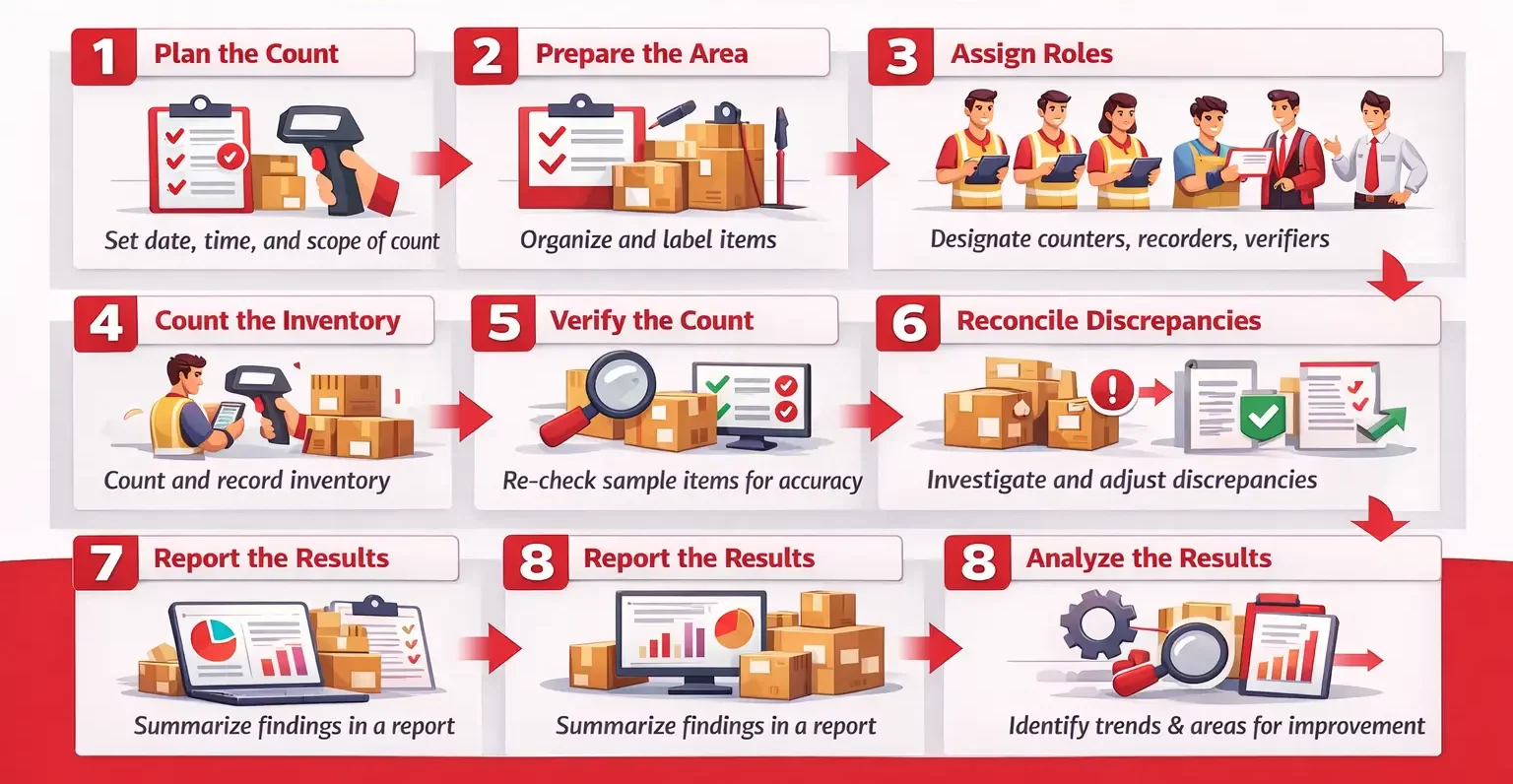
Conducting a physical inventory count may seem straightforward, but it requires careful planning to avoid errors, especially with large inventories. Here are step by step instructions to ensure an accurate and efficient physical count of inventory:
1. Plan the count
Start by determining the scope of the inventory count, including which items, locations, and employees will be involved. Set a clear date and time for the count to minimize disruptions to daily operations.
Inform all relevant employees about the schedule and provide guidelines on inventory count procedures. Proper planning helps reduce confusion and ensures everyone understands their role.
2. Prepare the area
Clear the counting area of unnecessary items to avoid mix-ups and ensure all inventory items are accessible. Verify that items are properly labeled and organized to facilitate efficient inventory counting.
Gather all necessary equipment, such as clipboards, pens, barcode scanners, and pre-prepared count sheets. This preparation step minimizes delays during the physical count of inventory.
3. Assign roles
Clearly assign specific roles to each team member involved in the inventory counting process. Roles may include counters, recorders, verifiers, and supervisors responsible for reconciling discrepancies.
Clearly defined responsibilities help streamline the process and reduce the risk of errors. Ensure each person understands their task to maintain accuracy and accountability.
4. Count the inventory
Begin counting the inventory manually or using automated tools like barcode scanners for greater efficiency. Record each item’s quantity and location on the designated count sheet or system.
Follow a logical sequence to maintain consistency and prevent items from being counted twice or missed. Accurate documentation during the physical inventory count is critical for data integrity.
5. Verify the count
After the initial count, a verification process will be conducted to ensure accuracy. Re-check a random sample of items, comparing the physical count with the recorded numbers. This step helps identify any discrepancies or counting errors that may have occurred. Verifying counts increases confidence in the accuracy of the inventory data.
6. Reconcile discrepancies
If discrepancies arise between the physical inventory count and existing records, investigate their root causes. Look for potential issues such as misplacements, theft, data entry errors, or damaged goods.
After resolving the discrepancies, adjust the inventory records accordingly. Timely reconciliation helps maintain accurate stock records and improves future inventory count procedures.
7. Report the results
Prepare a comprehensive inventory count report once the count and reconciliation are complete. This report should summarize inventory levels, highlight discrepancies found, and document any adjustments made.
Sharing the report with relevant departments ensures transparency and supports informed decision making. A well documented report serves as a valuable reference for audits and future counts.
8. Analyze the results
Analyze the final results to identify trends or areas for improvement in inventory management practices. Look for patterns such as frequent discrepancies, overstocked items, or recurring shortages.
Use these insights to refine inventory count procedures and enhance stock control processes. Continuous analysis helps optimize inventory accuracy and operational efficiency.
By following these steps and implementing inventory software, businesses can conduct a thorough and effective physical inventory count, ensuring data accuracy and uncovering areas for operational improvement.
Challenges with Inventory Counting

Inventory counting can present several challenges for businesses, making it essential to be well prepared. Here are some of the most common challenges and ways to address them:
- Time constraints: Conducting a physical inventory count can be time consuming and often disrupts daily business operations. To minimize this impact, plan ahead and schedule the count during less busy periods, such as after hours or weekends.
- Inaccuracies: Human errors in counting, recording, or transcribing inventory data can lead to inaccuracies in stock records. Using technology like barcode scanners, inventory management system, or RFID systems helps automate the inventory counting process and reduce these errors.
- Discrepancies: Discrepancies between the physical count of inventory and recorded data may arise from theft, damage, or misplaced items. Implementing a cycle counting program allows businesses to monitor inventory levels and promptly address discrepancies regularly.
- Staffing challenges: Inventory counting requires trained staff, which can be difficult for small businesses with limited resources. To overcome this, consider outsourcing the counting to third party service providers or hiring temporary staff during peak periods.
- Coordination issues: Coordinating the inventory count across multiple locations or departments can be complex and challenging. Establishing a clear communication plan, assigning specific roles, and standardizing inventory count procedures across all areas can help streamline the process.
By recognizing these challenges and implementing effective strategies, businesses can improve the accuracy and efficiency of their physical inventory count procedures.
Best Practices for Inventory Counting
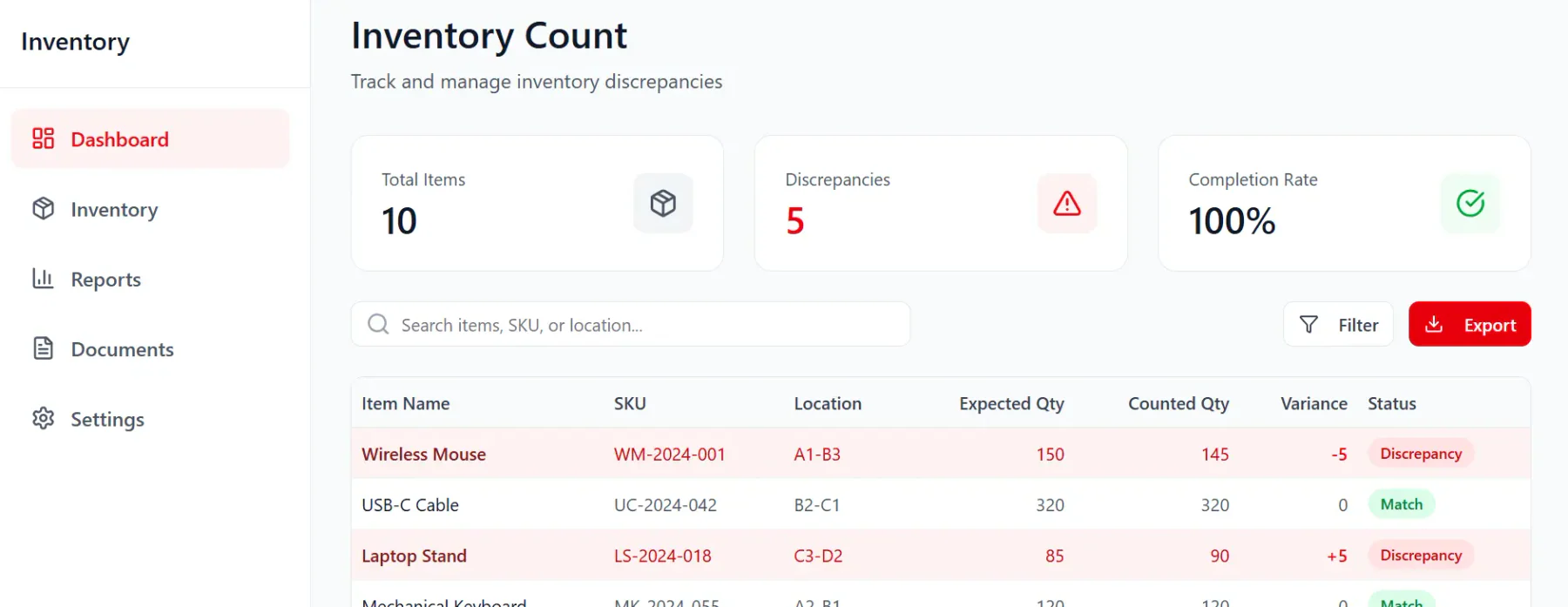
Effective inventory counting is essential for maintaining accurate stock levels and ensuring smooth business operations. By following best practices, businesses can streamline their inventory management process, reduce errors, and improve efficiency.
These practices, which include utilizing technology, regularly scheduling counts, and maintaining an organized inventory, help establish a solid foundation for consistent and reliable inventory records.
To optimize your inventory counting strategy, let’s explore these best practices in detail:
- Utilize technology: Leverage technology like inventory tracking systems and barcode or RFID tools to streamline the counting process. A computerized maintenance management system (CMMS) with real time tracking capabilities helps ensure accuracy and efficiency in inventory management. A barcode inventory system can also help automate the tracking process and reduce errors during inventory counts.
- Regularly schedule counts: Perform cycle counts frequently to maintain accurate inventory records throughout the year. Schedule full inventory counts during low traffic periods to minimize disruptions to normal business operations.
- Maintain organized inventory: Keep inventory areas neat and well organized to facilitate easy and efficient counting. Properly labeling shelves and storage spaces allows staff to locate and count items quickly with minimal confusion.
- Set clear policies and procedures: Create standard operating procedures (SOPs) for inventory management and counting to maintain consistency. Assign clear roles and responsibilities to ensure each team member is accountable for their part in the counting process.
- Train staff: Provide comprehensive training on inventory counting methods and the technology used within your organization. Stress the importance of accuracy and attention to detail to prevent errors during counting.
- Review and adjust regularly: Regularly evaluate and update inventory counting procedures to improve effectiveness. Adjust practices based on feedback and analysis from previous counts to address any areas that need improvement.
Conclusion
An inventory count is one of the most direct ways a business can maintain accurate stock records and keep operations running efficiently. By making it a consistent practice, teams reduce the risk of errors and build a clearer, more reliable picture of what they have on hand.
For businesses looking to evaluate their options, exploring a comparison of leading inventory management tools can help identify the approach that best fits their size and operational needs.
FAQ
An inventory count is the process of physically verifying stock quantities on hand. Inventory reconciliation takes place afterward, where the count results are compared against recorded data to identify and resolve discrepancies. The two processes work together but represent different stages in inventory control.
The frequency depends on transaction volume and business size. High-volume businesses such as retail or e-commerce often benefit from regular cycle counts, while smaller operations may only require a full count once or twice a year. The key is establishing a schedule that maintains accurate records without disrupting daily operations.
Common causes include human error during counting or data entry, misplaced items, theft, and damaged goods that were not properly recorded. Conducting counts regularly and assigning clear roles to team members helps minimize the frequency of these issues.