








 Limited to 100 registrants

Inventory errors can quickly turn campaign traffic into lost revenue. A three-year Cardiff University study covering about 1 million SKUs across 100 stores found that 60% of SKUs had inventory record inaccuracies, and corrections increased sales by 4% to 8%. On 11.11 sale day, one Shopee mismatch can trigger overselling, cancellations, Late Shipment penalties, and angry customers.
E-commerce inventory management software helps prevent this by synchronizing stock across multiple sales channels in real time. Unlike traditional systems built for a single warehouse, it keeps inventory accurate across Shopee, Lazada, TikTok Shop, and other online platforms.
To help you navigate these challenges, this guide highlights the 20 best e-commerce inventory management software options for 2026, giving you a clear overview before exploring each solution in detail.
Key Takeaways
The right e-commerce inventory software depends on your seller profile, not feature count. Solo sellers need simple, affordable tools, while enterprises require full ERP integration and multi-warehouse control. Match your channel count, SKU volume, and fulfillment model to the category that fits your operations.
Choose the right E-commerce inventory management software based on business size, integration needs, and support for efficient stock management.
Key factors in choosing e-commerce inventory management software include strong system integration, real-time stock tracking, multi-channel support, cost and ROI evaluation, data security, and comprehensive reporting to ensure efficient and scalable operations.
Which E-commerce Inventory Management Software Is Best For Your Business?









Best Because
Best for inventory optimization and demand forecasting



Best Because
Best for retail POS integration

Best Because
Best for multi-channel selling



Best Because
Best for user-friendly interfaces

Best Because
Best for multi-channel management


Comparison of Best E-Commerce Inventory Management Software in the Philippines 2026
| E-commerce Inventory Software | Best for | Industry Fit | ERP Integration | Real-time Stock Tracking | Pricing (PHP/month) | Local PH Support |
|---|---|---|---|---|---|---|
| 1) HashMicro | Enterprise and multi-brand sellers with several warehouses | Retail, F&B, Distribution | ✅ Full ERP integration | ✅ Real-time stock tracking | Custom quote | ✅ Dedicated PH support |
| 2) ClickUp | Small teams already running projects in ClickUp | SMB, Retail | ❌ No native ERP integration | ❌ Not a dedicated inventory system | Free; ₱430–₱740 per user | ⚠️ Global support channels |
| 3)inFlow | Small and mid-sized sellers needing simple stock control | SMB, Retail | ⚠️ Limited ERP integration | ✅ Stock tracking included | ₱6,110–₱11,040 per plan | ⚠️ Global support channels |
| 4)ShipBobM | High-volume sellers outsourcing warehousing and shipping | Logistics, E-commerce | ⚠️ Integrates via e-commerce platforms | ✅ Real-time stock tracking | Custom quote | ⚠️ Global support channels |
| 5)Veeqo | Small and growing sellers on several marketplaces | Retail, E-commerce | ⚠️ Limited ERP integration | ✅ Real-time stock alerts | From ₱1,170 — verify current rate | ⚠️ Global support channels |
| 6) Cin7 | Established multi-channel brands across retail and wholesale | Retail, E-commerce, Wholesale | ✅ Full ERP integration | ✅ Real-time stock tracking | ₱21,520–₱73,940 | ⚠️ Global support channels |
| 7) Fishbowl | Sellers running their own warehouse or light manufacturing | Retail, Manufacturing | ✅ Full ERP integration | ✅ Real-time stock tracking | ₱14,120–₱36,690 | ⚠️ Global support channels |
| 8) Helcim | Small sellers needing light stock tracking with payments | Retail, E-commerce | ❌ No ERP integration | ⚠️ Basic stock tracking only | No monthly fee; transaction rates apply | ⚠️ Global support channels |
| 9) Sage Inventory Advisor | Teams wanting inventory optimization and demand forecasting | Retail, Wholesale | ✅ Connects to Sage ERP systems | ✅ Real-time stock tracking | Custom quote — confirm availability | ⚠️ Global support channels |
| 10) NetSuite | Mid-size and enterprise sellers needing full ERP | Large enterprises | ✅ Full ERP integration | ✅ Real-time stock tracking | From ₱62,400 base plus ₱8,060–₱12,440 per user | ⚠️ Global support channels |
| 11) Zoho Inventory | Small to mid-sized sellers already using Zoho apps | Retail, E-commerce | ⚠️ Integrates within the Zoho suite | ✅ Real-time stock tracking | ₱1,790–₱15,360 per organization | ⚠️ Global support channels |
| 12) Linnworks | High-volume sellers running many marketplaces at once | Retail, E-commerce | ⚠️ Connects to ERP via integrations | ✅ Real-time stock tracking | Custom quote by order volume | ⚠️ Global support channels |
| 13) Lightspeed | Retailers running physical stores alongside an online channel | Retail | ⚠️ Integrates with accounting and e-commerce tools | ✅ Real-time stock tracking | ₱6,720–₱20,910 per register | ⚠️ Global support channels |
| 14) Threecolts | Amazon and marketplace resellers | E-commerce | ❌ No ERP integration | ✅ Stock tracking across channels | ₱4,260–₱12,270 | ⚠️ Global support channels |
| 15) Trunk | Small sellers syncing stock across several storefronts | E-commerce, Retail | ❌ No ERP integration | ✅ Real-time stock syncing | From ₱2,160; scales with order volume | ⚠️ Global support channels |
| 16) SkuVault Core | Growing sellers needing warehouse-floor control | Retail, E-commerce, Warehousing | ⚠️ Connects to ERP via integrations | ✅ Real-time stock tracking | From around ₱30,770 — contact sales | ⚠️ Global support channels |
| 17) Finale Inventory | Established sellers needing multi-channel stock control | Retail, E-commerce, Wholesale | ⚠️ Limited ERP integration | ✅ Real-time stock tracking | From ₱30,800; ₱49,300 Growth; Enterprise custom | ⚠️ Global support channels |
| 18) SellerCloud | Multi-channel sellers managing orders and inventory at scale | E-commerce | ⚠️ Connects to ERP via integrations | ✅ Real-time stock tracking | From ₱83,200 | ⚠️ Global support channels |
| 19) Katana | Sellers combining production planning with e-commerce | Manufacturing, E-commerce | ⚠️ Integrates with accounting and e-commerce tools | ✅ Real-time stock tracking | Free plan available; ₱18,450 Core; Advantage custom | ⚠️ Global support channels |
| 20) ShipHero | Logistics-heavy sellers handling warehouse fulfillment | Logistics, E-commerce | ⚠️ Integrates via e-commerce platforms | ✅ Real-time stock tracking | Custom quote | ⚠️ Global support channels |
✅ = confirmed. ⚠️ = verify with vendor for PH-specific setup. ❌ = not available. Pricing as of early 2026 - verify with each vendor directly.
Recommendations Based on Specific Business Needs
Choosing the right tool starts with your business model, sales channels, and SKU volume. This guide groups each inventory option by seller type, so retailers can compare practical needs before exploring how an an inventory management system supports stock accuracy, fulfillment speed, and long-term growth.
1. Solo Seller / Home-Based Business
- Profile: 1–2 marketplaces, under 500 SKUs, no warehouse staff
- Needs: Simple interface, mobile app, affordable pricing
- Recommended: Zoho Inventory, inFlow, Trunk, Veeqo
- Budget: Free – ₱1,500/month
2. Growing Brand / SME
- Profile: 3–5 channels, 500–5,000 SKUs, small team
- Needs: Multi-channel sync, automation, basic analytics
- Recommended: Finale Inventory, Ordoro, Threecolts, Linnworks
- Budget: ₱3,000 – ₱15,000/month
3. Enterprise / Multi-Brand
- Profile: Omnichannel (online and offline), 5,000+ SKUs, multiple warehouses
- Needs: Full ERP integration, advanced forecasting, customization
- Recommended: HashMicro, NetSuite, Cin7, SAP Business One
- Budget: ₱25,000+/month
4. Logistics-Heavy Sellers
- Profile: High shipping volume, own or outsourced fulfillment centers
- Needs: Warehouse automation, carrier management, batch tracking
- Recommended: ShipBob, Fishbowl, Lightspeed, Sage Inventory Advisor
- Budget: ₱10,000 – ₱30,000/month
5. Dropshipper
- Profile: No physical inventory, relies on supplier stock
- Needs: Supplier stock sync, automated order forwarding
- Recommended: DSers, Inventory Source, Spark Shipping
- Budget: ₱1,000 – ₱5,000/month
20 Best E-Commerce Inventory Management Software
Proper e-commerce inventory management is key to smoothly managing stock, reducing costs, and increasing efficiency. However, choosing the right one can be challenging with so many software options available.
That’s why we have compiled a list of the 20 best e-commerce inventory management software options to help you optimize your business operations.
1. HashMicro
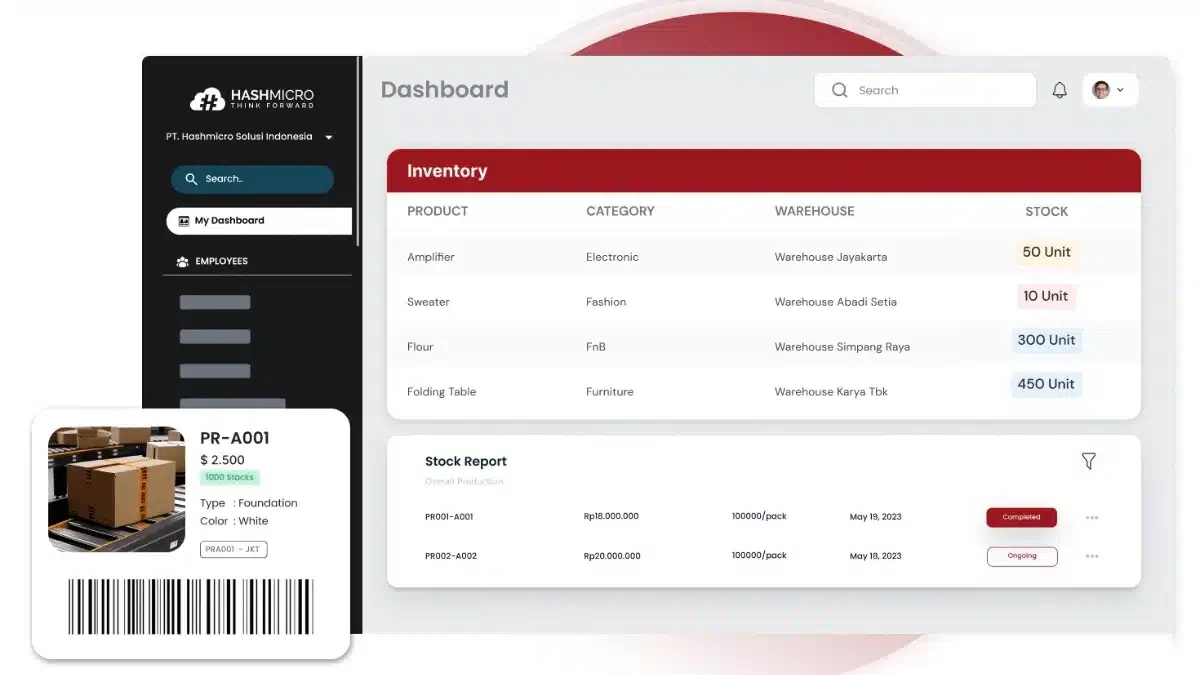
HashMicro is an ERP provider in the Philippines that offers e-commerce inventory management software to help businesses track stock across channels, improve warehouse accuracy, reduce stock discrepancies, and support faster operational decisions through an integrated system.
HashMicro E-Commerce Inventory Management Software has the following features:
- RFID warehouse rack stock in out automation
- Stock forecasting
- Fast moving and slow moving stock analysis
- Racking capacity with putaway strategy
- Streamlined pick, pack, and delivery 3 step route warehousing
| Pros | Cons |
|
|
Best fit for: Growing and enterprise e-commerce businesses that manage multiple sales channels, high SKU volumes, and several warehouses in one system.
Multi-channel sellers lose the most money to stock they cannot see. Real-time visibility across every warehouse and marketplace keeps orders accurate and prevents costly overselling. Consult the price with HashMicro's expert team by clicking the banner below.

2. ClickUp
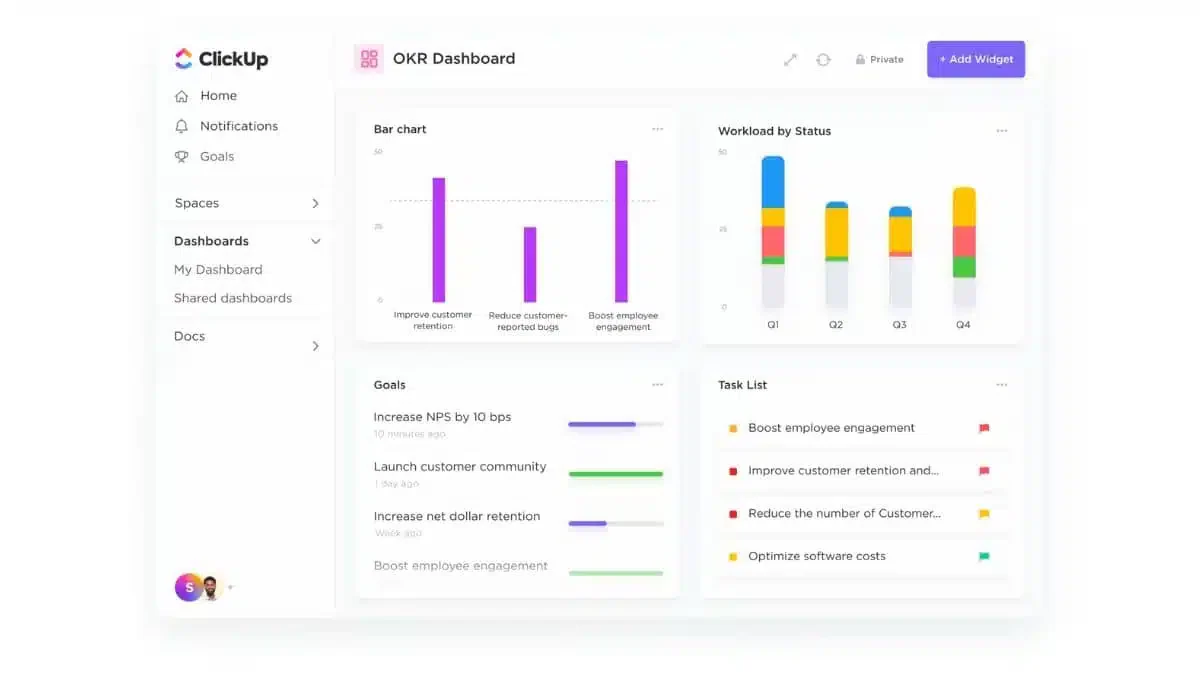
ClickUp is a versatile project management platform that includes features for equipment maintenance. It allows teams to plan, schedule, and monitor maintenance tasks and provides an intuitive dashboard for monitoring equipment performance and status in real-time.
ClickUp inventory management app has the following features:
- ClickUp Views: Board, List, Gantt, Calendar
- ClickUp Automation
- ClickUp AI support
| Pros | Cons |
|
|
Best fit for: Small teams that already run projects in ClickUp and want to track basic stock and maintenance tasks without adding a separate inventory tool.
Pricing: Free Forever plan available. Unlimited costs ₱430 per user/month, Business costs ₱740 per user/month, and Enterprise pricing requires a custom demo.
3. inFlow
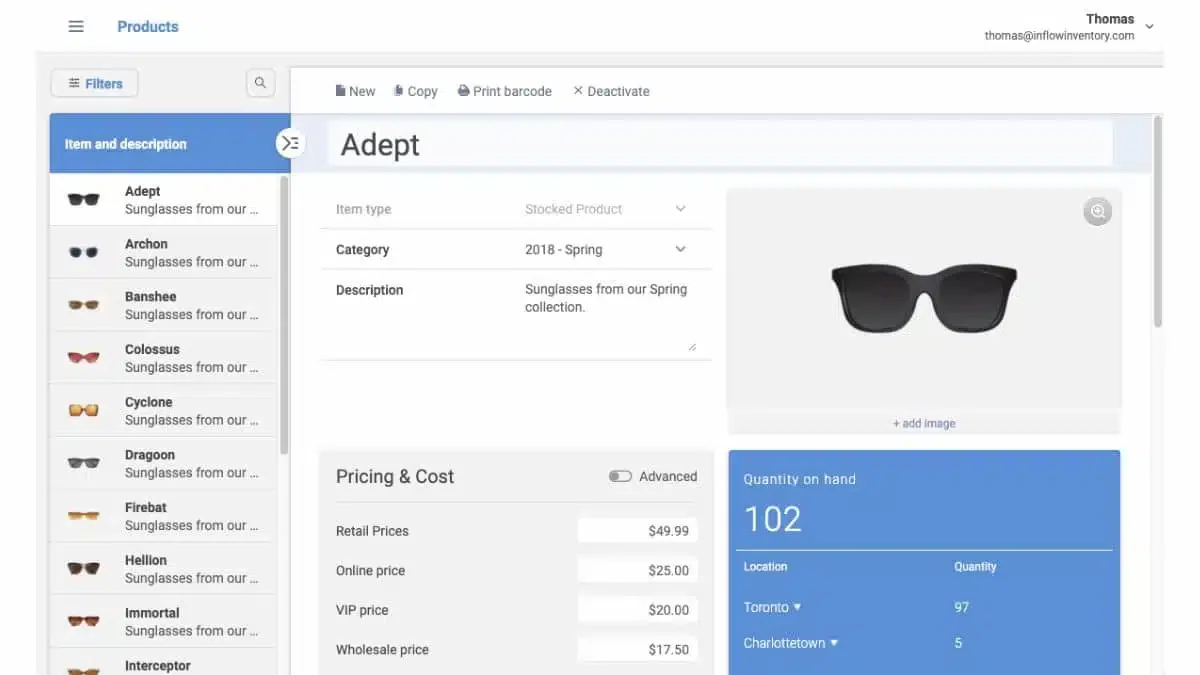
inFlow offers inventory management software that also supports equipment maintenance. With inFlow, users can track equipment conditions, schedule routine maintenance, and monitor usage to ensure operational efficiency and reduce the risk of sudden breakdowns.
inFlow cloud inventory software has various features such as the following:
- Centralized Inventory Database
- Inventory Level Dashboards
- Stock History Reporting
- Inventory Forecasting
| Pros | Cons |
|
|
Best fit for: Small and mid-sized sellers that need straightforward stock control and reporting across a few sales channels without heavy customization.
Pricing: inFlow Inventory costs ₱7,960 per month, inFlow Manufacturing costs ₱11,040 per month, and inFlow Stockroom costs ₱6,110 per month.
4. ShipBob
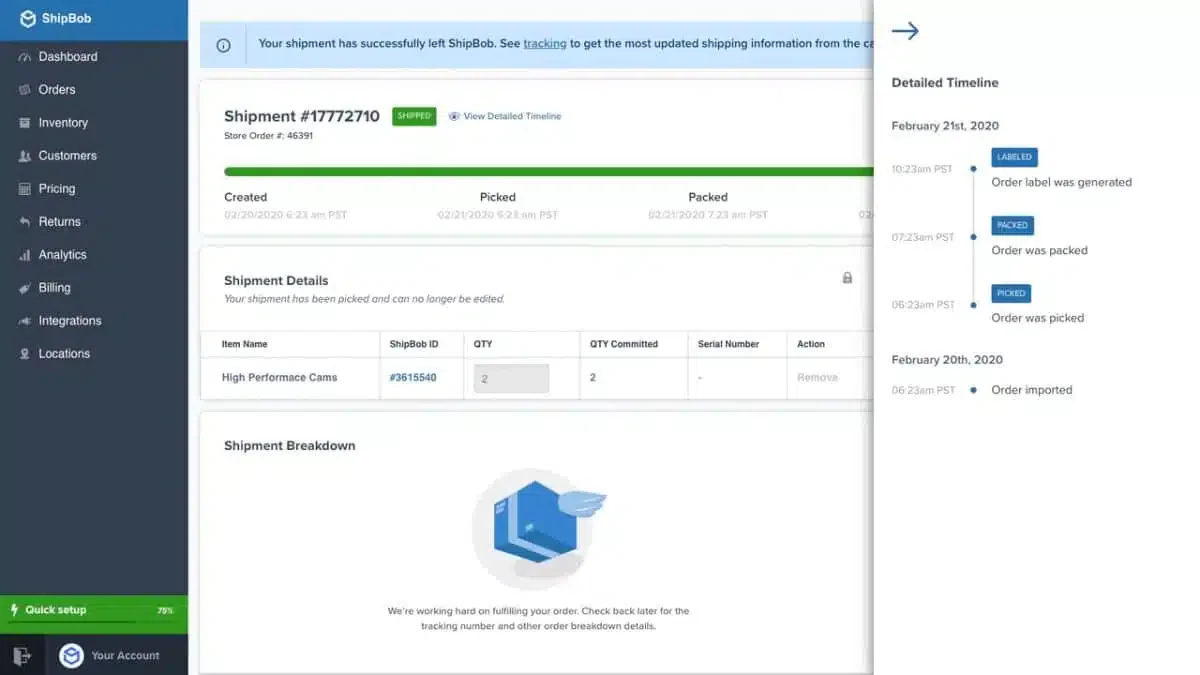
ShipBob software features as a logistics and inventory management platform, but it also supports equipment maintenance needs. The software helps companies manage and schedule maintenance of logistics and warehousing assets, ensuring all equipment is in good working order.
ShipBop inventory management software has the following features:
- eCommerce Integrations
- Customer Porta
- KPIs Dashboards
- Custom Reports
| Pros | Cons |
|
|
Best fit for: High-volume online sellers that outsource warehousing and shipping, and need stock visibility across fulfillment centers without running their own warehouse.
Pricing: Custom. ShipBob builds each quote around your order volume, storage needs, and fulfillment locations.
5. Veeqo
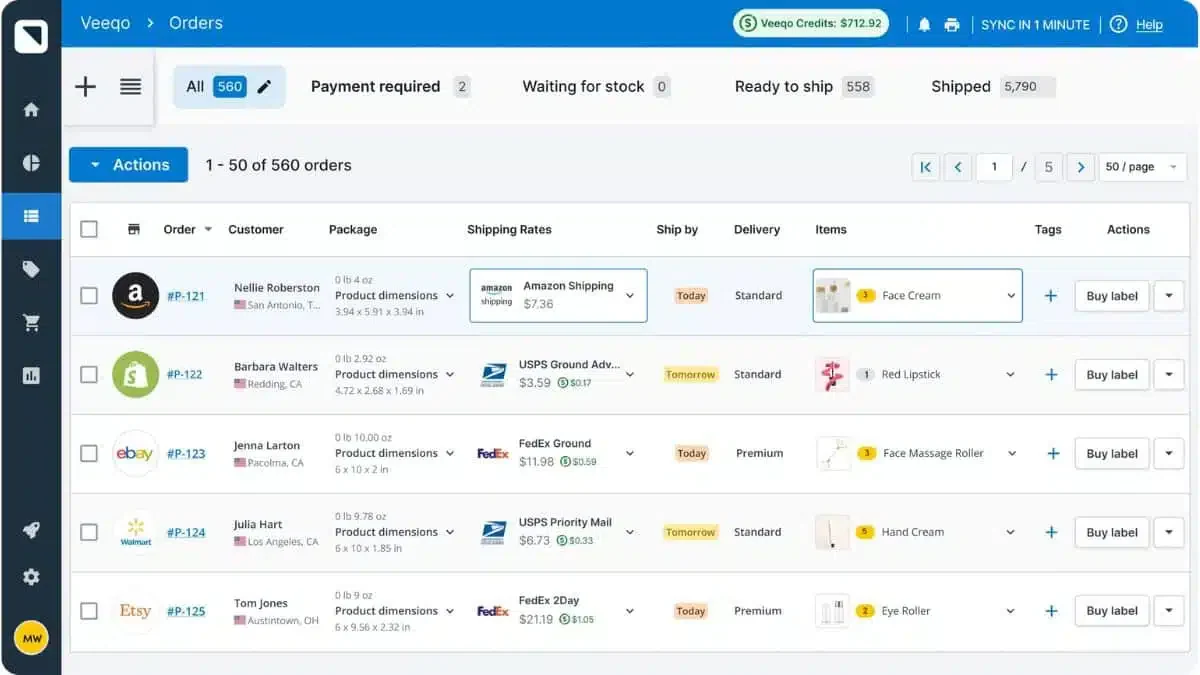
Veeqo is an inventory and order management solution that also offers features for equipment maintenance. With Veeqo, companies can automate maintenance schedules, track equipment conditions, and manage spare parts to ensure smooth and efficient operations.
E-commerce inventory software by Veeqo has features such as the following:
- Centralized Inventory Database
- eCommerce Integrations
- Order management
- Low stock alerts
| Pros | Cons |
|
|
Best fit for: Small and growing online sellers that manage orders across several marketplaces and want stock levels to sync automatically without a large setup effort.
Pricing: Inventory starts at ₱1,170 per month.
6. Cin7 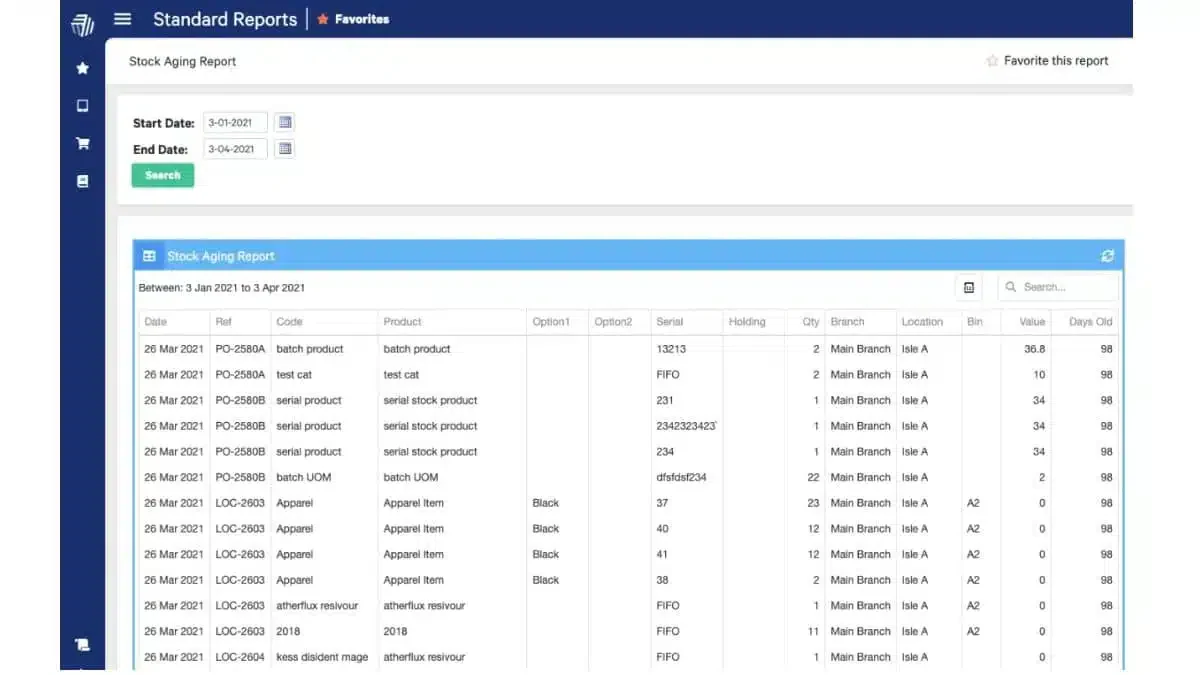
Cin7 is a comprehensive inventory management platform that includes equipment maintenance features. This software allows tracking equipment performance, scheduling maintenance, and managing assets to reduce downtime and improve operational efficiency.
The following are the features of Cin7 stock management software:
- Centralized Inventory Database
- Inventory Level Dashboards
- Stock History Reporting
- Low Stock Notifications
| Pros | Cons |
|
|
Best fit for: Established multi-channel brands that sell across marketplaces, retail, and wholesale, and need one system to sync stock and orders.
Pricing: Standard costs ₱21,520 per month, Pro costs ₱36,940 per month, and Advanced costs ₱73,940 per month.
7. Fishbowl
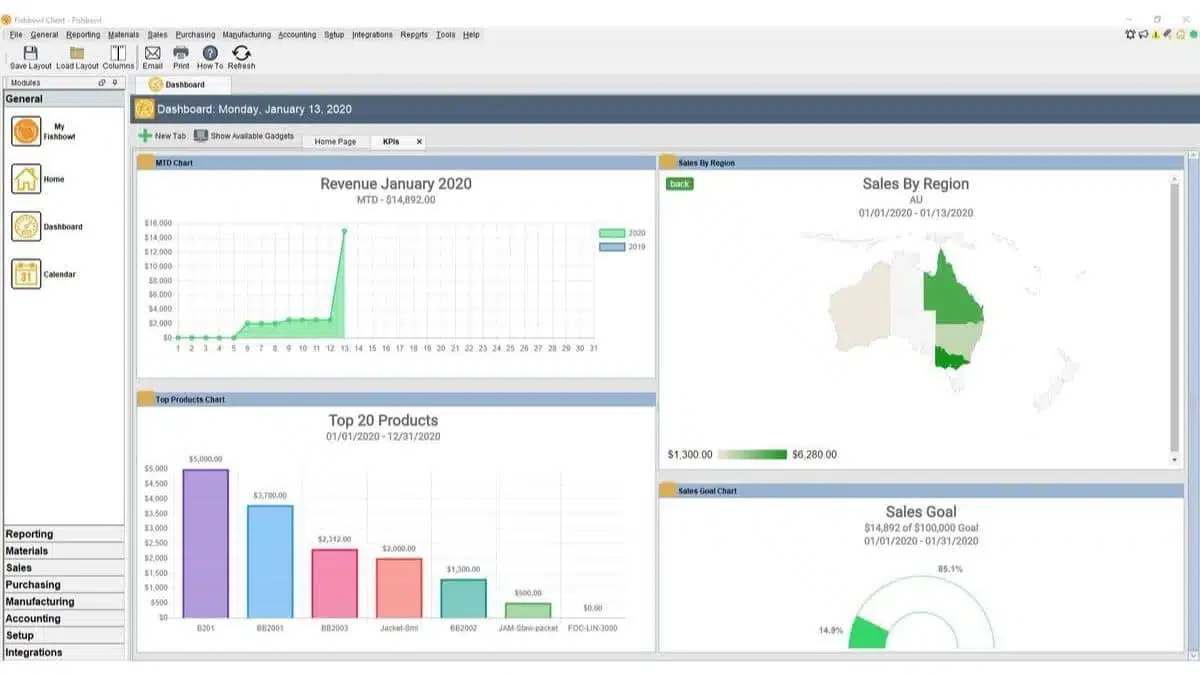
Fishbowl offers both on premise and cloud based inventory management solutions for various types of businesses, including eCommerce, brick and mortar, and manufacturing. It helps accurately track inventory, customize labels, automate processes, and integrate payments from POS and eCommerce platforms into accounting records.
Here are the features of Fishbowl inventory software:
- Inventory tracking and management
- Order management
- Real-time inventory updates
- Mobile access
| Pros | Cons |
|
|
Best fit for: Sellers that run their own warehouse or light manufacturing, and need inventory, work orders, and QuickBooks syncing in one deployment.
Pricing: Fishbowl Inventory costs ₱14,120 per month, and Fishbowl Advanced costs ₱36,690 per month.
8. Helcim
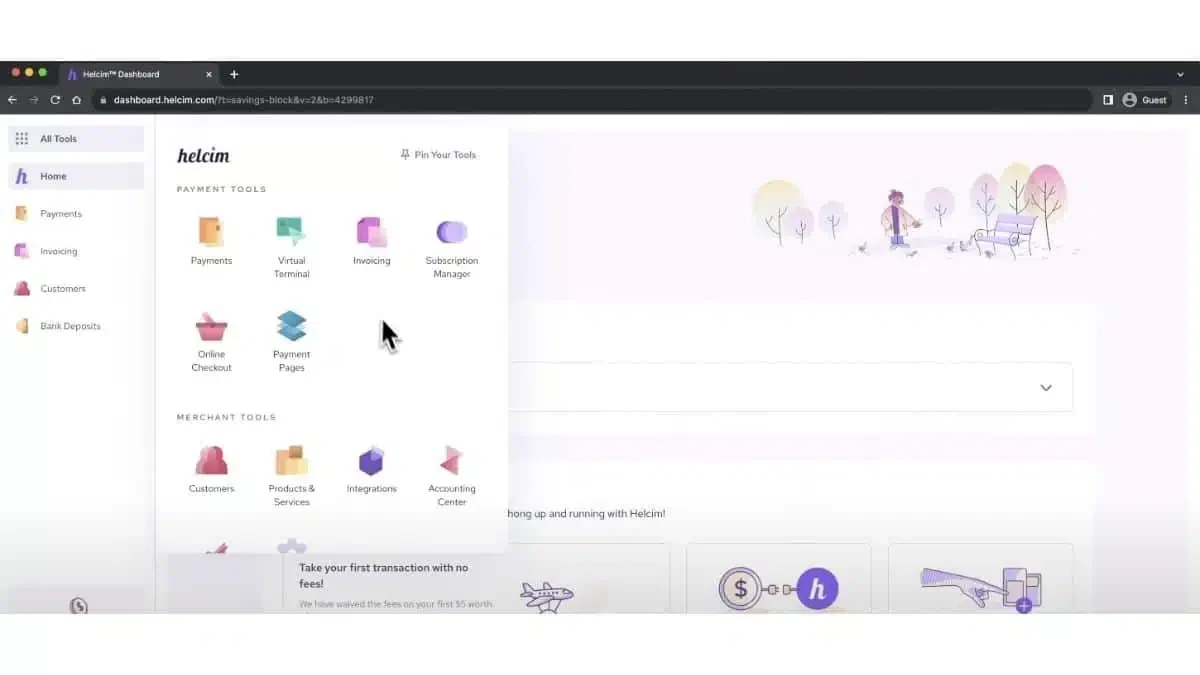
Helcim is a payment and business management platform that also supports equipment maintenance. Known primarily for payment solutions, Helcim helps in managing business equipment, including scheduling and tracking maintenance.
Helcim inventory management application has the following features:
- Payment processing
- Inventory tracking
- Customer relationship management (CRM)
- Reporting and analytics
| Pros | Cons |
|
|
Best fit for: Small sellers that process payments online and in store, and need light stock tracking bundled with their payment system rather than a standalone inventory tool.
Pricing: Custom. Helcim builds each quote around your monthly transaction volume, payment mix, and the tools you switch on.
9. Sage Inventory Advisor
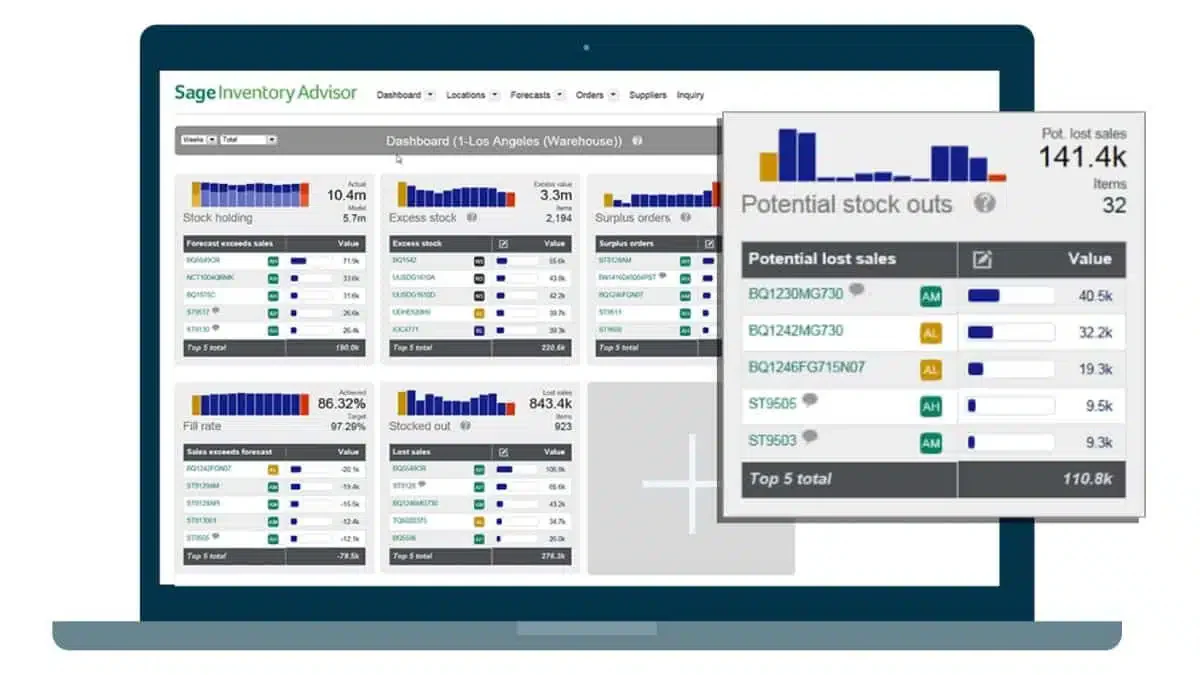
Sage Inventory Advisor offers inventory management solutions with equipment maintenance features. With Sage, users can manage maintenance schedules, monitor asset conditions, and optimize equipment usage for maximum efficiency.
The following are the features of Sage Inventory Advisor:
- Inventory optimization
- Demand forecasting
- Supplier management
- Real-time stock tracking
| Pros | Cons |
|
|
Best fit for: Mid-sized distributors, wholesalers, and manufacturers that carry a wide SKU range across multiple warehouses and need demand forecasting to cut excess stock without risking stockouts. It suits teams that already run Sage ERP or accounting and want inventory optimization layered on top of existing data.
Pricing: Custom. Sage does not publish rates for Inventory Advisor; the cost depends on SKU volume, number of warehouses, and the Sage system it connects to. You need to contact their sales team for a tailored quote.
10. Netsuite
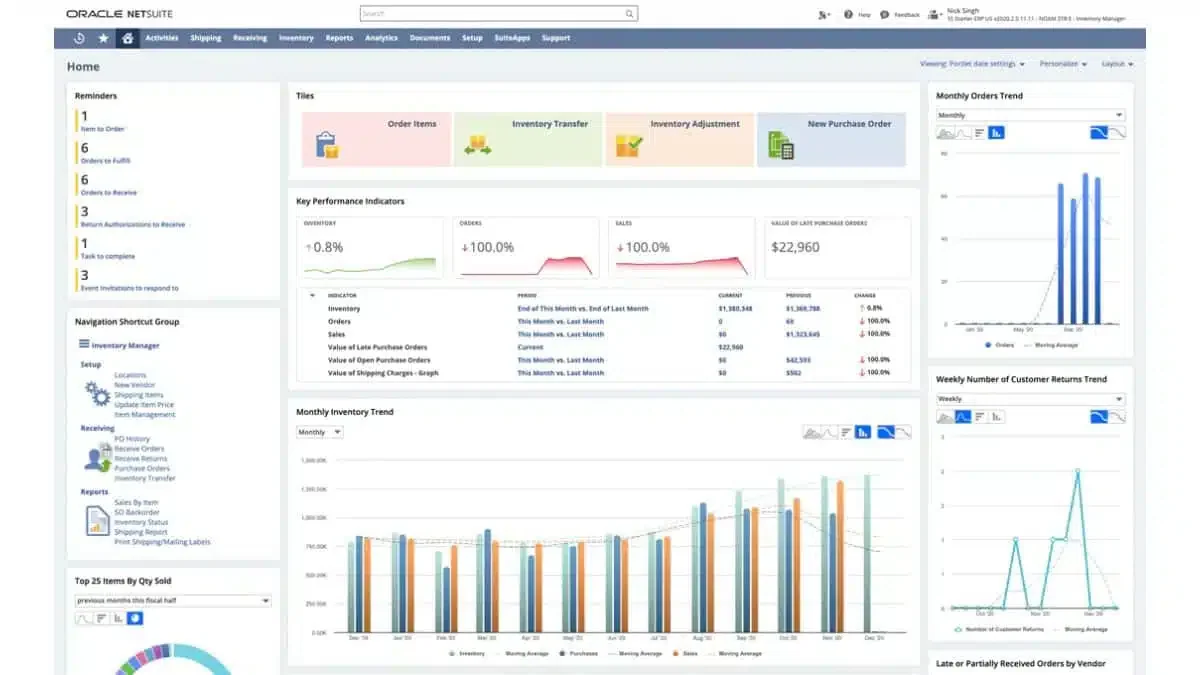
Netsuite Inventory Management is part of the Netsuite ERP suite, which offers equipment maintenance features. This software helps with asset tracking, maintenance scheduling, and performance analysis to ensure equipment is always in top condition.
Here are the features of Netsuite inventory management software:
- Inventory control and optimization
- Order fulfillment
- Demand planning
- Multi location management
| Pros | Cons |
|
|
Best fit for: Mid-size businesses and enterprises that need inventory control tied into a full ERP suite rather than a standalone stock tool.
Pricing: Typically starts at around ₱62,400 per month for the base platform, plus ₱8,060 to ₱12,440 per user, per month
11. Zoho
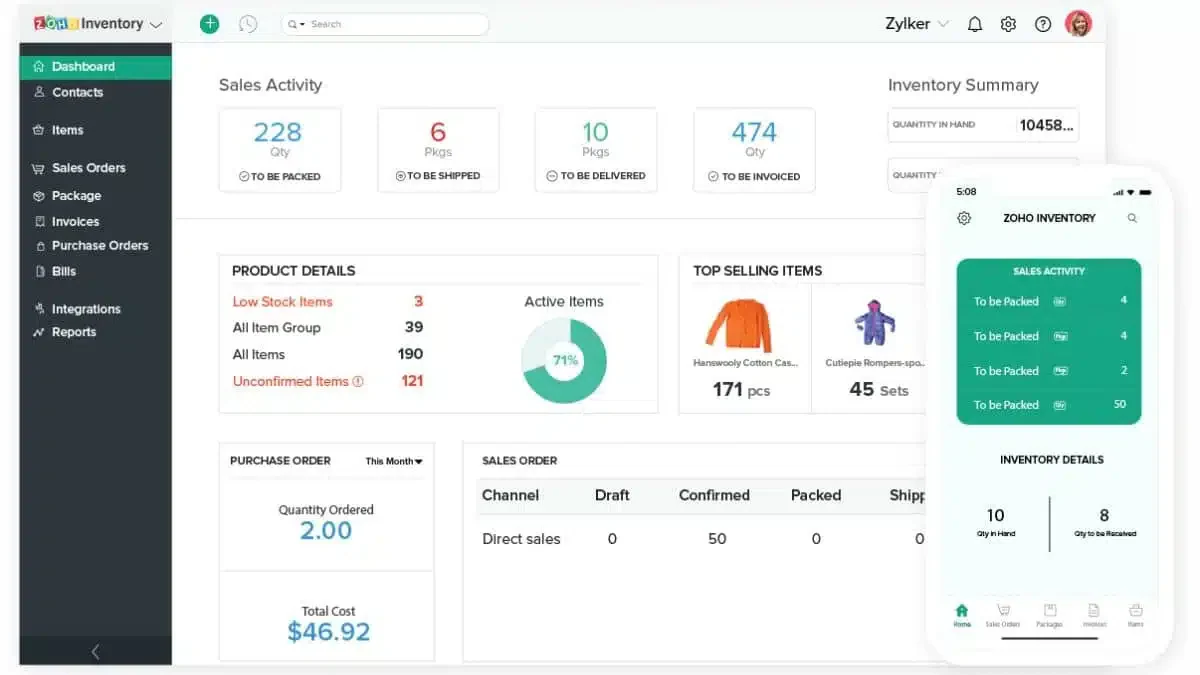
Zoho Inventory is an inventory management solution integrated with equipment maintenance features. With Zoho, users can schedule maintenance, track equipment conditions, and ensure smooth operations through preventive maintenance.
E-commerce inventory software by Zoho has features such as the following:
- Multi-channel inventory management
- Order management
- Warehouse management
- Integrations with various e commerce platforms
| Pros | Cons |
|
|
Best fit for: Small to mid-sized online sellers running one to a few sales channels with a moderate SKU count, especially those already using other Zoho apps and wanting inventory, orders, and warehouses in one affordable tool. Large sellers with high SKU volumes or complex fulfillment models will outgrow it.
Pricing: Standard ₱1,790 per organization/month, Premium ₱4,870 per organization/month, Plus ₱7,960 per organization/month, and Enterprise ₱15,360 per organization/month. Prices may change, so check Zoho's website for the latest rates.
12. Linnworks
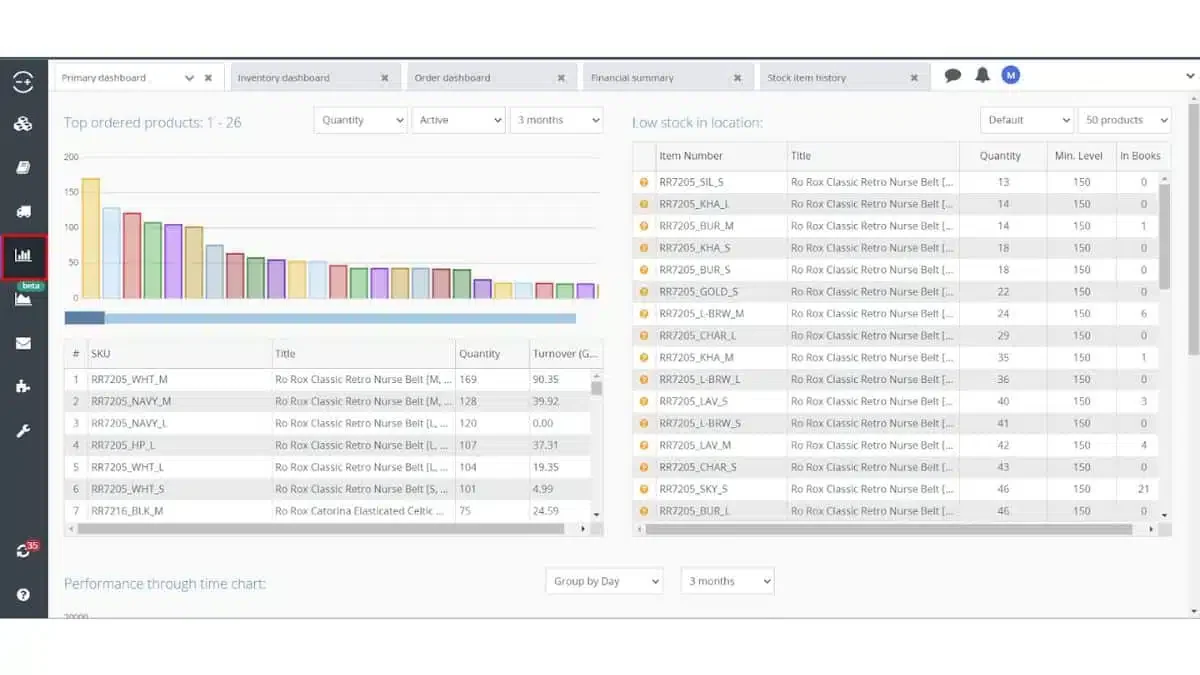
Linnworks is an e-commerce and inventory management platform that supports equipment maintenance. This software allows maintenance scheduling, tracking equipment conditions, and managing spare parts to reduce downtime.
The following are the features of Linnworks inventory:
- Multi-channel order management
- Inventory control
- Automation tools
- Reporting and analytics
| Pros | Cons |
|
|
Best fit for: High-volume sellers running many marketplaces at once, since Linnworks syncs inventory across 100+ channels and connects to 70+ shipping providers. Its strength is breadth of channel and carrier coverage, so sellers on one or two channels will pay for reach they do not use.
Pricing: Custom. Linnworks does not publish rates; plans are priced on order volume rather than revenue, with no percentage fees, and advanced modules are charged as optional add-ons. Contact their sales team for a quote.
13. Lightspeed
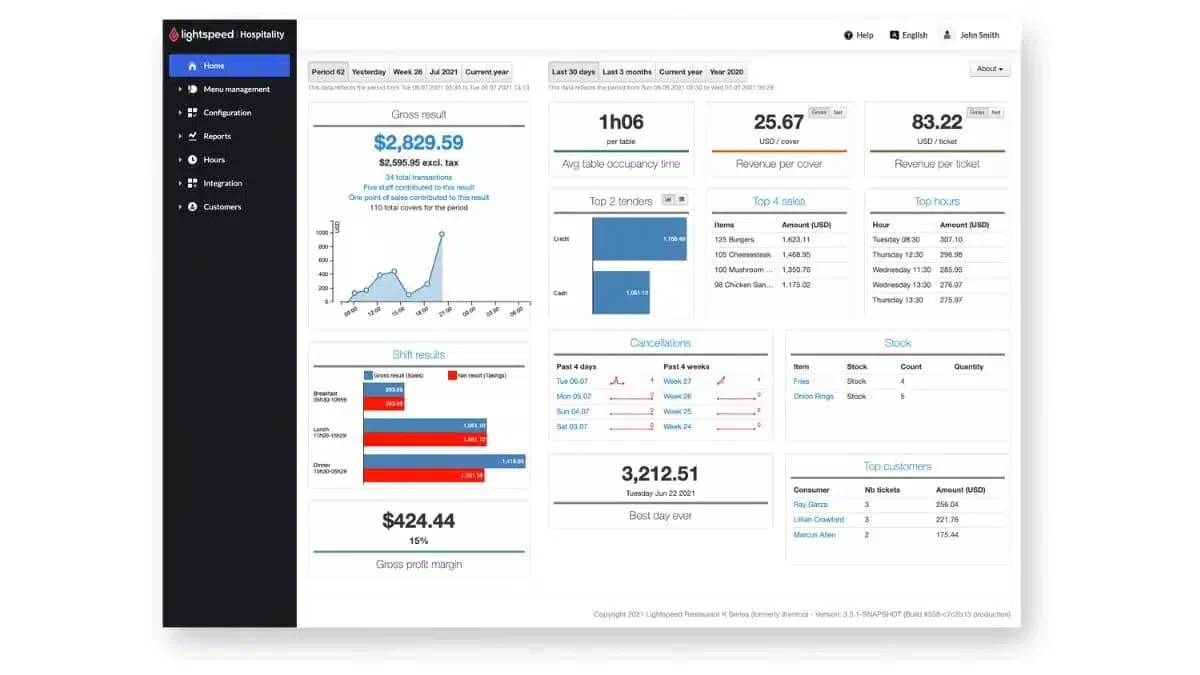
Lightspeed is a POS and inventory management solution that includes equipment maintenance features. This software helps retailers manage asset maintenance, schedule services, and ensure equipment is always ready to use.
Lightspeed e-commerce management software has the following features:
- POS integration
- Real-time inventory tracking
- Asset maintenance scheduling
- Comprehensive reporting tools
| Pros | Cons |
|
|
Best fit for: Retailers running physical stores alongside an online channel, where POS and inventory need to sit in one system. Lightspeed positions Basic for independent retailers' day-to-day needs, Core for retailers seeking growth management tools, and Plus for established operations needing customization and scale. Sellers who are online-only will pay for POS depth they never touch.
Pricing: Basic ₱6,720 per month, Core ₱11,040 per month, and Plus ₱20,910 per month. Each plan includes one register, and additional registers cost extra. Prices may change, so check Lightspeed's website for the latest rates.
14. Threecolts
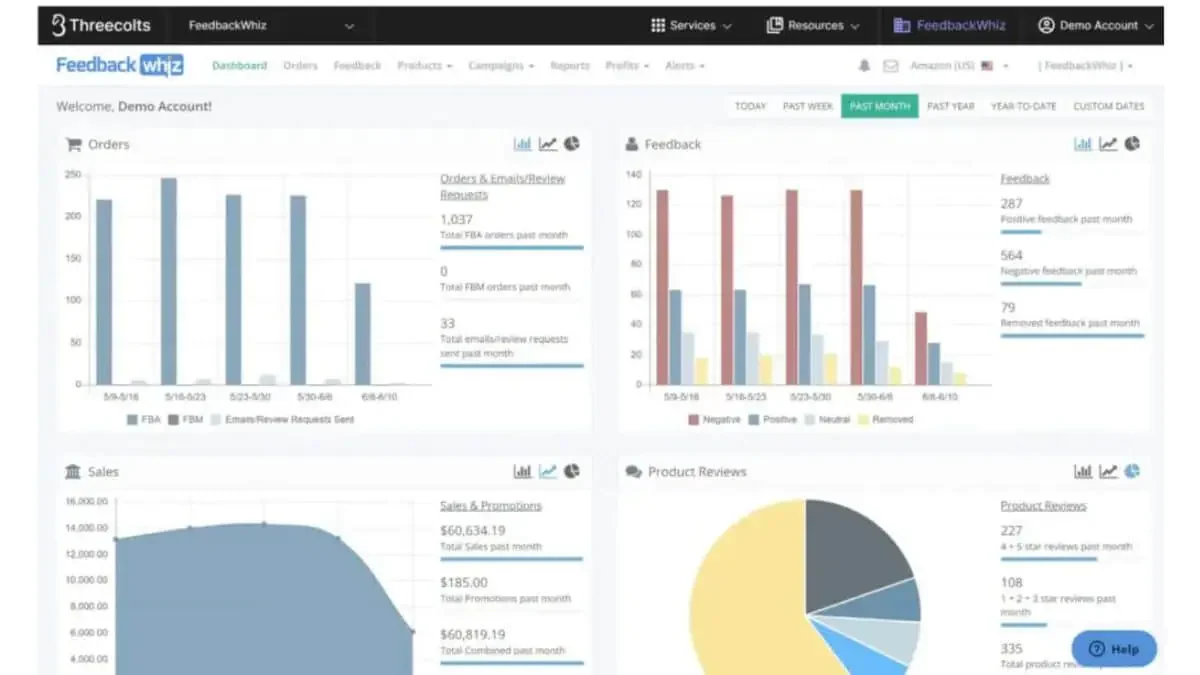
Threecolts is an inventory and order management platform for equipment maintenance. Users can schedule maintenance, track equipment performance, and easily manage spare parts with Threecolts.
Here are the features of the Threecolts inventory app:
- Inventory management
- Order tracking
- Maintenance scheduling
- Spare parts management
| Pros | Cons |
|
|
Best fit for: Amazon and marketplace resellers running online arbitrage, retail arbitrage, or wholesale who want a bundle of seller tools under one subscription. Standard covers a single user, while Teams and Pro support up to 10 users, so the tier follows team size rather than SKU volume.
Pricing: Standard ₱4,260 per month, Teams ₱7,960 per month, and Pro ₱12,270 per month. Prices may change, so check Threecolts' website for the latest rates.
15. Trunk
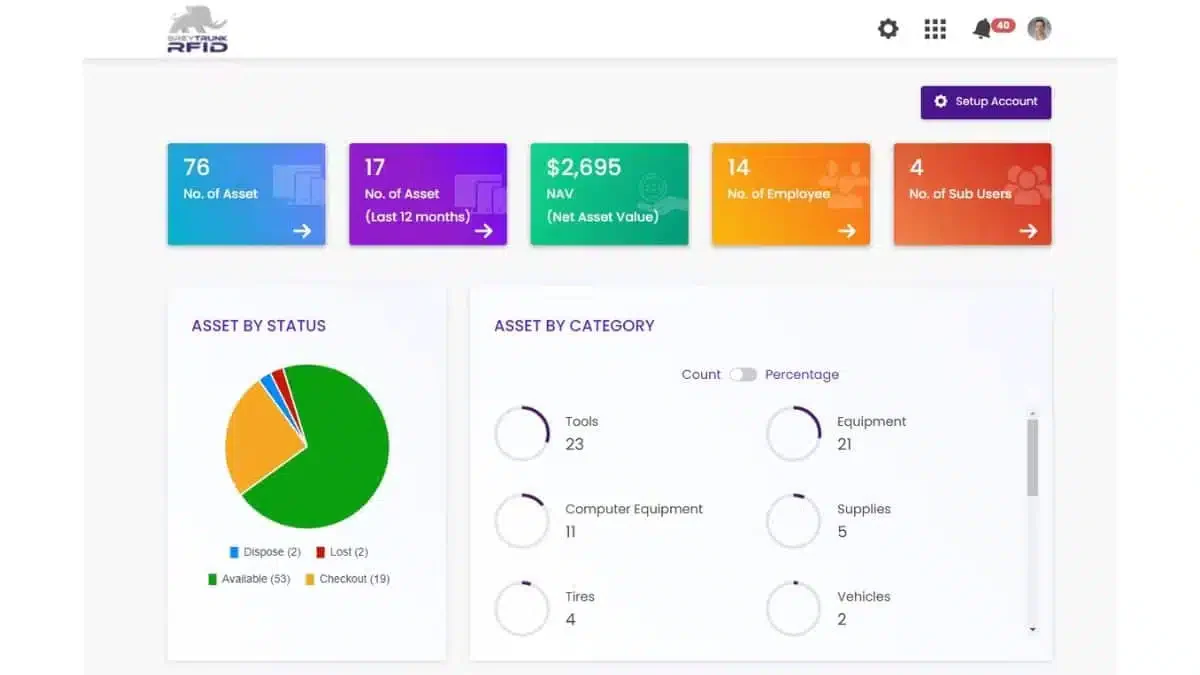
Trunk provides an integrated inventory management solution with equipment maintenance features. This software helps businesses schedule maintenance, track asset conditions, and ensure all equipment functions optimally.
App Trunk inventory management has features such as the following:
- Real-time inventory sync
- Multi-channel support
- Maintenance scheduling
- Asset condition tracking
| Pros | Cons |
|
|
Best fit for: Small online sellers who mainly need stock levels kept in sync across several storefronts rather than full inventory operations. Every plan includes unlimited sales channels and listings, so it suits multi-channel sellers with modest order volumes; Pro adds bundling, kitting, and duplicate SKU syncing.
Pricing: Essential starts at ₱2,160 per month and Pro starts at ₱2,410 per month, both for up to 100 orders monthly. Rates rise with order volume, reaching ₱17,210 and ₱20,290 per month at 6,001 to 10,000 orders. Prices may change, so check Trunk's website for the latest rates.
16. SkuVault
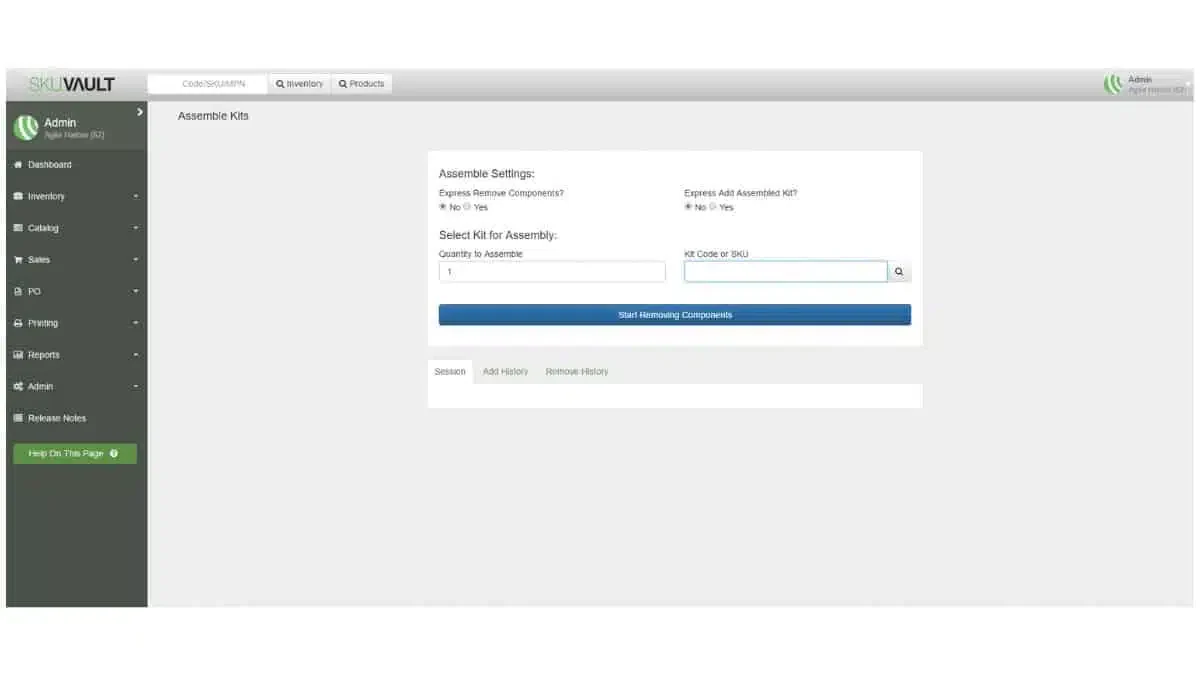
SkuVault is an inventory management solution that offers equipment maintenance features. Users can manage maintenance schedules, monitor equipment conditions, and reduce the risk of breakdowns through preventive maintenance.
Here are the features of SkuVault inventory management software:
- Inventory tracking
- Order management
- Preventive maintenance scheduling
- Equipment condition monitoring
| Pros | Cons |
|
|
Best fit for: Growing sellers who need warehouse-floor control, barcode-driven picking, cycle counting, and stock accuracy across locations rather than channel syncing alone. The complex interface and training requirements make it a poor match for small sellers who only need stock levels kept aligned.
Pricing: Entry-level pricing starts at around ₱30,770 per month, with premium tiers quoted on request.
17. Finale Inventory
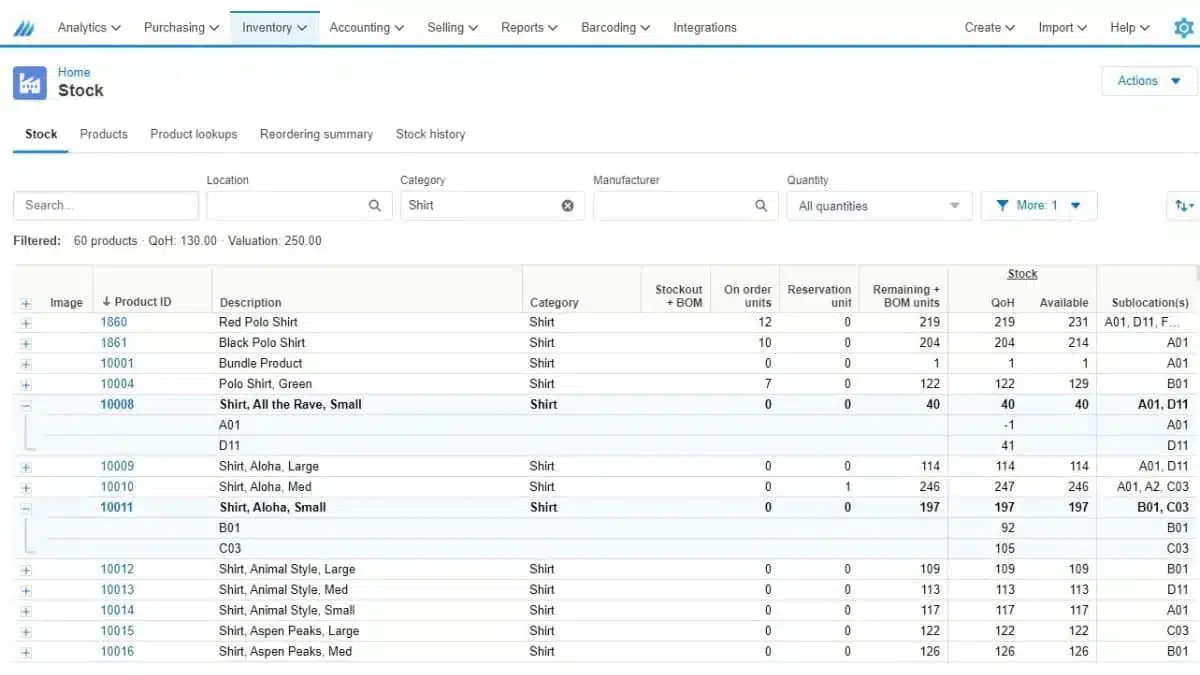
Finale Inventory offers an inventory management solution with support for equipment maintenance. This software enables tracking equipment performance, scheduling maintenance, and managing spare parts for efficient operations.
Finale E-commerce Inventory Software has the following features:
- Inventory control
- Order management
- Barcode scanning
- Equipment performance tracking
| Pros | Cons |
|
|
Best fit for: Growing brands and SMEs running 3–5 sales channels with 500 to 5,000 SKUs and a small team. Finale Inventory suits sellers who need multi-channel sync, automation, and basic analytics without a full ERP setup.
Pricing: Essentials starting at ₱30,800/month, Growth starting at ₱49,300/month, and Enterprise with Custom pricing.
18. SellerCloud
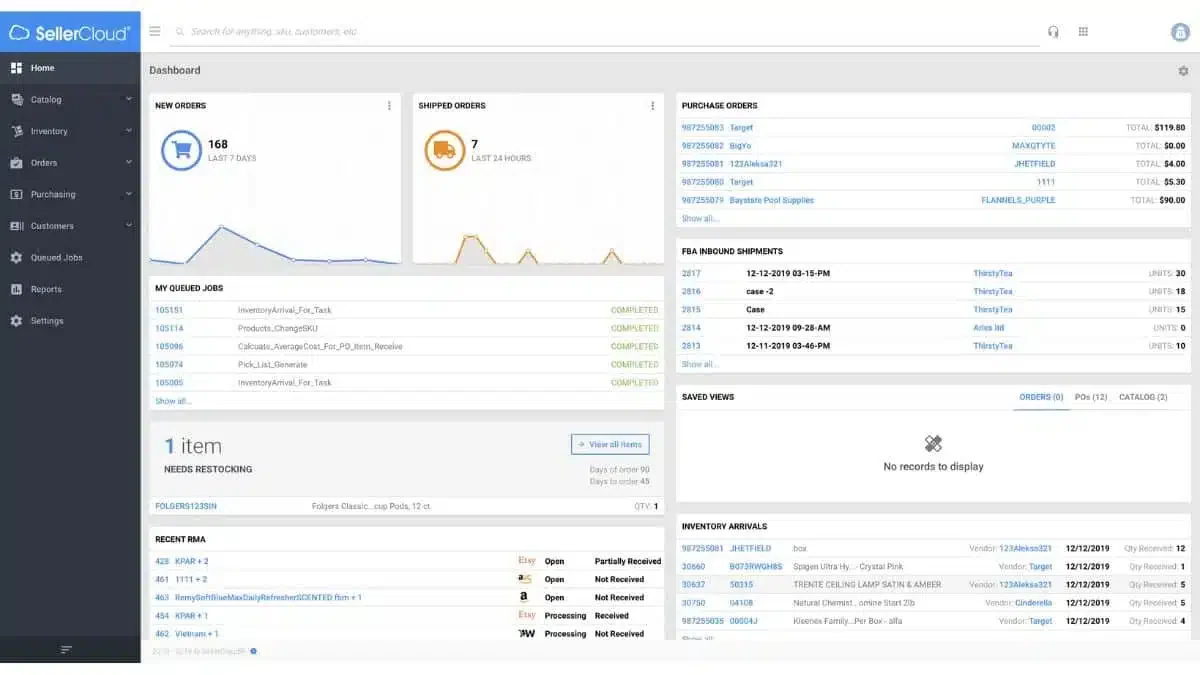
SellerCloud is an e-commerce management platform with equipment maintenance features. Users can schedule maintenance, track equipment conditions, and ensure all assets are in good condition.
SellerCloud inventory management software has the following features:
- Multi-channel management
- Inventory control
- Order processing
- Equipment maintenance scheduling
| Pros | Cons |
|
|
Best fit for: Enterprise and multi-brand sellers running omnichannel operations across online and offline stores. This tier covers businesses with 5,000+ SKUs, multiple warehouses, and a need for full integration, advanced forecasting, and customization.
Pricing: Starting at ₱83,200/month
19. Katana
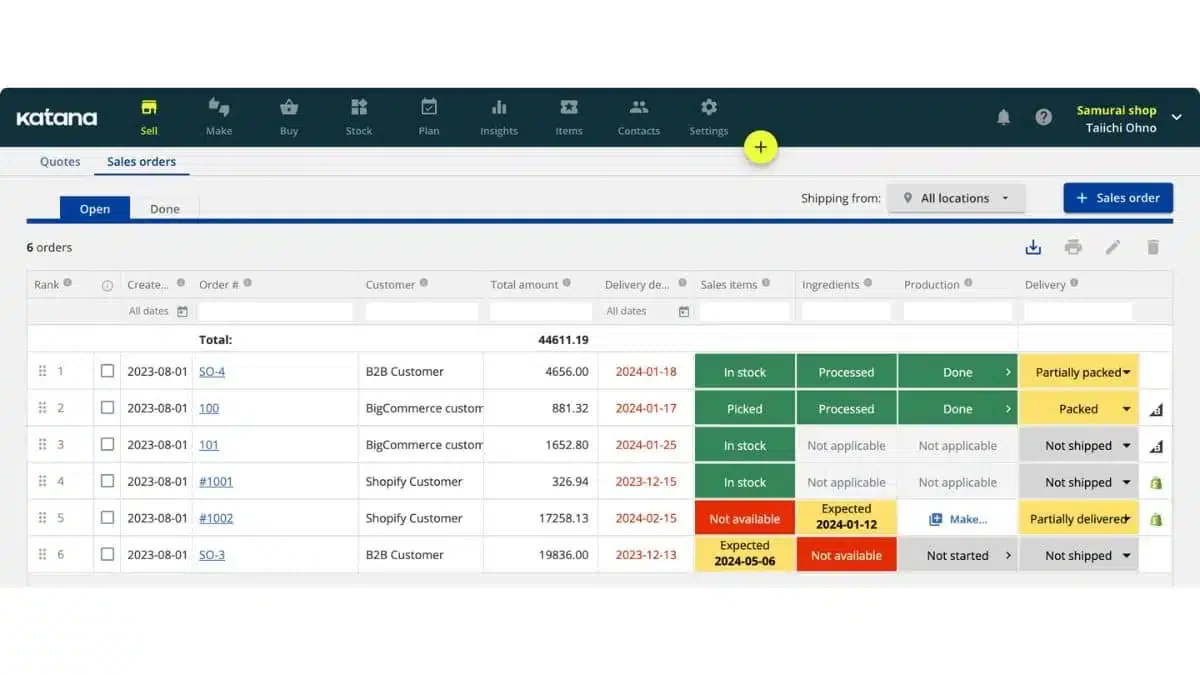
Katana is a manufacturing inventory software, making it suitable for e-commerce as well. It offers real-time product visibility, end to end traceability, features like purchase, sales order, production, and warehouse management, as well as real-time scheduling and master planning capabilities.
Here are the features of Katana inventory management software for ecommerce:
- Production planning
- Inventory management
- Shop floor control
- Asset maintenance management
| Pros | Cons |
|
|
Best fit for: Growing Brand/SME sellers running a small team who want a simple, centralized system without a steep learning curve. Katana suits businesses that are not yet ready for a full ERP setup, since it lacks extensive integrations and struggles with more complex operations.
Pricing: Free Plan is Free, Core Plan starts at ₱18,450/month/, and Advantage Plan has custom pricing
20. Shiphero
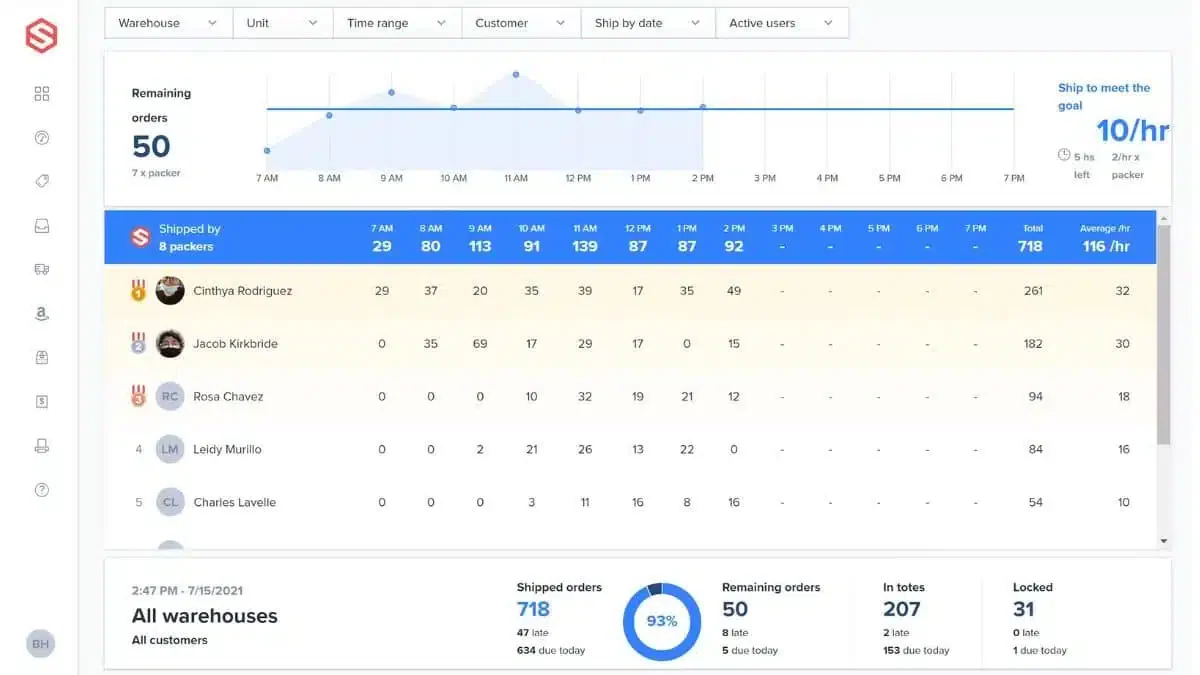
Shiphero is a logistics management platform that offers equipment maintenance features. This software helps companies manage and schedule the maintenance of logistical assets, ensuring all equipment functions well and efficiently.
Shiphero inventory stock software has the following features:
- Shipping management
- Inventory tracking
- Order fulfillment
- Logistics asset maintenance
| Pros | Cons |
|
|
Best fit for: Logistics-heavy sellers that handle high order volume, warehouse fulfillment, and shipping across e-commerce platforms. They need inventory, picking, packing, carrier workflows, and training support in one operational system.
Pricing: Custom. ShipHero provides tailored pricing based on order volume, warehouse needs, fulfillment scope, and required logistics features.
E-Commerce Platform Integration Guide
Choosing the right e-commerce inventory management software in the Philippines means more than comparing features. It means confirming that your e-commerce inventory software connects directly to the platforms your customers shop on. Without native integration, stock discrepancies and delayed orders become inevitable. Here’s what to look for in Philippine marketplace integrations:
Shopee Integration Must-Haves:
- Real-time stock sync (not just hourly updates)
- Automatic order import and status updates
- Shopee Ads inventory reservation
- Flash sale stock allocation
- Shopee Xpress shipping integration
- Seller Center API compliance
Lazada Integration Must-Haves:
- LazMall and regular seller support
- Lazada Fulfillment by Lazada (FBL) compatibility
- Multi-warehouse sync for Lazada regional hubs
- Lazada Sponsored Products inventory allocation
- Automatic shipping label generation
TikTok Shop Integration Must-Haves:
- Live selling inventory reservation
- Affiliate product stock management
- TikTok Fulfillment integration
- Content-to-commerce tracking (which videos drive which sales)
Key Factors to Consider Before Choosing E-Commerce Inventory Management Software
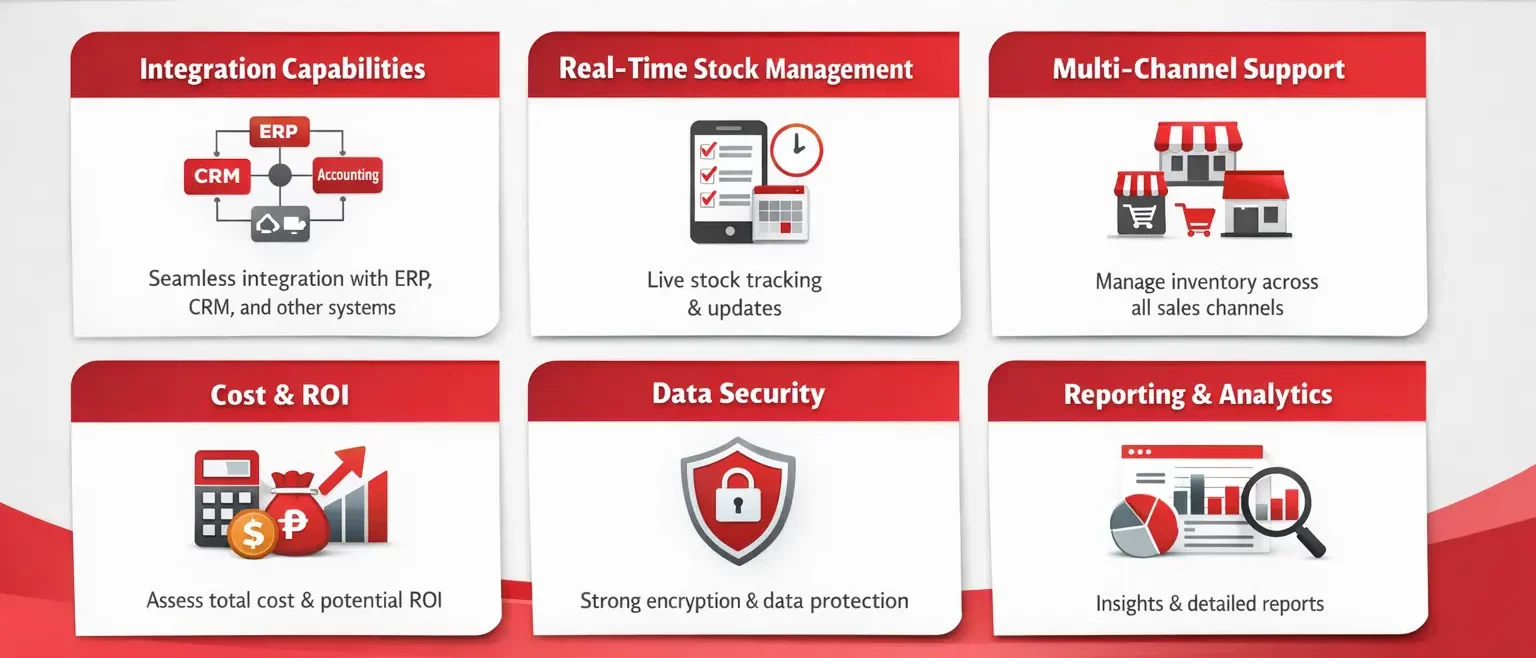
Not all e-commerce inventory management software in the Philippines is built for the same business model. Sellers evaluating e-commerce inventory software should weigh six factors before committing to a platform. When it scales with operations rather than creating friction as order volumes increase, then it is the right inventory management product.
- Extensive integration with various modules and systems: Ensure the software you choose can integrate with your e-commerce platform and other systems you already use, such as ERP, CRM, or accounting software. Solid integration ensures a smooth workflow and consistent data across all systems.
- Real-time stock management features: Software that provides real-time stock tracking helps you avoid overstocking and stockouts and gives better visibility over of your inventory.
- Multi-channel support: If your business operates across multiple sales channels (e.g., marketplace, online store, physical store), ensure the software supports inventory management for all these channels in one place.
- Cost and ROI: Evaluate the total cost of ownership (TCO) of the software, including licensing, implementation, training, and maintenance costs. Also, consider the potential return on investment (ROI) through improved operational efficiency and cost savings.
- Data security: Ensure the software has strong security measures to protect your business and customer data, including data encryption, access controls, and disaster recovery.
- Reporting and analytics: Good software should offer comprehensive reporting and analytics features. The ability to analyze sales data, stock trends, and product performance aids in strategic decision making.
By considering these factors, you can make a more informed decision and choose the e-commerce inventory management software that best fits your business needs and goals.
"Sistem yang terintegrasi membantu perusahaan melihat data operasional secara lebih akurat dan cepat."
— Darryl Esguerra, Inventory & Logistics Consultant
Conclusion
Choosing the right inventory management software is essential to support the complex operations of businesses in the Philippines. The system should address common inventory challenges, enable real-time visibility, and ensure smooth coordination across warehouses and sales channels.
Investing in the right solution can be a key factor in achieving long-term business success. For a broader comparison of leading systems and their key features, check out this guide to the best inventory management software in the Philippines to help inform your next decision.

FAQ About E-Commerce Inventory Management Software
E-commerce increases the complexity and volume of inventory management, requiring accurate, real-time stock data to avoid stockouts and overstocking. Since online businesses often sell across multiple channels and fulfillment centers, a robust inventory management system is essential to synchronize stock levels, streamline order processing, and meet customer expectations efficiently.
Effective e-commerce inventory management involves using inventory software to track stock in real-time and integrate it with sales channels. Businesses should apply demand forecasting, manage multiple warehouses efficiently, coordinate closely with suppliers, and conduct regular audits to support smooth order fulfillment and returns.
Inventory management plays a critical role in the e-commerce supply chain by maintaining optimal stock levels, reducing storage costs, speeding up order fulfillment, and improving demand forecasting. It also helps prevent stock shortages, strengthens supplier coordination, and improves overall operational accuracy.
E-commerce inventory management software in the Philippines ranges from free plans to over ₱80,000 per month. Entry tools like Zoho Inventory start near ₱1,790, mid-tier platforms run ₱15,000 to ₱40,000, and enterprise ERP systems such as HashMicro use custom pricing based on modules and users.
Yes. Most e-commerce inventory platforms connect to Shopee, Lazada, and TikTok Shop through official Seller Center APIs, syncing stock levels and importing orders automatically. Confirm the vendor supports real-time sync rather than hourly updates, since flash sales can oversell stock within minutes.
Switch to Code mode or refresh to load the visual preview.