







Imagine this: You’re running your business, but every step feels like guessing. Are you tracking assets or inventory? Without clarity about which asset and inventory you are investing in, you might waste money or miss chances to grow. This common mix-up holds many back, but understanding these basics can make a big difference.
This guide will show you the simple difference between assets and inventory and how managing them well saves time and money. Let’s clear up the confusion and help your business run smarter and smoother.
Key Takeaways
Assets hold long term value and support business growth, while inventory refers to goods intended for sale or production
Prioritizing fast moving products, keeping accurate records, and auditing stock regularly are the core practices that reduce costs and keep operations running smoothly
Tracking asset location and condition, scheduling preventive maintenance, and monitoring ROI are essential practices that help businesses maximize the long-term value of their resources.
Understanding the Basics of Asset and Inventory
Assets and inventory play key roles in a business’s success. Although distinct, these concepts often overlap in management and require different handling strategies. This is their main difference:
| Asset | Inventory |
|---|---|
| An asset is something a business owns that holds value, like buildings or machinery. Businesses use assets to generate income and support growth. | Inventory includes goods a business plans to sell, like raw materials and products. It turns into cash quickly and helps meet customer needs efficiently. |
Managing both effectively ensures smoother operations and better financial outcomes. With clear distinctions and proper tools, businesses can maximize the potential of their assets and inventory.
Key Differences Between Asset and Inventory
Let’s take a look at this table to see the difference:
| Category | Assets | Inventory |
|---|---|---|
| Definition | Resources with long-term value | Goods intended for sale |
| Types | Fixed (e.g., machinery, buildings) | Raw materials, WIP, finished goods |
| Purpose | Support income generation | Convert into cash through sales |
| Category | Fixed and current assets | Part of current assets |
| System | Asset management system | Inventory management system |
Understanding these differences helps businesses improve financial reporting and operations.
Why is Knowing Their Difference Important?
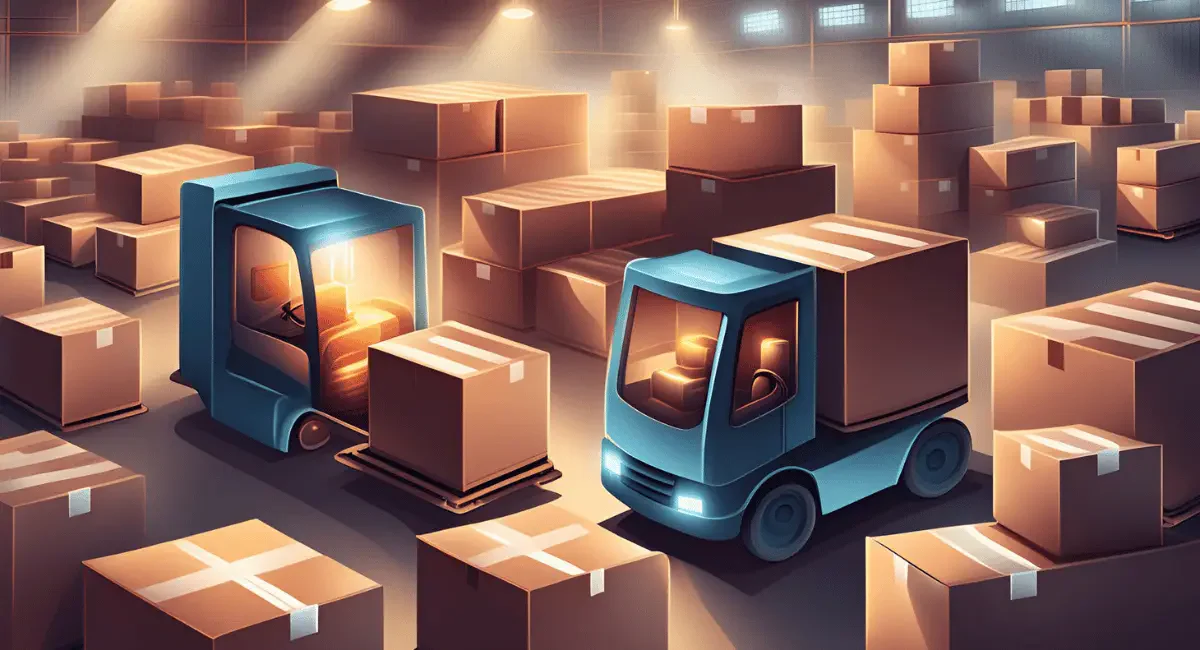
Knowing the difference between assets and inventory helps businesses make smarter financial decisions. Assets drive long-term growth, while inventory supports short term sales. Confusing the two can lead to overspending, inaccurate reporting, and poor resource allocation, all of which make it harder to reach business goals.
When businesses understand the distinction clearly, they can plan more effectively, maintain accurate cash flow records, and allocate resources where they are needed most. This clarity also makes it easier to evaluate business performance over time and identify areas for improvement. Applying sound inventory management strategies from the start helps prevent many of the reporting errors that arise from treating these two categories as the same.
Read more: Top Construction Inventory Management Software
How to Manage Inventory Effectively
Managing inventory effectively helps reduce costs and ensures you always meet customer demand. It involves organizing stock, keeping accurate records, and focusing on key products. These practices can help:
- Focus on Priorities: List fast-moving products and allocate resources to them. This prevents overstocking or running out of popular items.
- Keep Accurate Records: Track inventory with detailed information like SKU, barcode data, and supplier details.
- Audit Stocks Regularly: Count inventory routinely to match records with actual stock levels. This reduces errors and improves accuracy.
With the right tools, managing inventory becomes simpler and more efficient. An recommended inventory system tasks like tracking stock levels, restocking, and generating reports. It helps businesses save time, reduce errors, and make informed decisions to keep operations running smoothly.
Read More: Top Manufacturing Inventory Software
Efficient Asset Management Strategies
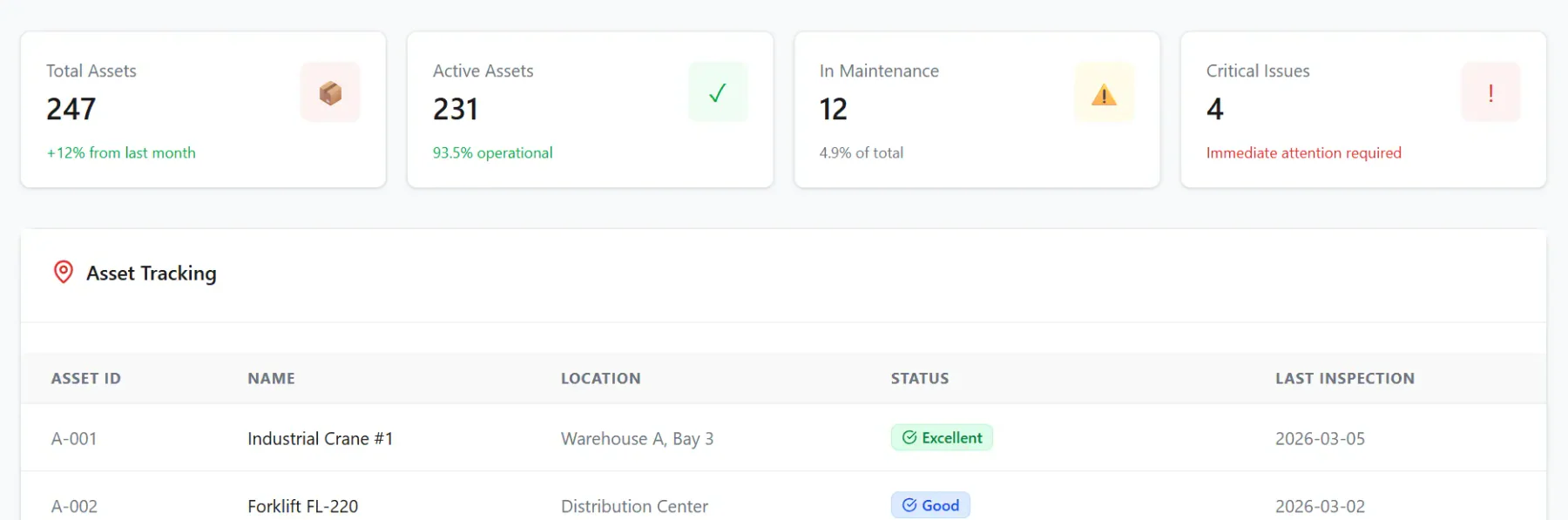
Managing assets properly helps increase their value and supports long-term business growth. These practices ensure assets remain functional and contribute to the success of your business. Businesses can improve asset management by:
- Tracking Assets: Use tools to monitor the location, condition, and usage of resources.
- Scheduling Maintenance: Preventive maintenance keeps assets functional and avoids unexpected costs. For teams managing recurring service schedules across many assets, comparing CMMS software options can help identify which platform best connects preventive maintenance, work orders, asset histories, and spare-parts control.
- Monitoring ROI: Assess the profitability of assets by calculating their return on investment. This helps businesses make smarter decisions about buying or selling assets.
Using an asset management system can simplify these processes and improve efficiency. Such tools help track assets, schedule maintenance, and analyze performance, enabling businesses to maximize the value of their resources.
Examples of Asset and Inventory
Assets and inventory are essential parts of any business. Assets bring long-term value by supporting operations or increasing financial stability. Inventory, on the other hand, refers to goods meant for quick use or sale to maintain smooth business operations.
- Inventory Examples
- Raw materials like wood, fabric, or metal used to produce goods.
- Finished goods ready for sale, such as furniture, clothes, or electronics.
- Consumable items like office supplies or packaging materials that are used daily.
- Asset Examples
- Machinery and equipment that help produce goods or services.
- Real estate or buildings owned by the business, such as warehouses or offices.
- Intellectual property like patents, as well as non-operational investments like stocks or vacant land.
Properly managing assets and inventory is critical to a business’s success. Tools like inventory software ensure you maintain the right stock levels, while asset performance management software track usage and value over time. This approach saves costs and boosts efficiency and decision making for long term growth.
Also read: Top Manufacturing Asset Management Software
Conclusion
Assets and inventory serve different but equally important roles in any business. Assets support long-term growth by generating value over time, while inventory ensures short-term sales and operational efficiency. Managing both with clarity helps businesses reduce costs, maintain accurate financial records, and make better use of available resources.
The tools a business uses to manage these two categories matter just as much as the understanding behind them. Automated systems reduce manual errors, provide real time visibility, and support more informed decision making.
For businesses looking to evaluate their options, reviewing the best inventory management software available today is a practical next step toward more efficient operations.
FAQ Around Asset and Inventory
An asset is a resource a business owns with long-term value, like machinery or buildings. Inventory includes items meant for sale, such as raw materials or finished goods.
Asset inventory refers to items tracked as assets, like office furniture or equipment. These items are not for sale but support daily business operations.
Current assets include all resources convertible to cash within a year, like inventory or accounts receivable. Inventory is a specific type of current asset focused on goods for sale.