













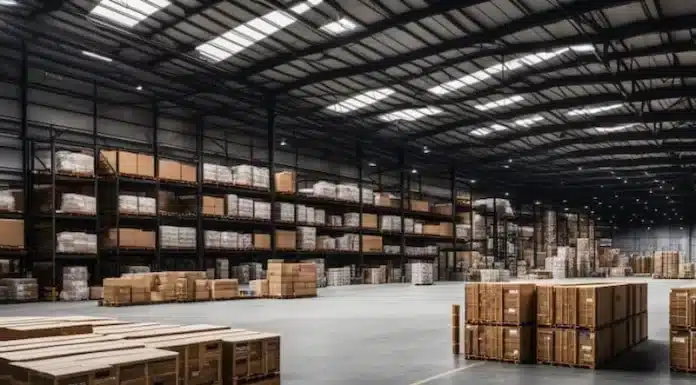
A temporary warehouse is a versatile storage solution that can help businesses optimize their storage capabilities in the Philippines. These warehouses offer flexible and scalable storage options, allowing businesses to adapt to changing storage needs.
Whether you require additional storage space for a short term or long term, a temporary warehouse can provide a cost-effective solution. By utilizing a temporary warehouse, you can efficiently store your inventory, equipment management, and other items while maximizing space and maintaining a well-organized storage system.
Key Takeaways
|
Understanding the Benefits of Temporary Warehouses
Temporary warehouses in the Philippines provide a cost-effective storage solution, offering businesses an affordable alternative to traditional warehouses. They allow for flexible, on-demand storage, so businesses only pay for the space they need, which helps optimize storage costs.
These warehouses are also scalable, with modular designs that can be easily expanded or reduced as inventory changes, making them ideal for seasonal needs or future growth. Additionally, their strategic locations and amenities, like loading docks, ensure convenient access and efficient logistics for managing inventory.
The Modular Advantage of Prefab Temporary Warehouses
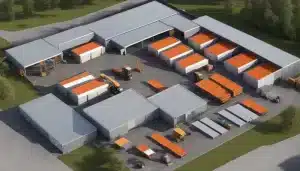 Prefab temporary warehouses in the Philippines offer a flexible storage solution with modular designs that make construction faster and more cost effective. These warehouses use pre engineered components for precise and accurate assembly, reducing time and costs compared to traditional methods.
Made from durable, eco friendly materials like EPS and Rockwool panels, prefab warehouses are resistant to seismic and wind conditions. Their modular nature allows easy expansion, relocation, and layout adjustments, offering businesses a versatile and efficient storage option.
Design and Planning: Customizing Your Temporary Warehouse
Design and planning help you shape a temporary warehouse around your actual storage needs. By working with a provider, you can adjust the layout, size, and features to use space better, improve access, and add options like refrigeration or extra security.
You also need to consider safety and compliance from the start. Providers can help meet local regulations, while warehouse software can support better planning and cost estimates.

The Logistics of Implementing a Temporary Warehouse
The setup of a temporary warehouse begins with preparing the site by clearing and leveling the land. The prefab components are then transported and assembled on-site, reducing costs and time. After assembly, inspections are conducted to ensure safety and compliance.
After construction, the warehouse is handed over to the business, which can begin using it for inventory storage. To effectively manage the warehouse, businesses need a warehouse management system (WMS) to track inventory, manage storage, and optimize overall operations, ensuring efficient use of the temporary warehouse.
Innovative Uses for Temporary Warehouses in Various Industries
Temporary warehouses are crucial for e-commerce, providing storage and order fulfillment to support fast, efficient logistics. They help optimize capacity and ensure timely order processing in a growing online market.
These warehouses also offer flexible storage for seasonal needs, such as holiday inventory, and support the construction industry by storing materials and tools. Customizable to project needs, they enhance organization and productivity on-site.
Expanding Storage Capabilities with On-Demand Warehousing

On demand warehousing offers businesses in the Philippines flexible, cost effective storage solutions without long term commitments or large upfront investments. Businesses pay only for the space they use, optimizing storage costs while scaling capacity based on demand.
These warehouses provide strategic location options, reducing transportation costs by positioning storage near target markets or distribution centers. With advanced inventory management systems, businesses can track stock in real time, manage inventory efficiently, and fulfill orders quickly, improving overall logistics and operational efficiency.
Choosing the Right Warehouse Management System for Your Temporary Warehouse
A Warehouse Management System (WMS) is essential for optimizing operations in a temporary warehouse in the Philippines. It automates processes like inventory management, order fulfillment, and storage optimization, providing real time visibility into inventory levels and improving order accuracy and efficiency.
When selecting a WMS, choose one that offers scalability to adjust to changing storage needs and integrates well with other systems. Look for strong reporting features, ease of use, mobile compatibility, and reliable customer support to ensure smooth implementation and ongoing operations.

Conclusion
Temporary warehouses in the Philippines offer flexible, cost-effective storage for businesses, with scalability and customization to meet changing needs. They ensure efficient inventory management and timely order fulfillment.
By integrating a Warehouse Management System (WMS), businesses can track inventory and optimize logistics, staying agile and competitive in a dynamic market.
FAQ About Temporary Warehouses in the Philippines
-
What are the key benefits of using temporary warehouses in the Philippines?
Temporary warehouses offer businesses cost-effective, flexible, and scalable storage solutions, allowing companies to adapt to changing storage needs without long-term commitments or large upfront costs.
-
How do prefab temporary warehouses differ from traditional warehouses?
Prefab temporary warehouses are modular, faster to assemble, and more cost-effective than traditional warehouses. They are made from durable, eco-friendly materials and can be easily expanded or relocated to meet changing business needs.
-
How can businesses customize their temporary warehouse?
Businesses can work with warehouse providers to adjust the layout, size, and features of their temporary warehouse. Customization options include optimizing space, adding security, or incorporating specialized features like refrigeration or temperature control.
-
What role does a Warehouse Management System (WMS) play in managing a temporary warehouse?
A WMS helps businesses track inventory, manage storage, and optimize overall warehouse operations. It provides real-time visibility and improves order accuracy, making it essential for efficient warehouse management.
-
How does on-demand warehousing benefit businesses in the Philippines?
On-demand warehousing offers businesses flexible storage solutions without long-term commitments. Companies only pay for the space they use, allowing them to scale storage capacity based on demand and reduce transportation costs by positioning storage near key markets.