













A Competency Management System (CMS) helps organizations gain a clearer view of employee skills and capabilities. As roles and expectations continue to evolve, understanding what the workforce can do becomes essential for maintaining productivity.
Often, gaps go unnoticed because many companies lack structured skill management. It is no surprise that nearly 87% of companies face talent shortages. A CMS helps highlight employees’ skill gaps and strengths, allowing teams to train and replace them before they have any impact.
By mapping competencies and aligning people with suitable roles, a CMS supports smarter workforce planning and continuous improvement. It enables organizations to develop talent more effectively while keeping operations running smoothly.
Table of Contents
Key Takeaways
|
Quick Overview of Competency Management System


Best Because
Best for skills assessment and career pathing


Comparison of the Best Competency Management Systems
| Brand | Best for | Pros | Cons |
|---|---|---|---|
| 1) HashMicro | The best end-to-end solution for all types of business needs | 1) User-friendly 2) Highly customizable 3) Smooth integration 4) Unlimited users 5) Lifetime support | 1) Implementation time may vary 2) Demo queue may take time |
| 2) EdApp | Best for mobile-first learning and microtraining | 1) Intuitive UI 2) Customizable training content 3) Multilingual support | 1) Internet dependent 2) Limited advanced features 3) Steep learning curve |
| 3) TalentGuard | Best for skills assessment and career pathing | 1) Easy to use 2) Strong HR integrations | 1) Complex setup 2) Limited customization 3) Requires user training |
| 4) Avilar | Best for competency tracking with LMS support | 1) Easy to use 2) Scalable 3) Multi-language support | 1) Limited customization 2) Steep learning curve 3) Integration challenges |
| 5) Mentor | Best for advanced analytics and training alignment | 1) Strong customization 2) Good integrations 3) Robust analytics | 1) Complex to use 2) Costly implementation 3) Data security concerns |
| 6) Polaris | Best for customizable role-based competency frameworks | 1) User-friendly 2) Customizable 3) Strong integration | 1) Complex setup 2) Training needed 3) High implementation cost |
| 7) HRSG | Best for compliance-focused competency mapping | 1) Intuitive interface 2) Strong compliance tools 3) Highly customizable | 1) Complex implementation 2) Training requirements 3) Data privacy concerns |
| 8) Cognology | Best for performance management with learning integration | 1) Customizable 2) Scalable 3) Insightful reporting | 1) Steep learning curve 2) Costly implementation 3) Integration issues |
| 9) Mintra | Best for certification tracking and compliance | 1) User-friendly 2) Customizable 3) Comprehensive features | 1) High initial investment 2) High maintenance cost 3) Integration challenges |
| 10) CABEM | Best for centralized competency tracking and credentialing | 1) Easy to use 2) Mobile access 3) Customizable | 1) Costly maintenance 2) Data security concerns 3) Integration challenges |
| 11) Lexonis | Best for structured competency frameworks and reporting | 1) Intuitive UI 2) Customizable tools 3) Strong reporting features | 1) Costly implementation 2) Complex setup 3) Requires ongoing support |
| 12) TalentOZ | Best for end-to-end performance and skills management | 1) Intuitive interface 2) Strong customization 3) Good reporting | 1) Complex initial setup 2) Requires technical support |
| 13) Cornerstone | Best for enterprise-level competency and succession tools | 1) Highly customizable 2) Integrates well 3) Scalable | 1) Complex implementation 2) High licensing cost 3) Extensive training needed |
| 14) Centranum | Best for structured competency development and mapping | 1) Comprehensive features 2) Centralized platform 3) Scalable | 1) Time-consuming setup 2) Complex UI 3) Additional maintenance cost |
| 15) iMocha | Best for deep skills assessment with AI-driven testing | 1) User-friendly 2) Feature-rich 3) Customizable modules | 1) Requires technical expertise 2) Integration challenges 3) Steep learning curve |
| 16) Intancy | Best for blended learning and personalized skill pathways | 1) Centralized platform 2) Customizable 3) Detailed analytics | 1) Complex implementation 2) Integration challenges 3) Costly maintenance |
| 17) Nestor | Best for skill gap analysis with strong talent mobility | 1) Customizable 2) Strong reporting 3) Versatile skills tools | 1) Time-consuming implementation 2) Data security concerns |
Recommendations Based on Specific Competency Management Needs
- All-in-one competency management for end-to-end business needs → HashMicro, TalentOZ
- Mobile-first learning and microtraining → EdApp
- Skills assessment and career pathing → TalentGuard, iMocha, Nestor
- Competency tracking with learning integration → Avilar, Cognology, Intancy
- Advanced analytics and training alignment → Mentor, Cognology, Lexonis
- Compliance, certification, and credential tracking → HRSG, Mintra, CABEM
- Customizable role-based competency frameworks → Polaris, Lexonis, Centranum
- Enterprise-level succession and talent mobility → Cornerstone, Nestor
Which Competency Management System Suits My Business?
Here’s a quick guide to help you choose the right competency management system based on your workforce priorities and HR requirements:
| Business Need | Recommended Systems | Why It Fits |
| All-in-one HR and competency management | HashMicro, TalentOZ | Suitable for companies that need competency tracking, performance management, and broader HR integration in one system. |
| Mobile-first training and microlearning | EdApp | Best for teams that want accessible training content, quick learning delivery, and high employee engagement. |
| Skill gap analysis and career pathing | TalentGuard, iMocha, Nestor | Ideal for businesses that want to assess current skills, identify gaps, and guide employees toward clear development paths. |
| Learning and competency development | Avilar, Cognology, Instancy | A strong fit for organizations that want to connect competency mapping with training programs and continuous development. |
| Compliance, certification, and credential tracking | HRSG, Mintra, CABEM | Recommended for industries that must maintain certifications, monitor compliance, and document workforce qualifications accurately. |
| Custom competency frameworks | Polaris, Lexonis, Centranum | Works well for businesses that need role-based frameworks, flexible setup, and structured competency models across departments. |
| Advanced analytics and reporting | Mentor, Cognology, Lexonis | Suitable for companies that rely on in-depth workforce insights, reporting dashboards, and data-backed training decisions. |
| Enterprise workforce planning and succession | Cornerstone, Nestor | Best for larger organizations that need scalable competency tools, succession planning, and talent mobility support. |
Note: Choose a competency management system based on your main HR objective, whether that is closing skill gaps, supporting compliance, building career paths, or integrating learning and performance management into one process.
17 Best Competency Management Systems
Before choosing competency management for your company, it is essential to understand its features and drawbacks. Let’s explore the 17 best competency management systems in the Philippines in 2026.
1. HashMicro Competency Management System
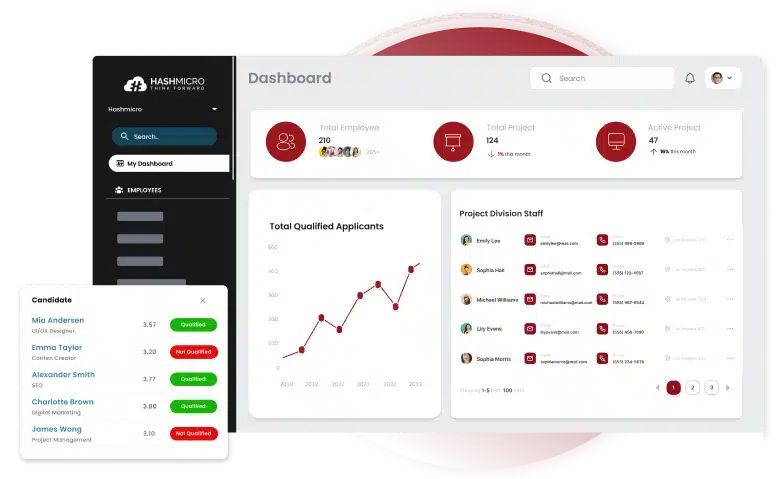
HashMicro’s Competency Management System is a solution designed to support businesses in managing employee competencies in the Philippines. It includes features such as skill gap analysis and progress tracking to help organizations better understand workforce capabilities.
The system can be tailored to different business needs and integrated with performance management tools, enabling smoother data sharing while supporting compliance with Philippine labor standards set by the Department of Labor and Employment (DOLE).
Key features that HashMicro CMS offers:
- Talent Management with KPI Tracking: Allows businesses to monitor employee performance through key performance indicators to support talent evaluation and development.
- Employee Development and Training Plan: Supports the creation of structured development and training plans aligned with organizational needs.
- Competency Gap and Competency Match in Evaluation: Helps identify differences between required and actual competencies during employee assessments
- Internal Learning Management System (LMS): Provides access to learning materials and training modules within the system.
- Succession Planning: Assists organizations in preparing potential internal candidates for future leadership roles
- In-depth Performance Analysis: Uses tools such as the nine-box matrix to analyze employee performance and potential for development decisions.
- Advance AI helper: Integrated AI system that helps streamline workflows and enhances decision accuracy.
| Pros | Cons |
|---|---|
|
|
To find out more about HashMicro’s Competency Management System, you can start considering the software price calculation with our professional team by clicking the banner below.
2. EdApp
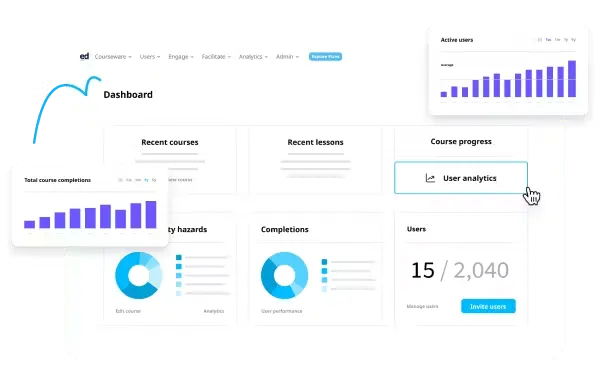
EdApp competency management software is designed to facilitate effective management of employee skills and training within businesses. This software emphasizes engaging learning experiences, utilizing mobile-first technology to deliver easily accessible content.
EdApp offers numerous features, which include microlearning courses, real-time analytics, and gamified elements that enhance learner engagement and retention. This software also supports the creation of custom content, allowing training to be tailored to specific needs.
Key Features of EdApp competency management software:
- Micro learning
- Social learning
- Offline access
- AI authoring
- Gamified training
| Pros | Cons |
|---|---|
|
|
3. TalentGuard Competency Management System
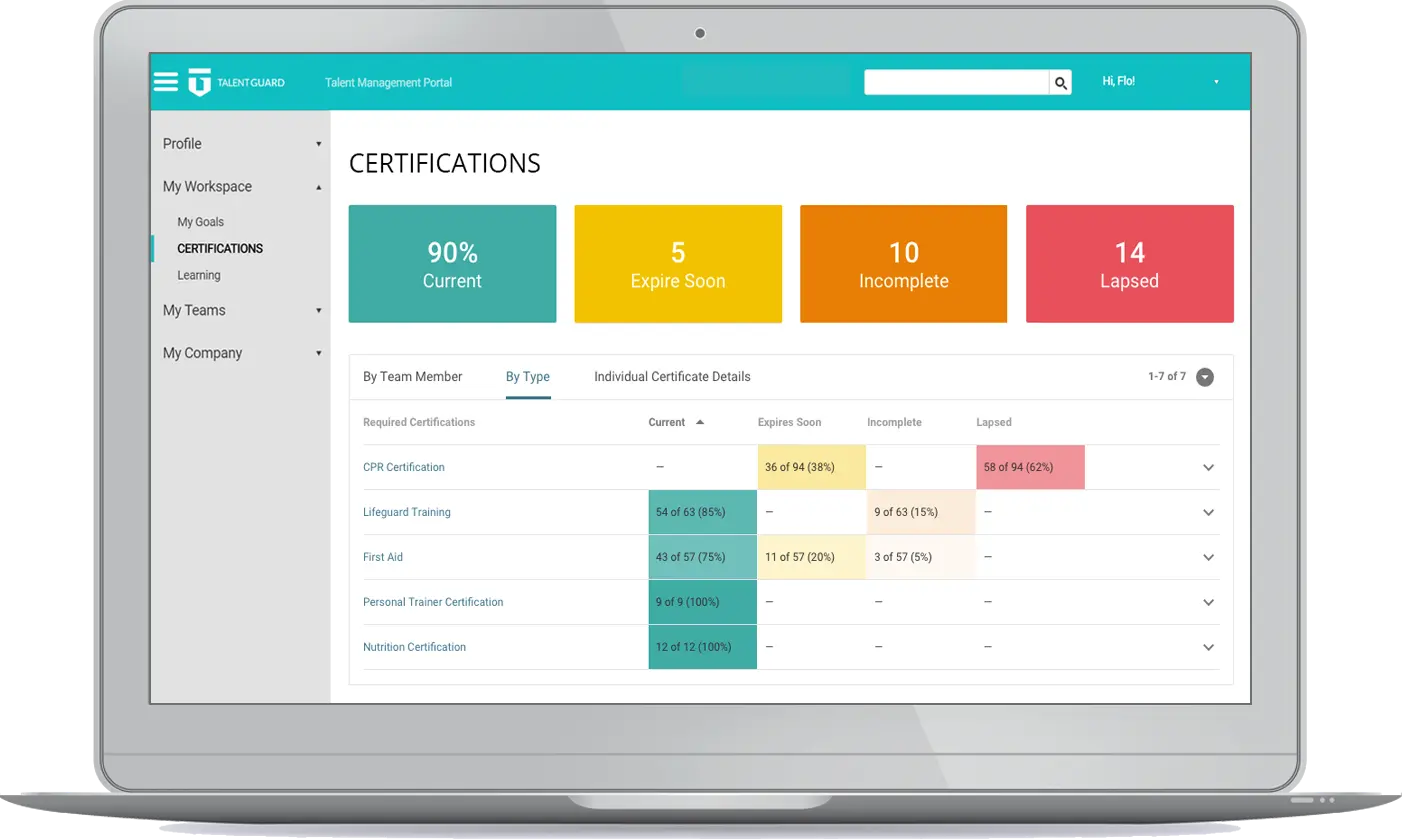
TalentGuard Competency Management System is a comprehensive software designed to help organizations better understand and optimize the skills and competencies of their workforce.
It offers a suite of tools to facilitate development, including career pathing and personalized development plans. It also integrates with existing HR systems to provide a seamless experience and a unified view of employee capabilities across the company.
Key Features on TalentGuard Competency Management System:
- Custom competency frameworks
- Skills gap analysis
- Performance management
- Career pathing
- Succession planning
- Learning resources
- HR system integration
| Pros | Cons |
|---|---|
|
|
4. Avilar Competency Management Software
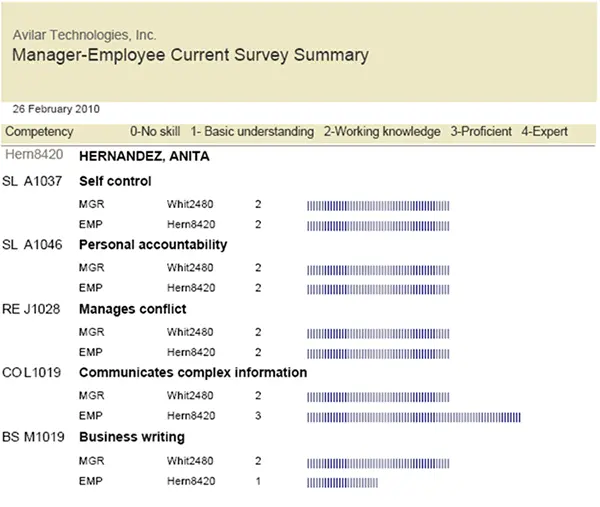
Avilar is a competency management software designed to manage and enhance employee competencies across various industries. It helps companies identify essential skills, assess employee performance against these competencies, and provide targeted training to bridge any gaps.
Avilar’s system also facilitates a clear framework for talent development, allowing for effective planning and execution of career progression paths and succession planning strategies.
Key Features of Avilar Competency Management Software:
- Competency management
- Skills gap analysis
- Learning management system
- Customisable competency frameworks
- Performance management
- Reporting and analytics
| Pros | Cons |
|---|---|
|
|
5. Mentor Competency Management System
The Mentor Competency Management System is designed to manage and develop employee skills. It provides a comprehensive suite of tools that facilitate the mapping, tracking, and development of competencies across various organizational levels.
Key features of Mentor CMS include real-time performance tracking, competency assessments, personalized training modules, and robust reporting capabilities that provide insights into business competencies at a glance.
Key Features of Mentor Competency Management System:
- On-demand training
- Progress tracking
- Skill gap report
- Mobile access
- HRIS integration
| Pros | Cons |
|---|---|
|
|
6. Polaris Competency Management Software
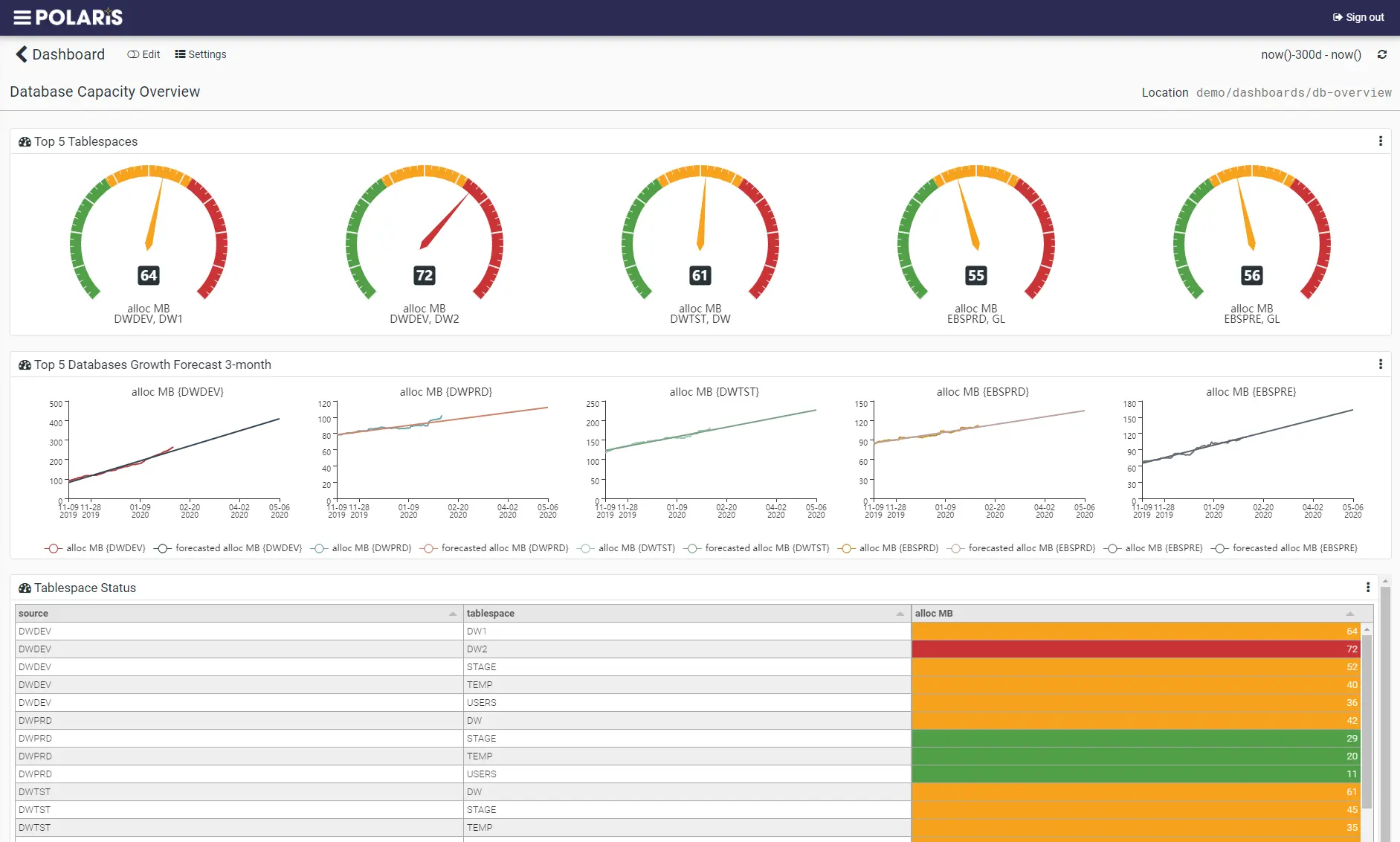
Polaris is a competency management software designed to help companies effectively manage and enhance the competencies of their workforce. This software can be integrated with HRIS software, providing a centralized platform that facilitates better planning.
This software also offers a suite of tools that support the entire competency management lifecycle, from identifying key skills required for each position to assessing employee competencies and implementing targeted development programs.
Key Features of Polaris competency management software:
- Role-based skills
- Global deployment
- Custom frameworks
- Analytics dashboard
- HR system sync
| Pros | Cons |
|---|---|
|
|
7. HRSG Competency Management System
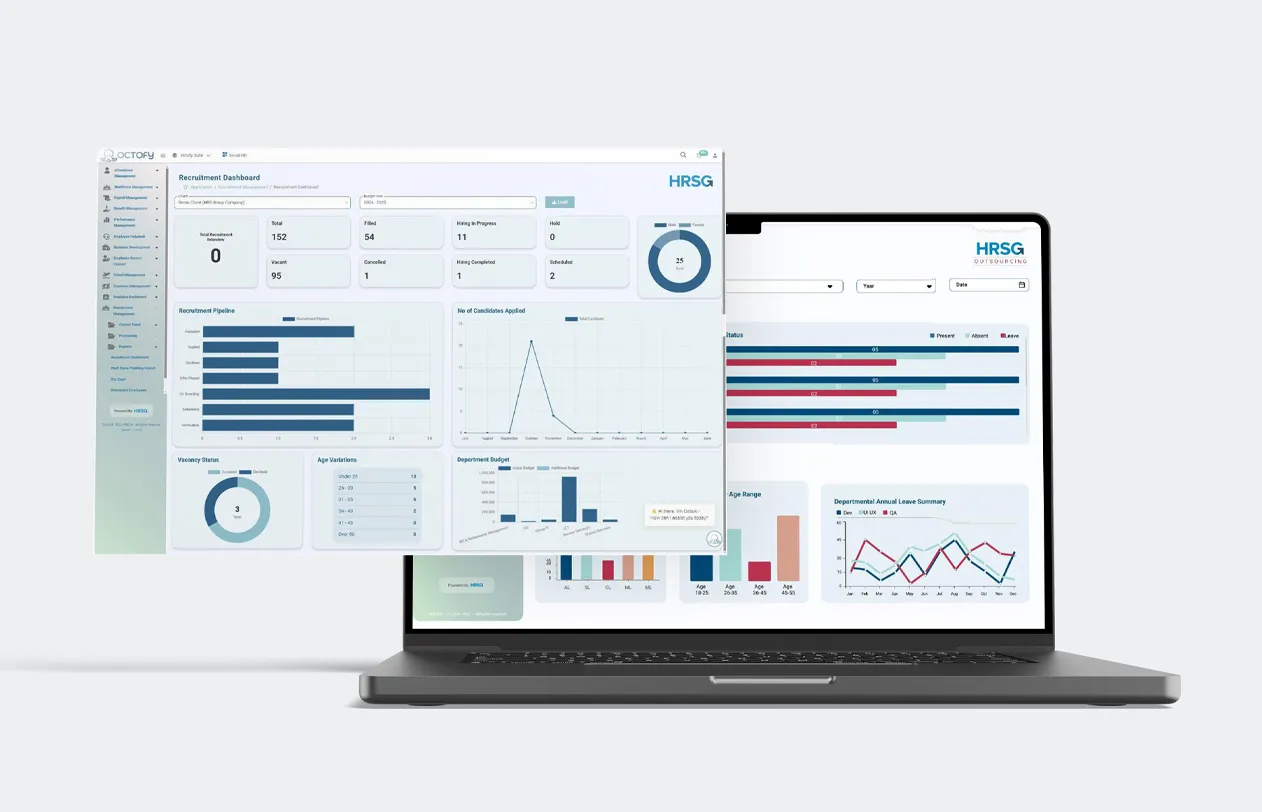
The HSRG Competency Management System is a tool designed to optimize the management of employee skills and competencies across various industries. Through a structured framework, it facilitates the alignment of individual capabilities with strategic business goals.
This system offers real-time competency assessments, detailed skills tracking, and tailored training recommendations, which help companies maintain a highly skilled workforce. Additionally, it supports the management of certifications and compliance requirements.
Key Features of HRSG Competency Management System:
- Competency and skills library
- AI-driven job descriptions
- Competency-based interview questions
- Collaboration tools
- Consistency scores
| Pros | Cons |
|---|---|
|
|
8. Cognology Competency Management Software
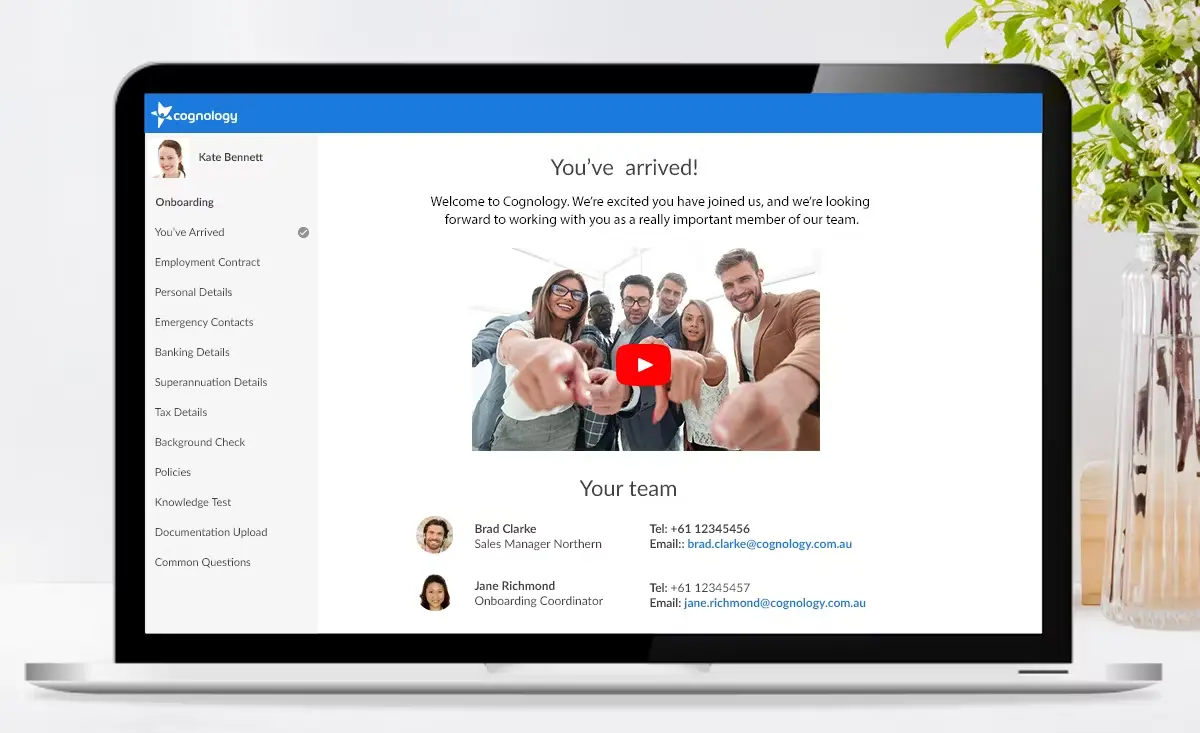
Cognology competency management software is a tool designed to streamline workforce development and performance management. This software allows businesses to define, assess, and develop the competencies needed across all levels of the company.
The human capital system includes features such as real-time feedback, automated performance reviews, and dynamic goal setting, which all contribute to an engaging and effective competency management process.
Key Features of Cognology Competency Management Software:
- Competency evaluation
- Performance management
- Custom branding
- Mobile-friendly interface
- Workflow automation
- Learning integration
| Pros | Cons |
|---|---|
|
|
9. Mintra Competency Management Software
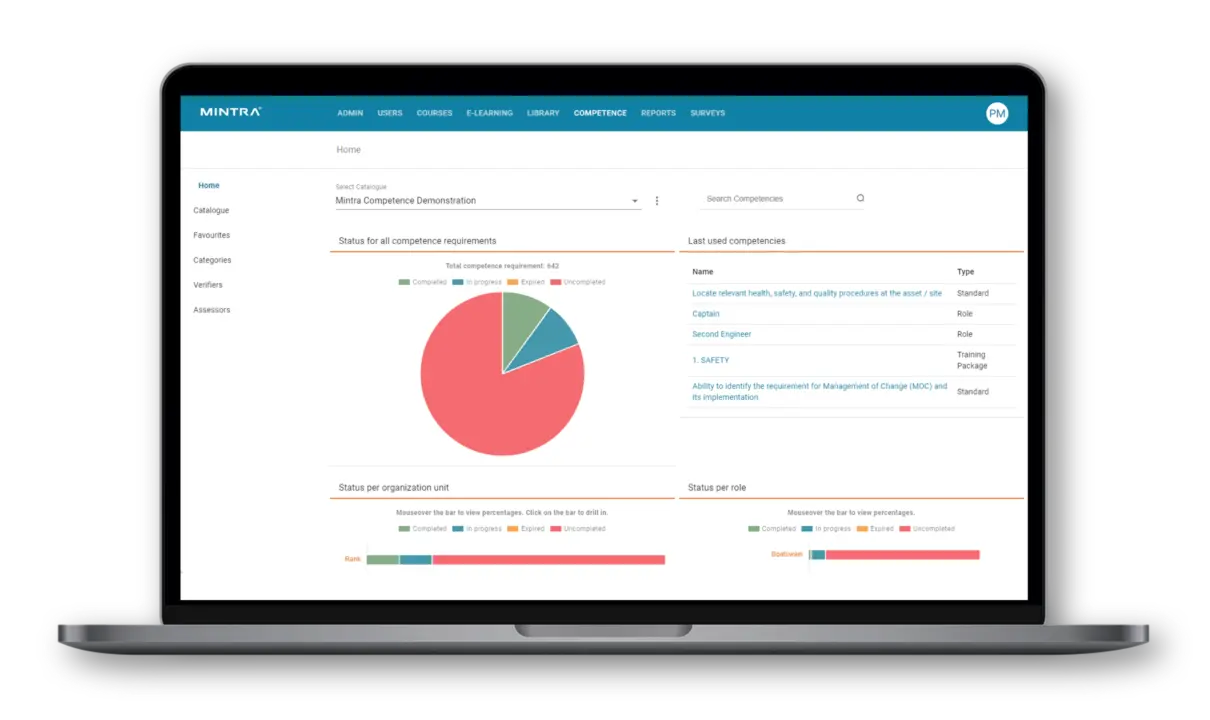
Mintra competency management software is an HRIS platform designed to streamline competency management processes within organizations. Its primary features include competency mapping, assessment, gap analysis, training, and certification tracking.
Through this system, businesses can effectively identify, assess, and develop the skills and knowledge of their workforce to align with strategic objectives.
Key Features of Mintra competency management software:
- Certification tracking
- Offshore access
- Compliance modules
- Training catalog
- Offline mobile
| Pros | Cons |
|---|---|
|
|
10. CABEM
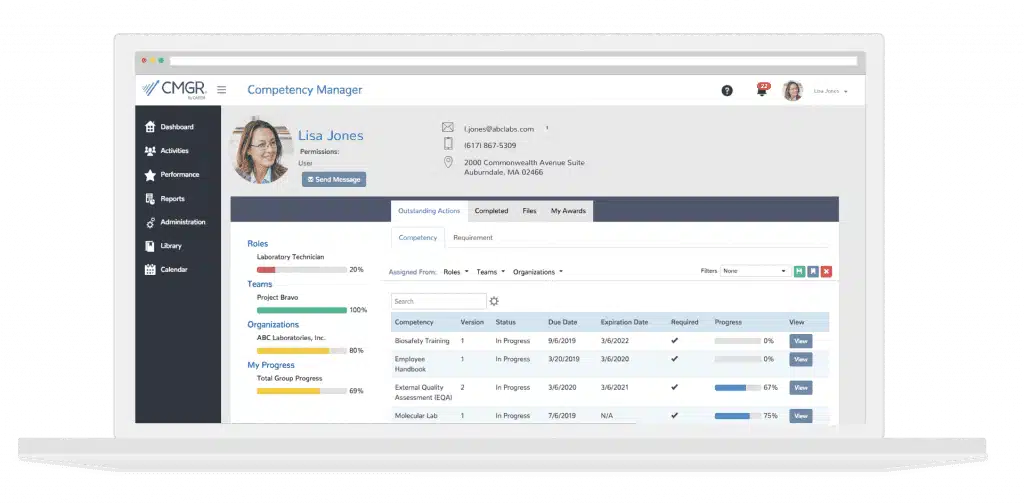
CABEM Competency Management System is a software designed to streamline competency management within companies. It provides a centralized platform for assessing and developing employee competencies, helping to align individual skills with organizational goals.
CABEM CMS’s general features include competency assessment tools, talent gap evaluation, training and development planning, performance management integration, and reporting functionalities.
Key Features of CABEM Competency Management System:
- Credential tracking
- Competency management
- Employee training resources
- Compliance management
- Customisable frameworks
| Pros | Cons |
|---|---|
|
|
11. Lexonis Competency Management System
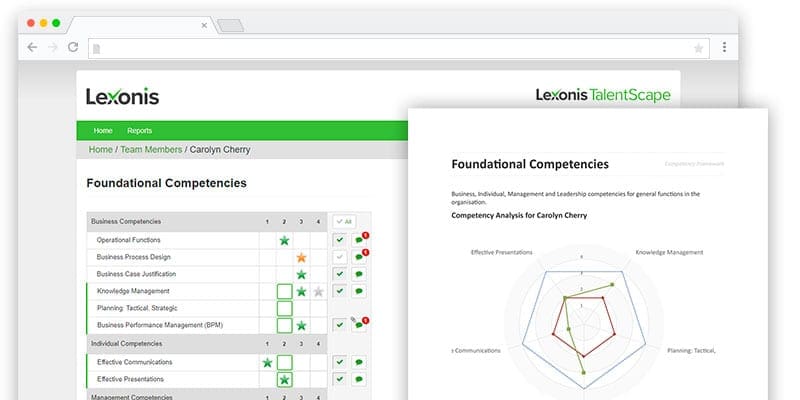
Lexonis Competency Management Software is a comprehensive platform designed to streamline competency management within an organization. Its core features include competency assessment, gap analysis, and learning and development planning.
By centralizing competency data, Lexonis CMS enables HR professionals to identify skill gaps, facilitate targeted training programs, and align employee competencies with business objectives and long-term goals.
Key Features of Lexonis Competency Management Software:
- AI modelling
- Job-profile templates
- Skills taxonomy
- Advanced reporting
- Custom dashboards
| Pros | Cons |
|---|---|
|
|
12. TalentOZ Competency Management System
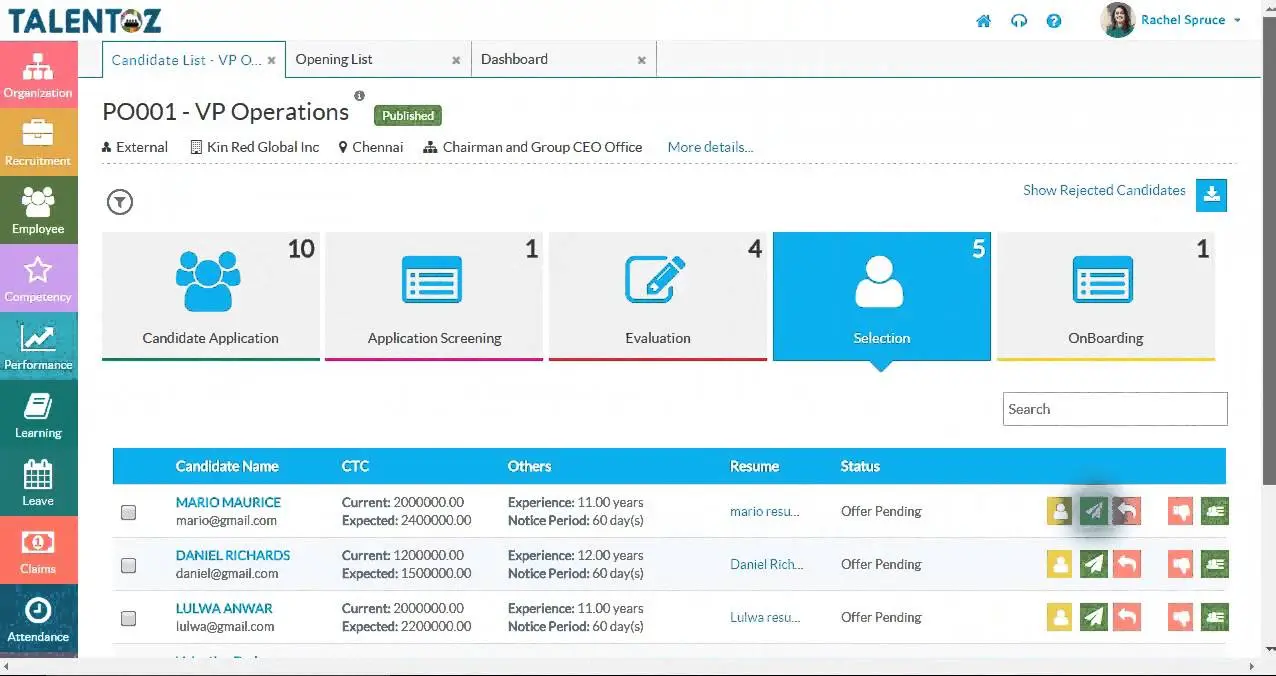
TalentOZ competency management software is a comprehensive tool for efficiently managing competencies within a company. It offers features such as competency assessment, identifying skill gaps, planning training programs, and evaluating performance.
Key Features of TalentOZ competency management software:
- Performance management
- Employee lifecycle management
- Self-service portal
- Competency frameworks
- Skills assessment
- Gap analysis
| Pros | Cons |
|---|---|
|
|
13. Cornerstone Competency Management Software
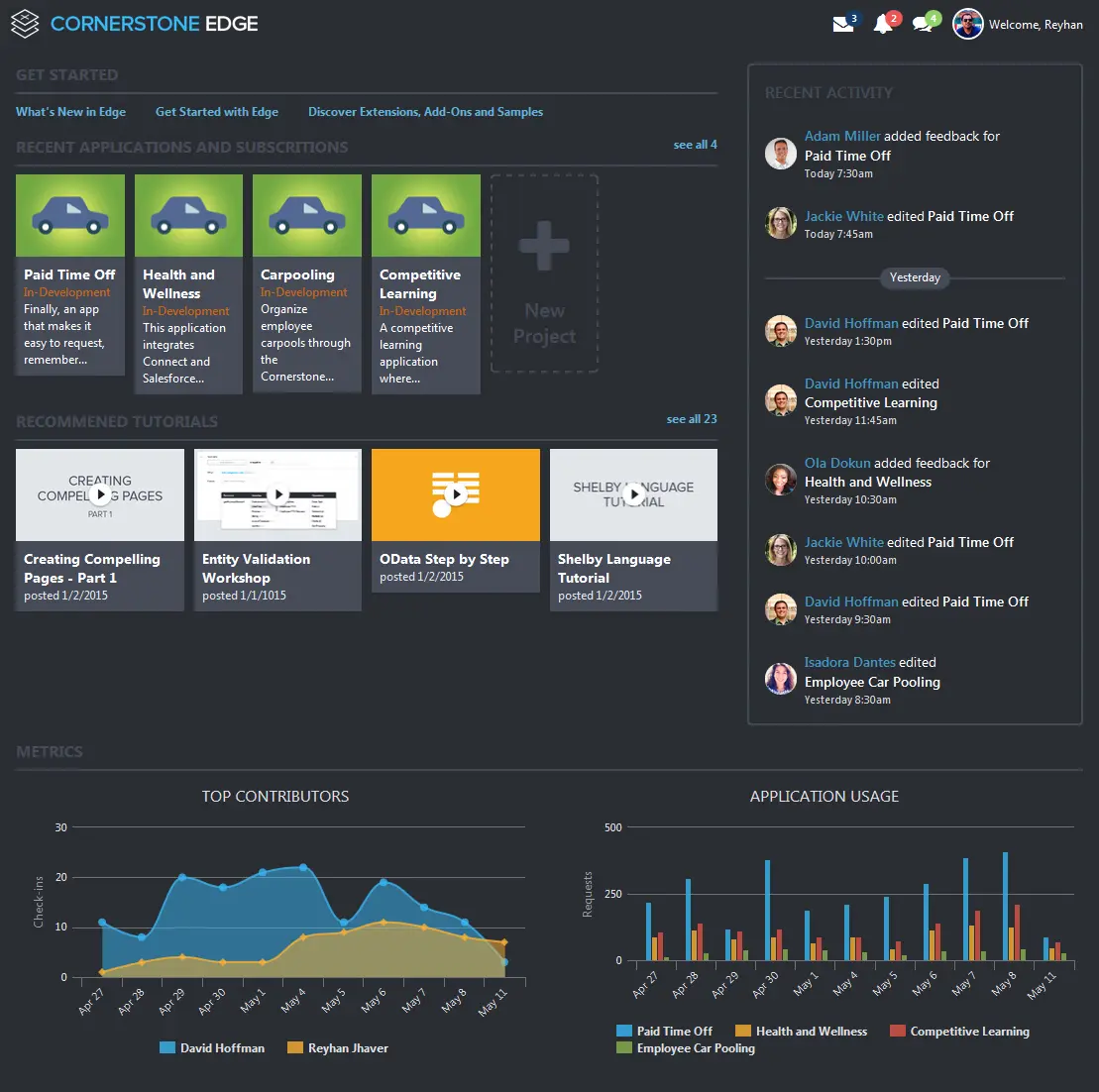
Cornerstone Competency Management System is a software solution designed to facilitate the management and assessment of employee competencies within a company. Its features typically include competency profiling and performance management integration.
Key Features Cornerstone Competency Management System:
- Competency management
- Automated competency assessment
- Learning management system
- Performance management
- Succession planning
- Recruitment and onboarding
| Pros | Cons |
|---|---|
|
|
14. Centranum Competency Management System
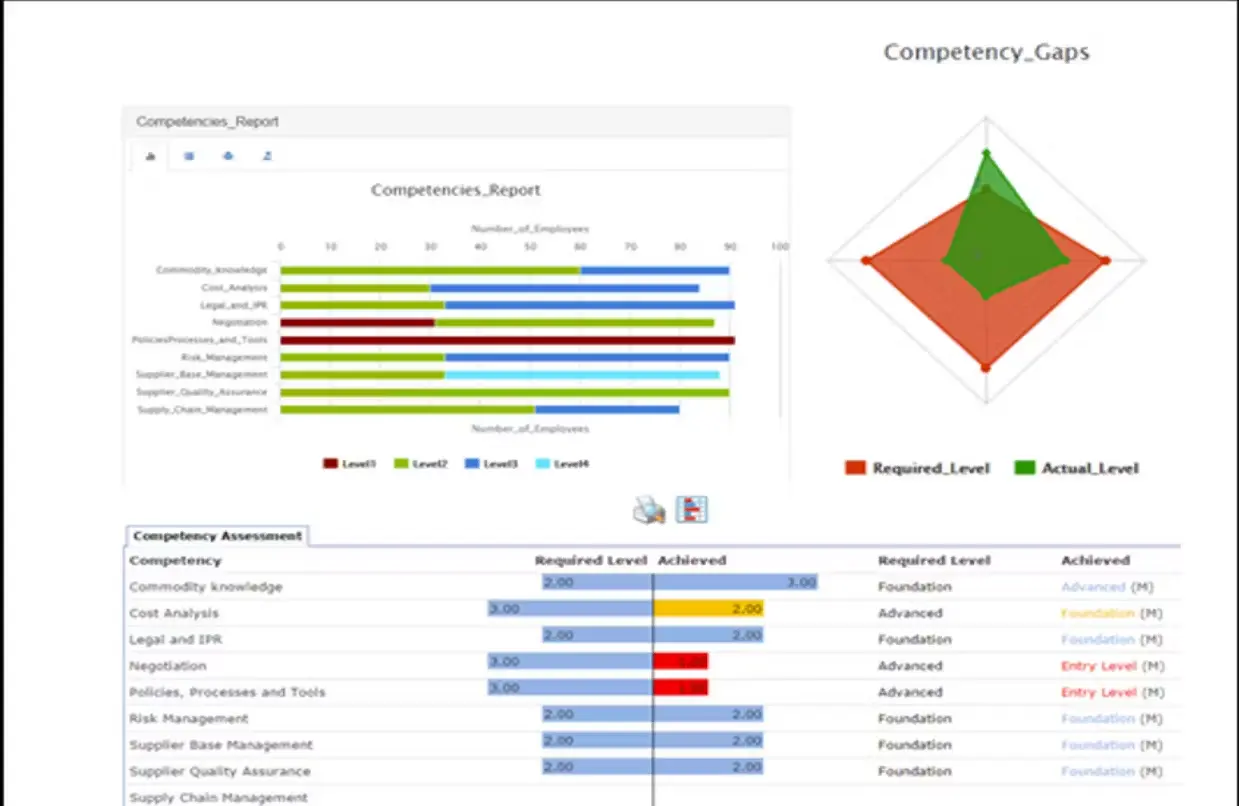
Centranum competency management software is a platform designed to streamline competency assessment and development within businesses. Its key features include competency mapping, skill gap analysis, and personalized learning pathways.
Centranum’s capability to centralize competency data enables HR managers to identify talent pools efficiently, assign appropriate training, and track progress. This will significantly improve operational efficiency and aid in strategic decision-making.
Key Features of Centranum competency management software:
- Multi-level frameworks
- Real-time evaluation
- Talent pool mapping
- Learning linkage
- Reminders system
| Pros | Cons |
|---|---|
|
|
15. iMocha Competency Management System
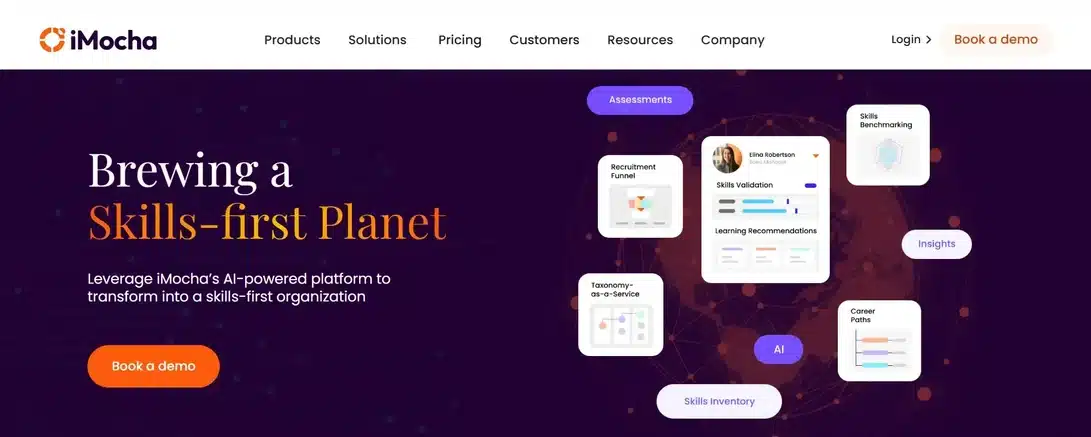
iMocha Competency Management System is a comprehensive platform designed to streamline the assessment and development of employee competencies. It offers a range of features such as competency mapping, skill assessment, and performance tracking.
By implementing the iMocha system, businesses can identify skill gaps, assess proficiency levels, and create targeted training programs to enhance workforce capabilities and increase overall operational efficiency.
Key Features of iMocha Competency Management System:
- Skill intelligence
- Live coding simulation
- 3000+ tests
- AI-proctoring
- HR/ATS integration
| Pros | Cons |
|---|---|
|
|
16. Instancy
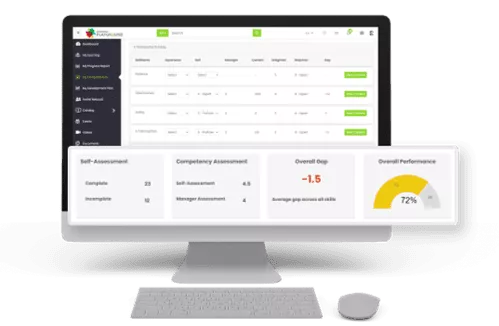
Instancy is a competency management system designed to streamline the process of identifying, assessing, and developing competencies. Its core features include competency mapping, assessment creation, performance tracking, personalized learning paths, and reporting tools.
Key Features of Instancy competency management system:
- Competency mapping
- Skills gap analysis
- Custom learning paths
- Blended learning support
- Assessment tools
- Detailed reporting and analytics
- Mobile learning access
| Pros | Cons |
|---|---|
|
|
17. Nestor Competency Management System
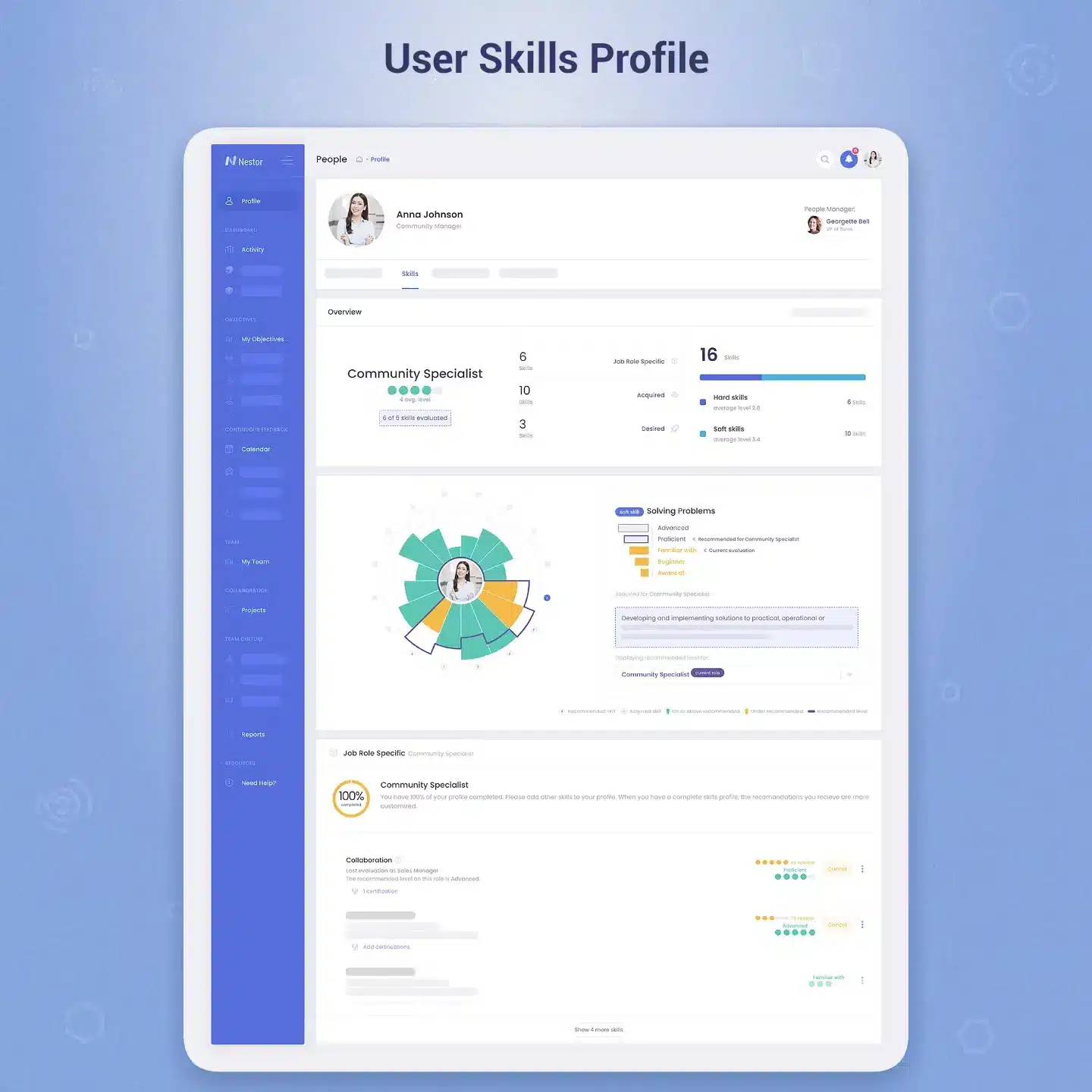
Nestor Competency Management System is a software solution designed to manage and develop employee competencies within an organization. It typically includes features such as competency assessment, gap analysis, performance tracking, and reporting.
Nestor CMS offers functionalities to help HR departments identify skill gaps, create targeted training programs, and monitor employee progress to ensure alignment with business long-term goals and objectives.
Key Features of Nestor Competency Management System:
- Competency mapping
- Skills assessment
- Gap analysis
- Custom templates
- AI suggestions
- Skills visualisation
- Talent mobility
| Pros | Cons |
|---|---|
|
|
Competency Management System Function
A Competency Management System (CMS) helps businesses in the Philippines assess and manage employee skills and competencies. It works by tracking employee progress and providing training resources to ensure a highly skilled workforce. With that in mind, there are the key functions of a CMS:
- Helps define and organize skills requirements for every role.
- Proves a structured competency framework.
- Evaluates employee performance, identifying strengths and skill gaps.
- Supports targeted development by recommending training based on identified gaps.
- Track progress over time, helping companies build a more skilled, efficient, and future-ready workforce.
From Peoplebox research, companies that implement structured competency management show substantial improvements. In fact, firms with clear talent strategies using CMS tend to see better workforce planning, higher employee performance, and improved retention.
Why is Workforce Competency Platform Important?
CMS offers various features to streamline business processes and ensure that employees’ skills are aligned with the business’s strategic objectives. This system helps analyze data related to workforce management, providing a comprehensive overview that aids in better decision-making.
Below are the significant benefits of implementing CMS in businesses:
- Improves recruitment processes
- Optimizes workforce management and planning
- Facilitates targeted employee development
- Supports succession planning
- Boosts employee morale and retention
- Enhances regulatory compliance
Given these benefits, it is obvious that a CMS is not just a tool but a strategic necessity for businesses in the Philippines. Implementing a CMS will help businesses optimize their workforce, stay compliant, and remain competitive in an ever-evolving market.
How to Choose the Best Competency Management System for Your Business

Investing in the right competency management system to manage and develop your workforce’s competencies is essential for staying competitive. Here are some key factors to consider when making this crucial decision:
- Define your objectives: Start by identifying the specific competencies you need to manage. Whether it’s improving performance or ensuring compliance, understanding your needs will help narrow down the options and find the right CMS.
- Evaluate features and functionality: Look for essential features such as competency assessment, gap analysis, training management, performance tracking, and reporting capabilities.
- Scalability and flexibility: Ensure that it can accommodate changes in workforce size, organizational structure, and evolving competency requirements. Scalability is particularly important for businesses planning to expand.
- Integration capabilities: Seamless integration will streamline processes and ensure data consistency across platforms. Look for CMS solutions that offer APIs or pre-built integrations with popular human capital management systems and LMS.
- User experience: Prioritize user experience and ease of use to encourage widespread adoption of the CMS among employees and managers. A user-friendly interface and mobile accessibility can enhance usability and drive engagement.
- Vendor reputation and support: Look for vendors with a proven history of delivering quality products and excellent customer service. Check customer reviews and case studies to gauge satisfaction levels and identify any potential red flags.
By carefully considering these factors and conducting thorough research, you can choose the right Competency Management Software to align with your business objectives, enhance workforce capabilities, and drive your business’s success.
Conclusion
Selecting the right competency management solution plays an important role in long-term organizational growth. A well-designed system helps businesses assess skills more accurately and ensure workforce capabilities stay aligned with evolving business goals.
By using a structured platform, organizations can make better decisions around recruitment, training, and succession planning. This approach not only improves performance consistency but also supports a more agile and future-ready workforce.
If you are exploring ways to strengthen workforce development and competency planning, discussing your needs through a free consultation can help clarify which approach and features best suit your organization.
Frequently Asked Questions
-
Why is it important to use a competency management system?
Competency management systems help identify skill deficiencies and provide focused growth strategies, enabling staff to improve their capabilities and contribute more efficiently toward achieving company objectives.
-
What distinguishes a competency management system from performance management?
Competency management focuses on cultivating and monitoring talent and capabilities, whereas performance management assesses the effectiveness with which employees fulfill their responsibilities.
-
What is one example of the best competency management system?
HashMicro’s competency management system is among the best, with a user-friendly interface and broad scalability. It can be your choice for competency management.
-
How frequently must competency frameworks be reviewed?
Competency models ought to be examined and refreshed annually, or whenever a substantial change occurs in job functions or corporate objectives. This adaptability enables leaders to modify models in response to the company’s changing requirements.