






Lumber businesses in the Philippines face numerous challenges, including fluctuating raw material costs, complex inventory management, and forecasting demand. Enter the lumber industry ERP system, a powerful tool that unifies operations, automates workflows, and provides real-time visibility across the supply chain.
As the industry evolves, so does the need for smarter, faster, and more integrated solutions. Whether you’re a sawmill, distributor, or custom wood product manufacturer, adopting the right manufacturing ERP system could be the game-changer your business needs to thrive in an increasingly competitive market.
Gustong malaman kung ano ang lumber ERP system at kung paano nito mapapahusay ang pagpapatakbo ng iyong negosyo? Read this article as we will discuss lumber industry ERP System and top software recommendation in The Philippines.
Key Takeaways
|

Table of Contents
What is the Lumber Industry ERP System?
A Lumber Industry ERP System is a specialized Enterprise Resource Planning software designed to manage and streamline the operations of businesses involved in wood processing, timber trading, furniture manufacturing, sawmills, and lumber distribution.
It integrates various business functions—such as inventory management, procurement, production, sales, job costing, and accounting—into a single platform tailored to the unique needs of the lumber sector.
In the Philippines, where the lumber industry plays a crucial role in construction, furniture exports, and local manufacturing, manufacturing software systems help address common challenges, such as tracking and managing raw wood materials, forecasting demand amid market fluctuations, and handling custom orders for millwork or engineered wood.
How the Lumber Industry ERP System Works?
 A Lumber Industry ERP system works by combining all main business tasks—like buying, storing, manufacturing inventory software, production, sales, finance, and logistics —into one easy-to-use software.
Here’s how a Lumber Industry ERP System works:
1. Centralize all business operations
It brings together key processes like purchasing, inventory, production, sales, and finance into one system. It monitors stock levels in real time, so you always know what material requisition or finished products are available and where they are stored.
2. Automates and tracks workflows
The system automates tasks and keeps real-time records of materials, orders, and financials to reduce errors and save time. The ERP helps plan and schedule wood processing tasks, making sure machines and workers are used efficiently.
3. Provides insights for better decisions
It generates reports and data analysis to help managers plan smarter, improve efficiency, and grow the business. It provides detailed reports and insights to help managers make better decisions and improve operations.
Instead of using separate tools for each task, everything is done in one place, making work faster, more accurate, and easier to control. This helps businesses save time, reduce errors, and grow more efficiently.
The Top 10 ERP Systems for the Lumber Industry
Here are the Top 10 ERP Systems for the Lumber Industry in the Philippines, each offering unique features suited for sawmills, wood processors, timber distributors, and furniture manufacturers:
1. HashMicro ERP systems for the lumber industry
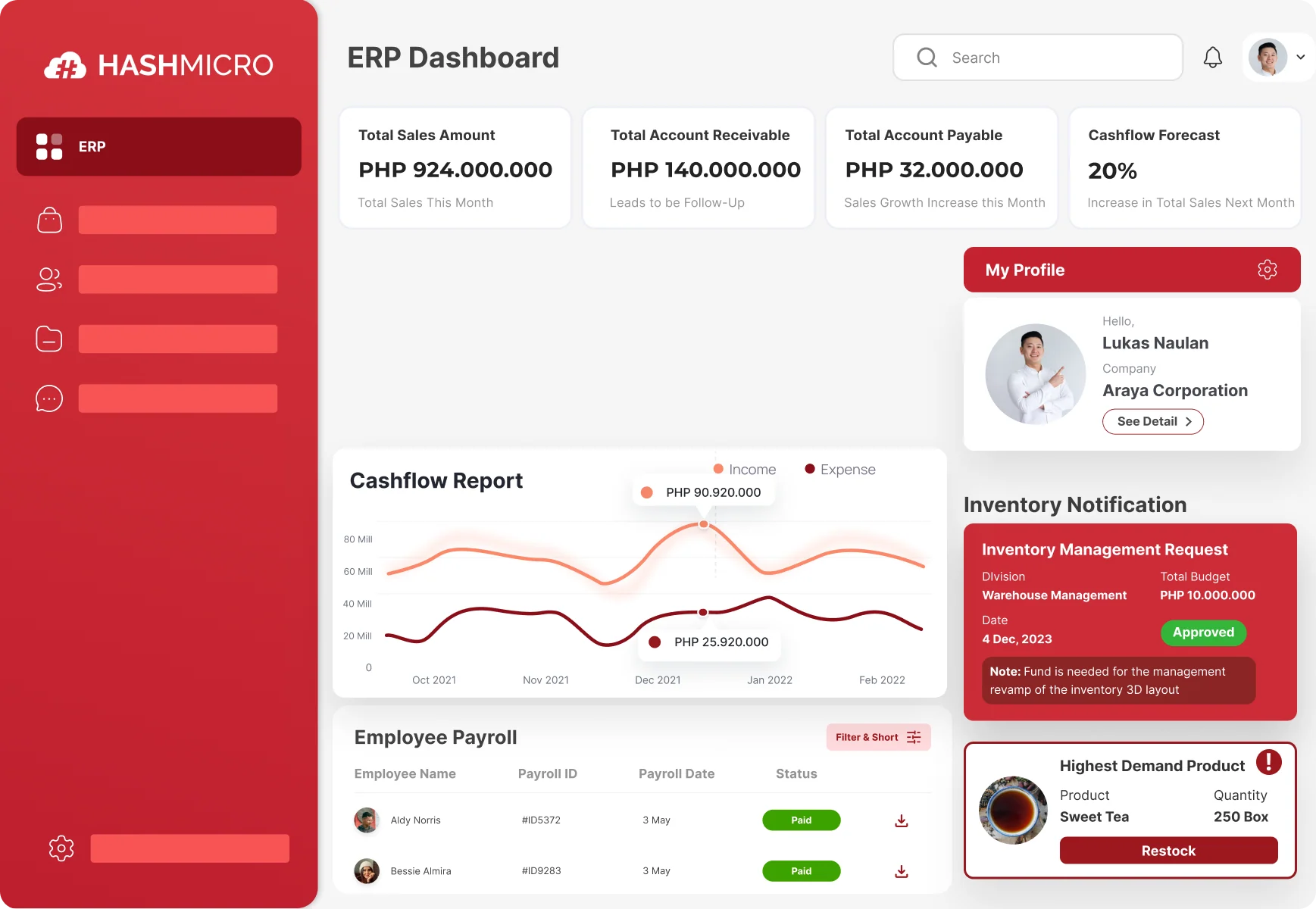 Managing timber stock, including sizes, grades, and treatment types, can be complex. HashMicro understands complex industries and provides tailored ERP solutions specifically designed for the Philippine lumber sector, combining affordability with enterprise-grade capabilities.
HashMicro ERP for the Lumber Industry can significantly help the Philippine lumber industry by streamlining operations, reducing manual processes, and improving profitability through automation and data-driven insights.
Here are our key features of the HashMicro ERP System:
- Inventory & warehouse management: HashMicro automates inventory tracking, ensuring real-time visibility into raw materials and finished goods, as well as batch and serial number tracking and stock level alerts to prevent overstocking or shortages.
- Production and manufacturing automation: For lumber mills, HashMicro’s Manufacturing System helps automate the production process by planning and scheduling cutting, treating, and finishing operations, monitoring machine usage and maintenance, and tracking work-in-progress (WIP) for better control.
- Sales and order management: Speed up and simplify order processing, integrate quotation to invoice workflow, real-time updates on pricing, taxes, and stock availability, and customer relationship management (CRM) for B2b or retail lumber buyers.
- Procurement and supplier management: Efficiently manage local and imported lumber supplies, automate purchase requests and approvals, compare supplier prices and lead time, and monitor delivery schedules and quality.
- Accounting and financial control: Handle complex cash flow and high-value transactions with ease, auto-generate financial reports, monitor costs across departments, and integrate payroll and expense management.
| Pros | Cons |
|---|---|
|
|
Curious how much efficiency could cost you? Explore HashMicro’s pricing scheme below and discover a powerful solution that suits your budget and business needs.

2. Oracle
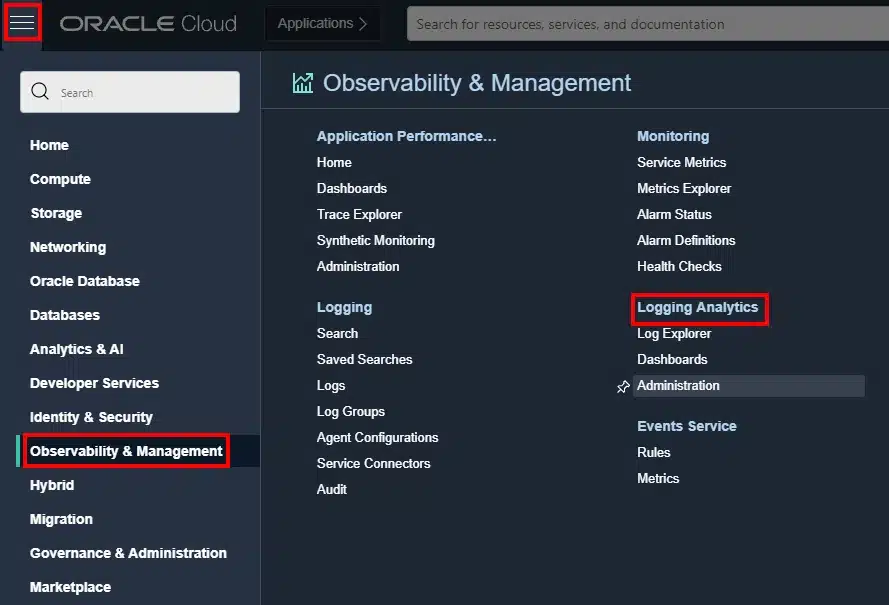 Oracle ERP for the Lumber Industry provides a comprehensive, enterprise-grade solution tailored to meet the complex needs of lumber manufacturing, distribution, and sales. While Oracle ERP is a broader platform used across various industries, it can be customized for the lumber sector with powerful tools to optimize operations.
Oracle ERP for the lumber industry features include:
- Real-time data and analytics
- E-commerce integration
- Customer Relationship Management (CRM)
| Pros | Cons |
|---|---|
|
|
3. Epicor
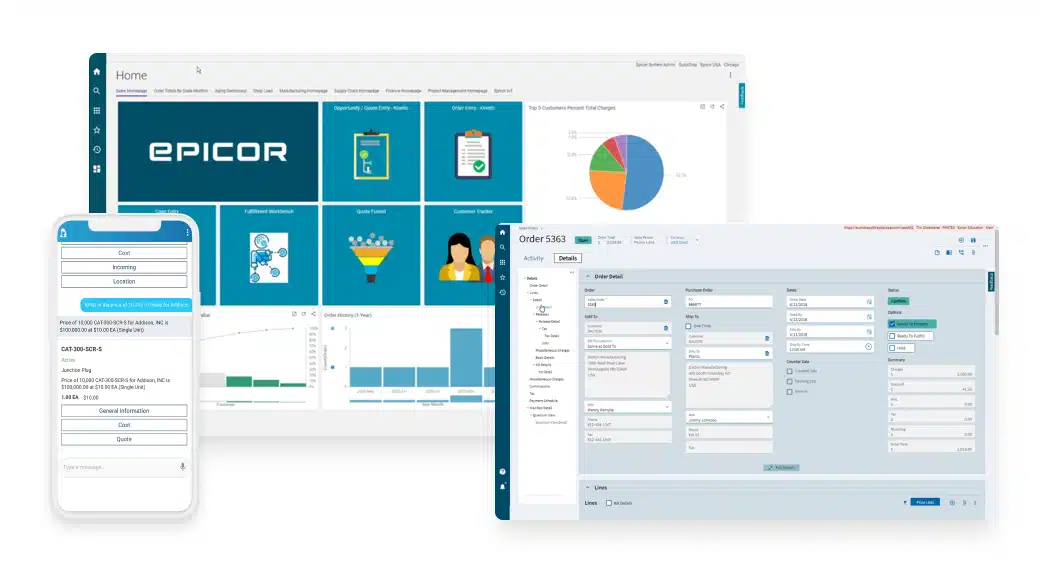 Epicor ERP is a robust, industry-focused ERP software that provides specialised solutions for lumber, wood products, and building materials businesses. It’s particularly well-suited for mid-sized to large companies that need deep functionality in the production, distribution, and retail of lumber.
Epicor ERP for the lumber industry features include:
- Lumber-specific functionality
- Unified platform
- Custom pricing models
| Pros | Cons |
|---|---|
|
|
4. VAI S2K
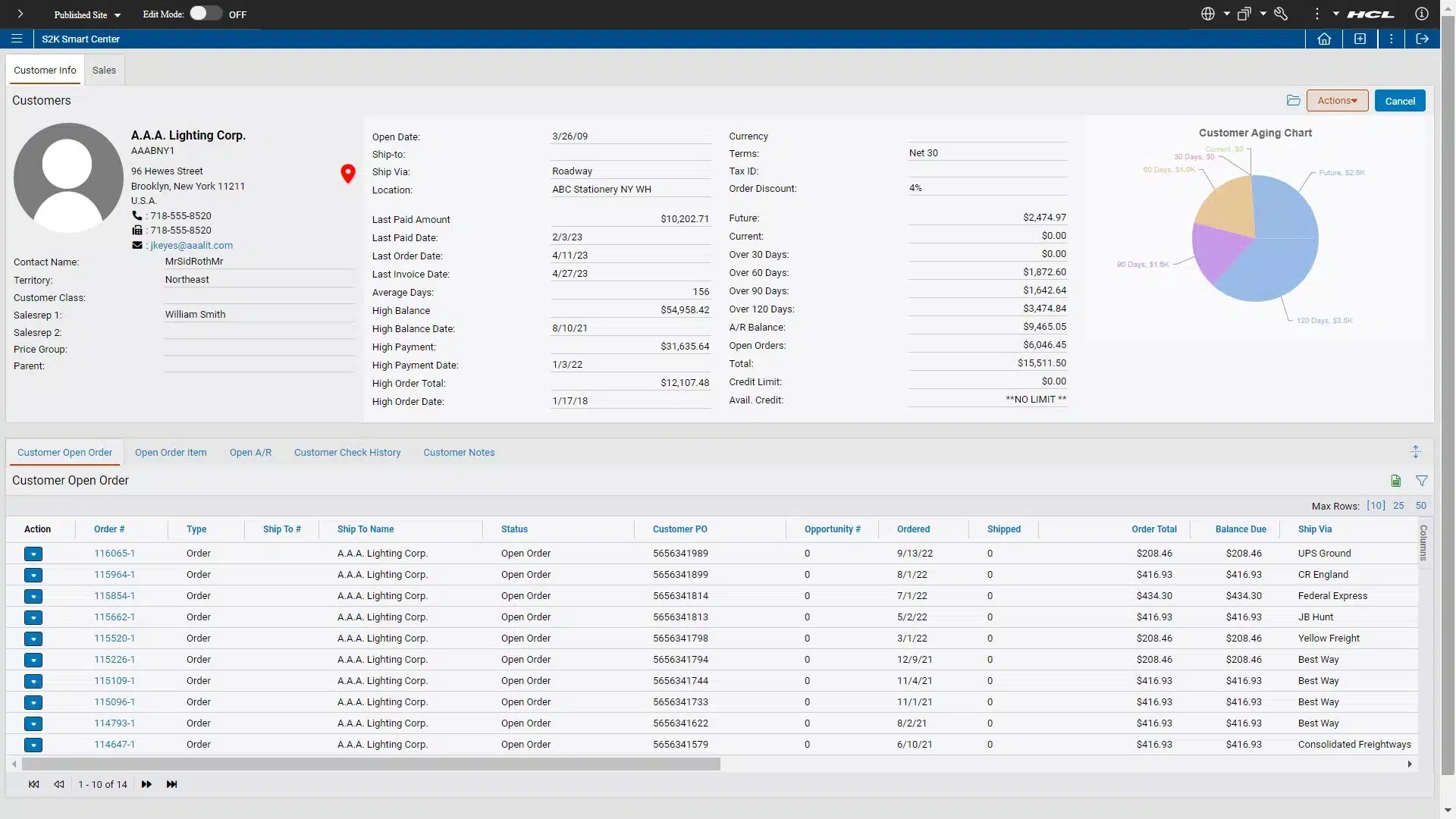 VAI (Vormittag Associates Inc.) S2K Enterprise is a robust, cloud or on-premise ERP solution tailored for wholesale distributors, manufacturers, and retailers, including those in the lumber and building materials sector. It provides strong tools for managing inventory, distribution, and customer relationships in a lumber-focused workflow.
VAI S2K for the lumber industry features include:
- Advanced inventory management
- Order processing & customer management
- Warehouse & distribution management
| Pros | Cons |
|---|---|
|
|
5. Microsoft Dynamics
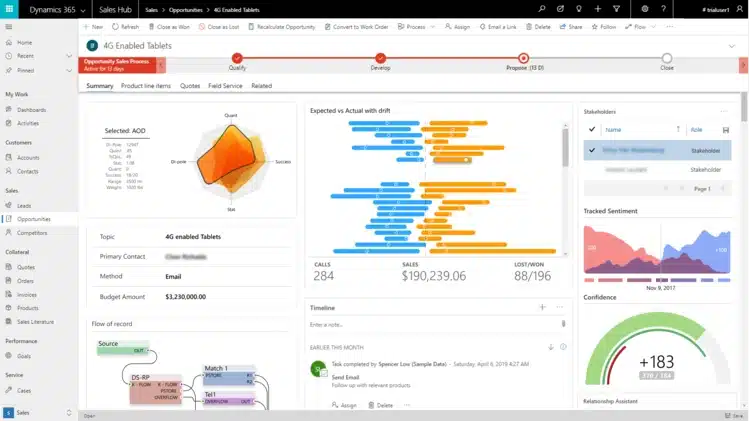 Microsoft Dynamics is a flexible and scalable ERP solution that can be customized to meet the unique demands of lumber manufacturers, distributors, and retailers. While it doesn’t come out of the box tailored for lumber, it integrates easily with industry add-ons and partners that specialize in timber and wood products.
Microsoft Dynamics for the lumber industry features include:
- Business Intelligence (Power BI)
- Financial management
- Warehouse & inventory management
| Pros | Cons |
|---|---|
|
|
6. Infor
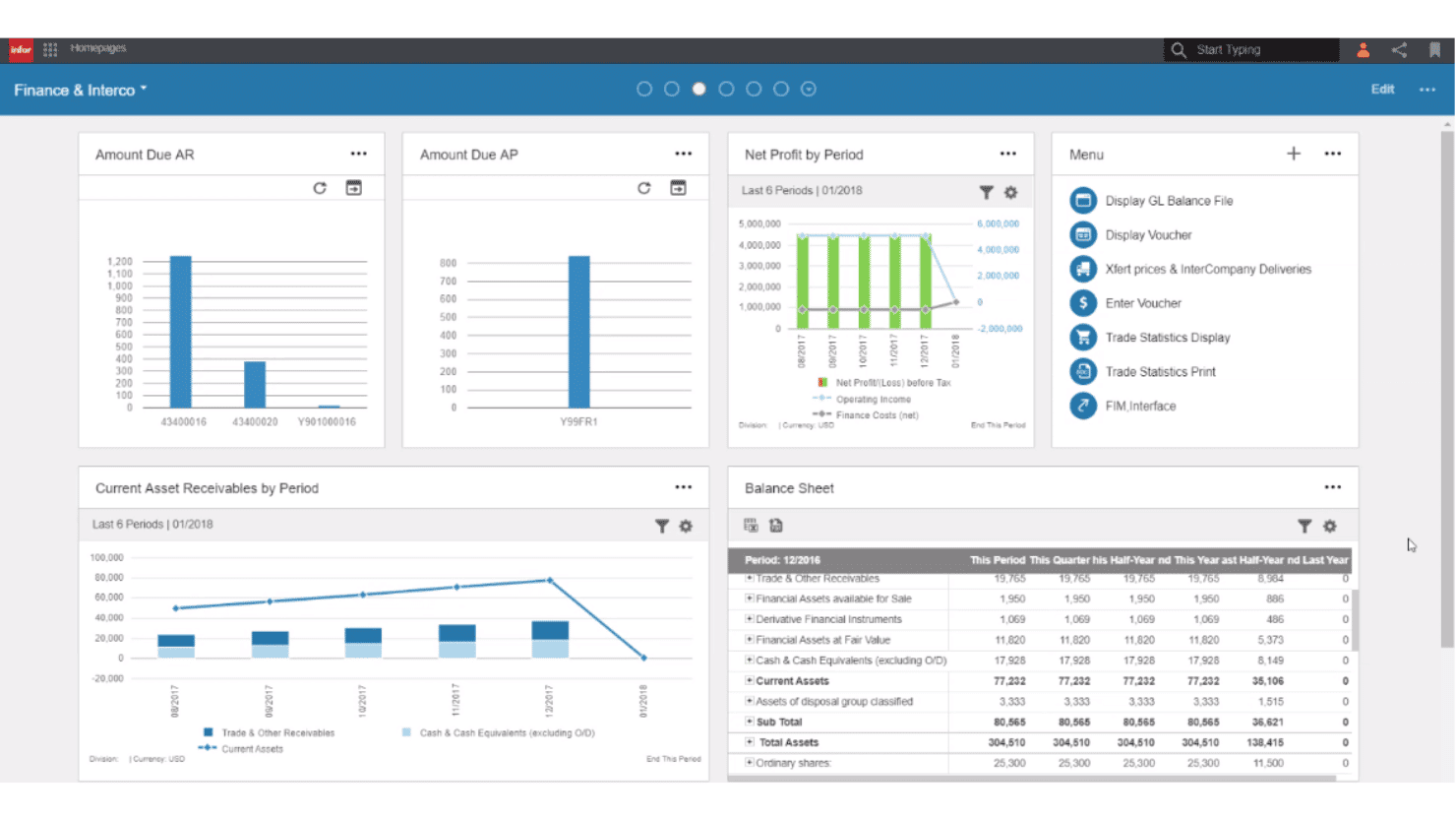
Infor ERP for the lumber industry features include:
- Inventory & yard management
- Lumber manufacturing & processing
- Analytics & reporting
| Pros | Cons |
|---|---|
|
|
7. Cetec
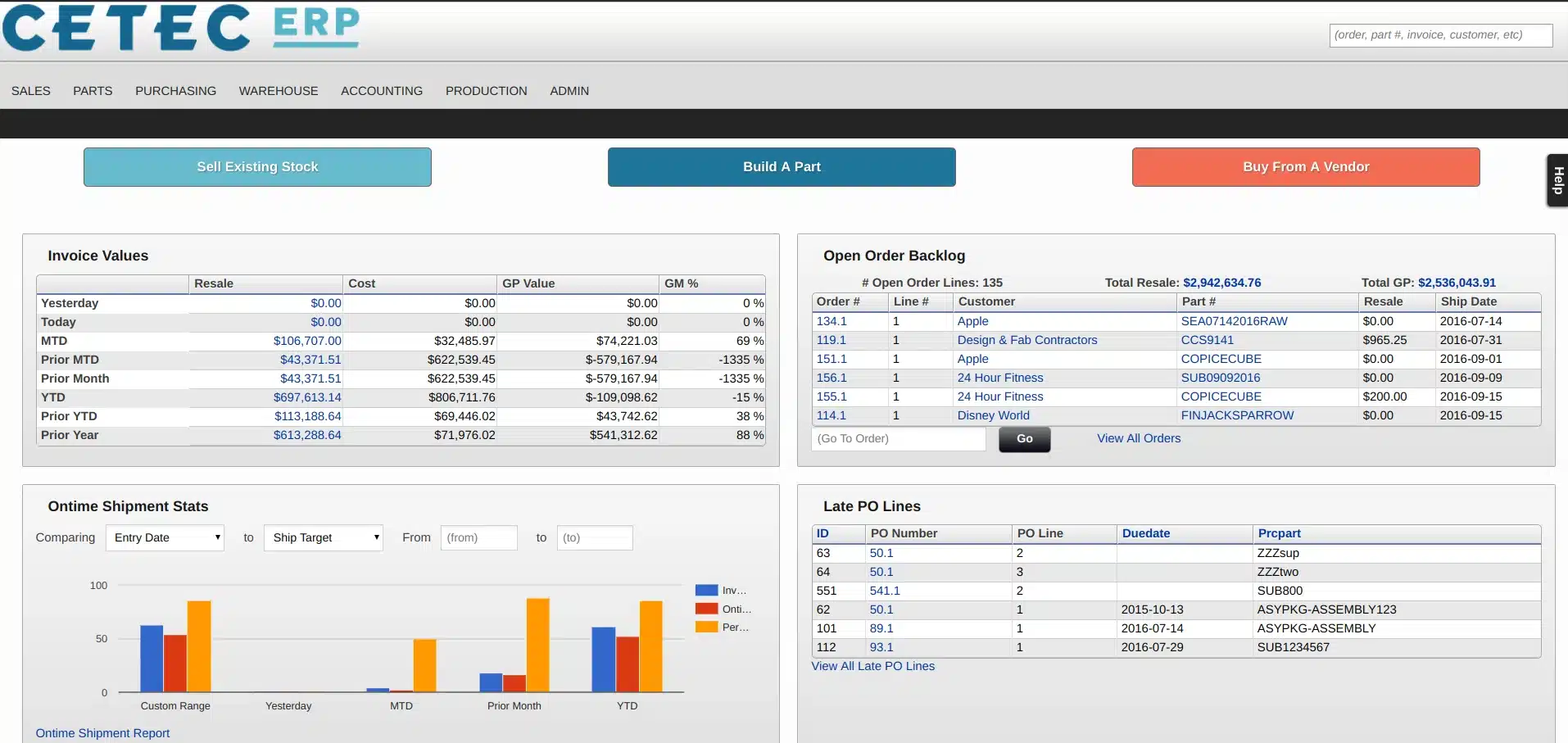 Cetec ERP is a cloud-based, all-in-one ERP software originally built for manufacturers and distributors. While not lumber-specific by default, it’s highly customisable and affordable, making it attractive for small to mid-sized lumber companies looking to modernise their operations without high enterprise-level costs.
Cetec ERP for the lumber industry features include:
- Cloud-based access
- CRM and customer service
- Purchasing and vendor control
| Pros | Cons |
|---|---|
|
|
8. SAP S/4Hana
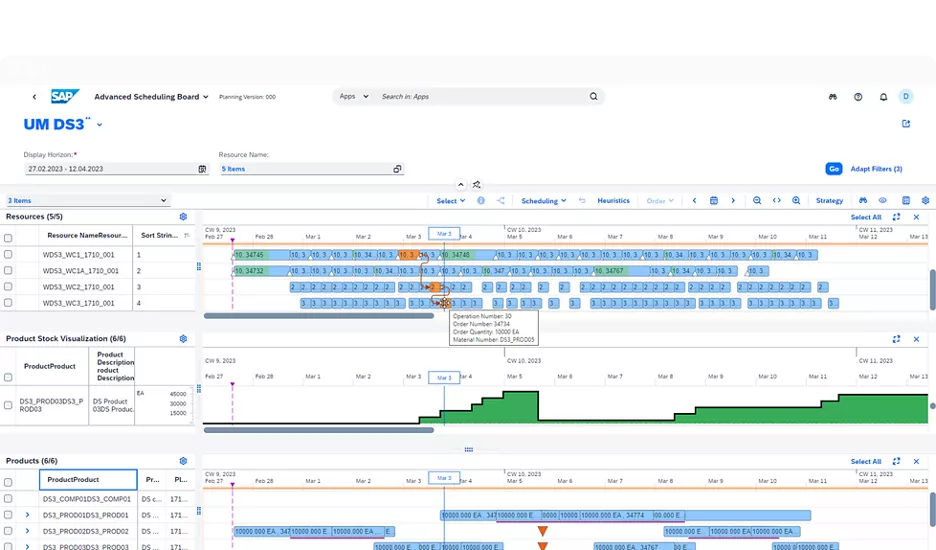 SAP S/4HANA is an enterprise-grade, real-time ERP software designed for large and complex operations. It offers deep capabilities in manufacturing, supply chain, finance, and analytics, and can be tailored to fit lumber-specific workflows via industry extensions or SAP partners.
SAP S/4HANA for the lumber industry features include:
- Extensibility and integration
- Sales, distribution, and customer management
- Supply chain and logistics
| Pros | Cons |
|---|---|
|
|
9. JobBOSS²
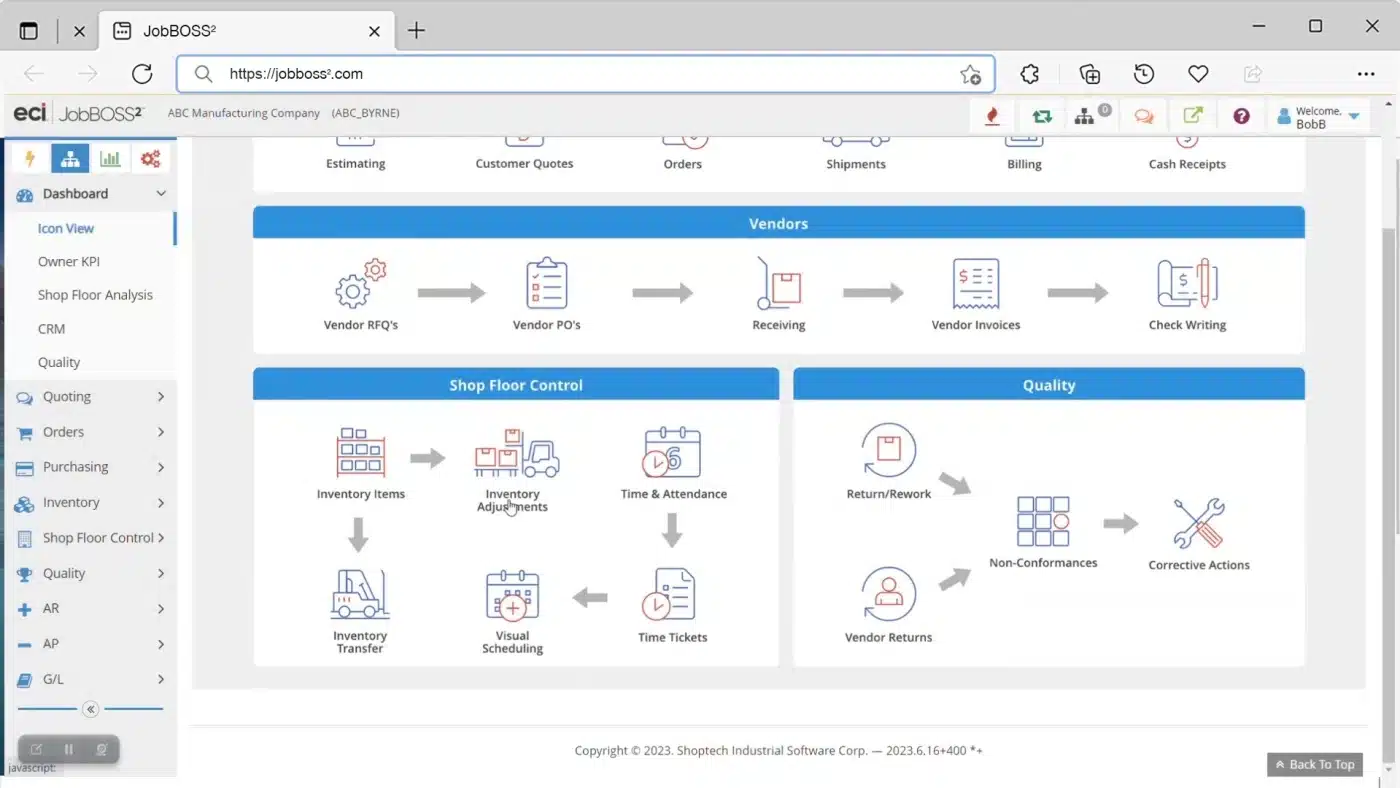 JobBOSS² is a job-based, cloud-ready ERP designed for custom manufacturers, job shops, and fabricators. While not specifically designed for the lumber sector, it’s well-suited for small to mid-sized lumber processors, millwork shops, and custom wood product manufacturers due to its flexibility and focus on the shop floor.
JobBOSS² for the lumber industry features include:
- Job tracking and custom orders
- Quoting and estimating
- Shop floor control
| Pros | Cons |
|---|---|
|
|
10. Global Shop
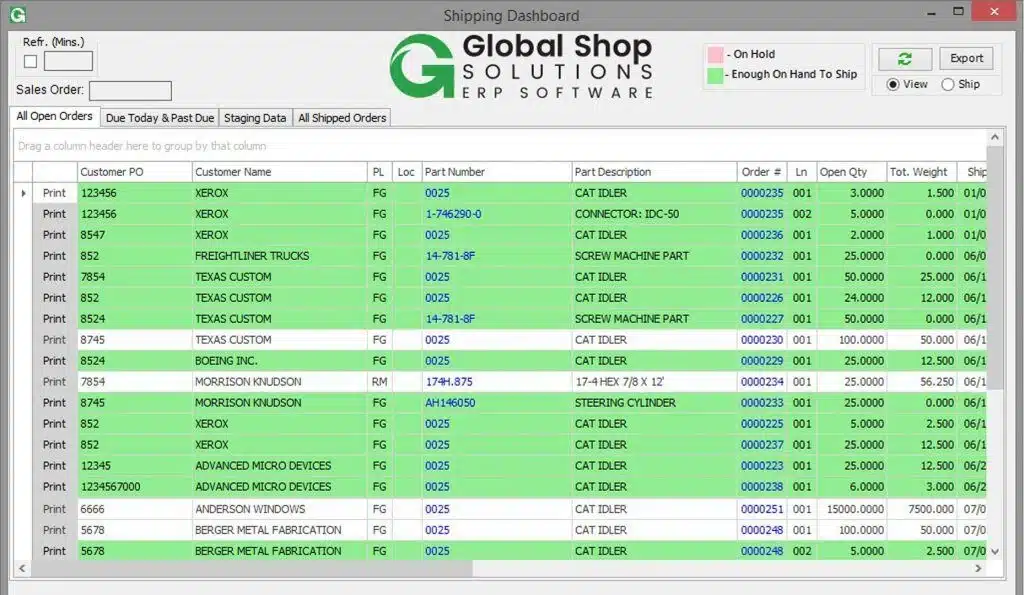 Global Shop Solutions (GSS) is a robust, all-in-one manufacturing ERP designed to help custom manufacturers—like wood product manufacturers, millworkers, and furniture shops—manage their production, inventory, and business operations with greater accuracy and visibility.
Global Shop for the lumber industry features include:
- Job costing and estimating
- Shop floor control
- Cloud or on-premise
| Pros | Cons |
|---|---|
|
|
Conclusion
The Philippine lumber industry can no longer rely on manual processes or disconnected systems. Implementing an ERP system tailored for lumber operations, whether in milling, distribution, or wood product manufacturing, can significantly enhance efficiency, accuracy, and profitability.
HashMicro ERP for the Lumber Industry helps your company minimize manual processes and automate lumber operations to enhance efficiency, accuracy, and profitability significantly.
Maximize your lumber business potential with automation and insights. Subukan ang isang libreng demo ng HashMicro na iniayon para sa merkado ng Pilipinas and see how it can transform your operations from the ground up!