











As urbanization shrinks arable land in Malaysia, you face rising risks from volatile food prices and unpredictable weather. Relying on traditional harvests is no longer sustainable when floods or heatwaves can easily disrupt your entire supply chain. You need a more resilient strategy to overcome these environmental threats and protect your operational stability.
With traditional methods wasting nearly 70% of freshwater, you must pivot toward higher resource efficiency. Data shows that modern indoor systems can reduce water consumption by up to 95% while maximizing yields in limited urban spaces. Embracing this high-efficiency shift is the only way to secure a consistent food supply despite Malaysia’s growing land constraints.
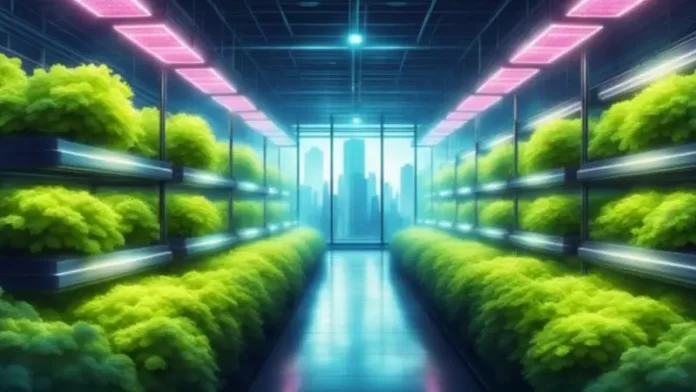
To lead this transformation, vertical farming allows you to grow crops year-round in the heart of the city. By using Controlled Environment Agriculture (CEA), you can bypass seasonal weather and eliminate harmful pesticides through stacked indoor layers. Implementing a vertical farming system ensures your production remains stable, profitable, and entirely insulated from external climate crises.
Key Takeaways
|
What Is Vertical Farming in Modern Agriculture?
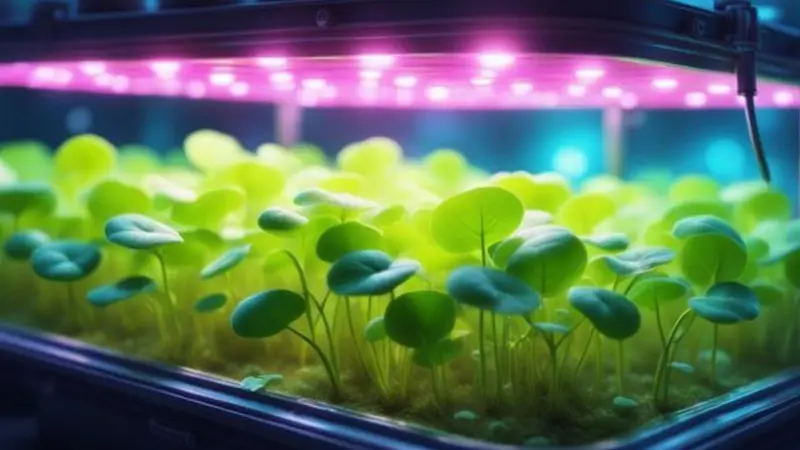
You can view vertical farming as a high-tech evolution that grows crops in stacked layers instead of vast fields. Unlike traditional methods that leave you vulnerable to Malaysia’s unpredictable monsoon seasons, this system uses controlled indoor environments to guarantee production stability. By removing the need for large land areas, you gain the power to grow food anywhere from urban centers to industrial zones.
Vertical farming bypasses climate volatility and soil degradation by integrating LED lighting and automated irrigation systems. These technologies allow you to maintain perfect conditions 24/7, ensuring your crops thrive year-round without depending on natural sunlight. Adopting this precision-driven approach significantly boosts your output while cutting down on the resource risks typical of conventional farming.
You can operate these systems efficiently in repurposed warehouses or shipping containers across urban Malaysia. Because vertical farming systems maximize space and slash water waste, they offer a clear competitive edge in regions with limited arable land. By securing this reliable production cycle, you ensure long-term food security and urban resilience.
Vertical Farm Design and Structure
A well-planned vertical farm design is essential because your success relies on a controlled indoor environment rather than natural weather. Unlike traditional fields, this system integrates stacked layers, LED lighting, and climate automation to function at peak efficiency. By prioritizing a precise layout, you can maximize every square meter while ensuring consistent crop quality regardless of the season.
You can choose from three common vertical farm structures to suit your specific operational needs:
- Building-based vertical farms: Perfect if you want to repurpose warehouses, utilizing high ceilings for massive, multi-level growing stacks.
- Shipping container vertical farms: A compact, modular system that allows you to start urban farming even in locations with limited space.
- Purpose-built vertical farms: Designed from scratch, this structure supports advanced systems like water recycling and automated handling for maximum production.
Selecting the right vertical farming structure ensures your business remains profitable and resilient against climate shifts. Whether using a warehouse or a modular container, you must prioritize extreme spatial efficiency to boost your total yields. By investing in an optimized layout, you build a high-performance system that supports consistent, year-round farming.
Advantages of Vertical Farming Over Traditional Methods
Global investment in vertical farming is surging because it stabilizes supply chains by localizing production. By controlling every environmental variable, you can eliminate the unpredictability of open-field agriculture while maximizing your resource efficiency.
Unparalleled Yield and Space Efficiency
By stacking grow beds, you achieve a significantly higher yield per square meter than traditional farms. A single indoor acre can match the output of up to 20 outdoor acres. You also gain continuous production cycles, allowing for up to 15 harvests annually instead of just two in conventional setups.
Unmatched Water Conservation
Traditional farming wastes a large portion of the 70% of global freshwater it consumes. Vertical farming’s closed-loop systems can slash your water usage by up to 95%. This efficiency allows you to maintain sustainable food production even in drought-prone regions.
Elimination of Chemical Pesticides and Herbicides
Sealed, biosecure environments remove the risk of pests and weeds, so you no longer need harmful chemical pesticides. This produces “beyond organic” crops that are safer for consumers and prevents the devastating ecological damage caused by agricultural chemical runoff.
Climate Resilience and Food Security
Vertical farming stays insulated from the floods and heatwaves that decimate traditional harvests. You can ensure a consistent, reliable food supply regardless of external weather. This resilience is key to securing your production year-round, even in the harshest climates.
Core Technologies Driving Controlled Environment Agriculture (CEA)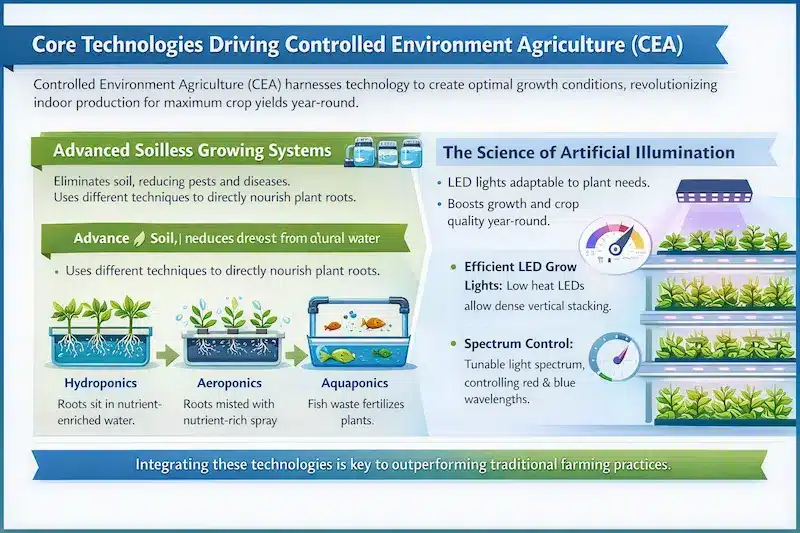
Controlled Environment Agriculture (CEA) serves as the engine of your vertical farming operation, using technology to provide optimal growth conditions. By integrating engineering and data science, you can govern every aspect of the plant’s lifecycle, from nutrient delivery to atmospheric control. This sophisticated approach is what allows vertical farming systems to achieve extraordinary yields that traditional fields simply cannot match.
Advanced Soilless Growing Systems
By eliminating soil, you remove the primary vector for pests and diseases, allowing your farm to maintain cleanroom hygienic standards. Instead of variable soil, you can utilize three primary soilless techniques to deliver nutrients directly to the roots:
- Hydroponics: The industry standard where roots are submerged in oxygenated, nutrient-rich water. This gives you precise control over mineral uptake, ensuring plants get exactly what they need at every growth stage.
- Aeroponics: Developed by NASA, this method mists roots with a nutrient aerosol. Because it maximizes oxygen exposure, you can accelerate growth rates while using significantly less water than standard hydroponics.
- Aquaponics: A symbiotic loop where you raise fish and plants together. You can create a dual revenue stream by using fish waste as natural fertilizer, effectively purifying the water for recirculation.
The Science of Artificial Illumination
Since indoor farms operate without sunlight, LED grow lights are your most critical tool for year-round production. These lights produce minimal heat, meaning you can place them close to stacked crops without the risk of damage. This allows for tighter vertical spacing and much higher plant density.
You can also fine-tune the light spectrum based on specific crop needs, particularly red and blue wavelengths for photosynthesis. By adjusting intensity and duration, you can improve crop quality and speed up harvest frequency, giving your business a significant edge over traditional farming cycles.
Climate Control and Environmental Management
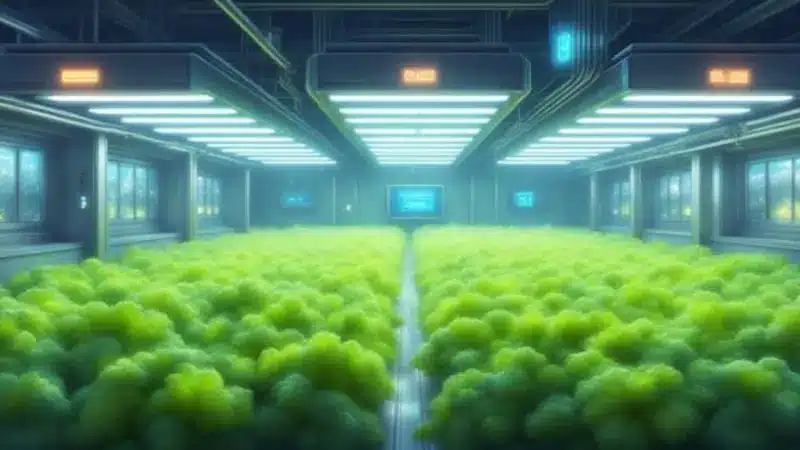
Managing heat, humidity, and air quality is critical because your indoor farm’s success depends on atmospheric stability. Since LED lights and plant activity can spike moisture levels, you must utilize HVAC systems and dehumidifiers to maintain perfect conditions. By keeping these variables in check, you prevent fungal diseases and ensure your crops remain healthy and marketable.
These systems also drive water efficiency by allowing you to collect, sterilize, and reuse transpired moisture in your irrigation cycle. By monitoring Vapor Pressure Deficit (VPD), you can perfectly balance temperature and humidity for optimal plant breathing. This precision ensures your plants grow at their biological peak while drastically slashing resource waste.
CO2 control is equally vital for maximizing your facility’s output. Because sealed rooms can quickly run low on carbon dioxide, you should use CO2 enrichment to supercharge photosynthesis. This approach allows you to speed up growth cycles and increase yields, ensuring your production remains highly profitable regardless of external environmental shifts.
Strategic Implementation Steps
Moving from a concept to a commercial facility requires a meticulous roadmap to protect your investment. By following a structured plan, you can mitigate operational risks and ensure your vertical farm is a profitable enterprise rather than just a technical experiment.
You should focus on these four critical phases for a successful rollout:
- Feasibility and Market Analysis: Identify high-demand crops in Malaysia and analyze competitor pricing. You must project long-term costs to ensure a realistic path to profitability.
- Site Selection and Structural Engineering: Choose a location near urban hubs and ensure the building’s load-bearing capacity can support heavy, multi-level racks.
- Technology Integration: Procure specialized LED lighting and automated dosing systems. You must install robust HVAC units to manage high humidity from dense plant transpiration.
- Pilot Testing: Run small-scale trials to calibrate variables and test seed viability. This allows you to refine protocols before committing to full-scale commercial production.
By following these strategic steps, you ensure your facility is optimized for peak performance. Selecting the right location and technology allows your business to remain resilient and competitive from day one.

The Role of Automation and Smart Technologies
As you scale to commercial production, manual labor becomes a significant economic bottleneck. Tasks like seeding and harvesting across multi-story racks are labor-intensive and costly. By integrating robotics and AI, you can optimize operations and slash OpEx, ensuring your facility remains competitive and efficient.
In advanced facilities, you can minimize human contact to maintain high biosecurity. Automated systems handle seeding and transport seedlings via robotic arms or conveyors. Using dynamic racks, you ensure plants reach harvesting stations at their exact peak, streamlining your entire workflow.
IoT sensors and data acquisition form your digital backbone, streaming real-time metrics on nutrients and CO2. By leveraging innovations in smart farming technology, algorithms identify micro-trends that humans might miss. These models automatically adjust environment parameters, allowing you to maximize efficiency and predict yields with extreme accuracy.
Computer vision further enhances your quality control using AI-driven cameras to patrol growing aisles. These systems detect nutrient deficiencies or pests days before they are visible to the human eye. This allows you to treat specific trays proactively, protecting your harvest and ensuring high predictability for every production cycle.
Addressing the Economic and Technical Challenges
Vertical farming faces significant hurdles that you must navigate to achieve long-term financial viability. The industry’s success depends on overcoming stark economic realities, from massive setup costs to high energy demands. Understanding these barriers is essential for building a sustainable and profitable operation.
High Capital Expenditure (CapEx)
The barrier to entry is high, requiring massive upfront investment in urban real estate, structural reinforcements, and industrial HVAC systems. You must account for these costs while ensuring flawless execution to recoup your initial capital. Your financial strategy must be robust to manage the high costs of specialized LEDs and complex automation.
Energy Consumption and Operational Expenditure (OpEx)
Electricity is the primary driver of your OpEx, as lighting and climate systems run continuously. This energy intensity can increase your carbon footprint if you rely on traditional power grids. To ensure sustainability, you should integrate renewable energy sources like solar or geothermal cooling to offset costs and enhance your environmental profile.
Crop Limitations and Diversification
High operating costs currently limit production to rapid-growth, high-value crops like leafy greens and herbs. While R&D continues for strawberries and tomatoes, staple crops like wheat remain economically unfeasible. Therefore, you should position your vertical farm to supplement traditional agriculture by focusing on high-value, perishable nutritional crops.
Enterprise Management for Commercial Vertical Farms
Transitioning your vertical farm into a profitable enterprise requires rigorous business management and data-driven coordination. Managing climate systems, labor, and distribution is complex and demands a unified approach to maintain operational efficiency. Without a centralized strategy, you risk losing control over your unit economics and financial stability.
To scale successfully, you must move beyond fragmented spreadsheets toward software designed for modern agribusiness. Integrating data into a single platform allows you to maintain full visibility over every moving part of your facility, ensuring technology and business goals remain aligned.
Implementing a top-rated agriculture ERP solution consolidates every business aspect into a single source of truth. Advanced platforms provide vital modules for seed-to-sale traceability and food safety. These systems enable you to monitor real-time inventory and calculate the exact cost of goods sold (COGS) down to the individual plant level.
Furthermore, a robust ERP system facilitates predictive demand planning to eliminate spoilage. By integrating retail insights, you can adjust seeding schedules in advance to match market needs perfectly. With the right enterprise tools, you can visualize the financial impact of every operational change, keeping your farm both high-performing and consistently profitable.
Conclusion
Vertical farming shifts agriculture toward spatial efficiency and climate resilience. By integrating CEA and soilless methods, you can achieve consistent yields regardless of weather. This strategic transformation is essential for building a secure, sustainable food system for the future.
Success relies on precise management and data integration to handle high costs and technical complexity. You need a centralized system to monitor everything from energy use to inventory. Mastering unit economics is what turns a high-tech facility into a truly profitable enterprise.
An integrated management system simplifies these challenges and maintains peak performance. With a data-driven approach, you can visualize your workflow to make cost-efficient decisions. Exploring a free demo is a practical way to see how these tools optimize your business growth.
FAQ About Vertical Farming
-
Is vertical farming truly more sustainable than traditional methods?
Vertical farming allows you to reduce water usage by up to 95% and eliminate chemical pesticides. However, long-term sustainability depends on your power source; integrating renewable energy is essential for minimizing your carbon footprint and outperforming conventional supply chains.
-
How long does it take to achieve a return on investment (ROI)?
While initial CapEx is high, ROI can be accelerated through faster harvest cycles and premium pricing. With a focus on high-value crops and efficient management, commercial facilities typically achieve ROI within 5 to 7 years.
-
What are the primary operational risks in vertical farming?
The biggest risks include technical failures and biosecurity breaches. These can be mitigated by implementing automated monitoring systems and strict operational protocols to detect issues early and prevent financial losses.
-
Which crops offer the highest profitability?
To maximize revenue per square meter, focus on leafy greens, culinary herbs, and microgreens. These crops grow quickly and have high market demand in urban areas, providing a strong competitive advantage.