









 Limited to 100 registrants

Inventory shrinkage is a challenge many companies face, whether due to theft, damage, or simple record-keeping errors. Left unaddressed, these issues can significantly impact profitability and daily operations.
In today’s competitive market, understanding how shrinkage happens (and how to stop it) can give your business a real advantage. In this article, we’ll explore the causes, effects, and practical steps to prevent shrinkage so you can protect your assets and strengthen your operations.
Key Takeaways
Inventory shrinkage refers to any unexplained loss of stock, while inventory loss refers to any stock reduction that the business can identify.
Implementing stringent security measures, including CCTV, controlled access, and employee training, is vital to mitigate risks of theft and errors that lead to inventory shrinkage.
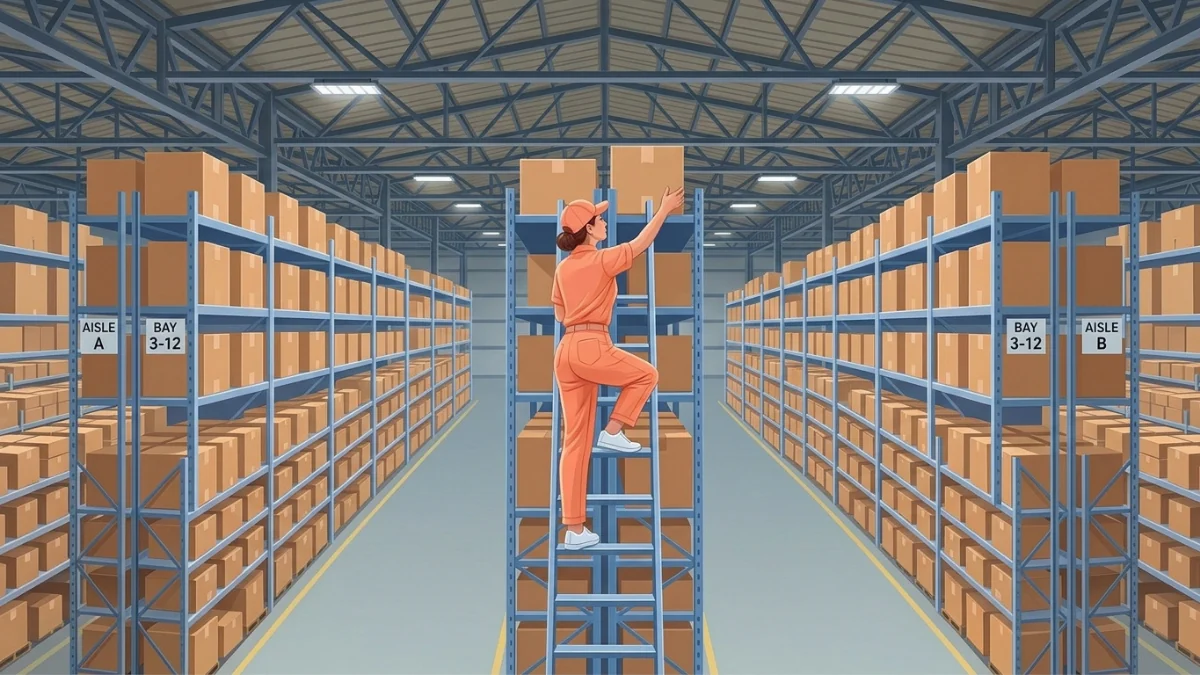
Inventory shrinkage can happen in warehousing, distribution, and retail. Each environment has different reasons for inventory shrinkage. Using advanced tools can help solve inventory shrinkage in all three environments.
What is Inventory Shrinkage?

Inventory shrinkage refers to the difference between the recorded stock and the actual physical inventory that a business possesses. It is a common problem across industries, particularly in retail, and can occur due to various reasons such as theft, mismanagement, and administrative errors.
Even a small amount of shrinkage can have a significant impact on profitability and overall operations. Shrinkage is calculated by comparing the expected inventory levels with the actual stock on hand, typically during an audit or physical inventory count.
This discrepancy can result from internal factors, such as employee theft or administrative errors, or external ones, like shoplifting. Left unchecked, shrinkage not only eats into profits but also distorts data used for decision-making, making it harder to manage stock effectively.
Inventory Shrinkage vs Inventory Loss
Many businesses treat inventory shrinkage and inventory loss as the same thing, even though both have different meanings. Inventory shrinkage happens when stock goes missing without a clear explanation. This usually occurs because of theft, recording mistakes, vendor fraud, or untracked damage.
Meanwhile, inventory loss has a broader meaning. It includes any stock reduction that the business can identify, explain, and record properly, such as expired products, damaged goods, or obsolete inventory. In other words, shrinkage is part of inventory loss, but not all inventory loss counts as shrinkage.
This difference matters because each issue needs a different solution. Inventory shrinkage often points to weak stock control, limited visibility, or poor monitoring across warehouse and store operations. On the other hand, inventory loss usually calls for better storage, handling, and inventory planning.
What is the Impact of Inventory Shrinkage?

Inventory shrinkage directly reduces profit because the business pays for goods it can no longer sell. In retail, every missing item creates a loss without generating any revenue, which puts immediate pressure on margins and overall financial performance.
For example, if a retail store in Metro Manila loses ₱50,000 worth of inventory, the business must absorb that loss and spend more money to replace the missing stock. As a result, some companies may raise prices to recover the cost, which can place extra pressure on customers.
Shrinkage also disrupts operations and damages customer trust. Inaccurate inventory data can trigger stockouts, overstocking, and delivery delays, all of which hurt the customer experience. For supermarkets, electronics stores, and similar businesses, repeated shrinkage can weaken loyalty and force the company to spend more on security and inventory systems.
What are the Causes of Inventory Shrinkage?
Understanding the causes of inventory shrinkage is crucial for any business looking to safeguard its assets and maintain profitability. Below is a breakdown of the main reasons inventory can disappear unaccounted for:
- Theft: This is often the most direct cause of inventory shrinkage. Theft can be internal, involving employees who have access to the stock, or external, such as shoplifting by customers, particularly prevalent in high-traffic environments like malls and supermarkets.
- Administrative Errors: Mistakes in paperwork or data entry can lead to discrepancies in inventory records. This is common in systems where inventory tracking is done manually and is susceptible to human error.
- Vendor Fraud: Sometimes, suppliers may deliver fewer items than billed, leading to inventory shortages that are not immediately apparent until an audit is conducted.
- Damage: Improper storage or handling can damage goods, making them unsaleable. This is especially critical for perishable goods in sectors like food and pharmaceuticals, where environmental conditions need to be strictly controlled.
Addressing these issues involves tightening internal controls, improving security measures, enhancing inventory tracking systems, and conducting regular audits. Such proactive steps can significantly reduce the risk of shrinkage, ensuring the business remains efficient and profitable.
How to Prevent Inventory Shrinkage

To effectively combat inventory shrinkage, several approaches are essential. This involves not only meticulous tracking and management of stock but also fostering an environment where security and accuracy are paramount. Try these steps to control shrinkage:
- Regular Audits: Establish a routine of conducting detailed inventory audits either quarterly or monthly. During these audits, physically count the inventory and match it with what’s recorded in your system to pinpoint where losses are happening.
- Enhanced Security: Enhance the security of your storage and retail areas. Installing CCTV cameras and implementing controlled access systems are crucial steps to deter and detect both internal and external theft.
- Barcode Systems: Adopt barcode and SKU systems to streamline inventory tracking. These technologies improve the accuracy and speed of stock management, helping businesses keep a closer eye on their inventory.
- Staff Training: Educate your employees about the importance of inventory management and teach them to follow procedures that prevent shrinkage. This includes training on spotting suspicious activities and correctly handling merchandise.
- Inventory Software: Use advanced inventory management software to get real-time tracking of stock, automated reporting, and manage lean inventory.
Adopting these strategies and implementing another inventory software creates a robust defense against inventory shrinkage, reinforcing operational efficiencies and supporting sustainable growth.
"To blame just theft is probably a little bit simplistic."
How to Calculate Inventory Shrinkage
To calculate inventory shrinkage, you need to compare the stock quantity recorded in your system with the actual inventory counted during a physical stock check. This helps businesses identify how much inventory is missing due to theft, damage, administrative errors, or supplier discrepancies. Once you know the gap, you can measure how seriously shrinkage affects your operations and profits.
The basic inventory shrinkage formula is:
Inventory Shrinkage = Recorded Inventory Value – Actual Physical Inventory Value
If you want to express it as a percentage, use this formula:
Inventory Shrinkage Rate (%) = (Recorded Inventory – Actual Inventory) / Recorded Inventory x 100
For example, let’s say a retail store in the Philippines has inventory records showing stock worth ₱200,000, but after a physical count, the actual inventory on hand is only ₱185,000. That means the business has ₱15,000 in missing stock. To find the shrinkage rate, divide ₱15,000 by ₱200,000, then multiply by 100. The result is 7.5% inventory shrinkage.
This calculation gives businesses a clearer view of inventory losses and helps them spot recurring problems faster. If the shrinkage rate keeps increasing, it may point to weak internal controls, inaccurate stock recording, poor warehouse handling, or theft. By tracking this number regularly, businesses can make better decisions about audits, stock movement monitoring, employee accountability, and inventory system improvements.
Inventory Shrinkage Across Warehousing, Distribution, and Retail
Inventory shrinkage can occur at every stage of logistics operations, from warehousing and distribution to retail. Understanding how shrinkage happens in each of these components is crucial for identifying the root causes and applying the right prevention strategy.
| Retail | Warehousing | Distribution |
| Shrinkage often happens on the selling floor. | Shrinkage often happens behind the scenes. | Shrinkage often occurs during stock movement. |
| Common causes: shoplifting and cashier errors. | Common causes: receiving and picking mistakes. | Common causes: loading and delivery errors. |
| High-risk businesses: supermarkets and electronics stores. | High-risk businesses: large warehouses with manual processes. | High-risk businesses: multi-branch and delivery-based businesses. |
| Common issue: unscanned or unpaid items leaving the store. | Common issue: full quantities recorded despite short deliveries. | Common issue: missing stock during shipment handovers. |
| The impact: lower profit and weaker customer trust. | The impact: stock inaccuracies and replenishment issues. | The impact: poor visibility and delayed deliveries. |
Reducing shrinkage across retail, warehousing, and distribution takes more than stock checks. Businesses need tighter controls, faster stock recording, and better visibility. With barcode scanning, real-time updates, audit trails, and an integrated ERP inventory system, teams can track item movement accurately, detect discrepancies faster, and maintain stronger control over stock.
Conclusion
From internal theft to administrative errors and even vendor fraud, the causes of inventory loss are diverse, but the strategies to combat them are robust and effective. Regular audits, enhanced security measures, advanced tracking systems, and employee training are essential in safeguarding your stock.
Inventory shrinkage can come from many factors, and handling all of them will require time, resources, and labor. To ease the process of filling the gaps to prevent inventory shrinkage, find advanced inventory management tools that can help you track all the things that you need.
FAQ for Inventory Shrinkage
To fix this, implement strict audits and enhance inventory tracking systems. Utilizing technology like inventory management software can also greatly reduce errors and theft.
The biggest cause of inventory shrinkage is typically theft, including both internal theft by employees and external theft by shoplifters.
Inventory shrinkage is written off by adjusting the inventory account in financial records to reflect the actual physical count, typically during the year-end closing process.
There is no single “acceptable” shrinkage rate. However, it is best practice to keep shrinkage as low as possible and monitor it consistently by store, warehouse, or product category. If your shrinkage keeps rising, or if it starts hurting margins, stock accuracy, and customer fulfillment, it is already too high.