










 Limited to 100 registrants

Managing inventory can be a game changer getting a handle on your inventory can make all the difference. Mess it up, and you might lose sales or end up with piles of unsold stock. But don’t worry we’re here to share ten inventory management techniques that can streamline operations, reduce costs, and increase profits.
Now, we know that managing inventory in the Philippines comes with its own set of challenges, like unpredictable demand and supply chain hiccups. But with the right approach, you can tackle these issues head on, stay competitive, and keep your customers returning. In the next sections, we’ll walk you through some practical strategies that can make a difference in managing your inventory and growing your business.
Key Takeaways
Effective inventory management ensures businesses have the right products available at the right time, optimizing cash flow and reducing operating costs. For Philippine businesses, managing inventory accurately is essential for meeting customer demand and maintaining profitability.
Strategic inventory management helps businesses avoid costly overstocking and stockouts, ensuring products are always available when needed. This approach not only boosts customer loyalty but also drives profitability and allows for reinvestment in business growth.
Adopting effective inventory management techniques like FIFO, demand forecasting, and JIT enables businesses in the Philippines to optimize stock levels, reduce costs, and improve operational efficiency.
What Exactly Is Inventory Management and Why Does It Matter?
 Inventory management covers everything involved in ordering, storing, and using the products a business sells making sure the right stock is available at the right time without tying up capital in excess goods.
For Philippine businesses of any size, whether a sari-sari store or a manufacturing plant, getting inventory right directly affects cash flow, operating costs, and how well you can meet customer demand.
Why is Inventory Management Important?
 Effective inventory management is vital for business success, especially in the volatile Philippine market. Proper management ensures you always have the right products in stock, reducing the risk of lost sales. It also prevents overstocking, which can increase storage costs and lead to waste if products expire or become obsolete. This balance is key to maintaining profitability.
Maintaining optimal inventory levels not only saves costs but also boosts customer satisfaction and loyalty. When customers trust that you’ll have the products they need, they’re more likely to return and recommend your business. Efficient inventory management also frees up capital for reinvestment in marketing, product development, or expansion. This strategy strengthens your overall business performance.
Essential Inventory Management Techniques
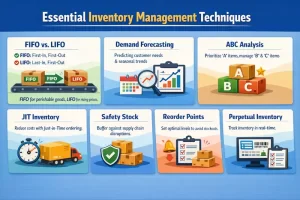
1. FIFO (First-In, First-Out) vs. LIFO (Last-In, First-Out):
For Philippine businesses dealing with perishable goods like food or pharmaceuticals, FIFO is crucial to sell products before they spoil. On the other hand, LIFO benefits industries facing rising prices, aligning costs with current revenues. This strategy is vital in listing inventory.
2. Demand Forecasting
Accurate demand forecasting is crucial for businesses in the Philippines, where seasonal trends and economic shifts impact demand. Predicting customer needs helps maintain optimal stock levels, avoiding costly overstocking and stockouts. This approach ensures businesses stay competitive in a dynamic market.
3. ABC Analysis:
For Filipino businesses, ABC analysis helps prioritize resources by focusing on high-value items that drive the most revenue. By categorizing inventory, businesses can allocate more attention and resources to ‘A’ items, ensuring these crucial products are always available to meet customer demand.
4. Just-in-Time (JIT) Inventory
JIT is particularly advantageous for Philippine businesses with limited storage space and high storage costs. By ordering inventory only when needed, businesses can reduce holding costs and minimize the risk of obsolescence, which is vital in a market with fast-moving consumer goods.
5. Safety Stock Inventory
Given the potential for supply chain disruptions in the Philippines, maintaining safety stock is crucial. It acts as a buffer, ensuring that businesses can meet customer demand even when unexpected fluctuations occur, such as delays due to weather or transportation issues.
6. Reorder Points
Setting accurate reorder points is vital for businesses in the Philippines to avoid stockouts, particularly in a market where lead times can be unpredictable. By establishing the right reorder points, businesses ensure timely restocking, helping maintain smooth operations.
7. Perpetual Inventory Management
Perpetual inventory management provides Filipino businesses with real time inventory tracking, ensuring accuracy in stock levels and reducing the risk of discrepancies. This approach supports better decision-making and helps maintain efficiency in a dynamic market.
Implementing another inventory software also can improve the overall inventory management techniques.
Best Practices for Implementing Inventory Management Techniques
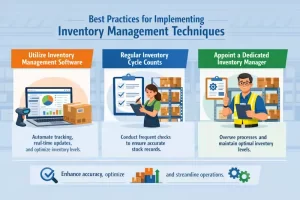
1. Utilize Inventory Management Software
Incorporating inventory management software into your business operations can significantly enhance your ability to track, manage, and optimize inventory levels. These tools offer automation, real-time tracking, and analytics that can streamline your processes and reduce the risk of errors. For Philippine businesses, using inventory management software can also help you comply with local regulations and improve overall efficiency.
2. Regular Inventory Cycle Counts
Regular inventory cycle counts are essential for maintaining accurate inventory records and identifying discrepancies early. Unlike a full physical inventory count, cycle counting involves checking a portion of inventory regularly, which allows for continuous monitoring without disrupting operations.
3. Appoint a Dedicated Inventory Manager
Having a dedicated inventory manager can make a significant difference in how effectively your business manages inventory. An inventory manager oversees processes, implements best practices, and ensures optimized inventory levels to meet demand without overstocking.
Incorporating an inventory management tools, conducting regular cycle counts, and appointing a dedicated inventory manager are key strategies to enhance inventory accuracy, optimize levels, and streamline operations for Philippine businesses.
How to Choose the Right Inventory Management Technique for Your Business
Selecting the right inventory management technique depends on various factors, including your business size, industry, and specific needs. For example, a small retail store in the Philippines might use simple techniques like FIFO and regular cycle counts. In contrast, a large manufacturing company may require advanced methods such as EOQ and JIT.
It’s also important to consider the unique challenges and opportunities in the Philippine market when choosing inventory management techniques. Factors such as supply chain reliability, customer preferences, and economic conditions can influence which techniques are most effective.
By tailoring your inventory control system to your business’s specific needs, you can optimize inventory levels, reduce costs, and improve customer satisfaction.
Unlocking the Power of Localized Inventory Management Techniques for Philippine Businesses
Inventory management is more than just tracking stock it’s about adapting to the unique challenges of the Philippine market. With unpredictable demand and supply chain disruptions, techniques like FIFO, JIT, and demand forecasting help businesses optimize stock levels, reduce waste, and maintain cash flow.
By implementing these localized strategies, businesses can efficiently manage inventory, meet customer demands, and stay competitive. With the right approach, Filipino businesses can minimize costs and maximize profits, positioning themselves for success in a dynamic market.
Conclusion
Effective inventory management is crucial in the Philippine market, where supply chain disruptions, seasonal demand spikes, and storage costs can quickly erode margins. Applying even a few of the techniques covered here whether demand forecasting for BER season or safety stock as a buffer against weather delays can make a measurable difference in how efficiently a business operates.
For businesses ready to put these practices into a system, reviewing the best inventory management software options available today can help identify which platforms support the specific techniques your operations depend on.
Frequently Asked Questions
The three major inventory control techniques are FIFO (First-In, First-Out), LIFO (Last-In, First-Out), and JIT (Just-in-Time). Each method helps manage inventory flow and minimize costs.
Effective inventory management involves demand forecasting, ABC analysis, and maintaining safety stock. These techniques ensure accurate stock levels and smooth operations.
The most effective method is using an automated inventory management system, which allows real-time tracking and optimized stock management.