









 Limited to 100 registrants

Key Takeaways
Focus and Scope: MRP (Material Requirements Planning) specializes in managing manufacturing processes and inventory, while ERP (Enterprise Resource Planning) provides a comprehensive solution that integrates multiple business functions, including finance, HR, and supply chain management.
Target Users: MRP primarily serves manufacturing personnel, such as production planners and inventory managers. In contrast, ERP caters to a broader audience across all departments, facilitating role-based access to relevant information.
Integration Capabilities: MRP systems typically integrate with manufacturing-related software, whereas ERP systems offer extensive integration capabilities, connecting with various internal and external systems to enhance collaboration and efficiency.
Cost Considerations: MRP systems are generally more affordable and suitable for businesses with limited budgets, while ERP systems, although more expensive due to their complexity and customization needs, can lead to significant long-term savings and increased organizational efficiency.

What is an MRP System?
MRP, or Material Requirements Planning, is a powerful software system that helps businesses optimize and streamline their manufacturing processes. In the ERP vs. MRP debate, MRP focuses on managing and optimizing the manufacturing process, ensuring raw materials are available at the right time for production.
MRP is especially valuable in manufacturing industries, as it enables businesses to manage inventory levels, forecast future material needs, and efficiently coordinate their entire supply chain.
By leveraging MRP software, businesses can reduce waste, avoid costly production delays, and maintain better control over their operations. This allows companies to operate more efficiently, improving overall productivity and performance.
MRP automates critical tasks such as inventory management and production scheduling, ensuring manufacturing runs smoothly and efficiently. Let’s explain how MRP works and how it can transform manufacturing operations.
-
Optimizing inventory and production scheduling
MRP systems play a crucial role in managing raw materials and production schedules. By accurately tracking current inventory levels and forecasting material needs, MRP ensures that businesses always have the right materials on hand without overstocking.
It enables companies to plan production schedules effectively, aligning material availability with deadlines and reducing waste. This lowers costs and keeps production running without interruptions, improving overall efficiency.
-
Strengthening supply chain and order management
MRP also enhances supply chain management by ensuring timely material deliveries. The system automates order placement when inventory is low, tracks the status of deliveries, and adjusts production plans based on material availability.
Through real-time data integration with suppliers, MRP helps businesses avoid delays, maintain strong supplier relationships, and ensure smooth operations across the entire production process.
Furthermore, MRP works by forecasting demand, managing inventory, and creating efficient production schedules. This results in improved operational efficiency, reduced costs, and a streamlined manufacturing process from start to finish.
What are The Key Features and Benefits of MRP?
Material Requirements Planning (MRP) systems help businesses manage their materials and production more effectively. Here are some key features of MRP systems:
-
Bill of materials (BOM)
MRP creates a detailed list of all parts and raw materials needed to make a finished product, specifying the amount of each item required.
-
Inventory control
MRP tracks current stock and predicts future demand. It calculates how much material is needed and when to reorder, helping businesses avoid running out of supplies or having too much inventory.
-
Production planning
This feature helps schedule and coordinate production tasks. MRP ensures resources, labor, and machines are used efficiently to meet demand while keeping costs low.
-
Demand forecasting
MRP analyzes past sales data and market trends to predict future product demand. These forecasts help with material planning and production scheduling.
Besides the key features, here are the benefits of using an MRP system, which are significant:
-
Efficient inventory management:
MRP helps businesses maintain the right amount of inventory. This reduces excess stock, lowers storage costs, and ensures materials are available when needed, preventing delays in production.
-
Increased labor productivity
MRP provides timely information about material needs, allowing production teams to plan their work effectively. This reduces time spent searching for materials and increases overall productivity.
-
Improved production planning
MRP enhances production planning by analyzing materials and schedules. It helps identify what is needed and when, allowing businesses to solve potential issues early.
-
Enhanced customer satisfaction
By ensuring that materials are available, and production is on schedule, MRP helps businesses fulfill customer orders quickly. This leads to happier customers and increased loyalty.
What is an ERP System?
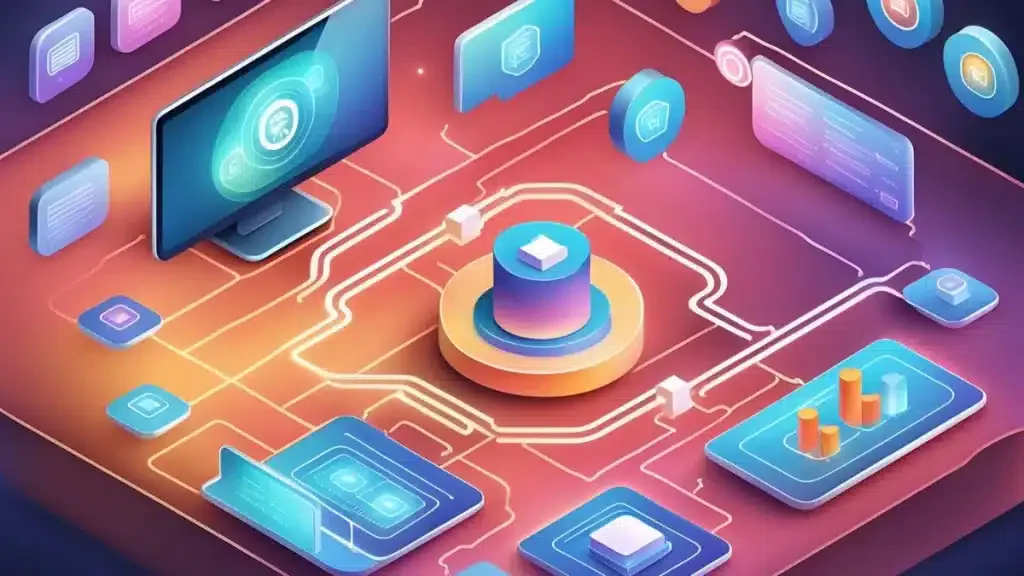
ERP, or Enterprise Resource Planning, is a powerful software solution designed to help organizations manage their operations effectively. This system integrates essential functions such as sales, finance, inventory, production, and supply chain management into a single platform.
By combining these functions, ERP system provide real-time visibility into business processes, making decision-making easier and enhancing overall operational efficiency.
These systems are designed to automate various business operations and can be customized to meet specific organizational needs. This adaptability makes ERP particularly beneficial for optimizing their processes, enhancing performance, and responding swiftly to changing market conditions.
To fully harness the benefits of ERP, it’s important to understand how it operates. Here are the core functions of an ERP system:
-
Integration of business processes
ERP systems connect different departments and functions, ensuring smooth data flow across the organization. This integration reduces errors and fosters teamwork, resulting in a more unified operational structure.
-
Real-time data management
With ERP, organizations gain immediate insights into their operations, enabling them to quickly track key performance indicators and make informed decisions. This responsiveness helps organizations adapt to market changes and meet customer demands effectively.
-
Automation of tasks
ERP automates routine activities such as order processing, inventory management, and financial reporting. Employees can focus on strategic initiatives by minimizing manual tasks, greatly enhancing overall productivity.
-
Enhanced reporting and analytics
ERP systems come with advanced reporting tools that deliver valuable insights across various aspects of the business. Users can generate customizable reports to analyze performance, forecast trends, and pinpoint areas for improvement.
-
Improved customer relationship management
By integrating data from sales and customer service, ERP systems enhance customer interactions. This leads to greater satisfaction and loyalty, as organizations can respond quickly to inquiries and fulfill orders more efficiently.
What are The Key Features and Benefits of ERP?
Enterprise Resource Planning (ERP) systems provide businesses with a centralized platform that integrates various functions, enhancing efficiency and collaboration. Here are the key features of ERP systems:
-
Modular design
ERP systems consist of various modules, such as accounting, manufacturing, human resource management (HRM), and procurement. This modularity allows businesses to customize the system according to their specific needs.
-
Scalability and flexibility

ERP systems are designed to grow with businesses. They offer scalability, allowing organizations to add or modify modules and functionalities as their requirements change over time.
-
Reporting and analytics
With robust reporting and analytics capabilities, ERP systems enable businesses to generate custom reports, dashboards, and key performance indicators (KPIs). This functionality provides actionable insights, helping companies monitor performance and make data-driven decisions.
-
Customer relationship management (CRM)
ERP systems often include CRM features that track sales leads, automate marketing campaigns, and improve customer service. This integration offers a holistic view of customer interactions, enabling personalized marketing efforts.
-
Human resource management (HRM)
Many ERP systems include HRM modules to streamline various HR functions, such as employee records, payroll, performance management, and training. This simplifies HR processes, enhances employee engagement, and ensures compliance with labor regulations.
-
Cross-application communication
Cloud-based ERP systems enable seamless communication between applications. This connectivity allows for efficient data exchange, providing businesses with a comprehensive view of their operations.
After looking at the key features, you may also want to look at the benefits of implementing an ERP system below:
-
Cost savings
Automation and integration increase efficiency and productivity, resulting in significant cost savings.
-
Improved compliance management
ERP systems help businesses monitor and manage compliance with regulatory standards effectively.
-
Reduced human error
By automating processes, ERP systems minimize the risk of human error, ensuring resources are used efficiently.
-
Enhanced collaboration
ERP promotes better communication and collaboration among different departments, leading to a more cohesive work environment. This benefit is also available in the HashMicro ERP system, which offers businesses a comprehensive platform for integrating various functions, helping to enhance collaboration and productivity.
-
Scalable growth
As businesses expand, ERP systems adapt to their evolving needs, supporting sustainable growth.
-
Better supplier and partner management
ERP systems improve relationships with suppliers and partners by providing valuable insights into procurement and inventory management.
ERP systems are a powerful tool for businesses aiming to streamline their operations and promote growth. By offering features such as scalability, improved collaboration, and better supplier management, these systems provide essential benefits for companies of all types.
Whether you’re looking to enhance efficiency or strengthen partnerships, ERP systems can help you achieve your goals. To discover the best ERP software for your needs, check out our guide on the 16 Best ERP Software Solutions in The Philippines (2024) for valuable insights.
What are The Differences Between MRP vs ERP Systems

While both MRP (Material Requirements Planning) and ERP (Enterprise Resource Planning) are valuable tools for managing resources and streamlining processes, they differ significantly in their scope, target users, integration capabilities, and costs.
Understanding these distinctions is essential for organizations looking to implement the right system to meet their specific needs. Here is a table summary discussing the differences between MRP and ERP systems:
| Key Differences | MRP | ERP |
|---|---|---|
| Scope | Focuses on inventory management and production planning to track materials and schedule manufacturing. | Covers multiple business functions (finance, HR, CRM, supply chain) in one integrated platform. |
| Primary users | Production planners, inventory managers, and procurement teams, mainly in manufacturing-related roles. | Cross-department users: sales, marketing, finance, HR, operations, support enterprise-wide workflows. |
| Integration capabilities | Integrates mainly with manufacturing-related tools (inventory, procurement). | High integration across internal and external systems (HR, finance, CRM, supply chain). |
| Cost | Lower cost, suitable for businesses with limited budgets and production-focused needs. | Higher cost due to broader scope and customization; offers greater long-term ROI. |
Conclusion
Businesses today need reliable solutions to manage operations efficiently. Choosing ERP vs. MRP systems depends on your business’s specific needs.
ERP systems provide an all-in-one platform to streamline processes across finance, sales, and human resources departments. By integrating these functions, companies can make quicker decisions, automate repetitive tasks, and gain valuable insights through real-time data.
This reduces operational costs and enhances collaboration across teams, helping businesses adapt swiftly to market changes. Regardless of an industry or their complexity, companies can benefit from a system that simplifies their management.
Using HashMicro’s Hash Core ERP provides a flexible and customizable platform designed to meet any business’s unique needs.
Whether optimizing inventory or improving customer relationships, this solution helps companies maximize productivity and performance. Explore a free demo today and discover how HashMicro’s Hash Core ERP can help your business operate more efficiently and grow.