




Philippine businesses deal with overlapping requirements from BIR, SEC, DTI, and DOLE — and missing even one filing deadline can trigger penalties. Between annual BIR registration renewals, SEC filings, employee benefits compliance, and industry-specific permits, it’s easy for something to fall through the cracks. One missed renewal or late filing can snowball into fines, legal issues, or a stalled business permit.
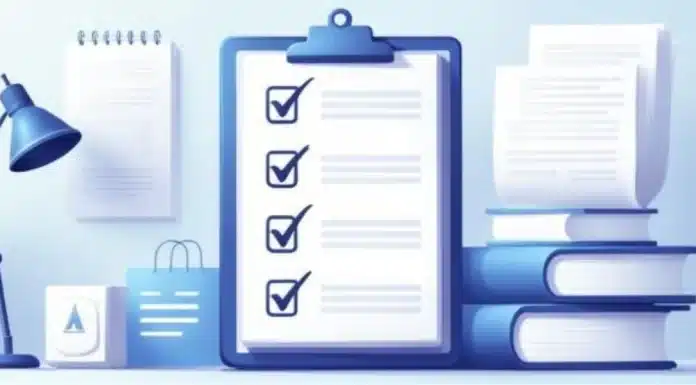
A compliance checklist helps you avoid that. It turns complicated regulatory requirements into clear tasks your team can follow and check off, so you catch gaps early instead of scrambling when an auditor shows up. Beyond avoiding penalties, it keeps day-to-day operations smoother and signals to clients and partners that you run a reliable business.
This guide walks through what a good compliance checklist covers, how to build one for your company, and how to keep it running without drowning in spreadsheets.
Key Takeaways
|
Key Benefits of Implementing a Compliance Checklist
1. Lower your legal and financial risk
A checklist helps you spot potential violations before they turn into costly problems. When you’re tracking everything from business permits to tax obligations under the TRAIN Law, you’re less likely to get blindsided by a penalty notice. And in the Philippines, BIR penalties aren’t cheap — late filing alone triggers a 25% surcharge on unpaid taxes, plus 12% annual interest. A structured checklist gives you documented proof that you’ve done your due diligence, which matters during audits or disputes.
2. Tighten up your operations
Your team knows exactly who handles what, repeat work drops, and fewer mistakes slip through. Instead of three people asking “did we renew that permit?”, one person owns it and everyone can see the status. That frees up time people used to spend double-checking things — time they can put toward work that actually moves the business forward.
3. Build trust with clients and partners
Companies that consistently meet regulatory standards earn a reputation for reliability. In industries where clients run vendor due diligence — like construction, manufacturing, or BPO — being able to show a clean compliance record gives you an edge. It’s not just about following rules; it’s about showing that your business takes accountability seriously.
4. Make better decisions with better data
When your compliance data is organized and accessible, leadership can plan with clearer information. Expanding to a new branch in CALABARZON? Your checklist tells you exactly which LGU permits, DTI registrations, and DOLE requirements you’ll need to handle first. That kind of visibility prevents surprises down the road.
Universal Key Elements of a Compliance Checklist
These four areas apply to almost every Philippine business, regardless of industry.
1. Human resources (HR)
This covers everything from hiring to termination. Your checklist should verify employment contracts, minimum wage compliance based on the latest wage orders, proper overtime computation, and timely remittance of SSS, PhilHealth, and Pag-IBIG contributions. You’ll also want to confirm that 13th-month pay is calculated correctly, DOLE reporting requirements are met, and anti-sexual harassment policies (under RA 7877) are in place. Getting HR compliance wrong is one of the fastest ways to trigger a DOLE inspection.
2. Data security and IT
Under the Philippine Data Privacy Act (RA 10173), your business must protect personal data or risk fines from the National Privacy Commission (NPC). Your checklist should cover data breach notification procedures, privacy impact assessments, appointment of a Data Protection Officer, and consent management. Make sure all software is properly licensed and that your IT infrastructure meets the NPC’s security standards. If you’re processing customer data — credit card info, personal IDs, contact details, this isn’t optional.
3. Finance and accounting
This area covers compliance with Philippine Accounting Standards (PAS), timely BIR tax filings (monthly, quarterly, annual), VAT or percentage tax remittance, and withholding tax obligations. Your checklist should include regular bank reconciliations, proper invoice management, and preparation for BIR audits. If your annual revenue crosses the VAT threshold (currently ₱3 million), you’re required to register as a VAT taxpayer and issue VAT official receipts. Companies using a BIR-accredited computerized accounting system have an easier time staying on top of this.
4. Operations and workplace safety
This section covers occupational health and safety (OHS) compliance under DOLE’s Department Order 198. Your checklist should include routine equipment inspections, PPE availability and usage, regular safety training, and emergency procedure documentation. For companies in construction, manufacturing, or logistics, maintaining safety standards on project sites isn’t just about avoiding accidents; it reduces operational disruptions, regulatory penalties, and insurance premium increases.
Industry-Specific Compliance Checklist Examples
The regulatory requirements for a construction firm look nothing like those for a retail store. Here’s what to focus on for three major industries in the Philippines.
1. Construction industry
Construction is one of the most heavily regulated industries due to safety risks and environmental impact. Your checklist needs to be thorough from project start to handover.
- Permits and licensing: Building permits from the LGU, environmental compliance certificates (ECC) from DENR, and PCAB (Philippine Contractors Accreditation Board) license verification before any work starts
- Labor certification: Valid TESDA certifications for equipment operators, safety officer accreditation under DOLE DO 198
- Site safety: Compliance with the Philippine Construction Safety standards — scaffolding integrity, fall protection, electrical safety, and first aid provisions
- Waste management: Proper disposal per RA 9003 (Ecological Solid Waste Management Act) and DENR regulations
- Subcontractor compliance: Verified contracts, proof of insurance, and adherence to project budgets and cost controls
2. Manufacturing industry
Manufacturing compliance focuses on product quality, worker safety, and environmental impact across the entire production chain.
- Product quality standards: ISO 9001 certification, FDA-Philippines product registration (for food, drugs, cosmetics, and medical devices), and Philippine National Standards (PNS) issued by the Bureau of Philippine Standards under DTI
- Environmental permits: Discharge permits, pollution control officer designation, and compliance with DENR emission and waste standards
- Machine maintenance: Regular calibration and maintenance schedules — documented and auditable
- Supply chain verification: Raw material sourcing documentation and supplier compliance checks
- Product labeling: Accurate labels per DTI consumer protection standards and FDA labeling requirements
3. Retail and F&B industry
Retail and food & beverage compliance centers on consumer safety, proper licensing, and data protection.
- Health and sanitation permits: LGU sanitary permits, FDA-Philippines license to operate (for food establishments), and DOH compliance
- Product storage and expiry: Strict monitoring of expiration dates and proper cold-chain or dry storage per FDA guidelines
- Payment transaction security: PCI DSS compliance for card payments, plus compliance with BSP regulations for digital payment acceptance
- Business and tax permits: Updated Mayor’s permit, BIR Certificate of Registration (Form 2303), and barangay business clearance
- Hygiene standards: Regular sanitation audits per DOH and LGU requirements
5 Steps to Build an Effective Compliance Checklist
1. Map out all regulations that apply to your business
Start by listing every regulation your business needs to follow — national laws, LGU ordinances, and industry-specific standards. Don’t just think about the obvious ones like BIR and SEC. Consider data privacy (RA 10173), consumer protection (RA 7394), labor standards (Labor Code), and environmental laws if applicable. For complex setups, a quick consult with a legal advisor is worth the cost — it’s cheaper than a penalty you didn’t see coming.
2. Identify where non-compliance is most likely to happen
Go through each workflow — hiring, procurement, sales, customer service — and pinpoint where things tend to slip. In procurement, it might be unsigned vendor contracts. In HR, it could be late SSS remittances. In finance, maybe nobody’s tracking the quarterly BIR filings until the deadline is two days away. Rank these by severity: what would cost you the most if it went wrong?
3. Assign a person-in-charge (PIC) for every item
Every checklist item needs a name next to it — not a department, a specific person. That person is responsible for verifying compliance, keeping the documentation, and flagging issues. Without clear ownership, tasks fall through the cracks and everyone assumes someone else is handling it.
4. Set verification methods and schedules
Define how each item gets checked: document review, physical inspection, system-generated report, or employee confirmation. Then set the frequency — daily safety checks, monthly remittance verifications, quarterly BIR filings, annual SEC submissions. Write it down. If it’s not scheduled, it won’t happen consistently.
5. Use software to automate the tracking
Tracking compliance manually with spreadsheets or paper forms is slow and mistake-prone — especially once your business grows past a few dozen items. Using business management software like an ERP system can automate monitoring, send deadline reminders, and generate real-time compliance reports. Instead of chasing people for updates, you get a dashboard that shows what’s done, what’s pending, and what needs attention right now.
Automating Compliance with Integrated Software
Once your business has more than a handful of compliance items, manual tracking breaks down fast. Things get missed, documents get scattered across folders, and nobody’s sure what’s due when. An ERP system pulls all of this into one place — automating the tracking instead of relying on someone to remember.
Centralized documents
All compliance-related files — contracts, licenses, certifications, audit reports — live in one database instead of spread across email threads and shared drives. When an auditor asks for your PCAB license or your latest BIR filing, you pull it up in seconds instead of digging through cabinets.
Automated reminders and schedules
The system sends alerts when deadlines approach — license renewals, tax filing dates, employee benefits remittances, equipment maintenance schedules. No more relying on someone’s personal calendar or a sticky note on a monitor. This alone prevents most “we forgot to file” situations.
Vendor and supply chain tracking
With procurement management tools, you can track vendor certifications, contract expirations, and compliance documentation. Some systems let you block purchase orders from vendors with expired permits or missing documents — so non-compliant suppliers don’t slip through.
Real-time compliance dashboards
Instead of compiling reports manually at the end of each quarter, you get a live dashboard showing which areas are compliant, which are pending, and which need immediate action. Management sees the full picture without waiting for someone to build a spreadsheet.
Red Flags: 5 Compliance Gaps That Cost Philippine Businesses the Most

Before you finalize your checklist, run through these common blind spots. These are the ones that tend to trigger penalties or audit findings for Philippine SMEs.
- Late BIR filings — The 25% surcharge + 12% annual interest adds up fast. Monthly (Form 2550M/2550Q), quarterly (Form 1701Q), and annual filings all have strict deadlines. Mark every single one on your checklist.
- Missed SSS/PhilHealth/Pag-IBIG remittances — Late employer contributions come with penalties of 2-3% per month. DOLE can also cite you during inspections.
- Expired business permits — Operating with a lapsed Mayor’s permit or barangay clearance can result in closure orders from the LGU. Renewal deadlines vary by city, so don’t assume January for everyone.
- No registered Data Protection Officer — RA 10173 requires businesses processing personal data to register a DPO with the NPC. Many SMEs skip this and only find out during a complaint.
- Incomplete employee 201 files — Missing contracts, expired medical certificates, or undocumented leave records are among the first things DOLE checks during a routine inspection.
Quick cost reference for common penalties:
| Violation | Estimated Penalty |
|---|---|
| Late BIR filing | 25% surcharge + 12% annual interest on tax due |
| Late SSS employer remittance | 2% penalty per month |
| Late PhilHealth remittance | 2% penalty per month |
| NPC violations (Data Privacy Act) | ₱500,000 – ₱5,000,000 depending on severity |
| DOLE labor standards violation | ₱100,000+ per violation (varies) |
| Operating without Mayor’s Permit | Closure order plus back fees |
Conclusion
A compliance checklist isn’t just paperwork, it’s how you stay ahead of BIR audits, DOLE inspections, and SEC requirements without scrambling at the last minute. When every requirement is tracked, assigned, and on a schedule, your team spends less time worrying about what they might’ve missed and more time actually running the business.
Building the checklist takes effort upfront, but the real efficiency gain comes from pairing it with software that automates the tracking for you. Whether you go with an ERP system or a simpler tool, the goal is the same: make compliance something that runs in the background instead of something that blows up in your face during an audit.
If you’re in the manufacturing sector specifically, compliance gets even more layered, you’re dealing with FDA product registration, DENR permits, machine maintenance logs, and quality certifications on top of the usual BIR and DOLE requirements. The right software makes a big difference here. Check out our breakdown of the top software picks for Philippine manufacturers to find a system that fits your production scale and compliance needs.
FAQ About Compliance Checklists
-
What’s the difference between a compliance checklist and a compliance audit?
A compliance checklist is an internal, ongoing tool used to track tasks, deadlines, and requirements on a day-to-day basis. A compliance audit, on the other hand, is a formal evaluation—often conducted by a third party—to assess whether those requirements are actually being met. In practice, a well-maintained checklist helps businesses prepare for and pass audits more smoothly.
-
How often should a compliance checklist be updated?
A compliance checklist should be reviewed at least once a year, or whenever regulations change. In the Philippines, updates from BIR and DOLE occur regularly, so checking for regulatory changes every quarter is a practical approach.
-
Do small businesses really need a compliance checklist?
Yes. MSMEs are subject to the same BIR, DOLE, and LGU regulations as larger companies. A checklist is often even more important for small teams, since compliance tasks are usually handled alongside other responsibilities without a dedicated compliance officer.
-
What is the first step in creating a compliance checklist?
Start by listing all regulations that apply to your business, including national, local, and industry-specific requirements. Common baselines include BIR, SEC, DTI, DOLE, SSS, PhilHealth, and Pag-IBIG, before adding any industry-specific obligations.