











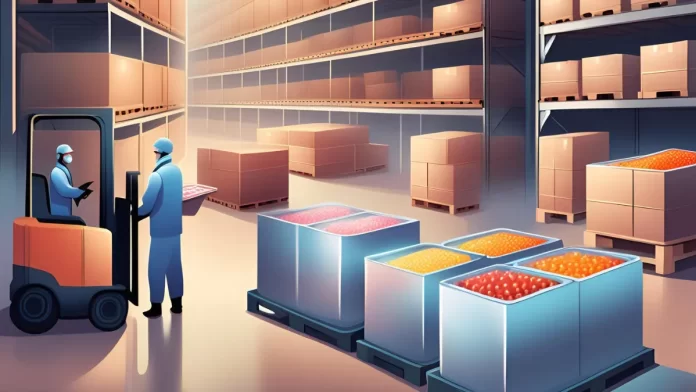
Managing temperature-sensitive goods is not easy, especially for businesses that need to protect product quality at every stage of storage and distribution. A cold storage warehouse helps maintain the right conditions, reduce spoilage risks, and support more reliable inventory handling.
As demand for safer and more controlled logistics keeps growing, cold storage is becoming more important across industries such as food, pharmaceuticals, and chemicals. Without proper temperature control, businesses can face product damage, compliance issues, and unnecessary financial losses that are much harder to recover from later.
That is why understanding how a cold storage warehouse works is no longer just useful, but necessary for businesses that rely on product stability and supply chain accuracy. Want to know what makes cold storage effective and what to consider before choosing the right system? Keep reading, because this guide will break it down more clearly.
Key Takeaways
|
What is a Cold Storage Warehouse?
A cold storage warehouse is a temperature-controlled facility designed to store perishable goods such as food, pharmaceuticals, chemicals, and other temperature-sensitive products. These warehouses help maintain optimal conditions by regulating temperature and humidity, ensuring that products remain fresh, safe, and free from contamination throughout the supply chain.
Cold storage facilities play a crucial role in preserving product integrity, preventing spoilage, and extending shelf life. They are essential for industries that require strict temperature control to comply with health and safety regulations, such as the food and beverage, healthcare, and logistics sectors. Without proper cold storage, perishable goods can deteriorate, become unsafe for consumption, and lead to financial losses for businesses.
Modern cold storage warehouses are equipped with advanced refrigeration systems, real-time monitoring, and automated inventory management to ensure that products are stored under ideal conditions. These facilities can range from small-scale refrigerated rooms to large industrial warehouses that handle bulk storage and distribution for national and international markets.
How Does a Cold Storage Warehouse Work?
Cold storage warehouses utilize advanced refrigeration systems that regulate temperatures according to product requirements. Here’s how they function:
- Temperature Control Systems: Automated cooling systems maintain precise temperatures, preventing fluctuations that could damage products.
- Insulated Storage Areas: Walls, floors, and doors are constructed with high-quality insulation to prevent heat transfer and maintain a consistent cold environment.
- Real-Time Monitoring: Sensors and automated tracking systems continuously monitor and adjust temperature settings to ensure optimal storage conditions.
- Efficient Inventory Management: Cold storage facilities use automated inventory tracking to optimize space usage and minimize exposure to temperature changes during loading and unloading.
- Backup Power & Emergency Systems: Generators and fail-safe mechanisms prevent temperature fluctuations in case of power failures.
By controlling temperature and humidity, cold storage warehouses protect products from contamination, maintain quality, and prevent financial losses due to spoilage.
Key Components of a Cold Storage Warehouse
A cold storage warehouse relies on several critical components to maintain optimal temperature, ensure product safety, and enhance efficiency.
- Cooling and Refrigeration Systems: The core of any cold storage warehouse is its refrigeration system, which regulates temperature based on product requirements. Many warehouses use blast freezers, condensers, and evaporators to ensure stable cooling. Some advanced facilities adopt CO₂ and ammonia-based refrigeration systems for better energy efficiency and environmental sustainability.
- Thermal Insulation: Proper insulation is essential to prevent temperature fluctuations and reduce energy loss. Cold storage facilities use insulated walls, floors, and ceilings to maintain a stable internal environment. High-quality insulation helps warehouses minimize cooling costs while ensuring that external temperatures do not affect stored products.
- Temperature and Humidity Control: Automated temperature and humidity control systems help maintain precise storage conditions for different types of perishable goods. These systems adjust cooling levels in real time to prevent overheating or freezing. Humidity regulation is also crucial to prevent condensation and ice buildup, which can degrade packaging and affect product quality.
- Security and Monitoring: To maintain product safety, modern cold storage warehouses are equipped with IoT-powered sensors and AI-driven monitoring systems. These systems continuously track temperature levels and send alerts in case of fluctuations. Additional security measures, such as CCTV surveillance, access control systems, and automated alarms, ensure that only authorized personnel handle temperature-sensitive products.
- Storage Racks and Layout: Efficient storage design is key to optimizing space and maintaining proper airflow. Many warehouses use storage rack solutions solutions, such as pallet racking, to maximize capacity and organize products based on temperature needs. Storage zones are divided into chilled, frozen, and deep-freeze sections, ensuring that each product type remains in its ideal condition.
By integrating these essential components, cold storage warehouses help businesses preserve product integrity, meet regulatory standards, and improve operational efficiency.

Types of Cold Storage Warehouses
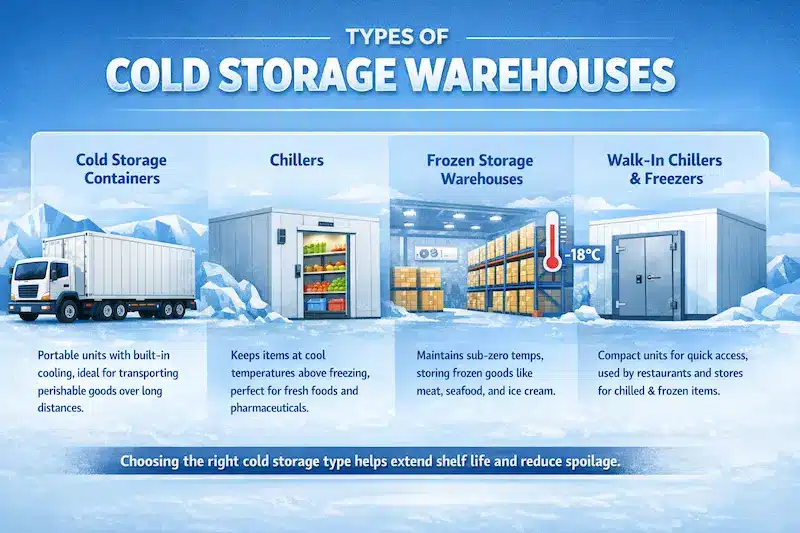
Different industries require various types of cold storage warehouses to store products at the appropriate temperature. Each type is designed to cater to specific storage and transportation needs while maintaining product quality.
Cold Storage Containers
Portable refrigerated units play a crucial role in transporting temperature-sensitive goods over long distances. Designed with built-in cooling systems, these units actively maintain a stable temperature, ensuring that products remain fresh and safe throughout the journey. They are widely used for shipping frozen food, pharmaceuticals, and chemicals, making them essential for both international and domestic logistics.
Chillers
Chillers are designed to keep products at moderately low temperatures without freezing them. Commonly used in food and beverage, pharmaceuticals, and laboratories, chillers help maintain freshness and prevent bacterial growth while keeping products at an optimal temperature range.
Frozen Storage Warehouses
These facilities maintain sub-zero temperatures, typically below -18°C, to store products that need to remain frozen, such as meat, seafood, frozen vegetables, and ice cream. This type of storage ensures long-term preservation and prevents spoilage by stopping microbial activity.
Walk-in Chillers and Freezers
Walk-in chillers are smaller cold storage solutions commonly used by restaurants, supermarkets, and convenience stores to store fresh and frozen food. They offer easy access to frequently used perishable goods, making them ideal for businesses that require quick product retrieval.
By choosing the right cold storage warehouse type, businesses can extend product shelf life, reduce waste, and ensure regulatory compliance across various industries.
Industries That Rely on Cold Storage Warehouses
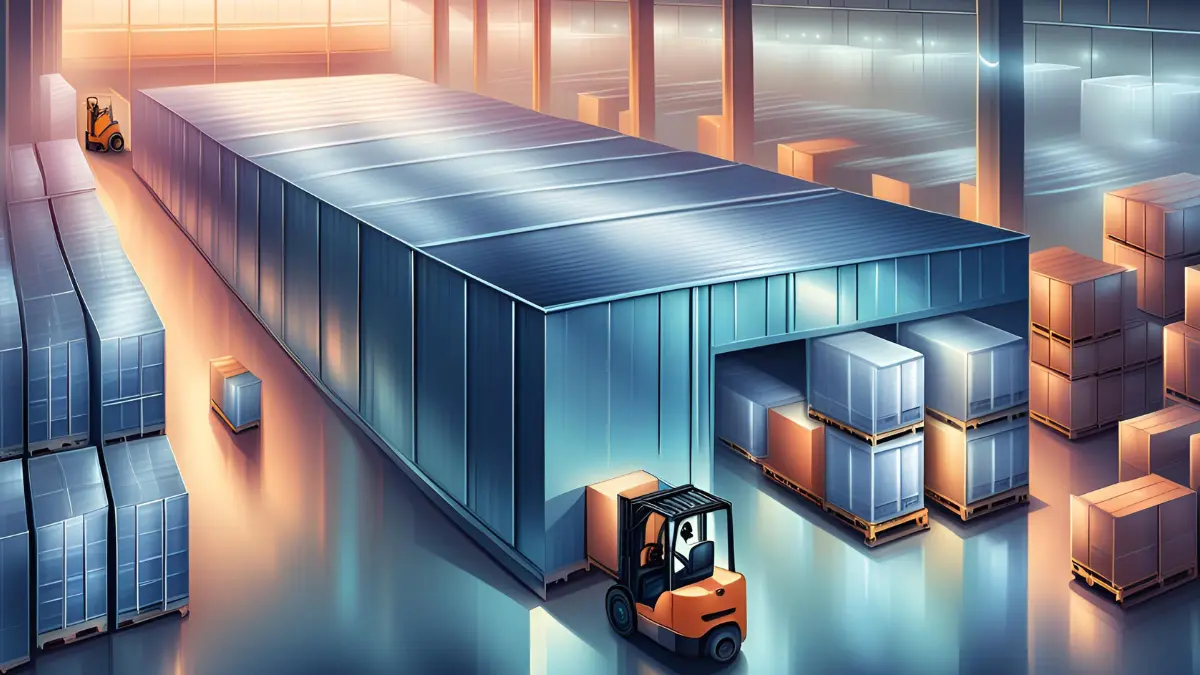
Cold storage warehouses play a crucial role in various industries that require strict temperature control to maintain product quality and safety. Here are some of the key sectors that depend on refrigerated cold chain distribution for their operations.
- Food and Beverage Industry: The food industry is one of the largest users of cold storage warehouses. Perishable items such as meat, seafood, dairy, frozen food, and fresh produce require precise temperature regulation to prevent spoilage. Proper cold storage ensures that food products retain their nutritional value, taste, and safety before reaching consumers.
- Pharmaceutical and Healthcare Industry: Vaccines, medicines, and biologics require controlled storage conditions to maintain potency and effectiveness. Cold storage warehouses help pharmaceutical companies, hospitals, and research laboratories store sensitive products at stable temperatures. This ensures compliance with health and safety regulations.
- Chemical and Biotechnology Industry: Certain chemicals, reagents, and laboratory samples need temperature-controlled environments to prevent degradation. Cold storage ensures that these substances remain stable, safe, and ready for use, particularly in biotechnology and research applications.
- Logistics and E-commerce: With the rise of online grocery shopping and direct-to-consumer delivery services, third-party logistics (3PL) providers and e-commerce companies increasingly rely on cold storage warehouses. These facilities help store and distribute perishable goods efficiently while maintaining quality during transportation.
By utilizing cold storage warehouses, businesses across these industries can reduce product waste, comply with regulations, and meet growing consumer demands for high-quality temperature-sensitive goods.
The Role of Automation in Cold Storage Warehouses
Automation is changing cold storage warehouse management by making operations more efficient, accurate, and cost-effective. By integrating smart technology, businesses can maintain precise temperature control, improve inventory accuracy, and reduce energy consumption.
- Automated Temperature Control: Modern cold storage warehouses use IoT-powered sensors and AI-driven monitoring systems to track and regulate temperature and humidity in real time. These systems automatically adjust cooling levels to prevent fluctuations, ensuring optimal storage conditions for perishable goods.
- Real-Time Inventory Tracking: Automated inventory management tools help track stock levels, expiry dates, and product movements within the warehouse. With barcode scanning and RFID technology, businesses can reduce human error, optimize storage space, and ensure faster order fulfillment.
- Energy-Efficient Cooling Systems: Smart cooling solutions use predictive analytics to minimize energy waste by adjusting refrigeration levels based on demand. These systems help businesses reduce operational costs while also promoting sustainability.
- Automated Security and Alerts: Advanced security systems include CCTV monitoring, access controls, and alarm notifications for temperature deviations, unauthorized entry, or equipment failures. This helps prevent spoilage, theft, and compliance risks.
By integrating automated solutions, cold storage warehouses can enhance efficiency and improve product safety, often through the adoption of advanced business management systems that seamlessly connects warehouse, inventory, and temperature-control systems.
Key WMS Capabilities for Better Cold Storage Management
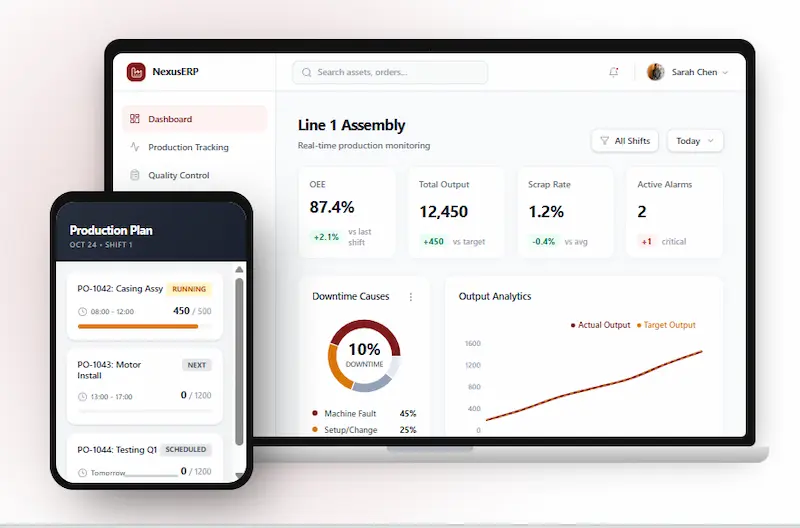
A warehouse management system can play an important role in cold storage operations by supporting real-time temperature control and helping reduce the risk of costly product spoilage. The system provides automated monitoring, precise stock tracking, and seamless multi-warehouse coordination to support high-volume, temperature-sensitive operations.
With smart temperature alerts and integrated RFID/barcode technology, businesses can protect product quality, reduce waste, and cut operating costs. For businesses that need better speed, safety, and control across the cold chain, this type of system can offer stronger operational support.
- Integrated Temperature Monitoring: The system allows businesses to track and regulate warehouse temperatures in real time, reducing the risk of spoilage and ensuring compliance with safety regulations.
- Automated Inventory Management: With barcode and RFID integration, businesses can monitor stock levels, expiration dates, and product movement effortlessly, minimizing errors and optimizing storage space.
- Seamless Order Processing & Distribution: The system automates picking, packing, and shipping processes, ensuring faster and more accurate deliveries, which is crucial for industries like food, pharmaceuticals, and logistics.
- Advanced Reporting & Analytics: The platform provides detailed insights into warehouse performance, enabling businesses to make data-driven decisions for better cost efficiency and inventory control.
Its features can help businesses streamline cold storage operations, reduce losses, and maintain product integrity to support a more reliable and efficient supply chain.
Conclusion
In temperature-sensitive industries, a cold storage warehouse plays an important role in preserving product quality, preventing spoilage, and supporting compliance with safety standards. As demand for reliable cold chain operations continues to grow, businesses need storage practices that can protect products while keeping operations efficient and consistent.
This is why cold storage management is no longer only about maintaining low temperatures. It also involves choosing the right facility type, using the right monitoring tools, and improving inventory control to reduce waste and maintain product integrity across the supply chain.
If you are exploring ways to improve cold storage performance, a free demo can help you see how the system supports temperature monitoring, stock visibility, and daily warehouse coordination more clearly. With the right setup, it becomes easier to build a cold storage operation that is more accurate, responsive, and reliable over time.

FAQ about Cold Storage Warehouse
-
What is a cold storage warehouse?
A cold storage warehouse is a temperature-controlled facility that are use to store perishable goods like food, pharmaceuticals, and chemicals. It helps maintain optimal temperature and humidity to prevent spoilage, extend shelf life, and ensure product safety.
-
What is the concept of cold storage?
Cold storage refers to the process of storing temperature-sensitive products in a controlled environment to preserve freshness, quality, and stability. Industries that handle perishable or sensitive goods widely use this concept.
-
What is cold chain in a warehouse?
The cold chain in a warehouse is a temperature-controlled supply chain system. It ensures products stay at consistent cold temperatures from storage to distribution. It prevents temperature fluctuations that could compromise product integrity.
-
What are the requirements for cold storage facilities?
Cold storage facilities must have efficient refrigeration systems, proper insulation, temperature and humidity controls, security monitoring, and backup power sources. These elements ensure stable storage conditions and regulatory compliance.