






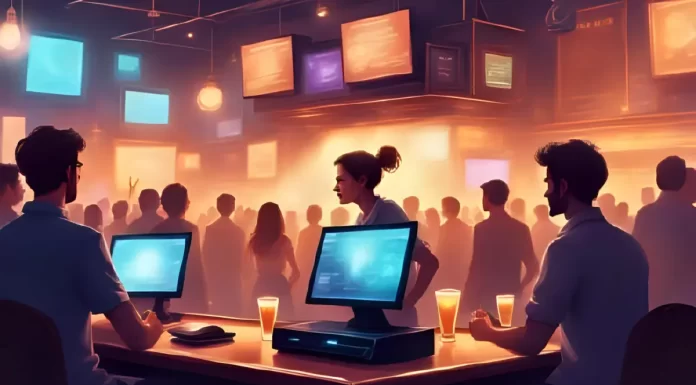
Concerts, stadiums, and amusement parks all have one thing in common: queuing. Each ticket booth, food stall, and merchandise outlet operates independently, resulting in missed sales opportunities. Businesses lose the opportunity to capitalize on the growing Philippine entertainment industry, which is expected to reach ₱5.65 billion by 2028, due to constraints imposed by their outdated systems.
This necessitates businesses to accelerate the digitalization of their venue operations to compete and meet visitor expectations. One of the best solutions is to use a POS system specifically designed for entertainment venue needs. This system simplifies transactions, manages inventory, and enhances guest satisfaction in real-time.
In this article, we will discuss the key features of a POS system for entertainment venues and its benefits. You will see how this system maaaring makatulong sa venues gumana nang mas mahusay at tumugon mabisa sa mga pangangailangan ng bisita.
Key Takeaways
|
Table of Contents
What is Point of Sale (POS)?

A Point of Sale (POS) system is the technology used by businesses to process transactions at the point where a purchase is made. For entertainment venues this could mean ticket sales, concession stand purchase, or merchandise sales. The system is utilized with hardwares like tablets, kiosks, and scanners which are paired with software that manages pricing, inventory, and payment processing.
Unlike traditional cash registers, POS systems today often operate in the cloud enabling real-time data access, remote monitoring, and faster updates across multiple outlets. It also plays a vital role in managing crowd volume, handling different payment methods, and reducing service bottlenecks. So even in a busy and loud venue or concert a vendor can comfortably do transactions with a customer.
Key Features of POS System for Entertainment Venues
In order for operations at entertainment venues to run smoothly and responsively, POS platforms for business use must be equipped with features that meet the needs of this industry. Here are some key features that support service efficiency and visitor experience:
1. Self-order kiosks
Self-order kiosks allow guests to browse menus, select items, and complete payments without staff intervention. This speeds up service and reduces queues, especially during peak times. Kiosks also allow for upselling by suggesting combos or add-ons directly on the screen.
2. Frictionless payment systems
Frictionless payment refers to quick, contactless, and secure payment methods. Digital systems like mobile wallets, smart cards, and wearable devices are crucial in reducing wait times and improving user experience. It is also more hygienic, which aligns with post-pandemic customer preferences.
3. Fan engagement and loyalty
A modern venue POS system can be integrated with loyalty programs and fan engagement platforms. This helps venues track individual preferences and reward frequent visitors via a feedback loop from push notifications, point collection, and special offers.
4. Analytics-driven insights
Cloud POS systems collect valuable data on sales trends, peak hours, and customer behaviour. With built-in analytics, venue managers can make data-driven decisions for staffing, pricing, and inventory. These insights lead to better resource planning and operational efficiency.
5. Exclusive in-suite ordering
Exclusive in-suite ordering offers convenience and personalization for VIP guests or suite-level ticket holders . Orders can be placed anywhere from a mobile device or tablet and delivered directly to the suite. This enhances the premium experience without disrupting the event or bothering the guest.
Benefits of POS System for Entertainment Venues
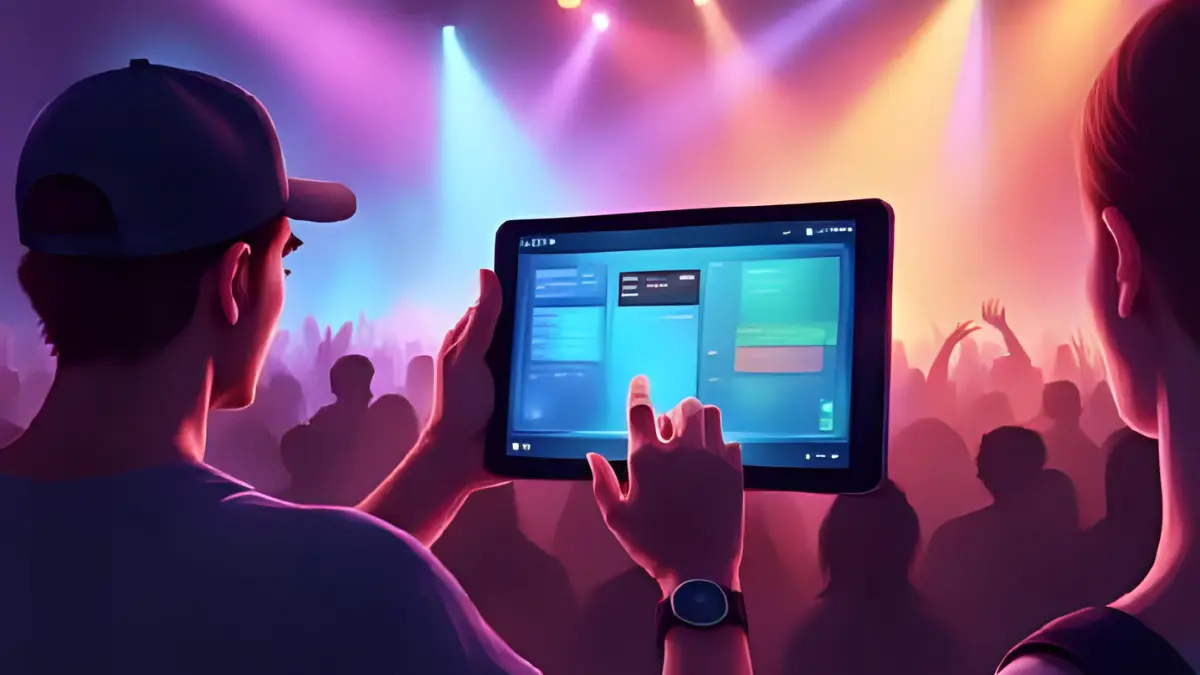
Implementing a POS system in entertainment venues offers operational, financial, and experiential advantages. From simplifying payment flows to boosting customer satisfaction, here’s how it benefits your business:
1. Improved transaction speed
The POS system helps speed up the payment and ordering process in large venues. Visitors can be served more quickly, especially when queues are long. This reduces congestion and improves service efficiency.
2. Centralized inventory control
Food, beverage, and merchandise stocks can be monitored in real-time across different areas of the venue. This system makes it easier to predict demand and prevent stockouts during events. Inventory management becomes more organized and controlled.
3. Higher customer satisfaction
With fast payment features and integrated loyalty programs, the guest experience becomes more enjoyable. Customers feel valued and are more likely to return to future events. This also strengthens your brand’s reputation.
4. Flexible pricing and promotions
Prices and promotions can be adjusted directly for all outlets at the venue. You can quickly implement discounts, bundling, or limited-time promotions. This helps increase sales during the event.
5. Operational transparency
Management can monitor sales reports, transactions, and inventory from anywhere via the cloud POS system. This data helps make decisions faster and more accurately. Operational issues can also be identified earlier before they have a significant impact.
Using POS System in Different Entertainment Venues

To understand the features and benefits of POS is one thing, but to know how to use it is another thing which must be known if a business wants to acquire all the benefits. These is how the POS system is used in some common entertainment venue:
1. Concert Halls
The POS system is used even before the concert starts; Preload pricing, terminals, outlets, and sync inventory will be set across bars and merch booths before the gates are opened. This preparation reduces queuing time during peak traffic as manual adjustment would be needed less and payment methods became more efficient with things like pay-to-tap and self-serving kiosks.
With the POS system artists can also squeeze out more money from their fans through merchandise. POS provides real-time data on inventories allowing the venue to tract fast-selling items, giving insight on what to invest and supply in. When traffic is low the venue can easily apply a discount or other offers across all the vendors.
2. Cinemas
With POS systems cinemas can reduce queuing time both before and during opening schedules. With the data from the loyalty program cinemas can provide discounts and bundle offers to susceptible buyers and the manager can know when the cinema is busy at any time and place allowing him to respond quickly like opening another ticket counter.
Complemented by cloud access, cinema owners can monitor all the metrics of multiple cinemas at different locations. With that in-depth macro view owners can forecast sales performance, staffing schedules, upcoming blockbusters, and product trends. With the knowledge cinemas can plan their inventory and labor further ahead.
3. Stadiums
Stadiums can be very crowded for a large place, trying to provide sufficient service and create an orderly crowd can be difficult. This is where a POS system can help; with it a manager basically has access to a real-time control panel. Stadiums can direct their attention on zones with crowd surge, sell and deliver food to customers without them needing to leave their seats, and coordinate effectively with the different staff on ground.
4. Theme parks
Theme parks, especially big ones like Disneyland or Universal Studio, use POS systems in a wide variety of ways. Working as a centralized control hub, they can optimise small sales from food and merchandise products, rebalancing the inventory by prioritizing high demand products while also giving limited time promotions to products that have less demand.
POS systems also make transactions faster and reduce queuing time as customers can purchase bundle meal plans, and family packages in their homes before going to the theme park. Rides with less demand can be paired with package offers, both increasing the traffic of low-demand rides while also easing the traffic of high-demand rides. POS systems can also track guest behaviors allowing the theme park to create membership perks with the highest retention rate.
5. Karaoke and Nightclubs
In karaoke spots and nightclubs customers don’t just order food once then leave after eating, they stay in paid session rooms singing “My way” until midnight and order multiple bottle service. This is where a POS system works as a management hub rather than just a simple cashier.
POS system helps Karaoke and Nightclubs with time-based room billing, open tabs for tables and VIP sections, fast split payments for barkada groups, tighter controls on discounts, tracking voids to avoid frauds, and bottle inventory so staff can serve quickly without losing track of sales or stock.
Conclusion
In the age where circus and bread are boundless, POS systems are essential tools that help entertainment venues deliver fast, efficient, and enjoyable experiences for their guests. From streamlining transactions to managing inventory and enabling data-driven decisions, the right POS system ensures smooth operations during high-traffic events.
Question About POS System for Entertainment Venues
-
What should an entertainment event do in order to be successful?
A successful entertainment event depends on meticulous planning, smooth operations, and an engaging customer experience. This includes choosing the right venue, ensuring high-quality sound and visuals, enabling seamless ticketing and payments, and fostering strong engagement before, during, and after the event. Implementing the right POS system is key to supporting these operational pillars.
-
What are the four types of POS systems?
The four common types of POS systems are:
– Cloud-based POS: Accessible via the internet and allows real-time data syncing across locations.
– Mobile POS (mPOS): Operates on smartphones or tablets, ideal for flexible and on-the-go sales.
– Terminal POS: Hardware and software bundle typically used in retail and restaurants.
– Self-service Kiosk POS: Customer-operated systems commonly used in cinemas, stadiums, or fast-food venues. -
What is the difference between a POS system and a POS machine?
A POS system refers to the complete solution, including both software and hardware, for managing sales, inventory, and transactions. Meanwhile, a POS machine typically refers to the physical hardware device, like a card reader or terminal, used to process payments.