









 Limited to 100 registrants

Is your warehouse filled with unsold products? These items keep accumulating, taking up valuable space and tying up capital that could be better used for business growth. Without proper management, they can turn into obsolete inventory or dead stock, resulting in significant financial losses.
Obsolete inventory can stem from factors like shifting market trends, inaccurate demand forecasting, or rapid technological advancements. It not only increases storage costs but also disrupts cash flow.
How can you prevent and manage obsolete inventory before it affects your profitability?
Key Takeaways
Obsolete inventory is stock that is no longer in demand making it difficult or impossible to sell or use in production.
Obsolete inventory results from over-purchasing or declining demand, leading to increased costs and financial losses. Regular demand analysis, effective inventory tracking, and proactive stock management can help identify and prevent obsolete stock before significant losses occur.
Obsolete inventory ties up capital, increases costs, and disrupts supply chain management, leading to financial losses and compliance risks. Adopting advanced inventory management solutions can help optimize stock levels and improve operational efficiency.
Understanding Obsolete Inventory
 Obsolete inventory is stock that is no longer in demand making it difficult or impossible to sell or use in production. This often happens due to changing market trends, rapid technological advancements, or inaccurate demand forecasting.
When inventory becomes obsolete, it occupies valuable warehouse space and ties up capital that could be invested in more profitable areas. Effectively managing obsolete inventory is essential for maintaining financial health and operational efficiency.
Businesses can minimize losses by using advanced inventory management systems to monitor product lifecycles, optimize stock levels, and prevent excess inventory from accumulating.
How Does Obsolete Inventory Work?
Obsolete inventory refers to stock that remains unsold for extended periods, often due to over-purchasing or declining demand. Over time, these items become slow-moving and eventually lose market relevance, leading to increased storage costs, reduced warehouse efficiency, and financial losses.
To prevent this, businesses must regularly analyze demand trends and implement effective inventory tracking systems. Proactive stock management and advanced inventory solutions can help identify potential obsolete stock early, allowing companies to take action before significant losses occur.
Read More: Top Construction Inventory Management Software
Why is Obsolete Inventory Important?
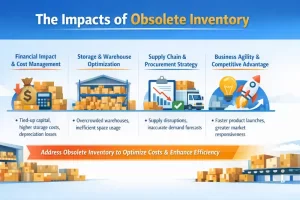 Understanding obsolete inventory is crucial for businesses because unmanaged, outdated stock can negatively impact finances, operations, and overall efficiency. While it may seem like just excess stock, failing to address obsolete inventory can lead to higher costs and missed opportunities. Here’s why it matters:
1. Financial impact and cost management
Obsolete inventory represents capital tied up in unsold products, restricting cash flow and limiting opportunities for reinvestment. Additionally, businesses may face higher storage costs, insurance expenses, and depreciation losses on a stock that no longer holds market value.
Companies risk writing off large amounts of obsolete stock without proper inventory control, leading to significant financial setbacks.
2. Storage and warehouse optimization
Every item stored in a warehouse incurs costs, including space rental, utilities, and maintenance. Keeping obsolete inventory occupies valuable storage space that could be used for fast-moving or high-demand products.
Over time, excess inventory can lead to overcrowded warehouses, inefficient stock retrieval processes, and increased labor costs, ultimately slowing overall operations.
3. Supply chain efficiency and procurement strategy
Obsolete inventory disrupts the flow of the supply chain by creating bottlenecks and skewing demand forecasting data. Holding onto outdated stock can result in misaligned procurement decisions, causing businesses to overorder or underorder critical items.
Implementing real-time inventory tracking and predictive analytics helps companies make better purchasing decisions and avoid accumulating excess inventory.
4. Business agility and competitive advantage
Product lifecycles are becoming shorter in fast-changing retail, manufacturing, and technology industries. Companies that efficiently manage obsolete inventory can quickly adapt to market trends, introduce new products faster, and respond more effectively to customer demands.
Reducing obsolete stock allows businesses to remain agile, invest in innovation, and stay ahead of competitors.
By proactively addressing obsolete inventory, businesses can optimize costs, enhance warehouse operations, and maintain a lean and efficient supply chain.
Consequences of Obsolete Inventory
 Obsolete inventory can lead to significant financial and operational challenges for businesses. It ties up capital, increases storage costs, and reduces warehouse efficiency. Excess stock can also disrupt supply chain management, leading to inaccurate demand forecasting and procurement decisions.
In industries with strict regulations, such as pharmaceuticals and food production, holding outdated inventory may result in compliance risks and legal penalties. Additionally, businesses burdened with obsolete inventory may struggle to stay competitive due to reduced financial flexibility.
Companies should adopt advanced inventory management solutions to prevent these issues to optimize stock levels and improve operational efficiency.
The Benefits of Removing Obsolete Inventory
Managing inventory write-off efficiently is crucial for maintaining a streamlined operation. Holding onto obsolete stock can take up valuable space, increase costs, and reduce overall efficiency. By removing obsolete inventory, businesses can enhance productivity, free up resources, and improve financial performance.
- Optimized storage space: Obsolete inventory occupies valuable warehouse space that could be used for high-demand products. Clearing out outdated stock helps businesses make better use of storage facilities and improve organization.
- Reduced carrying costs: storing products that no longer generate revenue leads to unnecessary expenses such as warehousing fees, insurance, and maintenance. Eliminating obsolete items helps lower these costs and enhances financial efficiency.
- Improved cash flow: Holding onto obsolete stock ties up capital that could be reinvested into more profitable opportunities. By removing outdated inventory, businesses can recover funds and allocate resources to growth-focused initiatives.
- Enhanced operational efficiency: A clutter-free warehouse allows employees to locate and manage inventory more efficiently. This reduces errors, minimizes delays in order fulfillment, and improves overall workflow.
- Better inventory management: Regularly reviewing and removing outdated stock encourages a more strategic approach to inventory control. Businesses can refine their purchasing decisions, prevent overstocking, and align inventory with market demand.
Common Reasons for Obsolete Inventory
Obsolete inventory can be a major challenge for businesses, leading to increased costs and inefficiencies. Understanding the key factors that contribute to excess and outdated stock can help companies take proactive measures to minimize waste and improve inventory management. Here are some of the most common reasons.
1. Changing market demand
Market trends evolve quickly, and products that once had high demand may become obsolete due to shifting preferences, new habits, or economic changes. Businesses must adapt their inventory to stay relevant.
2. Inaccurate demand forecasting
Inaccurate forecasting can lead to overproduction or underproduction, resulting in excess stock or stockouts. Advanced analytics can help improve accuracy and minimize waste.
3. Slow-moving or excess inventory
Products with long shelf lives or niche appeal may take time to sell. If sales remain stagnant, they risk becoming obsolete, especially for perishable goods or fast-evolving products like electronics.
4. Product design or technology updates
Frequent design changes or technological advancements can quickly render older products obsolete, especially in industries like electronics and fashion.
5. Supplier or manufacturing issues
Changes in suppliers or production methods can make older inventory outdated or less desirable, particularly if the latest version offers improvements.
6. Poor inventory management practices
Inefficient inventory tracking can lead to forgotten or unsold stock. Automated systems can help monitor inventory and prevent excess buildup.
7. Regulatory or compliance changes
Regulatory updates can make certain products unsellable if they no longer meet new standards, such as safety or environmental regulations.
How to Identify Obsolete Inventory
Effective inventory management involves regularly assessing stock to identify obsolete items with little chance of being sold. Failing to address obsolete inventory leads to increased storage costs and financial losses.
To prevent this, businesses should analyze sales data, monitor product lifecycle trends, and conduct regular audits. Early identification allows for proactive measures to minimize losses and optimize inventory.
How to Avoid Obsolete Inventory

Obsolete inventory can lead to unnecessary costs, wasted storage space, and financial losses. To maintain an efficient supply chain, businesses must take proactive steps to prevent stock from becoming outdated. Below are key strategies to help minimize the risk and ensure optimal inventory management.
- Accurate demand forecasting: Using historical sales data, market trends, and predictive analytics can help businesses decide how much stock to order. By accurately forecasting demand, companies can prevent over purchasing and reduce the risk of excess inventory sitting unsold.
- Regular inventory audits: Conducting routine inventory checks ensures that businesses can identify slow-moving or aging stock before it becomes obsolete. Regular audits allow companies to adjust purchasing decisions, implement discount strategies, or repurpose products before they lose value.
- First-In, First-Out (FIFO) strategy: Implementing a FIFO approach ensures that older inventory is sold before newer stock. This method is especially useful for industries dealing with perishable goods, fashion, and technology, where products can quickly lose relevance or usability over time.
- Improved supplier collaboration: Working closely with suppliers allows businesses to adjust order quantities based on real-time demand. Negotiating flexible order terms, smaller batch deliveries, and shorter lead times can help prevent overstocking and reduce the chances of inventory becoming obsolete.
- Product lifecycle management: Monitoring the lifecycle of a product can help businesses anticipate when an item may become outdated. Planning for product phase-outs, clearance sales, or bundling older products with newer ones can help move inventory before it loses market demand.
Obsolete Inventory Example
Obsolete inventory in various industries typically consists of products that are no longer in demand, outdated due to technological advancements, or unsellable because of regulatory changes.
One common example is in the electronics industry, where older smartphone models become obsolete once new versions with better features are released. Retailers that fail to sell these devices in time often have to offer heavy discounts or liquidate the stock to recover some of their investment.
Understanding how inventory becomes obsolete across different industries helps businesses develop better strategies for inventory management, reducing waste and financial losses while ensuring that stock remains relevant and in demand.
Conclusion
Effectively managing obsolete inventory is essential for businesses to minimize financial losses, optimize warehouse space, and improve overall operational efficiency. By understanding the causes of obsolete inventory such as inaccurate demand forecasting, market changes, and poor inventory management companies can take proactive steps to reduce waste and prevent stock from becoming outdated.
Implementing an advanced inventory management system helps streamline stock tracking, enhance demand planning, and automate inventory adjustments. With the right technology, businesses can make data-driven decisions and maintain a more efficient supply chain.
FAQ Obsolete Inventory
Obsolete goods are products that have been discontinued, have undergone packaging changes, or are out of season. Seasonal items are some of the most common examples.
Obsolete Material means non-fungible Material to be used in the Work production of which is or will soon be discontinued.
Sometimes obsolete stock can still generate value, but it is almost always better to clear such stock out. First try using discounts to promote sales, followed by options to rework or recycle, before finally scrapping. All of the hygiene factors above should help improve the quality of inventory data at your disposal.