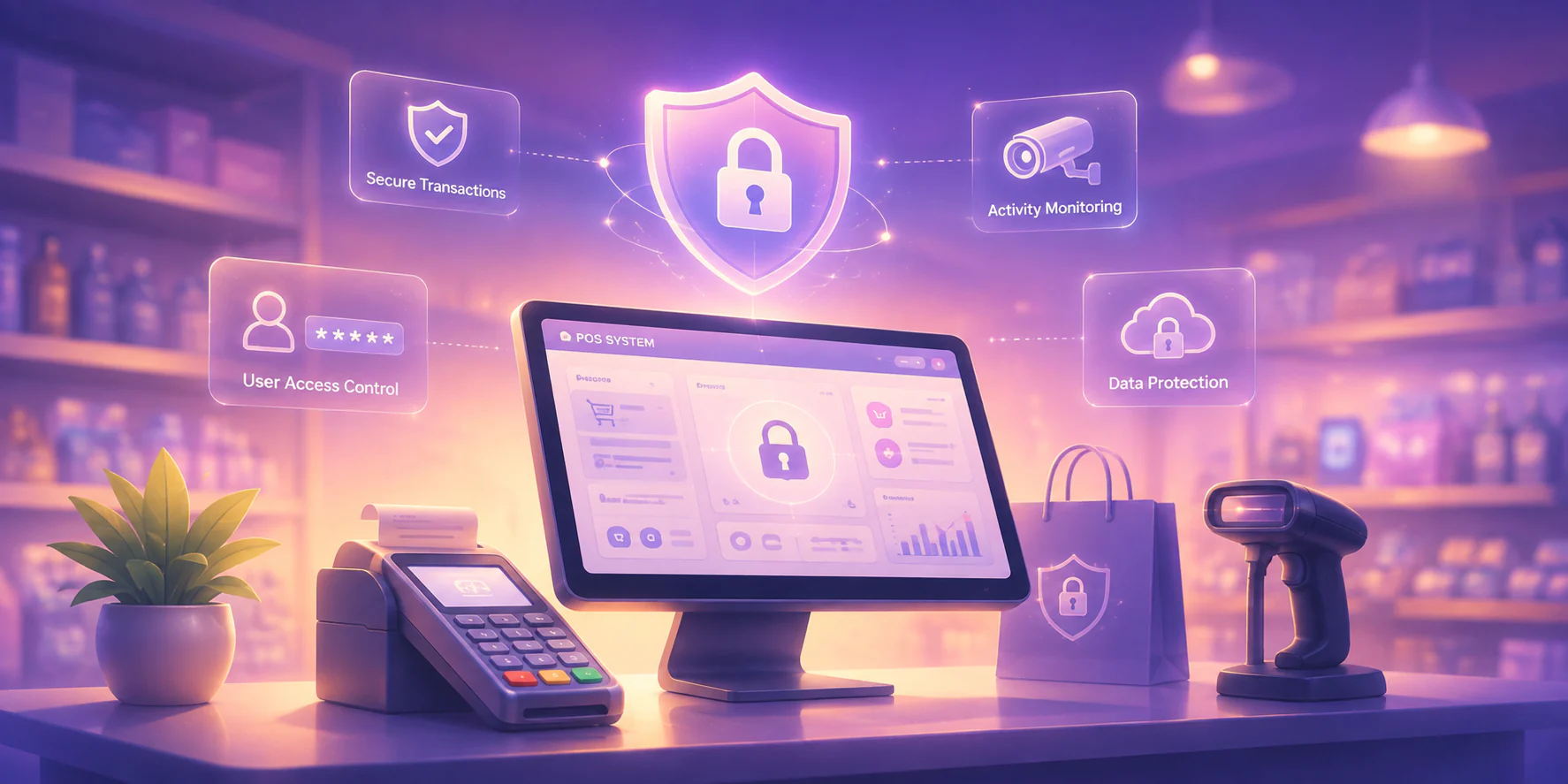
















Retail and restaurant businesses rely heavily on point-of-sale (POS) systems to manage transactions, inventory, and daily operations. As payment technology continues to evolve, traditional POS terminals have gradually been complemented by more flexible mobile-based systems.
Mobile Point of Sale (MPOS) refers to a payment solution that operates through smartphones or tablets, allowing businesses to process transactions without fixed checkout counters. This setup is commonly adopted by businesses that require mobility, including restaurants, pop-up stores, and retailers running a mobile POS such as Shopify across dynamic service areas
This article explains how MPOS works, its key features, and the operational considerations businesses should review before adopting a mobile-based payment system.
Key Takeaways
mPOS (Mobile Point of Sale) enables transaction processing through smartphones or tablets, reducing dependency on fixed checkout terminals.
Compared to traditional POS systems, mPOS generally requires lower hardware investment but may involve transaction-based processing fees.
mPOS offers advantages like faster transactions, reduced errors, real-time monitoring, effective promotions, e-invoicing, and better customer profile management for improved satisfaction.
Before implementation, businesses should evaluate transaction volume, integration capability, and long-term scalability requirements.
Understanding mPOS and Its Functionality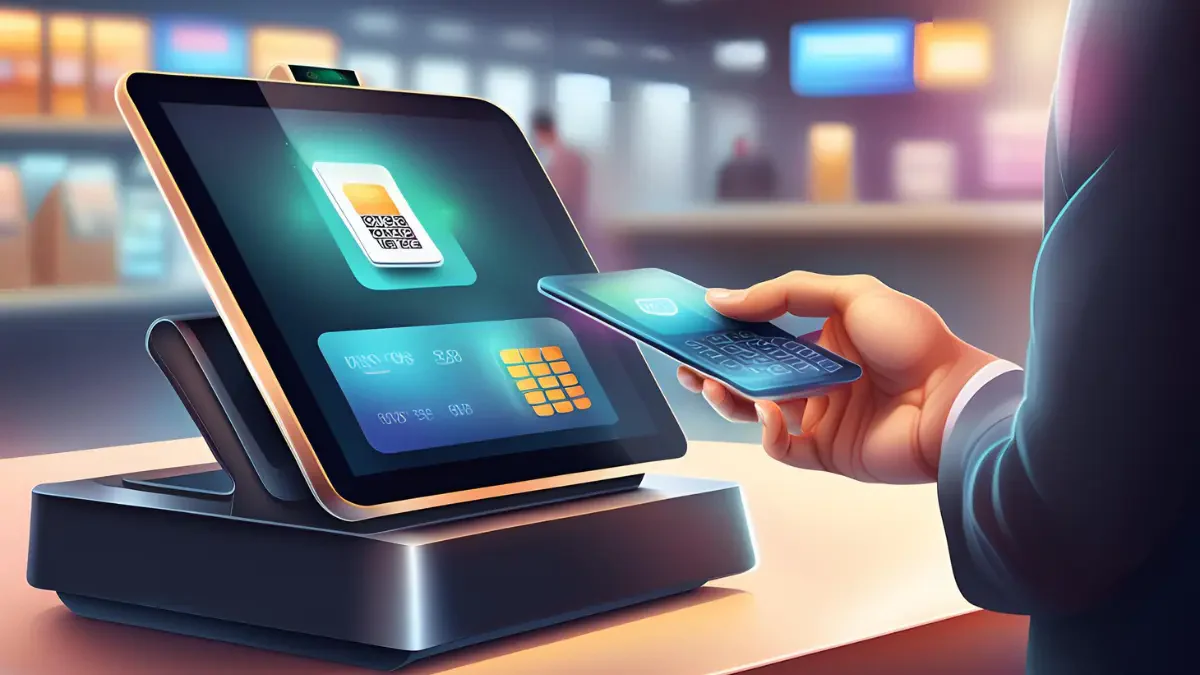
mPOS, short for Mobile Point of Sale, refers to a mobile device—such as a smartphone or tablet—that functions wirelessly as a cash register or POS terminal. This system provides a convenient solution for sellers or businesses needing to accept payments on the go.
So, what is the mPOS meaning? It enables transactions to be processed using Wi-Fi or a data connection, and some mobile POS software providers include an offline mode, allowing you to continue processing payments even without internet access.
To implement this system, select an mPOS software provider, download the app, and connect your card reader to your mobile device. Once these steps are completed, you can begin accepting payments seamlessly.
How Does mPOS Compare to Traditional POS Systems?
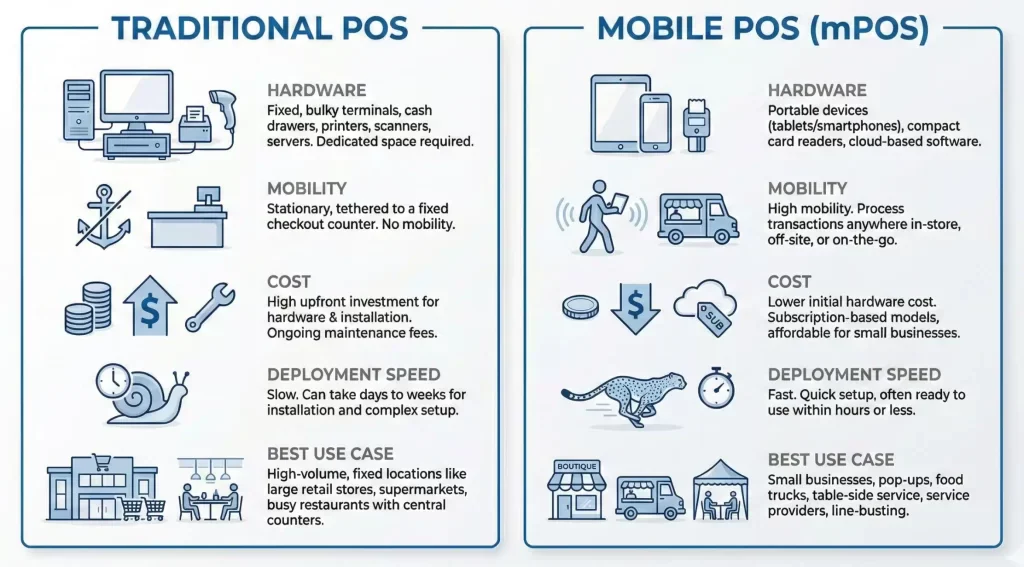
Mobile POS is increasingly used as an alternative to traditional POS setups commonly implemented in multi-outlet retail operations. These conventional systems typically rely on fixed and often bulky hardware installed at designated checkout counters. In contrast, mobile POS operates through compact devices such as tablets or smartphones, allowing transactions to be processed without dependency on stationary terminals.
In addition to hardware differences, cost structure and deployment flexibility also vary. Traditional POS systems often require higher upfront investment in equipment and installation. In comparison, mPOS generally involves lower hardware costs but may include transaction-based processing fees. Businesses should evaluate operational scale, transaction volume, and integration requirements when comparing both options.
Also read: 11 Best Cloud POS System Software in The Philippines 2024
Operational Benefits of mPOS Systems
To assess the operational value of mobile POS systems, it is important to examine their practical advantages. These benefits primarily relate to transaction efficiency, monitoring capability, and flexibility in customer service.
1. Speed and Affordability
Long queues during payment processing can frustrate consumers. A mobile POS system mitigates this issue; cashiers can simply input the bill amount into the mPOS, allowing payments to be completed directly at the point of service without requiring a fixed cashier counter.
Additionally, setting up this system is generally more economical than traditional EDC machines from banks, which often require upfront deposits. Implementation is generally simpler compared to bank-issued EDC registration processes, which may involve additional administrative requirements.
2. Minimizing Errors
Traditional manual cashier systems are susceptible to mistakes, such as incorrect entries for payment amounts or consumer orders, which can adversely affect your business.
With a mobile POS system, the software cross-verifies the entered payment amount against the customer’s order, significantly reducing the risk of transaction discrepancies and improving record accuracy.
3. Real-Time Business Monitoring
An mPOS system allows you to track employee performance and business activities in real time. All employee transactions are instantly recorded in sales reports, enabling managers to review sales performance and operational trends more efficiently.
4. Promotional Pricing Management
mPOS systems can support the application of promotional pricing, bundled offers, or time-based discounts directly within the transaction interface. This reduces manual price adjustments and ensures that promotional rules are applied consistently across sales channels.
By integrating promotions into the checkout process, businesses can maintain accurate discount tracking while analyzing the performance of specific campaigns through sales reports.
5. E-invoicing Benefits
mPOS systems can generate and send electronic receipts directly to customers via email or SMS, reducing dependency on printed receipts. This helps streamline checkout processes while minimizing paper-related operational costs.
Digital invoice records are automatically stored within the system, making transaction history easier to retrieve for reconciliation, reporting, and audit purposes. Compared to manual receipt storage, this approach reduces data loss risks and improves documentation accuracy.
6. Storing Customer Profiles and Information
mPOS systems can store customer transaction history, including purchase frequency and product preferences. This data helps businesses identify repeat customers and analyze buying patterns over time.
By organizing customer information within the system, businesses can review sales trends, evaluate product performance, and support structured promotional strategies without relying on manual records. Integration with CRM modules may also assist in managing customer interactions more systematically.
Also read: Differences Between Restaurant and Retail Point of Sale System
Conclusion
MPOS provides flexibility for businesses that require mobile transaction processing, particularly in retail and food service environments. However, system suitability depends on operational scale, transaction volume, and integration requirements.
Businesses evaluating mobile payment systems may also compare different POS solutions available in the Philippine market based on functionality, scalability, and pricing structure.
FAQ
mPOS (Mobile Point of Sale) is a payment system that enables transactions to be processed through mobile devices such as smartphones or tablets. It typically combines application software with a card reader or digital payment integration to replace traditional fixed POS terminals.
mPOS systems transmit transaction data through internet or mobile network connections to a payment processor, which verifies and authorizes the payment. Most systems support card payments, QR-based transactions, and digital wallets, and some offer offline functionality that syncs data once connectivity is restored.
The growing adoption of mPOS is largely influenced by lower hardware requirements, flexibility in deployment, and compatibility with digital payment methods. Businesses that operate in mobile or temporary environments, such as food stalls, pop-up stores, and delivery services, often benefit from its portability.
mPOS may be suitable for large businesses in specific operational areas, such as queue busting or temporary sales points. However, organizations with complex multi-location operations often require more comprehensive POS or ERP-integrated systems.