





Successfully managing a B2B business requires more than hard work it demands the suitable systems to streamline operations. With rising client expectations, an ERP can be invaluable in ensuring efficiency and growth. Many B2B businesses lacking ERP software face issues such as data silos, delayed workflows, and limited visibility into key metrics. These challenges make it difficult to scale operations smoothly and respond to market demands.
A study from an academia-published article in the Philippines revealed that companies not adopting ERP systems face significant operational efficiency challenges. The research showed that 60% of businesses without ERP struggle with inventory management and order processing, negatively affecting customer satisfaction and profitability.
This article explores the top 7 B2B ERP software options available for businesses in the Philippines. Discover which ERP can help your business overcome challenges and drive growth.
Key Takeaways
Enterprise Resource Planning (ERP) is a powerful application designed to automate essential business processes across an organization.
ERP for B2B eCommerce combines essential key modules, such as accounting, sales, CRM, purchasing, inventory, HRM, and asset control, to streamline operations, improve decision-making, and drive scalable business growth.
The comparison section helps businesses evaluate B2B ERP software by use case, key features, strengths, and pricing before reviewing each vendor in detail.
Choosing the best B2B ERP software requires identifying your business needs, prioritizing automation, ensuring real-time visibility, and selecting a system with strong integration, reporting, customization, and support capabilities.
What is an Enterprise Resource Planning (ERP)?
Enterprise Resource Planning (ERP) is a powerful application designed to automate essential business processes across an organization. Using a centralized database, ERP collects and aggregates input from various divisions, such as accounting, manufacturing, marketing, sales, and human resources.
A study cited in a MarketResearch article on B2B enterprises in the Philippines found that companies adopting cloud-based ERP systems gained better inventory visibility, faster order processing, and improved scalability. This aligns with Inkwood Research’s projection of a 12% CAGR for ERP adoption in the Philippines from 2022 to 2028, showing that ERP implementation is no longer just a trend but a rapidly growing necessity for Filipino businesses.
Benefits of Using B2B ERP Software
B2B ERP software helps businesses manage sales, inventory, purchasing, finance, and customer data in one connected system. Instead of moving information manually between departments, teams can work from the same source of truth and respond faster to customer needs.
1. Centralized Business Data
B2B companies often manage large order volumes, customer-specific pricing, supplier records, warehouse updates, and invoices at the same time. ERP software centralizes this data so every team can access the latest information without relying on scattered spreadsheets or disconnected tools.
With centralized data, sales teams can check customer history, finance teams can review payment status, and warehouse teams can confirm stock availability from the same platform.
2. Faster Order Processing
Manual order handling can slow down B2B transactions, especially when each order needs quotation checks, stock confirmation, approval, invoicing, and delivery coordination. ERP software automates these steps so orders move faster from request to fulfillment.
This helps businesses reduce delays, avoid repeated data entry, and give customers more accurate updates about order status, payment, and delivery schedules.
3. Better Inventory Visibility
Inventory accuracy is critical for B2B companies because one delayed bulk order can affect long-term customer relationships. ERP software gives businesses real-time visibility into stock levels, reserved items, incoming purchases, and warehouse movement.
With better inventory visibility, companies can prevent overselling, reduce stockouts, and plan replenishment based on actual demand rather than guesswork.
4. Improved Financial Control
B2B transactions often involve credit terms, partial payments, recurring invoices, tax requirements, and customer-specific pricing. ERP software helps finance teams track these details in one system, making it easier to monitor receivables, reconcile payments, and manage cash flow.
It also supports approval controls for discounts, purchase orders, and high-value transactions, so businesses can reduce financial errors and maintain stronger internal control.
5. Scalable Operations
As a B2B business grows, manual processes become harder to manage. More customers, products, branches, suppliers, and transactions can create operational gaps if the company still depends on separate systems.
B2B ERP software supports scalable operations by standardizing workflows across departments. This allows businesses to handle higher transaction volumes, expand to new locations, and manage more complex operations without losing visibility or control.
Comparison of the Best B2B ERP Software
Before reviewing each provider in detail, compare how each ERP fits different B2B needs, from wholesale distribution to multi-branch operations. If you are still building a broader vendor shortlist, this guide to ERP software options in the Philippines can help you compare local ERP choices beyond the B2B category.
| Software | Best for | Budget Fit | Strength | Limitation |
|---|---|---|---|---|
| HashMicro | Businesses needing an integrated and flexible business system | Flexible modules based on business needs | Wide integration and scalable deployment options | May require customization during implementation |
| Microsoft Dynamics 365 | Companies already using the Microsoft ecosystem | Better suited to larger software budgets | Strong Microsoft integration and AI capabilities | High learning curve and complex setup |
| Oracle NetSuite | Growing businesses with multi-entity or global operations | Higher initial investment | Real-time analytics and strong scalability | Can be complex to customize and maintain |
| SAP Business One | Businesses focused on manufacturing and finance workflows | Implementation can be costly | Strong operational and financial management tools | Requires training and can be complex to implement |
| OrderWise | Stock-heavy businesses needing order and warehouse control | Setup effort should be considered | Strong inventory and order management | Outdated UI and longer setup time |
| Katana | Manufacturers needing simple production visibility | Good for focused operational needs | Modern UI and real-time production tracking | Limited advanced features |
| Sage X3 | Businesses needing broad support across manufacturing, distribution, and finance | Costs may rise with customization | Scalable modules and real-time analytics | Customization may increase total investment |
The 7 Best B2B ERP Systems in Philippines
As businesses in the Philippines seek ways to enhance efficiency, B2B ERP systems are crucial for streamlined operations and improved decision-making. Here’s a closer look at the best ERP software that offer robust features for B2B environments and eCommerce integrations.
1. HashMicro’s B2B ERP system
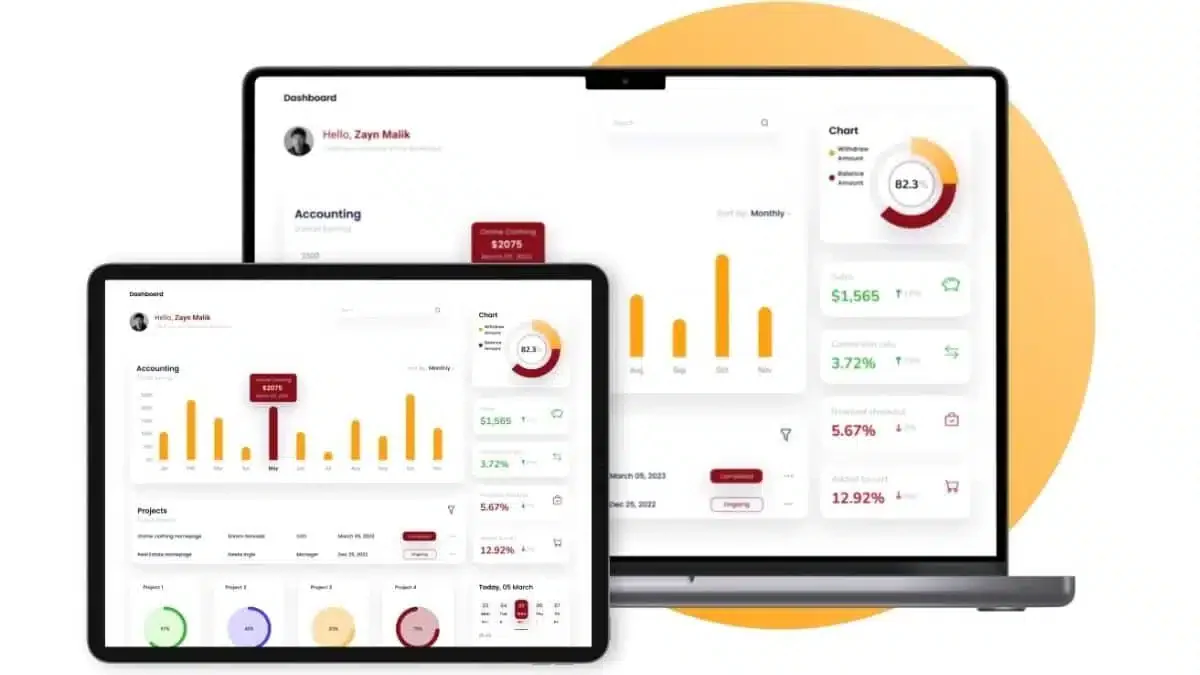
HashMicro is a leading ERP system provider in Southeast Asia, offering a robust Bank Reconciliation System that seamlessly integrates with diverse accounting platforms. This ERP solution automates reconciliation tasks, minimizing errors and enhancing financial accuracy for businesses of all sizes.
A top choice for Filipino companies with complex operations that require a precise, integrated ERP system to streamline and optimize business processes.
Why we recommend this ERP system: HashMicro Philippines excels in optimizing the bank reconciliation process, ensuring precise financial records and reducing manual workload. It provides automation tools for transaction matching, account balance monitoring, and real time financial reporting, making it suitable for businesses with varying needs.
To dive into the specific features of HashMicro’s ERP System and see how it can elevate your end-to-end business operation:
- Built-in Business Intelligence: HashMicro ERP integrates powerful BI tools like Pivot, KPI Scorecard, Custom BI, and Dashboard Ninja, enabling businesses to analyze data effectively. This feature empowers companies to make data-driven decisions by providing real-time insights in a user-friendly dashboard.
- WhatsApp Integration: This feature streamlines communication within businesses, making it faster and more efficient. It facilitates seamless interactions directly through WhatsApp, enhancing connectivity with clients and internal teams.
- Sheet Management: HashMicro ERP automates and manages business documents in spreadsheet format, ensuring efficiency and data security. It also integrates data across modules, allowing for consistent and accurate analysis.
- Access-Level: This feature secures sensitive data by setting access limits for each employee, safeguarding important information from unauthorized viewers. Managers benefit from clear visibility into all staff activities, promoting accountability.
- AI-Generated Report & Explainer: The AI tool generates comprehensive, easy-to-understand reports and suggests actionable steps. It also identifies suspicious cost anomalies, acting as a virtual assistant to support informed decisions.
- Restricted User: This feature ensures data security by requiring users to connect via the office Wi-Fi. It restricts access to authorized locations only, reducing the risks of unauthorized access or data theft.
- Mobile Apps: The mobile app supports remote work and keeps employees connected to the ERP system from anywhere. This flexibility boosts productivity, making it easier for teams to manage tasks on the go.
- Flexible Hosting Methods: HashMicro ERP offers both Cloud and On-premise hosting options, providing scalability and flexibility. This allows companies to choose between enhanced control or high security, adapting to their unique needs.
| Strengths | Weaknesses |
|
|
Experience how HashMicro can streamline your B2B operations, try the free consultation today and see the difference firsthand.

2. Microsoft Dynamics 365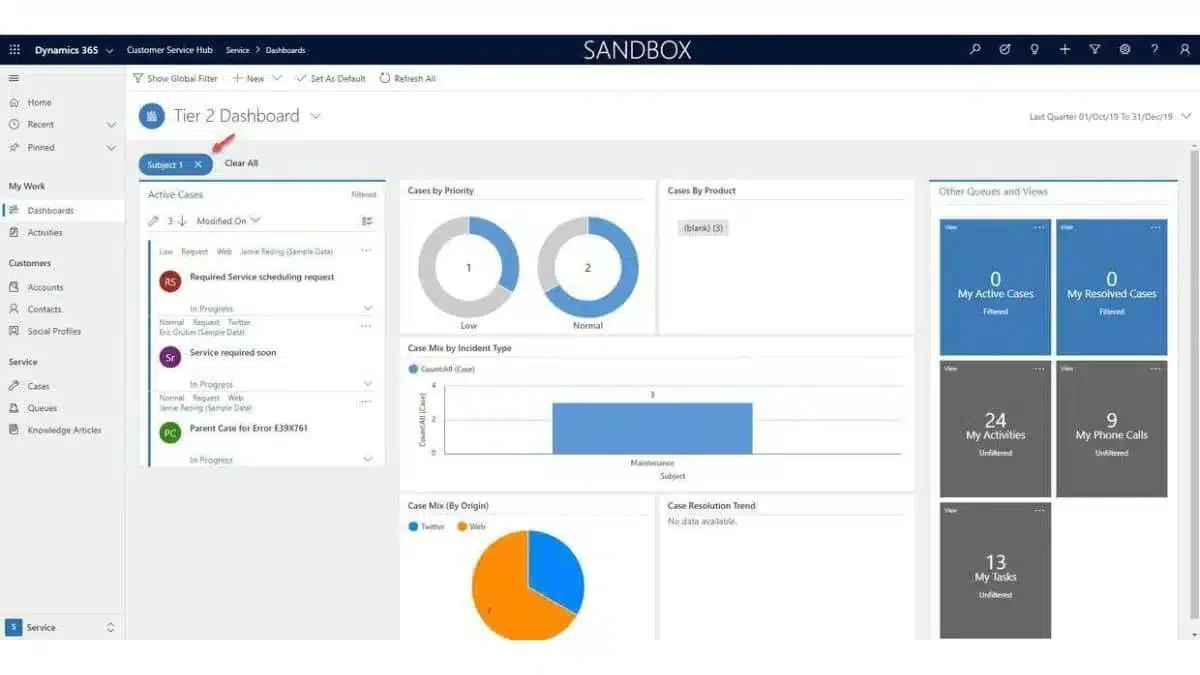
Microsoft Dynamics 365 is a trusted B2B ERP intergration system that seamlessly integrates with other Microsoft tools. With a cloud-first approach, Dynamics 365 provides robust solutions for data analysis, customer relationship management, and workflow automation, making it a popular choice among enterprise businesses in the Philippines.
Key Features:
- Seamless Microsoft Office integration
- Scalable cloud infrastructure
- Advanced AI-powered insights
- Comprehensive customer relationship management (CRM)
| Strengths | Weaknesses |
|
|
3. Oracle NetSuite
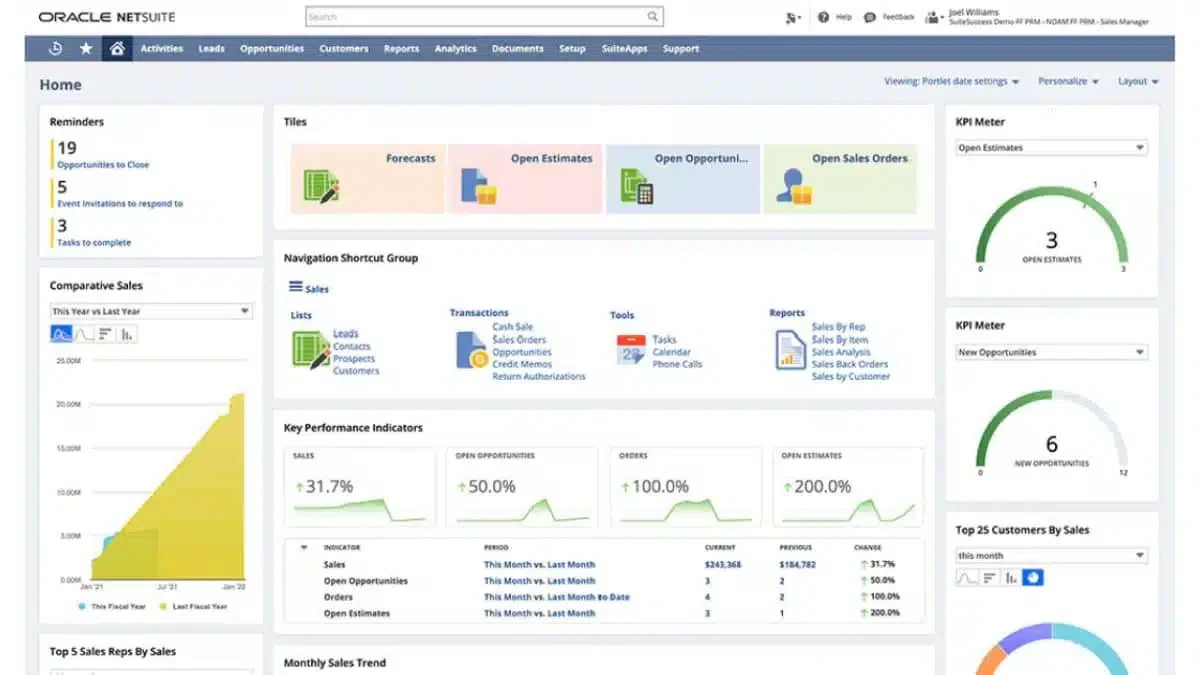
Oracle NetSuite is a global leader in ERP solutions, offering a cloud-based B2B ERP that combines real-time data with robust analytics. Known for its adaptability, NetSuite caters to various industries, providing tools that streamline operations and support business scalability in the Philippines.
Key Features:
- Real-time data access and analytics
- Customizable dashboards
- Multinational and multi-currency support
- Comprehensive CRM and eCommerce integration
| Strengths | Weaknesses |
|
|
4. SAP Business One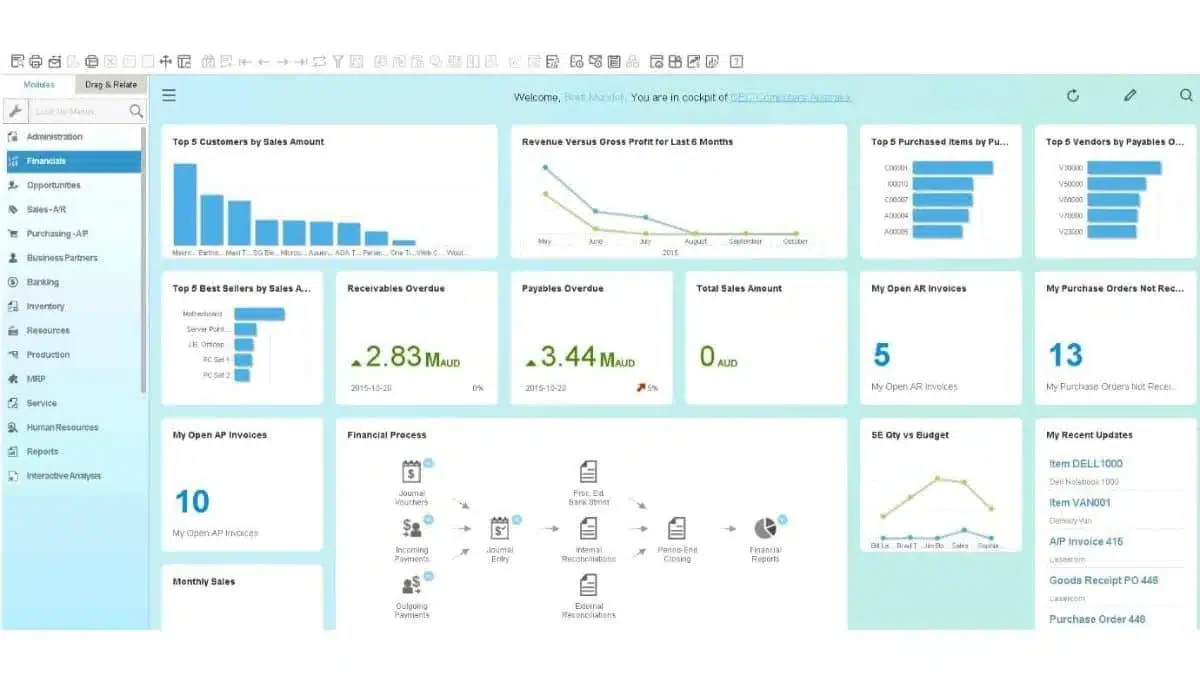
SAP Business One is renowned for its robust and versatile ERP solutions tailored to different industries. Focusing on manufacturing, supply chain, and finance, SAP Business One supports companies in optimizing their workflows, making it a strong contender in the B2B systems landscape in the Philippines.
Key Features:
- Strong manufacturing and supply chain tools
- Comprehensive financial management
- Customizable workflows
- In-depth reporting and analytics
| Strengths | Weaknesses |
|
|
5. OrderWise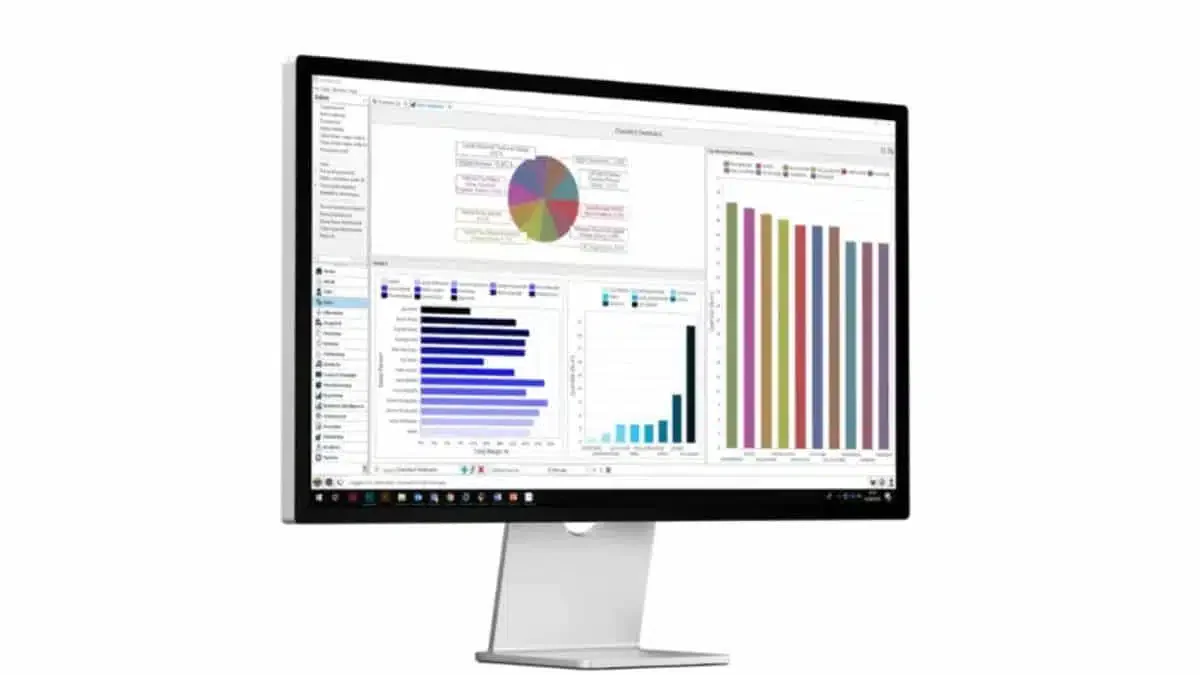
OrderWise offers a tailored B2B ERP solution emphasizing inventory, warehouse management, and eCommerce. Known for its robust features supporting offline and online businesses, OrderWise caters to businesses needing efficient stock control and order processing.
Key Features:
- Advanced inventory and warehouse management
- eCommerce integration for B2B transactions
- Strong reporting tools
- Reliable order management system
| Strengths | Weaknesses |
|
|
6. Katana

Katana ERP is designed for manufacturing and inventory management, providing real-time visibility and control over the production floor. Known for its modern UI and smooth user experience, Katana is a go-to solution for manufacturers looking for B2B ERP integration software that adapts well to changing demands.
Key Features:
- Real-time production tracking
- Easy inventory management
- Simple, modern user interface
- Multi-channel sales integration
| Strengths | Weaknesses |
|
|
7. Sage X3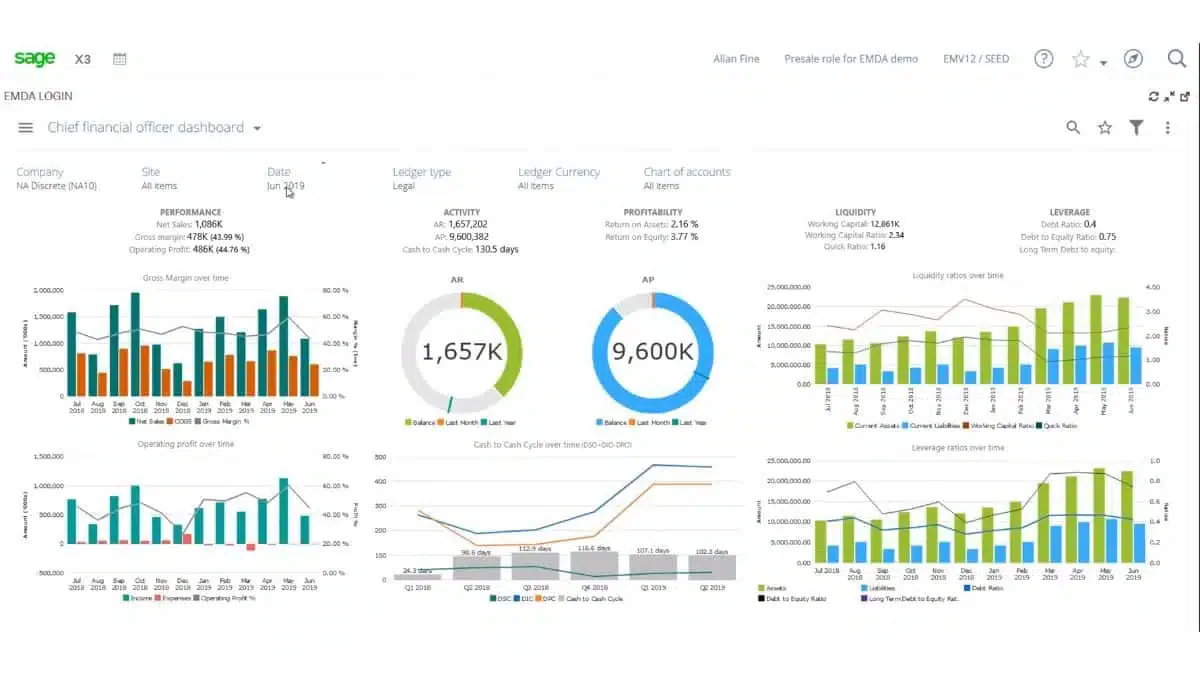
Sage X3 is a comprehensive B2B ERP solution that focuses on manufacturing, distribution, and finance. With its intuitive dashboard and high scalability, it is suited for businesses looking for a well-rounded ERP solution to optimize their complex workflows.
Key Features:
- Advanced manufacturing and distribution tools
- Customizable dashboards
- Scalable modules for business growth
- Real-time analytics and reporting
| Strengths | Weaknesses |
|
|
Tips to Choose the Best B2B ERP Software for Your Business

Choosing B2B ERP software is not only about comparing feature lists. The right system should match how your business sells, fulfills orders, manages customers, and coordinates inventory across teams. Use the following factors to shortlist ERP vendors before committing to implementation.
1. Check Whether the ERP Fits Your B2B Sales Model
Start by mapping how your B2B transactions actually work. A distributor may need bulk pricing, dealer-specific catalogs, and recurring purchase orders, while a manufacturer may need production planning, raw material tracking, and finished goods visibility.
If your business handles wholesale orders, make sure the ERP can support quotation workflows, customer-specific pricing, credit limits, purchase approvals, and delivery tracking. These features are especially important for companies managing B2B wholesale workflows across multiple branches or customer segments.
2. Review Integration Capabilities Early
Many B2B businesses already use separate tools for eCommerce, accounting, inventory, CRM, or logistics. If the ERP cannot connect these systems properly, your team may still need to re-enter data manually, which increases the risk of order errors and delayed reporting.
Before choosing a vendor, ask how the ERP handles APIs, marketplace connections, accounting sync, warehouse updates, and customer portal integration. Strong ERP integration planning with e-commerce helps prevent disconnected sales, stock, and finance data after implementation.
3. Prioritize Real-Time Inventory and Order Visibility
B2B customers often place larger and more repeat orders than retail customers, so inventory errors can affect both revenue and customer trust. Your ERP should show real-time stock levels, reserved quantities, incoming purchases, and warehouse movement in one system.
This is especially useful when your business sells through multiple channels or locations. With centralized visibility, sales teams can confirm availability before promising delivery dates, while warehouse teams can prepare fulfillment without waiting for manual updates.
4. Evaluate Financial and Approval Controls
A B2B ERP system should give your finance team control over invoices, receivables, credit terms, tax records, and payment tracking. It should also support approval workflows for quotations, discounts, purchase orders, and high-value transactions.
These controls matter because B2B sales often involve negotiated pricing and longer payment terms. Without proper approval rules, teams may offer inconsistent discounts, exceed customer credit limits, or delay invoice reconciliation.
5. Consider Scalability and Local Implementation Support
Choose ERP software that can grow with your business. The system should support more users, branches, products, customers, and transaction volume without forcing your team to rebuild core processes later.
Local implementation support is also important for Philippine businesses. A vendor that understands local tax, reporting, inventory, and business workflows can shorten setup time and reduce the risk of misconfiguration. This is why many companies compare not only software features, but also implementation guidance, training quality, and after-sales support before making a final decision.
If your team wants lower infrastructure maintenance and easier access across branches, cloud ERP software may be a better fit than an on-premise setup, especially for growing B2B companies with distributed teams.
Conclusion
B2B systems, especially ERP solutions, are vital in streamlining operations and improving overall efficiency in today’s fast-paced business world. An ERP B2B solution integrates critical business functions like inventory, sales, and finance allowing companies to manage data seamlessly and support growth effectively.
One of the top options for Philippine businesses is HashMicro’s ERP B2B solution, known for its user-friendly interface and comprehensive features. HashMicro’s ERP System is designed to support B2B eCommerce ERP needs with tools for inventory management, financial tracking, and seamless integration across departments, boosting productivity and decision-making.
To experience the benefits firsthand, you can try HashMicro’s ERP system with a free consultation. Discover how this powerful B2B enterprise software can enhance your operations and drive your business toward more tremendous success in a competitive market.
FAQ About B2B ERP
Enterprise Resource Planning (ERP) systems come in several types, each suited to different business needs and industries. The primary types include on-premises ERP, where the software is installed locally on company servers; cloud ERP, which is hosted online and provides remote access from any device; and hybrid ERP, a combination that allows businesses to choose which cloud-based functions are on-premises. Industry-specific ERPs are also available and designed to address unique manufacturing, retail, healthcare, or services needs, providing customized features for optimized operations.
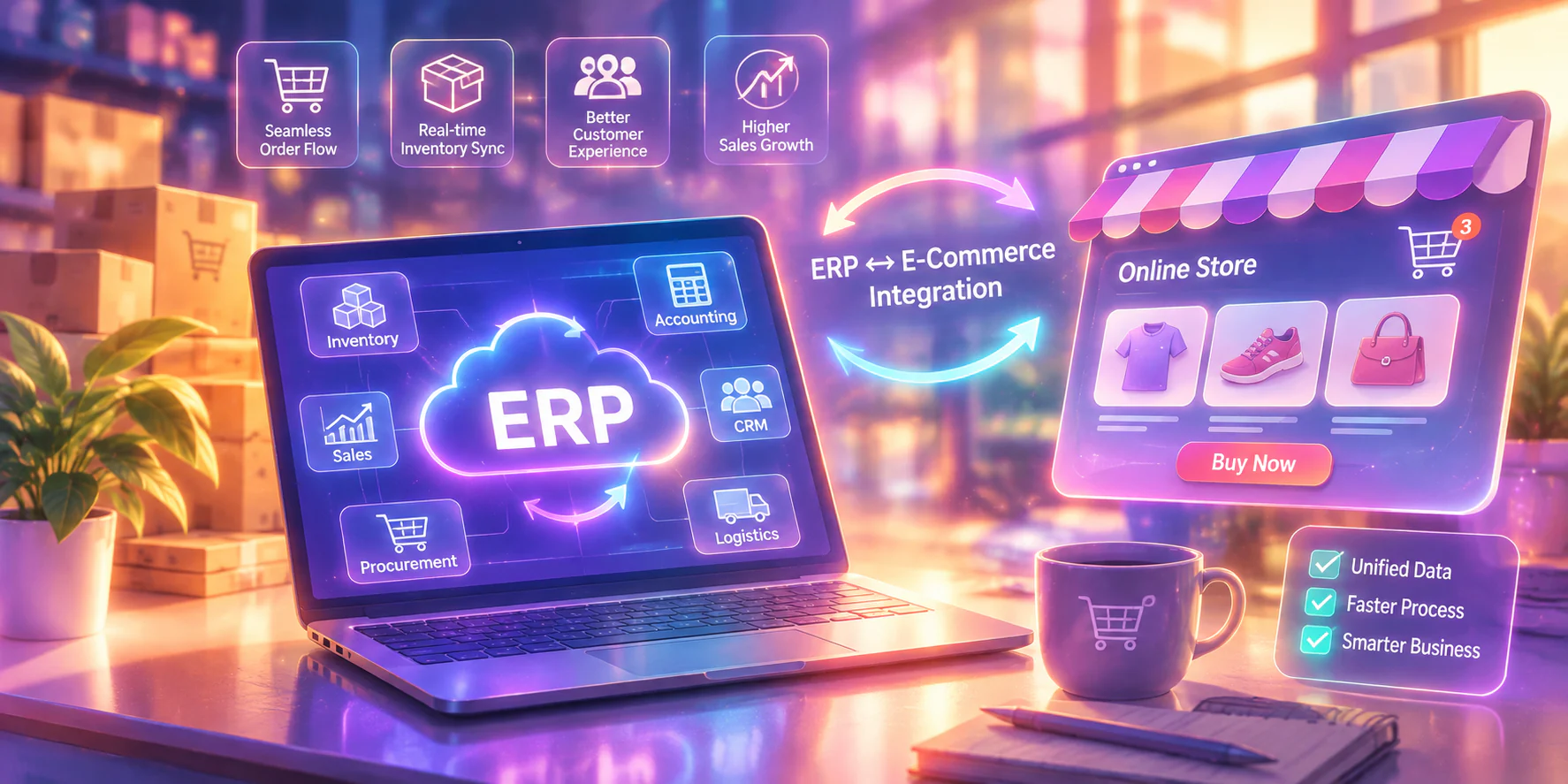
Integrating ERP software with an eCommerce platform involves connecting your online sales systems with your ERP to streamline data flow between sales, inventory, and finance. This process typically requires an API (Application Programming Interface) or middleware to enable seamless communication between the ERP and eCommerce software, ensuring real-time data updates for orders, inventory levels, and customer details. Careful planning and testing are essential for smooth integration, helping reduce errors and maintain accurate data across systems, ultimately enhancing customer experience and operational efficiency.
TNot all ERP systems natively support B2B e-commerce integration, as some may be designed primarily for internal processes without specific e-commerce features. However, many modern ERP B2B systems provide eCommerce integration or can be customized to support it, enabling businesses to manage B2B transactions, track customer interactions, and automate order processing. If B2B eCommerce ERP is a key aspect of your business operations, evaluating an ERP system’s compatibility with eCommerce platforms is essential.
ERP software offers numerous benefits, especially for B2B enterprises, by centralizing data and improving process efficiency. Key benefits include enhanced productivity through task automation, improved accuracy with real-time data synchronization, and better decision-making supported by comprehensive reporting tools. ERP systems also streamline operations across departments, reducing redundant tasks and enabling businesses to scale efficiently while maintaining control and visibility over essential functions, from inventory to customer management.