








Liquidity is crucial for a business’s financial stability, as it reflects a company’s ability to meet its current debts and obligations. Proper understanding and management of liquidity are crucial for maintaining smooth operations, regardless of a company’s size.
Knowing your business’s liquidity status is crucial for evaluating its overall performance. Utilizing HashMicro’s accounting software can significantly reduce errors that often arise from manual calculations.
Curious about liquidity and how to measure it using ratios? Continue reading for a comprehensive explanation that will help you assess how long your business can maintain operations and explore the benefits of effective financial management software.
Key Takeaways
|
What is Liquidity?
Liquidity measures a company’s ability to meet its short-term obligations, such as taxes, debts, and operational expenses. It measures asset-to-cash conversion speed for immediate liabilities while maintaining operational continuity.
Maintaining strong liquidity is essential for businesses. It ensures smooth daily operations, fosters trust among stakeholders, and enables the company to effectively tackle unexpected financial challenges.
Liquidity, whether derived from cash reserves or liquidated assets, is a key indicator of a company’s financial health and its ability to thrive in various economic conditions. By following sound accounting principles, businesses can effectively track liquidity, ensuring a clear understanding of monetary stability.
What is Liquidity Risk?
Liquidity risk refers to the possibility that a company or individual will be unable to meet short-term financial obligations due to the inability to quickly convert assets into cash without incurring significant losses.
It arises when there is a mismatch between the timing of cash inflows and outflows, or when the market for an asset becomes illiquid. This risk can lead to financial instability, forcing the business to delay payments or secure costly financing.
Implementing robust financial management system can help businesses better manage liquidity risk by providing real-time cash flow management and accurate forecasting, ensuring that financial obligations are met on time and in full.
Advantages of Liquidity and Its Functions
 Strong liquidity is essential for business success. Here are five key benefits and functions that underscore its significance.
- Supports financial flexibility: Adequate liquidity enables a business to quickly adapt to new opportunities or address urgent needs without compromising its current operations.
- Ensures smooth business operations: It also ensures a company can meet its short-term financial obligations, such as paying bills, wages, and taxes, enabling uninterrupted daily activities.
- Prepares for financial emergencies: High liquidity acts as a safety net during unforeseen challenges, such as economic downturns or market shifts, helping the business remain resilient.
- Builds stakeholder trust: A strong liquidity position signals financial stability, which in turn increases confidence among investors, creditors, suppliers, and employees.
- Attracts investors and creditors: Solid financial liquidity ratios make a business more attractive to investors and lenders, showing financial reliability and reducing risk.
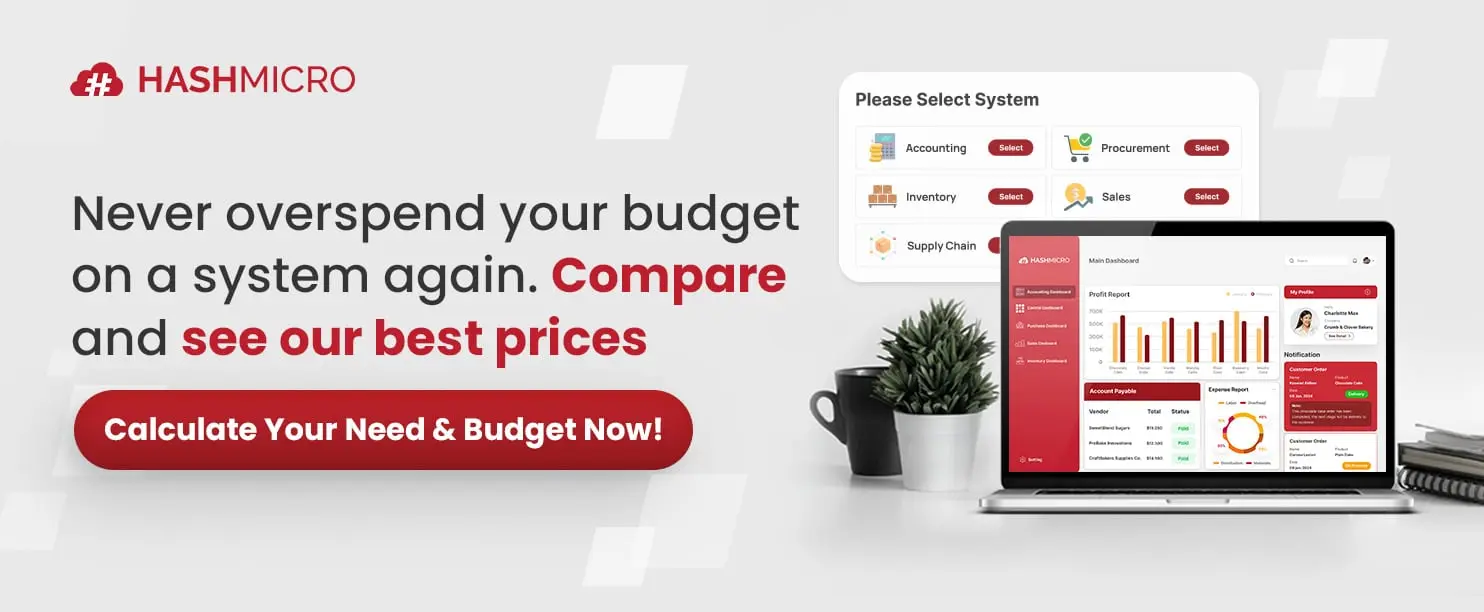
To leverage strong liquidity benefits, having the right tools and insights is essential. Download our pricing scheme to see how our solutions can help maintain optimal liquidity and keep your business financially stable and adaptable to any challenge.
Key Aspects of Liquidity
It’s essential to examine its key components to gain a clearer understanding of liquidity. These factors collectively influence a company’s ability to fulfill its short-term financial obligations.
- Current liabilities: Although not an asset, current liabilities such as accounts payable are crucial in assessing liquidity. Understanding these obligations helps businesses determine how quickly they need to use liquid assets to meet their financial commitments.
- Cash and cash equivalents: Cash is the most liquid asset, readily available to meet financial obligations. Cash equivalents are short-term investments that can be easily converted into cash.
- Inventory: Inventory consists of goods or raw materials that a business holds in stock for future use. Conversion is slower than cash or receivables, relying heavily on market demand. Retail accounting software optimizes stock and cash flow, ensuring superior liquidity management.
- Accounts receivable: It represents the money owed to a business by its customers. Although not as liquid as cash, accounts receivable can be quickly converted into cash once payments are collected, making them an essential component.
How to Measure Liquidity in Businesses Using Ratios

Liquidity ratios assess financial health by measuring a company’s ability to meet short-term obligations. These ratios are typically divided into three main categories.
1. Current ratio
This calculation helps assess a company’s ability to effectively offer additional-term debt obligations. A higher result signifies a stronger ability to cover short-term liabilities. The formula for calculating the financial liquidity ratio is:
CURRENT RATIO = CURRENT ASSETS / CURRENT LIABILITIES
A result above 1.0 indicates that the company can meet its short-term debt obligations. However, a ratio over 3.0 may indicate inefficiency, suggesting underutilization of liquidity in investments or profit opportunities. The quick ratio offers additional insight into a company’s cash flow health.
2. Cash ratio
The cash ratio measures cash and liquid assets available for settling a company’s short-term debts, ideally at a 1:1 balance. A higher ratio indicates strong financial health, signifying sufficient funds to cover obligations. The formula for the cash ratio is:
CASH RATIO = CASH AND CASH EQUIVALENTS / SHORT-TERM DEBT
Cash equivalents comprise cash and liquid assets like bonds, providing immediate access during financial emergencies.
3. Cash turnover ratio
This metric indicates how frequently a company’s cash is recycled within a specific period, in relation to its sales. The calculation is as follows:
CASH TURNOVER = NET SALES / AVERAGE CASH
An increasing ratio value reflects an improvement in the company’s financial performance. Higher cash turnover accelerates cash flow, typically driving increased revenue and smoother operational activities
Effective Liquidity Risk Management with HashMicro Accounting Software
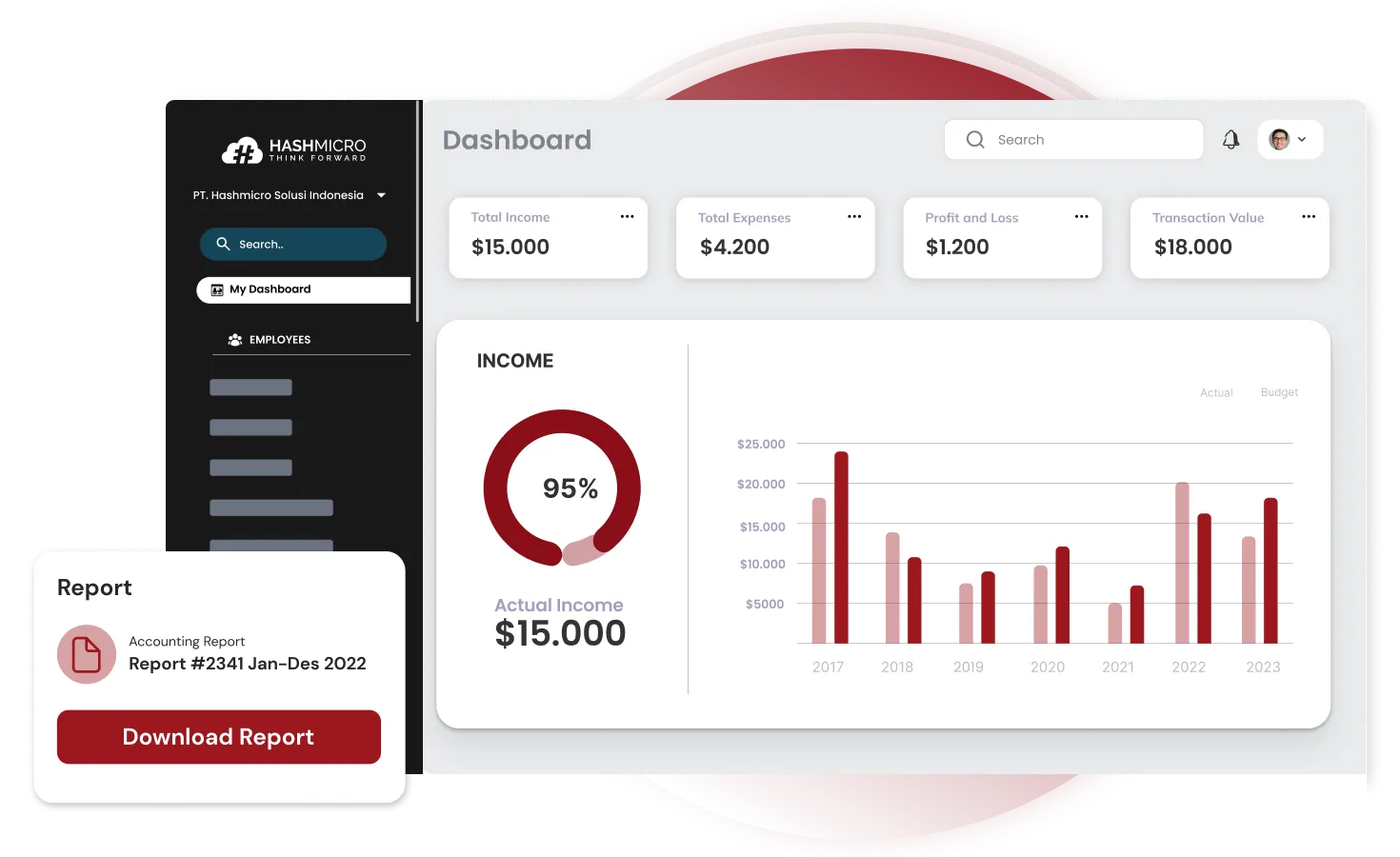
HashMicro Accounting Software is a comprehensive financial system that enables businesses to manage liquidity risk, monitor cash flow, and maintain stable financial operations. Its ERP system integration ensures the accurate tracking of payables and receivables, preventing late payments and financial losses.
You can request a Free Demo to see how HashMicro automates key accounting workflows and improves financial visibility in real time. This allows businesses to evaluate its impact on efficiency and data accuracy before fully implementing the system.
Trusted by over 2,000 clients across Southeast Asia, HashMicro supports stronger financial control even in uncertain times. Below are the key features of HashMicro Accounting Software that help improve liquidity management.
- Complete treasury and cash management forecasting: This feature enables businesses to accurately predict cash flow management, ensuring that financial resources are available when needed.
- Asset management with revaluation and three depreciation methods: This feature enables the accurate tracking of asset values over time by utilizing three different depreciation methods, ensuring proper asset management and accurate financial reporting.
- Asset Construction In Progress (CIP): It tracks assets under construction, enabling businesses to monitor project progress and costs before finalizing them as operational assets.
- Cash advance and realization management: It helps manage and track cash advances and their corresponding settlements, ensuring accurate records of funds received and used.
- Commercial and fiscal asset tracking: Tracks assets from both a commercial and budgetary perspective, ensuring compliance with tax regulations while maintaining operational control.
- Multi-level analysis: This feature provides detailed insights into financial performance across various projects, branches, or departments, enabling more informed decision-making and performance comparisons.
- Comprehensive accounting reports: Detailed financial reports provide clear health metrics, empowering businesses to monitor performance and make informed strategic decisions.

Conclusion
Understanding liquidity is crucial for ensuring the financial stability and smooth operation of a business. By managing liquidity effectively, companies can maintain day-to-day operations, attract investors, and stay prepared for unforeseen challenges.
HashMicro Accounting Software streamlines the process of calculating and tracking your company’s finances, seamlessly integrating features like automated tax calculations, debt reminders, and procurement analysis, making financial management effortless.
Experience the impact of HashMicro Accounting Software with a free demo today and see how it can transform your business!

Frequently Asked Questions About Liquidity
-
What is the liquidity ratio?
A liquidity ratio is a financial metric that assesses a company’s ability to meet its short-term debt obligations. Common ratios used to evaluate liquidity include the current ratio and the quick ratio.
-
Why is liquidity important?
Liquidity is vital because it ensures that a company or individual can access cash when necessary for expenses or investments. High liquidity supports smooth business operations, while low liquidity can lead to financial challenges.
-
What is the difference between liquid and illiquid assets?
Liquid assets, such as cash or stocks, can be easily converted into cash. Conversely, illiquid assets like real estate sell slowly and often require discounts for immediate cash.