









Many Malaysian businesses still use manual reviews, which leads to inconsistent scoring and unclear targets. These issues hold you back and make it harder for your team to do their best work, even though performance management tools can solve many of these problems.
If you’re dealing with poor communication, undefined KPIs, and review cycles that take too much time, you risk falling behind faster competitors. One recent market report put 2023 spending at USD 16.43 billion, and the number keeps climbing as more teams move to cloud based tools.
In this guide, you’ll find 16 solid performance tools to help you simplify reviews, make accountability clearer, and support long term growth. If you want to find a system that actually fits your team, keep reading because the right choice can make day to day performance management far less frustrating.
Key Takeaways
|
As performance reviews become more complex, many businesses start looking for a system that can help manage goals, employee data, and HR processes in a more organized way.
What a Performance Tool Really Does for Your Team
A performance management tool is a dedicated tool made to help you track and improve employee performance. These tools support clear goal setting and continuous progress tracking, so your team stays aligned with your company goals.
Beyond just aligning goals, the right HR tools can also support employee development through growth plans that fit your team and feedback that feels more useful in daily work. Using analytics, these performance tools give you useful data on performance trends, so you can make better calls that support a more proactive way of working.
On top of that, a solid performance platform improves communication in your team by making regular check ins easier between employees and managers. These platforms fit into day to day work, so everyone stays on the same page and continuous improvement becomes part of the routine.
Hashy AI Fact

Need to know!
Hashy AI uses AI-driven insights to track employee progress and offer instant data-driven decision. It integrates smoothly into workflows, fostering continuous feedback and a culture of growth.
Request a Free Demo
The Strategic Advantages of Using Performance Management Tools for Teams in Malaysia
When you move from manual reviews to a real system, you get a clearer picture of targets, progress, and gaps across the team, especially if you run multiple branches in KL, Penang, or Johor. With live updates and simple reports, you can react faster when priorities shift, sales dip, or a team lead asks, why are we missing this month’s targets?
Even so, you can still hit a few bumps during rollout. Data can look messy when each department tracks KPIs differently, and adoption can drop if check ins feel like extra admin instead of real coaching. If you handle employee data in one place, you also need to keep it tidy and controlled, because Malaysia’s PDPA regulates how businesses process personal data in commercial transactions.
The good news is you can reduce most of that pain with a clean setup and the right support. Start with one review cycle, lock the KPI definitions, and set who can view what, then scale to the rest of the company. If you want a quick reference point, save this section and come back to it when you’re building your next review timeline, because the small decisions you make here often decide whether the system gets used properly or ends up ignored.
Why Teams in Malaysia Drop Manual Reviews and Move to a Real System

Before investing in any performance management system, it’s important to understand its long term value for your team. Today, many businesses now use digital tools to make people management more efficient. In particular, these platforms can support hiring, onboarding, and performance tracking in a more organized way.
These capabilities make performance management tools essential for helping you grow and keeping people happier at work.
- Improved goal alignment: Performance management tools help ensure employee goals are closely tied to company goals. This alignment drives focused efforts, increasing team efficiency and goal attainment.
- Enhanced productivity: With features like real-time feedback and automated reminders, performance management software helps employees stay on track. This boosts overall productivity and helps teams meet deadlines better.
- Streamlined performance reviews: Performance management software tools offer ready-to-use templates that simplify evaluation processes. These tools reduce bias and save time for both employees and managers during review cycles.
- Better decisions with data: Performance tools offer useful analytics that reveal performance trends and bottlenecks. These insights help you make strategic, evidence-based decisions with greater confidence.
- Ongoing development: A performance management system supports long-term employee growth through development plans and skill assessments, leading to higher engagement, retention, and workplace satisfaction.
- Increased accountability: Performance tools track progress against goals, holding both employees and managers accountable. This transparency promotes responsibility and a habit of improving over time.
- Clear KPIs for managers: Performance management software defines measurable KPIs that reduce the need for constant supervision. Managers can focus on strategic initiatives while employees own their progress.
- Better employee motivation: Clear objectives and structured reward systems improve employee motivation. When staff understand their targets and how to achieve them, they’re more likely to stay driven and committed.
For businesses seeking these benefits without the complexity, an all in one performance module can make tracking, goal setting, and reporting much easier to manage in one place.
Top 16 Performance Management Tools in 2026 for Businesses
Choosing the right performance management tool can make a big difference to employee engagement, growth, and day-to-day performance. Here’s a list of top performance tools for 2026, useful if you’re the one deciding and trying to improve team performance.
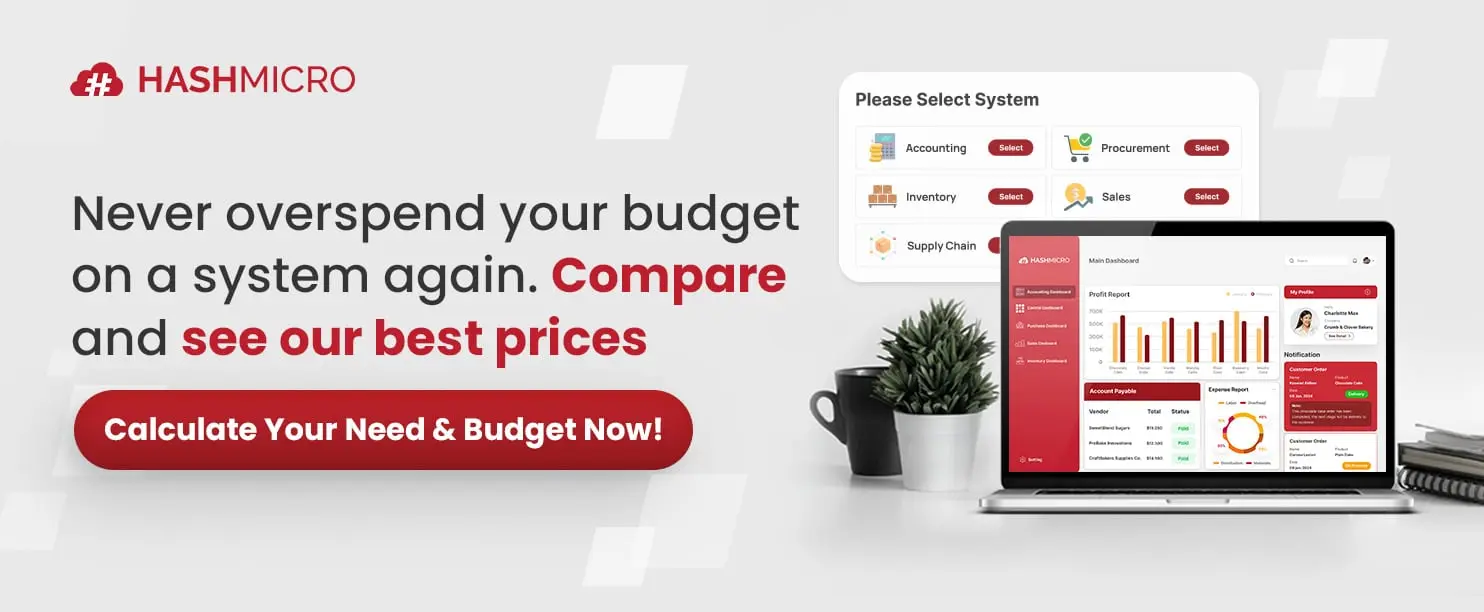
1. A Scalable Performance Management Solution
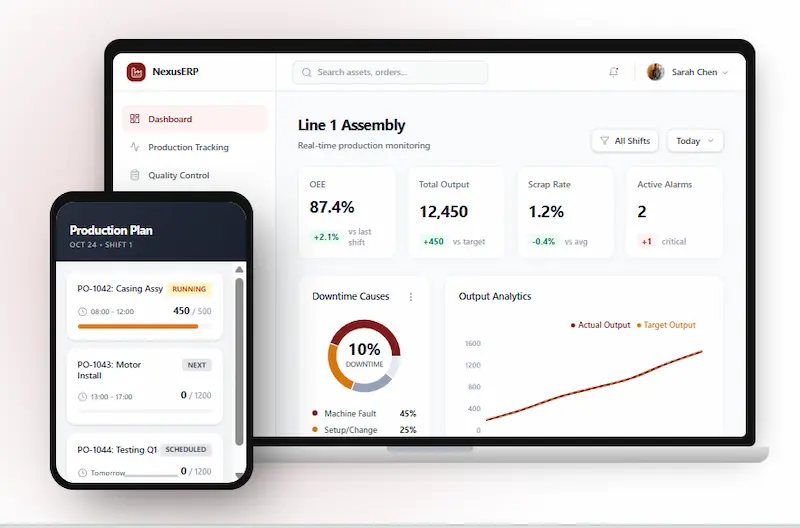
This performance management system is built to scale and easy to customize. The platform comes with a user friendly interface, automation features, and real time performance reports.
It integrates well with key systems, such as payroll tools, CRM, and ERP, which makes it more useful if your team is growing. The platform continues to attract businesses with extras, including complimentary demos, flexible customization options, and no additional fees for extra users.
This vendor is known for its solid ERP suite across Southeast Asia. Since its establishment in 2015, it is used by over 1,750 businesses in the region, including numerous companies based in Malaysia.
Why we pick it: This option stands out for its advanced features tailored for comprehensive workforce management.
These performance tools help every employee grow and stay aligned with your company’s goals. As a strong overall option, it offers key features, such as:
- Goal, KPI, and OKR Tracking: Tracking goals, KPIs, and OKRs helps your team stay aligned with company priorities and keeps expectations clear. By setting measurable objectives in the system, you can monitor progress in real time, leading to greater focus, accountability, and productivity.
- 360° Appraisal (Multi-Source Feedback): 360° feedback collects input from managers, peers, subordinates, and external stakeholders for a balanced evaluation. The system consolidates anonymous insights into performance reports, helping you spot blind spots and support well-rounded development.
- Competency Gap & Match Analysis: This feature analyzes the gap between current competencies and job role requirements to reveal development needs. It works by mapping skill profiles against job standards, leading to targeted training and better role fit.
- Nine Box Matrix for Performance Review: The nine-box grid visualizes employee performance and potential to support talent mapping and succession planning. It uses performance data and manager input to categorize employees, making it easier to identify high performers and future leaders.
- Continuous Feedback System: Real-time feedback helps employees receive consistent input and adjust their performance accordingly. Through built-in feedback loops and comment features, employees get immediate insights, leading to faster improvement and stronger engagement.
- Succession Planning: Succession planning identifies and prepares potential candidates to fill key roles in the future. By analyzing performance trends and development readiness, the system helps you maintain business continuity and grow your leadership pipeline.
- Employee Calibration: Calibration aligns performance ratings across departments to maintain fairness and consistency. It facilitates cross-manager evaluations using a shared framework, resulting in more objective reviews and equitable decisions.
- Employee Training & Development Plans: This feature connects performance gaps with personalized learning plans to upskill employees efficiently. It integrates with internal LMS and feedback modules, boosting competency growth and overall team capability.
- Automated Appraisal Management: Automated appraisal tools streamline the review cycle and reduce manual HR tasks. By scheduling, collecting, and processing evaluations in one place, it saves time and improves review accuracy and transparency.
- Talent Management Dashboard & Reports: Dashboards centralize performance data for better visibility into workforce trends and talent metrics. By visualizing analytics in real time, your HR team can make strategic decisions, ultimately improving retention and employee performance.
| Pros | Cons |
|
|
If pricing is one of the main things you need to compare, it helps to look at the cost structure early so you can see which setup makes the most sense for your business.
2. BambooHR
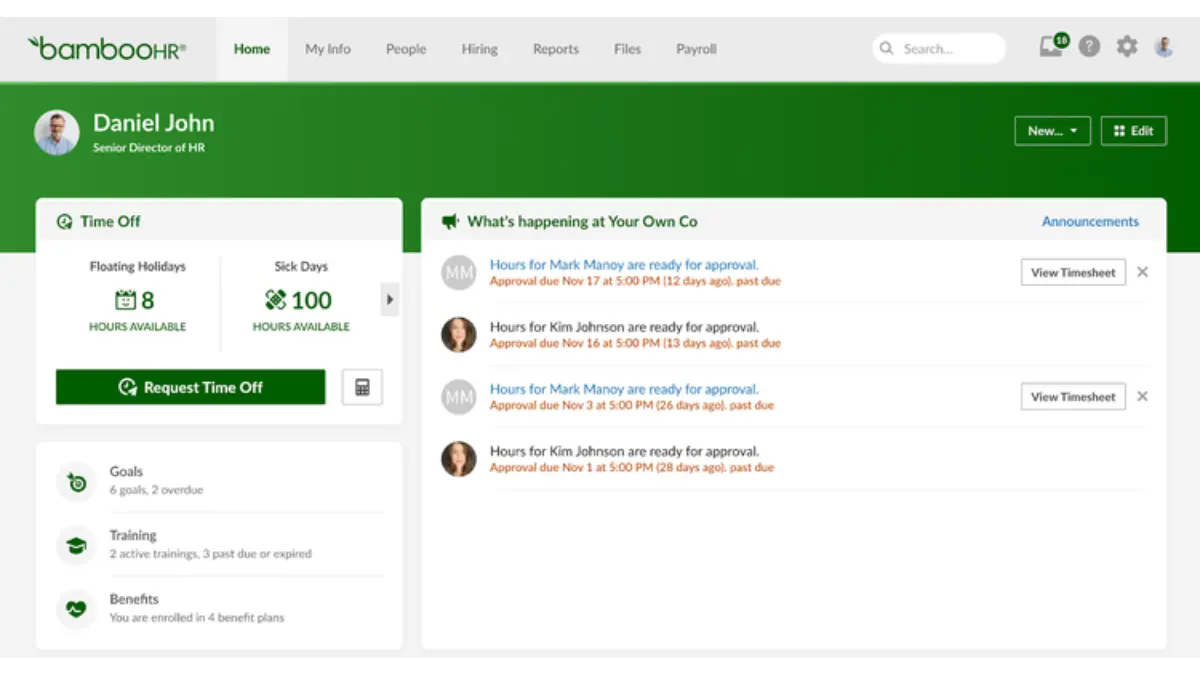
BambooHR is user-friendly, cloud-based HR software founded in 2008. It is designed for small, to medium-sized businesses and offers an intuitive performance management system that simplifies goal setting, peer feedback, and progress tracking while enhancing communication between managers and teams.
Why we pick it: BambooHR offers an all-in-one platform that simplifies performance management with a user-friendly interface.
Key features:
- Customizable performance reviews
- Goal tracking and alignment
- Peer, manager, and self-assessments
- Centralized employee data
- Integration with HR and payroll systems
| Pros | Cons |
|
|
3. Degree Feedback
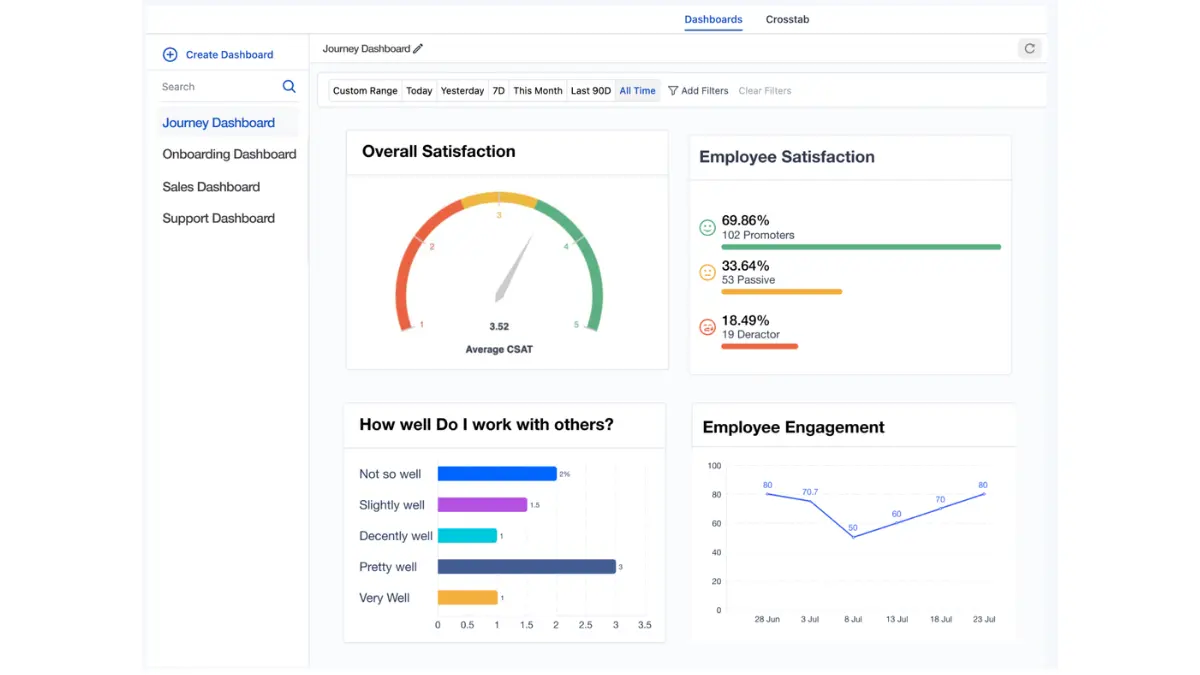
360 Degree Feedback is a performance management tool that gathers anonymous input from managers, peers, and subordinates to provide a comprehensive view of employee performance. Widely used in leadership development and talent programs, it helps identify strengths and improvement areas through user-friendly feedback tools and robust reporting features.
Reason for choosing it: Degree Feedback fosters open communication and encourages accountability at every level.
Key Features:
- Anonymous multi-rater feedback for balanced performance insights
- Customizable templates for reviews and surveys
- Leadership and competency evaluation tools
- Actionable feedback analysis with development plans
- Detailed and comprehensive reporting features
| Pros | Cons |
|
|
4. Trakstar
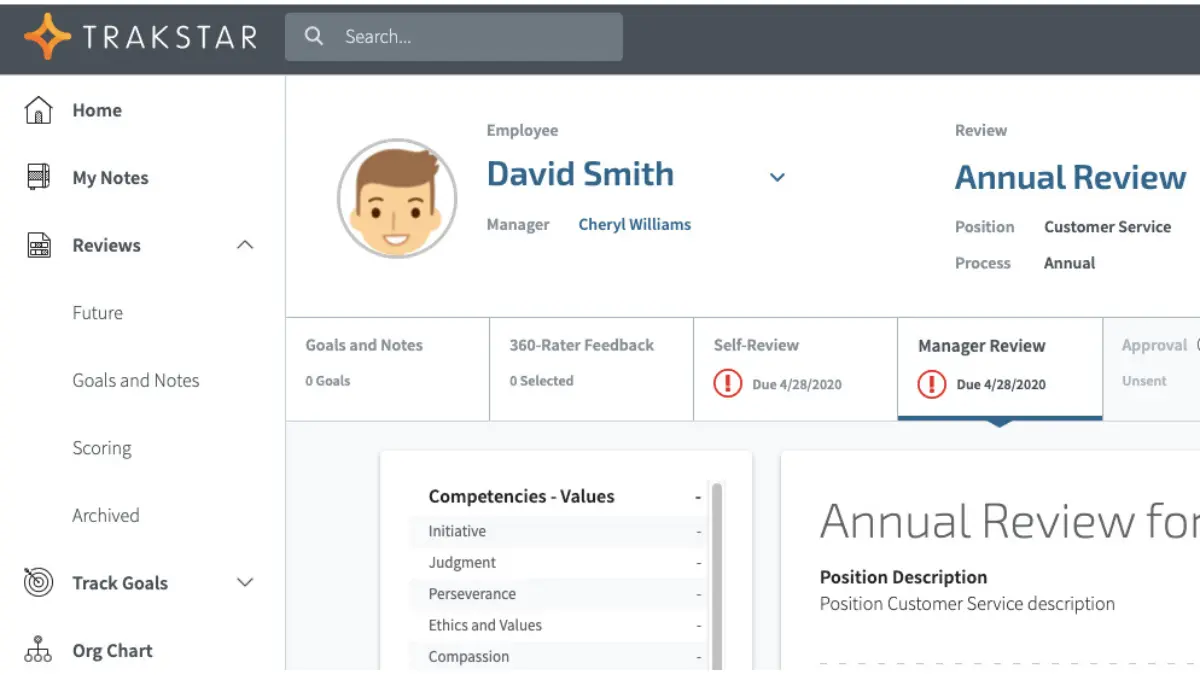
Trakstar is a cloud-based performance management software that simplifies employee evaluations through features like goal setting, real-time feedback, and customizable appraisal forms. Known for its scalability and seamless HR integration, it provides managers with actionable insights to support employee development and engagement.
Why we chose it: Trakstar stands out for its intuitive design and seamless approach to managing performance reviews and goal alignment.
Key Features:
- Customizable appraisal and performance review forms
- Goal setting, tracking, and alignment
- Continuous, real-time feedback tools
- Visual performance dashboards
- Employee engagement and development features
| Pros | Cons |
|
|
5. Engagedly Inc.
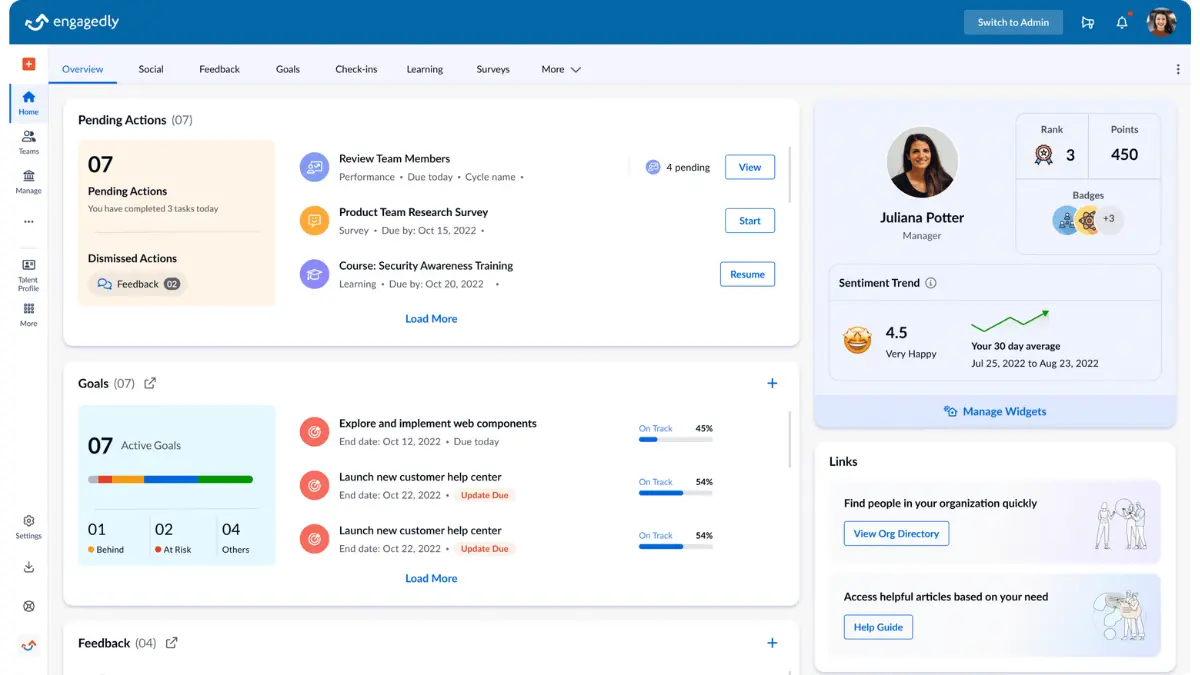
Engagedly is an all-in-one platform launched in 2014 to enhance employee performance, engagement, and development through features like OKRs, feedback, recognition, and learning modules. Known for its modern interface and employee-focused design, it also supports succession planning and 360-degree feedback to drive continuous growth and alignment with company goals.
Why we picked it: Engagedly stands out for its strong focus on employee engagement within its performance and learning platform.
Key Features:
- Goal setting and OKR alignment
- Real-time feedback and employee recognition
- Learning and development system
- Performance appraisals and competency planning
- Succession planning and talent growth
| Pros | Cons |
|
|
6. Lattice
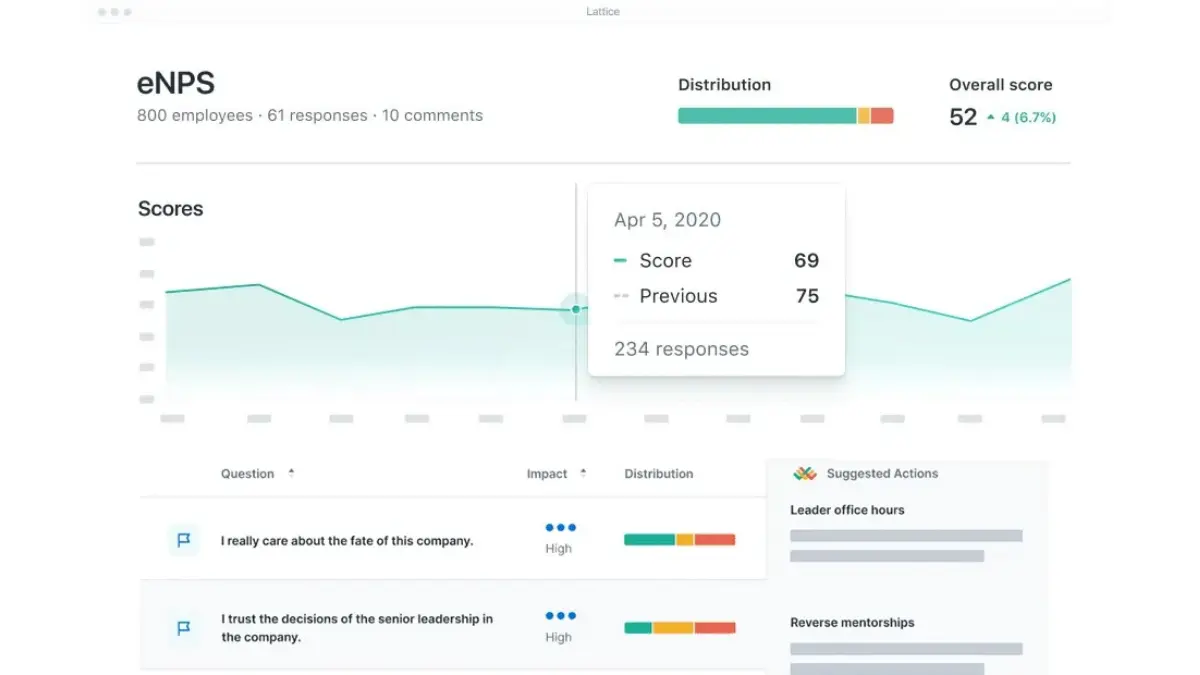
Lattice is a modern performance management and employee engagement platform that helps companies drive growth through continuous feedback, goal tracking, and transparent communication. Known for its user-friendly interface and robust analytics, it supports tools like OKRs, peer reviews, and 1-on-1s while integrating seamlessly with platforms like Slack and Microsoft Teams.
Why we pick it: Lattice provides a seamless blend of performance management and employee engagement tools.
Key Features:
- Goal setting and OKR tracking
- 1-on-1 meetings and continuous feedback
- Performance review cycles
- Employee engagement and pulse surveys
- Performance analytics and reporting dashboard
| Pros | Cons |
|
|
7. Reflektive
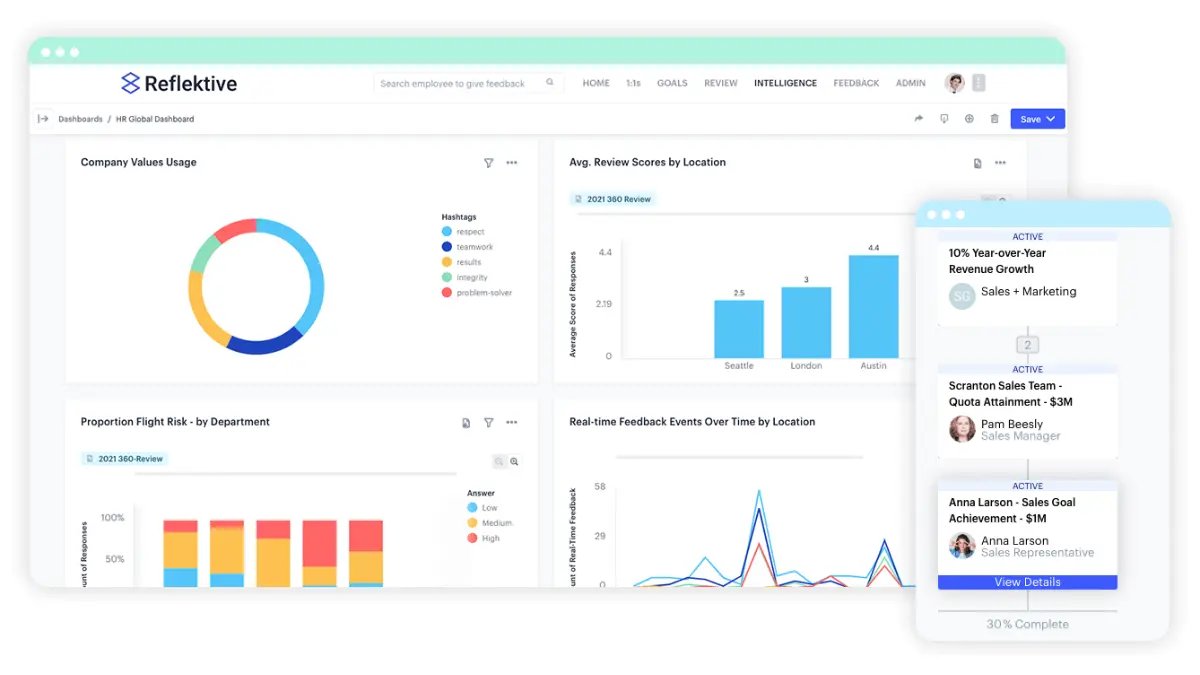
Reflektive is a continuous performance management platform that replaces traditional annual reviews with real-time feedback, check-ins, and peer recognition to drive alignment and development. Known for its user-friendly design and seamless integration with work tools, it helps businesses track goals, boost transparency, and support employee growth.
Why we pick it: Reflektive emphasizes a structured approach to aligning individual and organizational goals.
Key Features:
- Real-time feedback and peer recognition
- Simplified performance reviews
- Goal setting and alignment features
- Seamless integration with work tools and calendars
- Supports employee growth through learning and self-service features
| Pros | Cons |
|
|
8. Perform Yard
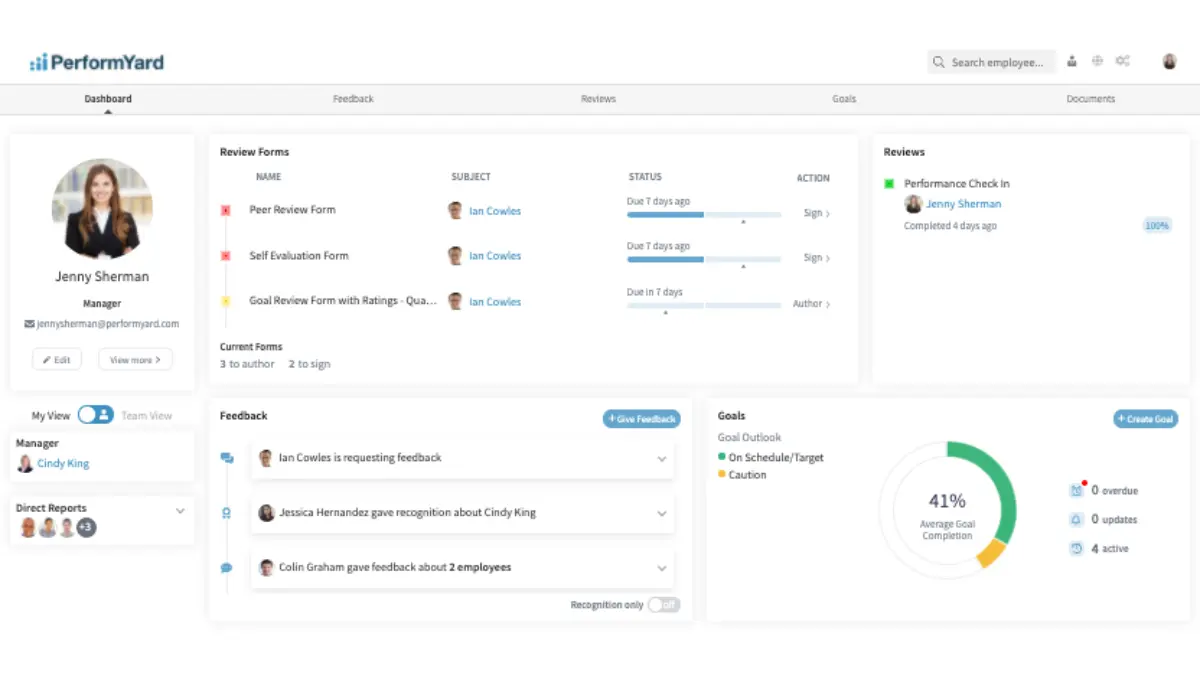
PerformYard is a customizable performance management platform that supports various review cycles, annual, project-based, or continuous, while centralizing goal setting, peer feedback, and documentation. Known for its minimal yet powerful interface, it offers robust reporting, seamless HR integrations, and flexibility to streamline complex review workflows.
Why we picked it: PerformYard stands out for its highly customizable performance review templates and robust analytics capabilities.
Key Features:
- Customizable review templates and cycles
- Continuous feedback with goal tracking
- Detailed performance history and reporting
- Integration with payroll and HR systems
- Data-driven insights to support decisions
| Pros | Cons |
|
|
9. BerniePortal
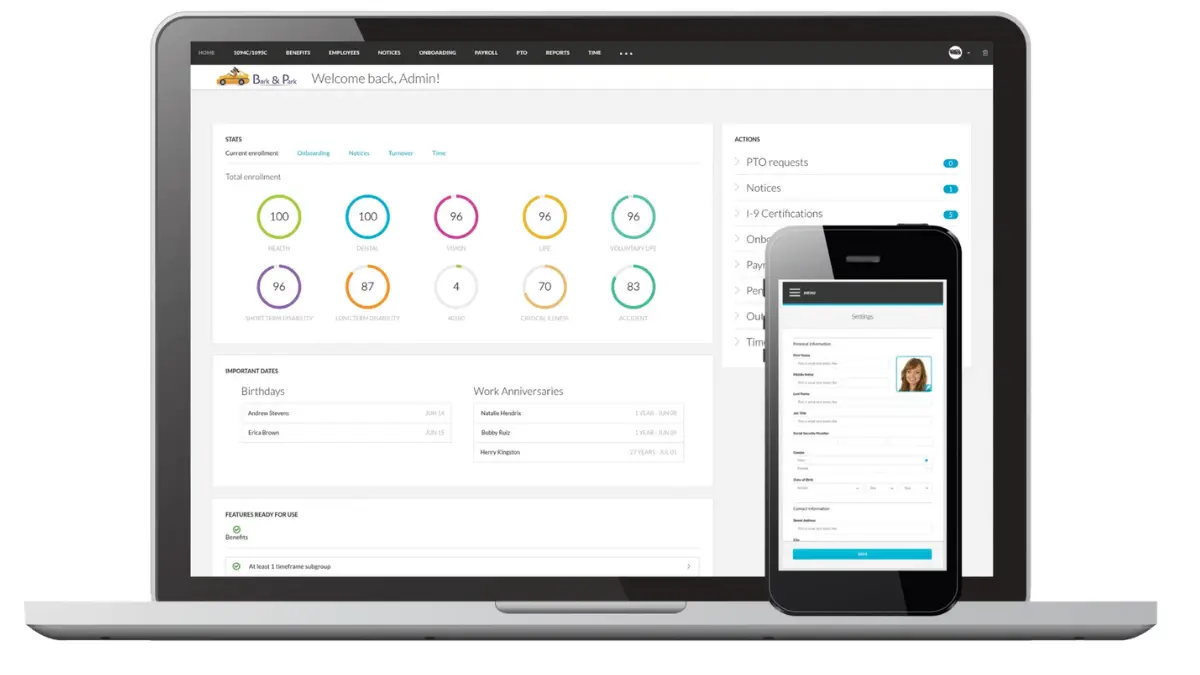
BerniePortal is a user-friendly HR platform that offers integrated performance management tools, allowing small HR teams to streamline reviews, track employee growth, and manage data in one place. While ideal for businesses seeking simplicity and alignment with development goals, it has limited advanced analytics and engagement features.
Why we chose it: BerniePortal helps align employee development with company objectives through focused training and performance reviews.
Key Features:
- Performance reviews & scheduling
- Employee records & HRIS integration
- Goal setting & tracking
- Recruitment & onboarding
- Time tracking & attendance
| Pros | Cons |
|
|
10. Leapsome GmbH
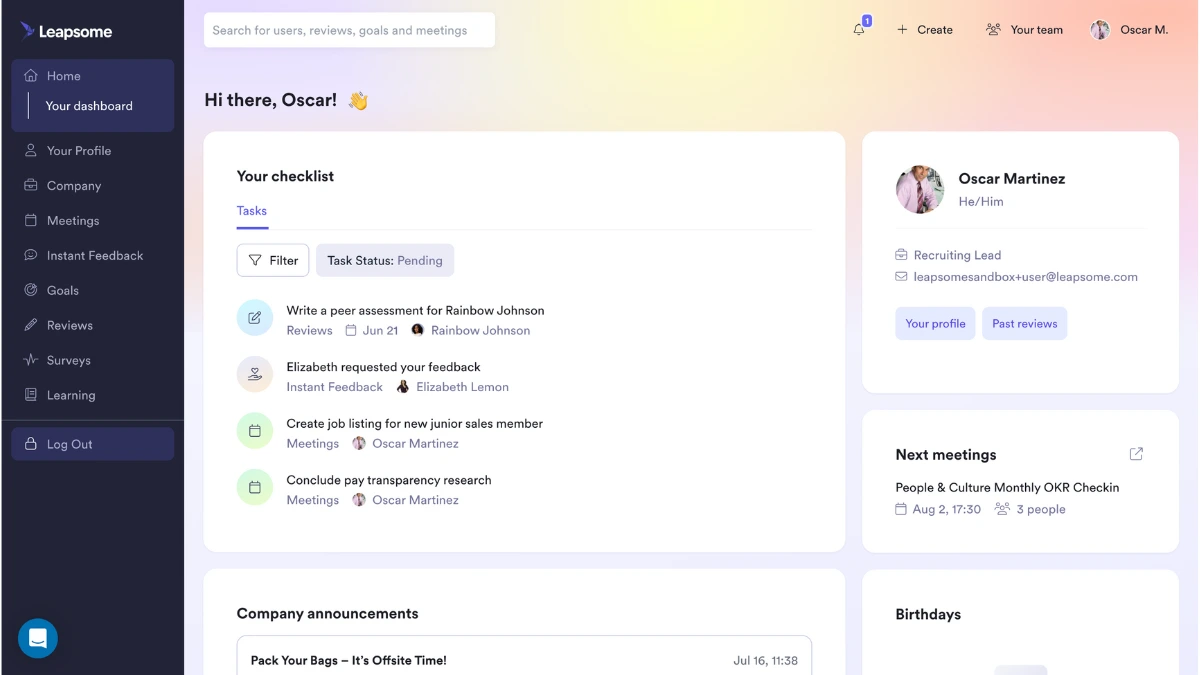
Leapsome is a Berlin-based performance management and learning platform that combines 360° feedback, OKRs, engagement surveys, and personalized learning paths to support continuous employee development. With a user-friendly interface and powerful analytics, it helps organizations foster a feedback-driven culture and make data-informed talent decisions.
Why we chose it: Leapsome unites performance management and employee engagement to deliver a comprehensive, all-in-one experience.
Key Features:
- OKR Planning & Progress Tracking
- 360° Feedback & Performance Reviews
- Employee Engagement & Pulse Surveys
- Learning Modules & Development Paths
- Continuous Performance Management
| Pros | Cons |
|
|
11. Workhuman Conversations
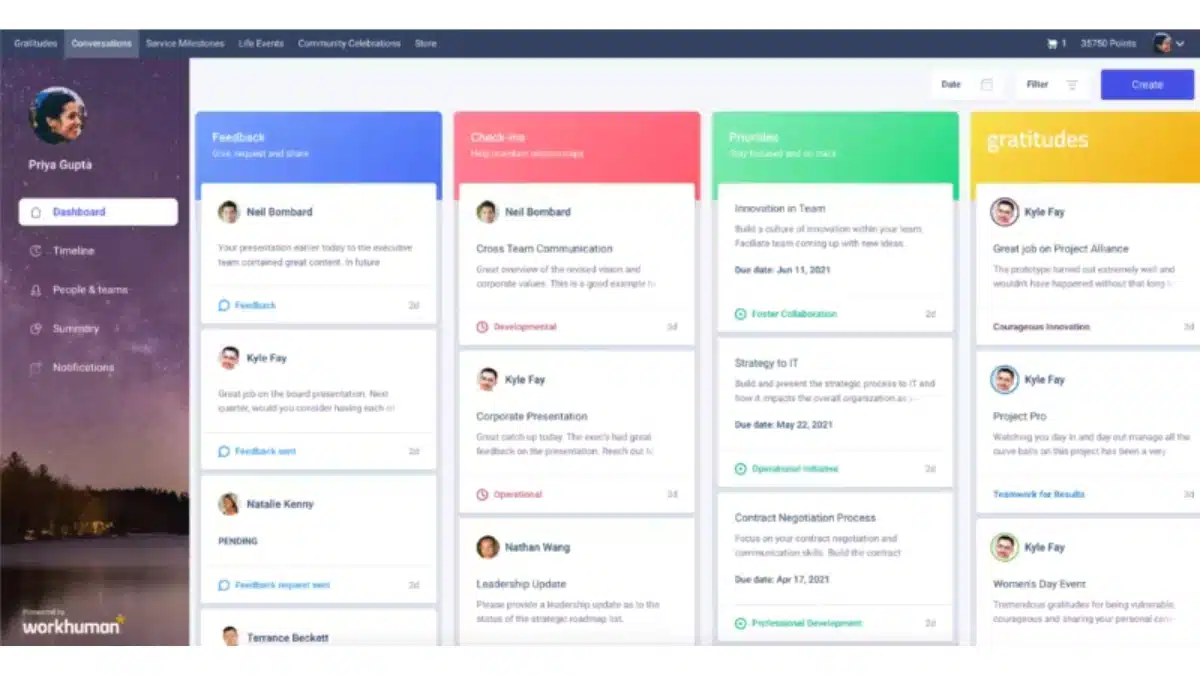
Workhuman Conversations is a performance management platform that blends continuous feedback with recognition and rewards to foster a positive, people-centric work culture. Part of the larger Workhuman suite, it promotes meaningful one-on-ones, peer appreciation, and transparent communication to boost employee motivation and connection.
Why we pick it: Workhuman Conversations integrates performance management with incentive-based programs to boost motivation.
Key Features:
- Continuous check-ins & performance conversations
- Peer recognition & praise
- Feedback tracking & management
- Engagement analytics
- Goal setting & progress tracking
| Pros | Cons |
|
|
12. 15Five
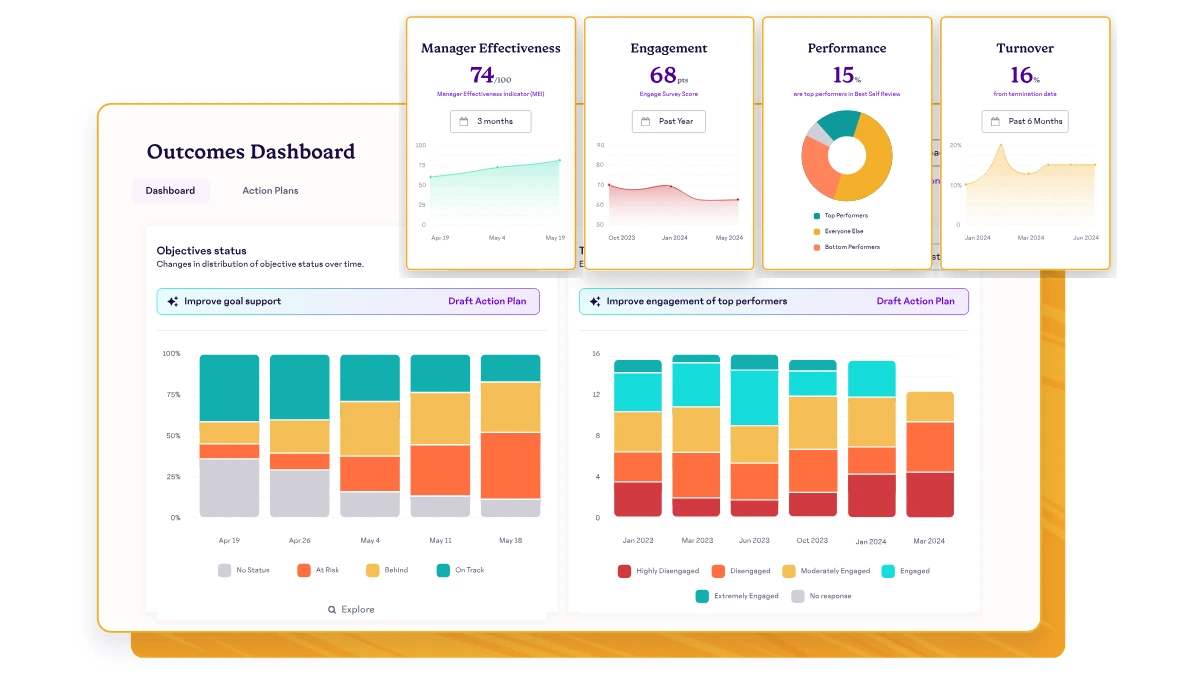
15Five is a performance and engagement platform that enables managers to build high-performing teams through weekly check-ins, OKRs, reviews, and pulse surveys. Designed for simplicity and continuous improvement, it supports goal alignment, employee development, and strong manager coaching capabilities.
Why we chose it: 15Five provides an intuitive performance management solution that emphasizes employee growth and engagement.
Key Features:
- Weekly check-ins & 1-on-1 meetings
- OKRs, goal tracking & alignment
- Engagement, recognition & feedback tools
- Performance reviews & progress tracking
- Career development & growth opportunities
| Pros | Cons |
|
|
13. Paycor
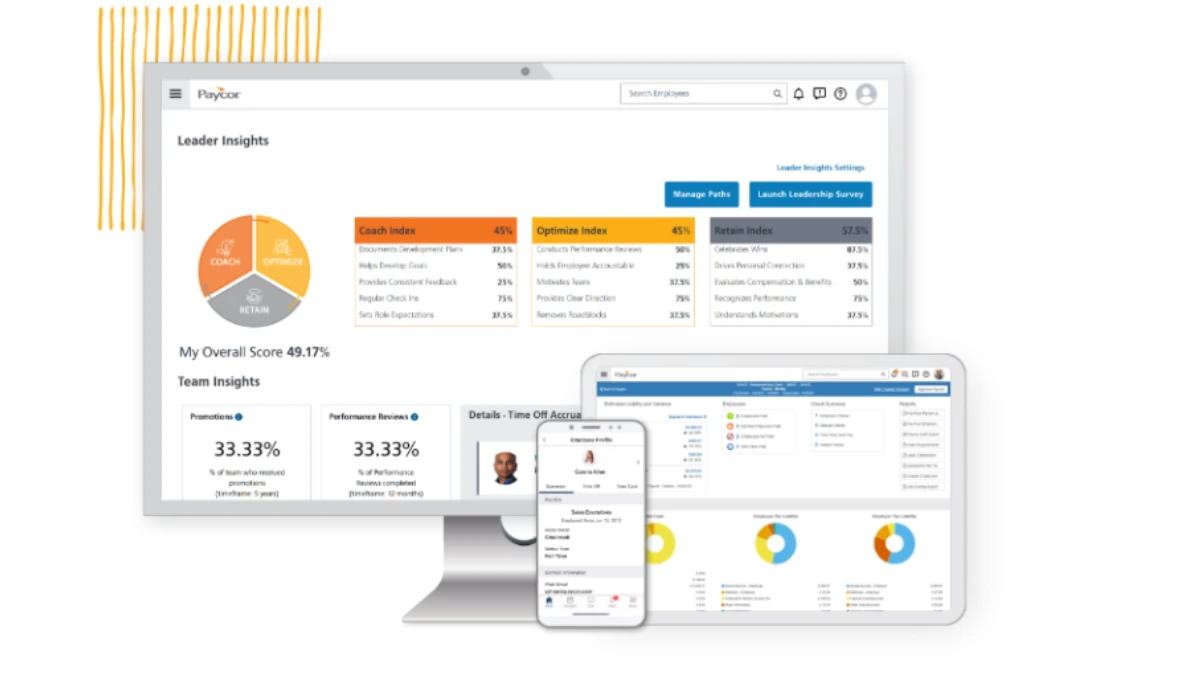
Paycor is an all-in-one HR platform that offers powerful performance management tools to help mid-sized businesses track goals, conduct reviews, and identify top talent. With strong automation, workforce planning, and analytics features, it streamlines the employee lifecycle and aligns HR strategies with business objectives.
Why we pick it: Paycor excels at combining payroll and HR functionalities with robust performance management tools.
Key Features:
- Goal setting, tracking & alignment
- Performance reviews & continuous feedback
- Succession planning
- Talent analytics
- Integrated HR & payroll management
| Pros | Cons |
|
|
14. Peoplebox
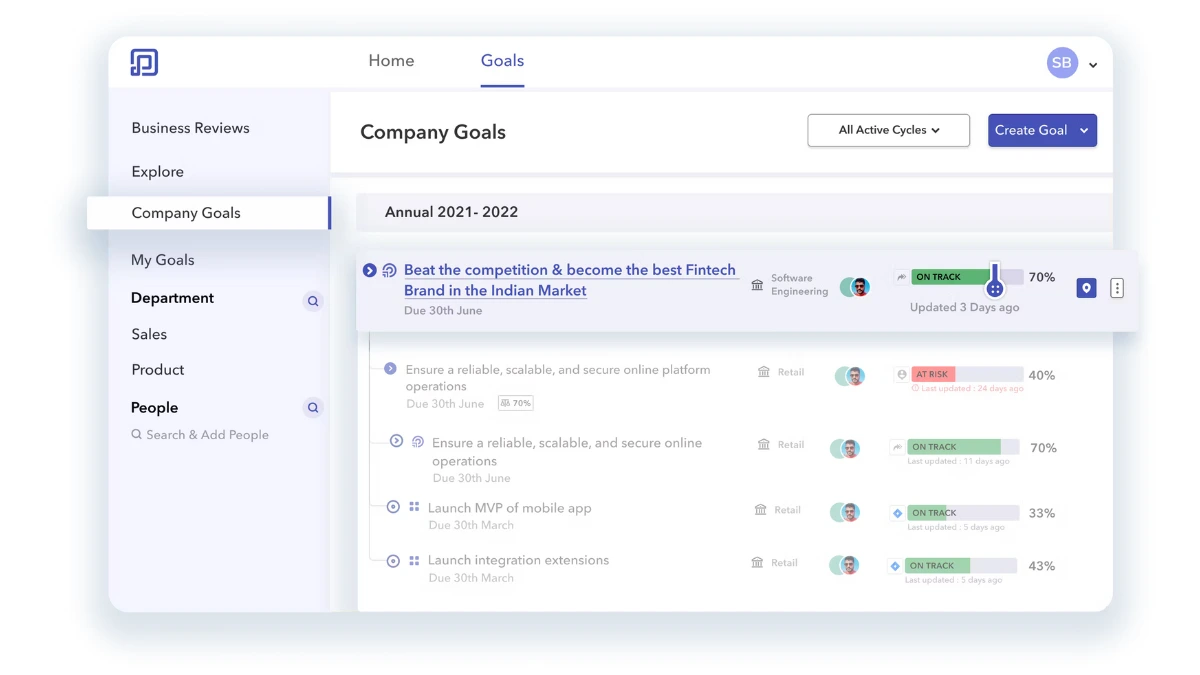
Peoplebox is a performance management platform that combines OKRs, feedback, and performance reviews to align employee efforts with strategic business goals. Designed for simplicity and fast adoption, it offers deep insights and integrates smoothly with tools like Slack and Microsoft Teams, making it ideal for remote and hybrid teams.
Why we pick it: Peoplebox integrates performance management with business intelligence for data-driven insights.
Key Features:
- Goal setting, OKRs & alignment dashboards
- Performance reviews, feedback & coaching tools
- Team check-ins & real-time progress tracking
- Integration with Slack, G Suite & BI tools
- Continuous performance improvement & insights
| Pros | Cons |
|
|
15. ClickUp
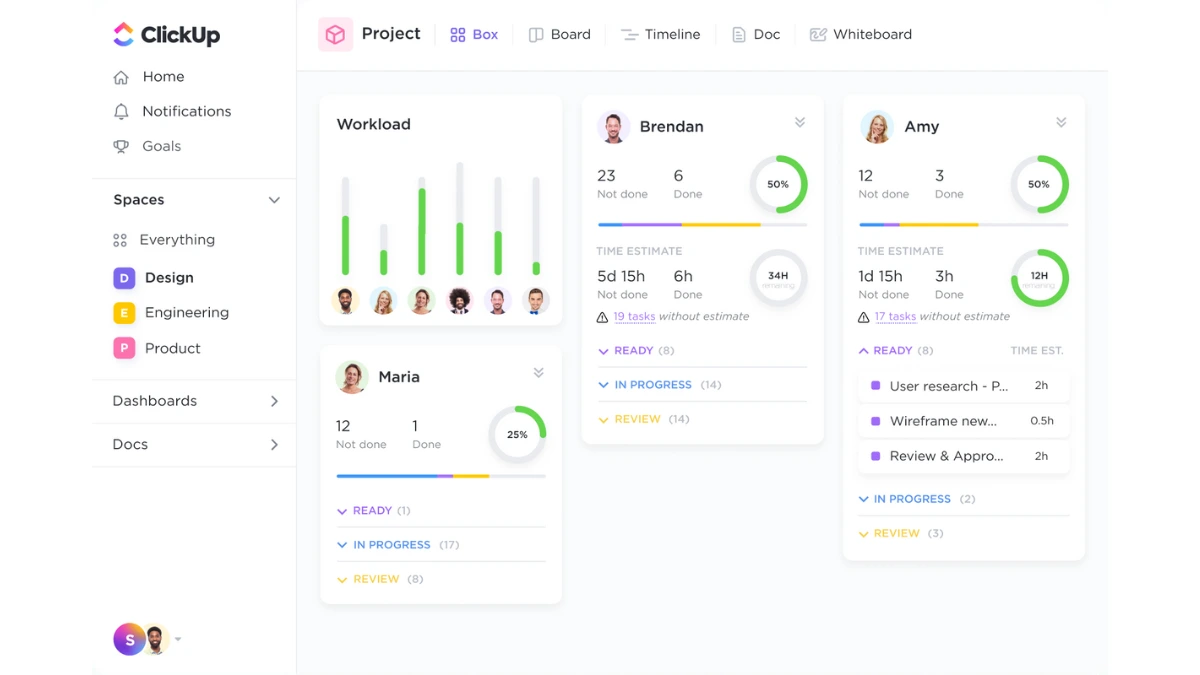
ClickUp is a versatile productivity platform that combines project management with performance tracking. It enables teams to align individual goals with broader project objectives. With features like OKRs, goal tracking, and customizable workflows, it’s ideal for businesses seeking an all-in-one tool, though its performance functions are more general than HR-focused.
Why we chose it: ClickUp integrates project management and performance tracking into a single, versatile platform.
Key Features:
- Goal Alignment & Tracking
- Custom Dashboards & Analytics
- Task Management Linked to Performance
- Ongoing Performance Reviews
- Third-Party Tool Integrations
| Pros | Cons |
|
|
16. AssessTEAM
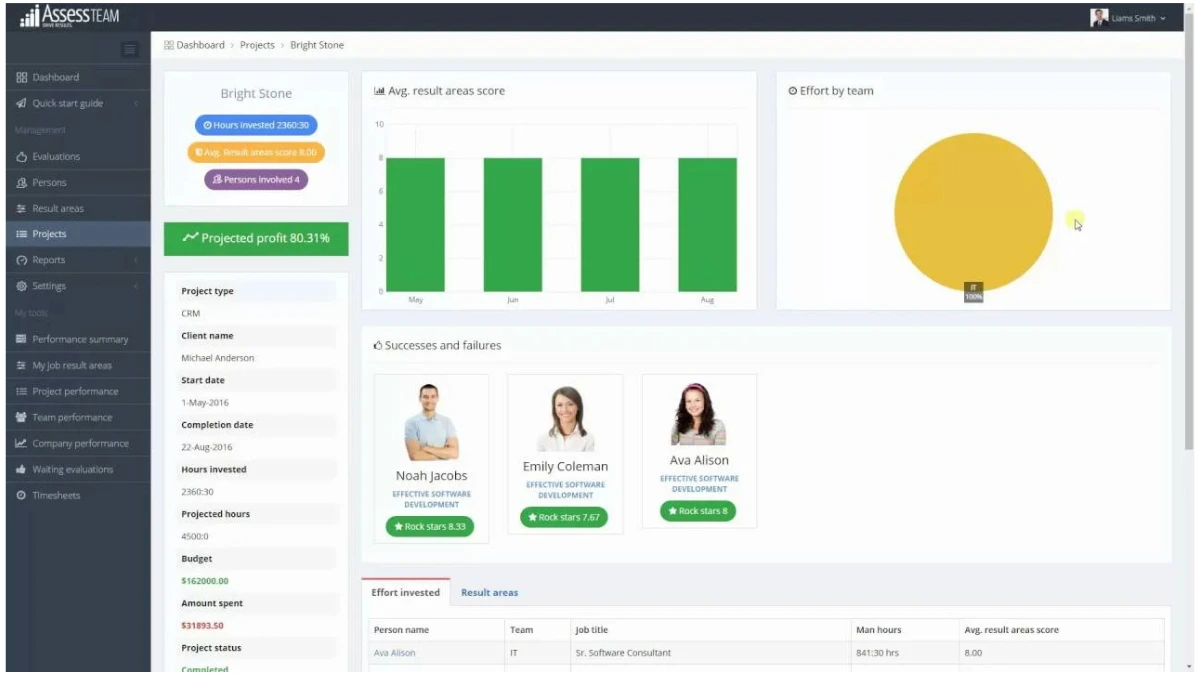
AssessTEAM is a cloud-based performance management tool that uses multi-source feedback and real-time data to provide a balanced view of employee performance. With features like goal tracking, project evaluations, and ROI-focused reporting, it helps managers align individual contributions with business objectives, especially useful for distributed teams.
Why we chose it: AssessTEAM provides a well-rounded solution for collecting feedback from various stakeholders.
Key Features:
- Goal & KPI Monitoring
- Competency-Based & 360° Reviews
- Real-Time Feedback & Insights
- Performance Reports & Analytics
- ROI & Cost Analysis Tools
| Pros | Cons |
|
|
Overall Comparison of the Best Performance Management Tools for Businesses in 2026
| Provider | Connection Quality | Bank Coverage | Ease of Integration | Data Enrichment |
|---|---|---|---|---|
| Hashmicro | ||||
| Leapsome GmbH | ||||
| Workhuman Conversation | ||||
| 15Five | ||||
| Paycor | ||||
| Peoplebox | ||||
| AssessTEAM | ||||
| ClickUp |
How to Choose the Right Performance Tool in Malaysia Without Overpaying
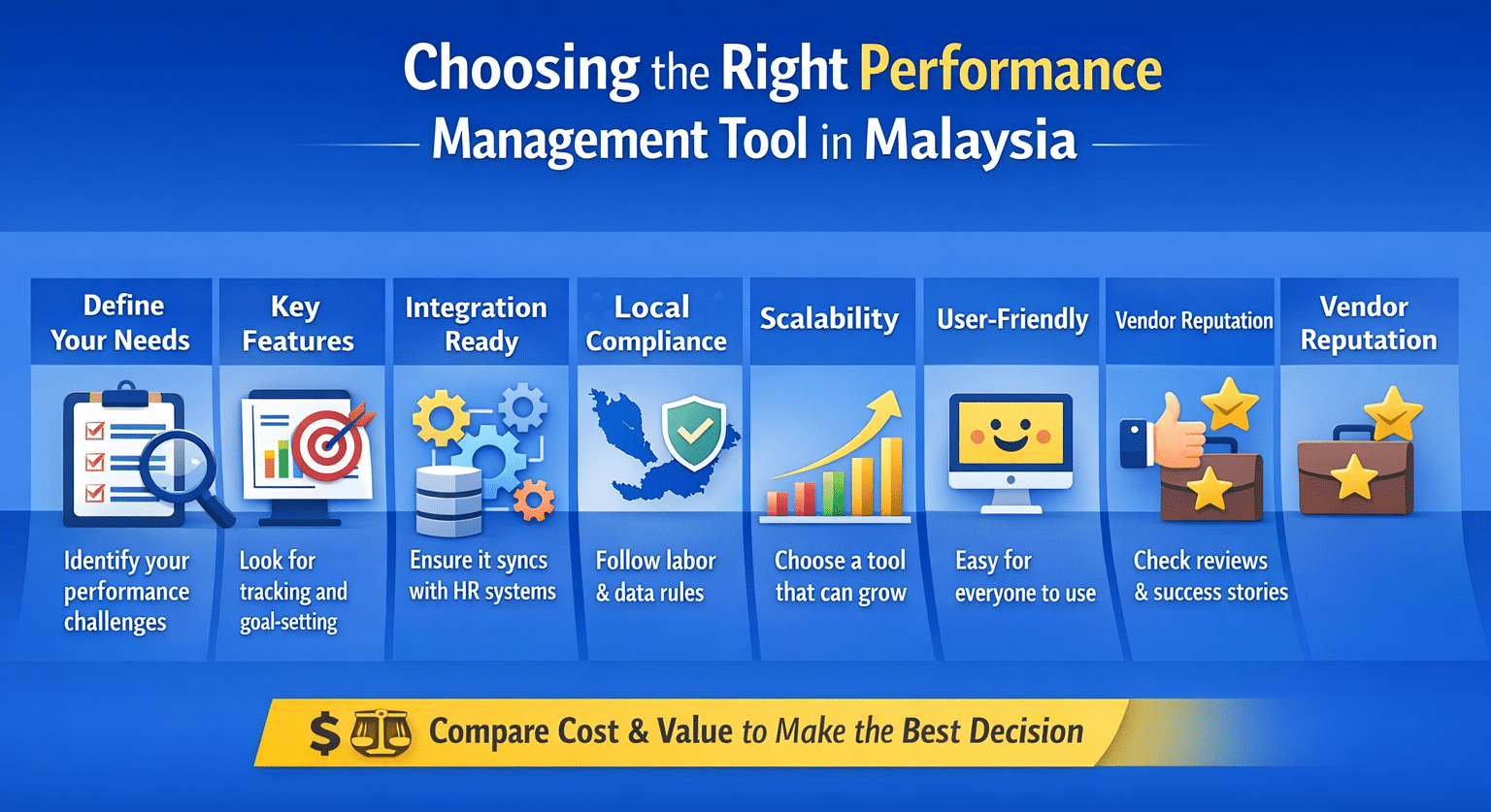
Choosing the right performance management tool ensures long term efficiency and compliance. A poor choice can lead to wasted investment and tools that do not support business needs.
- Identify your organization’s needs: Understand your business’s performance challenges. This will ensure that the chosen performance management system aligns with your goals and workflows.
- Look for core functionalities: Evaluate key features such as real time tracking, goal setting, and intuitive dashboards. The best performance management tools offer a balance of usability and depth.
- Check integration capabilities: Your chosen performance management software should easily integrate with existing HR systems and business applications. Seamless integration avoids data silos and enhances workflow efficiency.
- Ensure local compliance: Corporate performance management tools must comply with local labor and data regulations for businesses in the Malaysia. Choosing a vendor familiar with local standards reduces legal and operational risks.
- Assess scalability: Select a performance management software that grows alongside your business. A scalable solution supports expanding teams, departments, and evolving performance strategies.
- Consider user experience: The system should feel simple to use across payroll and HR workflows. A user-friendly design promotes adoption and consistent usage across teams.
- Research vendor reputation: Before committing, look for case studies, user reviews, and customer success stories. These resources provide real-world insights into how performance management tools function in practice.
- Compare pricing and value: Review pricing structures to ensure they match your budget without sacrificing critical features. A well-priced performance management system delivers both value and functionality.
Conclusion
Performance management tools play a critical role in helping businesses improve employee efficiency and drive goal alignment across teams. By leveraging the right system, organizations can create a more structured, transparent, and results-oriented work environment.
For businesses in Malaysia looking for a more practical way to manage reviews, the right HRM system can support real time feedback, KPI tracking, automated appraisals, and competency evaluations without making the process feel more complicated. When the setup fits your workflow, it becomes much easier to run fairer reviews, support employee growth, and keep performance discussions more consistent over time.
If you are still comparing your options, taking a closer look at a free demo can help you see whether the system fits your team, your review process, and your long term goals.
FAQ About Performance Management Tools
-
What is the main purpose of a performance management tool?
A performance management tool helps you set clearer goals, track progress more consistently, and make feedback easier to act on. Instead of relying on scattered reviews, you get a more structured way to align employee performance with business priorities and support long term development.
-
Are annual performance reviews still enough for growing teams?
Annual reviews can still be useful, but they are often not enough on their own. Many teams now need regular check ins to keep goals relevant, catch issues earlier, and make feedback more useful throughout the year.
-
What features should businesses in Malaysia prioritize first?
Start with features that solve common gaps first, such as goal setting, KPI tracking, feedback tools, reporting, and access control for employee data. If your business is growing, it also helps to choose a system that supports integration and local compliance needs.
-
Why do some performance management systems fail after implementation?
In many cases, the problem is not the system itself but how it is introduced. Adoption often drops when goals are unclear, managers are not ready to give useful feedback, or the process feels like extra admin instead of something that genuinely helps the team improve.