










 Limited to 100 registrants

With Malaysia’s growing economy and increasingly stringent regulations, the need for accurate and efficient financial reporting is higher than ever. Businesses in Malaysia must adopt financial reporting software Malaysia to manage data seamlessly, stay compliant, and save time and resources.
Malaysia’s economy expanded by 5.2% in 2025, with GDP reaching RM2.03 trillion at current prices, according to the Department of Statistics Malaysia. Alongside this growth, the Companies Act 2016 requires companies to prepare financial statements in accordance with approved accounting standards and include subsidiaries in consolidated statements where applicable.
These demands make timely, consistent, and traceable reporting increasingly important for growing Malaysian businesses. That’s where solutions like Financial Reporting Software come in to automate complex reporting tasks, ensuring accuracy, and providing real-time insights to support smarter, data-driven decisions.
Key Takeaways
Financial reporting software is a system that automates and streamlines report creation, improving accuracy, efficiency, and compliance.
There are many options for the top financial reporting in Malaysia. One of them is HashMicro.
Implementing financial reporting software has several benefits, such as enhanced accuracy, efficiency, regulatory compliance, data analysis, and cost savings.
To close these efficiency gaps, here is a look at the top accounting software in Malaysia to help you find the right fit.

What is Financial Reporting Software?
Financial reporting software is a digital tool that automates and streamlines the creation of financial reports. It helps businesses collect, process, and analyze data for accurate, timely statements. Financial reporting software integrates with other systems to ensure consistency and reliability.
The Importance of Using Financial Reporting Software
Using financial reporting software can lead to significant improvements in accuracy, efficiency, and compliance. According to a report by Business Wire, companies that implemented financial business reporting software saw a 25% reduction in the time spent on financial closing activities.
In contrast, not using such software can result in various challenges. Manual reporting processes are prone to errors, time-consuming, and inefficient. This can lead to delayed decision-making and compliance issues.
For instance, a study by the American Productivity & Quality Center found that organizations without automated financial reporting spend 30% more time on these tasks than those with computerized systems. In markets like Malaysia, where many businesses still rely on spreadsheets, adopting financial reporting software can help accelerate monthly closings and improve reporting consistency.
Different Types of Financial Reporting Software
 Financial reporting software comes in various types, each designed to meet specific business needs and reporting requirements. Understanding these automated financial workflows can help you choose the right solution for your organization.
- Standard reporting software These systems offer basic functionalities for generating standard financial reports, such as balance sheets and income statements. They are suitable for smaller businesses or those with straightforward reporting needs.
- Advanced analytical software: This type provides sophisticated analytical tools for multi-level data analysis, financial forecasting, and performance metrics. Ideal for larger businesses that require in-depth insights and detailed reporting and handling multiple valuations like goodwill.
- Integrated financial software: These tools don’t just generate reports. They connect financial reporting with core systems like ERP or CRM, so data from sales, purchasing, and operations flows in automatically instead of being re-entered by the finance team. That integration have many benefits, such as reduces errors, speeds up reporting, and makes it easier to run day-to-day operations with one consistent set of numbers.
- Cloud-based reporting solutions: This financial business reporting software offers remote access and real-time updates, making it ideal for businesses with multiple locations or remote teams. It also provides scalability and flexibility to adapt to changing needs.
- Regulatory compliance software: Designed to ensure adherence to financial regulations, this software helps businesses avoid penalties and maintain accurate, compliant records.
Choosing the right type of financial reporting software depends on your specific needs. This ensures you get the most effective solution for accurate and efficient financial management.
Top Financial Reporting Software Tools in Malaysia
In my experience, finding the right financial reporting software can make a huge difference in how smoothly a financial management. With the right tools, financial tasks become more efficient and less stressful.
Here are some recommended financial reporting software in Malaysia you might want to explore:


Best Because
AI-powered Complete FP&A platform that fully amplifies the Microsoft technology ecosystem with native integrations.
Best Because
Effortlessly simplifies complex accounting tasks

Best Because
It's made accounting less boring with more precise organization of all the numbers
Best Because
Provides real-time visibility into a company's operational and financial performance across all business functions.
"Financial reporting software helps teams consolidate data, automate routine reporting, and monitor key metrics through centralized dashboards. It can be a practical option for businesses that want more consistent reports, faster close cycles, and clearer visibility across financial performance."
Quick Comparison of Best Financial Reporting Software in Malaysia
| Software | Best for | Strength | Malaysia Fit | Key Features |
|---|---|---|---|---|
| HashMicro | Medium to large businesses with multi-entity operations | Integrated financial reporting with broader ERP workflows | Local implementation and support; accounting integration supports SST and e-Invoice workflows | Financial statements, budget comparison, cash-flow reports, financial ratios, bank reconciliation |
| Oracle NetSuite | Enterprises managing multiple entities and currencies | Scalable consolidation and real-time financial visibility | Malaysia reporting requirements depend on configuration and implementation scope | Multi-entity consolidation, multi-currency, dashboards, financial close, audit trail |
| Vena Solutions | Finance teams that rely heavily on Excel | Combines familiar Excel workflows with centralised financial data | No native Malaysia compliance capability publicly stated | Budgeting, forecasting, scenario planning, consolidation, collaborative reporting |
| Xero | SMEs needing cloud-based accounting and reporting | Accessible interface with real-time accounting reports | Available in Malaysia; verify SST, e-Invoice, and supported bank-feed capabilities | Profit and loss, balance sheet, cash flow, bank reconciliation, multi-currency |
| Zoho Books | Growing SMEs using the Zoho ecosystem | Strong accounting automation and ecosystem integration | Malaysia edition supports local tax and e-Invoice workflows; availability depends on plan | Financial reports, invoicing, bank reconciliation, inventory, analytics |
| FreshBooks | Freelancers and service-based small businesses | Simple invoicing, expense, and project-profitability reporting | Available online, but native Malaysian compliance support is not publicly stated | Invoicing, expense tracking, time tracking, profitability reports, payments |
| QuickBooks | Small businesses needing straightforward financial reporting | Broad selection of standard accounting reports and integrations | Global version is available; Malaysian compliance and local bank coverage should be confirmed | Profit and loss, balance sheet, cash flow, expense tracking, bank reconciliation |
| Workiva | Listed companies and regulated enterprises | Connected reporting with strong controls and auditability | Relevant for MFRS, Bursa, and ESG workflows through configuration; native MY templates should be verified | Connected reports, audit trail, disclosure management, ESG reporting, collaboration |
| Datarails | Finance teams combining Excel with FP&A automation | Consolidates spreadsheet data without replacing Excel workflows | No native Malaysia compliance capability publicly stated | Financial consolidation, dashboards, budgeting, forecasting, variance analysis |
| AutoCount Accounting | Daily bookkeeping, accounts receivable, accounts payable | Accessible bookkeeping and essential financial reports | Not recommended for Malaysian businesses because product support focuses on the US and Canada | Invoicing, income and expense tracking, cash-flow reports, basic bookkeeping |
| MYOB | SMEs needing accounting and payroll-related reporting | Established accounting platform with dependable standard reports | Malaysia availability and current localisation should be confirmed; strongest regional focus is ANZ | Financial reports, payroll, invoicing, inventory, multi-currency |
| Zahir Accounting | SMEs requiring basic accounting and business reporting | Straightforward accounting interface and standard financial statements | Primarily focused on Indonesia; Malaysian localisation and support require verification | General ledger, invoicing, inventory, budgeting, financial reports |
| Kashoo | Freelancers and very small businesses | Simple bookkeeping with minimal setup requirements | Internationally accessible, but native SST, MyInvois, and MFRS support is not stated | Income and expense tracking, invoicing, bank connections, basic reports |
| Bukku | Malaysian SMEs needing local cloud accounting | Strong localisation for Malaysian accounting workflows | Local Malaysian platform with SST and e-Invoice support | Accounting reports, SST, e-Invoice, invoicing, bank reconciliation |
| Financio | SMEs needing accessible cloud accounting | Automates routine bookkeeping and financial-report generation | Malaysia-focused packages support local tax and e-Invoice workflows; verify capability by plan | Automated reports, invoicing, expense tracking, dashboards, multi-currency |
| Biztory | Malaysian SMEs moving from spreadsheets | Locally focused accounting automation and business reporting | Supports Malaysian SST and e-Invoice workflows | Financial reports, invoicing, tax calculations, inventory, dashboards |
| SQL Account | Malaysian SMEs and mid-sized businesses | Strong local accounting and statutory functionality | Designed for Malaysian SST, tax, payroll, and e-Invoice requirements | General ledger, financial reports, SST, e-Invoice, inventory integration |
| Phocas | Mid-sized companies needing financial analytics | Combines financial reporting with accessible business intelligence | Available as a global analytics platform; native Malaysian compliance is not stated | Dashboards, financial statements, budgeting, forecasting, variance analysis |
| insightsoftware | Mid-sized and large companies using multiple ERP systems | Extensive ERP connectivity and flexible financial reporting | Can support MFRS-oriented reporting through configuration; local templates should be verified | ERP-connected reporting, consolidation, budgeting, dashboards, data integration |
| Xledger | Multi-entity and international organisations | international organisations Automated cloud accounting with strong consolidation capabilities | Global platform; native SST, MyInvois, and Malaysian filing support are not publicly stated | Multi-entity consolidation, intercompany processing, multi-currency, workflows, analytics |
20 Best Financial Reporting Software in Malaysia for Businesses
Now that we understand financial business reporting software and its numerous benefits for businesses, it is crucial to choose the right solution to meet your specific needs.
This section will explore the 20 best financial reporting software options available in Malaysia, helping you make an informed decision.
- HashMicro Financial Reporting Software Feature-rich and compliant, but may be too advanced.
- Oracle NetSuite streamlines finances with automation and real-time insights.
- Vena Solutions automates reporting and integrates with collaboration tools.
- Xero Accounting cloud-based software with real-time tools.
- Zoho Books offers automated bookkeeping and integrations
- FreshBooks user-friendly software with automation and expense tracking.
- QuickBooks simplifies accounting with automation and real-time insights
- Workiva automates compliance and reporting with real-time integration.
- Datarails consolidates data for real-time insights and better reporting efficiency.
- AutoCount Accounting manage financial reports through a locally supported accounting platform.
- MYOB streamlines finances with automation and multi-currency tax support.
- Zahir Accounting simplifies SME accounting with invoicing and reporting.
- Kashoo intuitive platform for invoicing, expense tracking, and financial insights.
- Bukku Accounting Provides automated reports, tax tools, and scalability.
- Financio delivers real-time financial tracking and customizable dashboards for SMEs.
- Biztory delivers automated reports, tax compliance, and real-time insights.
- SQL Account simplifies finances with real-time reporting and tax compliance.
- Phocas offers data visualization, real-time analytics, and seamless integration.
- InsightSoftware provides automated reporting and real-time financial insights.
- Xledger is a cloud-based system with automated processes and multi-currency support.
1. HashMicro Financial Reporting Software
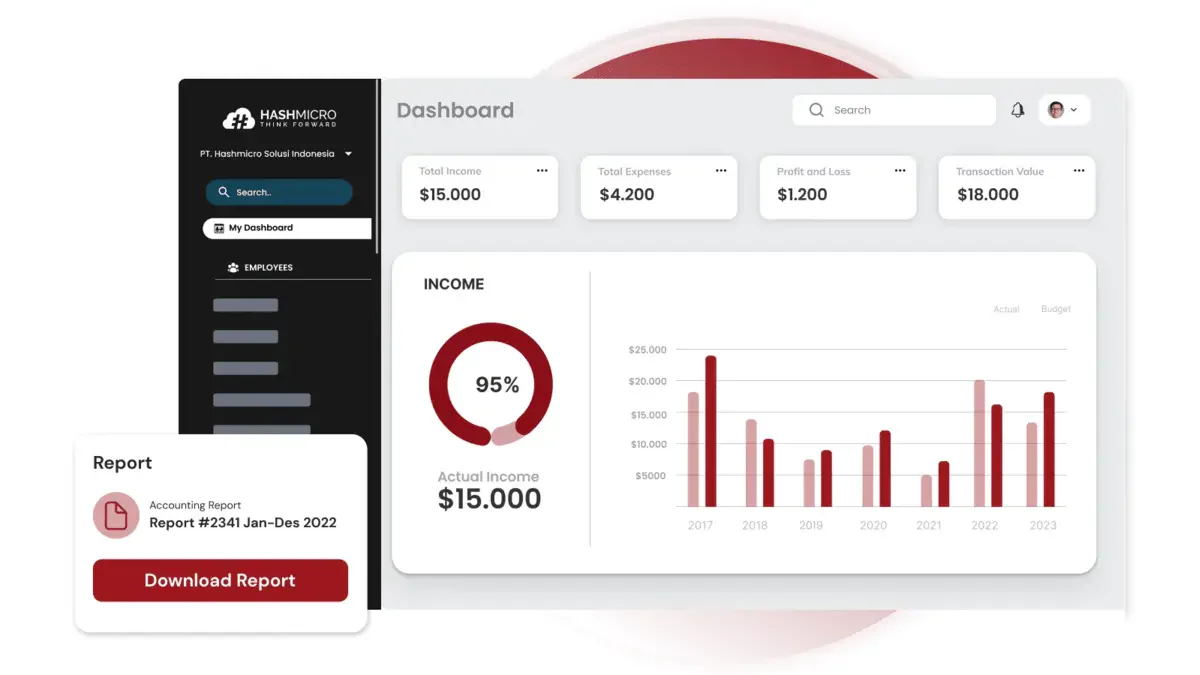
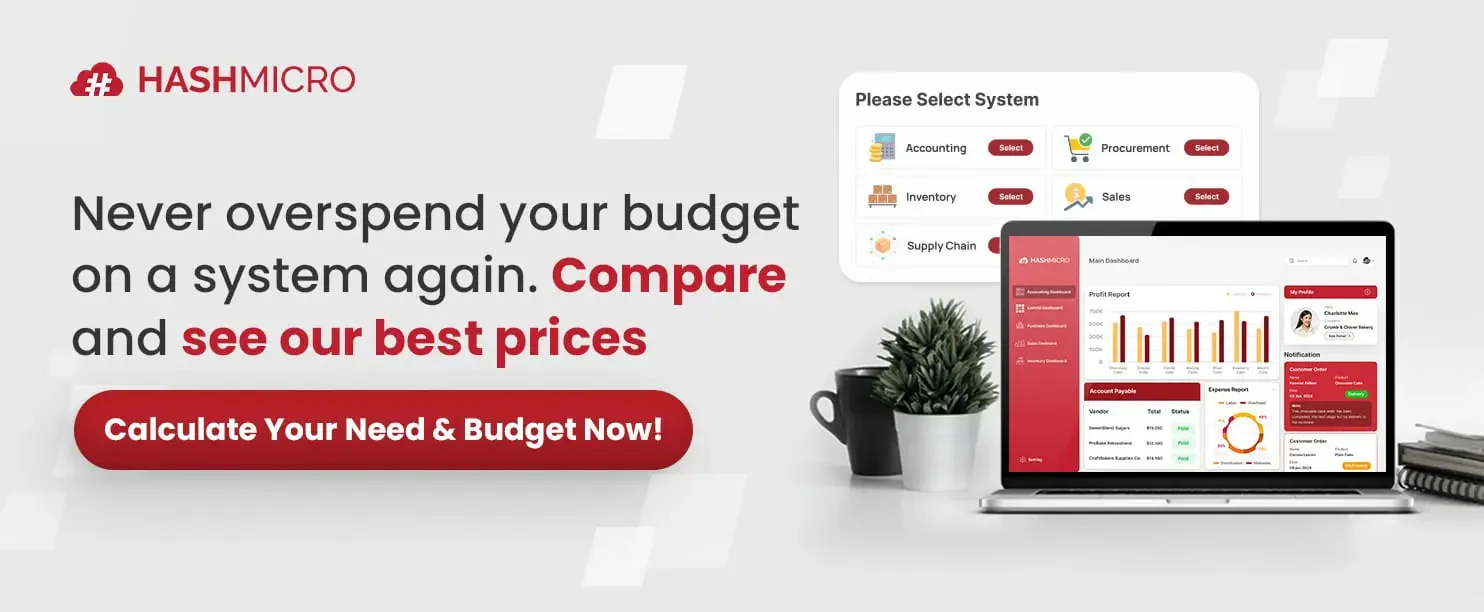
HashMicro is the best financial reporting software in Malaysia due to its comprehensive features and proven reliability. Businesses choose HashMicro for its real-time financial insights, seamless integration capabilities, and robust compliance with local regulations.
If you’re having trouble creating a financial report, a free demo offer lets you try HashMicro’s software and experience its benefits firsthand. This offer allows you to assess the software’s impact on efficiency and accuracy without any initial investment, making it a risk-free decision.
HashMicro financial reporting software is the best option due to its advanced features and seamless integration capabilities. Its user-friendly interface and real-time analytics provide businesses with accurate, up-to-date financial insights that drive strategic decision-making.
By automating complex financial processes, HashMicro ensures compliance with local regulations and reduces the risk of errors. The software integrates effortlessly with existing systems, streamlining operations and enhancing overall efficiency.
Key features:
- Automatic bank reconciliation:
- Multi-level analytical reporting by branch, department, or project
- Profit and loss vs. budget and forecast
- Cash flow reports
- Financial ratio
- Financial statement with budget comparison
- Forecast budget
| Pros | Cons |
|
|
Why this suits Malaysian business: HashMicro is a cloud-based system tailored for SST and MFRS compliance. It unifies multi-entity data to ensure reporting accuracy across branches, supported by dedicated local experts in Malaysia.
Having explored HashMicro Financial Reporting Software’s essential features, strengths, and weaknesses, it stands out as a top choice.
Download their price scheme to fully appreciate its value and see how it fits within your budget. This is an excellent business opportunity to enhance financial management with a cost-effective, high-quality solution.
2. Oracle NetSuite
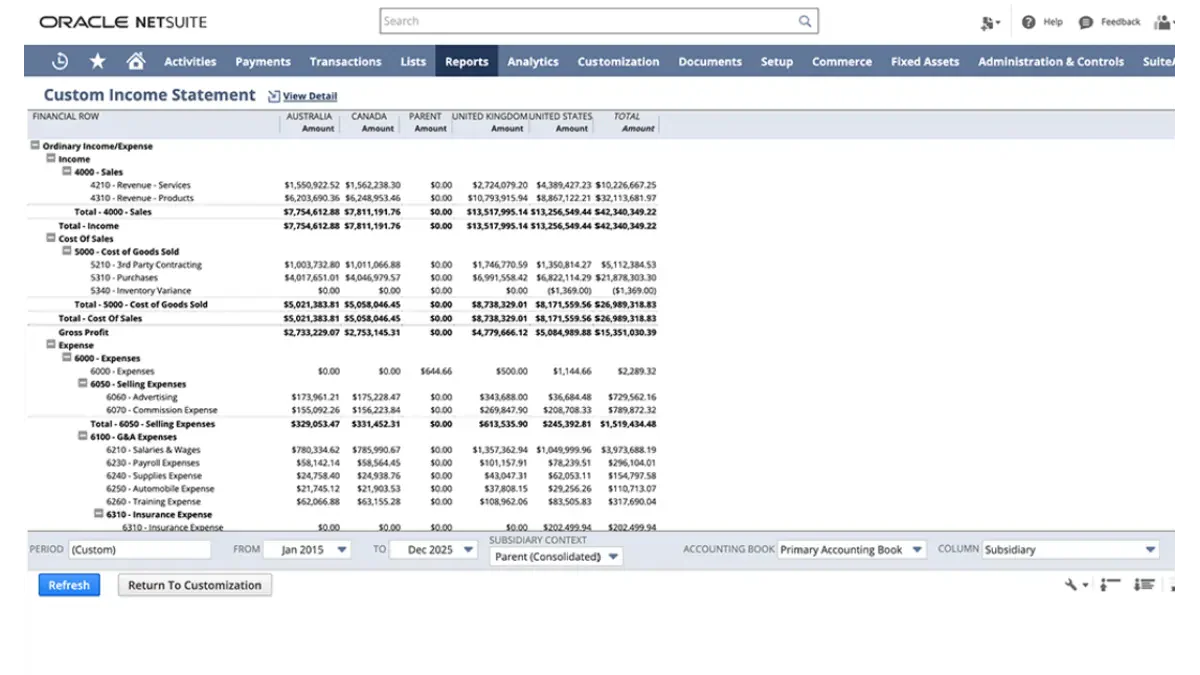
Oracle NetSuite is automated financial reporting software designed to streamline business processes and enhance financial transparency. Businesses should use it for its robust capabilities in automating financial operations.
With its cloud-based architecture, Oracle NetSuite ensures scalability and flexibility, making it an ideal solution for growing enterprises looking to optimize their financial management.
Key features:
- Automated financial processes
- Real-time financial insights
- Multi-currency support
- Compliance management
- Integration capabilities
| Pros | Cons |
|
|
Why this suits Malaysian business: Oracle NetSuite excels in multi-entity and multi-currency consolidation for regional expansion. It aligns with MFRS standards, providing a scalable cloud environment to maintain financial transparency across complex operations in Malaysia.
3. Vena
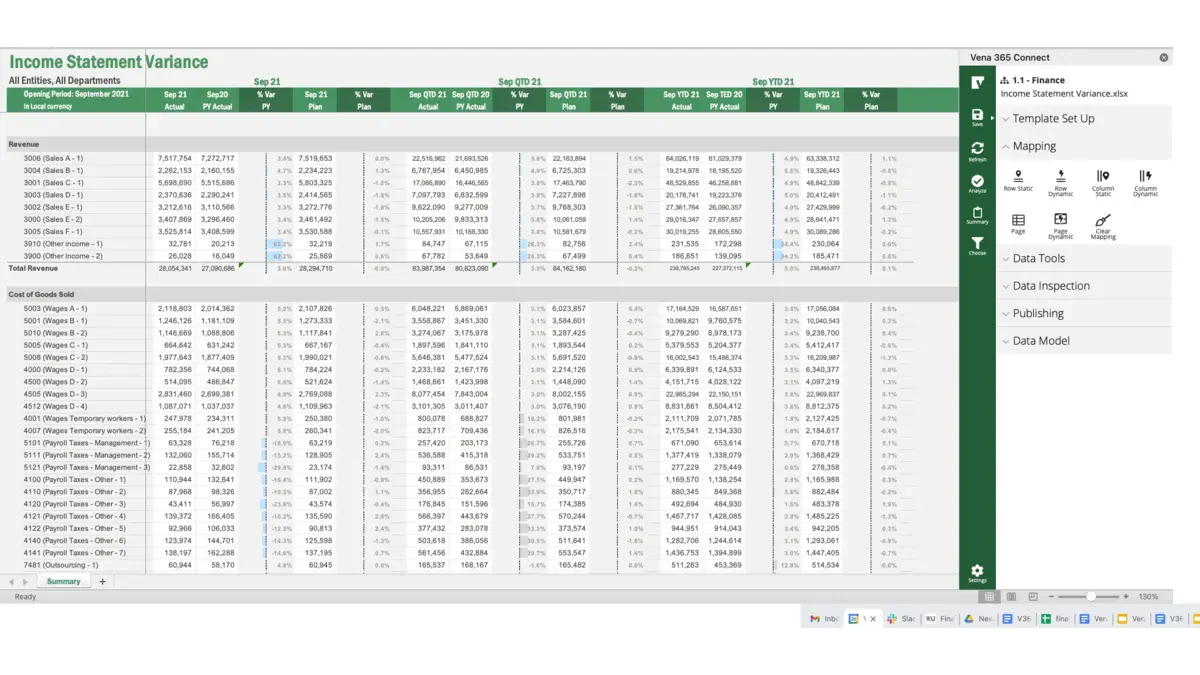
Vena Solutions is a comprehensive financial reporting software Malaysia that streamlines and automates your financial processes, enabling more accurate and efficient reporting. This software offers a robust platform that integrates with your existing systems.
By using Vena Solutions, businesses can significantly reduce manual tasks, improve data accuracy, and foster collaboration across departments, ensuring a more agile and responsive financial management process.
Key features:
- Excel interface integration
- Automated reporting
- Scenario planning
- Real-time data access
- Collaborative workflow
| Pros | Cons |
|
|
Why this suits Malaysian business: Vena combines a familiar Excel-based interface with centralized data to ensure MFRS integrity. It simplifies multi-entity consolidation and planning, helping Malaysian leaders shift from manual reconciliation to strategic growth.
4. Xero
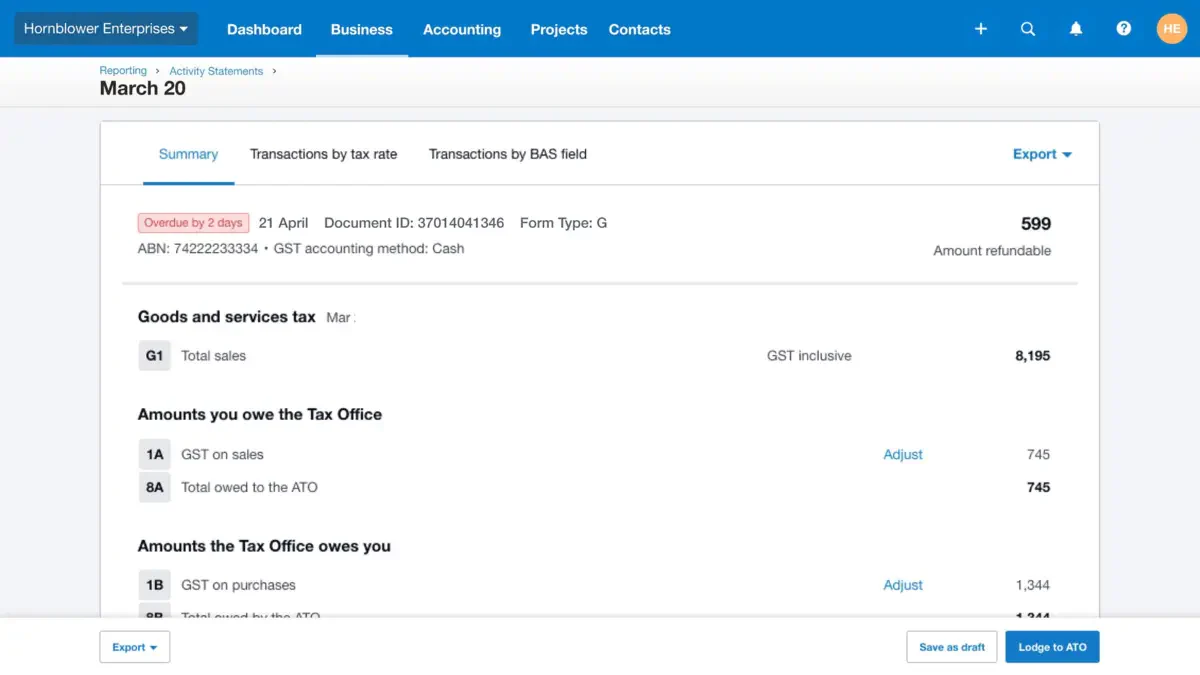
Xero Accounting is a comprehensive online financial platform software designed to streamline and simplify accounting processes for businesses of all sizes. By utilizing Xero, companies can efficiently manage their finances, ensure compliance, and gain valuable insights.
With its cloud-based platform, Xero offers real-time access to financial data, enabling business owners and accountants to make informed decisions and stay ahead in a competitive market.
Key features:
- Real-time financial reporting
- Automatic bank reconciliation
- Invoice management
- Expense management
- Multi-currency support
| Pros | Cons |
|
|
Why this suits Malaysian business: Xero automates local bank feeds and SST reporting for seamless compliance. It provides real-time cash flow visibility, allowing Malaysian businesses to maintain financial accuracy with minimal manual effort.
5. Zoho
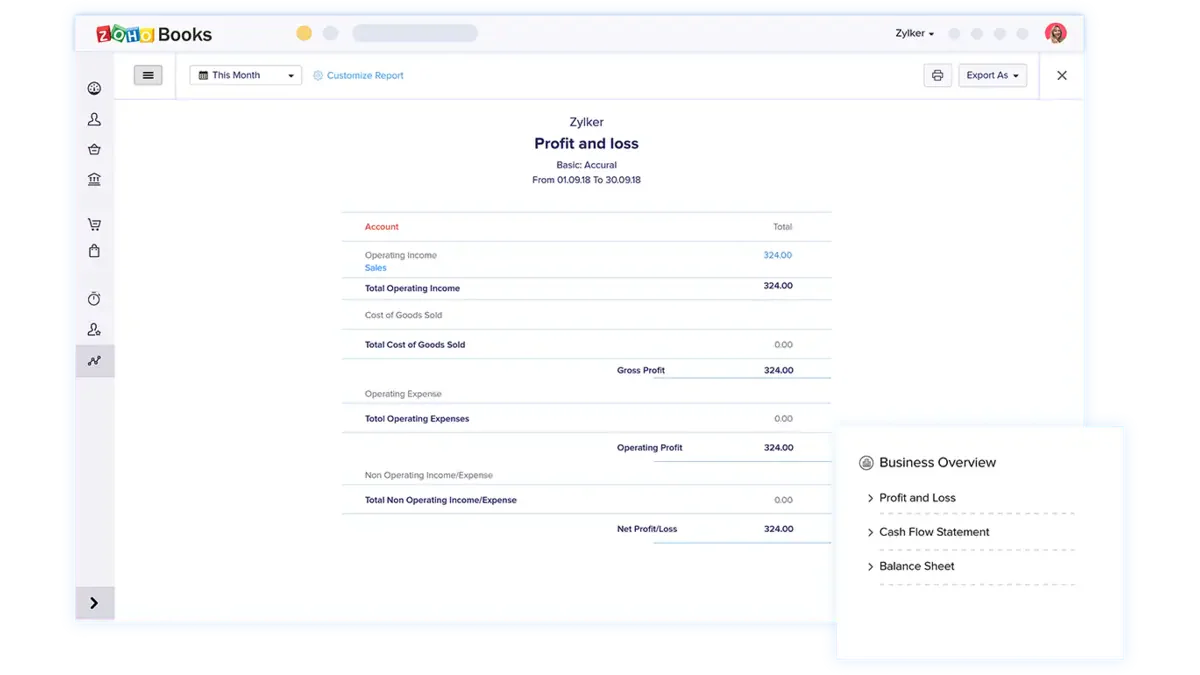
Zoho Books is intuitive bookkeeping software designed to streamline your business’s accounting processes. As one of the top financial reporting software companies, it offers comprehensive invoicing, expense tracking, inventory management, and financial reporting tools.
Its user-friendly interface and integration capabilities make it ideal for businesses seeking to improve financial transparency and decision-making.
Key features:
- Real-time financial reporting and analytics
- Automated bank feeds and reconciliation
- Customizable invoicing and payment reminders
- Inventory management and control
- Multi-currency transactions and compliance
| Pros | Cons |
|
|
Why this suits Malaysian business: Zoho automates SST compliance and local bank feeds for simplified tax reporting. Its integrated cloud ecosystem ensures real-time financial oversight, allowing Malaysian enterprises to manage multi-entity data with high accuracy and efficiency.
6. FreshBooks
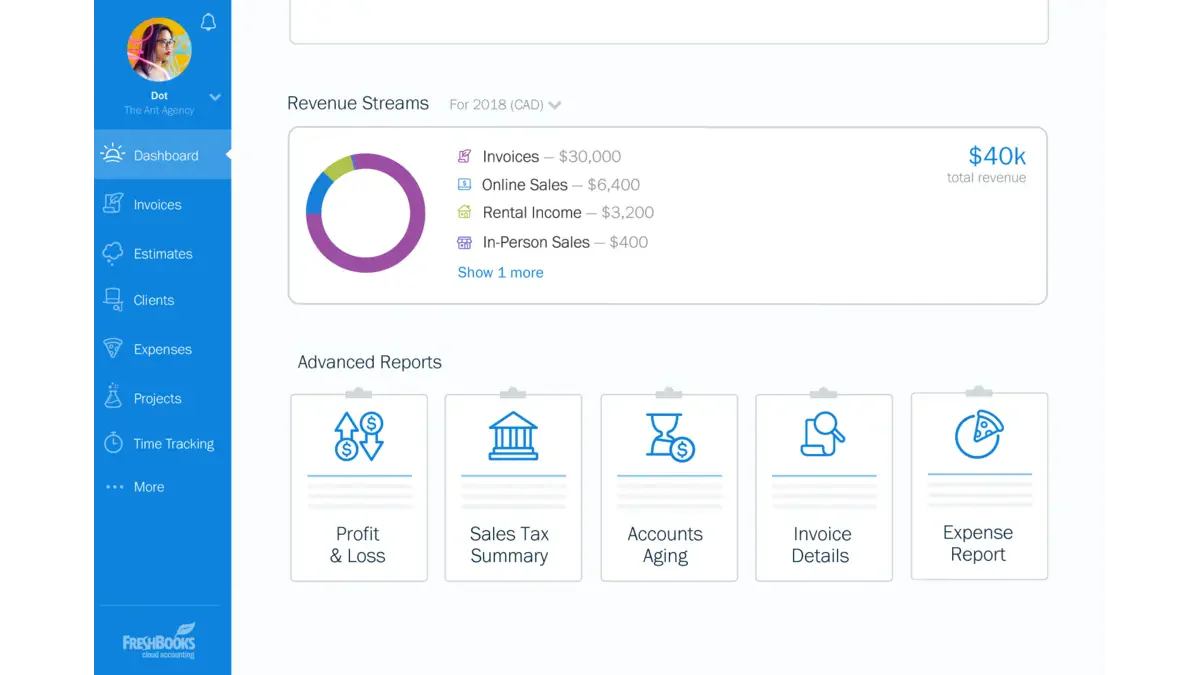
FreshBooks is intuitive financial reporting software designed for small—to medium-sized businesses, freelancers, and service-based professionals. Its user-friendly interface and comprehensive features make it easy to manage finances and generate detailed financial reports.
By using FreshBooks, businesses can streamline their accounting processes, save time on administrative tasks, and focus on growth and client satisfaction.
Key features:
- Automated invoicing
- Expense tracking
- Time tracking
- Financial reports
- Multi-currency billing
| Pros | Cons |
|
|
Why this suits Malaysian business: FreshBooks automates invoicing and expense tracking. It provides real-time project profitability insights, allowing Malaysian businesses to maintain financial accuracy with minimal manual effort.
7. Intuit
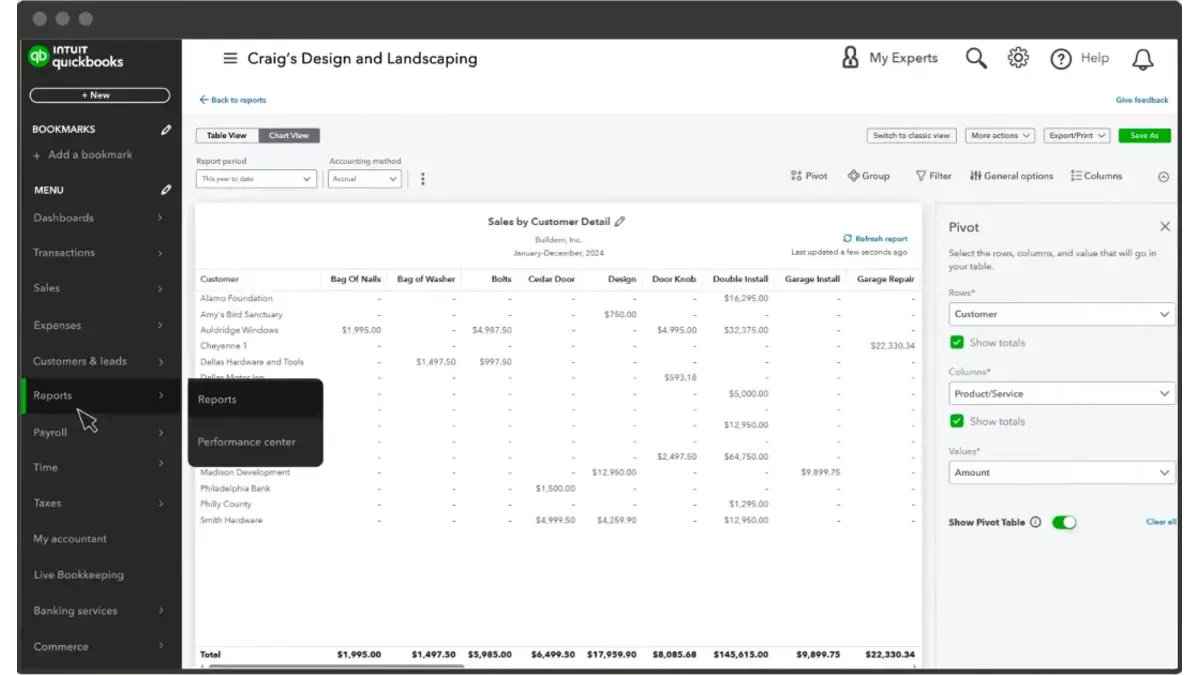
Intuit QuickBooks is a comprehensive financial reporting software designed to streamline accounting processes for small—to medium-sized businesses. With its user-friendly interface and powerful features, QuickBooks helps companies manage their finances efficiently.
Using QuickBooks, businesses can save time on administrative tasks, maintain financial accuracy, and gain valuable insights to make informed decisions.
Key features:
- Automated invoicing
- Expense tracking
- Real-time financial reporting
- Integration with bank accounts
- Payroll management
| Pros | Cons |
|
|
Why this suits Malaysian business: Intuit automates SST-compliant reporting and local bank feeds for real-time accuracy. It provides immediate financial clarity, allowing Malaysian businesses to manage tax obligations and cash flow with minimal manual intervention.
8. Workiva
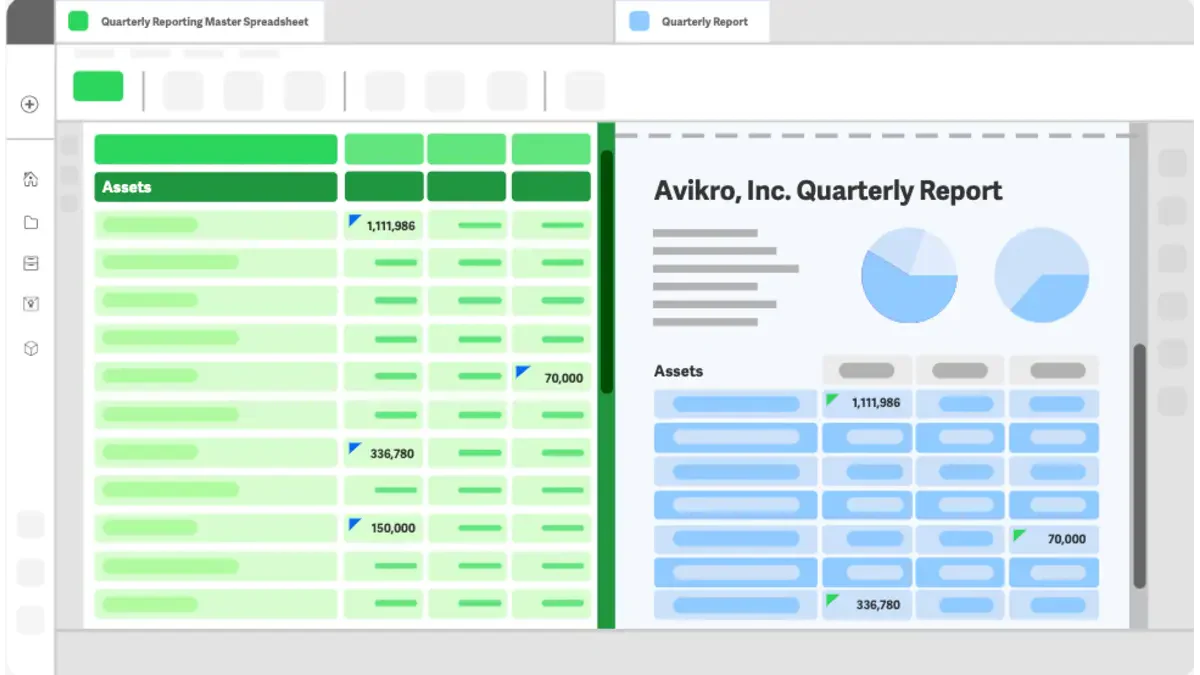
Workiva is a leading financial reporting software that streamlines complex financial processes and ensures compliance with regulatory requirements. This software integrates data from various sources to provide a unified and reliable financial reporting system.
Businesses should use Workiva to reduce manual errors, improve collaboration, and comply with evolving regulatory standards.
Key features:
- Automated data integration
- Real-time collaboration
- Compliance management
- Audit trail
- Dynamic reporting
| Pros | Cons |
|
|
Why this suits Malaysian business: Workiva unifies financial and ESG reporting to meet Bursa Malaysia and MFRS standards. It ensures audit-ready accuracy through automated data integration, allowing Malaysian leaders to focus on strategic growth rather than manual formatting.
9. Datarails
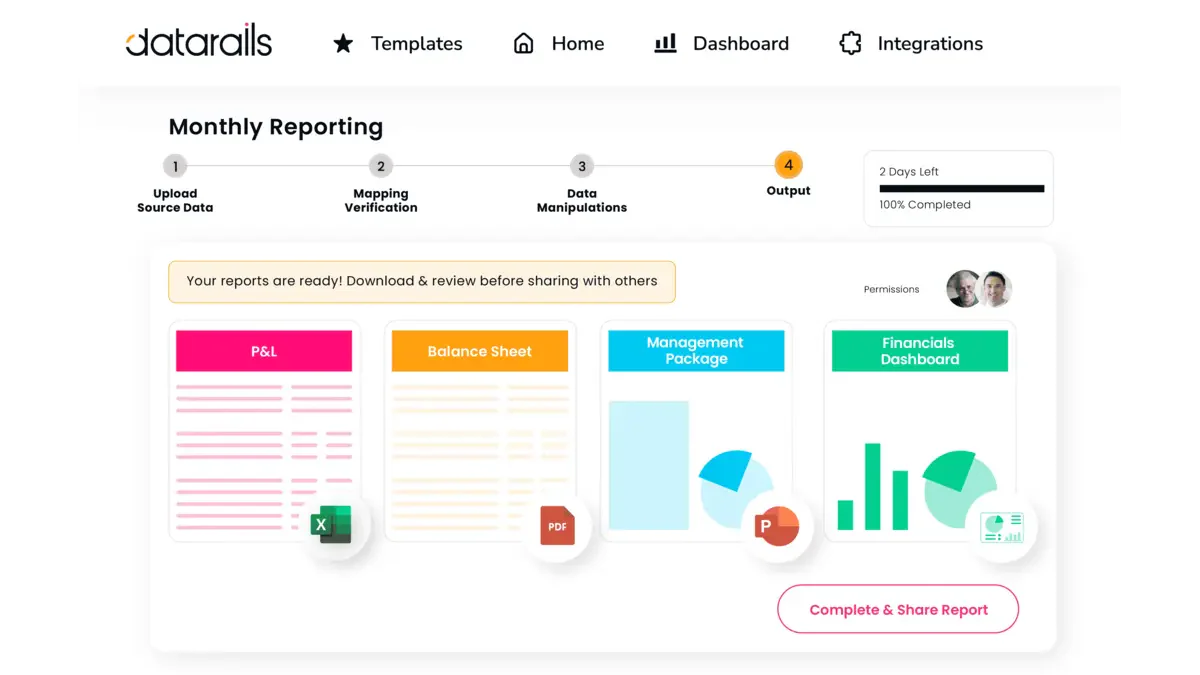
Datarails is an advanced financial reporting software designed to streamline the financial reporting process for businesses of all sizes. By leveraging its powerful data integration capabilities, Datarails allows organizations to consolidate financial data from multiple sources.
This software is ideal for companies looking to enhance their financial decision-making and reporting efficiency by ensuring accuracy and real-time insights.
Key features:
- Data integration
- Automated consolidation
- Customizable dashboards
- Collaboration tools
- Scenario analysis
| Pros | Cons |
|
|
Why this suits Malaysian business: Datarails automates multi-entity consolidation while maintaining a familiar Excel-based workflow for MFRS compliance. It ensures reporting integrity and real-time visibility, allowing Malaysian leaders to focus on strategic analysis instead of manual data collection.
10. AutoCount Accounting
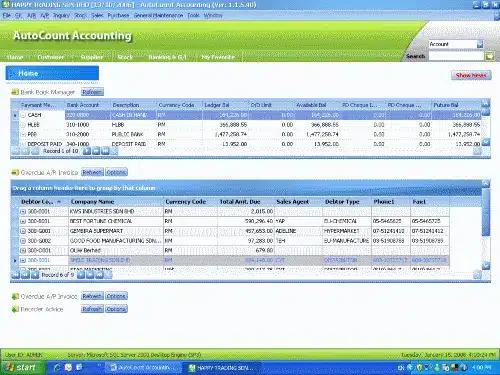
AutoCount Accounting is a Malaysia-focused accounting and financial reporting software designed for SMEs that need stronger local compliance, invoicing, inventory, and reporting control. It helps businesses manage daily bookkeeping, accounts receivable, accounts payable, SST, and LHDN e-Invoice processes in one accounting platform.
Businesses should use AutoCount Accounting to improve reporting accuracy, manage tax-related records, and connect financial data with sales, purchasing, and inventory activities. It is especially useful for companies that need a local accounting system with Malaysia-ready features instead of a generic global bookkeeping tool.
Key features:
LHDN e-Invoice support
Multi-user access and audit trail
Accounts receivable and payable
Inventory and accounting integration
Financial statements and management reports
| Pros | Cons |
|
|
Why this suits Malaysian business: AutoCount support for SST, LHDN e-Invoice, invoicing, financial reporting, tax records, and inventory-linked accounting.
11. MYOB
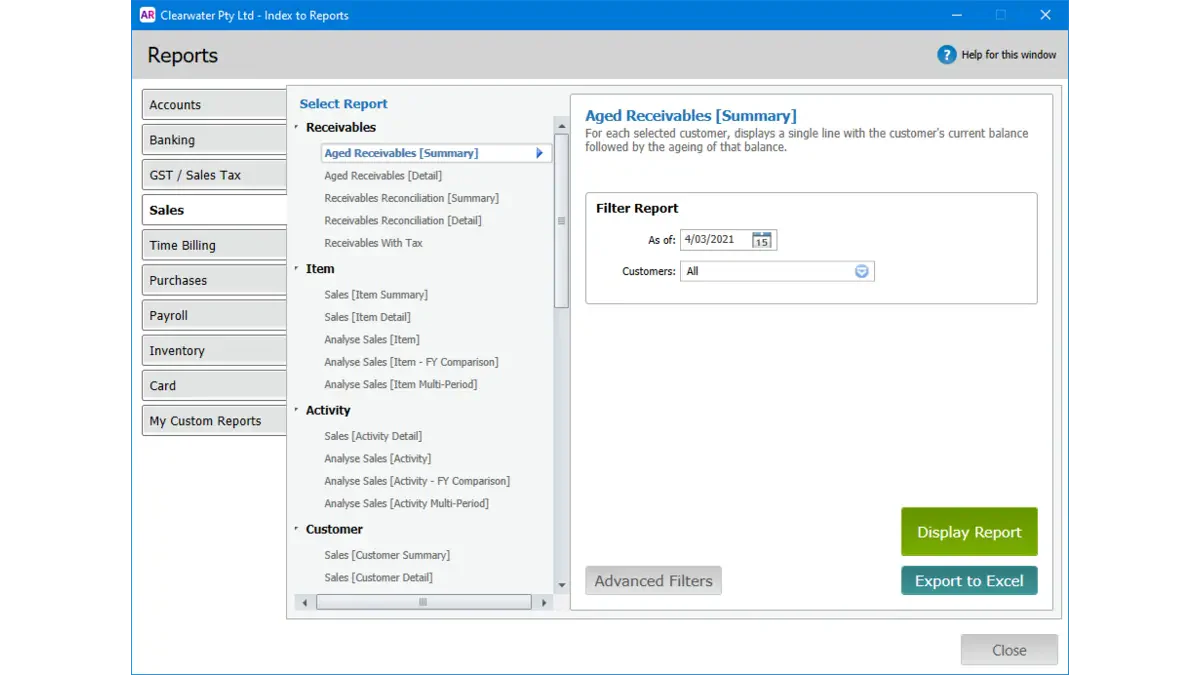
MYOB Financial Reporting Software is a comprehensive business solution streamlining financial management processes. It offers an intuitive platform that ensures accurate and efficient reporting.
By using MYOB, businesses can save time on manual bookkeeping, reduce errors, and focus on strategic growth. It also helps companies to stay compliant and make informed financial decisions.
Key features:
- Automated financial reports
- Tax compliance tools
- Real-time data access
- Customizable dashboards
- Multi-currency support
| Pros | Cons |
|
|
Why this suits Malaysian business: MYOB automates SST and MFRS compliance through its localized financial features. It simplifies multi-entity and multi-currency reporting, ensuring real-time visibility for Malaysian businesses managing growth across the region.
12. Zahir
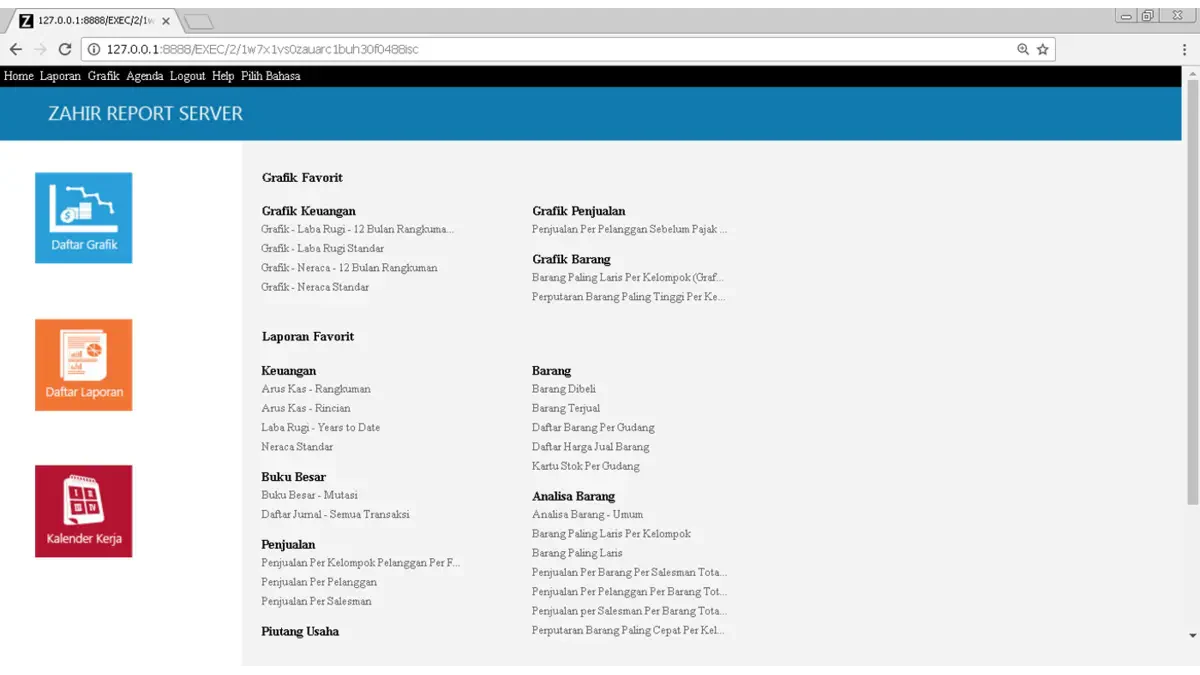
Zahir Accounting is comprehensive financial reporting software designed to streamline and simplify your business’s economic management. It enables companies to automate complex accounting tasks, improve accuracy, and gain valuable insights.
Ideal for SMEs, this software ensures efficient financial reporting, helping you make informed business decisions and maintain compliance with regulatory standards.
Key features:
- Real-time financial reporting and analysis
- Automated invoice generation and management
- Integrated tax calculation and reporting
- Comprehensive budgeting and forecasting tools
- Multi-currency support and conversion
| Pros | Cons |
|
|
Why this suits Malaysian business: Zahir automates SST-compliant reporting through an intuitive, visual interface. It simplifies inventory and multi-branch tracking, providing real-time financial clarity for Malaysian businesses seeking a localized and user-friendly system.
13. Kashoo
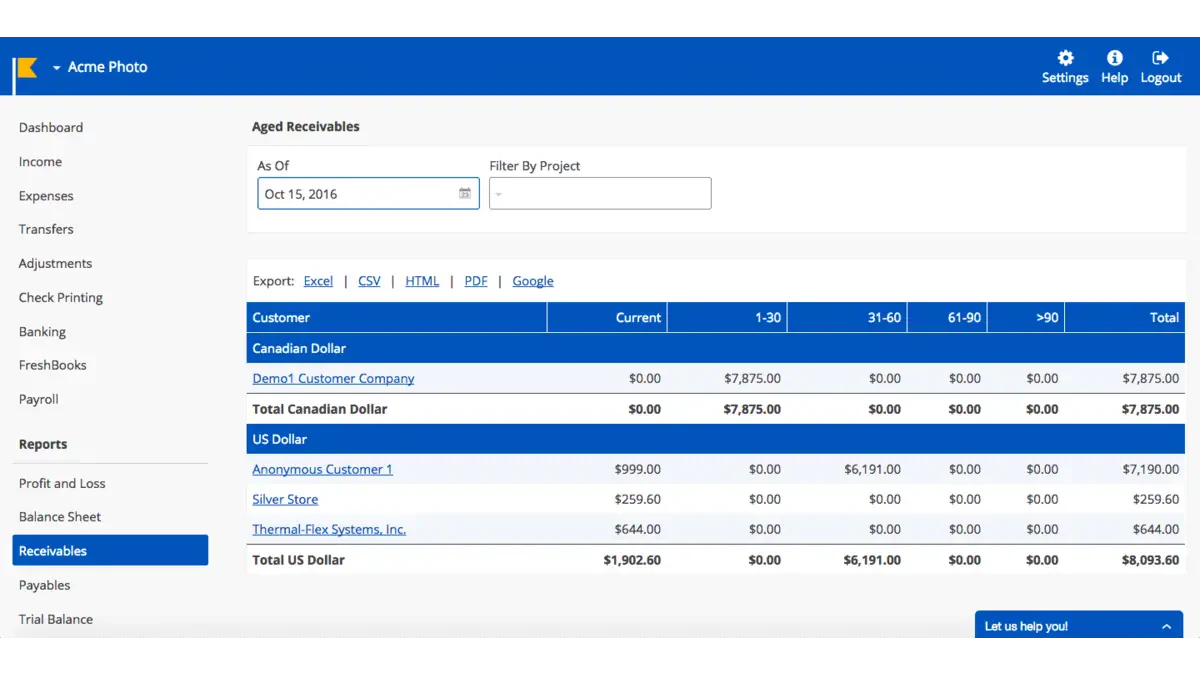
Kashoo is a user-friendly financial reporting software designed to simplify accounting tasks for small businesses and freelancers. It offers an intuitive interface that streamlines invoicing, expense tracking, and financial reporting.
By using Kashoo, businesses can save time on bookkeeping, ensure compliance with tax regulations, and gain valuable insights into their financial health.
Key features:
- Real-time financial reporting
- Automated invoicing
- Expense tracking
- Automatic bank reconciliation
- Multi-currency support
| Pros | Cons |
|
|
Why this suits Malaysian business: Kashoo automates SST-compliant bookkeeping and bank reconciliation. It provides real-time financial clarity, allowing Malaysian SMEs to maintain reporting accuracy with a focus on simplicity and minimal manual effort.
14. Bukku
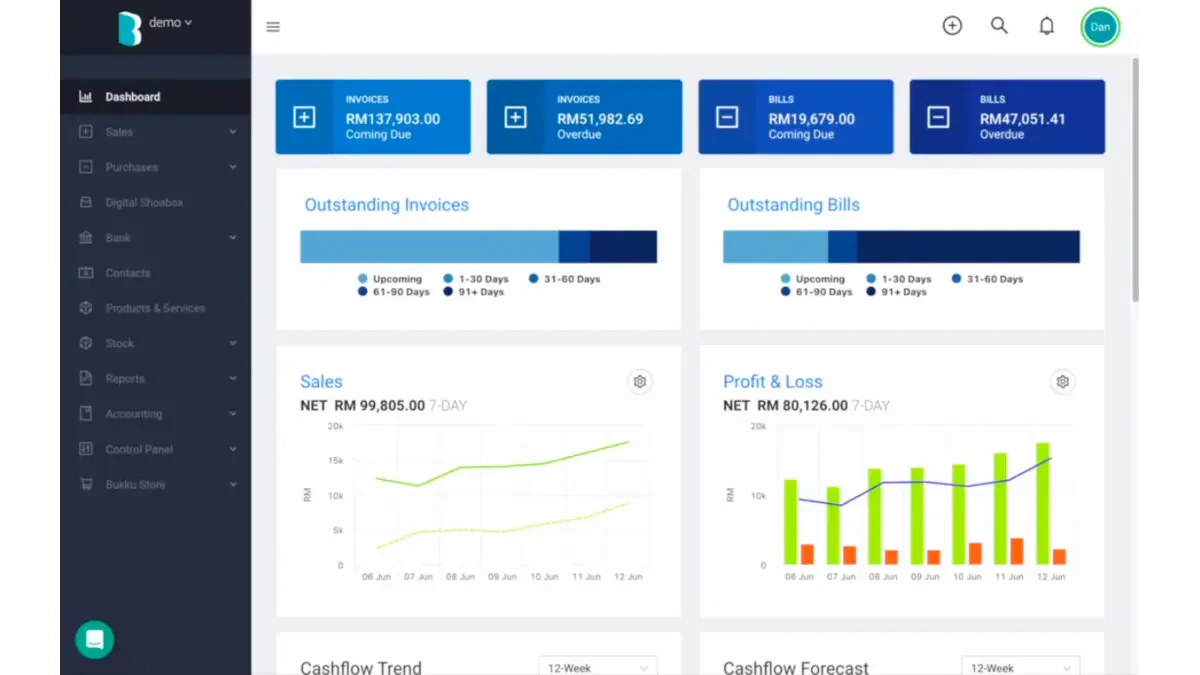
Bukku Accounting is an innovative financial reporting software designed to streamline and simplify the accounting process for businesses of all sizes. With its user-friendly interface and comprehensive features, it empowers companies to manage their finances efficiently.
Whether a small startup or an established enterprise, Bukku Accounting offers the tools to maintain apparent financial oversight, make informed decisions, and optimize your financial operations.
Key features:
- Automated financial reporting
- Expense tracking
- Invoice management
- Tax management
- Multi-currency support
| Pros | Cons |
|
|
Why this suits Malaysian business: Bukku automates SST and e-invoicing compliance within a localized cloud interface. It ensures real-time financial oversight, allowing Malaysian SMEs to maintain reporting accuracy with minimal manual effort.
15. Financio
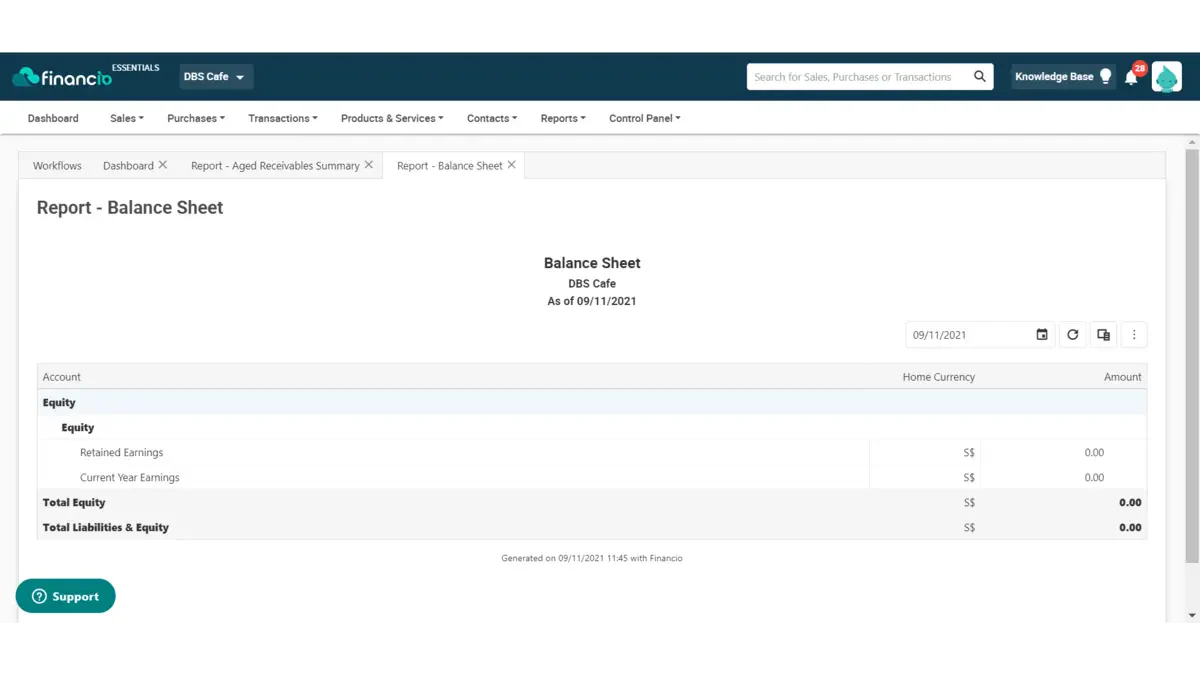
Financio is an innovative financial reporting software designed to streamline and simplify the financial management process for small and medium-sized businesses. With its user-friendly interface and powerful features, Financio helps business owners stay on top of their finances.
By using Financio, businesses can enhance their financial visibility, make informed decisions, and seamlessly comply with regulatory requirements.
Key features:
- Automated financial reporting
- Multi-currency support
- Integrated invoicing
- Secure data backup
- Customizable dashboards
| Pros | Cons |
|
|
Why this suits Malaysian business: Financio automates SST and e-invoicing compliance for real-time oversight. It ensures reporting accuracy for Malaysian SMEs while significantly reducing manual administrative effort.
16. Biztory
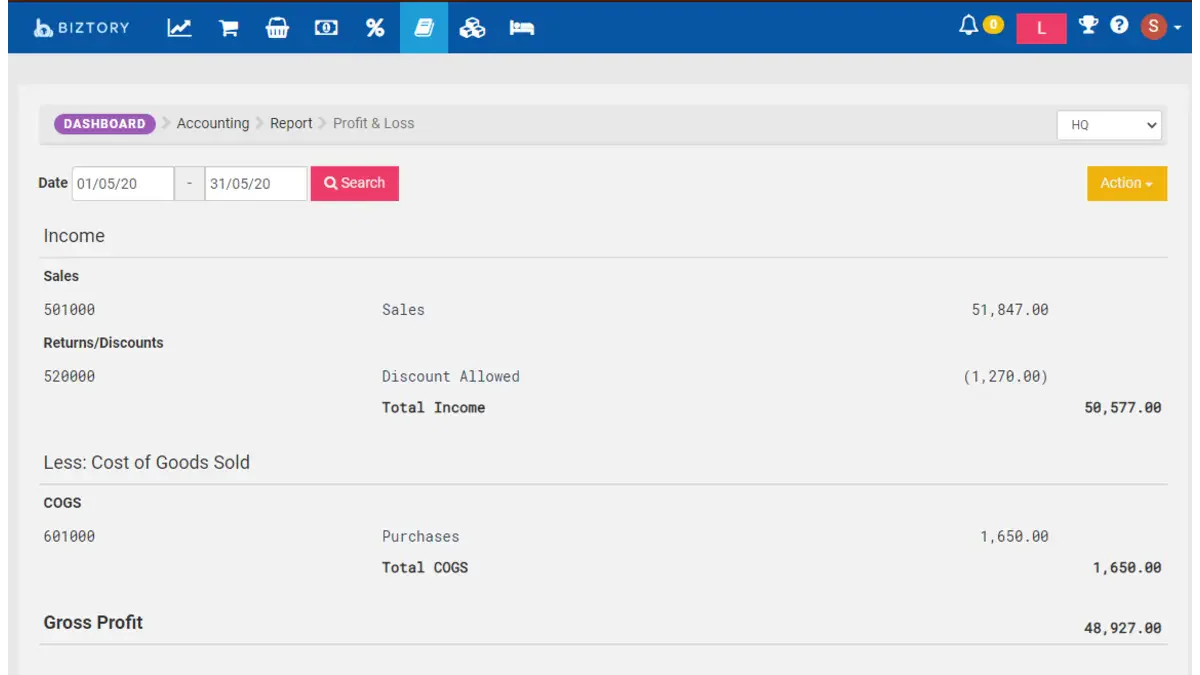
Biztory is a comprehensive financial reporting software designed to simplify and enhance your business’s financial management. By offering real-time insights and easy-to-understand reports, Biztory enables companies to make informed decisions and maintain accurate financial records.
This software is essential for any business looking to streamline their accounting processes, ensure compliance, and achieve financial clarity.
Key features:
- Automated financial reports
- Customizable dashboards
- Integrated tax calculations
- Multi-currency support
- Secure data storage
| Pros | Cons |
|
|
Why this suits Malaysian business: Biztory automates SST and e-invoicing compliance within a user-friendly cloud interface. It ensures real-time financial oversight, helping Malaysian SMEs maintain reporting accuracy while simplifying daily accounting with minimal manual effort.
17. SQL
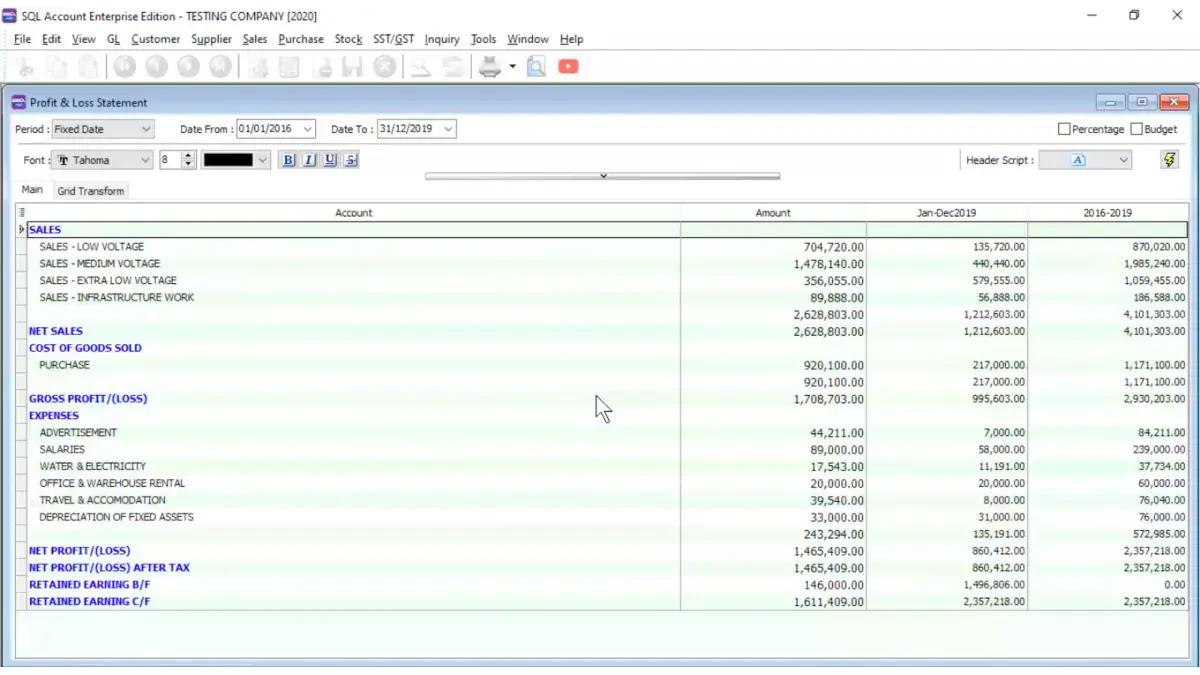
SQL Account is comprehensive financial reporting software designed for businesses seeking efficient and accurate financial management. It simplifies complex accounting tasks, allowing companies to streamline their financial processes.
The software is ideal for businesses of all sizes, offering robust features that enhance productivity and decision-making. Using SQL Account, companies can achieve greater financial transparency, improve resource management, and make informed strategic decisions.
Key features:
- Advanced double-entry accounting system
- Real-time financial reporting
- Comprehensive tax compliance tools
- Customizable financial dashboards
- Seamless integration with other business systems
| Pros | Cons |
|
|
Why this suits Malaysian business: SQL automates SST and e-invoicing compliance through its highly localized accounting framework. It ensures real-time financial accuracy, providing Malaysian businesses with a robust and widely supported system for managing complex tax requirements.
18. Phocas
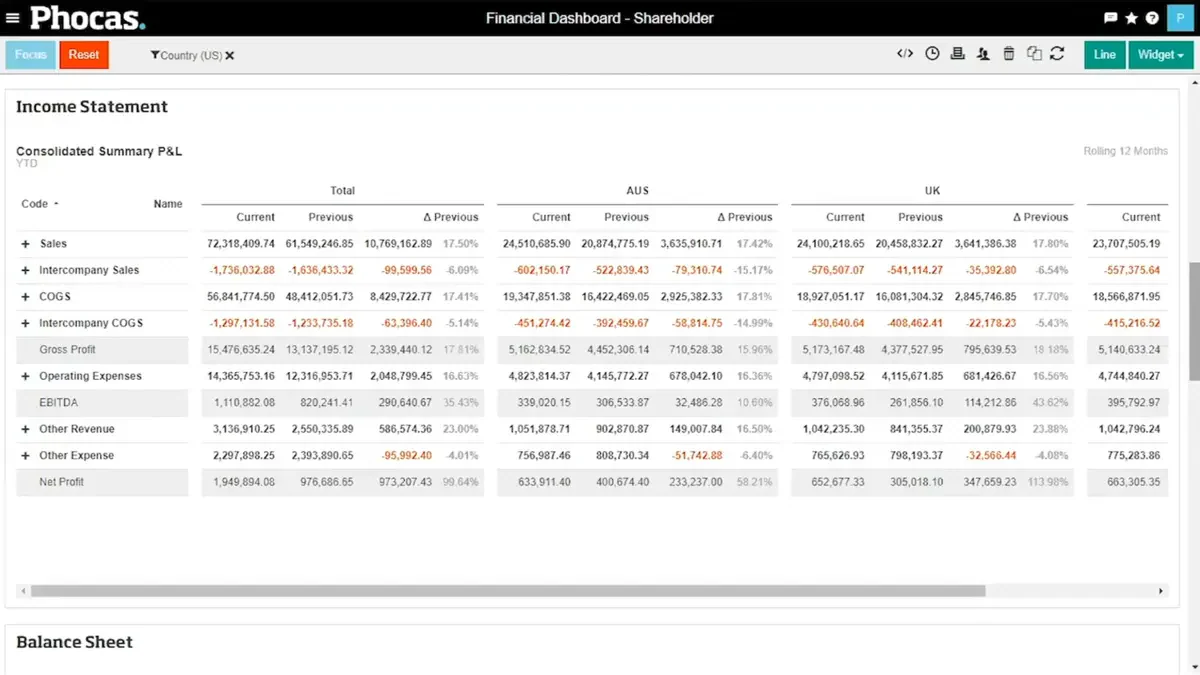
Phocas is a comprehensive financial reporting software designed to help businesses gain deep insights into their financial data, streamline reporting processes, and make informed decisions. It enables users to visualize financial performance, track key metrics, and identify trends.
Businesses should use Phocas for its user-friendly interface, robust analytics capabilities, and ability to integrate seamlessly with various data sources, ensuring accurate and up-to-date financial reporting.
Key features:
- Customizable dashboards
- Data integration
- Real-time analytics
- Advanced visualization tools
- User-friendly interface
| Pros | Cons |
|
|
Why this suits Malaysian business: Phocas automates data consolidation and financial analysis to ensure MFRS reporting integrity. It provides real-time business intelligence, helping Malaysian leaders transform complex data into actionable insights for more informed strategic growth.
19. InsightSoftware
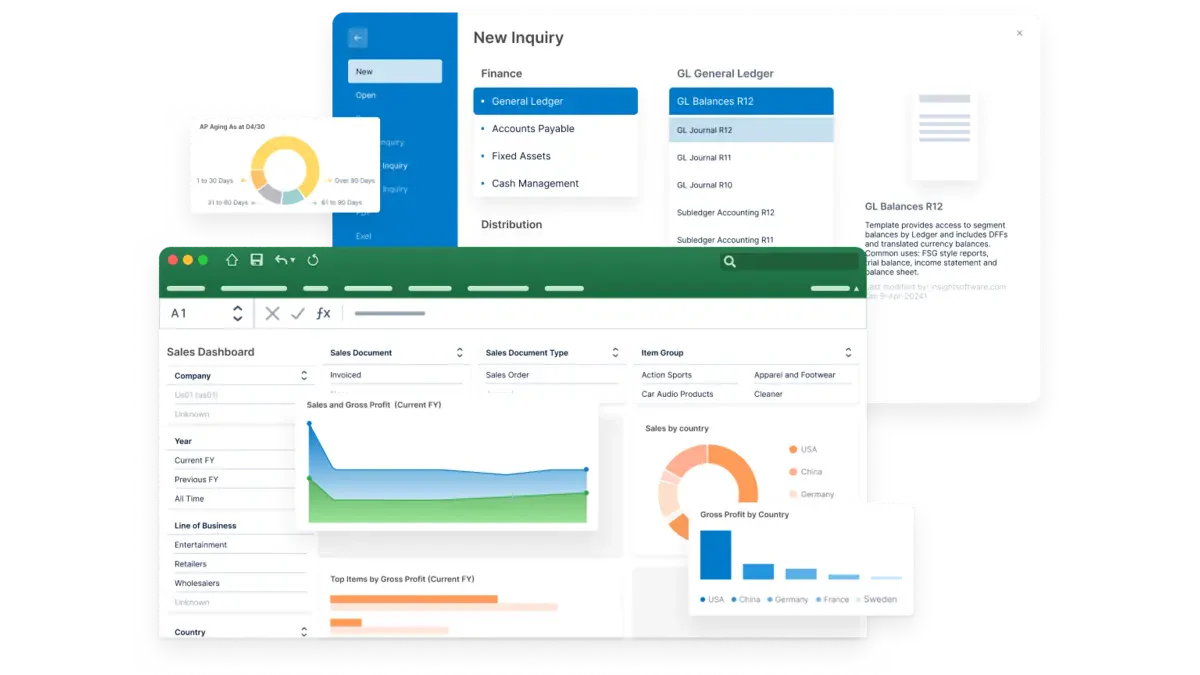
InsightSoftware is a comprehensive financial reporting solution designed to streamline and enhance your business’s financial operations. It provides powerful tools for accurate reporting, data visualization, and real-time insights.
With InsightSoftware, you can eliminate manual processes, reduce errors, and ensure compliance, making it an essential tool for any organization aiming for financial clarity and operational excellence.
Key features:
- Automated financial reporting
- Real-time data integration
- Customizable dashboards
- Advanced data visualization
- Regulatory compliance
| Pros | Cons |
|
|
Why this suits Malaysian business: InsightSoftware automates complex financial reporting and budgeting to ensure MFRS compliance. It provides real-time data visibility, allowing Malaysian finance teams to shift from manual reconciliation to high-level strategic analysis.
20. Xledger
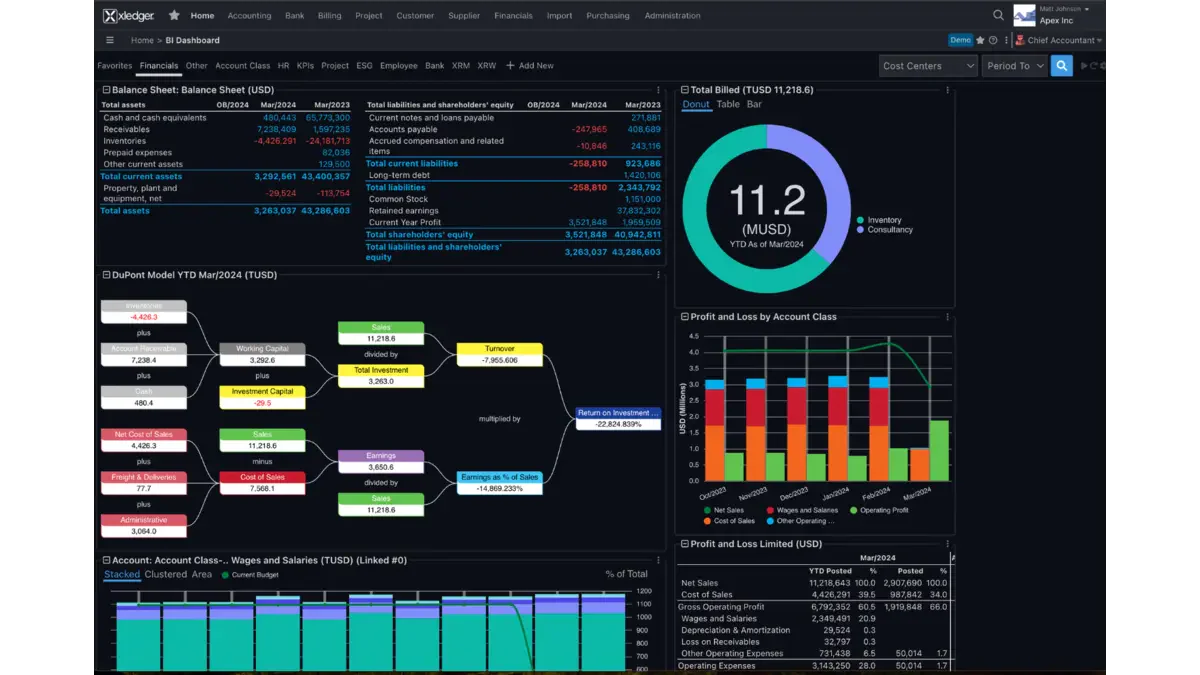
Xledger is comprehensive financial reporting software designed to streamline and enhance financial management for businesses of all sizes. Its automatic financial processes enable businesses to make informed decisions, improve financial efficiency, and achieve compliance.
Its user-friendly interface and advanced reporting capabilities make it an essential tool for businesses looking to optimize their financial operations and gain a competitive edge.
Key features:
- Real-time financial reporting
- Automated processes
- Scalable cloud platform
- Advanced analytics
- Multi-currency support
| Pros | Cons |
|
|
Why this suits Malaysian business: Xledger automates multi-entity consolidation and MFRS compliance for real-time oversight. It allows Malaysian enterprises to scale efficiently while significantly reducing manual administrative effort.
Overall Comparison of Financial Reporting Software in Malaysia
This section provides an overall comparison of financial reporting software in Malaysia, helping you identify which solution best fits your business needs and goals.
| Software | Financial Statement Reporting | Budgeting & Forecasting | Multi-Entity Consolidation | Audit Trail & Controls | Malaysia Reporting Fit |
|---|---|---|---|---|---|
| HashMicro | P&L, balance sheet, cash flow and financial ratios | Built-in budgeting and budget controls | Multi-company and multi-currency support | Audit trail, access controls and approval workflows | Malaysian reporting and MyInvois workflows |
| Vena | Excel-native reports and variance analysis | Advanced budgeting, forecasting and scenarios | Consolidation, eliminations and multi-currency | Version control, audit trails and governed workflows | Native SST and MyInvois support not stated |
| Zoho Books | 70+ built-in financial reports | Budget-versus-actual; forecasting may need Zoho Analytics | Multi-organisation reporting with plan limitations | Audit trail, roles and transaction locking | MyInvois requires an extension |
| FreshBooks | Core reports for small businesses | No advanced forecasting tools | No dedicated consolidation feature | Basic activity tracking and accountant access | Native Malaysian support not stated |
| Oracle NetSuite | Real-time, configurable financial statements | Advanced planning through NetSuite EPM | Strong multi-subsidiary consolidation | Role controls, approvals and audit trails | Malaysian setup and MyInvois require verification |
Based on the comparison above, HashMicro clearly stands out with strong connection quality, wide bank coverage, and excellent integration capabilities. Its Financial Reporting Software provides real-time insights, automated dashboards, and accurate data analysis to simplify financial management for Malaysian businesses.
Critical Benefits of Financial Reporting Software
Implementing financial reporting software can bring transformative changes to your business operations. Here are several key benefits you may gain when you implement financial reporting software:
- Improved accuracy: Automation reduces the risk of human errors, ensuring that financial reports are precise and reliable.
- Time efficiency: Automated processes significantly reduce the time required to compile and generate reports, freeing up resources for strategic activities.
- Regulatory compliance: The software enables businesses to comply with local and international financial regulations, thereby reducing the risk of penalties.
- Enhanced data analysis: With real-time data processing and advanced analytics, companies can gain deeper insights into their financial performance.
- Cost savings: By streamlining financial processes, businesses can reduce operational costs and improve overall profitability.
A study finds that financial reporting software has a positive and significant effect on both the reliability and accuracy of corporate financial reporting. Implementing financial reporting software enhances data processing speed, reduces errors, and improves the quality of reporting.
Financial Reporting Software Trends
In 2026, new trends are emerging that offer greater efficiency, accuracy, and strategic insights for Malaysian companies. Here are the key trends to anticipate in financial reporting software this year:
- Automation and AI-driven insights: These solutions help decrease manual errors, improve efficiency, and provide predictive analytics that support strategic decision-making.
- Enhanced data security and compliance: Financial reporting tools in 2026 will prioritize advanced security features such as data encryption and compliance with international standards.
- Integration with other business tools: Integrate smoothly with other enterprise tools. This integration helps businesses maintain a holistic view of their financial health and eliminates the need for manual data transfers.
- Cloud-based financial solutions: Cloud solutions enable seamless collaboration, especially for teams working remotely, and ensure that data is securely stored and easily accessible.
- Customizable and scalable solutions: Software trends in 2026 emphasize customizable and scalable features, allowing companies to adapt reporting tools to their specific requirements and grow without significant disruptions.
How to Choose The Right Financial Reporting Software

Choosing the right financial reporting software is crucial for ensuring the accuracy and efficiency of your financial operations. Here are some key factors to consider to make an informed decision:
- Identify your business needs: Assess your business’s financial reporting needs to determine if you require basic capabilities or advanced features like real-time analytics, multi-currency support, and automated compliance reporting.
- Ease of use: Opt for software with a user-friendly interface to reduce the learning curve, enhance productivity, and minimize errors.
- Scalability: Choose scalable software that grows with your business, accommodating increased data volumes and users without compromising performance.
- Integration capabilities: Ensure the software seamlessly integrates with your existing ERP system, CRM, and financial tools to maintain data consistency and a comprehensive view of your financial health.
- Security and compliance: To avoid legal complications, prioritize software with robust security features like encryption and access controls and ensure it complies with financial regulations.
- Customer support: Choose a provider known for reliable customer support to ensure prompt issue resolution and minimize operational disruptions.
- Cost: Consider the total cost of ownership, as investing in a high-quality solution can save money long-term by improving efficiency and accuracy.
By carefully evaluating these factors, you can select the financial reporting software that best meets your business needs and supports your long-term growth.
Which Financial Reporting Software Suits Your Business?
| Business Scenario | Recommended Software | Why It Fits |
|---|---|---|
| SMEs needing full automation and compliance-ready reporting | HashMicro | Combines financial reporting, SST & MFRS compliance, and multi-entity consolidation in one system with real-time insights. |
| Growing enterprises with multi-entity operations | Oracle NetSuite | Strong in multi-currency consolidation, automation, and scalable cloud infrastructure. |
| Finance teams that rely heavily on Excel | Vena Solutions | Excel-native interface with centralized data improves reporting without changing workflows. |
| SMEs looking for simple cloud accounting | Xero | Easy-to-use cloud system with real-time reporting and automated bank feeds. |
| Businesses needing integrated ecosystem tools | Zoho Books | Integrates with Zoho suite while offering automated reports and financial tracking. |
| Freelancers and service-based SMEs | FreshBooks | User-friendly invoicing, expense tracking, and reporting in one platform. |
| SMEs scaling their financial management | QuickBooks | Balances automation, usability, and real-time financial insights. |
| Companies with strict compliance requirements | Workiva | Strong audit trail, ESG reporting, and regulatory compliance features. |
| Businesses consolidating multiple data sources | Datarails | Automates financial consolidation while maintaining Excel familiarity. |
| Startups with limited budget | Wave Accounting | Free accounting tool with essential reporting and invoicing features. |
| Businesses handling multiple currencies | MYOB | Strong multi-currency and tax compliance capabilities. |
| Local SMEs needing simple accounting | Zahir | Localized reporting with user-friendly dashboards. |
| Small businesses needing simplicity | Kashoo | Minimal setup with essential reporting and expense tracking. |
| Malaysian SMEs needing localized tools | Bukku | Strong SST and e-invoicing compliance. |
| Growing SMEs needing dashboards | Financio | Custom dashboards with real-time financial tracking. |
| SMEs focusing on automation | Biztory | Automated reports and tax compliance tools. |
| Businesses needing strong local accounting system | SQL Account | Highly localized system with strong compliance features. |
| Companies needing financial analytics | Phocas | Advanced visualization and real-time analytics. |
| Mid-large companies needing automation | InsightSoftware | Powerful automation with data integration and reporting. |
| Enterprises with multi-entity structures | Xledger | Cloud-based platform with strong consolidation and scalability. |
Conclusion
In today’s fast-paced business environment, using modern financial reporting software Malaysia can help companies manage reporting more efficiently and keep financial data consistent across teams. A well-chosen platform improves accuracy, reduces manual work, and supports compliance through clearer documentation and audit-ready processes.
Rather than relying on spreadsheets and disconnected tools, many businesses move to software that centralises transactions, automates routine statements, and provides real-time visibility into cash flow, profitability, and expenses. This makes it easier to spot issues early, speed up month-end closing, and produce reports that stakeholders can trust.
If you are evaluating options, focus on essentials such as automation depth, multi-entity reporting, integrations, approval controls, and the strength of its audit trail. Request a free demo from shortlisted vendors and compare how each one handles your actual reporting workflow before deciding

FAQ about Financial Reporting Software
FAQ
The software standardizes statements and centralizes data to simplify SST reporting and audit preparation. Automated controls and real-time updates reduce manual errors, helping businesses avoid compliance gaps and remain organized for tax requirements.
The main hurdles include maintaining data accuracy during migration, integrating the new software with existing systems, and training employees. These are best overcome by choosing a user-friendly platform that offers strong technical support and seamless integration.
Automation eliminates human error in data entry and calculations. By consolidating information into a single platform with real-time validation checks, the software ensures that all financial reports are consistent, up-to-date, and trustworthy.
It automates complex accounting tasks and ensures regulatory compliance. More importantly, it provides real-time financial insights that empower leaders to manage cash flow effectively and make smarter, data-driven decisions for sustainable growth.