









What is a warehouse management system (WMS)?
Warehouse Management Systems (WMS) in Malaysia are solutions that automate inventory, fulfillment, and tracking. Popular providers include HashMicro, Oracle, Zoho, Infor, Blue Yandor for e-commerce to enterprises, focusing on cloud access, real-time accuracy, fewer errors, and sales-channel integration.
When a warehouse starts running hot, the first symptoms usually look small: pickers double-checking bins, stock counts that never match, and urgent orders getting stuck in staging because one SKU is missing.
In Malaysia, that pressure isn’t theoretical. The Department of Statistics Malaysia reported e-commerce revenue by establishment reached RM1,230.1 billion in the previous year (with 3.9% growth year-on-year), which typically translates into higher order volume, tighter cut-off times, and less room for “manual fixes” inside the warehouse.
A warehouse management system isn’t just software that tracks what’s in your warehouse. It’s the system that tells your team where to put incoming stock, who should pick each order, which route gets it done fastest, and what’s going wrong before it hits your bottom line.
Key Takeaways
|
Don’t wait for a bottleneck to happen before you decide to upgrade your tracking system. Explore our interactive WMS demo through the banner below to see how real-time data can transform your stock accuracy and team productivity today.
What Is a Warehouse Management System?
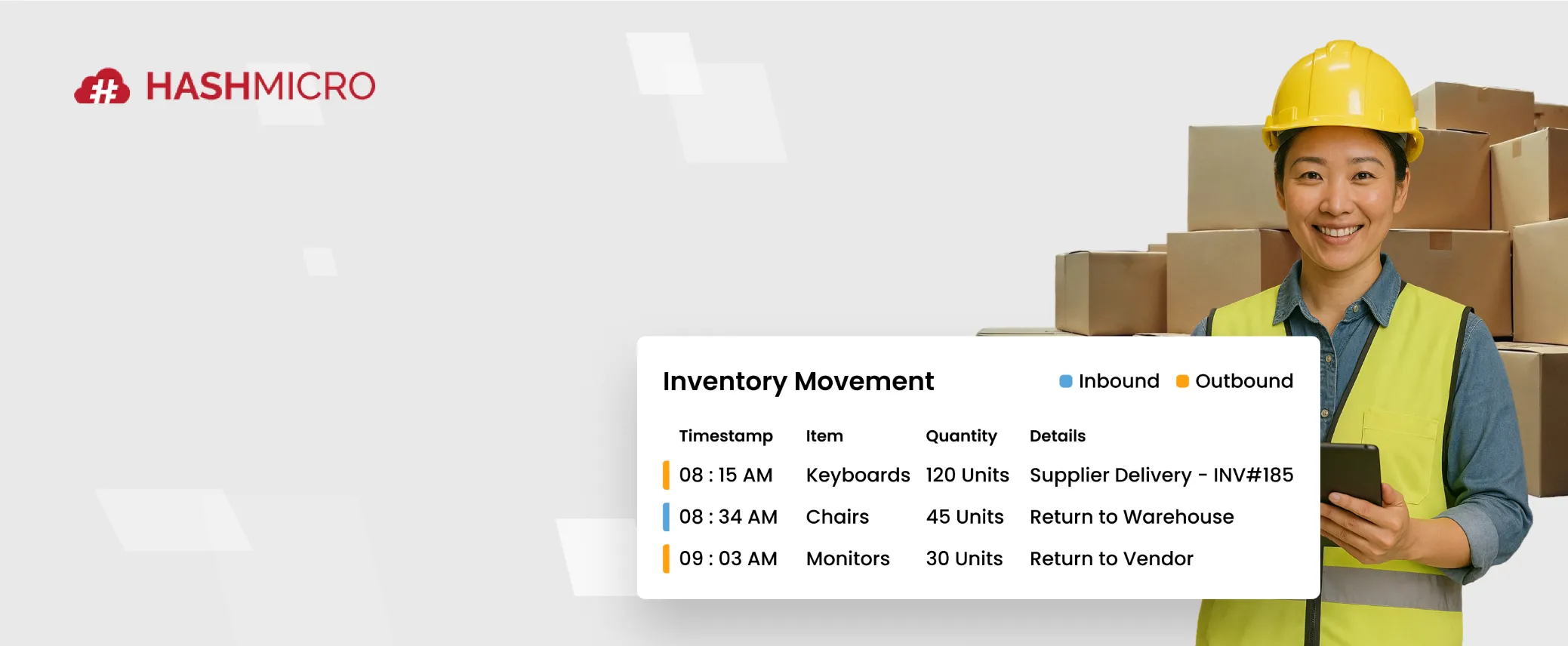
A Warehouse Management System (WMS) is the operating layer that keeps warehouse work predictable, even when orders and inventory aren’t. It tracks stock, but more importantly it assigns work, guides execution, and flags exceptions before they turn into late shipments.
In practice, a WMS shows up in the moments that usually create chaos: receiving when labels don’t match, put-away when fast movers get buried, picking when the same item exists in multiple bins, and dispatch when one missed scan can trigger a wrong delivery.
Most modern WMS tools also connect with ERP and logistics workflows so the warehouse doesn’t operate on its own version of the truth. That matters when purchasing, sales, and delivery teams need the same numbers at the same time. If you’re evaluating the best warehouse management system Malaysia has to offer, the sections below break down the top options by use case and business size.
What are the Main Benefits of Using Warehouse Management Software?
In the competitive Malaysian market, many businesses struggle with warehouse inefficiencies such as high labor costs, manual inventory tracking, and limited visibility across distribution centers. These challenges are especially common in the rapidly expanding e-commerce and retail sectors, where companies must manage high SKU volumes while meeting customer expectations for faster delivery.
Implementing a Warehouse Management System (WMS) provides a practical solution for local enterprises aiming to modernize their warehouse operations. With real-time inventory visibility, automated workflows, and better order accuracy, WMS helps companies reduce operational waste, support multi-channel fulfillment, and remain competitive in the regional supply chain.
The real benefit of a WMS is simple: fewer surprises during the shift. You stop discovering problems at the packing table and start catching them at receiving, put-away, or pick confirmation.
Here’s a breakdown of the main benefits you can expect from using a WMS:
- Increased accuracy: By leveraging automation technologies like barcode scanning and RFID, a WMS minimizes human errors and ensures precise tracking of inventory levels in real-time.
- Improved organization: A WMS systematically categorizes stocks, assigns specific locations, and enhances wholesale distribution processs, making it easy for staff to locate and retrieve items when needed.
- Optimized space utilization: Through strategic planning and efficient storage practices, a WMS optimizes warehouse space, minimizing wasted space and accommodating growing stock volumes.
- Reduced cost: By optimizing inventory levels, minimizing carrying costs, and improving labor efficiency, a supply chain software helps lower operational expenses associated with warehousing activities.
- Higher customer satisfaction: With enhanced accuracy, efficiency, and visibility, a WMS ensures timely and accurate order fulfillment, leading to higher customer satisfaction and long-term relationships.

Best Warehouse Management Software in Malaysia
A WMS shortlist looks simple until you hit the real questions: do you need strict bin-level control, or will basic stock visibility do? Are you managing one warehouse or multiple locations? And how much change can your team absorb without slowing fulfillment?
The list below highlights 16 WMS examples used across different operational needs, with short notes on what each option is typically best suited for.





Best Because
An easy-to-use WMS for small businesses with real-time tracking

Best Because
A scalable AI-powered WMS with predictive analytics
After exploring the top 5 WMS solutions above, you may want a clearer comparison of each Malaysian WMS solution’s strengths and the types of businesses they are best suited for. The table below outlines each platform’s key advantages and the specific business needs they are best suited for, helping you choose the right warehouse management system for your operations.
| Software | Strength | Why we choose this website | Pricing Model |
|---|---|---|---|
| HashMicro | End-to-end WMS with 3D visibility and RFID/barcode automation | Native LHDN MyInvois, SST automation, and Ringgit-first financials | Custom Pricing |
| Blue Yonder | AI-powered WMS with predictive analytics for global supply chains | Not Supported | Custom Quote |
| SAP WMS | Enterprise WMS with deep ERP integration | Enterprise-grade LHDN compliance and localized reporting | Custom Quote |
| Infor WMS | Real-time tracking with 3D visualization and execution tools | LHDN API connectivity and compliance-ready hosting | Custom Quote |
| Oracle WMS | Cloud-based logistics for multi-site inventory and scaling | Native Malaysian tax and e-invoicing modules | Custom Quote |
| Zoho Inventory | Affordable inventory and order management for multi-channel sales | Supported through Zoho Books Malaysia with LHDN e-Invoicing | Starts from $29/month |
| AC2's Wave | Cloud-native WMS for B2B, B2C, and high-volume 3PL | Native LHDN, SST, and local PDPA compliance | Custom Quote |
| Focus Stock | Barcode-based workflows for SME inventory accuracy | Native Malaysian tax and localized finance tools | Custom Quote |
| Zap Inventory | Real-time stock and order tracking across digital sales channels | Not Supported | Contact Vendor |
| 8Stock | Cloud WMS for Malaysian e-commerce, 3PL, and distribution | Local KL support, SST compliance, and marketplace integrations | Custom Quote |
| Wasp Inventory | Simple inventory tracking for physical stock control | Not Supported | One-time License + Maintenance |
| Blue Link | ERP-integrated WMS with strong traceability and multi-currency support | Not Supported | Custom Quote |
| Latitude WMS | Warehouse automation for retail and wholesale distribution | Not Supported | Custom Quote |
| Softeon | Flexible WMS for complex, high-volume 3PL operations | Not Supported | Custom Quote |
| Centric | Agile inventory control for growing businesses | Not Supported | Custom Quote |
| Fishbowl WMS | Manufacturing-focused inventory with QuickBooks integration | Not Supported | Starts from $4,395 |
After reading the brief review, below is the full review I have researched in detail.
1. HashMicro Warehouse Management System
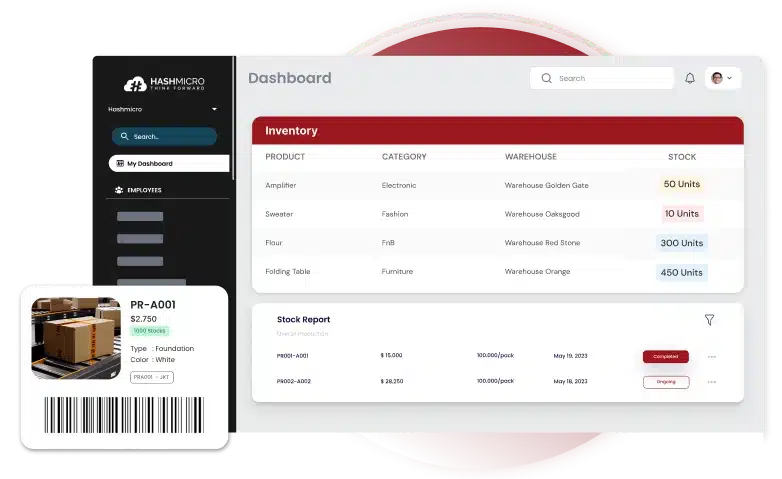
HashMicro Warehouse Management System is one of the leading warehouse management system Malaysia businesses use for day-to-day warehouse control: item traceability, faster locating, and cleaner execution on the floor. It combines RFID automation, barcode tracking, and a 3D warehouse view to support real-time visibility and more consistent picking and replenishment.
Instead of promising a fixed outcome, the practical value is in reducing common warehouse friction: fewer manual recounts, clearer stock location accuracy, and smoother handoffs from picking to dispatch when operations are running at scale.
Key Features:
- RFID warehouse rack stock automation
- Barcode, lot, and serial number tracking
- Cycle time analysis
- Stock optimizer per warehouse
- 3D view of stock location
- Removal strategy management (FIFO, LIFO)
- Pick, pack, delivery 3-step route warehousing
- Comprehensive reporting and analytics
Multi-warehouse teams that need shared visibility across locations, operations handling lot/serial-tracked inventory, barcode-first warehouses planning a gradual RFID rollout, and teams that frequently deal with pick errors or misplaced stock.
| Pros | Cons |
|
|
Click on the pricing calculator below to get a personalized quote and understand the potential investment.
2. Blue Yonder WMS Malaysia
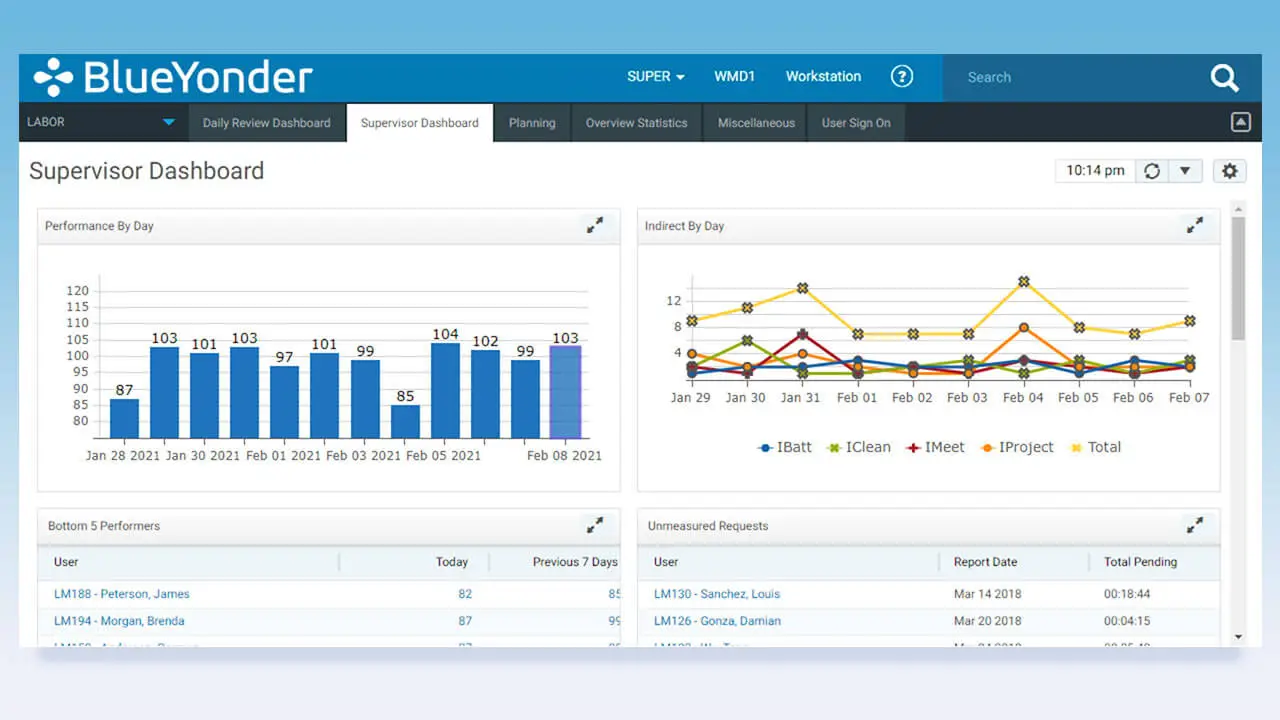
Blue Yonder Warehouse Management System is designed for warehouses that operate as part of a broader, planning-driven supply chain. The system places strong emphasis on real-time visibility combined with predictive and analytics-led decision support, helping operations align warehouse execution with demand signals and network-wide planning.
In practice, Blue Yonder is most valuable when warehouse performance cannot be separated from forecasting, replenishment strategy, and omnichannel fulfillment. Instead of focusing only on bin-level control, it supports teams that need to coordinate inventory movement, order prioritization, and capacity planning across multiple channels and locations.
Features Blue Yonder warehouse management system Malaysia:
- Real-time visibility into all warehouse activities
- Inventory management
- Omnichannel inventory management
- Dashboard for continuous monitoring
Pricing: not publicly listed and typically depends on deployment scale, modules selected, and integration scope. Businesses usually need to request a customized quotation based on operational complexity.
large or enterprise-scale operations in Malaysia that manage high order volumes, omnichannel fulfillment, or multi-site distribution, and require warehouse decisions to be closely integrated with demand forecasting and supply chain planning.
| Pros | Cons |
|
|
3. SAP WMS

SAP Warehouse Management System is built for warehouses that operate within a tightly integrated ERP environment. It focuses on structured process control, real-time inventory tracking, and standardized execution, making it easier for large organizations to manage warehouse activities with clear governance and auditability.
In practice, SAP WMS is most effective when warehouse workflows are already well-defined and closely linked to finance, procurement platform, and sales operations. Rather than optimizing isolated tasks, the system emphasizes consistency across transactions, from inbound handling to order fulfillment, so warehouse data aligns with enterprise-wide reporting and compliance needs.
Key Features of SAP Warehouse Software:
- Streamlined and efficient warehouse operations
- Automated workflows through robotic integration
- Comprehensive warehouse structure and layout
- Inbound and outbound management
Pricing: typically enterprise-based and depends on system scope, modules, and implementation complexity. A customized quotation is usually required.
Medium to large enterprises in Malaysia that already use SAP ERP and require strong integration between warehouse operations, financial reporting, and end-to-end business processes.
| Pros | Cons |
|
|
4. Infor WMS Malaysia
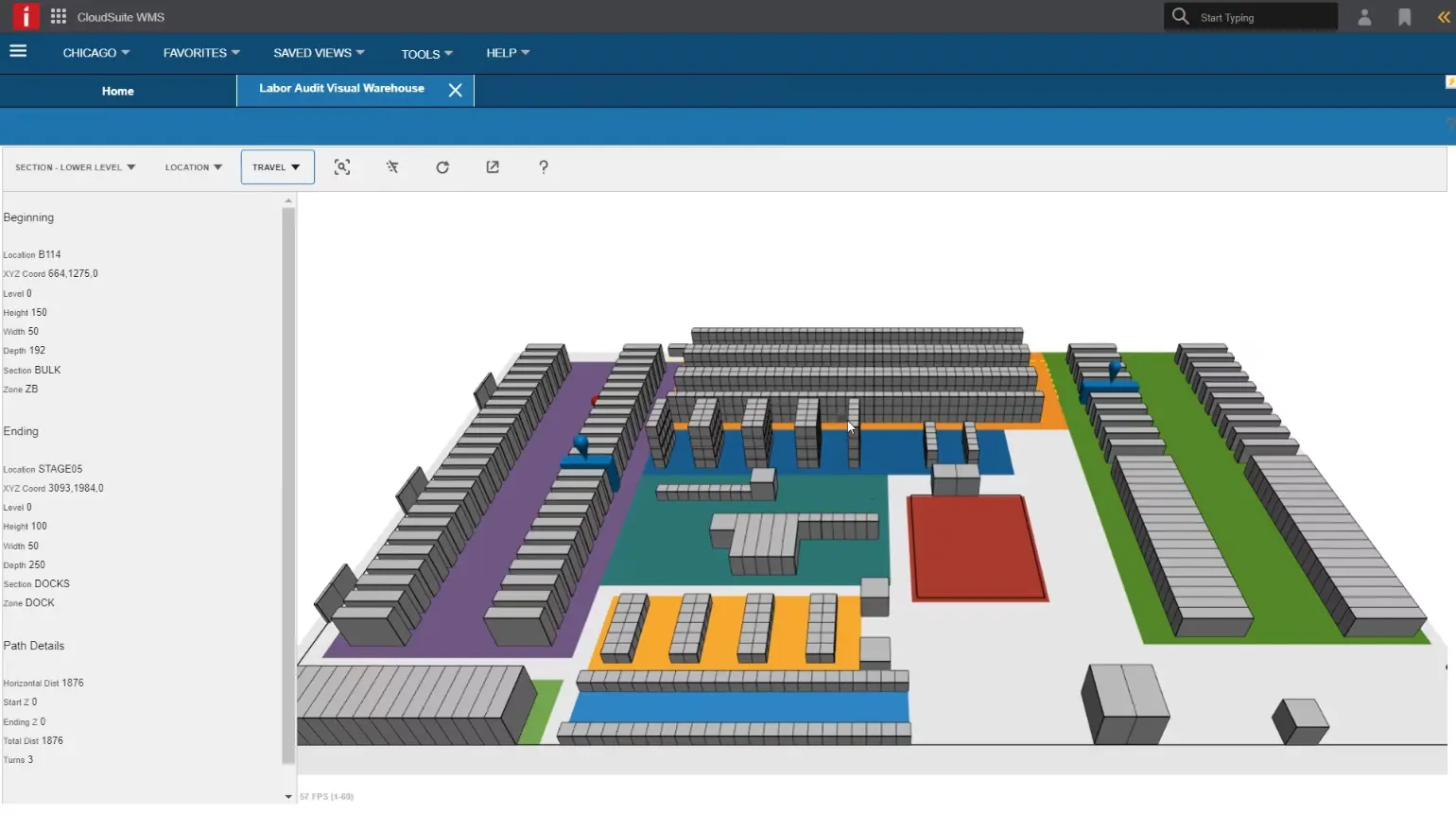
Infor Warehouse Management System is positioned as a cloud-native WMS built for high-volume and complex warehouse environments. It emphasizes real-time inventory visibility, configurable automation, and analytics-driven control to support fast-moving operations without relying on heavy manual coordination.
In day-to-day use, Infor WMS is most effective when warehouses need more than basic execution. It helps teams manage slotting, labor, and order fulfillment with data-backed insights, making it easier to adjust workflows as volume, SKU complexity, or fulfillment models change.
Features of the Infor warehouse management system Malaysia:
- Appointment scheduling
- Order optimization
- Real-time inventory
- 3PL billing and invoicing
Pricing: not publicly disclosed and typically depends on deployment size, functional scope, and integration requirements. Businesses usually need to request a tailored quotation.
Medium to large operations in Malaysia that run high SKU counts, complex picking strategies, or multi-warehouse networks and need a scalable, cloud-based WMS with advanced analytics.
| Pros | Cons |
|
|
5. Oracle Warehouse Management Software
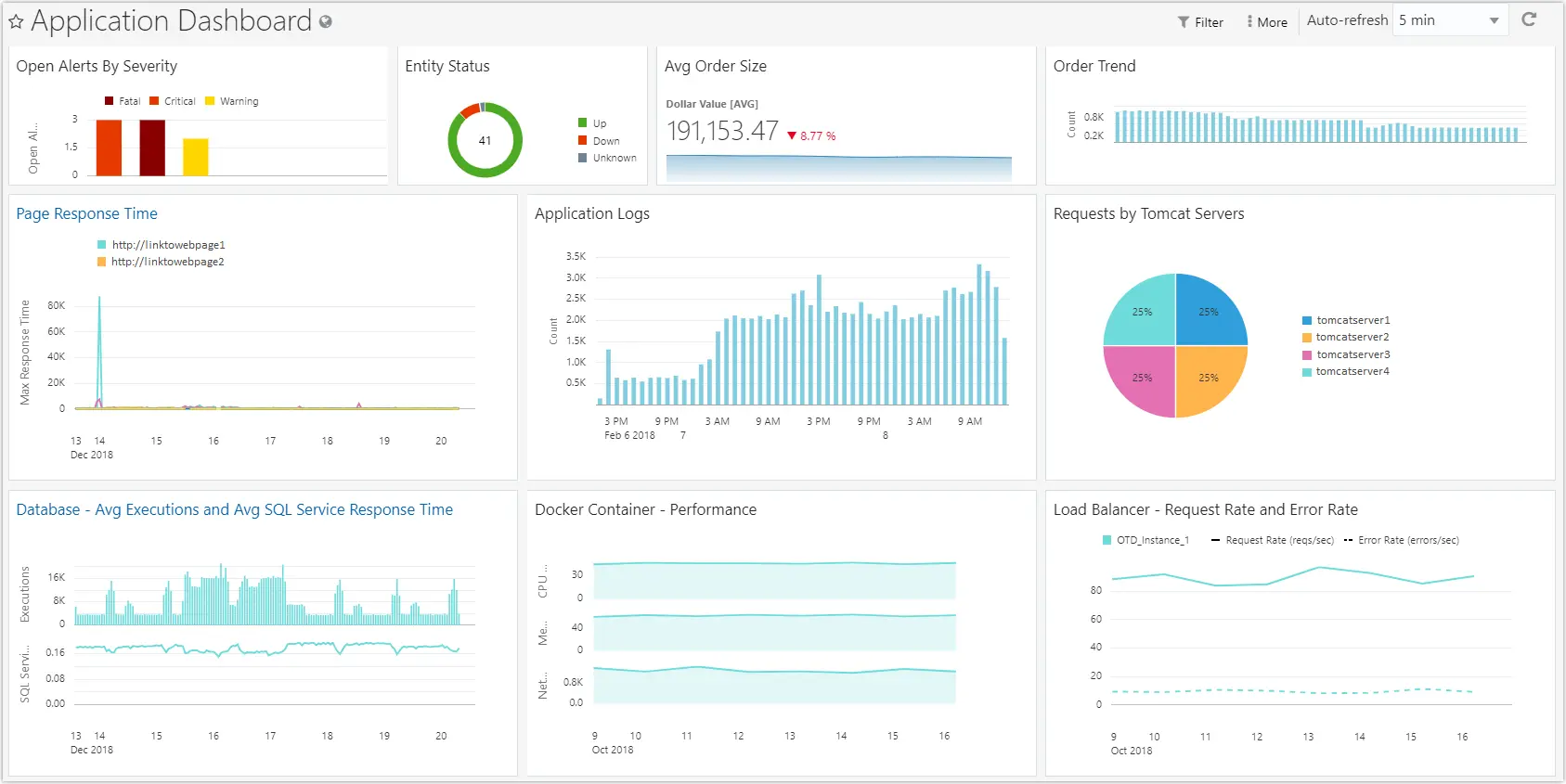
Oracle Warehouse Management is typically chosen by organizations that want warehouse execution tightly connected to broader enterprise workflows. The value usually shows up when inventory movements, optimized storage management, and order status need to stay consistent across multiple departments and systems, not only inside the warehouse.
In practice, Oracle WMS tends to fit teams that already run structured processes and want fewer handoffs that rely on spreadsheets or manual reconciliation. It’s a better match when warehouse data must align with enterprise reporting and shared operational governance.
Features of Oracle warehouse inventory management software:
- Inventory management
- Supply chain analytics
- Warehouse automation
- Order fulfillment
Pricing: typically subscription-based and quote-driven; estimates vary by scope and usage model.
Enterprises in Malaysia running complex, integrated operations where WMS needs to sit close to enterprise systems and standardized processes.
| Pros | Cons |
|
|
6. Zoho Inventory WMS System Malaysia
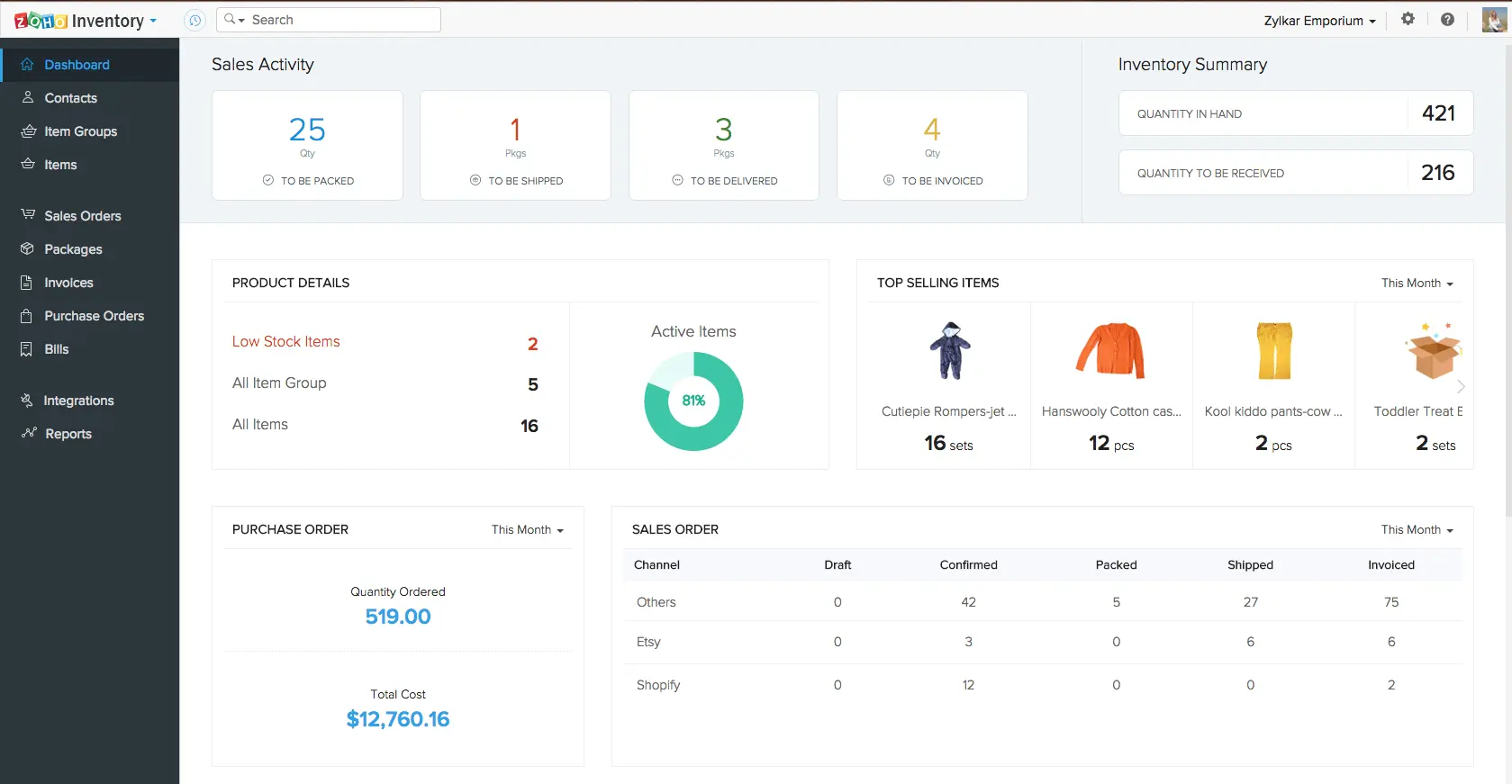
Zoho Inventory is commonly used as a fast-to-adopt solution for inventory visibility and order handling, especially when teams want to get control without a heavy implementation cycle. It tends to work well when the priority is keeping stock synced and operations tidy across channels and locations.
In day-to-day operations, Zoho’s strength is practicality: it helps reduce overselling, keeps basic fulfillment workflows organized, and gives teams a clearer view of stock movement without requiring enterprise-level setup.
Features of Zoho warehouse inventory management software:
- Inventory management
- Real-time tracking
- Stock transfer
- Reporting
Pricing: published plans start at $29/org/month billed annually (Standard) and scale by plan.
Malaysia-based teams that need a quick, budget-conscious inventory system, especially for multi-warehouse visibility and multi-channel order workflows.
| Pros | Cons |
|
|
7. AC2’s Wave Warehouse Inventory Management Software

AC2’s WAVE WMS is positioned for warehouses that need configurable, execution-first control in higher-volume environments. It’s described as a cloud-native WMS built for complex B2B and B2C operations across industries like retail, distribution, manufacturing, and 3PL.
In practice, this type of platform is most relevant when operations can’t afford “workarounds” during peak and need workflows that stay stable under pressure. The focus is less on basic inventory tracking and more on orchestrating inbound-to-outbound execution with consistent performance control.
Features of AC2 warehouse management system Malaysia:
- Warehouse management
- Auto upgrades for new patches and features
- Inventory management
- Integration with e-commerce platforms
Pricing: not publicly listed; typically quote-based.
Malaysia-based operations running complex, high-volume fulfillment (distribution, retail, 3PL, manufacturing) that need scalable execution workflows rather than a lightweight inventory layer.
| Pros | Cons |
|
|
8. Focus Stock Management Software

Focus WMS is generally framed as a warehouse and inventory system that supports structured logistics workflows, with emphasis on speed and accuracy using wireless and barcode-enabled execution. It’s often positioned as part of broader operational control across storage, distribution, and fulfillment activities.
In real use, systems like this are most helpful when warehouses want standard workflows on the floor (scanning discipline, consistent transaction recording, clear task execution) without overcomplicating the setup. The payoff is usually cleaner daily operations and fewer “we’ll fix it later” adjustments.
Features of Focus Stock warehouse inventory management software:
- Omnichannel order management
- Inventory control
- Warehouse management
- Analytics and reporting
Pricing: not clearly published on official pages; commonly quote-based
Malaysia teams that want barcode- and wireless-driven warehouse execution with standardized workflows and measurable operational control.
| Pros | Cons |
|
|
9. Zap Inventory Management System
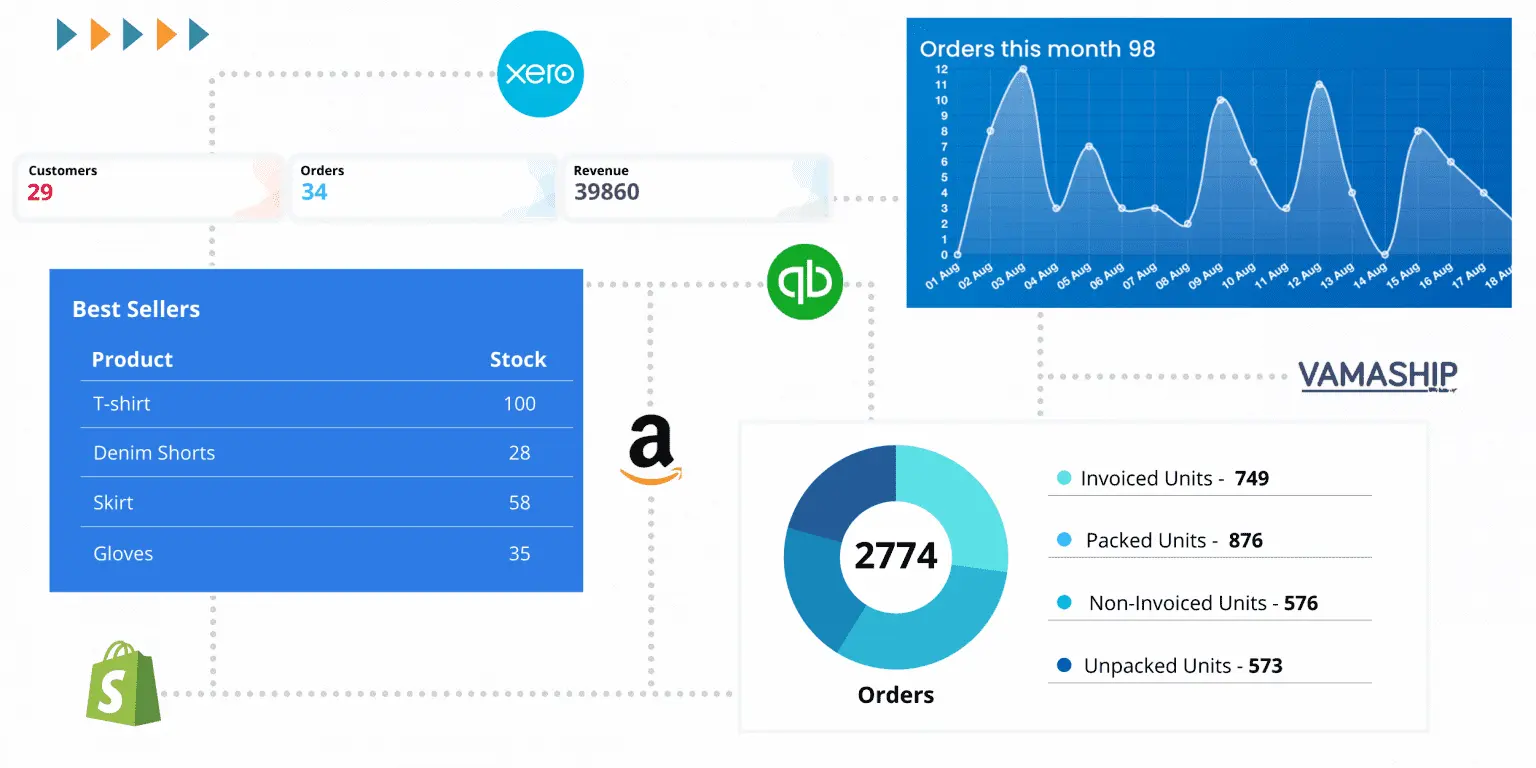
Zap Inventory is typically used by teams that sell across multiple channels and want inventory and order workflows in one place. The positioning is straightforward: keep stock accurate across channels, reduce manual updates, and run fulfillment with fewer operational gaps.
In practice, it’s a fit when you’re trying to avoid the classic multi-channel failure mode: inventory looks fine in one channel, but orders come in elsewhere and the warehouse gets forced into last-minute fixes.
Features of Zap warehouse inventory management software:
- Bundling and kitting
- Mobile app
- Inventory management
- Warehouse management
Pricing: ZapInventory publishes pricing on its site (example add-ons and monthly fees are listed).
Malaysia-based SMB teams with multi-channel selling needs that want centralized stock control and order fulfillment without enterprise complexity.
| Pros | Cons |
|
|
10. 8Stock cloud-based warehouse management system
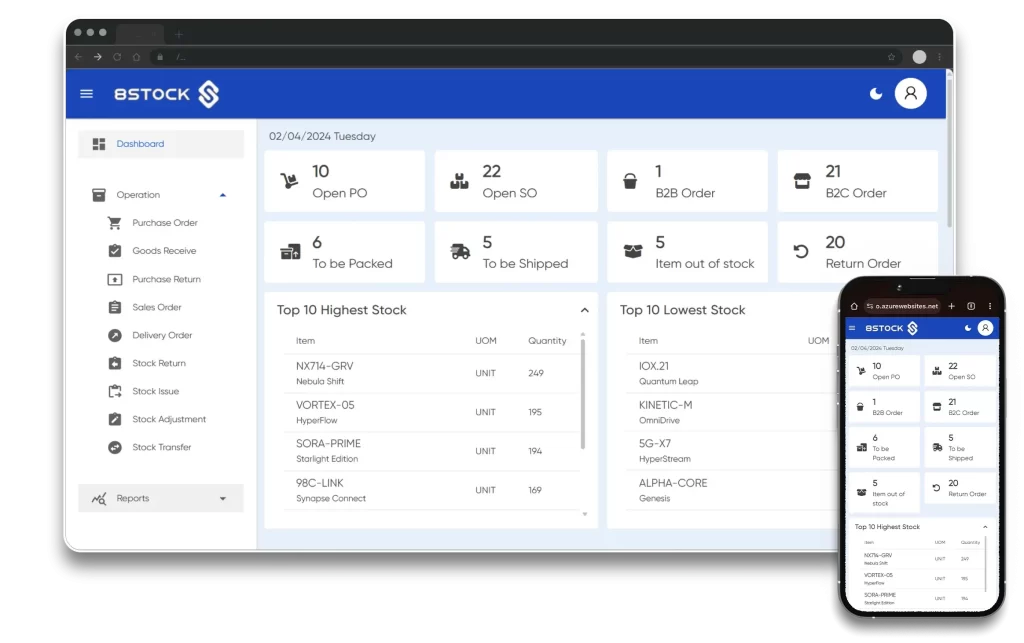 8Stock is a cloud-based warehouse management system built specifically for Malaysian businesses, developed by a local team based in Kuala Lumpur. Unlike global WMS platforms that require heavy customisation for local operations, 8Stock is designed from the ground up to address the day-to-day realities of Malaysian warehouses — from multi-location stock tracking to integration with local marketplaces and accounting systems.
It is particularly well-suited for e-commerce sellers, distributors, and 3PL providers who need real-time stock visibility across multiple locations without the complexity and cost of enterprise-level ERP implementation.
Key features of 8Stock Warehouse Management System:
- Multi-location inventory tracking
- Transfer order management
- Batch processing with FEFO/FIFO
- Barcode & mobile scanning
- SST compliance
Pricing: contact 8Stock directly for a demo and pricing package based on your warehouse size and requirements.
Ideal for: SME to mid-size businesses in distribution, e-commerce fulfillment, and 3PL operations in Malaysia seeking a locally-supported WMS without enterprise-level pricing.
legacy users only (historical reference), not for new implementations.
| Pros | Cons |
|
|
11. Wasp Inventory Warehouse Management System Malaysia
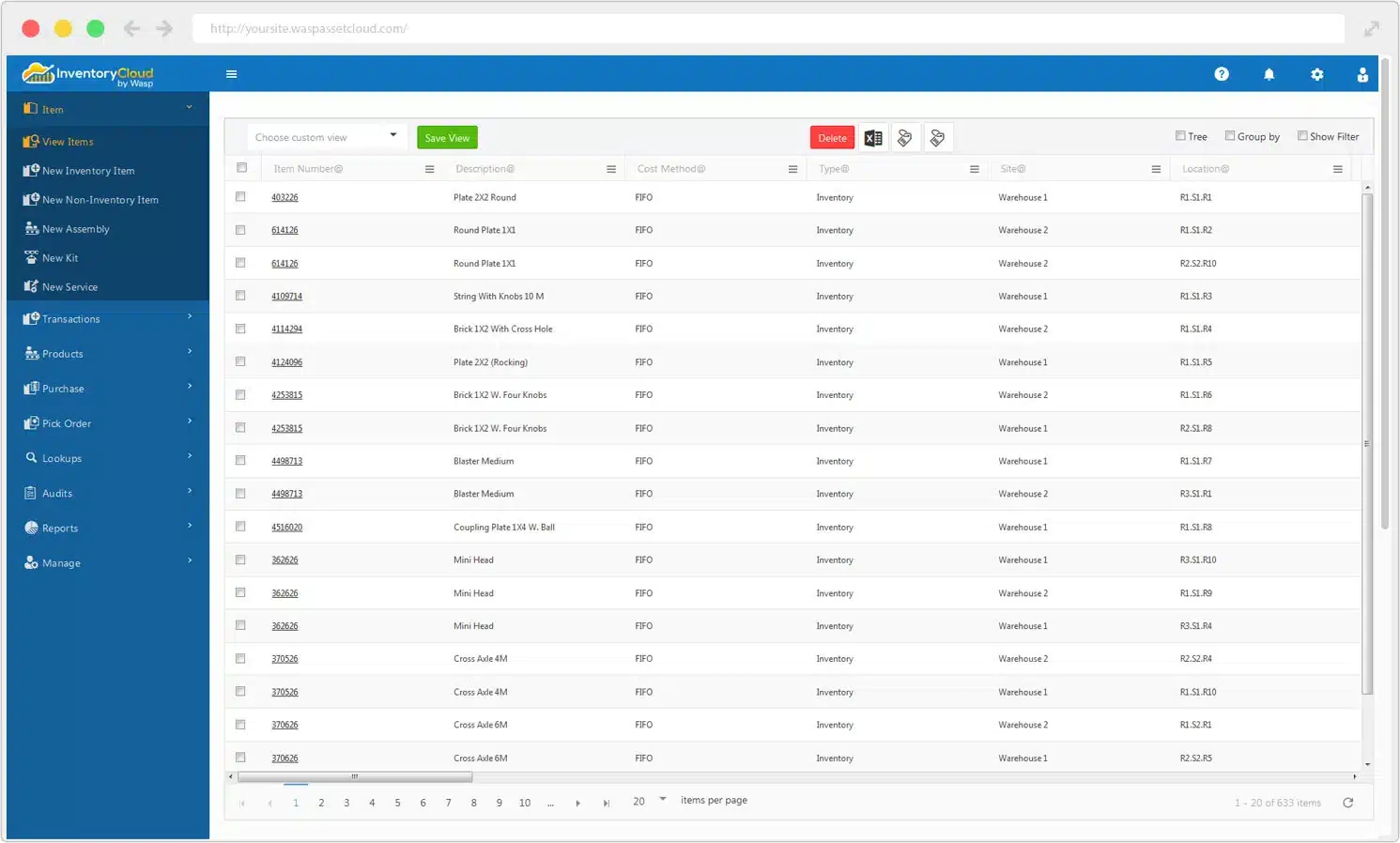
Wasp Inventory is positioned as an inventory management system that supports barcoding-driven execution and keeps everyday warehouse workflows more consistent. It’s generally used when teams want practical control over receiving, picking, shipping, and routine stock handling without an overly heavy implementation.
In practice, the value is operational clarity: transactions are captured as work happens, so the warehouse doesn’t rely on delayed updates or end-of-day corrections. That reduces small process leaks that usually snowball into delays.
Features of Wasp WMS system Malaysia:
- Asset tracking solution for business
- Inventory control
- Warehouse management
Pricing: Wasp publishes pricing (example: $108/month billed annually for Basic cloud; higher tiers available).
Malaysia-based teams that want barcode-led inventory control and standardized warehouse routines, especially when accuracy and repeatability matter more than deep enterprise planning.
| Pros | Cons |
|
|
12. Blue Link Warehouse System

Blue Link ERP is typically used by wholesalers and distributors that want inventory and warehouse workflows tied closely to accounting and operational management. The key appeal is consolidation: fewer systems to maintain, fewer handoffs between warehouse and finance, and more consistent operational reporting.
In practice, it fits organizations that need warehouse processes to align with order processing and accounting routines, so inventory movement doesn’t create reconciliation headaches later.
Features of Blue Link warehouse management software Malaysia:
- Warehouse management
- Lot tracking
- Document management
- Barcode scanning
Pricing: third-party directories list starting price around $500/month, while vendor notes pricing varies by users, features, and complexity.
Malaysia-based distributors/wholesalers that want ERP + inventory/warehouse control in one suite, especially when accounting integration is a primary requirement.
| Pros | Cons |
|
|
13. Latitude WMS System Malaysia
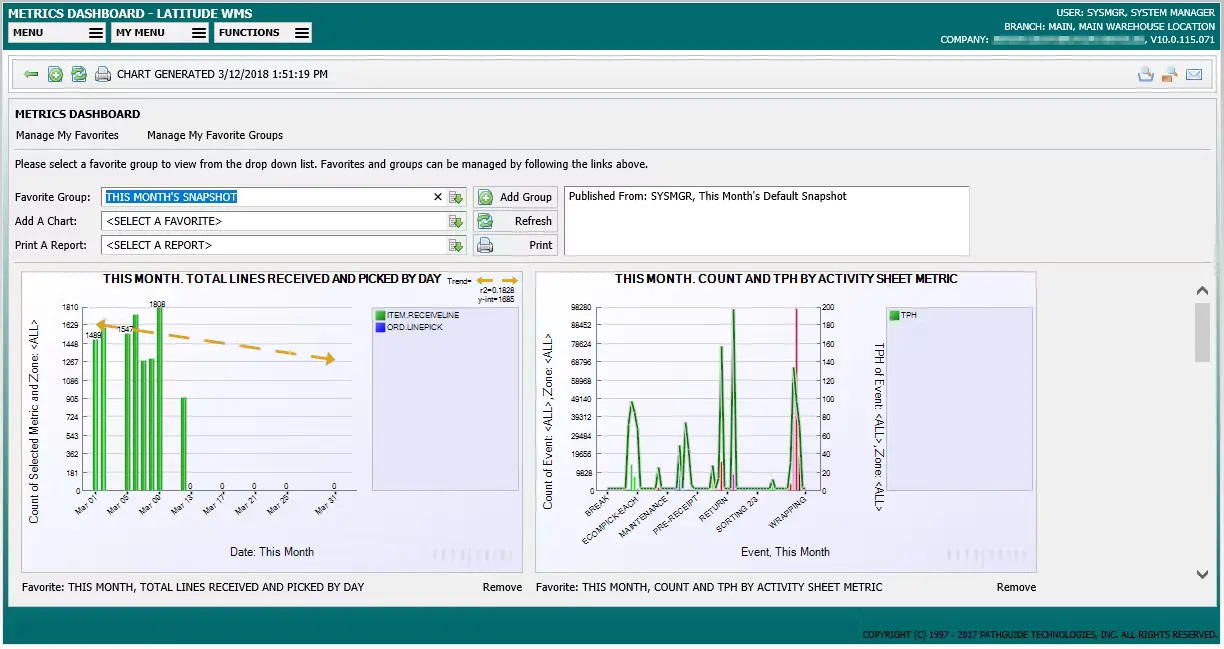
Latitude WMS is presented as warehouse management software designed to automate core warehouse inventory transactions, including receiving, picking, putaway, cycle counting, and shipping processes. It’s often described as a fit for retail and wholesale distribution environments that need repeatable execution and real-time control.
In practice, Latitude tends to work best when warehouses want structured execution on the floor and clearer performance measurement without building everything from scratch.
Features Latitude WMS system Malaysia:
- Receiving/returns
- Putaway
- Picking
- Customer-specific labels
Pricing: not publicly listed in a simple published table; typically quote-based.
Malaysia-based retail and wholesale distribution operations that want an execution-focused WMS with strong receiving/picking/putaway control and real-time inventory status.
| Pros | Cons |
|
|
14. Softeon WMS

Softeon WMS is generally positioned for warehouses that need flexible configuration and advanced execution workflows, especially when operations are complex and the “one-size-fits-all” approach breaks down. It’s described as supporting core WMS functions and automation-friendly execution across inbound, putaway, picking, and fulfillment.
In practice, this kind of system is most valuable when your warehouse has exception-heavy workflows (3PL, multi-client rules, complex order profiles) and needs control without forcing teams into rigid processes that don’t match reality.
Features of Softeon Warehouse Management Software:
- Real-time inventory tracking
- Advanced picking
- Labor and resource management
- Automation and systems integration
Malaysia-based high-complexity operations (including 3PL and multi-client fulfillment) that need configurable execution workflows and enterprise-grade control.
| Pros | Cons |
|
|
15. Centric Warehouse System Malaysia
Based on public positioning, “Centric” commonly refers to retail planning and pricing/inventory optimization solutions rather than a classic warehouse execution WMS. If your intent is a warehouse-management vendor named “Centric WMS,” it’s worth verifying the exact product name to avoid mismatched recommendations in the list.
Features of Centric Warehouse Inventory Management Software:
- Order and shipment management
- Barcode and RFID support
- Analytics and reporting
- Real-time inventory tracking
Pricing: depends on the confirmed product; not safely stated yet from the sources above.
Retail and fashion businesses that prioritize inventory planning and pricing optimization over complex warehouse floor operations. Better fit for companies with straightforward warehouse needs but more demanding retail planning requirements.
| Pros | Cons |
|
|
16. Fisbowl WMS

Fishbowl is commonly used as an inventory and warehouse solution for businesses that want tighter control over physical stock and operational routines, often alongside accounting or order workflows. The emphasis is typically on keeping inventory accurate, enabling barcode-led tasks, and supporting day-to-day warehouse execution without enterprise complexity.
In practice, it fits teams that want a practical system to manage stock movement across the facility and reduce reliance on manual inventory handling.
Key features of Fishbowl Warehouse Management System:
- Barcode scanning for inventory tracking
- Mobile access via iOS and Android
- Full support for Transfers, Scrap, Lookup, and Work Orders
- Cycle counting
Pricing: Fishbowl provides a pricing page, but exact plan figures may require a quote or a guided selection depending on bundle.
Malaysia-based teams that need reliable inventory control with warehouse workflows and want a solution that’s approachable for daily operational use.
| Pros | Cons |
|
|
Which WMS Software Suits My Business?
Selecting the right WMS is not just about features or pricing, but about how well it fits your specific warehouse operations. Different business sizes and industries require different capabilities, from basic inventory tracking to advanced multi-warehouse automation. This decision matrix helps you identify which WMS solution aligns best with your needs based on real-world use cases.
| Business Scenario | Recommended WMS | Why It Fits |
|---|---|---|
| SME with a single warehouse and tight budget | Zoho Inventory or Wasp Inventory | Both are affordable and easy to set up without a dedicated IT team. Zoho suits multi-channel online sellers; Wasp is better for large physical inventory with barcode scanning needs. |
| Growing Malaysian business needing SST compliance and local support | Focus Stock or AC2's Wave | Both offer Malaysian tax compliance, native SST support, and local support teams — practical for SME to mid-size operations. |
| E-commerce seller or 3PL managing multiple sales channels | 8Stock | Built specifically for Malaysian sellers — with native Shopee, Lazada, and TikTok Shop integration, FEFO/FIFO batch tracking, and a local KL-based support team. |
| Mid-to-large Malaysian business needing multi-warehouse, lot/serial tracking, and full ERP integration | HashMicro WMS | The strongest all-in-one choice for complex operations. Covers 3D warehouse visibility, RFID automation, and full native integration with procurement, accounting, and production — with complete LHDN MyInvois and SST compliance built in. |
| Large enterprise already running SAP, Oracle, or Infor ERP | SAP WMS, Oracle WMS, or Infor WMS | Best for enterprises that need deep integration within their existing ecosystem. Expect long implementation timelines and significant investment. |
| Global enterprise requiring AI-powered WMS with robotics integration | Blue Yonder | Built for large multinational operations with predictive analytics and robotics orchestration. Enterprise pricing starts around $25,000/year — not suited for Malaysian SMEs. |
| Manufacturing business using QuickBooks | Fishbowl WMS | Deep QuickBooks integration and manufacturing-focused inventory features make it a natural fit. Note that local Malaysian support is limited. |
Overall Comparison of Warehouse Management System Malaysia
| Provider | Connection Quality | Bank Coverage | Ease of Integration | Data Enrichment |
|---|---|---|---|---|
| HashMicro | ||||
| Infor | ||||
| Oracle | ||||
| Zoho | ||||
| Blue Yonder | ||||
| AC2's Wave | ||||
| Focus Stock | ||||
| ZAP |
Comparison Table: Top 5 WMS Malaysia
| Feature | HashMicro | Oracle | Infor | Blue Yonder | Zoho |
|---|---|---|---|---|---|
| RFID Integration | Yes | Yes | Yes | Yes | No |
| Multi-warehouse | Yes | Yes | Yes | Yes | Yes |
| ERP Integration | Yes (native) | Yes (native) | Yes | Partial | Yes |
| Cloud-based | Yes | Yes | Yes | Yes | Yes |
| Local MY Support | Yes | Yes | Limited | Limited | Limited |
| Pricing | Custom | Custom | Enterprise | Custom | Custom |
How MH Steel Optimized Storage Management with Smart WMS Automation
MH Steel Sdn Bhd, a steel distributor with a 90,000 sq. ft. warehouse in Shah Alam, provides a strong example of why storage management needs to evolve as warehouse activity becomes more complex. For a distributor handling large stock volumes, high vertical space alone is not enough if storage locations, stock movement, and picking flow are not managed efficiently.
As order activity grows, common warehouse issues usually start with small operational gaps. Fast moving items may be stored too far from active picking zones, slower stock can take up more accessible rack space, and staff may spend too much time moving across aisles instead of completing picks. When that happens, storage capacity looks sufficient on paper, but actual execution becomes slower and less predictable.
This is where a WMS becomes important. Instead of relying on manual coordination, a WMS helps guide put away, improve stock visibility, and support better slotting decisions based on actual movement patterns. For a warehouse environment like MH Steel’s in Shah Alam, that kind of system led control is far more effective than treating storage as a static space.
When smart automation is added, the impact becomes even clearer. A WMS can reposition high movement items into more efficient pick locations, reduce unnecessary travel time, and improve how vertical space is used. This allows the warehouse to handle more activity with better accuracy, smoother picking flow, and stronger day to day control.
In practical terms, the case shows that optimizing storage management is not only about adding more space. It is about using WMS and automation to make existing space work harder, reduce friction on the warehouse floor, and keep fulfillment more stable as operational demand increases.
Key Functions of Warehouse Management Software
A good WMS doesn’t just record activities. It controls them. The difference matters because recording tells you what went wrong, while control helps prevent it mid-process.
Below are the key functions that make warehouse management software essential for growing businesses:
- Inventory Tracking and Real-Time Visibility
This goes beyond how many units we have. It tells you where stock sits (down to the bin), what state it’s in (available, reserved, damaged, QC hold), and what movement caused the number to change. That’s what stops endless recounts and Slack debates about whose spreadsheet is right. - Barcode, RFID Scanning, and Receiving
By using barcode or RFID scanners, warehouse management software simplifies product identification and enables quick, error-free data entry during receiving, storage, and dispatch. - Optimized Space and Put-way Management
A sound warehouse management system helps businesses utilize warehouse space efficiently. It recommends optimal storage locations and organizes inventory based on size, weight, and turnover rate. - Automated Order Fulfillment, Picking, and Packing
WMS Malaysia automates order picking, packing, and shipping to ensure accuracy and faster delivery. Smart route suggestions and automated task assignments improve warehouse productivity and minimize manual errors. - Analytics and Performance Reporting
The system provides detailed reports and KPIs such as stock turnover, order accuracy, and space utilization. These insights help decision-makers identify inefficiencies and improve warehouse operations. - Multi-Warehouse and Multi-Location Control
For businesses operating across multiple sites, WMS centralizes data from all warehouses to enable unified stock monitoring and smoother inter-warehouse transfers. - Demand Forecasting and Replenishment
Advanced warehouse management software uses historical data to forecast demand and suggest restocking actions so that ideal inventory levels are always maintained. - Returns and Reverse Logistics
WMS streamlines returns management by automating inspection, restocking, and documentation. This helps businesses maintain accurate inventory records and strengthen customer satisfaction. - Integration with ERP and Supply Chain Systems
If a warehouse runs on a separate truth, every department pays for it. Integration connects inventory movements with purchasing, sales, and finance so stock, cost, and fulfillment status stay consistent across teams.
For deeper clarity on how layout and workflows affect WMS performance, check our complete Warehouse Setup Guide.
Tips on Choosing the Most Suitable WMS System for Malaysian Companies

Picking a WMS isn’t something you want to rush. I’ve seen businesses go with the cheapest option or the one with the longest feature list, only to realize months later that it doesn’t fit how their warehouse actually operates. The result? Workarounds, manual patches, and a team that quietly stops using half the system.
Before comparing vendors, step back and look at what your warehouse actually needs. Here’s what worth considering:
- Start with your workflow, not the feature list
Every warehouse runs differently. Some handle high-volume, fast-moving SKUs. Others deal with bulky items that need special storage. Map out how goods move through your facility first, then match that to WMS capabilities. A system packed with features you’ll never use is just expensive clutter. - Calculate total cost, not just license price
The subscription fee is only part of the picture. Factor in implementation, training, customization, and ongoing support. Some vendors charge extra for integrations or per-user seats. Ask for a full cost breakdown before committing. - Test the integration with your current systems
A WMS that doesn’t talk to your ERP, OMS, or e-commerce platform creates more problems than it solves. Data silos lead to manual re-entry, which leads to errors. Check whether the integration is native or requires third-party middleware, and who handles it when something breaks. - Think about where your business will be in 3 years
Choosing a WMS that fits today but can’t scale tomorrow means you’ll be shopping again sooner than expected. Ask vendors how the system handles increased SKU counts, multiple warehouse locations, or new sales channels. - Evaluate the support, not just the sales pitch
Once the contract is signed, the sales team disappears. What matters then is how responsive the support team is when something goes wrong at 2 AM on a Monday. Ask for references from existing customers in Malaysia and check how they rate post-implementation support.
As warehouse operations rely heavily on accurate stock control, understanding inventory management is essential for achieving real-time visibility and efficiency
Conclusion
A WMS doesn’t operate in isolation. The real value comes when it connects properly with your procurement, inventory, and financial systems. Without that integration, you end up with data living in separate places, which means more manual work and more room for errors.
When evaluating any WMS, pay attention to how it handles cross-module communication. Can purchase orders automatically update stock levels? Does inventory movement reflect in your accounting without manual journal entries? These connections determine whether the system actually saves time or just shifts the admin work somewhere else.
For warehouses in Malaysia dealing with complex supply chains or multiple product categories, a WMS with strong integration capabilities and flexibility to adapt to local workflows tends to deliver better long-term results than a rigid, one-size-fits-all solution.
If you’re still weighing your options, a free consultation with a solutions team can help clarify which setup fits your operational reality.

FAQ about WMS Malaysia
-
What is a WMS system?
Warehouse Management System (WMS) is specifically designed to optimize your warehouse operations. On the other hand, ERP software aims to automate processes across your business, from marketing and sales, human resources, customer service, procurement, inventory management, and financial management.
-
What are the four types of WMS?
There are four main warehouse inventory management software available, each catering to different business needs and requirements, namely Standalone, ERP Module, Cloud-based, and Supply Chain Module. Among these, cloud WMS Malaysia businesses have been adopting most rapidly, particularly for operations that require real-time access across multiple locations. Each of these solutions differs in terms of features, integration capabilities, and suitability for different industries and business sizes.
-
What is the difference between inventory and WMS?
Inventory management focuses on tracking and controlling stock levels, ensuring accurate records of the quantity, location, and status of goods within the warehouse. In contrast, a WMS system Malaysia not only includes inventory management, but also optimizes storage locations, manages picking and packing processes, and improves overall warehouse efficiency. Essentially, inventory management is a component of WMS, which offers a broader and more comprehensive solution to warehouse operations.
-
How does WMS integrate with accounting software?
A Warehouse Management System (WMS) and accounting software work together in financial management software field to ensure seamless financial tracking and operational efficiency. Warehouse inventory management software helps manage inventory levels, stock movements, and order fulfillment, while accounting software tracks financial transactions, cost of goods sold (COGS), and revenue calculations.
-
What are the elements of WMS?
The elements of a warehouse inventory management software include inventory tracking, which ensures accurate records of stock levels and locations, and order management, which streamlines the process of order fulfillment from receipt to dispatch. Additionally, WMS Malaysia includes picking and packing optimization to improve the speed and accuracy of order preparation, and shipping management to coordinate outbound logistics. Other elements are labor management, which tracks workforce productivity, and reporting and analytics, which provide insights into warehouse operations for continuous improvement.