













Stock moves fast when you sell across a shopfloor, a warehouse, and online channels. You want one clear view of what’s available, what’s reserved, and what needs reordering, so the team stops guessing. That’s where inventory management software earns its place in daily operations.
Malaysia’s e-commerce income reached RM918.2 billion in the first nine months of 2024, reported by the Department of Statistics Malaysia. As order volume climbs, even small stock gaps can trigger fulfilment delays, avoidable transfers, or excess purchasing. So, accuracy and timing start to matter as much as price.
This 2026 guide reviews 20 tools used in Malaysia, from retail and F&B to distribution and multi-warehouse setups. You’ll see which features support real workflows and how to find the right inventory management system for your operation
Key Takeaways
|
Manual counting and fragmented data often lead to costly stockouts or excessive overstocking. An automated inventory management system solves this by providing real-time tracking and precise demand forecasting across all your sales channels.

Best Inventory Management Software Shortlist
After reviewing various options, I’ve shortlisted the best inventory management software in Malaysia for 2026. These tools help businesses manage inventory, simplify order processing, and enhance accuracy.


Best Because Affordable tracking, seamless accounting integration, small business focus.



Best Because
Teams requiring flexible customization and visual oversight
Quick Comparison of Best Inventory Management Software in Malaysia
| Software | Best for | Strength | Malaysia Fit | Key Features |
|---|---|---|---|---|
| HashMicro | Multi-warehouse & scaling businesses | All-in-one ERP with strong automation | Built for SST & LHDN compliance | Forecasting, FEFO/FIFO, barcode, stock optimizer |
| Ordoro | E-commerce sellers | Order + shipping automation | Supports Shopee & Lazada workflows | Order sync, shipping integration |
| Xero | SMEs needing accounting + inventory | Strong financial integration | Supports SST-ready reporting | Stock tracking, financial sync |
| Katana | Manufacturing businesses | Production + inventory sync | Good for production tracking | Live production control |
| Zoho Inventory | SMEs with simple workflows | User-friendly system | Basic SST compliance support | Order automation, reporting |
| Unleashed | Manufacturers & distributors | End-to-end workflow tracking | Supports structured inventory ops | BOM, warehouse tracking |
| QuickBooks | Small businesses | Affordable + simple | SST-friendly accounting | Basic stock + financial tracking |
| NetSuite | Large enterprises | Advanced automation | Enterprise-level compliance | Warehouse + analytics |
| Netstock | Forecast-driven teams | Demand planning strength | Useful for stock optimization | Replenishment planning |
| Orderhive | Multi-channel sellers | Marketplace integration | SST-friendly centralized system | Order automation |
| Cin7 | Retail + wholesale | Live stock sync | Good for omnichannel | Inventory automation |
| inFlow | Small inventory teams | Easy to use | Basic compliance workflow | Order + stock tracking |
| ShipHero | Fulfillment operations | Warehouse optimization | Strong logistics fit | Shipping + stock sync |
| Fishbowl | Inventory-heavy ops | End-to-end tracking | Standard compliance support | Order to reporting cycle |
| Upserve | F&B businesses | Restaurant inventory control | SST-ready for F&B | Food costing, supplier mgmt |
| Square | Retail stores | POS + inventory combo | Simple SST tracking | Stock alerts, POS sync |
| Monday.com | Custom workflows | Highly flexible | Adaptable for MY workflow | Custom dashboards |
| Spocket | Dropshipping | Supplier integration | Global + MY compliance adaptable | Live stock sync |
| Million | Local Malaysian SMEs | Strong local integration | Designed for Malaysia | Multi-location tracking |
| Veeqo | Multichannel sellers | Centralized inventory | SST-friendly logistics tracking | Shipping + order automation |
What is Inventory Management Software?
Inventory management software is a tool that helps businesses track stock levels, manage orders, and streamline sales and deliveries. It optimizes the flow of goods by monitoring inventory in real-time and automating key processes.
Effective inventory management system ensures smooth operations and minimizes costs by preventing stockouts and reducing excess inventory. It also improves supply chain efficiency and supports better purchasing, stocking, and order fulfillment decisions.
Many inventory management systems integrate with tools like POS, accounting software, and e-commerce platforms to keep inventory data accurate, while advanced ones offer forecasting and analytics to optimize stock and support strategic decisions.
Hashy AI Fact

Need to know!
Hashy AI from HashMicro can optimize inventory management through real-time tracking, automated notifications, and effortless internal transfers. It will ensure your inventory is continually optimized and up to date.
Request a free demo today!
Next, explore our recommendations for the 20 best inventory management software in Malaysia to find the perfect solution for your business needs.
Warehouse Management System Benefits
Managing a warehouse manually often leads to common but costly issues such as inaccurate stock counts, expired products going unnoticed, and slow order fulfillment. These challenges can quietly drain your business resources and lower customer satisfaction. That’s where a Warehouse Management System (WMS) steps in.
- Inventory Forecasting: WMS uses advanced Stock Forecasting and Run Rate Reordering Rules to predict future inventory needs, helping businesses plan more accurately.
- Minimizing Waste: With FEFO/FIFO practice, Expiry Management, and Stock Optimizer per Warehouse, WMS ensures older or soon-to-expire items are prioritized.
- Barcode Management: The system integrates seamlessly with Barcode & QR Code, RFID Rack Automation, and OCR Receiving, enabling fast, accurate tracking of stock movements.
- Lot & Serial Number Tracking: WMS automated lot and serial number generation, along with Lot and Serial Number Management, makes it easy to trace every product batch across warehouses.
- Stock Requisition Management: WMS simplify stock request approvals through Internal Transfer Operation and controlled distribution between outlets or warehouses.
- Stock Aging Analysis: WMS provides Fast & Slow-Moving Stock Analysis to identify fast- and slow-moving items, enabling smarter inventory-turnover decisions.
From smarter inventory forecasting to real-time barcode tracking and automated stock analysis, Warehouse Management System gives you complete control over your warehouse operations. Instead of reacting to problems after they happen, you can prevent them before they cost you.
20 Best Inventory Management Software in Malaysia 2026
Finding a system that balances your operational needs with Malaysia’s 2026 SST requirements can feel like a challenge. This guide explores the best inventory software options to help you identify a solution that truly fits your unique business rhythm and makes managing your daily stock feel much more effortless.
1. HashMicro Inventory Management Software
SST filing used to take two people three days. With HashMicro, that same reconciliation runs in under an hour because inventory movements, warehouse transfers, and LHDN-ready reports all live in one place. It’s the only inventory system in Malaysia built natively for SST compliance, with Bahasa Melayu interface support and MIDA grant eligibility baked in.
Hashmicro is the only inventory system in Malaysia that supports direct submission of LHDN e-invoices, and is a recognized vendor for the MIDA Smart Automation Grant which means local manufacturing businesses can receive subsidies of up to 50% of their implementation costs.
Furthermore, here are the pros and cons of HashMicro’s inventory system in Malaysia. You could consider this before choosing the best solution for your business in Malaysia.
| Pros | Cons |
|
|
|
|
|
|
|
A system built for the local ecosystem that simplifies your SST and LHDN compliance tasks. By leveraging the MIDA Smart Automation Grant and unlimited user pricing, you can scale your operations more comfortably. Having support in Bahasa Melayu is exactly what you need to keep your daily workflow effortless.

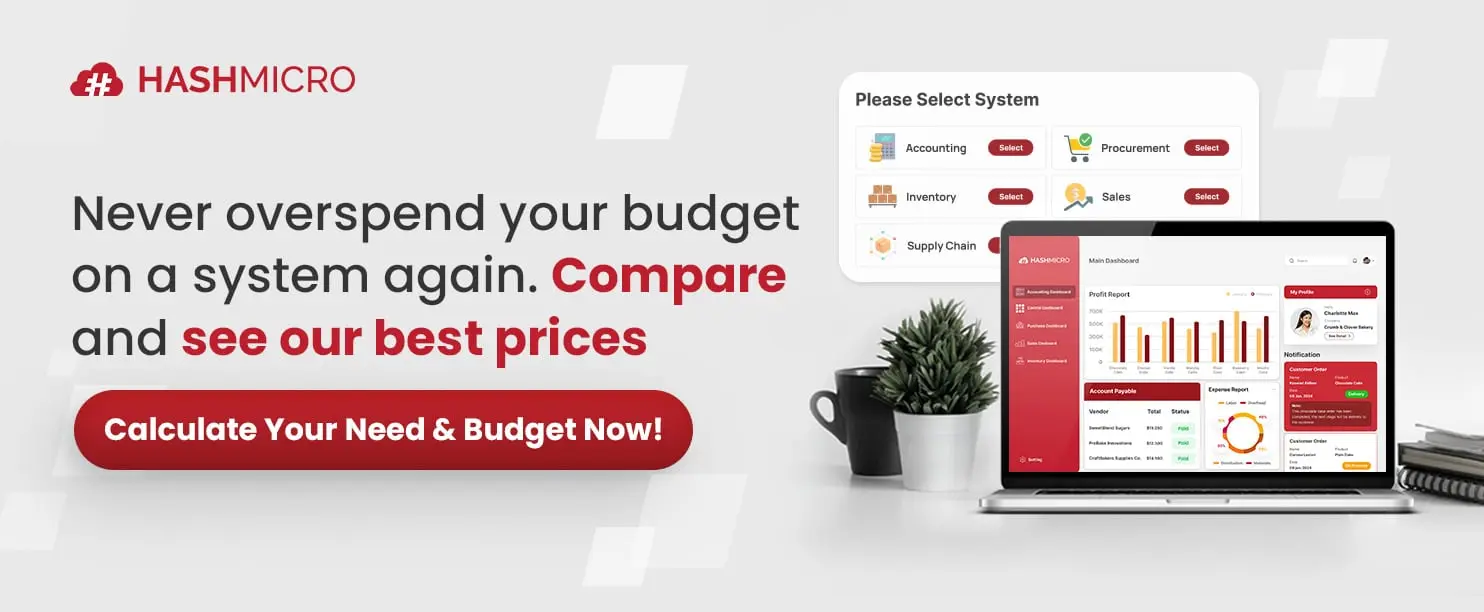
If you are interested in learning more about how HashMicro Inventory Management Software can benefit your business, click the banner below to view the pricing scheme.
2. Ordoro Inc.
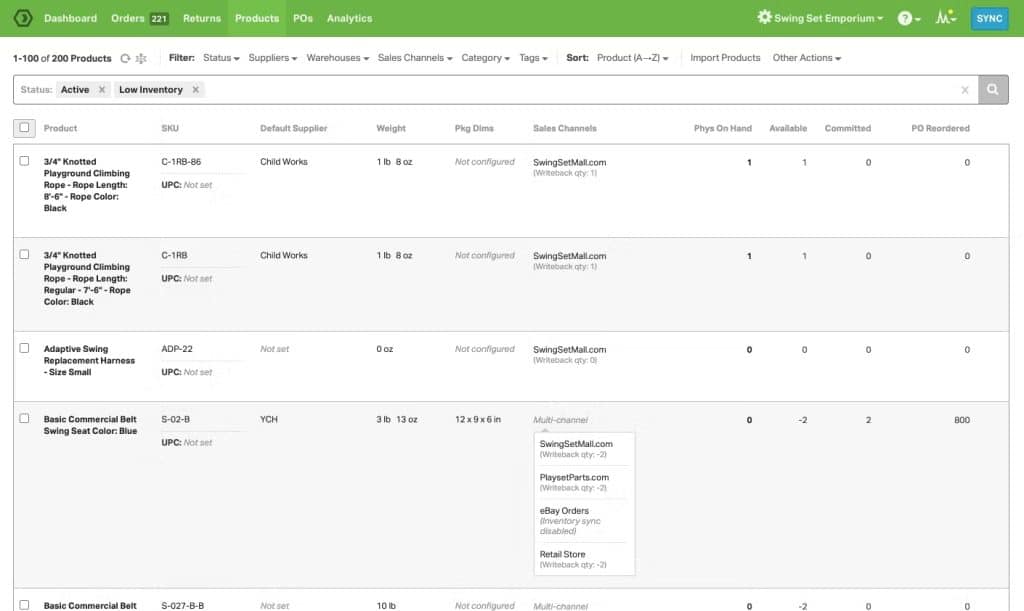
Ordoro Inc.’s Inventory Management Software is an integrated platform for order management, inventory control, and shipping. It helps businesses save time and enhance fulfillment efficiency through automated order processing, leading to improved customer satisfaction.
| Pros | Cons |
|
|
|
|
|
Keeping your Shopee and Lazada sales in one place often makes it easier to stay on top of SST reporting requirements. This approach streamlines local shipping tasks while maintaining accurate stock levels across various platforms. I believe a centralized workflow provides a much smoother way to meet LHDN standards without the stress of manual tracking.
3. Xero

For Malaysian SMEs where the same person manages purchasing, invoicing, and quarterly SST returns, Xero removes the need to switch between three separate tools. Every goods receipt posts directly to your Chart of Accounts, and your inventory valuation updates without a manual journal entry.
The Inventory Plus add-on extends this to Shopify and Amazon FBA, useful if you’ve started selling cross-border.
| Pros | Cons |
|
|
|
|
|
Managing your financial data feels much simpler when you use a cloud based platform that aligns with local SST and LHDN requirements. Linking local bank accounts directly keeps every transaction organized while providing accurate stock valuation for your tax filings. I believe the real advantage lies in having a single space for bookkeeping and inventory to keep your business audit ready at all times.
4. Katana
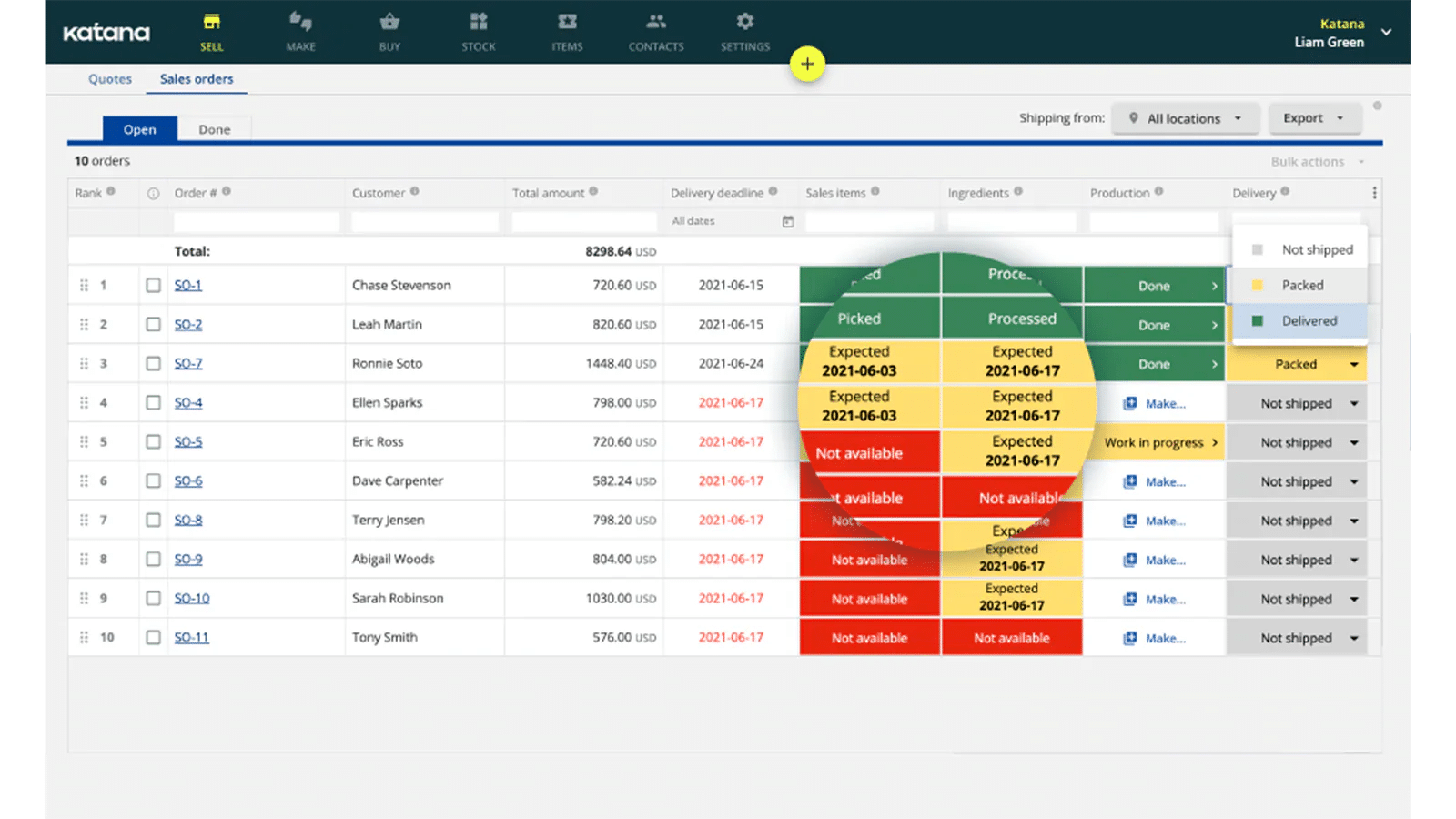
Katana keeps production, stock tracking, and workflow data in one cloud based system. When demand changes, teams can check inventory availability faster and reduce the risk of shortages or excess stock before it affects daily operations.
The interface is built to make complex inventory data easier to read, so teams without deep technical experience can still manage production related stock with less friction.
| Pros | Cons |
|
|
|
|
|
5. Zoho
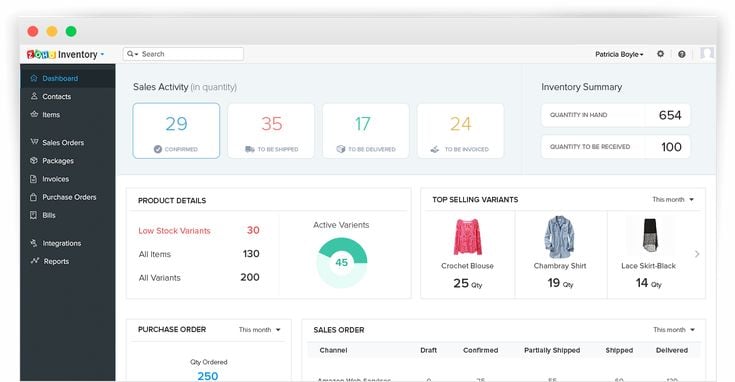
Zoho provides a user-friendly interface with comprehensive features for inventory management. It helps businesses streamline order fulfillment, maintain precise stock control, and automate reordering to ensure optimal inventory levels and efficient operations.
While Zoho’s software may not be as strong as some other options on this list, its user-friendly interface and key functionalities make it a viable choice for businesses in Malaysia.
| Pros | Cons |
|
|
|
|
|
|
Matching stock with local SST rules feels simpler with a basic digital setup. This approach keeps records ready for LHDN reviews to avoid manual stress. I think this standard flow offers enough visibility for your daily tasks.
6. Unleashed
 Unleashed Software is a cloud-based inventory, production, and sales management platform designed primarily for manufacturers, distributors, and wholesalers.
It enables businesses to track inventory across multiple warehouses, handle purchase orders and sales orders, manage bills of materials (for make‐to‐order scenarios), and integrate financial data.
| Pros | Cons |
|
|
|
|
|
A solid choice for FMCG distributors or wholesale companies that ship to hundreds of different outlets.
7. QuickBooks
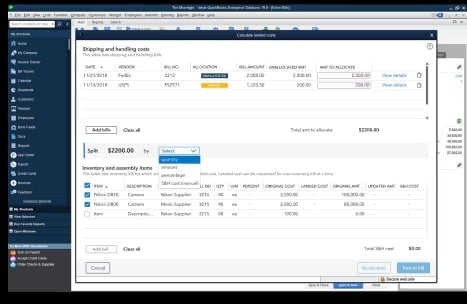
QuickBooks is a cost-effective stock monitoring solution, works best when your business is small enough that one person handles both the sales orders and the monthly accounts.
Stock levels update when you raise an invoice, purchase costs flow straight into your P&L, and your accountant can log in remotely without needing a separate system.
| Pros | Cons |
|
|
|
|
|
If your account and inventory are still managed by the same person and you want them to stay in sync without any additional apps. This isn’t ideal if you already have more than 3 warehouses or sell on more than 2 platforms at the same time.
8. Netsuite
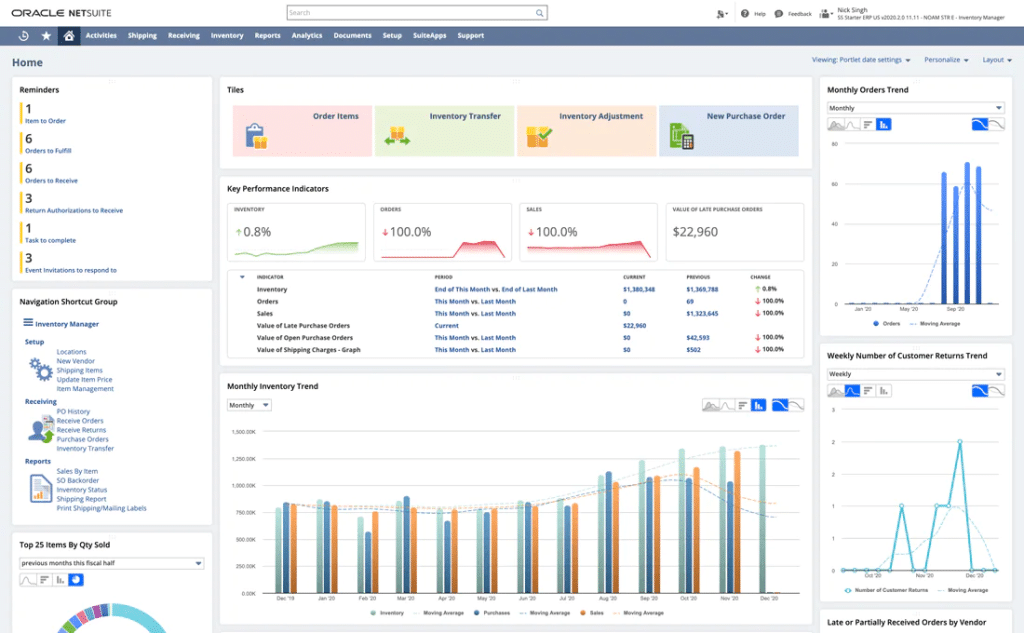
NetSuite’s Inventory Management Software provides traceability and warehousing features, ensuring accurate stock tracking. It helps businesses by automating inventory control, optimizing stock levels, and streamlining operations for improved efficiency and reduced errors.
NetSuite has been owned by Oracle since 2016, following a USD 9.3 billion acquisition. In Southeast Asia, NetSuite is used by medium to large-sized distribution companies that require a complete audit trail for due diligence or IPO purposes.
| Pros | Cons |
|
|
|
|
|
|
Aligning stock with local SST rules is possible through a broad cloud setup. This approach keeps records ready for LHDN reviews to avoid manual stress. A standard workflow like this provides the basic visibility needed to manage your business data.
9. Netstock
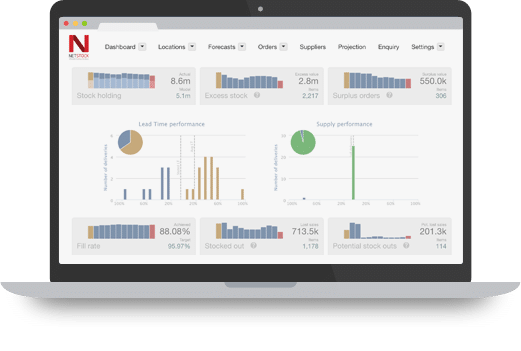
Netstock is an inventory management solution that provides real-time visibility into stock levels. It helps businesses monitor inventory, reduce excess stock, and make data-driven replenishment decisions, ensuring optimal stock control and operational efficiency.
| Pros | Cons |
|
|
|
|
|
Pricing: USD 400/mo (~RM 1,621/mo)
Netstock suits Malaysian businesses that need clearer stock visibility, better demand forecasting, and more accurate replenishment planning.
10. Orderhive Inc.
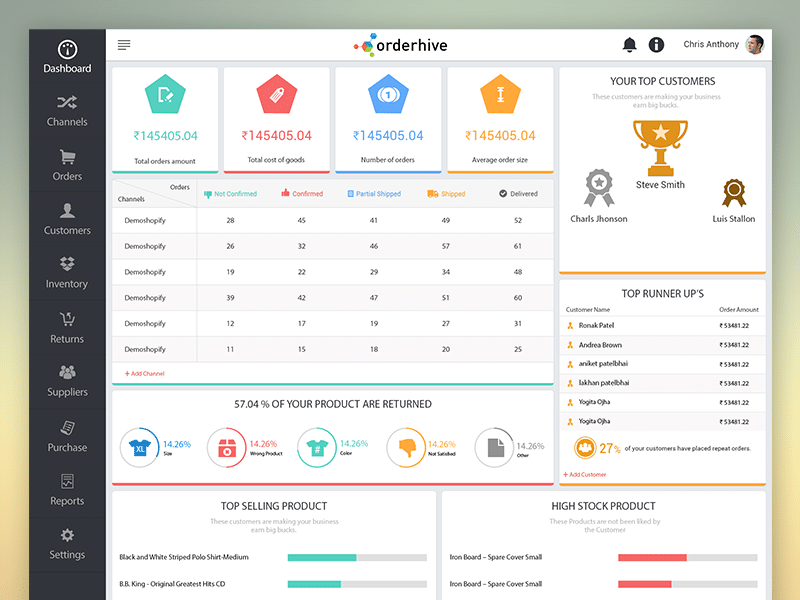
Orderhive Inc. is an inventory management software with advanced tracking features. It helps businesses optimize stock levels, prevent stockouts or overstocking, and streamline order fulfillment through real-time updates and enhanced visibility into inventory.
| Pros | Cons |
|
|
|
|
|
Aligning your multi channel sales with local SST rules becomes easier with a centralized hub. This approach keeps stock records ready for LHDN reviews to avoid manual stress. A standard workflow like this provides the basic visibility needed to manage your inventory.
11. Cin7
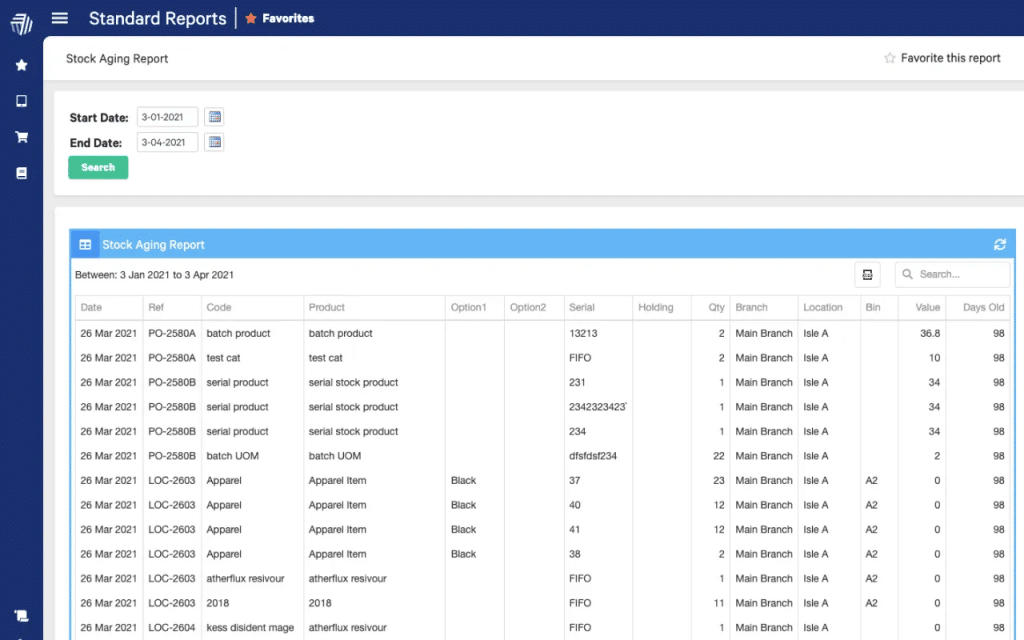
Cin7 is a cloud-based inventory management software that offers real-time inventory visibility and control. It helps businesses automate order management, simplify processing, and track orders across multiple channels, ensuring efficient and accurate stock management.
| Pros | Cons |
|
|
|
|
|
Aligning your stock with local SST rules becomes easier with a connected setup. This approach keeps records ready for LHDN reviews to avoid manual stress. A standard workflow like this provides the basic visibility needed to manage your daily tasks.
12. inFlow
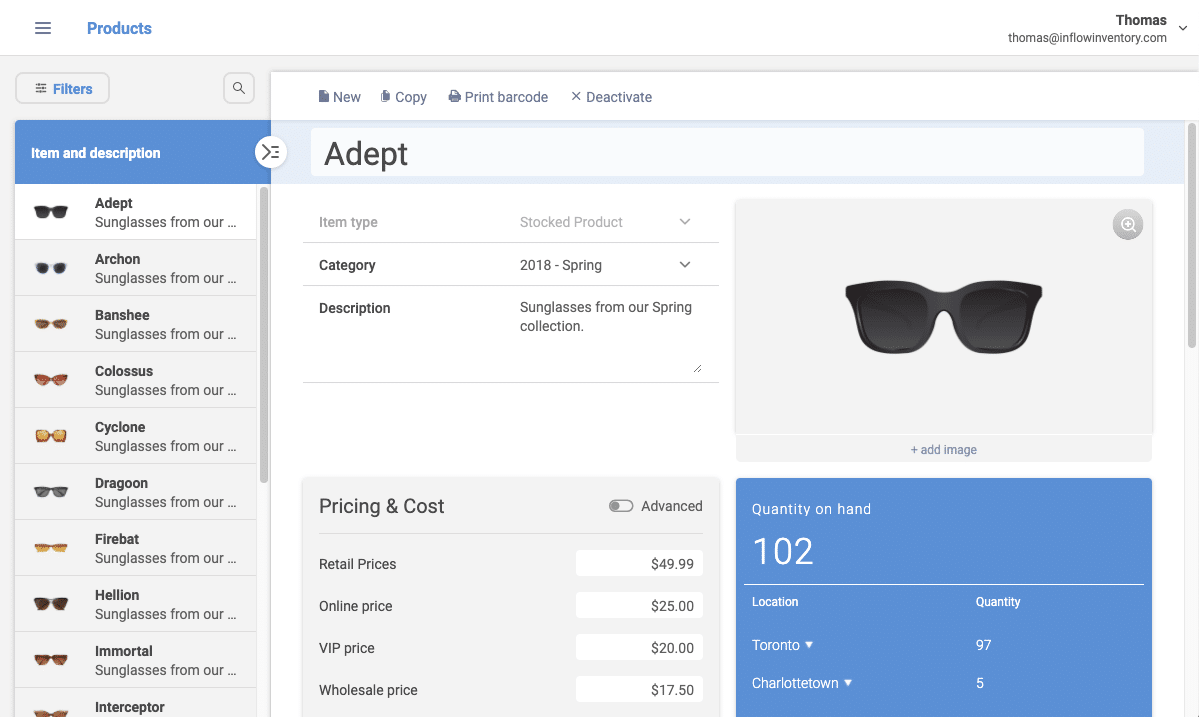
inFlow is an inventory management software that enables businesses to customize stock, reorder products, and manage sales and purchase orders. It helps companies maintain accurate inventory tracking across multiple platforms, ensuring seamless stock control from anywhere.
The strength of this warehouse management system in Malaysia lies in its user-friendly design and its commitment to providing a seamless inventory and order management experience. With its cloud-based setup, inFlow simplifies the complexities of inventory tracking, making it easy to access and manage even for those who may not be tech-savvy.
| Pros | Cons |
|
|
|
|
|
Aligning your stock with local SST rules becomes easier with a digital setup. This approach keeps records ready for LHDN reviews to avoid manual stress. A standard workflow like this provides the basic visibility needed to manage your inventory.
13. ShipHero
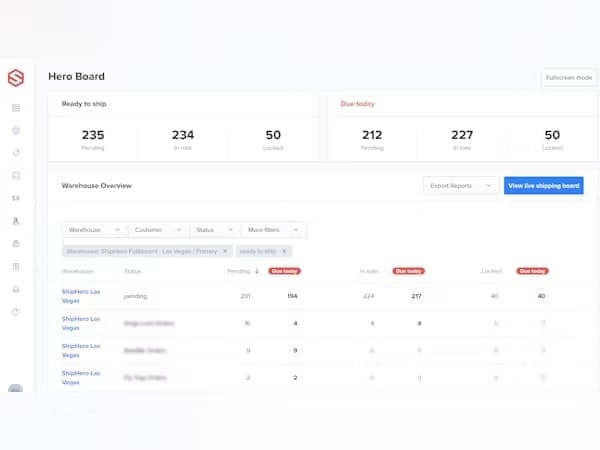
ShipHero is a cloud-based inventory system designed for e-commerce and fulfillment operations. It helps businesses streamline inventory management, track stock across multiple warehouses and sales channels, and simplify complex fulfillment processes for greater efficiency.
One of the standout features of ShipHero is its ability to facilitate efficient warehouse operations. The software supports businesses in maintaining a smooth flow of goods from receiving to shipping, minimizing the chances of errors and delays.
| Pros | Cons |
|
|
|
|
|
Keeping warehouse tasks and local shipments organized feels much simpler when records stay compliant with Malaysian SST and LHDN regulations. This setup streamlines data and keeps tax documents ready without manual stress. A basic tool like this provides the standard visibility needed to maintain your daily order flow.
14. Fishbowl
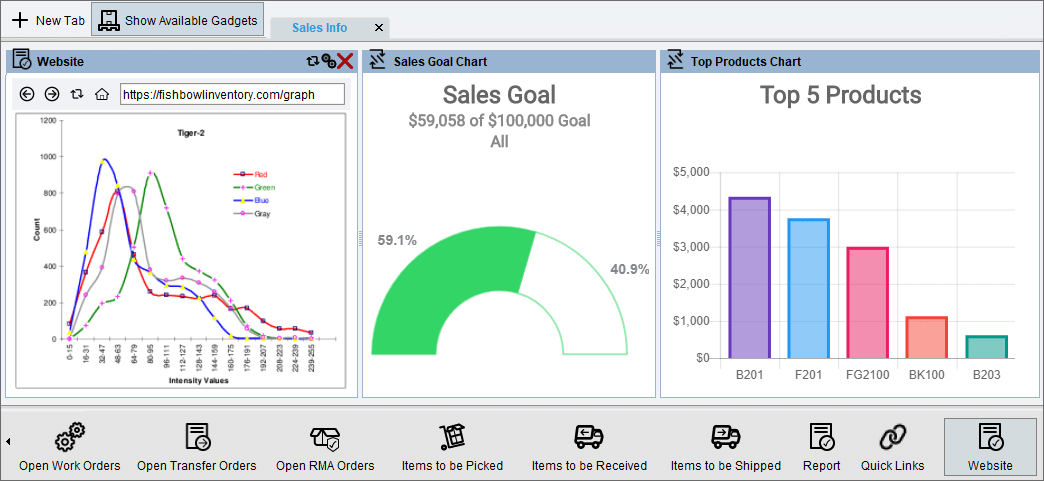
Fishbowl is an inventory management software that covers the entire inventory cycle, from ordering to reporting. It helps businesses maintain accurate records, optimize warehouse space, improve order fulfillment, and reduce manual data entry errors for greater efficiency.
Fishbowl provides the tools necessary to simplify complex operations, allowing businesses to focus on growth and customer satisfaction.
| Pros | Cons |
|
|
|
|
|
Organizing parts and finished products alongside Malaysian SST requirements becomes simpler with a digital setup. This workflow keeps documents ready for LHDN reviews while removing the stress of paper based tracking. A standard tool like this provides the basic oversight to keep your inventory moving.
15. Upserve
 Upserve Inventory is a cloud-based inventory and purchasing solution built for the food & beverage/restaurant industry. It integrates with the Upserve/Lightspeed POS and helps restaurants track stock levels, perform real-time food costing, automate replenishment orders, and manage supplier relationships.
It was formed when Upserve acquired the inventory management platform SimpleOrder and integrated it into its offering.
| Pros | Cons |
|
|
|
|
|
Handling table orders and kitchen stock feels more organized when your records follow Malaysian SST standards. This setup keeps financial data ready for LHDN reviews while simplifying daily operations for your restaurant. A standard platform like this offers the basic oversight your staff needs to maintain a steady service flow.
16. Square
 Square is a cloud-based point-of-sale system designed primarily for small and mid-sized retail businesses. It integrates payment processing, sales tracking, inventory management, customer relationship features, and multichannel selling (in-store + online) into one platform.
As part of Square’s ecosystem, the inventory management component enables you to track stock levels, set low-stock alerts, import item catalogs, and synchronize data between locations.
| Pros | Cons |
|
|
|
|
|
17. Monday.com

Monday.com is not strictly inventory software, but rather a work management platform that can be configured for stock management. Teams can create boards containing data such as stock quantity, unit price and last updated.
For inventory management, Monday.com’s workflows can be used to trigger alerts when stock levels start to run low. However, businesses still need to assess whether a board-based system like this is sufficient for more complex inventory workflows.
| Pros | Cons |
|
|
|
|
|
Organizing project tasks while following Malaysian SST rules feels much simpler with a digital workspace. This setup keeps business records ready for LHDN reviews and reduces the stress of manual tracking. A basic platform like this provides the standard visibility your business needs to stay on top of daily schedules.
18. Spocket
 In a dropshipping model, stock is not always held by the retailer. Spocket addresses this by helping online shops source products from suppliers and ensuring that stock levels are kept up to date with the suppliers’ latest information.
| Pros | Cons |
|---|---|
|
|
|
|
Finding global suppliers and syncing stock with Malaysian SST requirements feels more organized with a digital setup. This approach keeps dropshipping records ready for LHDN reviews while removing the need for manual tracking. A standard platform like this offers the basic oversight your business needs to stay on schedule.
19. Million
 The Million Stock Control System is better suited to the needs of Malaysian SMEs that wish to keep their stock movements synchronised with their accounting or POS systems. To keep things concise, the discussion will focus on two main areas: cross-location tracking and integration with existing business systems.
| Pros | Cons |
|
|
|
|
|
Matching stock with Malaysian SST rules is easier with this digital setup. It keeps records ready for LHDN reviews and eliminates manual paperwork. This basic workflow provides the standard visibility your business needs.
20. Veeqo

When a business sells via marketplaces, websites and physical shops simultaneously, stock levels can change faster than manual updates can keep up with. Veeqo operates in this multichannel environment, particularly where inventory needs to be linked to orders and shipping.
As its scope also extends to fulfilment, Veeqo is best described as a system for managing cross-channel stock, rather than simply a basic inventory tracking tool.
| Pros | Cons |
|
|
|
|
|
Organizing shipments while following Malaysian SST rules feels simpler with a digital setup. This approach keeps records ready for LHDN reviews and avoids manual stress. A basic workflow like this provides the standard visibility your business needs to track daily tasks.
Overall Comparison of Inventory Management Software in Malaysia
| Provider | Serial Number Tracking | Barcode & RFID Integration | Warehouse Management (WMS) | Inventory Valuation |
|---|---|---|---|---|
| HashMicro | ||||
| Netsuite | ||||
| Zoho | ||||
| Netstock | ||||
| Monday | ||||
| Quickbooks |
Features of Inventory Management Software
A digital stock setup manages daily work while following Malaysian SST and LHDN rules. This keeps records ready and avoids manual stress. Look for these features:
- Real-Time Inventory Tracking: Automatically updating stock levels whenever items are added, sold, or moved, giving businesses instant visibility into their inventory status.
- Order Management Capabilities: Automating the flow from order placement to fulfillment, synchronizing inventory, sales, and delivery data to ensure smooth and accurate processing.
- Sales and Purchase Order Processing: Integrates all order data into a single system, automatically tracking and updating each step from creation to fulfillment.
- Barcode Scanning and Automation: Using barcode readers to instantly capture product information and update inventory records in real time.
- Forecasting and Analytics Tools: Analyzing historical sales and inventory data to identify trends and generate predictive insights for future demand and stock optimization.
- Integration with Other Business Systems: Automatically synchronizing inventory data with POS, accounting, and e-commerce platforms to maintain consistent and up-to-date information across all operations.
With these features, businesses gain better stock movement visibility, reduce discrepancies between warehouses, and improve inventory turnover. Tools like ABC analysis help prioritize inventory based on value and movement, ensuring smarter replenishment planning.
What Happens If You Don’t Use Inventory Management Software?
Inventory management is a critical aspect of business operations that impacts efficiency and profitability. However, businesses often face common challenges in inventory management, including:
- Stock Shortages and Overstocking: Stock shortages occur when inventory doesn’t meet demand, leading to lost sales and reputational damage. Conversely, overstocking results in higher storage costs and increased risk of product damage, tying up capital that could be used elsewhere.
- Inaccurate Inventory Data: Inaccurate inventory data can severely disrupt business operations. Mismatches between inventory records and physical stock levels can lead to poor purchasing decisions and errors in sales orders.
- Long Delivery Times: Delays in supplier deliveries can disrupt the flow of goods and cause stock shortages. This issue is often exacerbated by supply chain uncertainties, poor communication with suppliers, and the difficulty in accurately predicting demand.
- Lack of Supply Chain Visibility: Limited visibility across the supply chain prevents businesses from quickly identifying and addressing issues. Without accurate, up-to-date information on inventory status, managing stock effectively becomes challenging.
- High Storage Costs: Excessive storage costs encompass warehouse rent, labor, insurance, and other expenses associated with maintaining inventory. These costs can rise when businesses overstock due to inefficient warehouse management.
Addressing these challenges requires implementing an effective inventory management system Malaysia, leveraging technology to enhance data accuracy, and adopting proactive supply chain management strategies. With these solutions, businesses can improve operational efficiency and achieve higher customer satisfaction.
How to Choose Best Inventory Management Software in Malaysia
When choosing the best inventory management system in Malaysia, several key factors should be considered to ensure optimal functionality and compatibility with local business practices. Make sure you don’t choose the wrong software that will increase your company’s losses.
Here are some tips on how to choose the best inventory management software Malaysia so that the system fits your company’s profile and workflow.
1. Identify your business needs: Start by knowing your business scale, customer reach, business work processes, and what obstacles you often experience. If you know your business problems, you will understand what type of inventory system you need.
2. Regulation compliance: Ensure compatibility with Malaysian regulations for seamless integration with legal compliance.
3. Multi-currency support: Look for software that offers multi-currency support to facilitate international transactions, for your business in Malaysia to engage in global trade.
4. User-friendly interface: Prioritize a user-friendly interface to ease implementation and ongoing use, increase efficiency, and reduce training time for staff.
5. Strong customer support: Choose a software provider with reliable customer support services to address any issues promptly, minimizing downtime and ensuring smooth operations.
6. Integration capabilities: Evaluate integration options with other business management systems such as integrated business suite to smooth processes and improve overall efficiency.
7. Scalability: Opt for a software solution that is scalable to accommodate Malaysia’s growing business needs, allowing for smooth expansion without significant disruption.
8. Customization options: Look for software that offers customization options to tailor the system to the specific needs of the business, ensuring optimal functionality and flexibility.
By considering these factors, including how smart stock automation improves automation and forecasting, Malaysian businesses can find software that fits their needs and boosts efficiency.
To uncover the top-performing solutions, check out the full analysis in the conclusion below.
Which Inventory Software Suits Your Business?
| Business Scenario | Recommended Software | Why It Fits |
|---|---|---|
| SME that needs simple inventory tracking | Zoho Inventory / inFlow | These tools are easy to use and suitable for basic stock tracking, order management, and small team workflows without complexity. |
| E-commerce business managing Shopee & Lazada | Ordoro / Orderhive / Veeqo | Strong marketplace integration helps centralize orders, inventory, and shipping while keeping stock levels accurate across channels. |
| Business needing accounting + inventory in one system | Xero / QuickBooks | Combines financial tracking with inventory visibility, making SST reporting and financial management more efficient. |
| Manufacturing or production-based company | Katana / Unleashed | Supports production workflows, BOM tracking, and inventory synchronization to prevent shortages and overstocking. |
| Growing business with multiple warehouses | HashMicro | Provides multi-warehouse tracking, forecasting, barcode integration, and strong automation for scaling operations. |
| Enterprise with complex inventory operations | NetSuite | Advanced automation, reporting, and warehouse control make it suitable for large-scale inventory environments. |
| Business focused on demand forecasting | Netstock | Specialized in inventory forecasting and replenishment planning to optimize stock levels and reduce waste. |
| Retail business using POS system | Square | Integrates POS with inventory tracking, helping manage stock levels, sales, and transactions in real time. |
| Warehouse & fulfillment operations | ShipHero / Fishbowl | Improves warehouse workflows, stock tracking, and order fulfillment efficiency across operations. |
| Dropshipping business | Spocket | Eliminates need for holding stock while syncing supplier inventory in real time to avoid overselling. |
| Local Malaysian SME | Million | Designed for Malaysian businesses with strong local integration and compliance-ready inventory workflows. |
| Custom workflow & flexible system needs | Monday.com | Highly customizable dashboards and workflows suitable for businesses needing adaptable inventory tracking. |
Conclusion
If your business only needs basic stock tracking, tools like QuickBooks, Zoho, or inFlow may be enough to manage daily inventory records without adding a complex system. For e-commerce and multichannel fulfilment, options such as ShipHero, Veeqo, or Spocket are more relevant because they focus on stock movement across sales channels and delivery workflows.
For companies managing multiple warehouses, purchasing flows, stock transfers, and accounting data, a more integrated system becomes easier to justify. In this case, HashMicro is worth considering because it connects inventory control with warehouse visibility, barcode tracking, forecasting, and local business requirements in Malaysia.
Before choosing a system, match the software with how your stock actually moves. A small retail shop does not need the same setup as a distributor with several warehouses. If your inventory process already affects fulfilment speed, purchasing accuracy, or financial reporting, a free consultation can help you confirm which setup fits before implementation begins.

FAQ about Inventory Management Software in Malaysia
-
What is the most commonly used inventory management system?
The most commonly used inventory system in Malaysia is a cloud-based solution that provides real-time updates. HashMicro inventory management software is a top choice for local businesses, offering flexibility, easy integration, and a user-friendly interface to manage inventory more effectively.
-
Will the best inventory software integrate with my POS or e-commerce store?
Yes, the best inventory software should integrate with your POS or e-commerce store. Integration automatically syncs stock data, sales, and order information, ensuring your inventory levels are always up to date and reducing errors from manual entry.
-
What are the four types of inventory management systems?
There are four main types of inventory systems: the periodic system (updates stock at set times), the perpetual system (updates stock in real time), Just-in-Time (JIT) (minimizes stock levels), and ABC analysis (classifies inventory by value). HashMicro offers support for all these types in its inventory management software, helping businesses choose the best solution for their needs in Malaysia.
-
How much does inventory management software cost in Malaysia?
Costs usually fall into three buckets: (1) entry-level cloud tools with low monthly subscriptions (some plans start around $29/month depending on vendor/plan), (2) mid-market systems that can run four figures in RM per month for more advanced workflows/integrations, and (3) enterprise/ERP-style inventory that’s typically quote-based and priced by modules, users, and rollout scope.
-
How long does it take to set up inventory management software?
It depends on complexity: a basic cloud setup can be configured quickly, but a full implementation (data cleanup, item masters, workflows, training, integrations) is commonly planned in weeks, while larger ERP/NetSuite-style deployments often take months (e.g., 90 days for accelerated projects, or 6 months as a common estimate for many implementations).