








Key Takeaways
|
Retail warehouse operations are only as strong as the connection between what’s stored and what’s sold. A system that links real-time stock visibility to store replenishment and online order fulfillment tends to reduce the discrepancies that cause the most disruption at scale.
What is Retail Warehouse Software?
Hashy AI Fact

Need to know!
AI-driven run rate reordering calculates sales speed and automatically triggers restocking suggestions, ensuring inventory stays optimized and preventing shortages.
Request a free demo today!
Why Malaysian Companies Need Retail Warehouse Software?
If you run a retail operation in Malaysia, you’ll feel the pressure as stock volumes grow and customer expectations move faster. The right system helps you keep inventory updates accurate, speed up fulfilment, and stay on top of what is available in real time as competition heats up. When you automate routine tasks, you reduce day to day disruptions and keep your stock flow more reliable from receiving to dispatch.
As Malaysia’s retail scene expands, you might be stuck with fragmented tools, manual stock updates, and slow processes that drain time. A more connected setup pulls those moving parts into one place, reduces human slip ups, and helps your team work in a tighter rhythm.
Without a modern setup, you can end up paying for it through inconsistent stock numbers, slower fulfilment cycles, and limited visibility across operations. Here are a few reasons you may want to upgrade how inventory and fulfilment run:
- Improved inventory accuracy: Real time tracking ensures stock levels are always updated, reducing the risk of overstocking or stockouts.
- Faster order fulfillment: Automated processes help speed up order picking, packing, and shipping, leading to quicker deliveries.
- Cost efficiency: Reducing manual errors and optimizing warehouse space can lower operational costs.
- Better supply chain visibility: Integrated systems provide insights into inventory movement, helping businesses make data-driven decisions.
- Scalability for growth: A WMS supports business expansion by efficiently handling increasing inventory volumes and warehouse operations.

10 Best Retail Warehouse Software in Malaysia
Selecting the right retail inventory and fulfilment tool is critical if you want tighter stock control, smoother daily operations, and fewer delays in getting orders out. With so many options on the market, it can feel surprisingly hard to tell which one actually fits what you need.
So here is a brief overview to help you compare your options quickly:
- HashMicro Retail Warehouse Software: Advanced automation and real-time inventory for multi-outlet retailers.
- Zoho Retail WMS System Malaysia: Cloud WMS for mid-sized, multi-channel retailers.
- Oracle Retail Warehouse Management Software: Enterprise WMS with strong logistics and scalability.
- Blue Yonder Retail Warehouse Management Software: AI-driven warehouse platform built for high-volume retail environments.
- Infor WMS: Flexible system for complex retail workflows and multi-warehouse needs.
- Zap Retail Logistics Management System: Logistics-focused tool with order and shipment tracking.
- Orderhive Retail Warehouse Management Software: Centralized inventory and automated order workflows.
- Wasp Retail Warehouse Software: Simple WMS with barcode and stock tracking.
- Latitude Retail Warehouse Software: Practical option for receiving, picking, and basic warehouse control.
- Blue Link Retail Inventory Management Software: All-in-one ERP and inventory system for small retailers.
To assist in this process, we have compiled a detailed list of the 10 Best Retail Warehouse Software in Malaysia, each offering distinct features tailored to various business requirements.
1. HashMicro Retail Warehouse Software
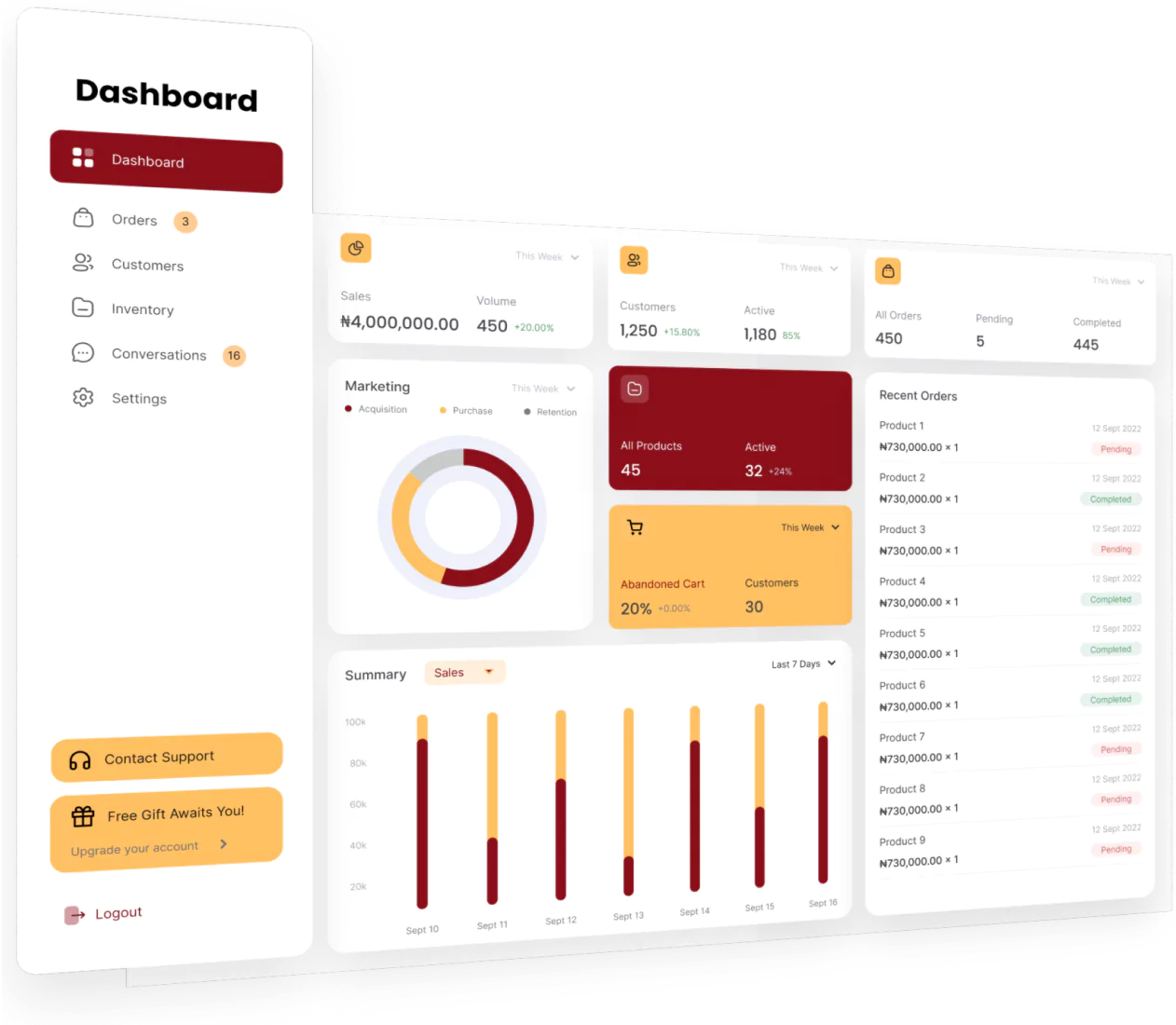
A solid inventory system helps you keep warehouse work neat, from tracking incoming stock to getting orders out on time. In the context of Malaysia’s rapidly expanding e-commerce landscape, having one centralized place to check quantities and follow movements is essential for staying competitive. It keeps the team in sync, ensuring you are not stuck correcting the same manual mistakes every day.
With a user friendly interface and room to grow, it still feels simple even when operations get busier. It also includes features that help you stay accurate and move faster during peak periods, when the warehouse usually gets hectic.
Some of the key features include:
- RFID warehouse rack stock in-out automation: This technology enables automated tracking of stock movements using smart tag scanning, reducing manual effort and minimizing errors in stock management.
- 3D warehouse: A visual representation of the warehouse layout that helps businesses monitor stock locations more effectively, improving space utilization and navigation.
- OCR for receiving: Optical Character Recognition (OCR) simplifies the receiving process by automatically scanning and capturing data from invoices, receipts, or labels, ensuring accuracy and faster processing.
- Stock forecasting: A predictive system that analyzes past sales and inventory trends to estimate future stock needs, helping businesses maintain optimal stock levels and avoid shortages or overstocking.
- Run rate reordering rules: A smart reordering mechanism that calculates the rate at which products are sold and automatically suggests or triggers restocking to prevent inventory shortages.
| Pros | Cons |
|
|
Thinking about implementing HashMicro’s warehousing solutions for your business? Use the pricing calculator below to receive a customized quote and explore your investment options.
2. Zoho Retail WMS System Malaysia
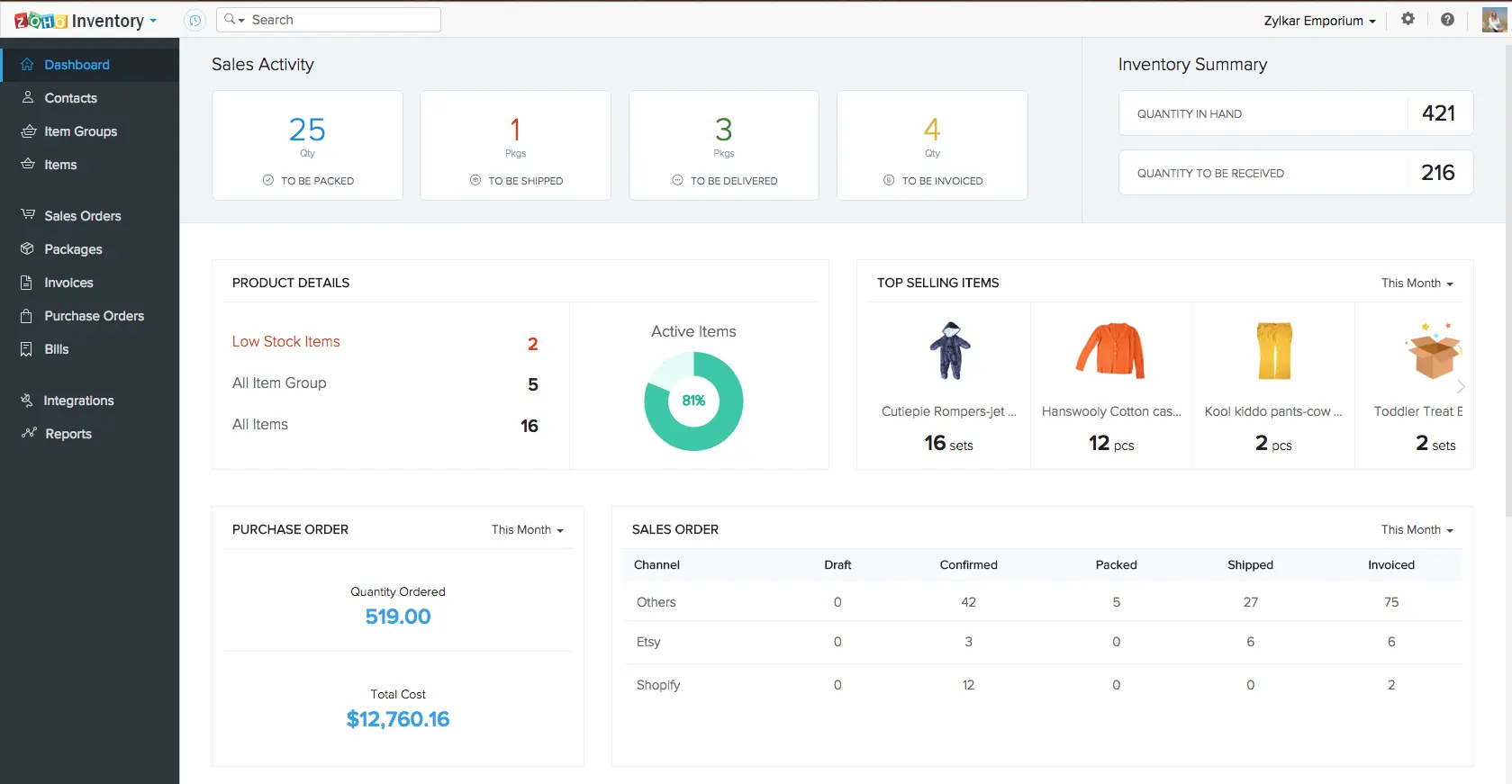
Zoho Retail WMS System Malaysia is built to support basic warehouse organisation, so stock movement stays easier to follow from receiving to dispatch. It also offers a structured way to log and monitor stock movement, which can make day to day handling feel more orderly when volumes increase.
Features:
- Stock transfer
- Reporting
- Inventory management
- Real-time tracking
| Pros | Cons |
|
|
3. Oracle Retail Warehouse Management Software
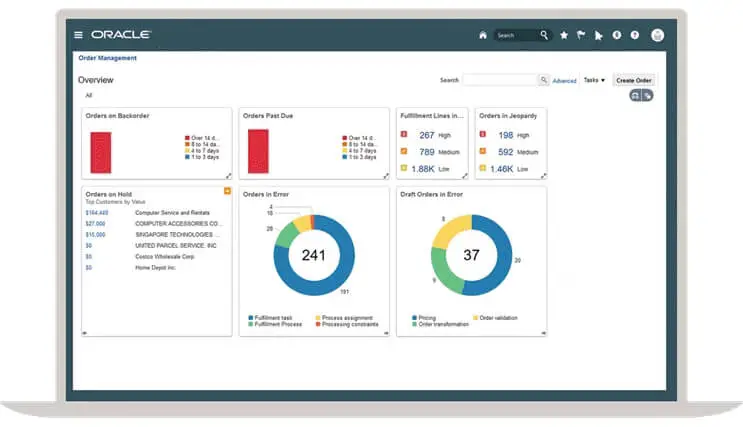
Oracle enterprise retail suite is a comprehensive solution that covers warehouse workflows and inventory handling in a more structured way. It includes tools that support stock tracking and operational coordination, especially when you manage multiple processes across different functions.
Features:
- Order fulfillment
- Supply chain analytics
- Warehouse automation
| Pros | Cons |
|
|
4. Blue Yonder Retail Warehouse Management Software
Blue Yonder retail warehouse management software is designed to help businesses improve the efficiency of their warehouse operations. With a focus on optimizing inventory flow and streamlining logistics, this system supports retailers in managing their supply chain more effectively.
Features:
- Real-time visibility into all warehouse activities
- Inventory management
- Omnichannel inventory management
| Pros | Cons |
|
|
5. Infor WMS
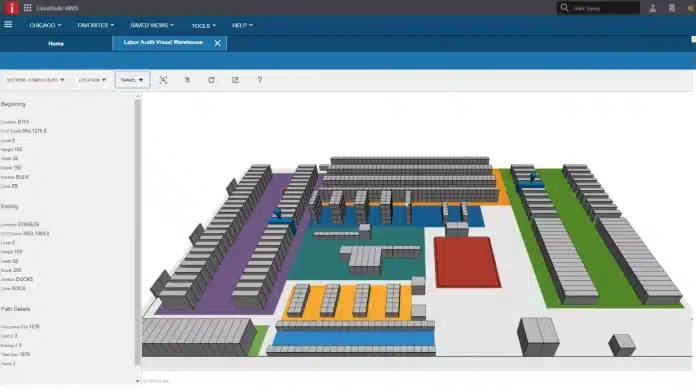
Infor WMS is a reliable warehouse management solution that helps businesses organize and optimize their operations.
Designed to improve inventory handling and supply chain efficiency, it provides a structured approach to warehouse management. Suitable for various types of retailers, this system supports businesses in maintaining smooth and well-coordinated workflows.
Features:
- Appointment scheduling
- Order optimization
- Real-time inventory
| Pros | Cons |
|
|
6. Zap Retail Logistics Management System
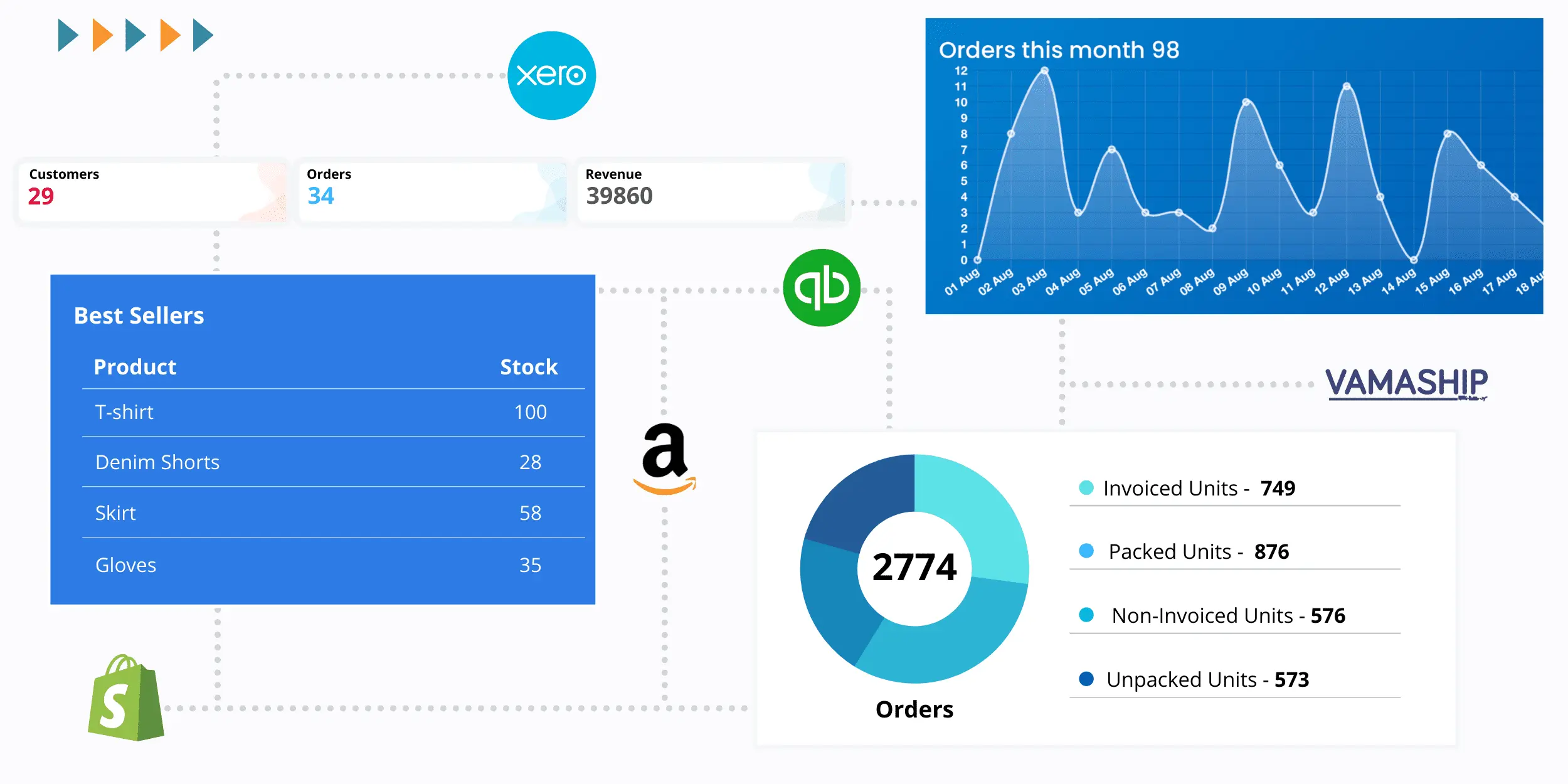
Zap is a solution that improves the efficiency of warehouse and logistics processes. It assists businesses in organizing inventory, coordinating shipments, and managing day-to-day operations with greater accuracy.
This system is designed to accommodate various retail needs and helps maintain operational consistency and enhances overall supply chain performance.
Features:
- Bundling and kitting
- Mobile app
- Inventory management
| Pros | Cons |
|
|
7. Orderhive Retail Warehouse Management Software
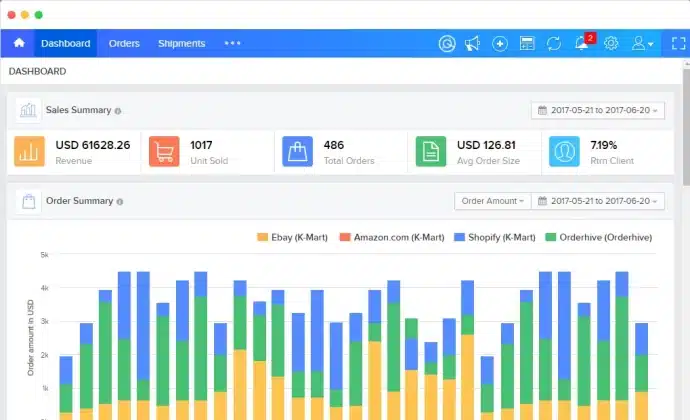
Orderhive Retail Warehouse Management Software is a trusted solution for retailers looking to streamline their warehouse operations. It helps businesses manage their inventory and orders more efficiently, reducing errors and improving overall workflow.
Designed to support growing retail operations, Orderhive enables businesses to organize and control their warehouse processes better.
Features:
- Product listing
- Inventory control
- Warehousing
- Payment processing
| Pros | Cons |
|
|
8. Wasp Retail Warehouse Software
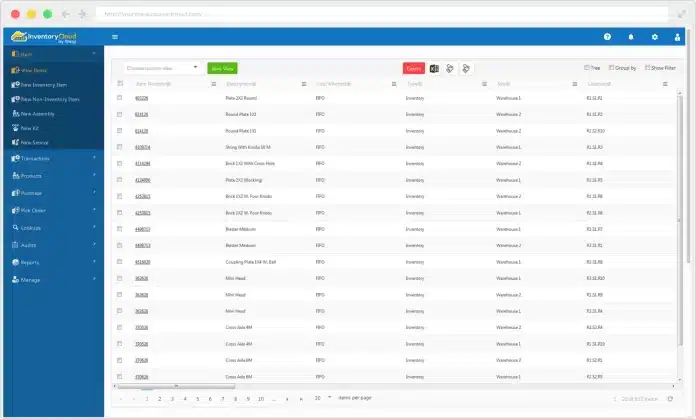
Wasp Inventory provides retail warehouse software for businesses in Malaysia, helping to ensure reliable warehouse operations from order pickup to shipment.
It improves the process by enabling automated audits of deliverables, allowing for faster and more efficient workflow management.
Features:
- Asset tracking
- Inventory control
- Warehouse management
| Pros | Cons |
|
|
9. Latitude Retail Warehouse Software
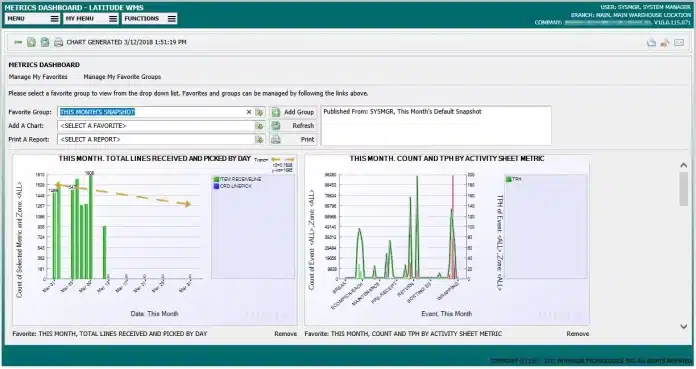
Latitude Warehouse System is a comprehensive warehouse management solution tailored for businesses in Malaysia. It provides an all-in-one platform to handle various aspects of warehouse operations, ensuring a more organized and efficient workflow.
Features:
- Receiving/returns
- Putaway
- Picking
| Pros | Cons |
|
|
10. Blue Link Retail Inventory Management Software
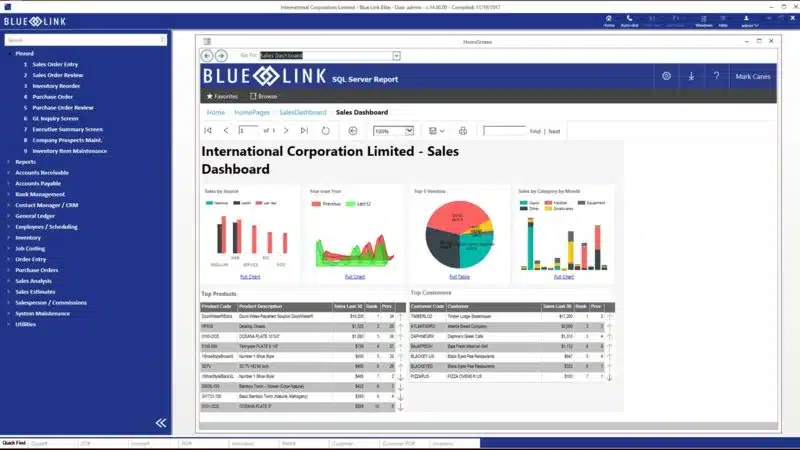
BLUE LINK business management platform is built for wholesalers and distributors in Malaysia. It works as a central place to handle inventory, finances, customer records, and eCommerce operations, so day to day control over stock and warehouse activity stays more structured.
Features:
- Warehouse management
- Lot tracking
- Document management
| Pros | Cons |
|
|
Comprehensive Comparison of Retail Warehouse Software
| Provider | Connection Quality | Bank Coverage | Ease of Integration | Data Enrichment |
|---|---|---|---|---|
| Hashmicro CRM | ||||
| Zoho | ||||
| Oracle | ||||
| Blue Yonder | ||||
| Infor WMS | ||||
| Zap | ||||
| Orderhive | ||||
| Wasp |
Common Mistakes in Choosing a System
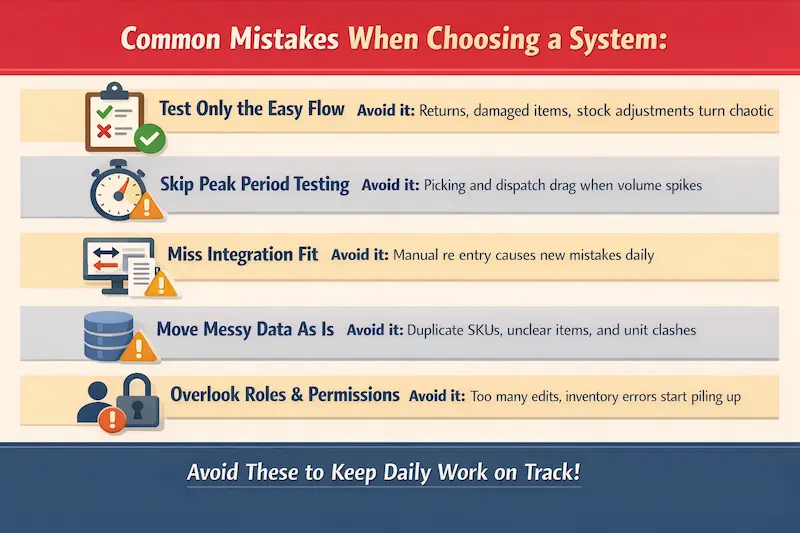
Most people pick a system because the demo looks smooth, then things fall apart when orders spike. Watch for these:
-
You only test the easy flow: returns, damaged items, and stock adjustments get ignored
-
You skip peak period testing: picking and dispatch slow down when volume jumps
-
You miss integration fit: you re enter data and errors stack up
-
You bring messy data over: duplicate SKUs and inconsistent units wreck accuracy
-
You ignore roles and access: too many edits make stock numbers drift
Many warehouse issues occur when important scenarios are overlooked during testing and setup. Avoid these and choose the best retail warehouse management software, and ensuring proper testing, clean data, and strong integrations that can help your system run reliably during high order volumes.
Study Case: Optimizing Business Operational with Retail Warehouse Management Software
Mr. DIY faced surging e-commerce orders during the pandemic, struggling with manual picking delays and human errors across 20,000+ SKUs in their 65,000 sq ft. Selangor warehouse. They invested RM5 million in a robotic Warehouse Management System featuring autonomous rack-moving technology, tripling order processing speed and boosting efficiency by 200% for 1,000+ Malaysian stores.
This WMS implementation addressed tripled online demand through real-time inventory tracking and robotic picking stations, cutting fulfillment times to 2-4 days nationwide while handling 2,000 daily orders with 20% more product variety. The system integrated directly with their ERP for end-to-end visibility, enabling precise demand forecasting tailored to Malaysia’s retail peaks.
The robotic system increased picking capacity from 9 to 28 orders simultaneously, upskilled staff for robotics operations, and improved delivery reliability, delivering rapid ROI for high-volume retail in Malaysia’s competitive market. It also reduced operational costs by minimizing waste and stockouts, positioning Mr. DIY as a leader in automated warehouse management across Southeast Asia.
Top Tips for Optimizing Retail Warehouse Management Software
To get the most value from retail warehouse management software system, businesses need to ensure the system is used effectively in daily operations. Proper training, system integration, and regular monitoring can help retailers improve warehouse efficiency and maintain accurate inventory data.
- Provide Staff Training
Warehouse staff should understand how to use key features such as inventory tracking, barcode scanning, and order processing. Regular training helps employees work more efficiently and reduces operational errors. - Integrate with Other Systems
Retail warehouse software works best when connected with other systems like ERP, POS, or e-commerce platforms. Integration allows inventory and order data to update automatically in real time. - Use Data and Reports
Warehouse software usually includes dashboards and reports that show stock movement and operational performance. Reviewing this data regularly helps businesses make better inventory and distribution decisions. - Apply Consistent SOPs
Clear standard operating procedures for receiving, storing, and shipping products help ensure that warehouse processes remain organized and accurately recorded in the system. - Review the System Regularly
Businesses should periodically evaluate their warehouse software to ensure it still supports operational needs. Updating features or improving system capacity can help maintain efficiency as the business grows.
When applied these tips consistently, retail warehouse software help company to improve inventory accuracy and overall warehouse efficiency. In the long term, optimizing the system supports smoother operations and helps businesses respond more quickly to changing demand.
Conclusion
Choosing the right retail warehouse software is essential for optimizing inventory management, streamlining operations, and improving overall business efficiency. With various options available in Malaysia, it helps to focus on what you need most, whether that is real time stock visibility, faster picking and dispatch, or cleaner reporting when volumes increase.
After you review the list, narrow it down to the options that match your daily flow, then compare details like ease of use, integration fit, and how well the system handles peak periods. That way, you are not just picking a popular name, you are picking something that will still feel workable when your warehouse gets busy.
To see whether it fits your day to day flow, you can request a free demo and try it with your own warehouse scenarios, so you can judge how it handles stock updates, picking, and dispatch before committing.

FAQ About Retail Warehouse Management Software
-
What is a Retail Warehouse Management System (WMS)?
A Retail WMS is a software solution that helps businesses control, track, and optimise warehouse operations. It manages inventory movement, picking, packing, and shipping in real time, ensuring accurate stock levels and faster order fulfilment across retail stores and e-commerce channels.
-
Why do retail businesses need a WMS?
Retail businesses need a WMS to handle high inventory volumes, multiple sales channels, and fast order turnaround. The system automates stock control, reduces human errors, and provides real-time visibility into inventory, helping retailers improve efficiency, reduce costs, and enhance customer satisfaction.
-
How does a WMS improve retail inventory accuracy?
A WMS improves inventory accuracy by automating stock tracking through barcodes or RFID. It records every product movement, from receiving to dispatch in real time, eliminating manual entry errors and ensuring data consistency across all warehouse and retail locations.
-
How much does warehouse management software cost in Malaysia?
The cost of warehouse management software in Malaysia varies depending on features, number of users, and integration needs. Cloud-based WMS solutions typically start from a few hundred ringgit per month, while enterprise-level systems like HashMicro offer customised pricing based on business size and operational complexity.