










 Limited to 100 registrants

If you handle payroll in Malaysia, getting take home pay right matters more than you might think. One small mistake can trigger questions from employees, messy corrections, and a compliance headache you did not plan for. It is not only about paying salaries on time. You also want the numbers to make sense and feel fair.
Payroll errors can quickly damage trust and create avoidable risk, especially when deductions and statutory contributions stack up. When you rely on manual calculations, the process often turns slow, repetitive, and surprisingly easy to get wrong.
In this article, you will learn how to calculate take home pay, what components shape the final amount, and how to keep the process cleaner as your headcount grows. You will also see how a payroll automation tool can reduce manual work, keep updates consistent, and make compliance checks easier to manage.
Key Takeaways
Take home pay is the net salary employees receive after deductions, impacting satisfaction and compliance.
Understanding terms like gross salary and deductions ensures accurate THP calculations and builds trust.
If you want fewer manual checks, automate payroll calculations and deductions so after tax pay stays consistent, errors drop, and compliance becomes easier to manage.
What is Take Home Pay (THP)?
Take home pay, or THP, is what your employee actually takes home after deductions come out of their gross income. Gross pay includes base salary plus extras like allowances and bonuses, while THP shows the final amount your employee can use for day to day spending and saving.
If you explain this clearly, you cut down the back and forth questions that usually show up around payday. When your team understands how you reach the final number, they can plan their finances with more confidence, and you avoid the kind of confusion that quietly chips away at trust.
Key Components of Take Home Pay
To calculate take home pay properly, start by looking at what makes up total earnings. Once you break it down, you can explain the numbers more clearly and avoid confusion later.
-
Basic salary: This is the fixed monthly pay you agreed on in the contract. It usually stays the same unless you revise salary terms.
-
Allowances: These are add ons such as transport, meal, or housing support, depending on what you provide.
-
Incidental earnings: These fluctuate each month through overtime, bonuses, or commissions submitted before the payroll calculation cut off period, which can shift the final take home pay quite a bit.
When you understand how these parts add up, you get a clear view of earnings before deductions. It also helps when you share a clear breakdown with employees, so they can see where every figure comes from.
Why Take Home Pay Matters for Employers

Knowing how to calculate take home pay matters for a few simple reasons. First, it helps you stay on the safe side of Malaysia’s payroll rules, especially for mandatory deductions like EPF, SOCSO, and PCB. It also helps when you tie pay changes to your employee review results, because the numbers feel clearer and fairer when people understand the basis.
When you communicate the breakdown properly, you reduce payday confusion and avoid small issues turning into bigger disputes. If you want fewer manual checks and cleaner payroll runs, an integrated payroll and finance platform can help you keep calculations consistent, lower compliance risk, and protect employee trust.
How to Calculate Take Home Pay
Calculating take home pay involves adding up regular income (basic salary + allowances) and incidental income (bonuses, overtime) and then subtracting the necessary deductions (e.g., taxes, social security contributions, loan repayments).
Formula:
Take Home Pay = (Regular Income + Incidental Income) – Deductions
Let’s walk through a simple example:
Example: Claire is a full-time employee at your company. Here’s her monthly breakdown:
- Basic Salary: RM3,000
- Meal Allowance: RM300
- Performance Bonus: RM500
Total Income: RM3,000 (Basic Salary) + RM300 (Meal Allowance) = RM3,300
Let’s calculate the Deductions:
- Loan Repayment: RM200
- EPF, SOCSO Contributions: RM300
- Income Tax: RM400
Total Deductions: RM200 + RM300 + RM400 = RM900
Now we calculate Claire’s Take Home Pay:
RM3,300 (Regular Income) + RM500 (Bonus) = RM3,800
RM3,800 – RM900 (Deductions) = RM2,900
Take Home Pay = RM2,900
This is the final amount your employee receives after deductions. If you manage a larger team, a payroll automation tool built for Malaysia can make the calculation faster and keep the numbers consistent across every payslip.
Common Payroll Terms Employers Should Know
When you manage a take home pay calculator, it helps to know a few payroll terms so you do not mix up the numbers.
-
Gross salary: The total earnings before deductions, including basic pay, allowances, and extras like bonuses.
-
Net salary: What your employee actually receives after deductions, also known as take home pay.
-
Mandatory deductions: Required items such as statutory contributions and tax related deductions.
-
Voluntary deductions: Optional items like loan repayments or extra benefits the employee chooses.
Once you are clear on these, you can calculate THP more confidently and explain the payslip breakdown without the usual back and forth.
Simplify Payroll Calculations Without the Usual Manual Work
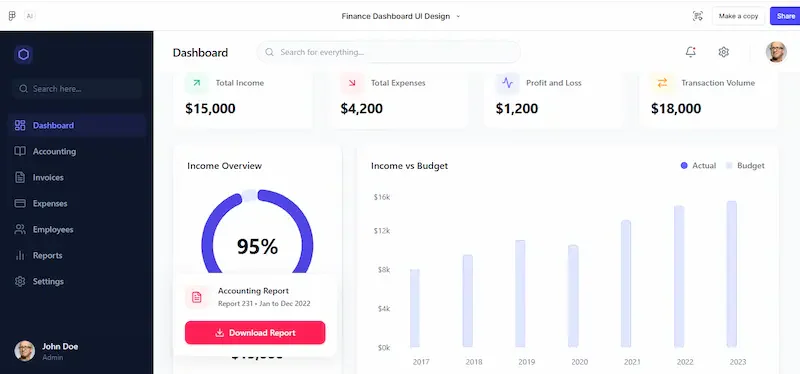
Take home pay calculations can feel simple at first, then quickly get messy once you factor in allowances, bonuses, taxes, statutory contributions, and the usual monthly adjustments. If you want fewer errors and fewer payday complaints, accuracy is non negotiable, especially when you need to stay aligned with Malaysia’s payroll rules and keep trust intact.
A modern HR payroll platform can take a lot of the manual work off your plate by automating calculations and generating payslips in a consistent way. Here is what that typically looks like in practice:
-
Localized payroll with tax support: Helps you apply the right deductions and keep calculations consistent with local requirements.
-
Built in templates for contracts and payslips: Keeps formatting and key fields consistent, so you spend less time fixing avoidable mistakes.
-
Payroll, expenses, and overtime in one flow: Pulls attendance, overtime, and claims into the same calculation, so THP does not rely on last minute manual edits.
-
Employee loan tracking: Applies repayment deductions automatically, so you do not miss a month or deduct the wrong amount.
-
Employee self service via mobile: Lets employees check payslips and deductions on their own, which reduces repetitive questions to your HR team.
If you are choosing an HR platform for Malaysian payroll needs, focus on what will matter after the first month: calculation accuracy, audit friendly records, and a workflow your team can actually keep up with during peak periods.
Conclusion
Calculating take home pay correctly keeps payroll accurate and helps you stay aligned with Malaysia’s statutory requirements, especially once allowances, overtime, loans, and monthly deductions start stacking up. When you follow a consistent method, you reduce payday confusion, protect employee trust, and make the whole process easier to explain.
If you want to stop relying on manual checks, a modern HR payroll platform can help by automating tax calculations, applying deductions consistently, and keeping payslips clearer for employees to review on their own. That way, your team spends less time fixing mistakes and more time running payroll smoothly month after month.
If you are curious how it would work in your own workflow, request a free demo and try it using real scenarios like overtime months, allowance changes, or loan deductions. You will see whether it feels practical for your team before you commit.
FAQ about take home pay
Gross pay is your employee’s total earnings before deductions, including basic salary plus extras like allowances and bonuses. Take home pay is the final amount after deductions.
Most payslips include EPF, SOCSO, and PCB, plus any voluntary items such as loan repayments or optional benefits your employee agrees to.
Overtime, bonuses, allowances, unpaid leave, and one off adjustments can change the total earnings and deductions for that month, which shifts the final take home pay.