














Multi-outlet F&B groups in Malaysia frequently experience margin erosion due to fragmented operational visibility. In a high-speed market pressured by rising supply costs and labor shortages, relying on disconnected manual processes often leads to untracked inventory leaks and inconsistent service standards across different locations.
Bridging these gaps is now a strategic necessity under the national MyDIGITAL 2030 initiative. To maintain a competitive edge, executives must align their operations with the latest restaurant management software market trends to ensure long-term scalability and tighter financial control.
Restaurant management software solutions help businesses automate daily operations, manage inventory, optimize staff scheduling, and improve customer service. This guide explains the key capabilities to consider when choosing a solution.
Key Takeaways
Restaurant Management Software automates tasks such as order processing and inventory tracking, reducing waste and enhancing daily operations.
Features such as real-time inventory tracking and quick payment systems ensure better service and enhanced customer satisfaction.
With detailed analytics, businesses can gain a deeper understanding of sales trends and customer preferences, enabling them to optimize menus and marketing strategies.
Improve restaurant operations, maintain accurate FIFO inventory tracking, and manage multi-branch performance more efficiently with an integrated restaurant management system.
Shortlisted Best Restaurant Management Software
Based on our research, here is the shortlisted selection of the best restaurant management software available today, designed to simplify operations, manage orders, and enhance customer experience. These solutions offer features like POS integration, inventory tracking, and staff management to help restaurants run more efficiently.

Best Because
Tailored to the specific needs of the hospitality industry.




Best Because
Insights into sales trends and business performance.
To help you find the right fit, here is a quick comparison of the top restaurant management software in Malaysia.
Quick Comparison of Best Restaurant Management Software in Malaysia
| Software | Best For | Strength | Key Features | Pricing |
|---|---|---|---|---|
| HashMicro | Multi-outlet restaurants needing full system | All-in-one ERP (POS, inventory, purchasing, CRM) | Recipe management, centralized POS, COGS automation, loyalty program | Custom pricing |
| UpMenu | Online ordering & delivery | Commission-free ordering + marketing tools | Online ordering, loyalty programs, email campaigns | From RM199/month |
| Owner.com | Direct online sales | Reduce third-party dependency | Website builder, upselling, loyalty rewards | ~RM2,033/month |
| TouchBistro | Dine-in restaurants | iPad-based POS system | POS, kitchen display, loyalty tools | From RM281/month |
| Xenia | Operational control | Task & workflow management | Checklist, maintenance, team chat | Custom pricing |
| Clover | Small restaurants / QSR | Flexible POS ecosystem | Payments, customer tracking, discounts | From RM244/month |
| Sage | Financial management | Strong accounting integration | Inventory, finance automation, reporting | Custom pricing |
| Toast | Scaling restaurants | Highly customizable system | POS, analytics, online ordering | From RM281/month |
| Lightspeed | Multi-location businesses | Advanced analytics & inventory | POS, accounting, reporting | From RM770/month |
| iFoodDS | Food safety focus | Quality & compliance tracking | Traceability, safety monitoring | Custom pricing |
| Restaurant365 | Multi-unit restaurants | Accounting + operations in one | Inventory, analytics, labor tracking | From RM2,033/month |
| Safefood 360° | Compliance & HACCP | Food safety management | Supplier mgmt, audits, documentation | Custom pricing |
| Yodeck | Digital signage | Visual customer engagement | Menu boards, promotions, scheduling | From RM32/month |
| Square POS | Small businesses | Affordable & easy setup | Payments, inventory, order tracking | Free – RM607/month |
| OpenTable | Reservations | Table optimization | Booking system, guest profiles, reviews | From RM607/month |
What is Restaurant Management Software?
Restaurant management software is a digital solution that streamlines various aspects of restaurant operations through a single, integrated platform. It combines essential tools like reservations, order management, inventory tracking, employee scheduling, and CRM to help restaurant owners run more efficiently.
By centralizing these functions, restaurant management software reduces the need for multiple disconnected systems and manual work. It enables real-time data access, improves order accuracy, enhances customer service, and helps managers monitor operations more effectively, anytime, from anywhere.
To better understand what restaurant management software can do, the table below outlines key features commonly found in these systems. Each function plays a role in improving efficiency, customer satisfaction, and overall operational control.
| Feature | Description |
| Point of Sale (POS) | Handles transactions, processes payments, and integrates with POS hardware. |
| Order & Reservation Management | Manages dine-in, takeaway, and delivery orders, including table and booking tools. |
| Inventory Control | Tracks stock levels, automates reordering, and helps reduce food waste. |
| Menu Management | Allows easy menu updates, including modifiers, categories, and specials. |
| Customer Relationship Management (CRM) | Builds customer profiles, manages loyalty programs, and collects feedback. |
| Staff Management | Assigns roles, manages schedules, tracks hours, and supports payroll. |
| Reporting & Analytics | Generates reports on sales, operations, and staff performance. |
| Integrations | Connects with accounting, e-commerce, and third-party delivery services. |
Hashy AI Fact

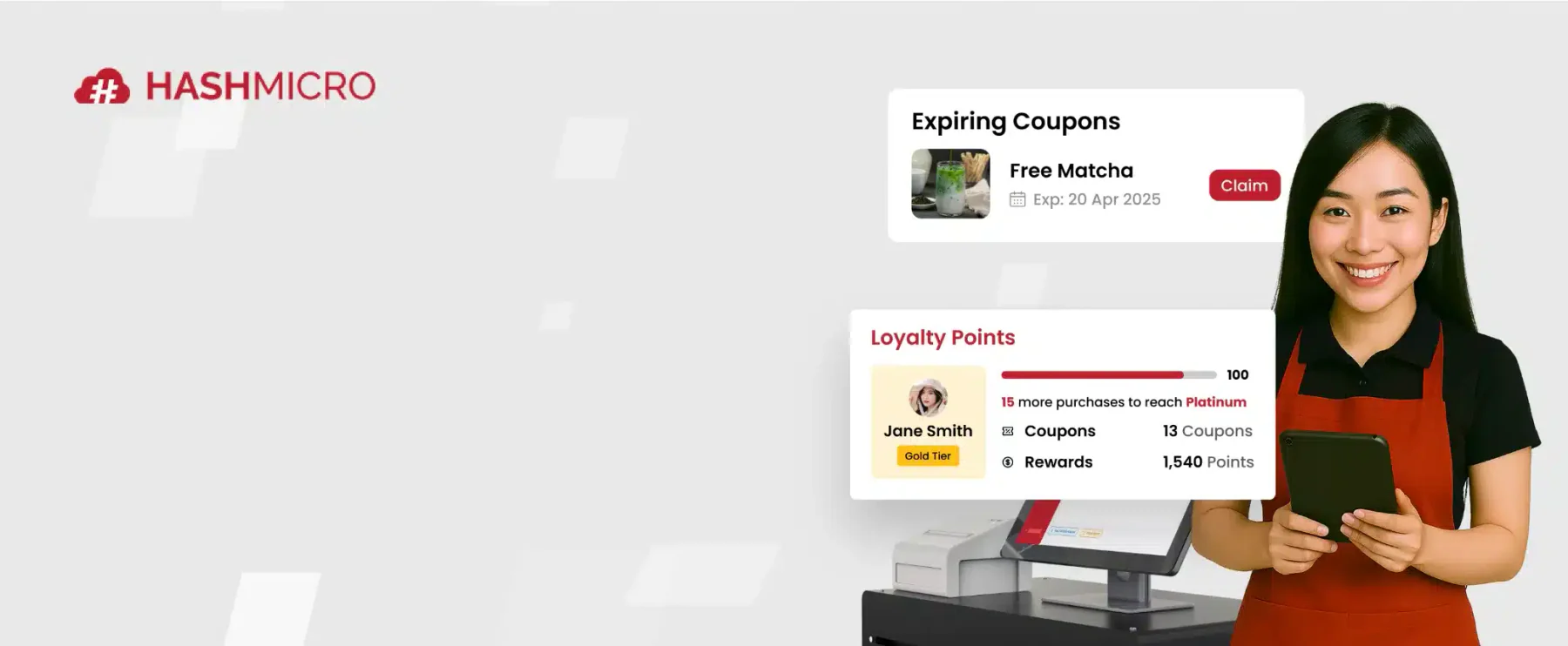
Hashy AI from HashMicro enables you to manage the POS system efficiently through customer management, automatically personalized loyalty programs, and automated sales report generation.
Request a free demo today!
15 Best Restaurant Management Software in Malaysia
When managing a restaurant, choosing the right restaurant management software can significantly streamline operations and improve customer satisfaction. Here are some recommendations regarding restaurant management software in Malaysia that you can consider:
- HashMicro: Inventory, POS, and SCM unified to simplify restaurant operations.
- UpMenu: Manage digital menus and process online payments.
- Owner.com: All-in-one restaurant platform with ordering and loyalty marketing.
- TouchBistro: Tailored to the specific needs of the hospitality industry.
- Xenia: Efficient and provides real-time updates on order status.
- Clover: It is adaptable to a wide range of restaurants.
- Sage: Streamline operations and improve financial oversight.
- Toast: It is a user-friendly interface with extensive analytics.
- Lightspeed: Ensures accessibility and real-time data updates.
- iFoodDS: Enhance service quality and increase F&B profits.
- Restaurant365: Insights into sales trends and business performance.
- Safefood 360°: Focuses on food safety and compliance solutions.
- Yodeck: A solution for restaurants seeking to engage customers visually.
- Square POS: Restaurant management with easy payment processing and reliable POS.
- OpenTable: Advanced reservation tools that help optimize table turnover.
"An effective restaurant management system should help businesses run their daily operations by integrating POS systems, inventory tracking, purchasing, CRM, and kitchen workflows into a single, synchronized platform."
1. HashMicro Restaurant Management System
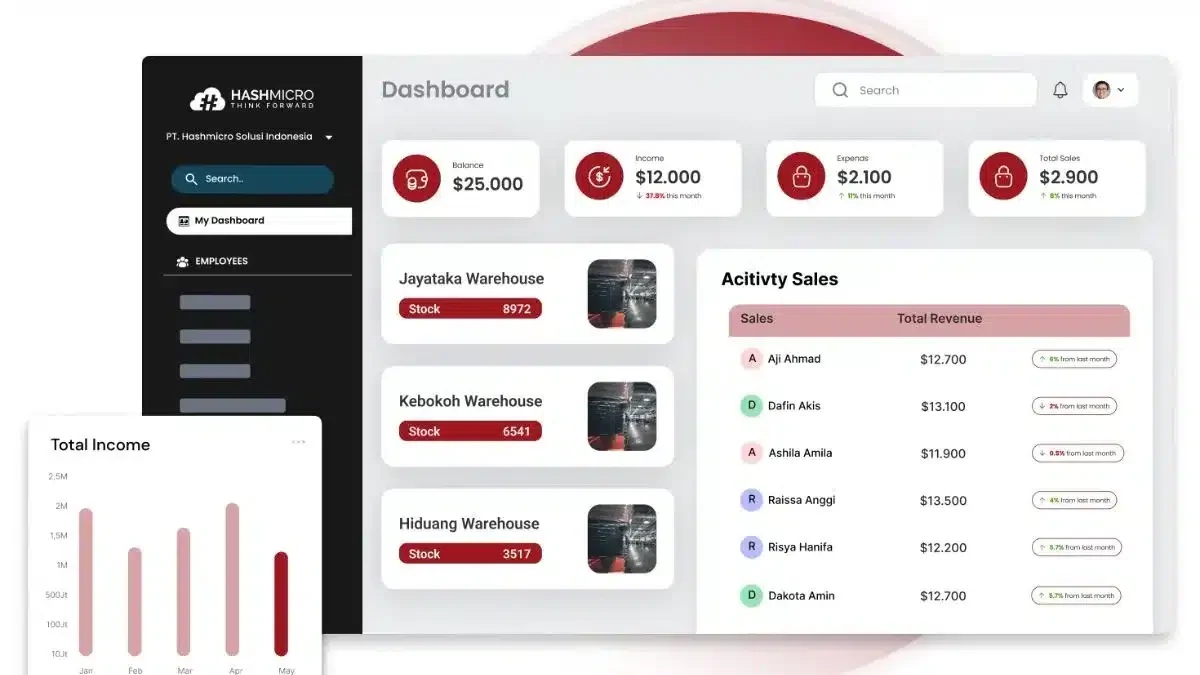
Designed to support the operations of multi-location restaurants, the HashMicro Restaurant Management System integrates kitchen order management, FIFO inventory, purchasing, and business reporting into a single cloud-based platform. The system makes it easy for business owners to monitor all locations in real time from a single centralized dashboard.
HashMicro’s F&B Software offers outstanding features such as:
- Multi BoM / Recipe Management
- Centralized Multi-Branch POS
- Automated COGS by Recipe
- Central Kitchen Management
- Run Rate Automation
- Automated Promotion Management
- Restaurant Reservation Management
- Loyalty Points Management
Pricing: By request/custom quote (pricing not publicly listed on major profiles).
| Pros | Cons |
|
|
Mid-to-large F&B groups, but may require more setup time compared to plug-and-play alternatives like Square POS.
If you’re interested in learning more about how HashMicro Restaurant Management Software can optimize your restaurant operations, click the banner below to view our pricing scheme.
2. UpMenu Restaurant Software
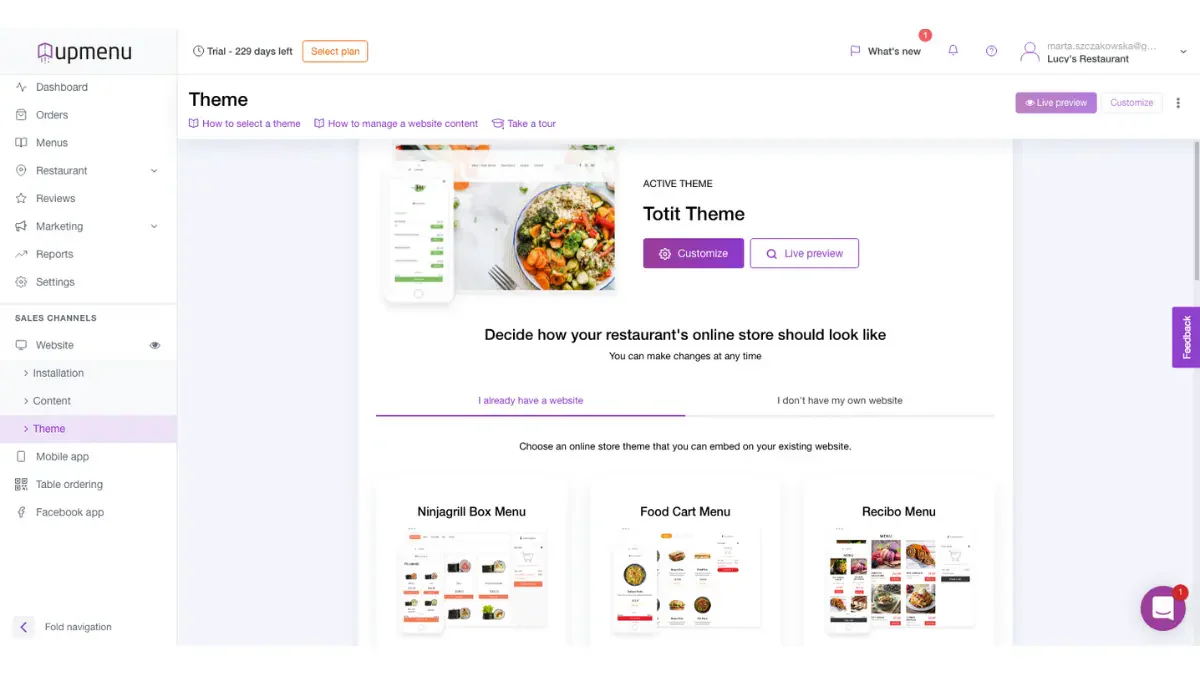 UpMenu is a restaurant software focused on online ordering and customer retention. The platform helps restaurants build their own ordering channels through branded websites, digital menus, and integrated online payment systems. To increase repeat orders, UpMenu also offers a loyalty program and email marketing features that encourage more direct customer engagement.
Here are the various features of the UpMenu restaurant software:
- Food ordering system
- Marketing tools
- Loyalty program tools
- Reservation system
Pricing: From RM199.72/month (Basic $49); RM362.76/month (Standard $89); RM688.84/month (Premium $169).
| Pros | Cons |
|
|
Restaurants prioritizing commission-free online ordering with built-in marketing/CRM and delivery tools.
3. Owner.com
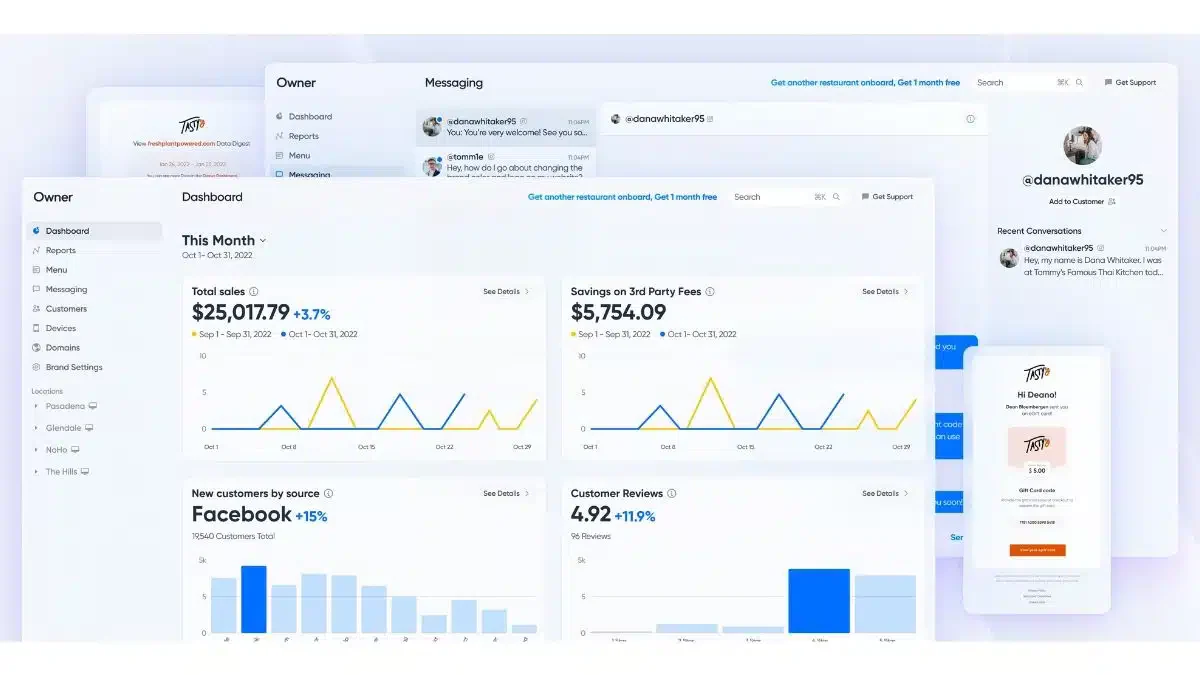
Owner.com helps restaurants reduce dependence on third-party delivery marketplaces by encouraging customers to order directly through branded digital channels. The platform combines online ordering, loyalty rewards, and upselling tools to help restaurants increase repeat purchases while retaining more revenue from every order. These are some of the features that Owner.com has to help your business.
- Optimized web design and smart upsells
- Loyalty rewards and mobile app tools
- Zero-commission direct ordering
- Data-driven campaign and email marketing tools
Pricing: RM2,033.92/month (flat $499 billed monthly).
| Pros | Cons |
|
|
Direct online orders and website building to reduce reliance on third-party delivery platforms.
4. TouchBistro
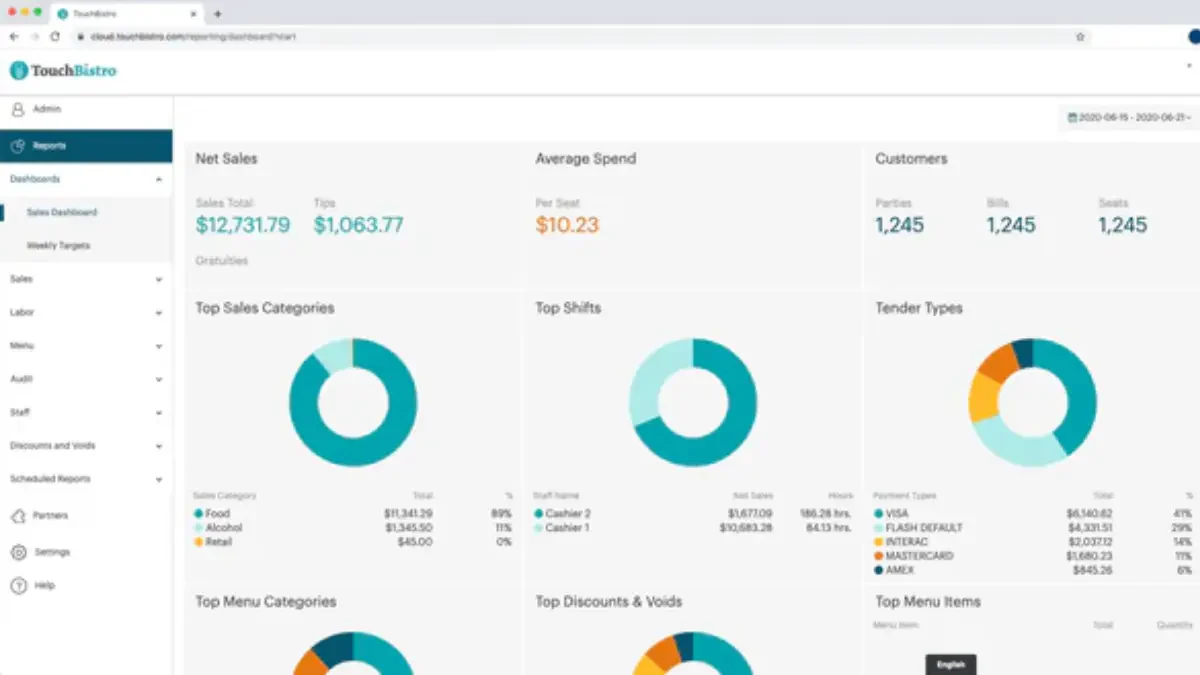
TouchBistro is a restaurant management system specifically designed to help restaurants and bars improve service efficiency, particularly for dine-in operations. The platform is known for its iPad-based table management and tableside ordering features, which help staff serve customers more quickly and efficiently. In addition to being user-friendly, the system is tailored to the operational needs of the hospitality industry.
Here are the various features of TouchBistro:
- Point of Sale
- Kitchen display system
- Profit management
- Customer loyalty management
Pricing: From RM281.24/month (starts at $69/month).
| Pros | Cons |
|
|
Small to mid-sized dine-in restaurants that want an iPad-based POS experience and reliable front-of-house flow.
5. Xenia Restaurant System
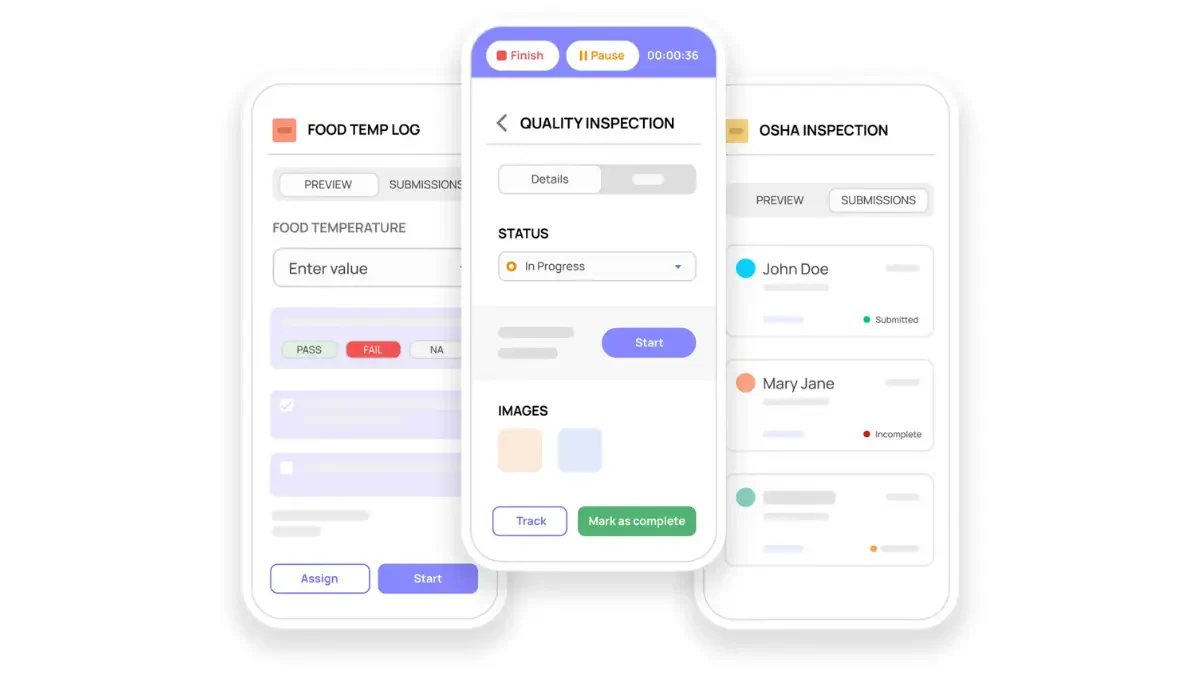
As a cloud-based restaurant management software, Xenia offers a practical and flexible solution for small to medium-sized restaurants in Malaysia. This software helps restaurants run more smoothly with efficient ordering features and real-time order status monitoring. Here are Xenia’s key features:
- Daily task checklist
- Preventive maintenance
- Team chat
Pricing: By request/custom quote (pricing not publicly listed on major profiles).
| Pros | Cons |
|
|
Restaurants that want operations control (tasks/workflows) and better day-to-day execution visibility.
6. Clover Network Restaurant Software
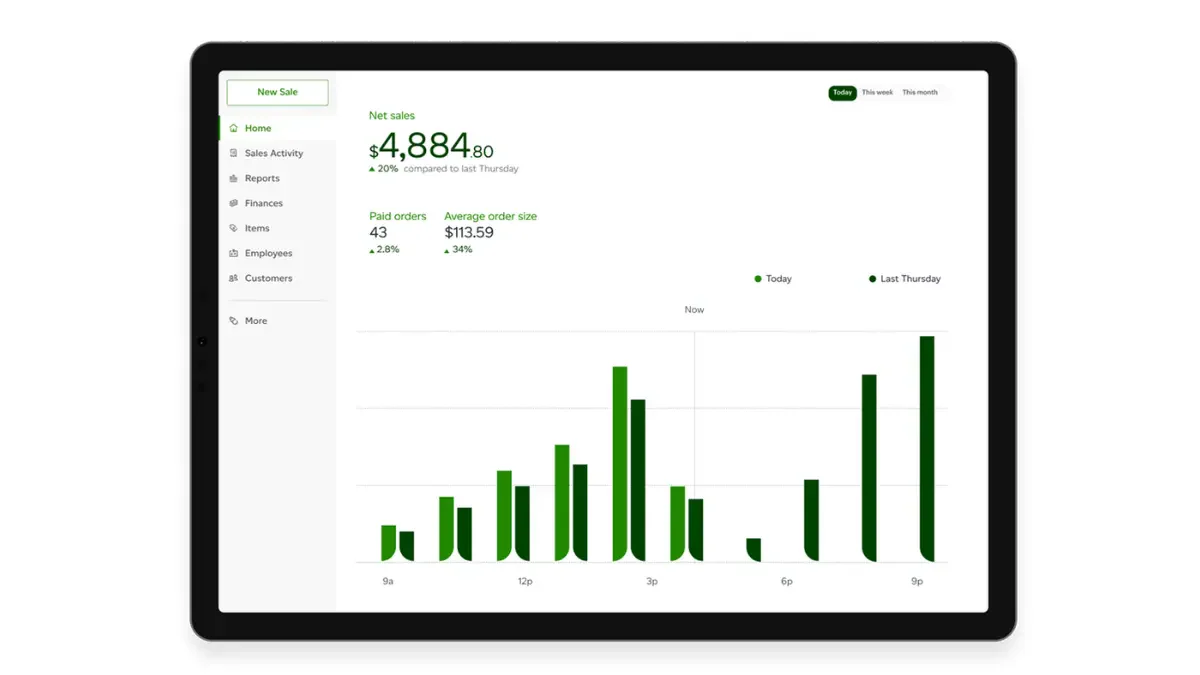
Clover Network is a versatile point-of-sale (POS) system designed for a wide range of restaurants, from quick-service to full-service dining establishments. Clover Network restaurant management system includes customizable POS terminals, mobile POS devices, and customer-facing displays, making it adaptable to different restaurant environments.
Here are the various features of the Clover Network restaurant software:
- Customer management
- Discount management
- Rating management
Pricing: RM244.36/month (Counter Service $59.95) or RM366.64/month (Table Service $89.95) and device add-ons may apply.
| Pros | Cons |
|
|
Small restaurants/QSRs that want a payment-first POS ecosystem with add-on apps.
7. Sage Restaurant System
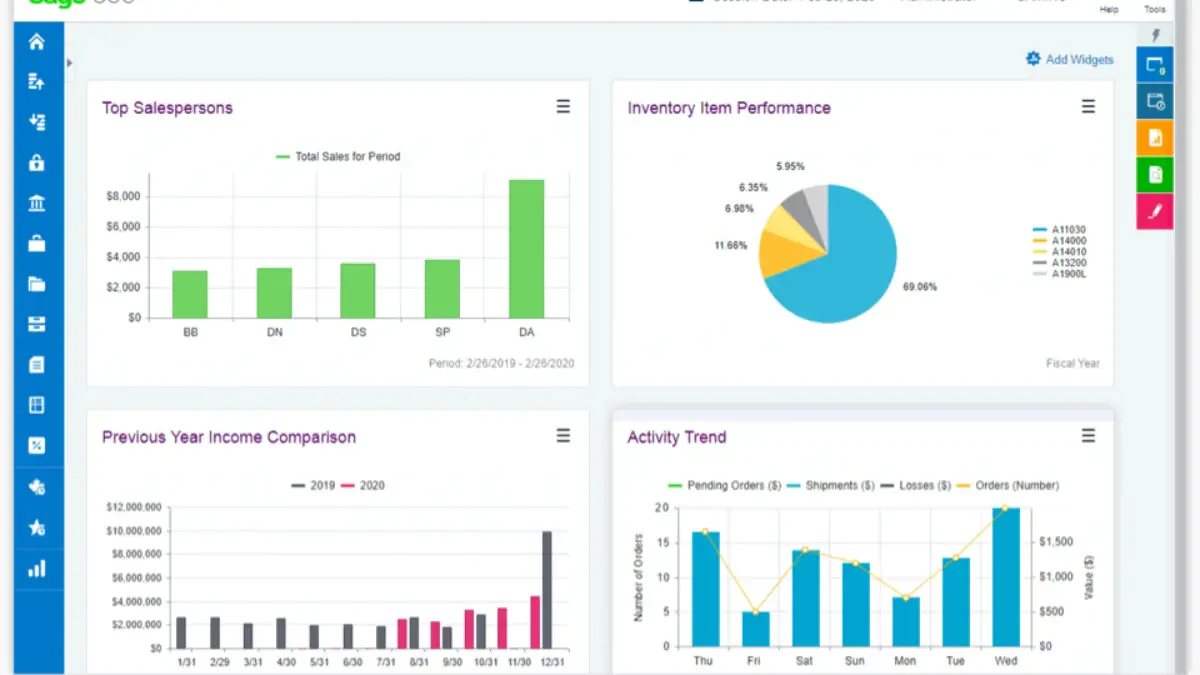
Sage restaurant management system provides comprehensive business management solutions, including software tailored for the hospitality and restaurant industry. Sage’s restaurant management software can streamline operations and improve financial oversight. Here are the various features of the Sage restaurant software:
- Simplify inventory management
- Sales and marketing performance insight
- Automate finances
Pricing: By request / varies (Sage pages typically require inquiry; no public RM price shown).
| Pros | Cons |
|
|
Restaurants that prioritize accounting/finance clarity and structured back-office reporting.
8. Toast Restaurant Management
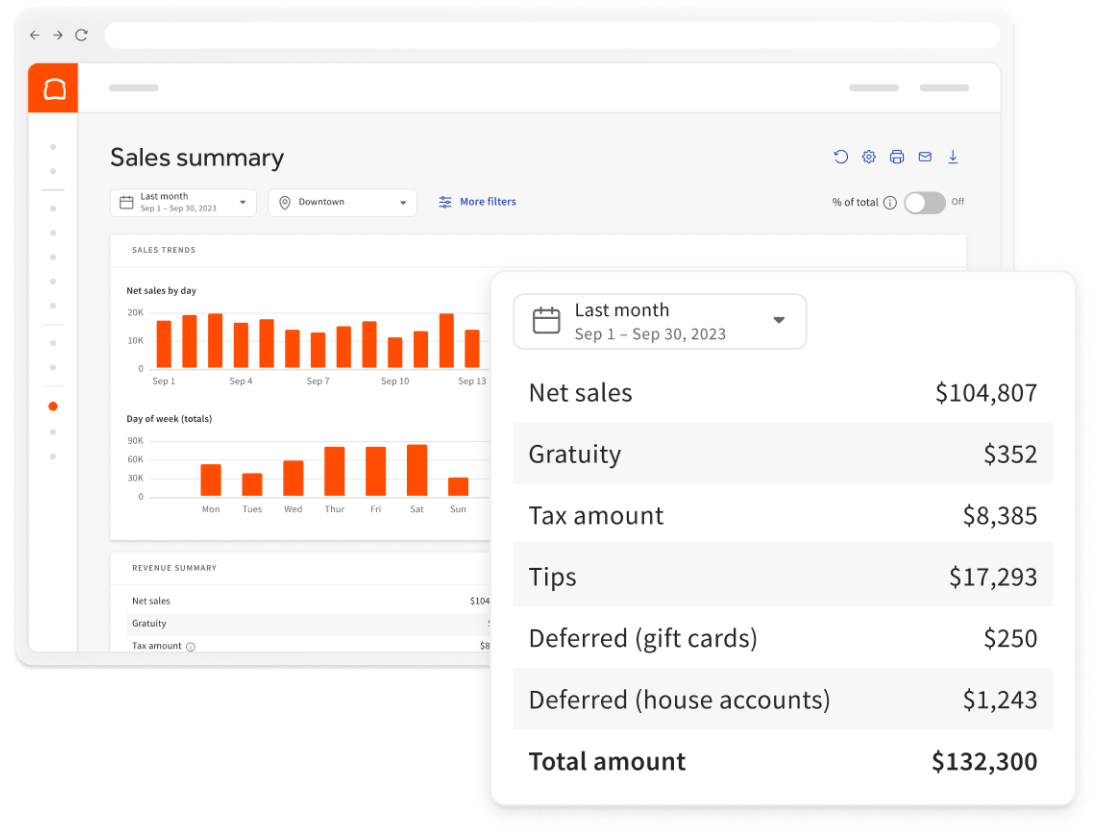 Toast is an all-in-one software for restaurant platforms known for its robust POS system. This software offers integrated hardware solutions and mobile devices, enabling staff to efficiently take orders and process payments. Toast restaurant management system is a user-friendly interface, and extensive analytics make it a popular choice among restaurateurs.
The following are the various features of the Toas food and beverages software:
- Payment processing
- Online ordering
- Email marketing
- Point of Sales
Pricing: From RM281.24/month (starts at $69/month, typically plus processing/hardware).
| Pros | Cons |
|
|
Restaurants needing high customization (workflows, integrations, add-ons) for scaling operations.
9. Lightspeed System
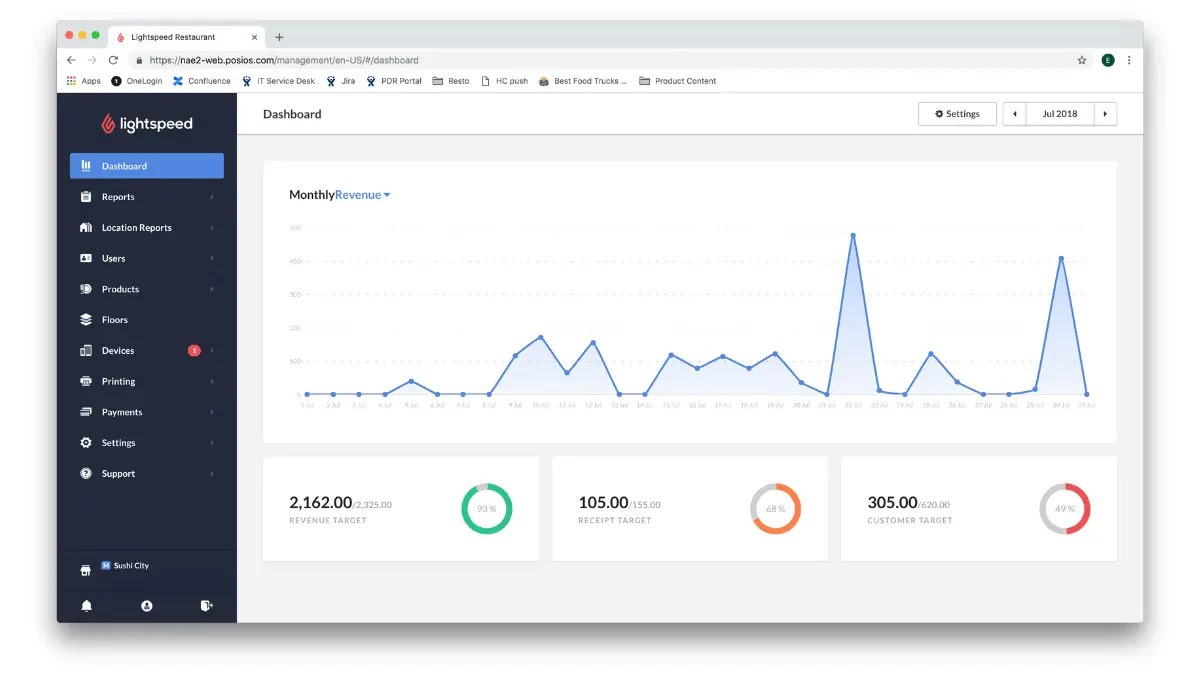 Designed to support more efficient restaurant operations, Lightspeed combines a POS system with inventory and customer management features in a single cloud-based platform. Its real-time data synchronization capabilities make this software ideal for restaurants with multiple branches or outlets.
Here are the various features of the Lightspeed software:
- Point of Sales
- Inventory management
- Accounting
- Kitchen display system
Pricing: From ~RM770.36/month (Essential $189) or ~RM1,626.32/month (Premium $399).
| Pros | Cons |
|
|
Restaurants that need advanced inventory + analytics, especially for multi-location growth.
10. iFoodDS Restaurant Platform
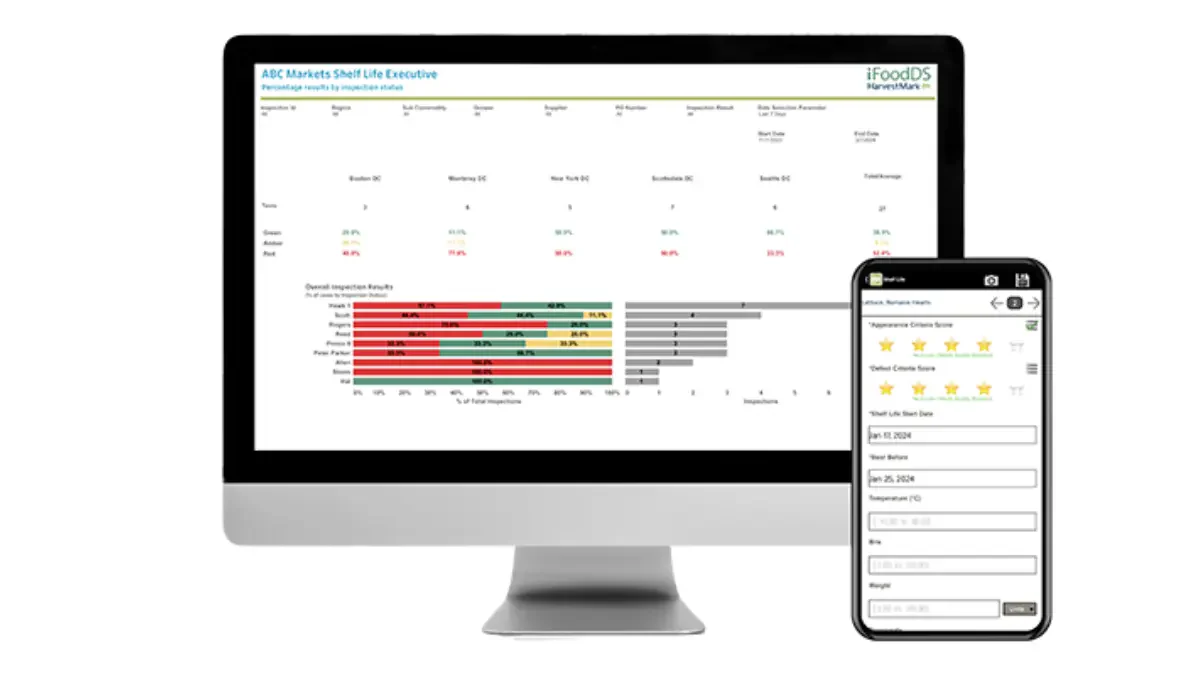
iFoodDS specializes in food safety and quality management solutions for the restaurant industry. iFoodDS restaurant management system helps restaurants improve service quality, thereby increasing the profitability of their food and beverage (F&B) business. The following are the various features of the iFoodDS restaurant management software:
- Quality Control Management
- Food Safety Software
- Traceability
Pricing: By request; not publicly available on some directories (varies by plan).
| Pros | Cons |
|
|
Restaurants that want digital ordering and guest-facing tech (menu displays/kiosks) to improve speed and consistency.
11. Restaurant365
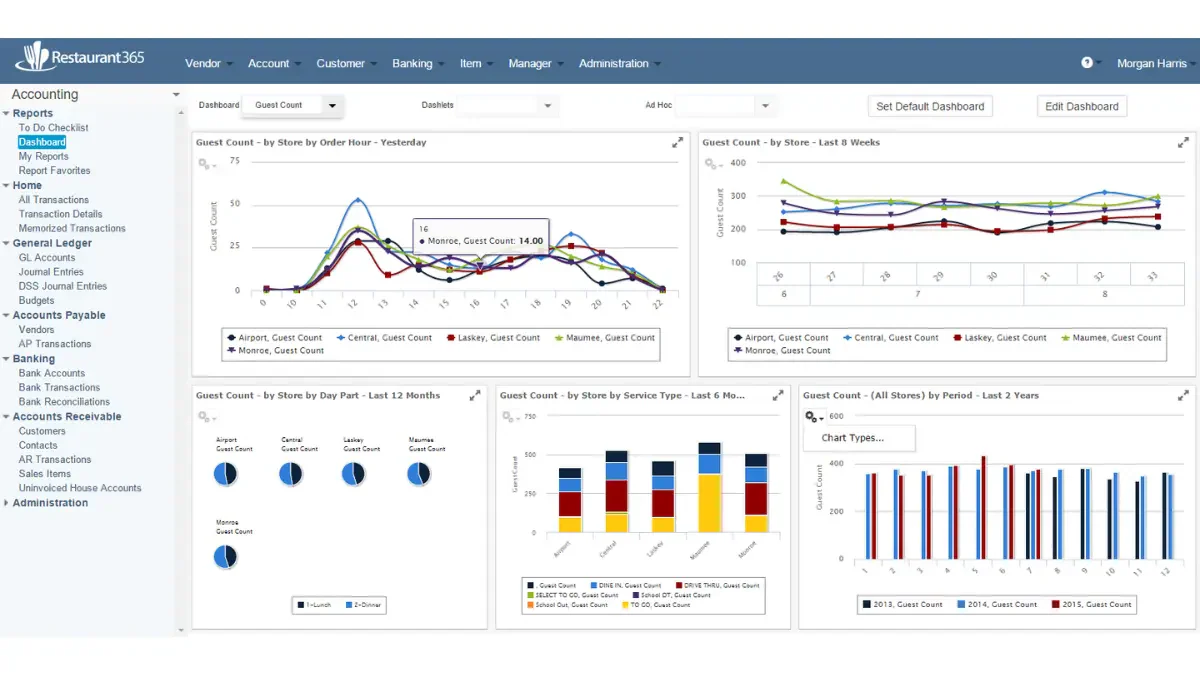
Restaurant365 is designed to help restaurants manage essential business operations through a single integrated platform. The system combines accounting, inventory management, and operational workflows to help businesses streamline day-to-day activities across multiple locations. In addition to simplifying back-office processes, Restaurant365 also provides analytical insights into sales performance, food costs, labor expenses, and overall operational efficiency, helping restaurant owners make more informed business decisions over time.
Here are the various features of the Restaurant365 restaurant management software:
- Inventory management
- Invoice management
- Report and analytics
Pricing: From RM2,033.92/user/month (Essential $499) or RM3,052.92/user/month (Professional $749).
| Pros | Cons |
|
|
Multi-unit restaurants needing stronger restaurant accounting, inventory, and labor management in one platform.
12. Safefood 360° Restaurant Platform
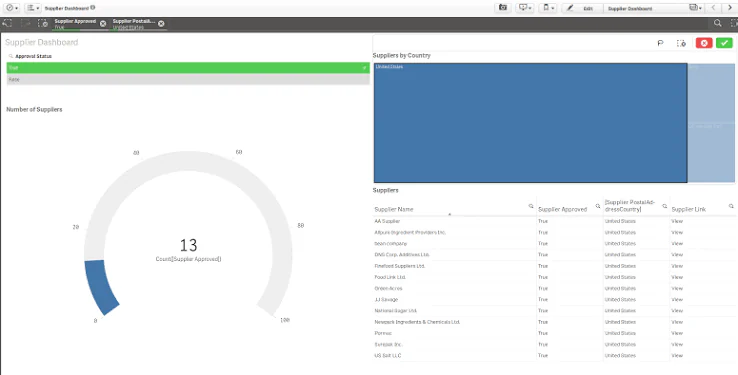
Safefood 360° focuses on food safety management and compliance solutions. Safefood 360° restaurant management system enables restaurants to implement and maintain high food safety standards, thereby reducing the risk of non-compliance and enhancing customer trust. The following are the various features of the Safefood 360°:
- Management system
- Prerequisite programs
- Document control
- Supplier management
Pricing: By request / plan-based (request demo); public RM pricing not shown on vendor plans page.
| Pros | Cons |
|
|
Restaurants that must stay tight on food safety compliance (HACCP, audits, traceability, documentation).
13. Yodeck
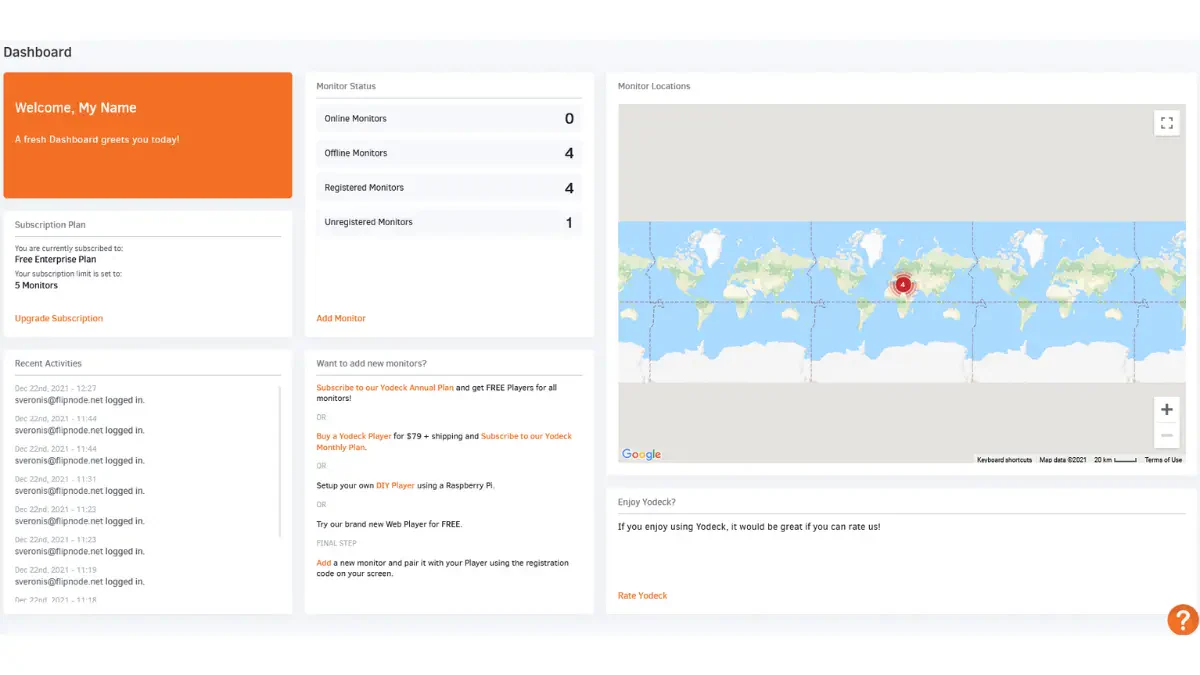 Yodeck offers a digital signage solution that makes it easy for restaurants to manage visual content on display screens throughout their business premises. Cloud-based support and remote management features make operations more flexible, especially for restaurants that want to keep the customer experience engaging and interactive. Here are some of the features Yodeck offers:
- Schedule menus
- Promote events
- Inform visitors
- Think green
Pricing: Free for 1 screen, then RM32.61/month ($8), RM44.84/month ($11), or RM61.14/month ($15) per screen (plan-based).
| Pros | Cons |
|
|
Restaurants that need digital signage/menu boards with remote scheduling and promotions.
14. Square POS
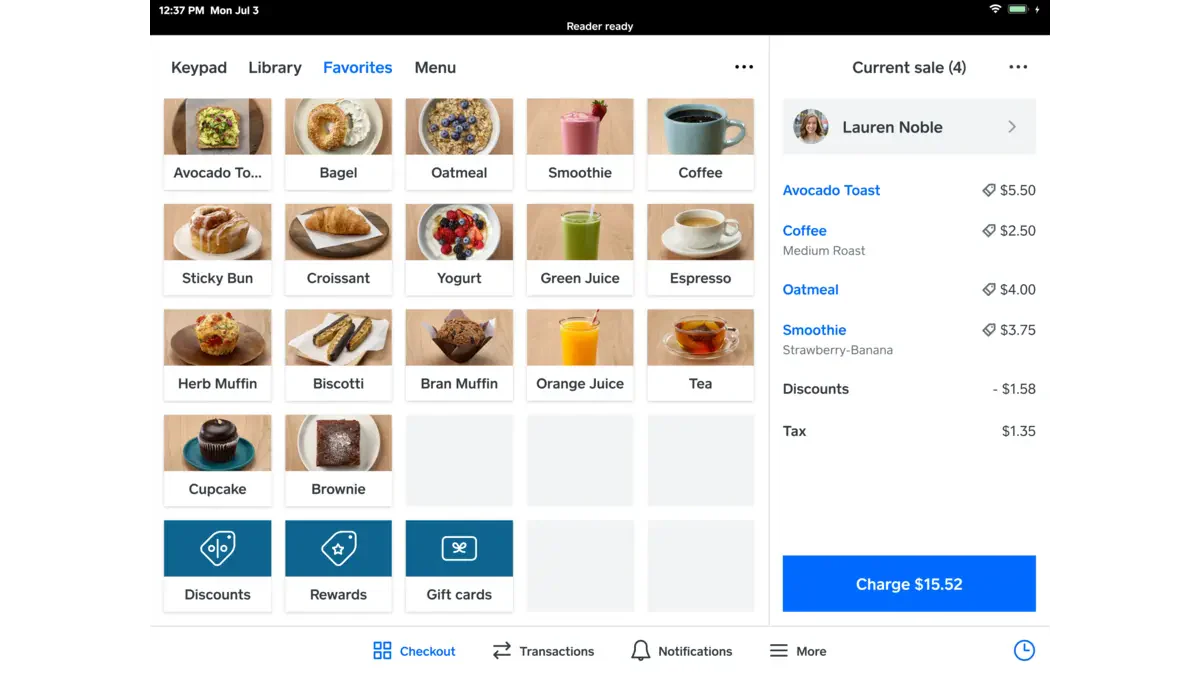
Square POS is an affordable restaurant management software perfect for small businesses. It simplifies order handling with a clear interface, supporting table tracking, inventory updates, and real-time menu changes. Known for easy setup, it connects with online stores for better ordering flexibility.
The following are the various features of the Square POS:
- Simple payment processing
- Menu and inventory management
- Table and order tracking
- Easy e-commerce integration
Pricing: RM0/month (Free); RM199.72/month/location (Plus $49); RM607.32/month/location (Premium $149).
| Pros | Cons |
|
|
Budget-conscious small restaurants that want simple setup, order tracking, and basic inventory.
15. OpenTable
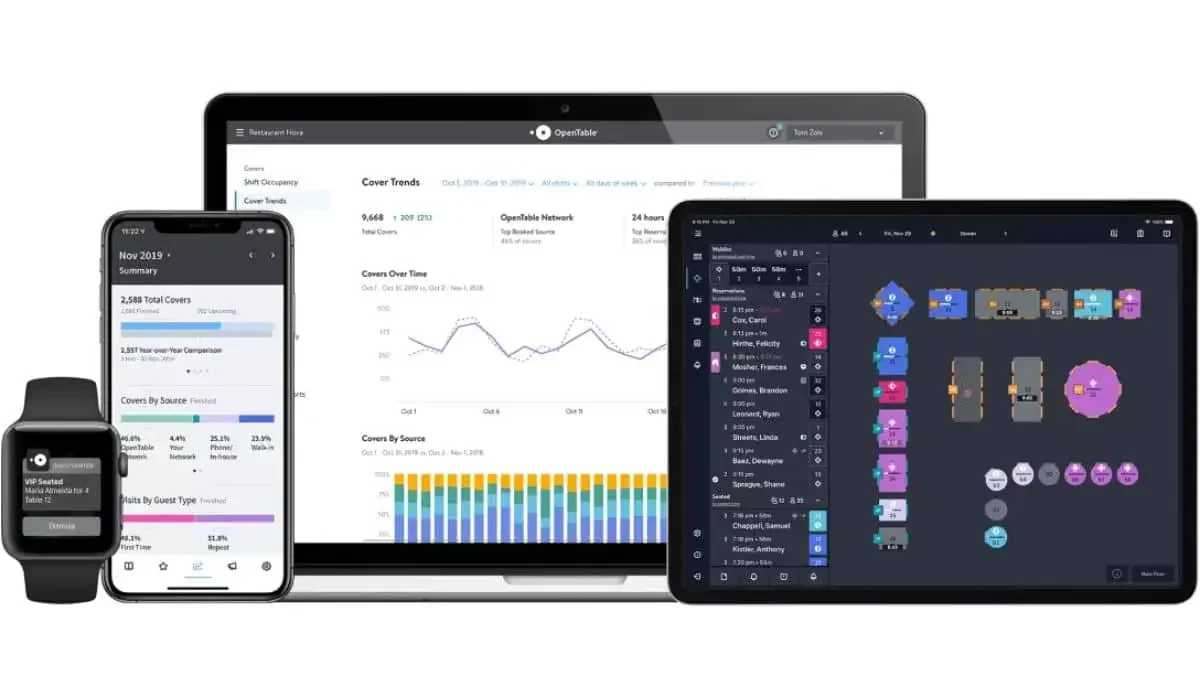
OpenTable is known as a widely used restaurant management software for managing reservations and optimizing table utilization. The system can intelligently adjust seating layouts to maintain maximum capacity without making the dining area feel too crowded, especially during peak hours. Additionally, OpenTable can integrate with platforms like Square to support online booking, marketing, and customer review management.
The following are the various features of the OpenTable:
- Guest review and table management
- Menu customization options
- Customer profile tracking
- Online ordering integrations
Pricing: RM607.32/month ($149/month after trial; region/plan may vary).
| Pros | Cons |
|
|
Reservation management and table optimization to maximize seats without overcrowding.
Overall Comparison of Restaurant Management Software in Malaysia
| Provider | Core Strength | Reporting & Analytics | Ease of Use | Scalability |
|---|---|---|---|---|
| HashMicro | ||||
| TouchBistro | ||||
| Xenia | ||||
| Sage | ||||
| Restaurant365 |
What is the Benefit of Restaurant Management Software?
RMS offers a range of benefits that can significantly enhance a restaurant’s efficiency and customer experience. By automating key processes, businesses can deliver consistent service while optimizing resource utilization. Here are the key advantages:
- Optimized Order Management: The restaurant management system reduces errors and speeds up service by directly sending orders from handheld devices to the kitchen.
- Integrated Payment Processing: The restaurant management system enhances customer convenience by enabling payments at the table, thereby improving overall satisfaction.
- Real-Time Inventory Tracking: The restaurant management system ensures popular menu items are always available when integrated with the best restaurant inventory management software, reducing waste and preventing stockouts.
- Detailed Analytics and Reporting: The restaurant management system provides valuable insights into sales trends, customer preferences, and operational bottlenecks for data-driven decisions.
- Improved Operational Efficiency: The restaurant management system Automates tasks, simplifies workflows, and enhances staff coordination, helping businesses run more smoothly.
By leveraging these benefits, restaurants can enhance service quality, lower operational costs, and foster growth through more informed, data-driven decision-making and increased customer satisfaction.
Must-Have Restaurant Management System Features
The following features are commonly found in restaurant management systems and play a key role in supporting daily operations and service consistency.
- User-friendliness
An intuitive interface in restaurant software helps reduce the learning curve for staff and minimizes training time. With a user-friendly RMS, your team can quickly adapt and maintain smooth operations even during peak hours. - Cloud-based or online management
Cloud technology enables you to oversee multiple restaurant branches from a single dashboard. It ensures real-time data access, centralized reporting, and efficient management—anytime, anywhere. - Quick loyalty and reward implementation
A good RMS makes it easy to build and manage customer loyalty programs. Whether offering free items or allowing customers to redeem points, automation within the system ensures effortless and consistent engagement. - All-in-one solution
A comprehensive restaurant management system should centralize core functions, including order processing, inventory tracking, and payment handling. When supported by the best restaurant asset management software and integrated with payroll and accounting, it ensures a seamless workflow while preventing costly order mistakes. - Intuitive menu configuration
Look for a restaurant software that allows you to update menu items and pricing instantly without restarting the program or relying on customer support. This flexibility helps restaurants adjust to seasonal menus or ingredient changes in real time. - Excellent technical support
Even the most advanced system may encounter issues, so 24/7 technical assistance is essential. Reliable support minimizes downtime and ensures smooth operations, especially during peak service hours. - Reporting capabilities
Built-in analytics and reporting tools provide valuable insights into sales performance, best-selling dishes, and customer trends. These insights help restaurant owners make informed decisions to optimize profitability. - Hardware compatibility
Choose software that works with your existing POS hardware to avoid unnecessary expenses. Compatibility ensures your team can operate efficiently without disruptions during service hours.
What Are The Types of Restaurant Management Software?
Running a restaurant efficiently often requires different types of management software, each designed to handle specific aspects of operations. Below are the types of software used in restaurant management:
- Point of Sale (POS) systems
A POS system is the backbone of restaurant operations, handling order processing, billing, and payment transactions. Modern POS platforms also integrate with inventory and accounting systems, ensuring accurate data flow and real-time sales tracking. - Inventory management software
This software helps monitor ingredient levels, track usage, and reduce food waste. The best restaurant inventory management software automatically updates stock counts with each sale and provides alerts when supplies are running low, ensuring smooth kitchen operations. - Employee management software
Designed to manage staff schedules, attendance, and payroll, this software simplifies HR operations. This best restaurant management software also helps track employee performance and shift coverage, which is vital for maintaining service quality and efficiency. - Table and reservation management systems
These tools streamline table assignments, reservations, and customer waitlists. By optimizing seating arrangements, they reduce wait times and enhance the overall dining experience. - Customer Relationship Management (CRM) systems
CRM software enables restaurants to track customer preferences, feedback, and order history. It’s essential for creating personalized marketing campaigns, loyalty programs, and better customer engagement. - Accounting and financial management software
This software automates bookkeeping, expense tracking, and financial reporting. It ensures compliance, simplifies tax preparation, and provides insights into your restaurant’s profitability. - Kitchen Display Systems (KDS)
KDS replaces paper tickets with digital order screens in the kitchen. It enhances communication between servers and kitchen staff, reduces errors, and speeds up order fulfillment. - Online ordering and delivery management software
As online dining grows, this best restaurant management software helps manage digital orders and coordinate deliveries. This restaurant software integrates with POS systems to ensure accurate order tracking, customer updates, and timely deliveries.
What to Consider when Choosing a Restaurant Management Software
Selecting the right Restaurant Management Software (RMS) is crucial for your restaurant’s smooth operation and success. With numerous options available, it’s essential to consider several factors to ensure you choose the best restaurant software for your needs.
Here are the key aspects to evaluate:
- Cost and ROI
Consider the total cost of the software, including setup, subscription fees, and any additional fees. What matters most is whether the investment delivers a good return and whether the system helps you work faster and improve the customer experience.
- Features and functionality
The key factor is whether the F&B software provides the core tools you need. Look for essentials such as POS integration, inventory tracking, and CRM. If possible, choose a system that also supports online ordering and analytics to keep operations efficient.
- Integration capabilities
Integration capabilities make it easier for restaurant software to work seamlessly with other essential tools, such as restaurant accounting and payroll software, as well as third-party delivery platforms. This improves overall operational efficiency.
- Customization and flexibility
Customizable software matters because every restaurant operates differently. Choose a system that lets you adjust features, reports, and workflows to match your processes, so the software supports your operations rather than forcing you to follow a fixed setup.
- Security and compliance
Choose restaurant software that meets industry standards like PCI DSS and includes strong protections, such as encryption and frequent system updates, to keep your business and customer data safe from breaches.
- User reviews and recommendations
User feedback helps gauge real performance. Check reviews and recommendations from other restaurant owners to understand the software’s reliability, ease of use, and support quality.
Read Also: Check out the best restaurant inventory software to optimize stock management and reduce waste in your restaurant.
Which Restaurant Management Software Suits Your Business?
| Business Scenario | Recommended Software | Why It Fits |
|---|---|---|
| Multi-outlet restaurant needing full operational control | HashMicro | HashMicro is ideal for multi-branch restaurants that require centralized POS, inventory tracking, recipe costing, and real-time reporting across locations. It combines operations, finance, and customer management into one system. |
| Restaurant focusing on online ordering and delivery | UpMenu | UpMenu is perfect for restaurants wanting commission-free online ordering with built-in marketing tools like loyalty programs and email campaigns to boost repeat customers. |
| Restaurant aiming to reduce third-party delivery dependence | Owner.com | Owner.com helps restaurants increase direct orders through their own website, reducing commission fees while boosting customer loyalty with built-in marketing tools. |
| Small to mid-sized dine-in restaurant | TouchBistro | TouchBistro offers an intuitive iPad-based POS system with strong front-of-house capabilities, making it suitable for improving service speed and customer experience. |
| Restaurant needing daily operational workflow control | Xenia | Xenia is ideal for managing daily tasks, staff coordination, and operational checklists, helping restaurants maintain consistent execution. |
| Quick-service restaurants needing flexible POS | Clover | Clover provides adaptable POS hardware and software, making it suitable for various restaurant types with easy payment processing and add-on apps. |
| Restaurant prioritizing accounting and financial control | Sage | Sage helps streamline financial reporting, inventory tracking, and accounting processes, making it ideal for back-office management. |
| Growing restaurant needing scalable POS and analytics | Toast | Toast offers strong POS capabilities with analytics and customization, making it suitable for scaling restaurant operations. |
| Multi-location restaurant needing advanced inventory | Lightspeed | Lightspeed provides real-time inventory tracking and analytics, making it ideal for restaurants expanding across multiple locations. |
| Restaurant focusing on food safety compliance | Safefood 360° | Safefood 360° ensures compliance with food safety standards such as HACCP, helping restaurants maintain quality and avoid regulatory risks. |
| Restaurant needing accounting + operations integration | Restaurant365 | Restaurant365 combines accounting, inventory, and performance analytics, making it ideal for multi-unit restaurants. |
| Restaurant wanting digital menu boards and promotions | Yodeck | Yodeck helps restaurants manage digital signage and menu displays remotely to enhance customer engagement. |
| Small restaurant with limited budget | Square POS | Square POS is affordable and easy to set up, making it perfect for small restaurants needing simple payment and order management. |
| Restaurant focusing on reservations and table management | OpenTable | OpenTable helps optimize table turnover and reservations, improving efficiency during peak hours. |
Conclusion
Choosing the right restaurant management software is crucial to the success of your F&B business. The right system can help automate operational processes such as inventory control, order management, employee monitoring, and financial tracking, allowing restaurants to run more efficiently as the business grows.
For Malaysian restaurants, the most suitable option depends on their operational priorities. HashMicro supports centralized multi-branch management and automatic COGS calculation, while UpMenu focuses on online ordering and customer retention. TouchBistro is designed for dine-in and front-of-house workflows, whereas OpenTable focuses more on reservation and table management.
Before making a final decision, restaurants should compare shortlisted systems based on their workflow, outlet scale, integration requirements, reporting needs, and implementation resources. Product demos or trials can help businesses evaluate each platform directly and determine which option is most suitable for their long-term operational requirements.

FAQ about Restaurant Management System Malaysia
Yes, tools that enhance online ordering, automate email outreach, strengthen loyalty programs, or manage waitlists play a key role in engaging customers. They don’t just streamline operations; they help create smoother, more memorable experiences that encourage guests to return again and again.
Modern restaurant software varies, but the goal is to help you work smarter and increase profits. Prioritize systems that streamline operations, control spending, and support sales growth, such as POS integration, inventory monitoring, staff scheduling, reservation tools, online ordering, and marketing automation. The right platform should adapt as your restaurant expands, making daily operations easier, not harder.
Pricing for restaurant management software varies depending on the type of system you choose. When comparing options, make sure to consider additional expenses such as hardware, setup, and implementation costs, as many providers don’t clearly list these charges at the outset.
POS systems for restaurants are tools that process payments and manage orders. Modern restaurant software seamlessly integrates with point-of-sale (POS) systems, offering features such as menu customization and real-time sales tracking to enhance operational efficiency.