







Leads don’t get lost because teams can’t sell; they get lost to late follow-ups, messy tracking, and manual admin that slows everything down.
That’s why lead management software matters: it centralizes lead data, automates lead scoring, and helps sales focus on high-intent prospects. In Malaysia, companies using lead scoring systems see an average lead gen ROI of 138%, versus 78% without it.
This article covers the 15 best lead management software tools in 2025 so you can pick the right fit fast. If you want to move quickly, a short demo is the easiest way to see what works for your pipeline.

Key Takeaways
|
What is Lead Management Software?
Lead management software is a powerful tool for businesses to track and manage their sales leads effectively. It automates lead generation, qualification, and follow-ups to ensure no opportunity is missed.
This lead management sales software centralizes lead data, enabling sales teams to prioritize and engage with the most promising prospects. With lead scoring and segmentation, businesses can focus on high-value opportunities and improve conversion rates.
In Malaysia, lead management software supports both inbound and outbound lead generation efforts. By combining tools for data enrichment, prospect management, and lead nurturing, it helps businesses can optimize their sales pipeline and boost revenue.
Hashy AI Fact

Need to know!
Hashy AI boosts lead conversion by auto-scoring prospects, predicting revenue, and sending smart follow-ups via chat, turning leads into deals faster.
Request a free demo today!
15 Best Lead Management Software and Tools in 2025
Finding the right lead management software is crucial for optimizing your sales pipeline and improving customer lead tracking. With a variety of options available, we’ve curated a list of the 15 best tools to help your business streamline lead generation and management processes.
- HashMicro: Optimize lead tracking, nurturing, and conversion effectively.
- Salesforce: Custom platform and manage complex sales effectively.
- VTiger: Intuitive interface and extensive feature seamless collaboration.
- HubSpot: Integrates its marketing, sales, and service hubs.
- Brevo: Providing robust email and SMS marketing capabilities.
- Zapier: It’s ideal for businesses looking to streamline repetitive tasks.
- Zoho: A flexible solution that fits various needs, especially effective as a retail CRM
- ClickUp: User-friendly navigation, makes it a great tool for teams.
- MailChimp: Its focus on email marketing makes it ideal for businesses.
- MailerLite: Simple and effective in managing campaigns and leads.
- SimpleTexting: Reach prospects effectively through text messaging.
- Calendly: Seamless coordination between teams and prospects.
- Kronologic: AI-driven aligns team schedules with customer availability.
- Dialpad: Communication-focused platform (voice, video, and messaging).
- Demio: User-friendly and designed for virtual events.
1. HashMicro Lead Management System

HashMicro’s Lead Management System is a premier solution tailored for Malaysian businesses seeking to enhance their sales and lead management processes. The system offers advanced tools to optimize lead tracking, nurturing, and conversion efforts effectively.
With seamless integration capabilities, HashMicro connects effortlessly with other business applications, streamlining workflows and providing a unified perspective of customer interactions. Malaysian companies can address their lead management challenges efficiently by exploring HashMicro through its free demo offering.
A key highlight of HashMicro’s solution is its adherence to ISO standards, ensuring top-tier security and service quality. Furthermore, the system provides an all-encompassing approach to customer relationship management, spanning lead acquisition, sales processing, and long-term client engagement.
Pricing: Custom pricing (quote-based, depends on modules and business needs).
Here are some of the features offered by the HashMicro CRM System:
- Leads – Hash quality score: Determine which leads have potential in percentage numbers based on several parameters.
- Call Logging Management: Track and record all phone interactions, including call details and notes, ensuring a complete communication history.
- Sales Pipeline Management: Get a visual representation of the sales process, tracking deals through various stages from lead to closing.
- Email Marketing Management: Integrate email campaign creation, distribution, and tracking within the CRM.
- KPI for activity targeting: Enable businesses to set and track specific metrics related to sales and marketing efforts, such as calls made and deals closed.
- Forecasting revenue: The forecasting revenue feature uses historical data and current trends to predict future sales and revenue.
- CRM mobile apps: CRM mobile apps allow users to access customer data and CRM functionalities on the go through smartphones and tablets.
- Reporting/analysis: Reporting and analysis tools generate detailed reports on sales performance, customer behavior, and other key metrics.
| Pros | Cons |
|
|
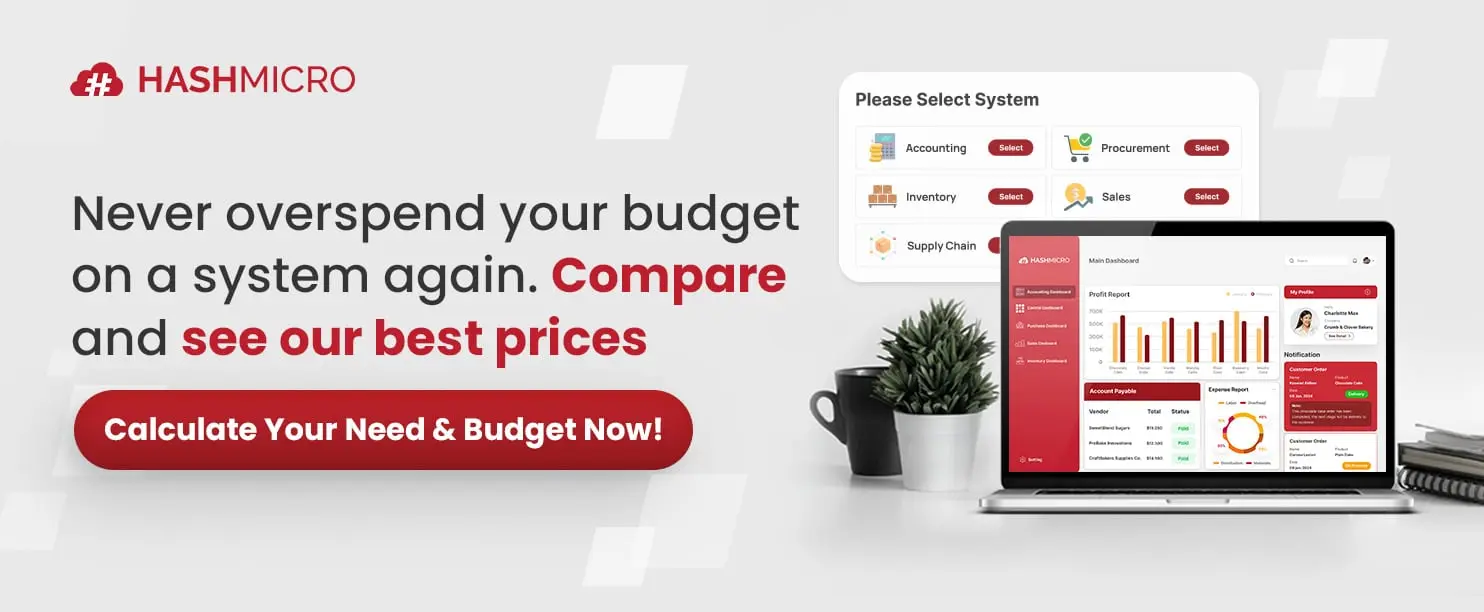
If you want to learn more about how the HashMicro lead management system can work for your business and fulfill your needs, you can download the price scheme below!
2. Salesforce Sales Cloud
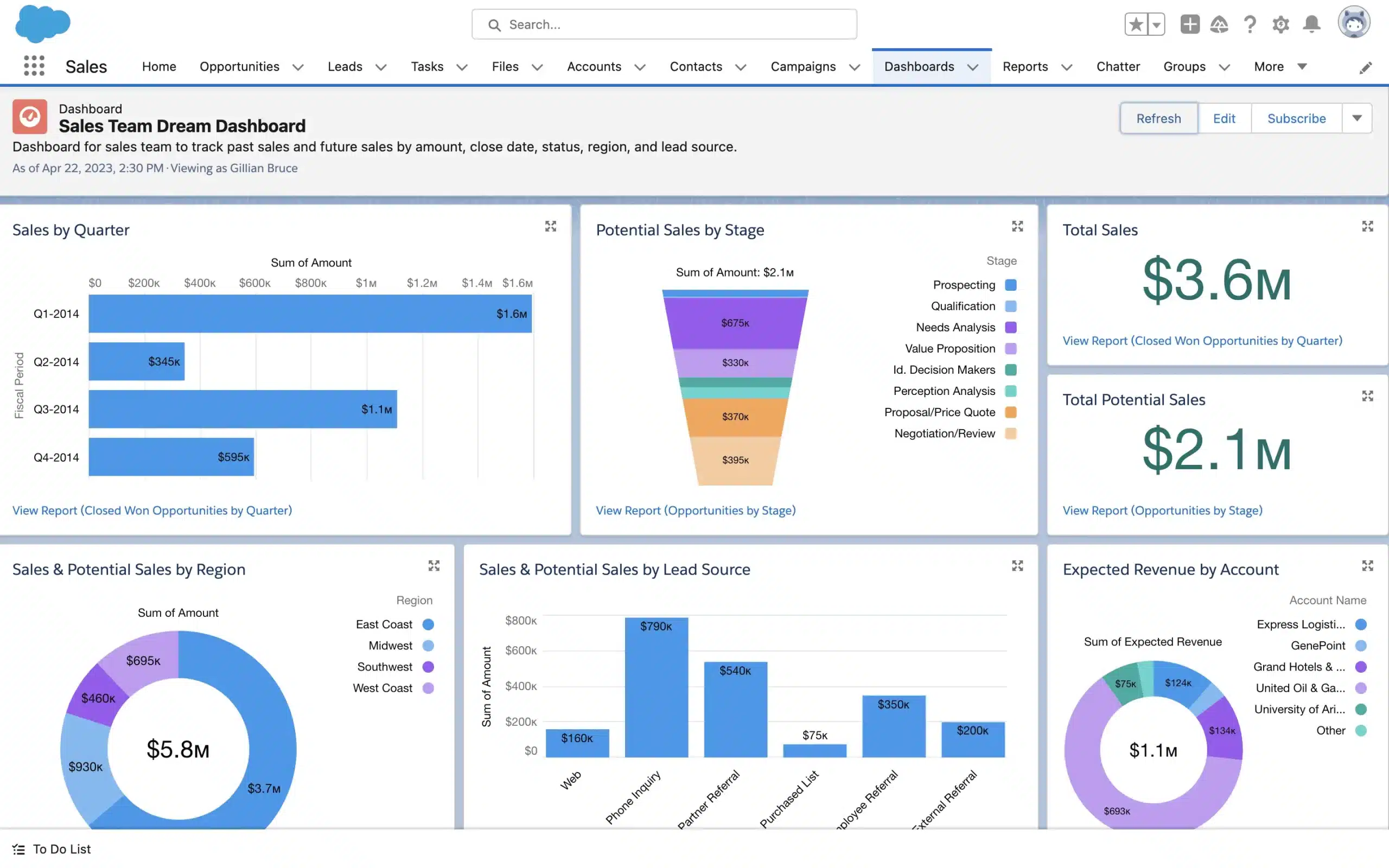 Salesforce Sales Cloud is a pioneer in CRM and lead management software, offering cutting-edge tools for sales crm teams globally. With its highly customizable platform, Salesforce lead management software supports businesses in managing complex sales pipelines effectively.
Pricing: Starts from ~RM101 per user/month (USD $25/user/month).
Key Features:
- AI-driven lead scoring with Einstein Analytics.
- Omnichannel customer engagement tools.
- Robust reporting and forecasting capabilities.
- Seamless integration with third-party apps.
| Pros | Cons |
|
|
3. VTiger

VTiger CRM combines lead management with customer support tools, making it a versatile solution for businesses focused on both sales and service. VTiger lead management software has an intuitive interface and an extensive feature set that ensures seamless collaboration.
Pricing: Starts from ~RM49 per user/month (USD $12, billed annually).
Key Features:
- Unified platform for sales and customer support.
- Email marketing and campaign management tools.
- Lead scoring based on customer interactions.
- Customizable dashboards and workflows.
| Pros | Cons |
|
|
4. HubSpot CRM
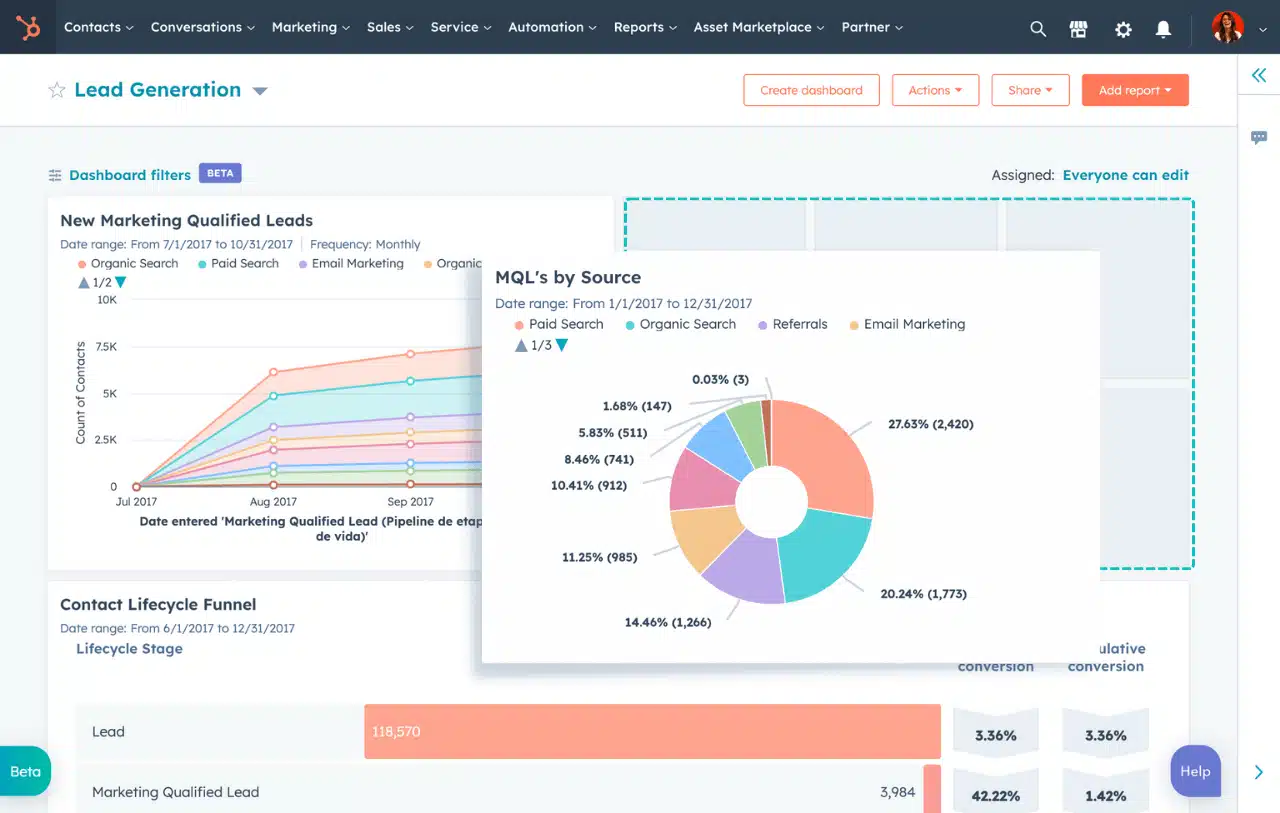 Hubspot CRM is widely used for its free version and robust features, including lead capture, contact management, email tracking, and analytics.
This sales lead management software integrates seamlessly with its marketing, sales, and service hubs, creating a unified platform for growth. This integration allows businesses to align their marketing and sales efforts and track customer interactions across different channels
However, the cost of accessing advanced features required by larger or more complex businesses can be prohibitive, potentially restricting their appeal to some users. Listed here are some of the features of the Hubspot CRM:
- Contact management
- Sales automation
- Report & business analysis
- Live chat & chatbot
Pricing: Free CRM available; paid plans start from ~RM81 per user/month (USD $20/user/month).
| Pros | Cons |
|
|
5. Brevo (formerly Sendinblue)
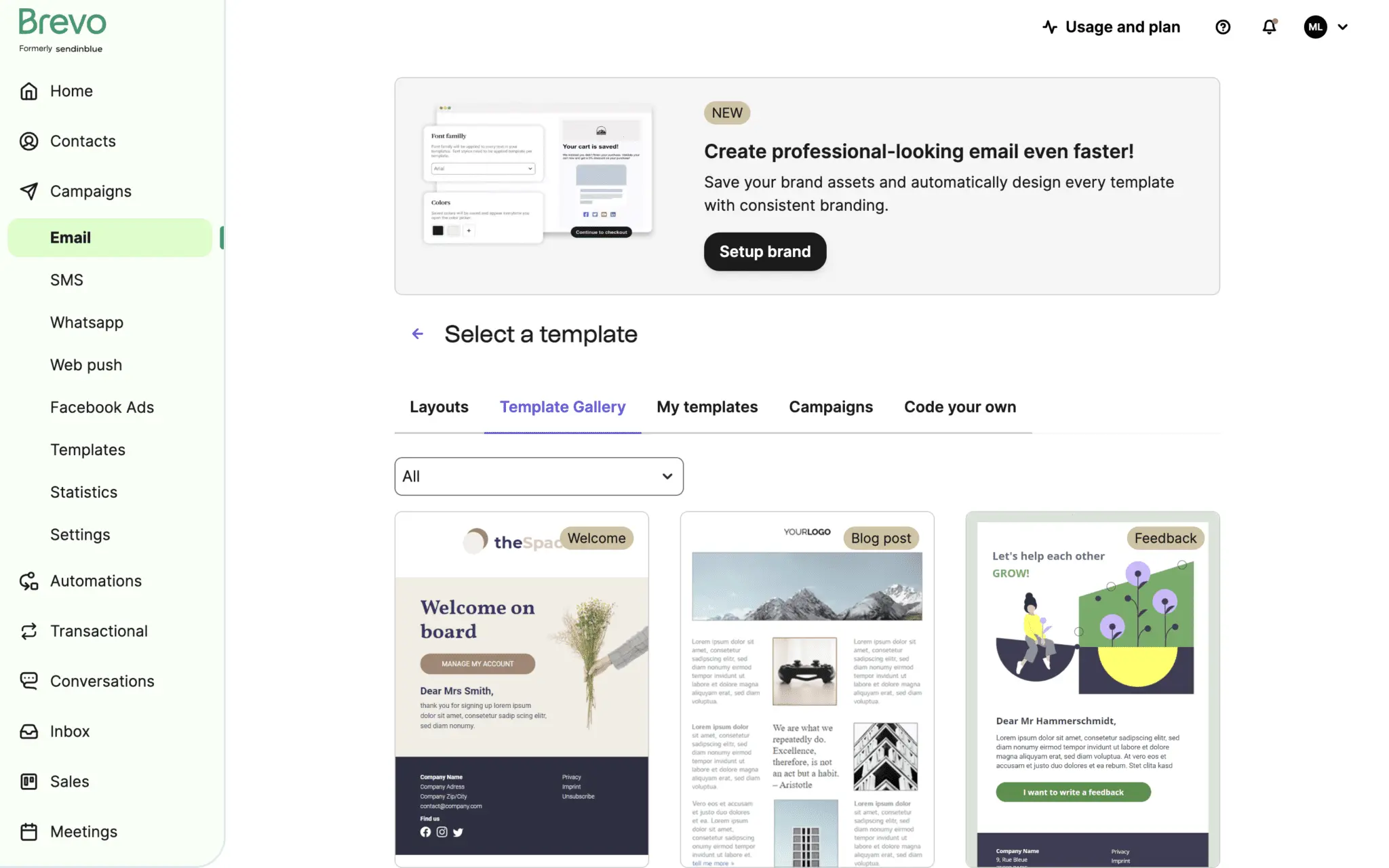
Brevo is a comprehensive marketing and lead management tool, providing businesses with robust email and SMS marketing capabilities. It’s designed to streamline communication and improve customer engagement.
Pricing: Free plan available; Starter plan from ~RM32/month (USD $8/month, billed annually).
Key Features:
- Email and SMS automation.
- Contact segmentation and lead scoring.
- CRM and marketing automation integration.
- Customizable email templates and workflows.
| Pros | Cons |
|
|
6. Zapier
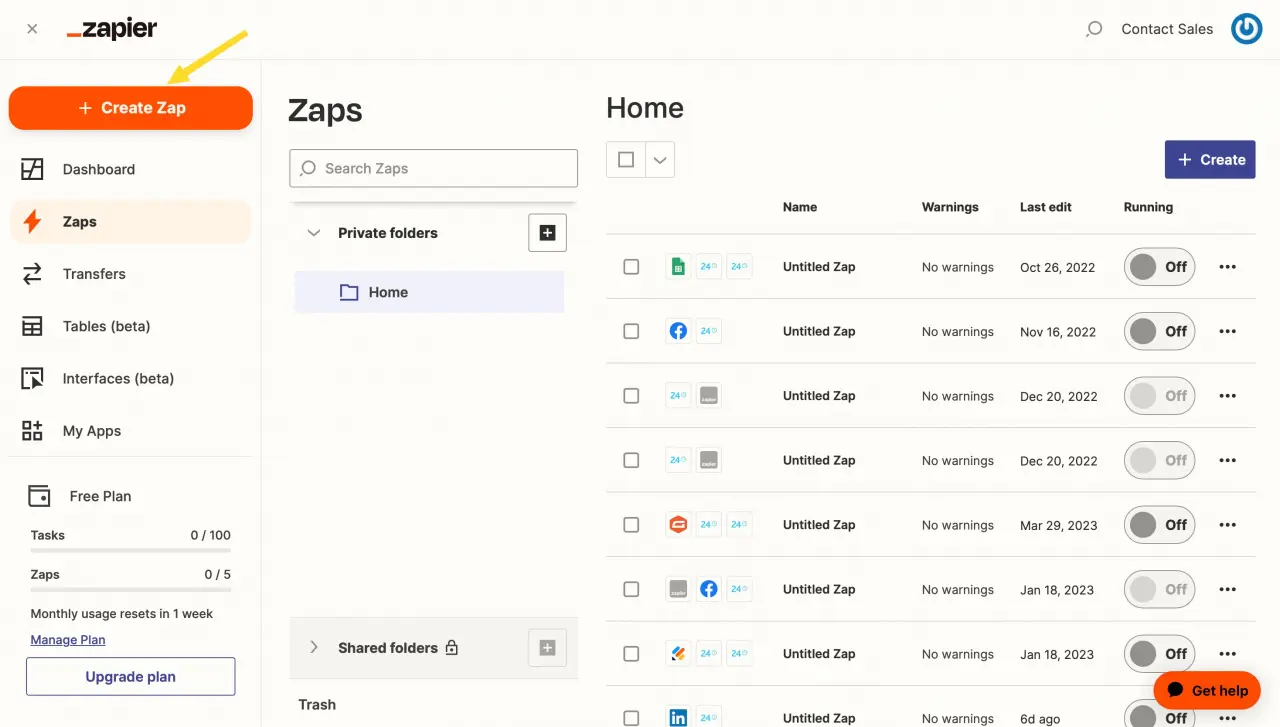 Zapier is a powerful automation tool that connects apps and automates workflows, enhancing lead management by syncing data across platforms. It’s ideal for businesses looking to streamline repetitive tasks.
Pricing: Free plan available; paid plans start from ~RM81/month (USD $20/month, billed annually).
Key Features:
- Automates data transfer between apps.
- Supports over 5,000 app integrations.
- Customizable workflows and triggers.
- Real-time notifications for task updates.
| Pros | Cons |
|
|
7. Zoho CRM
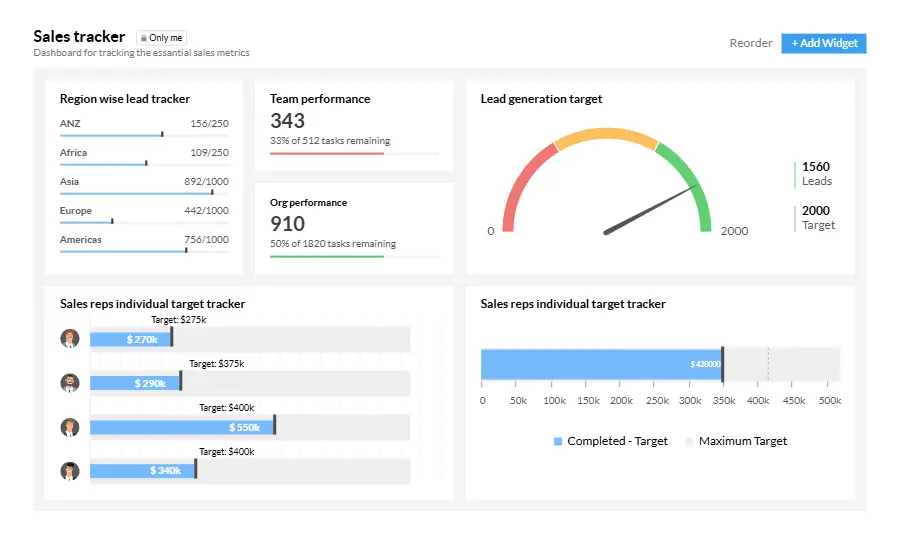 Zoho CRM is known for its extensive customization options and scalability, making it suitable for businesses of all sizes.
Zoho lead management software offers features like lead management, analytics, and process automation, with integrations available for various third-party applications. The software’s flexibility allows businesses to tailor it to their specific needs.
On the downside, the extensive customization options can lead to a steeper learning curve for new users, and some users report that the interface is less intuitive than that of other CRMs.
Pricing: Starts from ~RM57 per user/month (USD $14/user/month, billed annually).
The following features are available in the Zoho CRM:
- Contact Management
- Lead Qualification
- Workflow Management
- Email Marketing
| Pros | Cons |
|
|
8. ClickUp
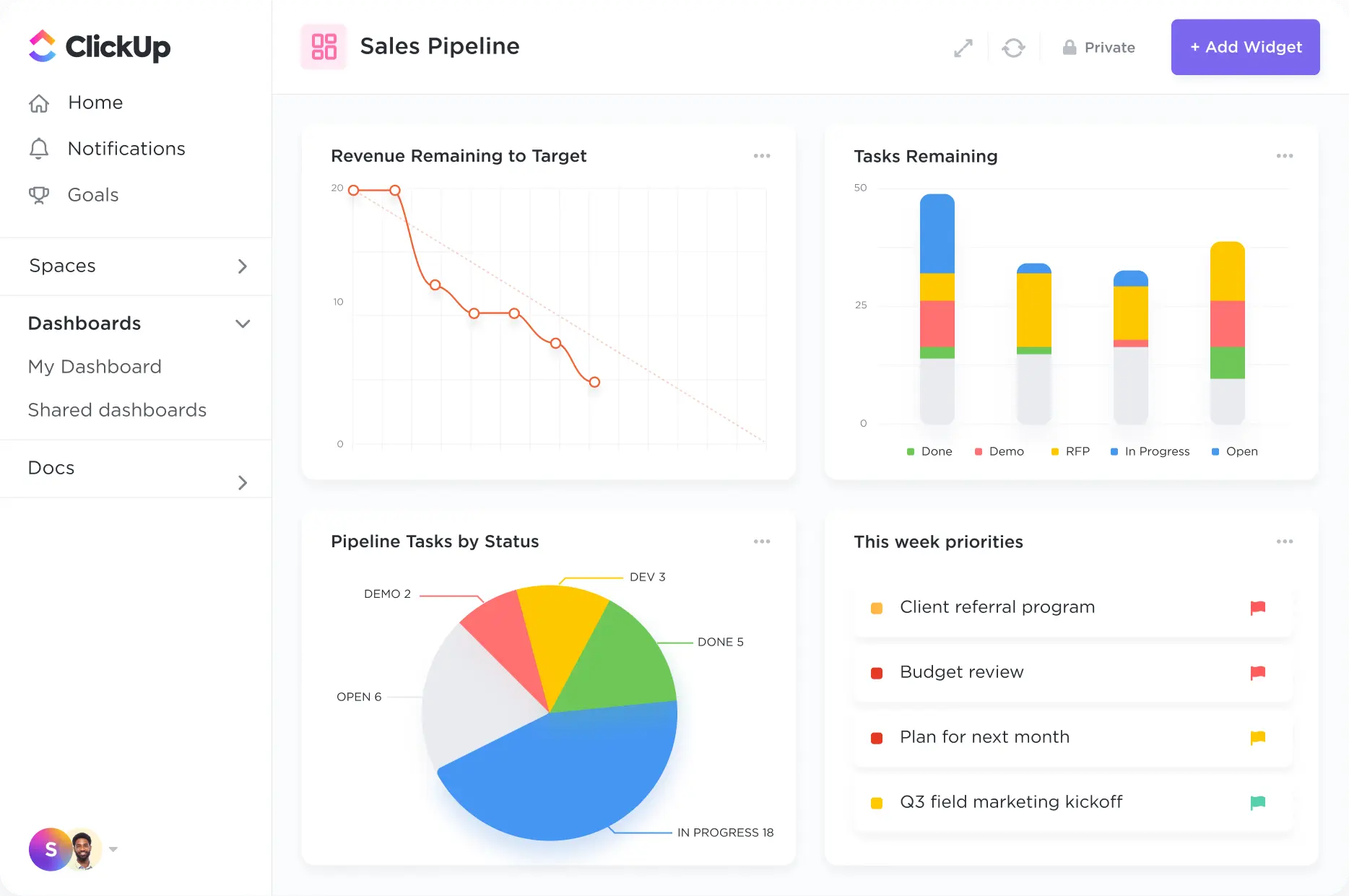 Initially designed as a project management tool, ClickUp has expanded to include lead management features. ClickUp lead management software has versatility, combined with user-friendly navigation, making it a great tool for teams that want to manage leads and projects on one platform.
Pricing: Free plan available; paid plans start from ~RM49 per user/month (USD $12/user/month).
Key Features:
- Task and lead management in a single interface.
- Integration with over 1,000 apps, including CRMs.
- Customizable views (lists, boards, Gantt charts).
- Automated task assignments for lead follow-ups.
| Pros | Cons |
|
|
9. MailChimp
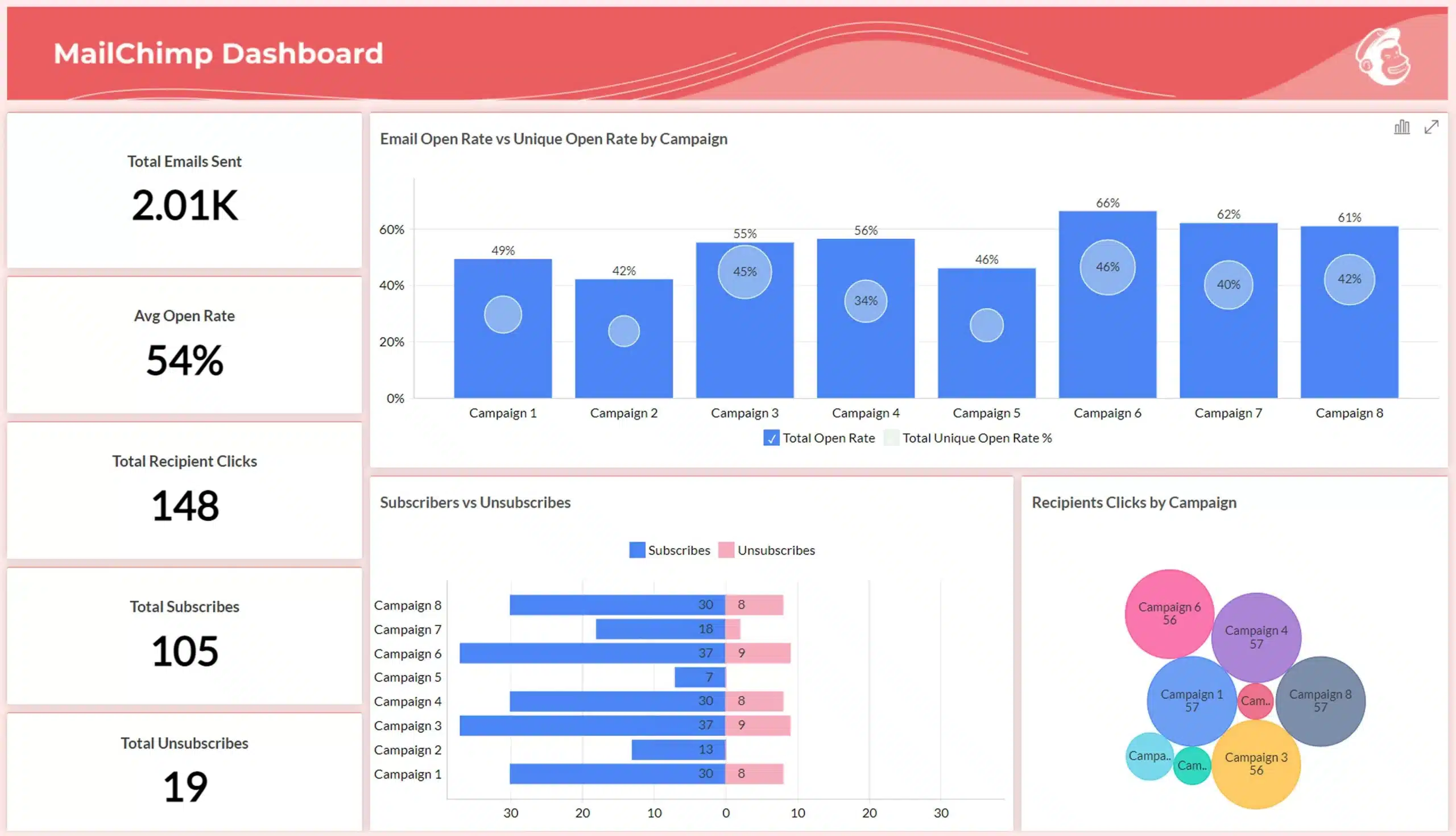 MailChimp is a marketing automation platform with robust lead management capabilities. Its focus on email marketing makes it ideal for businesses aiming to improve customer engagement and lead nurturing.
Pricing: Paid plans start from ~RM81/month (USD $20/month).
Key Features:
- Email automation and segmentation.
- Real-time audience insights.
- Lead scoring and tagging.
- Marketing analytics and reporting.
| Pros | Cons |
|
|
10. MailerLite
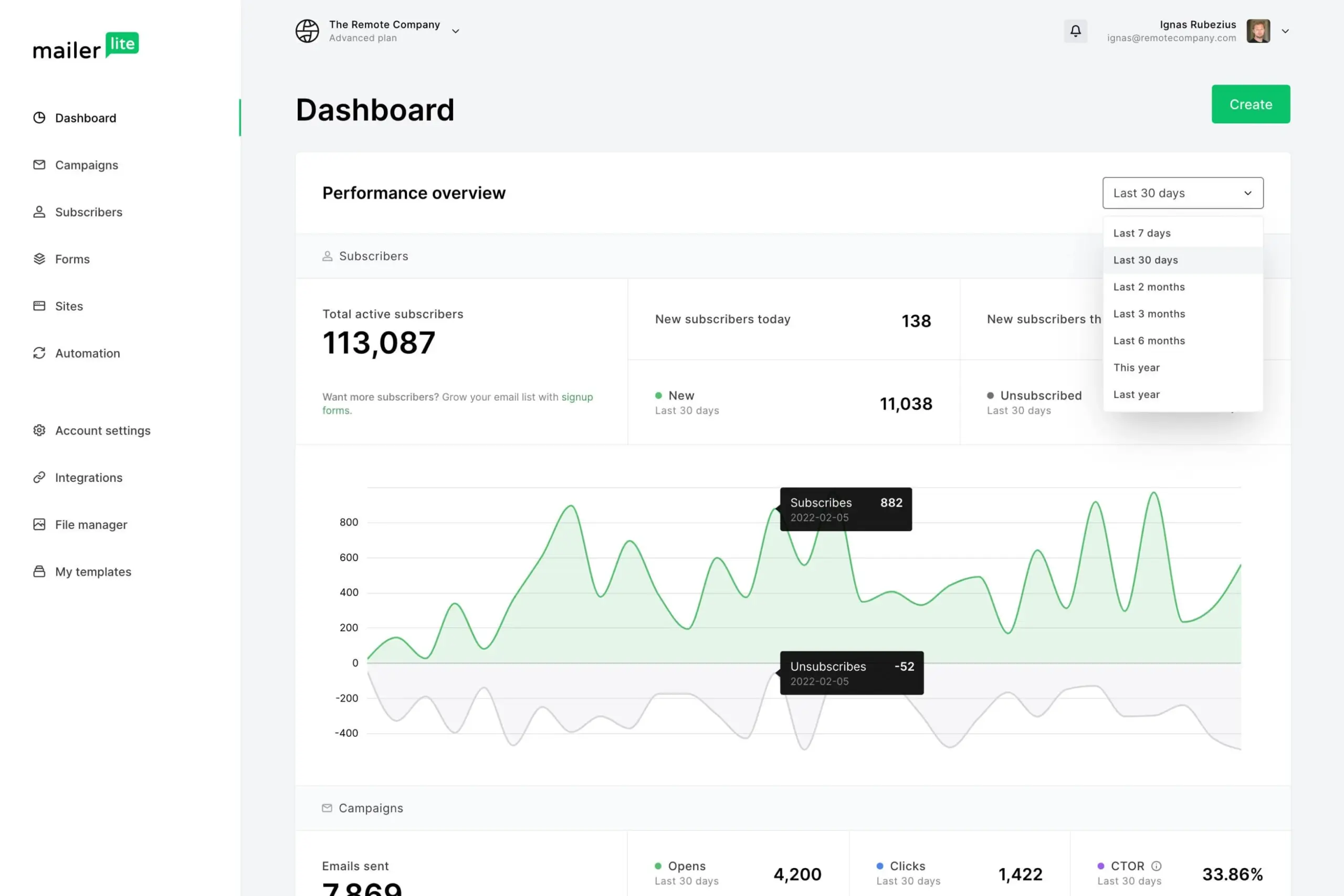 MailerLite provides businesses with intuitive email marketing tools and basic lead management features. It’s designed for simplicity and effectiveness in managing campaigns and leads.
Pricing: Free plan available; paid plans start from ~RM36/month (USD $9/month, billed annually).
Key Features:
- Drag-and-drop email editor.
- Subscriber segmentation and tagging.
- Email automation workflows.
- Built-in analytics for campaign tracking.
| Pros | Cons |
|
|
11. SimpleTexting

SimpleTexting is a specialized tool for SMS marketing and lead management software. SimpleTexting lead management software enables businesses to reach prospects quickly and effectively through text messaging.
Pricing: Paid plans start from ~RM135/month (USD $33.20/month, billed annually).
Key Features:
- SMS campaign creation and management.
- Two-way messaging capabilities.
- Contact segmentation and tagging.
- Detailed analytics for tracking SMS performance.
| Pros | Cons |
|
|
12. Calendly
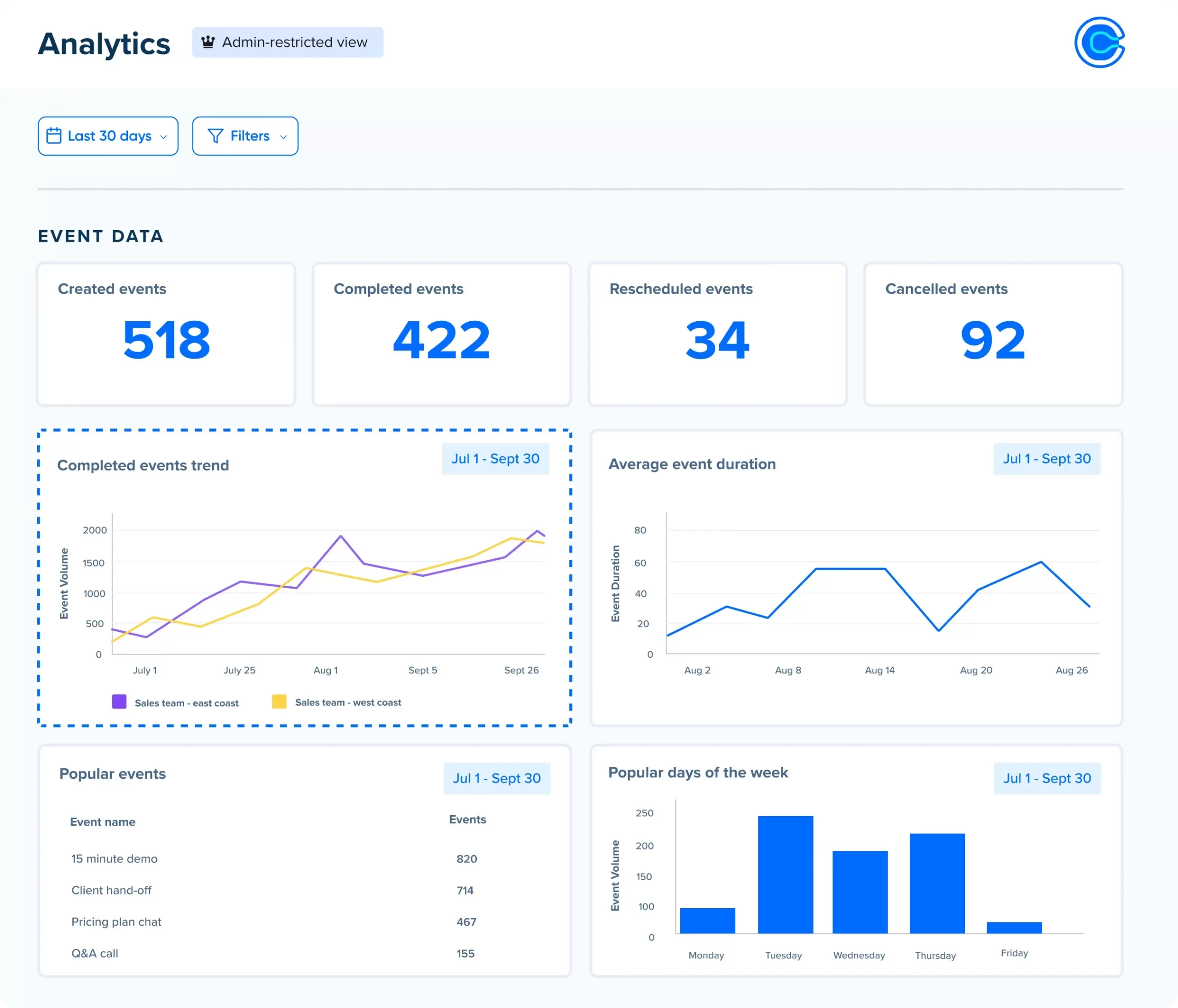
Calendly simplifies scheduling and helps businesses manage leads effectively by automating meeting bookings. Calendy lead management software ensures seamless coordination between teams and prospects.
Pricing: Free plan available; paid plans start from ~RM41 per user/month (USD $10/user/month, billed annually).
Key Features:
- Automated scheduling and calendar syncing.
- Integration with CRM and email tools.
- Customizable booking links.
- Team scheduling for streamlined collaboration.
| Pros | Cons |
|
|
13. Kronologic
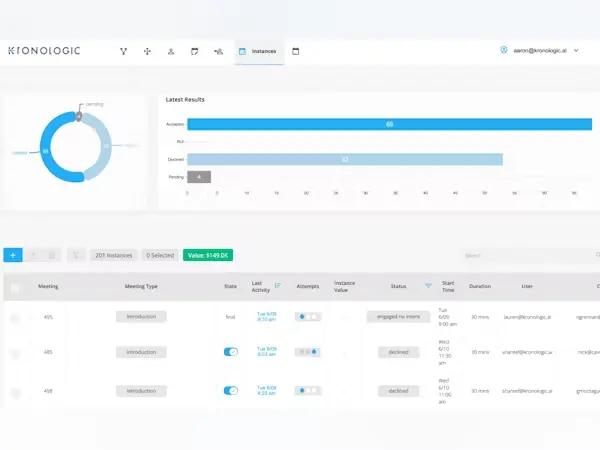 Kronologic focuses on automating the scheduling of sales follow-ups, supporting efficient client management and ensuring no opportunity is missed. Its AI-driven approach aligns team schedules with customer availability.
Pricing: Paid plans start from ~RM24/month (USD $6/month).
Key Features:
- AI-powered meeting scheduling.
- Integration with CRM tools.
- Real-time scheduling suggestions.
- Follow-up automation.
| Pros | Cons |
|
|
14. Dialpad
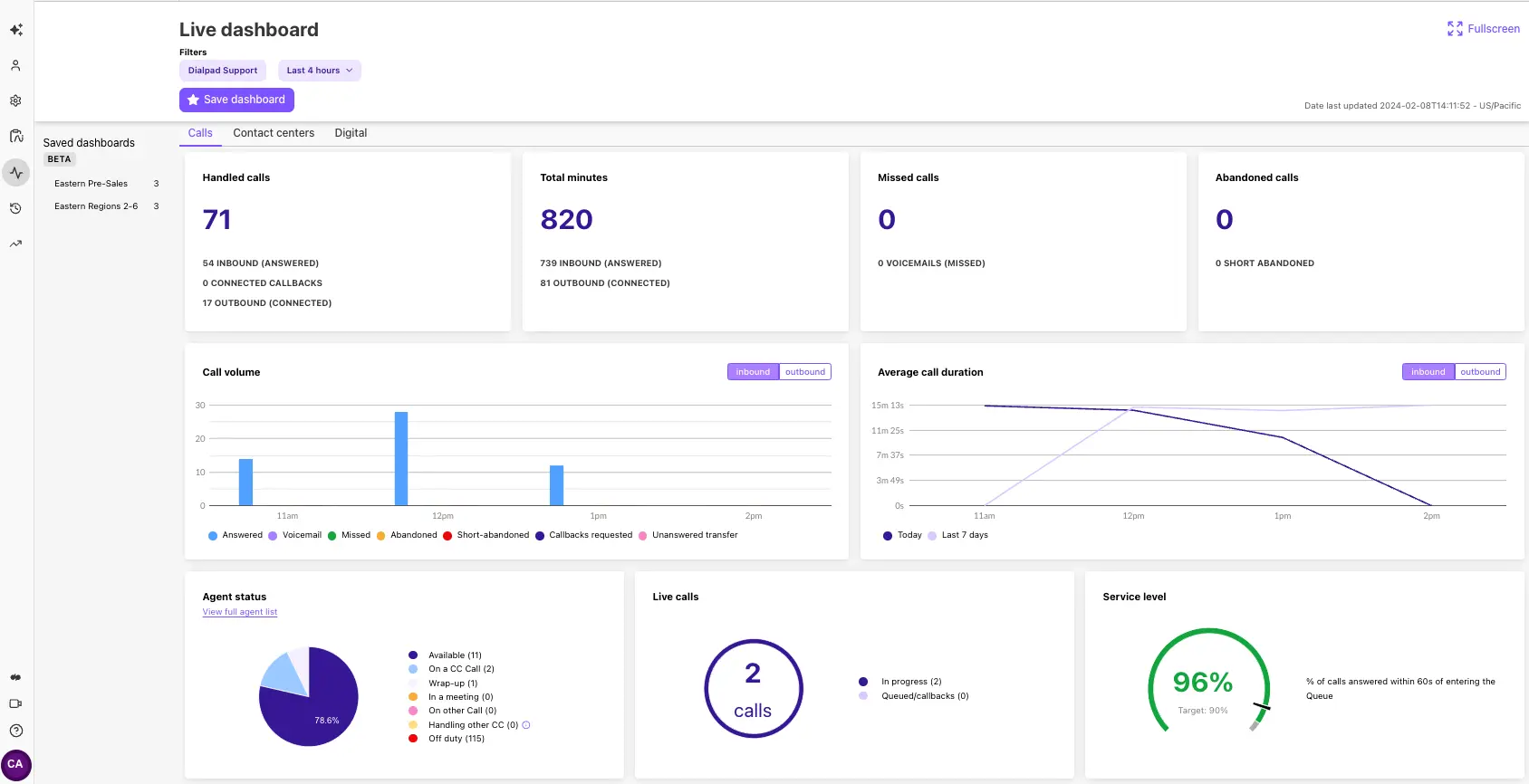 Dialpad is a communication-focused platform that integrates voice, video, and messaging with lead management features. It’s an ideal solution for businesses prioritizing seamless communication.
Pricing: Paid plans start from ~RM61 per user/month (USD $15/user/month, billed annually).
Key Features:
- Voice and video conferencing.
- Real-time call transcription.
- CRM integration for lead tracking.
- AI-powered insights and analytics.
| Pros | Cons |
|
|
15. Demio
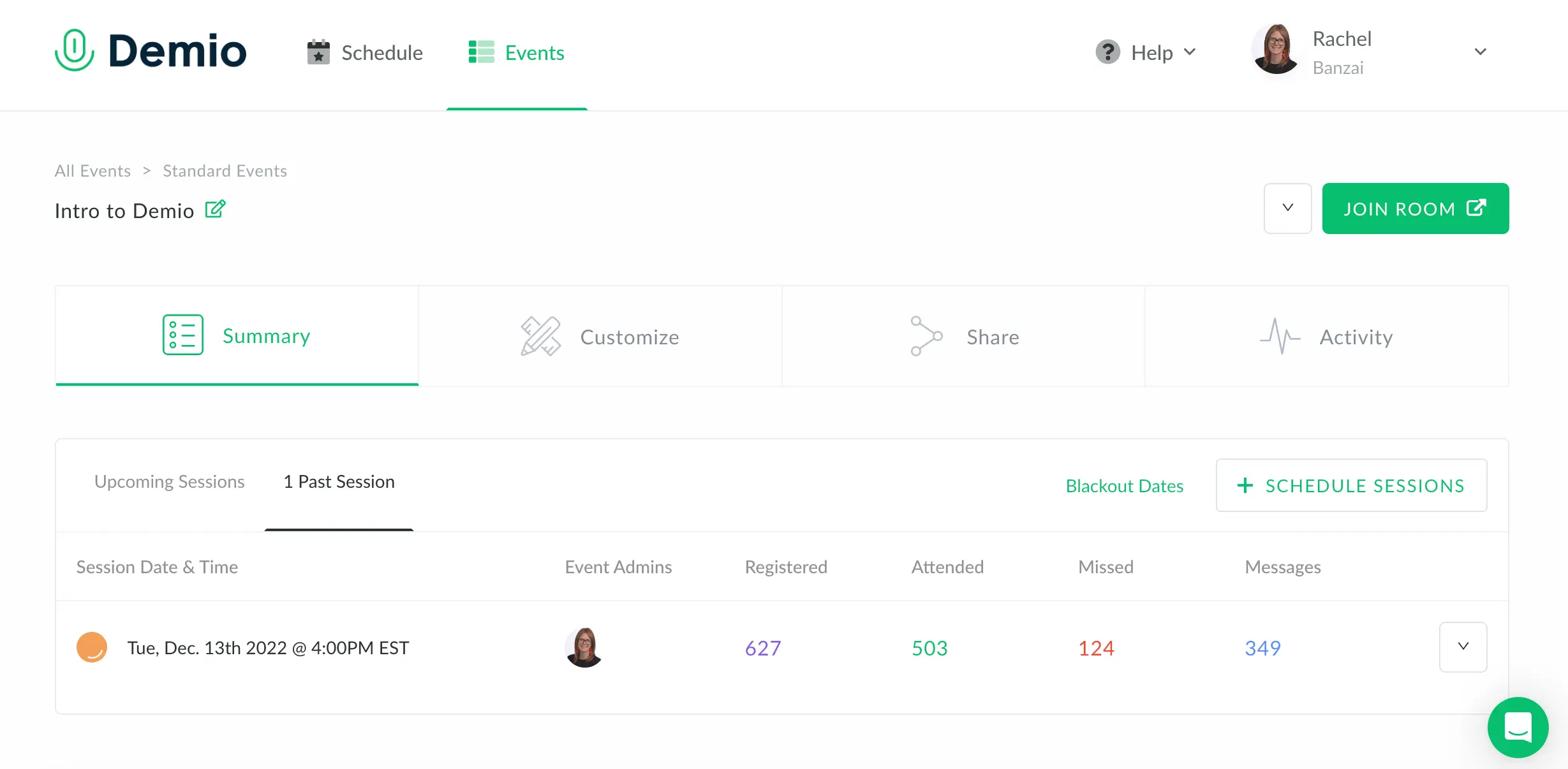 Demio specializes in webinar marketing and lead management, offering tools to engage prospects and convert them into leads. Demio’s lead management software platform is user-friendly and designed for virtual events.
Pricing: Starter plan starts from ~RM170/month (USD $42/month, billed annually).
Key Features:
- Webinar hosting and management.
- Audience engagement tools.
- Lead capture during live events.
- Integration with CRM and marketing tools.
| Pros | Cons |
|
|
By evaluating these tools based on your specific business needs, you can select the best lead management software to enhance your sales pipeline and drive growth.
Overall Comparison of Lead Management Software in Malaysia
| Provider | Connection Quality | Bank Coverage | Ease of Integration | Data Enrichment |
|---|---|---|---|---|
| HashMicro | ||||
| Salesforce | ||||
| VTiger | ||||
| Hubspot CRM | ||||
| Zapier | ||||
| ClickUp | ||||
| MailChimp | ||||
| MailerLite |
Benefits of Lead Management Software

Lead management software offers transformative benefits that enhance sales efficiency and customer engagement. When integrated with sales management software, it streamlines lead tracking, follow-ups, and conversions for better sales performance.
Below, we outline the three key advantages of using sales lead management software:
1. Gain better customer insights
Lead management software helps businesses better understand their customers by collecting and analyzing valuable data. Tracking interactions, engagement levels, and preferences helps sales teams identify pain points and tailor solutions accordingly.
Features like customer lead tracking enable personalized messaging and offers, increasing the likelihood of conversions. With better insights, businesses can craft targeted strategies that align with customer needs and drive sales success.
2. Find more qualified sales leads
Quality always beats quantity when it comes to sales leads, and lead management sales software ensures your team focuses on the best prospects. Tools like lead scoring analyze demographic data and interaction history to rank leads based on their likelihood to convert.
This allows sales teams to prioritize high-value opportunities while filtering out less promising prospects. By focusing on qualified leads, businesses can improve efficiency, close deals faster, and achieve better results in their sales pipeline management.
3. Save time on prospecting and lead management
Time is a precious resource, and marketing lead management software helps sales teams make the most of it by automating repetitive tasks. Automated lead assignments, follow-ups, and data organization reduce manual effort and allow teams to focus on building relationships.
Prospect management tools help minimize cold leads and enable the team to spend more time engaging with interested prospects. Lead management sales software efficiency ultimately boosts productivity and empowers businesses to maximize their sales potential.
4. Efficient lead capture and organization
Lead management software pulls leads from multiple sources, website forms, email campaigns, social media, ads, and even cold outreach into one centralized database. This prevents leads from being scattered across inboxes or spreadsheets, so fewer opportunities get missed, and follow-ups happen faster.
5. Stronger collaboration across teams
Many lead management systems are built for cross-team workflows, so sales, marketing, and customer service can access the same lead information. This makes lead handoff smoother, reduces duplicate follow-ups, and ensures prospects get a consistent experience from first touch to post-sales support.
6. Increased scalability as the pipeline grows
As businesses expand, lead volume grows too, and manual tracking simply can’t keep up. A lead management system helps teams handle more leads without sacrificing speed or quality, making it easier to manage larger pipelines and support new markets or new sales teams.
7. Improved regulatory compliance and data security
Lead data often includes sensitive customer information, and modern lead management software can help businesses manage it more safely. Many tools include access controls, audit trails, and secure data handling features that support compliance with data privacy requirements while reducing the risk of breaches.
By leveraging these benefits, lead management software Malaysia and beyond enables businesses to streamline operations, increase revenue, and achieve sustainable growth.
Key Features in Lead Management Software

Good lead management software is essential for converting leads into loyal customers and improving sales efficiency. Here are the key features every effective lead management system should include:
- Lead tracking and activity monitoring: Effective lead tracking allows sales teams to monitor leads’ progress through the sales funnel. It provides a detailed history of all interactions, such as emails, calls, meetings, and social media engagements, ensuring comprehensive customer lead tracking.
- Lead scoring and qualification: A reliable lead management sales software should include a scoring system to prioritize leads based on criteria like demographics and engagement levels. This ensures that sales teams focus their efforts on high-value prospects for better conversion rates.
- Customizable dashboards and reports: Customizable dashboards and reports provide insights into key metrics, including lead conversion rates and campaign performance. These tools help businesses optimize sales pipeline management and make data-driven decisions.
- Sales forecasting: Sales lead management software should generate accurate sales forecasts by analyzing past performance and ongoing lead activities. This helps businesses anticipate market trends and prepare strategic sales plans.
- Automated workflow management: Automation in marketing lead management software streamlines repetitive tasks like lead assignment, follow-up reminders, and data entry. Sales lead management software feature allows sales teams to focus on building relationships and closing deals.
- Prospecting and enrichment tools: Prospect lead management software in Malaysia, such as prospecting credits, enable businesses to discover new leads and fill data gaps with enrichment credits. These features ensure that sales teams have the necessary information to approach potential customers effectively.
- Pipeline and lead management: A robust lead management software Malaysia should combine pipeline and lead management features to track a prospect’s progress through the sales funnel. This ensures seamless collaboration between marketing and sales teams to close deals efficiently.
Incorporating these essential features ensures that your lead management software meets the dynamic needs of sales teams, boosts efficiency, and drives revenue growth.
How to Use Lead Management Software

Using lead management software begins with effective lead qualification and segmentation. By categorizing leads based on their value and potential to convert, sales teams can prioritize high-quality prospects for more targeted and efficient outreach.
After segmenting leads, nurturing them becomes a critical step in building meaningful relationships. Through personalized communication and engagement, you can guide leads through the sales pipeline, strengthening connections and increasing the likelihood of conversion.
Finally, lead scoring and routing help identify high-priority leads by assigning scores based on engagement levels. With these insights, your team can follow up strategically, while continuously improving strategies using success metrics provided by the lead management sales software.
Tips to Choose the Best Lead Management Software for Business

Choosing the best lead management software for your business can feel overwhelming with so many options available. Here are key considerations to help you make the right decision before choosing lead management software malaysia:
- Assess your business needs: Start by evaluating your specific requirements, including the size of your sales team and the volume of leads you manage. Identify pain points in your sales pipeline management, such as lead capture, tracking, or reporting, to find the right solution.
- Prioritize key features: Determine the features that align with your business needs, such as automated lead nurturing and customizable dashboards. Look for tools that include secure data management, seamless integration, and mobile accessibility for efficient customer lead tracking.
- Evaluate ease of use: Choose a sales lead management software with an intuitive interface that minimizes training time. Complicated systems can hinder productivity, so simplicity is key for smooth adoption and usability.
- Consider integration capabilities: Ensure your lead management sales software integrates seamlessly with other business tools like email marketing, accounting, and customer support systems. Integration helps streamline workflows and improve operational efficiency.
- Check customization options: Select marketing lead management software that offers flexible customization options to tailor workflows and reports. This ensures the software adapts to your unique sales process and supports your business goals.
- Review data security measures: Data security is critical when managing sensitive information, so look for features like encryption and role-based access. Secure lead management software Malaysia helps build trust and protects your business from potential data breaches.
- Read reviews and seek recommendations: Explore reviews and ask for recommendations from industry peers to understand real-world experiences. Insights from other users can help you identify the strengths and weaknesses of various prospect management tools.
By carefully considering these factors, you can confidently choose lead management software that aligns with your needs and supports long-term business growth.
Conclusions
Implementing the right lead management software is essential for maximizing sales potential and fostering strong customer relationships. These tools help businesses enhance lead tracking, boost customer engagement, and streamline their sales processes for greater efficiency.
Failing to choose the right solution can result in wasted resources and lost opportunities. HashMicro’s CRM Lead Management System stands out with its advanced features, including automated lead capture and marketing and sales automation. These capabilities provide Malaysian companies with the tools needed to achieve their sales goals effectively.
Take the first step toward transforming your sales operations today. Sign up for a free demo of HashMicro’s CRM Lead Management System and discover how it can elevate your business performance.
FAQ about Lead Management Software
-
What is the best software for lead management?
The best lead management software is designed to streamline prospect tracking, automate follow-ups, and improve conversion rates. HashMicro’s Lead Management Software provides a comprehensive solution by automating lead capture, tracking interactions, and integrating seamlessly with other business processes. It enhances efficiency, allowing businesses to manage leads effectively and close deals faster.
-
What is the difference between CRM and lead management?
Lead management focuses on acquiring, tracking, and nurturing potential customers until they are ready to make a purchase. CRM (Customer Relationship Management), on the other hand, handles the broader scope of customer interactions, including post-sale engagement and long-term relationship management. While lead management is a part of CRM, a dedicated lead management system offers more focused tools for prospecting and sales pipeline optimization.
-
What is lead management in ERP?
Lead management in ERP systems refers to the process of capturing, qualifying, and tracking potential customers within a centralized business platform. By integrating lead management into ERP, businesses can align their sales pipeline with inventory, finance, and operations, ensuring smooth coordination between departments. This eliminates data silos and provides a unified approach to handling leads from initial contact to conversion.
-
What software is used for lead generation?
Lead generation software helps businesses identify, attract, and capture potential customers. HashMicro’s Lead Management Software enables businesses to automate lead generation efforts, track interactions, and optimize follow-ups. With real-time insights and seamless integration, it ensures businesses can nurture leads effectively and convert them into loyal customers.
-
How does lead management software work?
Lead management software helps sales reps stay focused by automating repetitive tasks (logging, reminders, follow-ups) and routing incoming leads to the right rep based on pre-set criteria like territory, industry, or lead score, so high-impact leads get handled faster.
-
How do you generate sales leads using lead management tools and software?
Use the tool to capture and qualify prospects, then scale lead sources with tactics like: website lead forms, discounts/freebies, referral incentives, social selling + paid social ads, and, if needed, outsourcing to a lead generation agency to fill the top of the funnel.
-
How is lead tracking different from CRM software?
Lead tracking focuses on prospects—capturing leads, scoring them, and assigning them to the best sales rep to increase close rates. CRM focuses on existing customers—managing relationships, activities, and retention after they convert. Many businesses use both together because the goal is to turn leads into loyal customers on one connected system.
-
How to use CRM for sales lead management software?
To use a CRM for sales lead management software, follow these steps:
1. Import or enter leads into your CRM from forms, ads, emails, or spreadsheets.
2. Categorize and assign leads to the right sales reps based on segment, source, or territory.
3. Track every interaction (emails, calls, meetings) so the pipeline stays visible and consistent.
4. Automate lead nurturing and follow-ups with reminders, sequences, and scheduled tasks to prevent missed opportunities.
5. Analyze lead data and performance to improve conversion rates, response time, and rep effectiveness.